Santa Rosa National Park
Santa Rosa National Park, Costa Rica
Santa Rosa National Park joins dry forest, surf beaches and a battlefield farmhouse in Costa Rica's hot north-west, with far fewer people than the better-known parks.
The place
Santa Rosa National Park lies in Guanacaste Province in the north-west of Costa Rica, a hot, dry corner of the country that looks little like the cloud-forest postcards. The main entrance is about 36 km north of Liberia along the Pan-American Highway, and the protected land covers roughly 495 square kilometres, which is a great deal of walking country. Inside it are three quite different worlds: tropical dry forest that browns and drops its leaves in the dry months and flushes green with the rains; a Pacific coastline of surf beaches, rocky headlands and a marine sector; and a historic farm complex built around an old hacienda. The park forms part of the Área de Conservación Guanacaste, a World Heritage site, and it neighbours Guanacaste National Park on the highway side. Wildlife is the draw for most visitors: capuchin monkeys, club-tailed iguanas, and in the flowering season trees such as the yellow-blossomed Cochlospermum standing bare-branched against the sky. Facilities are simple. Roads inside the park are mostly unpaved, with stream crossings, and the beaches lie far from the entrance, so even a single day here needs planning. Heat is the main factor, since shade is patchy and the dry-season sun is strong. Santa Rosa tends to feel quiet rather than crowded, with the surf breaks and the old farmhouse drawing the most people.
Its story
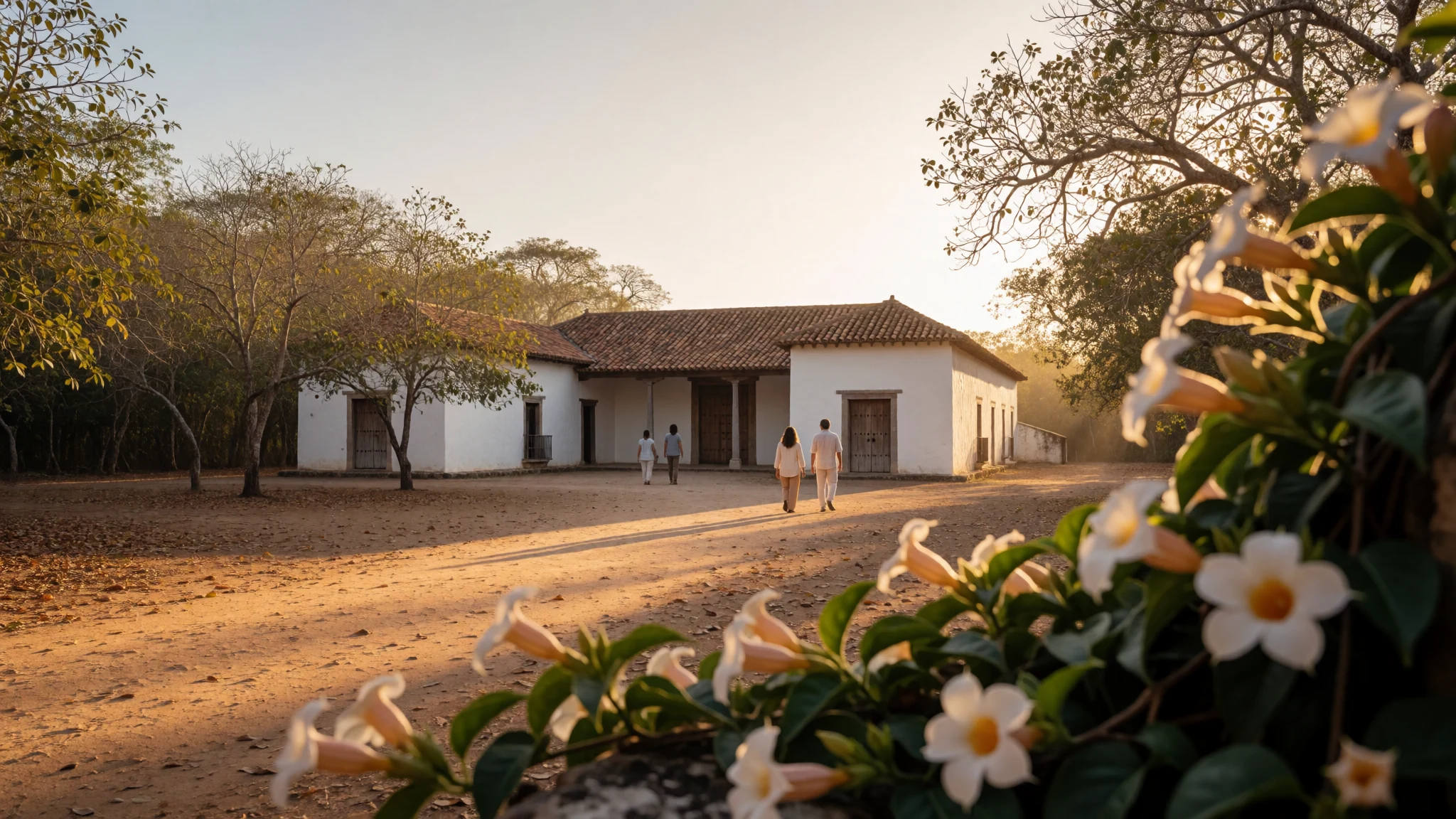
Santa Rosa National Park began as a working cattle farm, and the old hacienda at its heart, La Casona, is the reason this land became a place of national memory. On 20 March 1856 the American adventurer William Walker, who hoped to seize power in Central America with a force of mercenaries, pushed his men into Costa Rica. The Costa Rican militia caught up with them at the farm, where the invaders were sheltering in the main house. The fight lasted only 14 minutes and ended with Walker's men driven out. It remains the country's only significant military episode, which explains why one farmhouse carries so much weight in school history lessons. The farm did not drop out of the story afterwards. Its position near the Nicaraguan frontier made it a strategic point again in 1919, when invaders tried to topple the government of General Federico Tinoco Granados, and in 1955, when Costa Ricans resisted a force backing a coup attempt against José Figueres. Today La Casona serves as a memorial to those who fell in the successive battles. The land around it has been turned over to protecting dry forest and coast, so a place once fought over is now cared for as a shared natural inheritance.
What to see
- La Casona — Main park sector, inland from the Pan-American Highway
La Casona is the colonial-era hacienda where the 1856 fight against William Walker's men took place. Inside, a small museum covers the battle, with military relics and displays on how the park now protects its plants and animals. It makes a natural first stop and gives the rest of the park some context.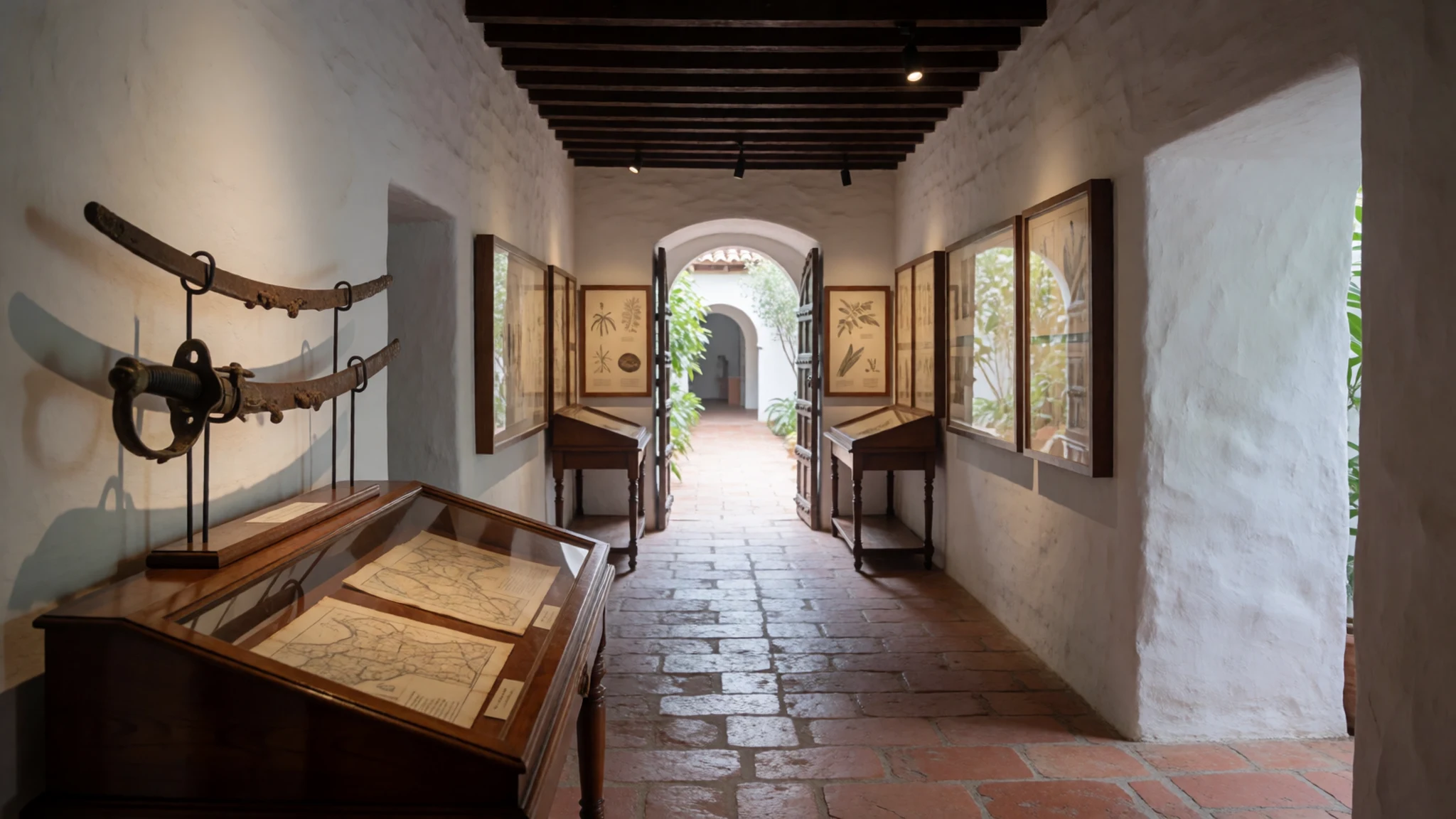
- Playa Naranjo and Witch's Rock — Pacific coast of the park
Playa Naranjo is a beach on the park's coast, reached by a long unpaved track and valued mainly for its surf, especially around the offshore rock called Witch's Rock (Peña Bruja). Experienced surfers come for the waves; others come for the empty sand and the campground behind it. Strong currents mean it is not a casual swimming stop.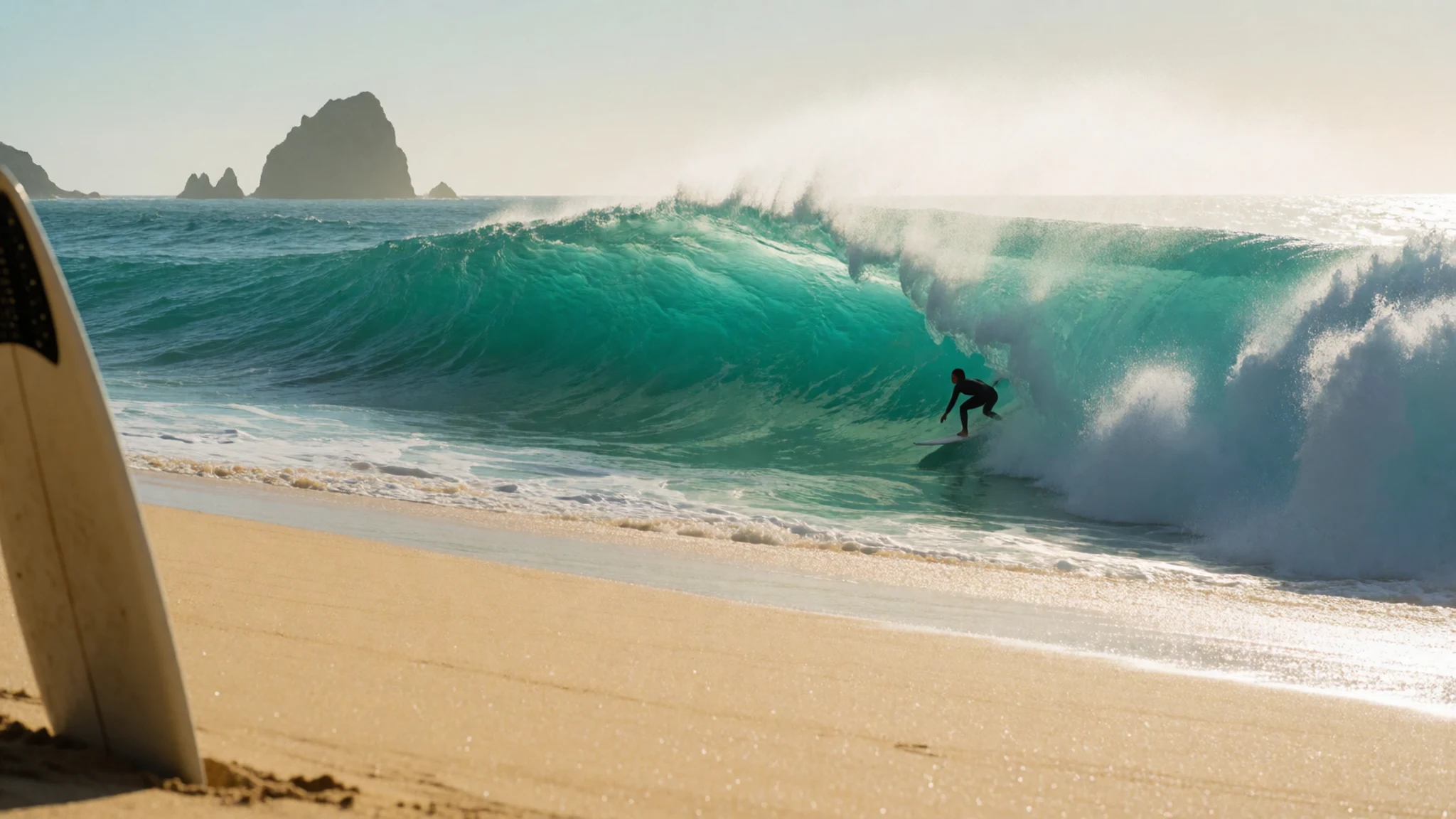
- Dry forest trails — Inland park sectors
The dry forest trails cross the park on marked routes, from short walks near the main buildings to several multi-day routes that need backcountry camping. In the dry months the canopy thins and wildlife is easier to spot, though shade is limited and the heat builds quickly. Start early, carry plenty of water and treat the longer routes as expeditions.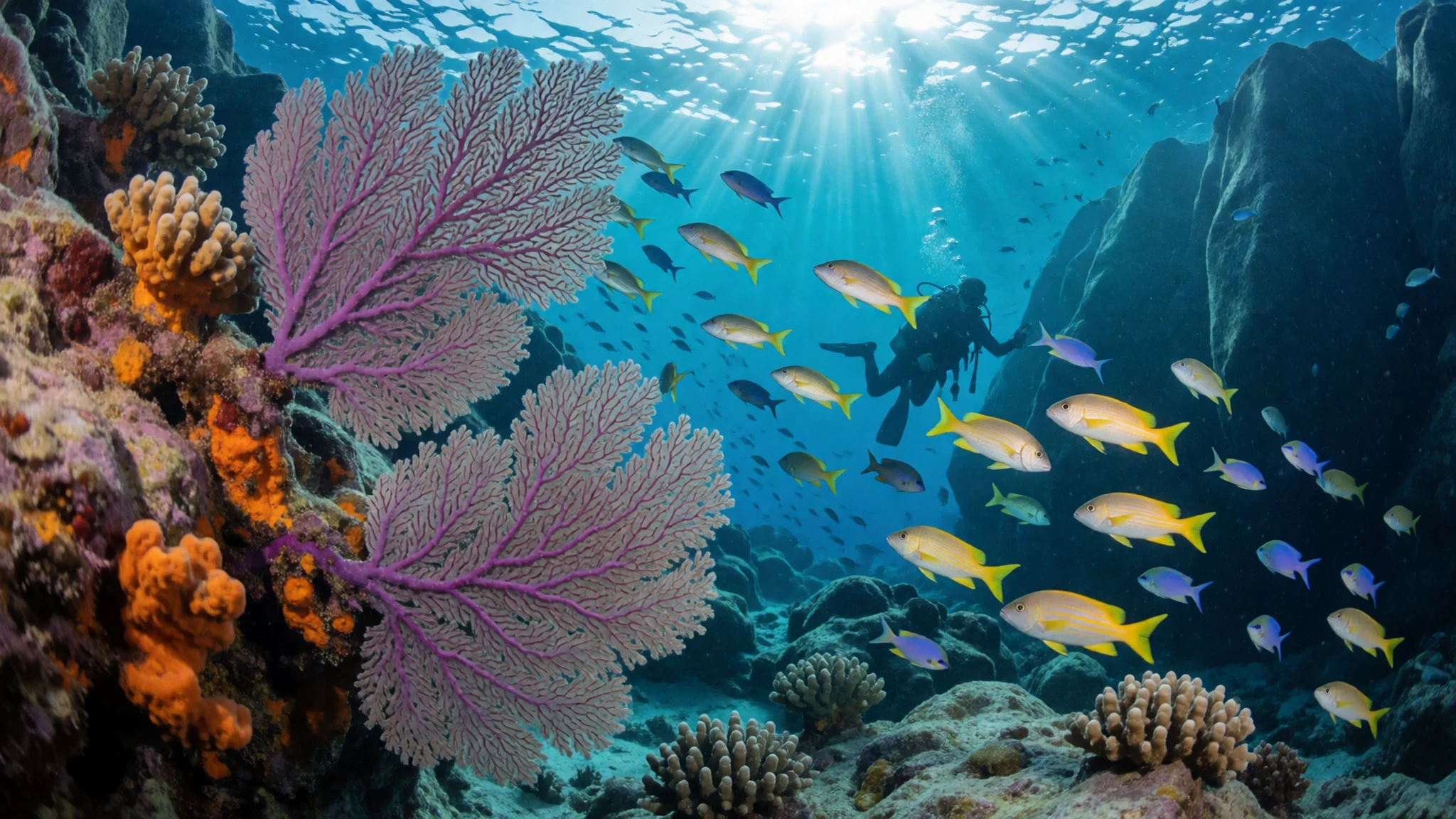
- Marine sector and Islas Murciélago — Offshore waters and coast
The park's marine sector protects coastal habitats including reefs, where snorkellers can see colourful fish, and fishing is possible within the park's rules. Dive shops elsewhere in Guanacaste run boat trips to sites in the park's waters, and the Islas Murciélago are a popular choice. Book through an operator rather than trying to arrange a boat on the day.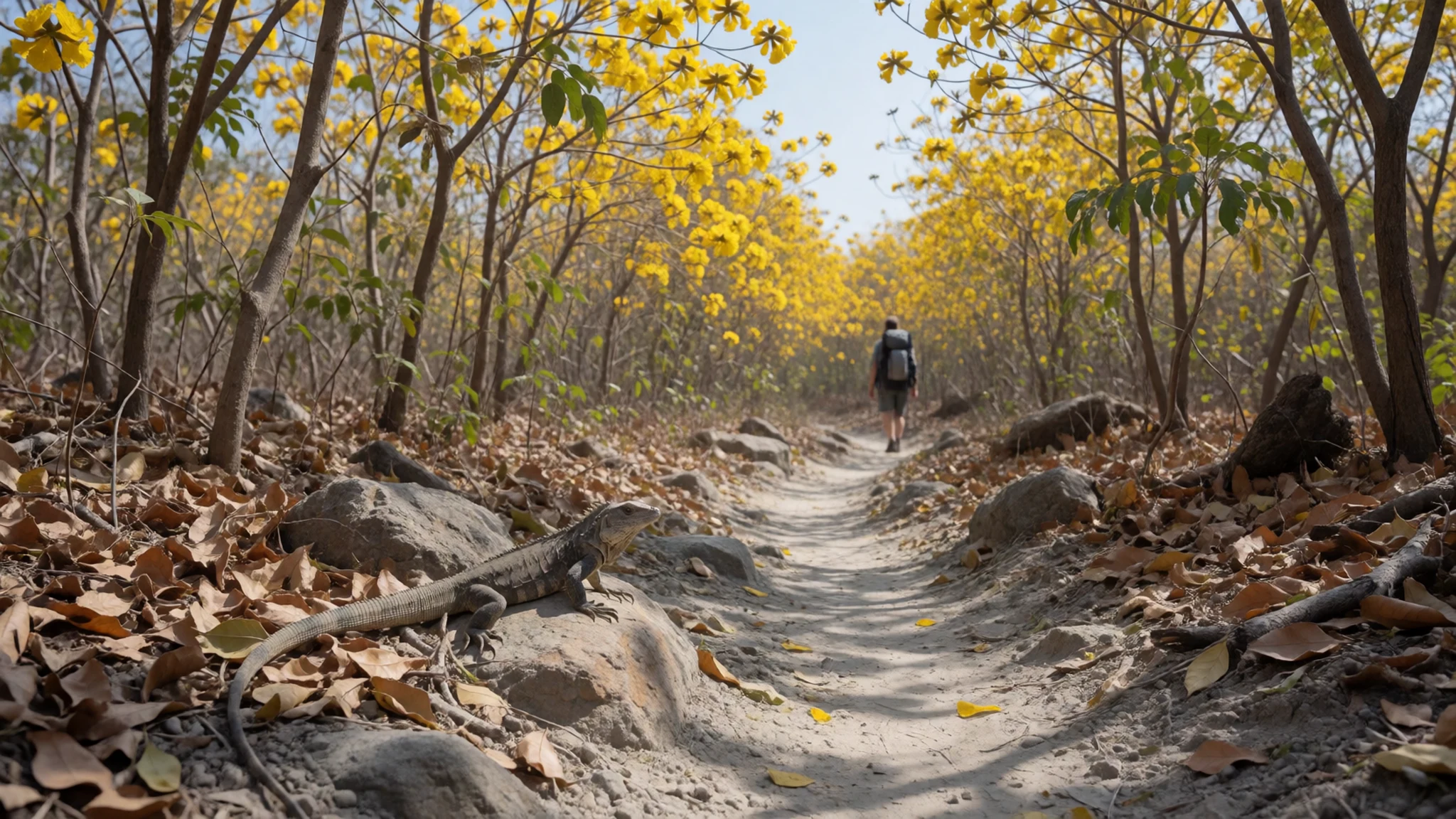
- Capuchins and club-tailed iguanas — Forest edge and trails
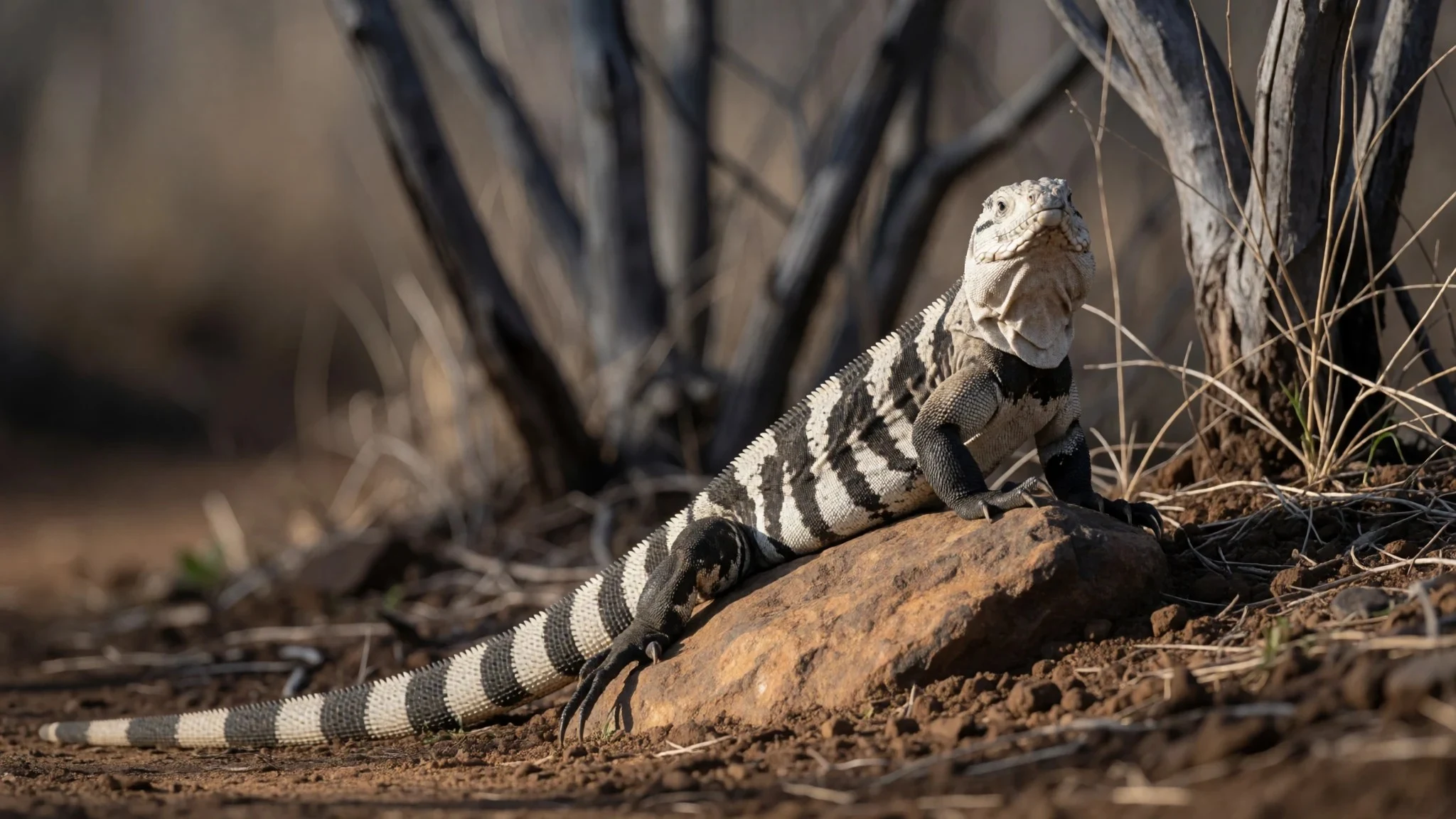
Capuchin monkeys and club-tailed iguanas are two of the animals visitors can reasonably hope to meet here. Capuchins work the forest edge and the trees near the buildings, while iguanas bask on rocks and trunks. Watch quietly from a distance, keep food out of sight, and use the bare dry-season branches to spot movement.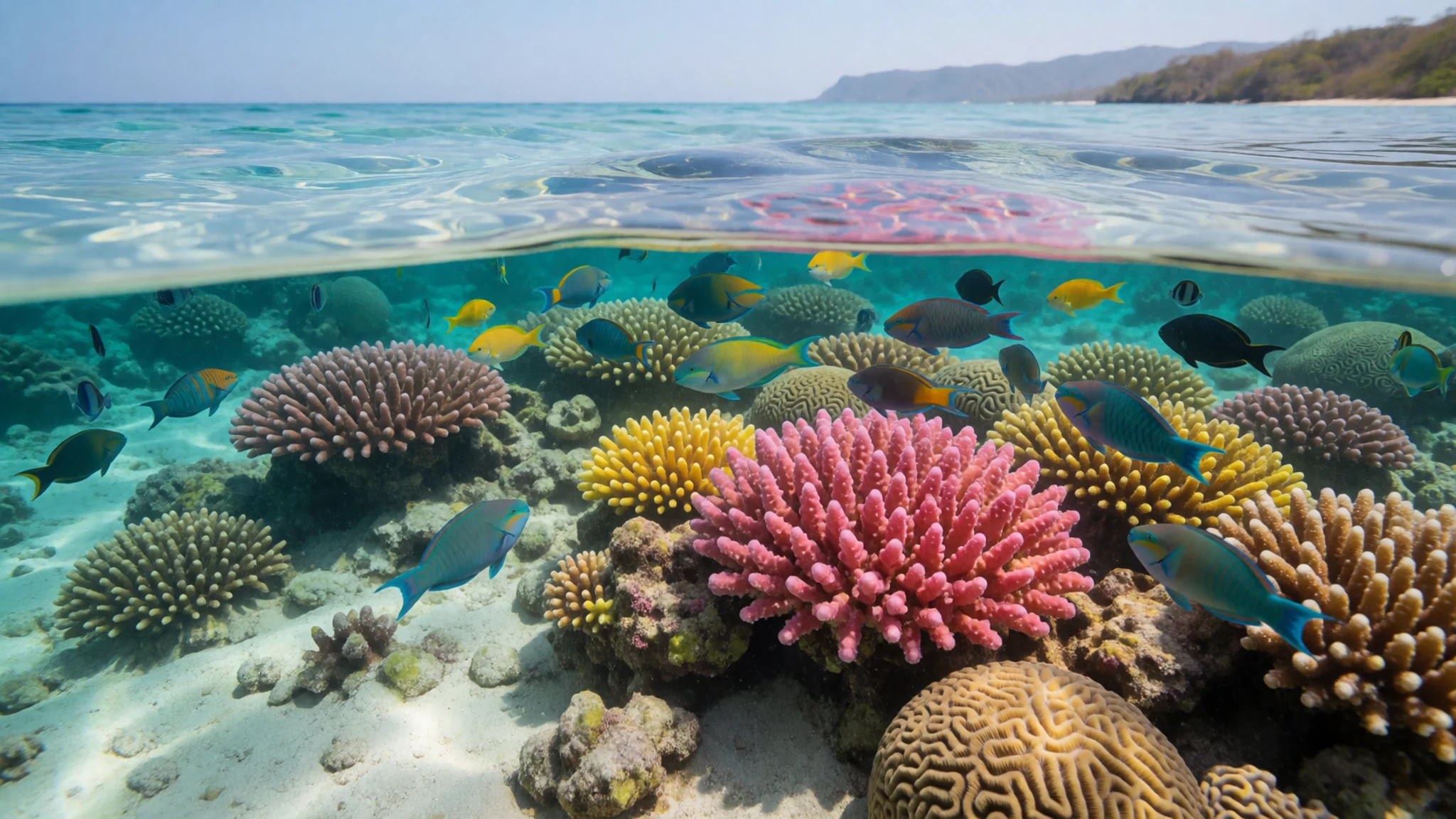
Culture
Santa Rosa National Park carries a particular meaning in Costa Rican culture, because the 1856 battle at La Casona is taught as the country's defining moment of defence. School groups visit, and the old house is treated as a memorial rather than a curiosity. A battlefield that is now a wildlife reserve sits comfortably with the wider national habit of valuing nature, and many Costa Ricans speak of the park with a quiet pride. The surrounding province of Guanacaste has an identity of its own, shaped by cattle ranching. The sabanero, or cowboy, and the rhythms of farm life still colour regional music, cooking and festivals, and a ranch hat is as likely to appear at a village celebration as in a field. People greet visitors easily, and the phrase pura vida does duty as hello, thanks and goodbye. The park's rangers are the best source of local knowledge: they know the state of the trails, which stream crossings are passable, and where animals have been seen recently. Conservation here is a shared project across the wider Guanacaste conservation area, and visitors are expected to behave as guests of the forest. Carry out all your rubbish, keep to marked trails, and never feed or touch the wildlife.
What to wear
Around Santa Rosa National Park, traditional dress belongs to festivals, school dances and folklore groups rather than everyday life. In Guanacaste, women's folk costume is typically a full, ruffled skirt in bright cotton, worn with an embroidered blouse and flowers or ribbons in the hair, while men wear a white cotton shirt, dark trousers, a neckerchief and a straw hat. These outfits recall the farming and ranching life of the province and come out for civic days and regional celebrations. Day to day, people in Liberia and the towns along the highway dress for the heat: light T-shirts, shorts or thin trousers, sandals or trainers, and caps or wide-brimmed hats against the sun. Cowboy hats and boots still appear among ranch workers, and on the coast surf shorts and rash vests are the norm. For a visit, think practical rather than smart. Wear light, long-sleeved, quick-drying clothes in pale colours to protect skin from sun and insects, plus a hat and sunglasses. Sturdy closed shoes or light boots suit dusty trails and stream crossings, with sandals kept for the beach. In the wet season, add a thin rain jacket. No special modesty rules apply inside the park, though covering up a little is sensible in towns.
What to eat
- Gallo pinto — Sodas and roadside eateries in Liberia and along the highway
Rice and black beans fried together with onion, pepper and coriander, eaten at breakfast with eggs, cheese or fried plantain. It is the standard fuel before a hot day on the trail. Look for it at any roadside soda, the small family eatery found in every town.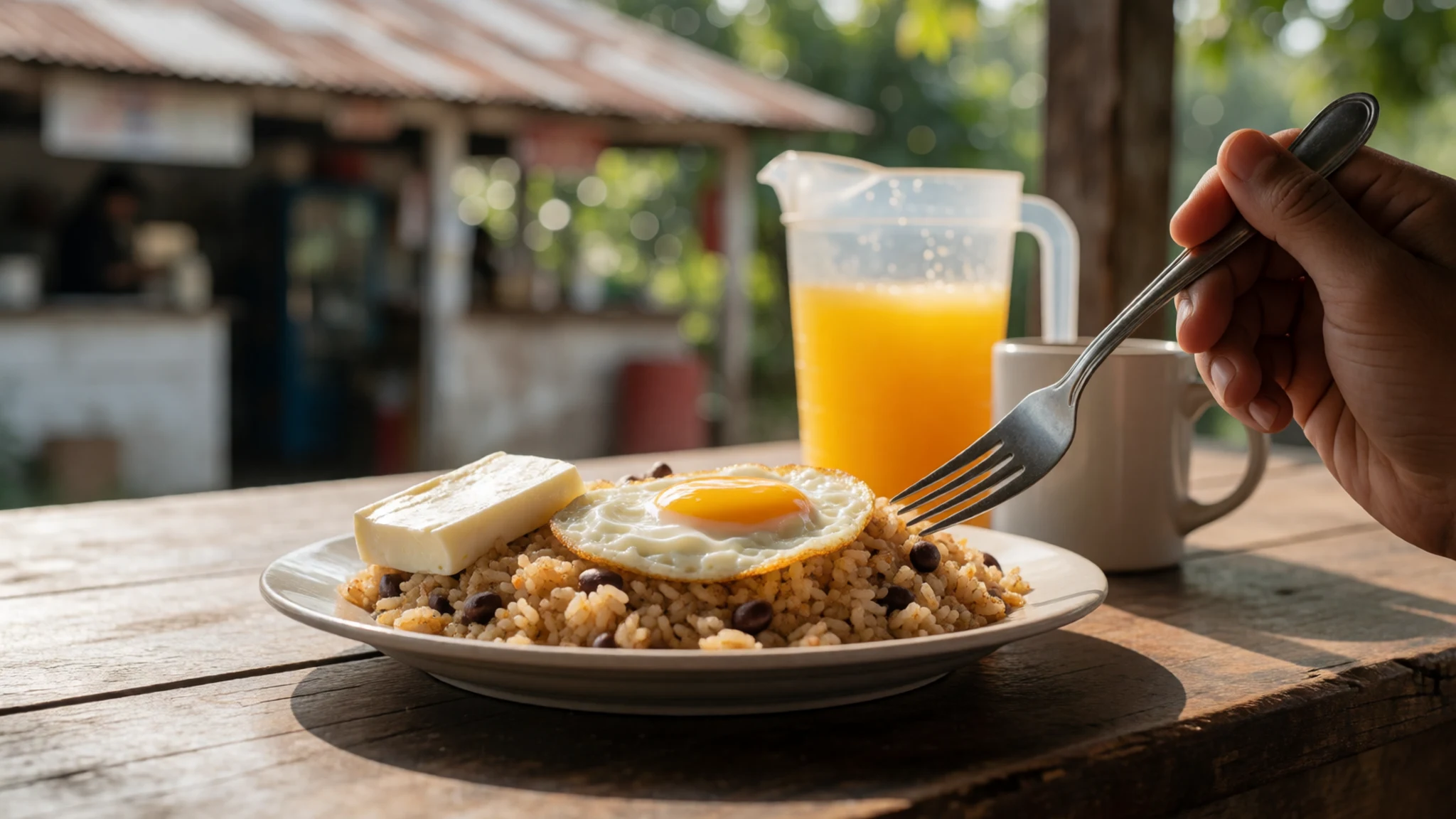
- Casado — Sodas in Liberia and the villages near the park
The everyday lunch plate: rice, beans, salad and fried plantain, with a choice of chicken, fish, beef or pork. It is filling, inexpensive by most standards and easy to find. Ask for it at a local soda rather than a tourist restaurant.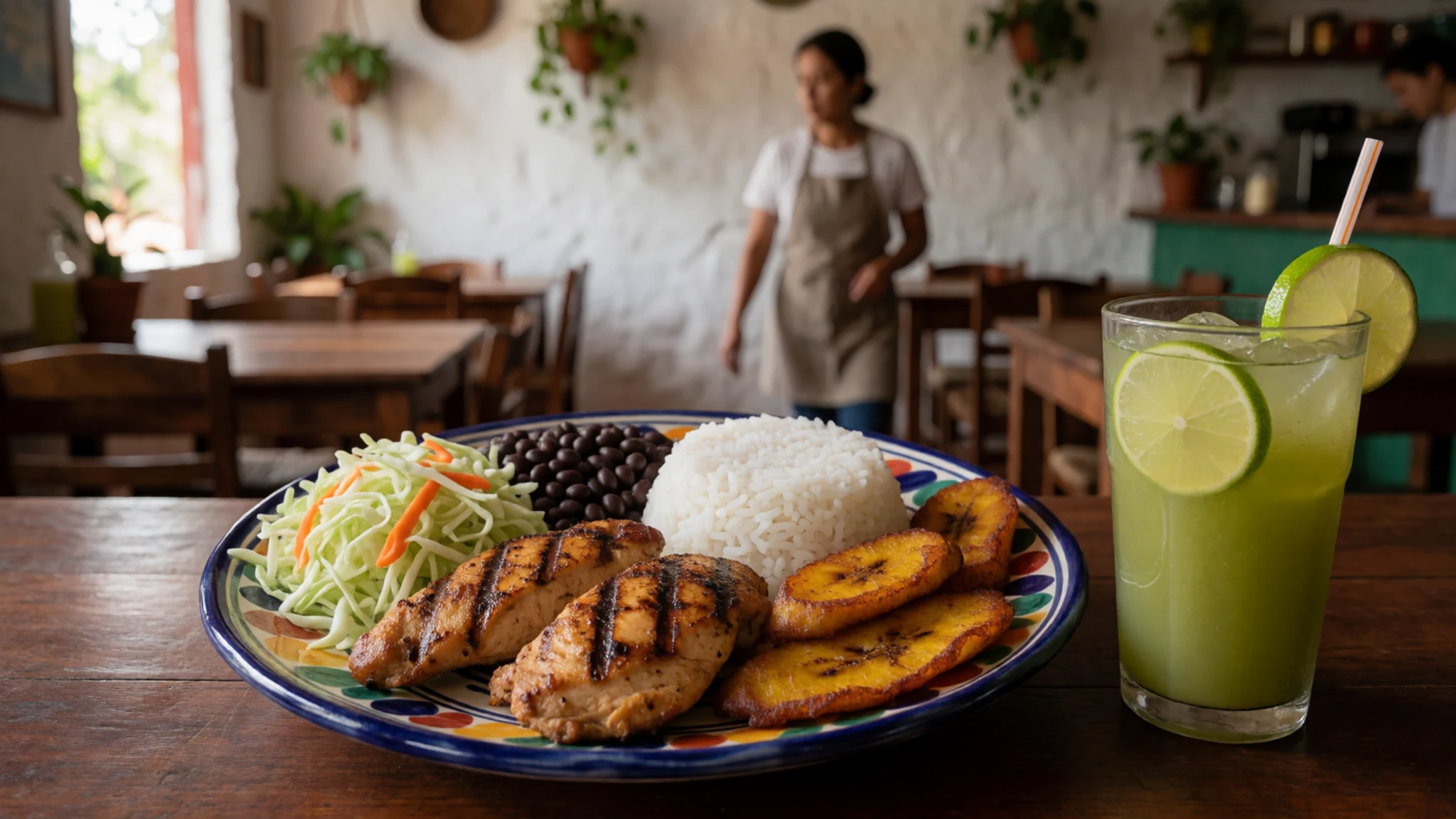
- Tortilla palmeada — Roadside stalls and village kitchens in Guanacaste
A thick, hand-patted corn tortilla, often served warm with fresh cheese or beans. It is closely linked with Guanacaste's corn-growing countryside and makes a good snack for the road. Small stalls and farm kitchens sell them, usually in the morning. - Ceviche — Coastal beach towns and seafood eateries on the Pacific side
Raw fish or shellfish cured in lime juice with onion, coriander and chilli, usually served cold with crackers or fried plantain. It is best eaten on the coast where the catch is fresh. Choose busy places with a quick turnover, and avoid it in the midday heat. - Fresco natural — Sodas, fruit stalls and market stands in Liberia
A fruit drink blended with water or milk, in flavours such as tamarind, watermelon, pineapple or the local cas. It is a welcome relief in the dry heat. Santa Rosa National Park itself is a place for packed lunches, so stock up before you enter.
Plan it
Best time. December to April is the dry season, when the forest is open, trails are firmer and roads are easier, though it is also the hottest, driest stretch and the leaves are mostly gone. May to November is greener and the rain makes unpaved roads and stream crossings harder, so check conditions before setting out.
How long. 1–2
Getting there. Fly to Liberia (LIR), the nearest airport with commercial flights, then drive north on the Pan-American Highway for about 40 km to the signed turnoff for the park; hiring a car at the airport is the easiest way. A sturdy, high-clearance vehicle suits the unpaved roads and stream crossings inside the park. Regional buses run between Liberia and La Cruz near the Nicaraguan border and the driver can drop you at the turnoff, but it is then a walk of about 7 km to the entrance and getting back may be difficult.
Budget. mid
Tips
- Carry plenty of drinking water, several litres per person, since shade is patchy and the heat is strong; water is available at the entrance and a few other points, but bottled water is the safer choice
- Start early in the day to walk before the heat peaks and to see more wildlife
- Check the official park or conservation-area site before you go for entrance charges, opening times and trail and road conditions
- Camping is allowed, with a popular campground at Playa Naranjo, and backcountry camping is possible on the long trails; bring everything you need and follow leave-no-trace practice
- Do not count on getting a lift back from the highway turnoff, so arrange transport in advance
Etiquette
- Stay on marked trails and carry out all rubbish
- Keep a respectful distance from wildlife and never feed it
- Treat La Casona as a memorial and keep voices low inside
Nearby
Sources
- Wikidata Q1154052 (CC0)
- Wikipedia: Santa Rosa National Park (rev 1341097657) (CC BY-SA 4.0)
- Wikivoyage: Santa Rosa National Park (rev 4914722) (CC BY-SA 4.0)
- Geoff Gallice, Beach at Santa Rosa National Park (CC BY 2.5)
- Geoff Gallice, Tropical dry broadleaf forest (Bosque seco) (CC BY 2.5)
- Geoff Gallice, White fronted capuchin (CC BY 2.5)
- Franz Xaver, Arrabidaea patellifera 1 (CC BY 3.0)
- Franz Xaver, Arrabidaea patellifera 2 (CC BY 3.0)
- Rodtico21, Detalle de la fachada de la Casona Santa Rosa (CC BY-SA 2.0)
- Oldcrookedjaw, Cochlospermum vitifolium in Guanacaste (CC BY 3.0)
- Everhard van Eimeren, Ctenosaura quinquecarinata, club-tailed iguana (CC BY-SA 4.0)


Wildlife
- White-fronted capuchin (animal)
The white-fronted capuchin is a clever, nimble monkey, a little like an acrobat of the treetops. In Santa Rosa National Park you may spot it high in the forest canopy, and later the same day you could be paddling in the surf at Playa Naranjo. The best season and hour are not known, so simply keep your eyes raised. Watch from a respectful distance, stay quiet, go with a guide if you can, and never feed the monkeys.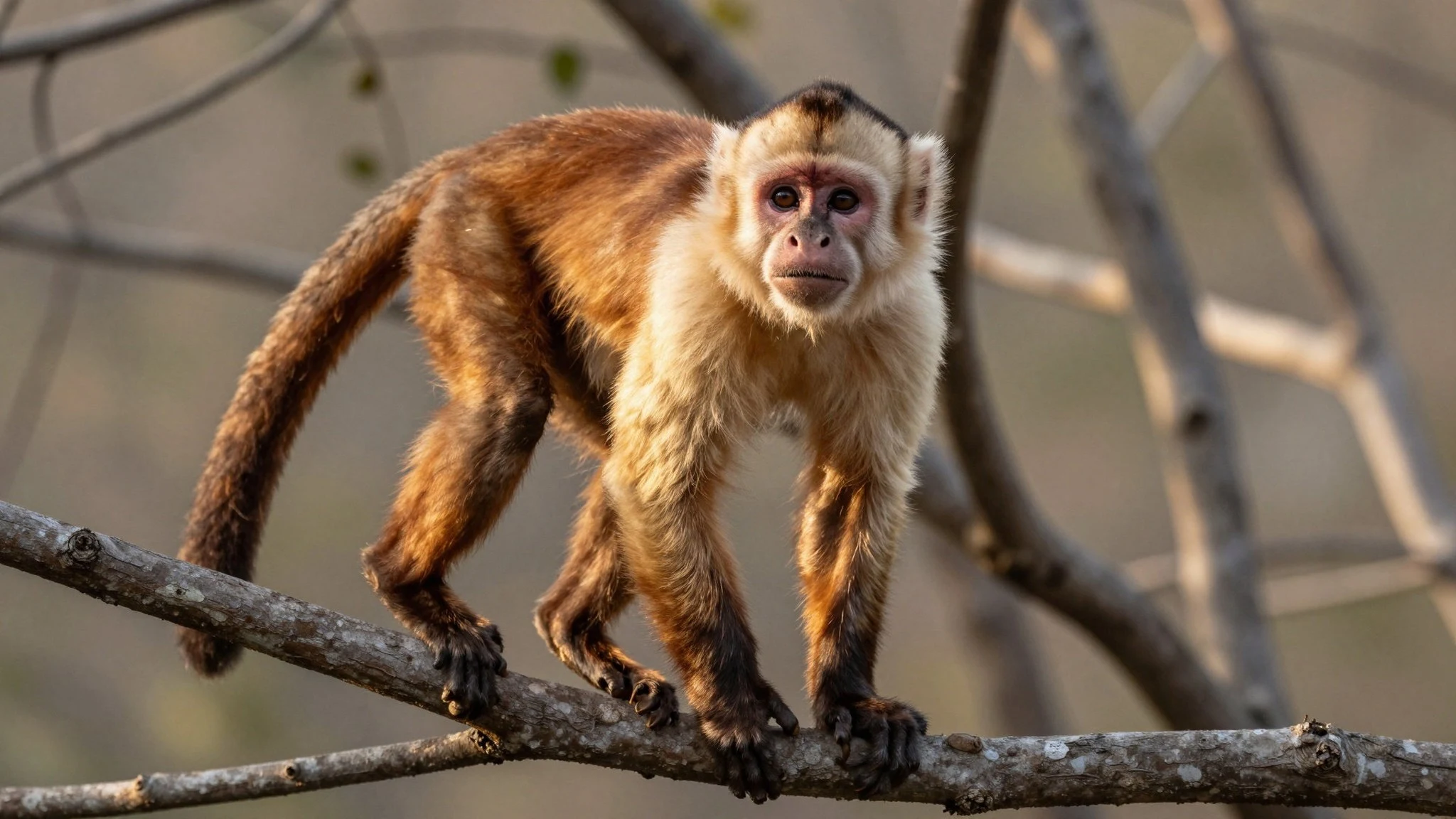
- Club-tailed iguana (animal)
The black spiny-tailed iguana is a big, sturdy lizard with a spiky tail, rather like a small dragon. It is the largest of its kind and lives in forests and grasslands across Mexico and Central America. In Santa Rosa National Park, the walking trails are good places to look for it, though no particular season or time of day is known. Keep a calm, quiet distance, walk with a guide, and never feed it.