Santa Rosa de Copán
Santa Rosa de Copán, Honduras
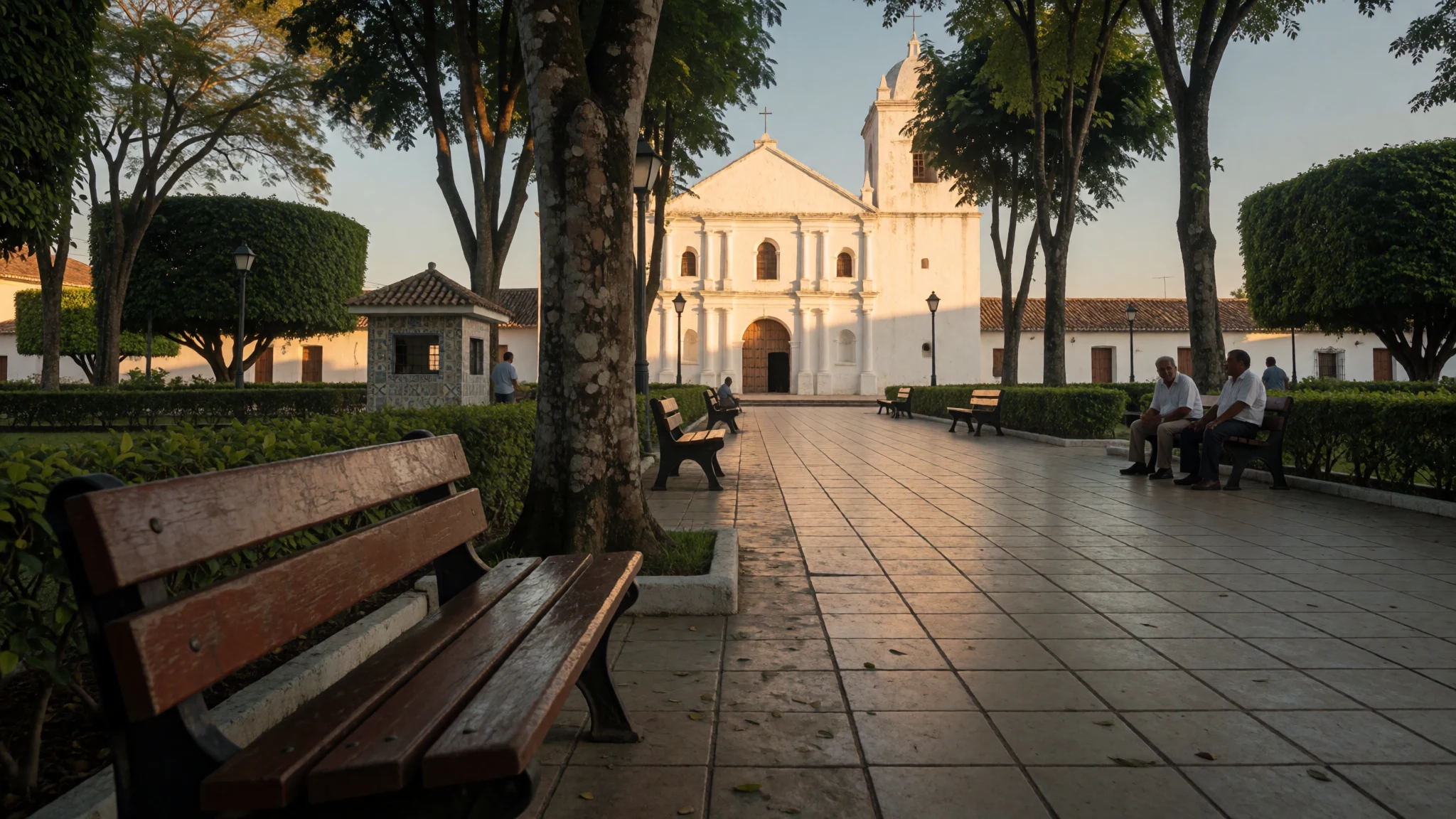
Santa Rosa de Copán is a cool, cobbled tobacco town in Honduras's western hills, with a calm park, hand-rolled cigars and cheap, honest food.
The place
Santa Rosa de Copán sits at 1168 metres in the hills of western Honduras, and the altitude does much of the work of making it comfortable. It is the capital of Copán department and the main administrative town of the region, home to a little over sixty thousand people. The climate is subtropical but mild: the warm months run from March to May, the cool ones from December to February, and cool-season evenings can call for a jumper. A drier season in the winter months and a wetter one through the middle of the year shape both the farming calendar and the travel one. The historic centre is protected as a national monument. Its Neoclassical, Republican-style buildings and cobbled streets were paid for by tobacco, and tobacco is still the town's trade, particularly premium cigar leaf, with a cigar factory working in the town. Daily life gathers around the main park, where a kiosk doubles as the tourist information point, benches fill with people watching the afternoon go by, and the white cathedral stands across the way. The city is a practical base as much as a destination. The International Highway of the West links it north to San Pedro Sula and west towards the Salvadoran and Guatemalan borders, and it lies between the Maya ruins at Copán Ruinas, the colonial town of Gracias and Celaque National Park. Visitors should expect a working Honduran town rather than a polished tourist centre, which is much of its appeal.
Its story
Santa Rosa de Copán began as ranching and tobacco country. Early in the eighteenth century a Spanish colonial captain, Juan García de la Candelaria, bought the plains then known as Los Llanos from the crown and set up an estate of several ranches. The settlers who followed named the place after Saint Rose, at first as Santa Rosa de los Llanos. Tobacco took hold, and the Spanish crown later chose the town as the site of a royal tobacco factory, tying its fortunes to the leaf for good. Wikidata gives 1802 as the founding year, a reminder that dates for small colonial towns are slippery: estate, settlement and municipality arrived at different moments. In the nineteenth century the town served as the capital of Honduras on several occasions, and it was in this period that a presidential decree changed the country's formal title from State to Republic of Honduras. The town later gained its present name, adding Copán to Santa Rosa, and became capital of the department of that name when the old Gracias department was split in two. Its cathedral, dedicated to Saint Rose, is the seat of the Catholic diocese that carries the town's name. What the story left behind is the architecture. Tobacco money produced the tidy streets and public buildings that earned the centre its protection as a national monument, and cigars are still rolled by hand a short walk from the park.
What to see
- Santa Rosa de Copán Cathedral — Central park
The white-washed cathedral faces the main park and is the town's chief landmark, dedicated to Saint Rose. It photographs best from the park in morning or late-afternoon light, when the façade glows. Step inside if no service is under way; it is a working church and the seat of the local diocese.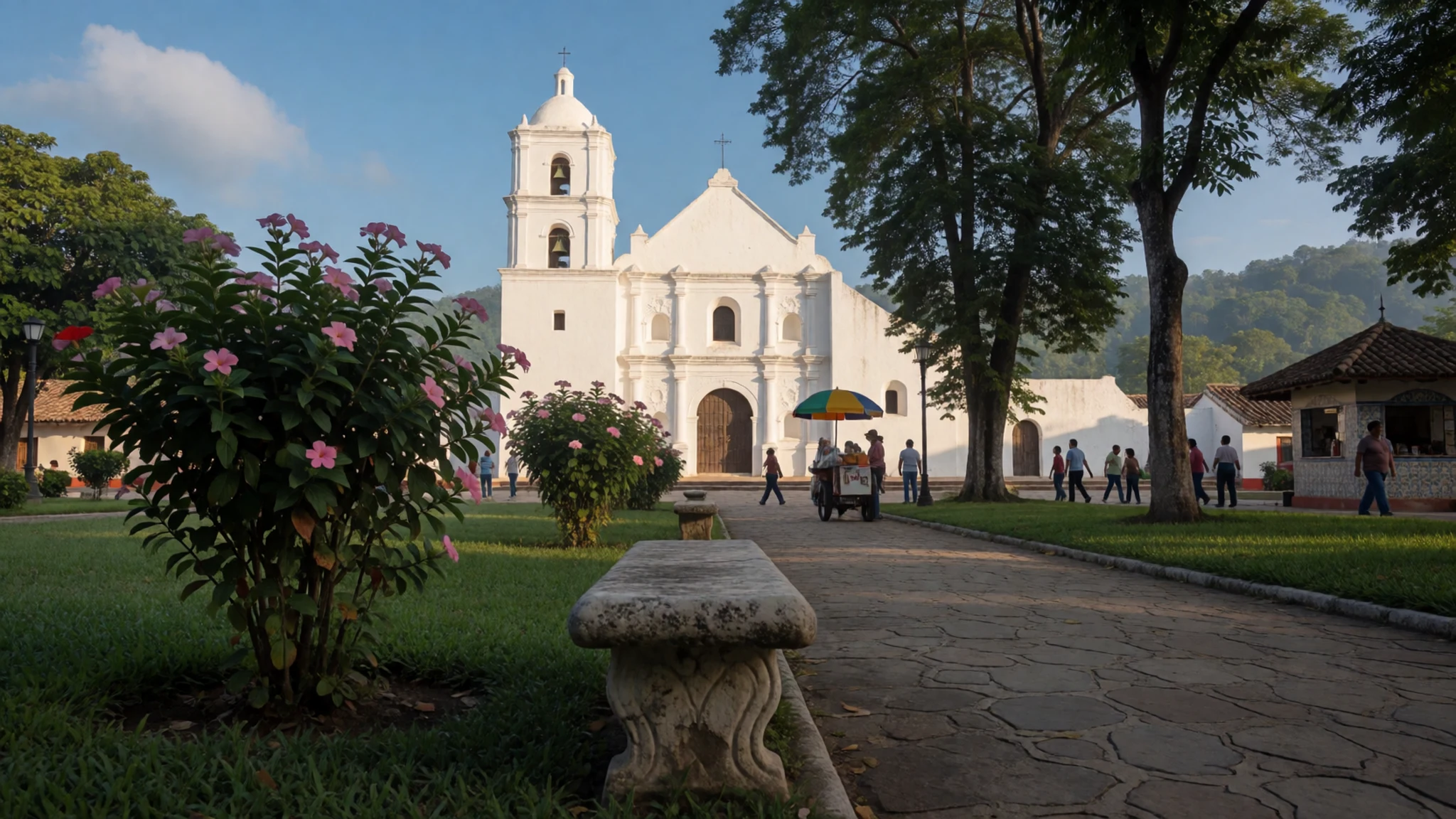
- Central park — Town centre
The park is the town's living room: well kept, shaded, with plenty of benches and a kiosk that serves as the tourist information point, where maps and local advice are available. It is a good place to start, to watch Santa Rosa go about its day, and to buy a snack from the park's food sellers.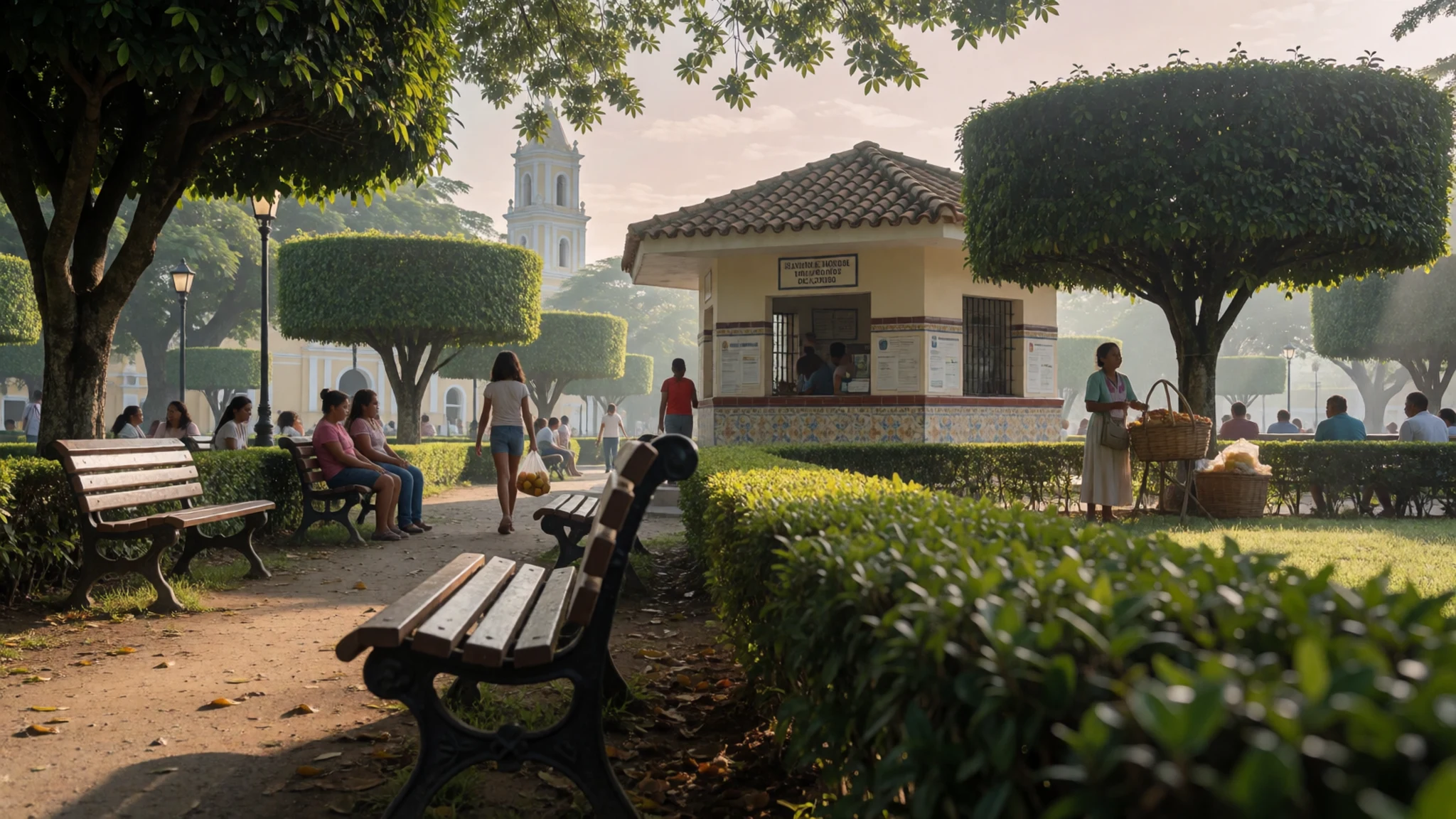
- Old cemetery — Edge of town, a walk from the centre
The old cemetery is a colourful, maze-like place that rewards a slow wander. It lies about half an hour's walk from the centre, and the tourist office can give directions. Go in daylight and keep to the paths; this is a place of mourning, so photograph the tombs with restraint.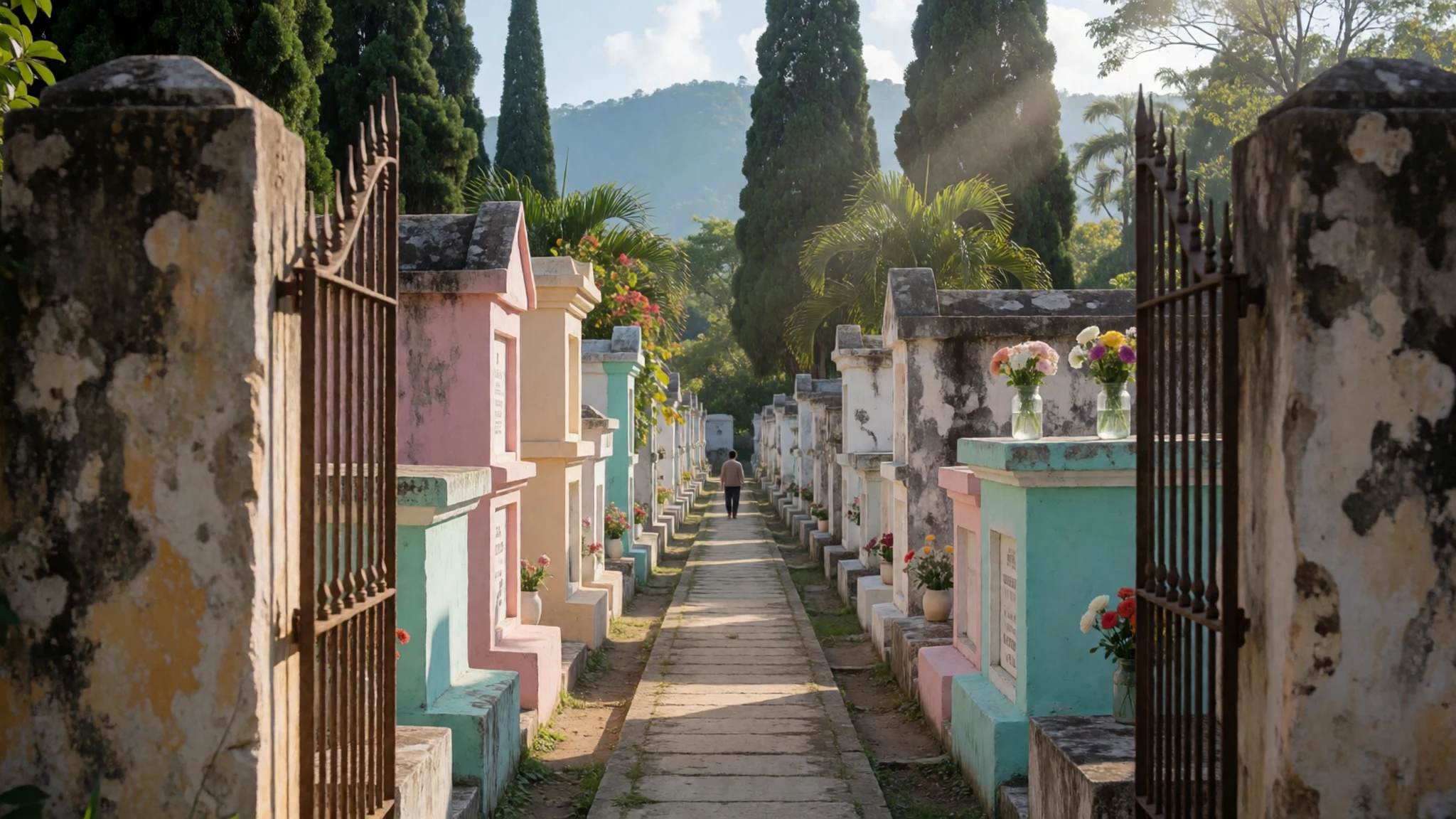
- Cerrito Centenario overlook — Far end of town
This hill at the far end of town is reached by a long climb of more than a hundred steps, so carry water. At the top stand a replica Maya statue and views across the town. The outlook is pleasant rather than spectacular, and best on a clear morning.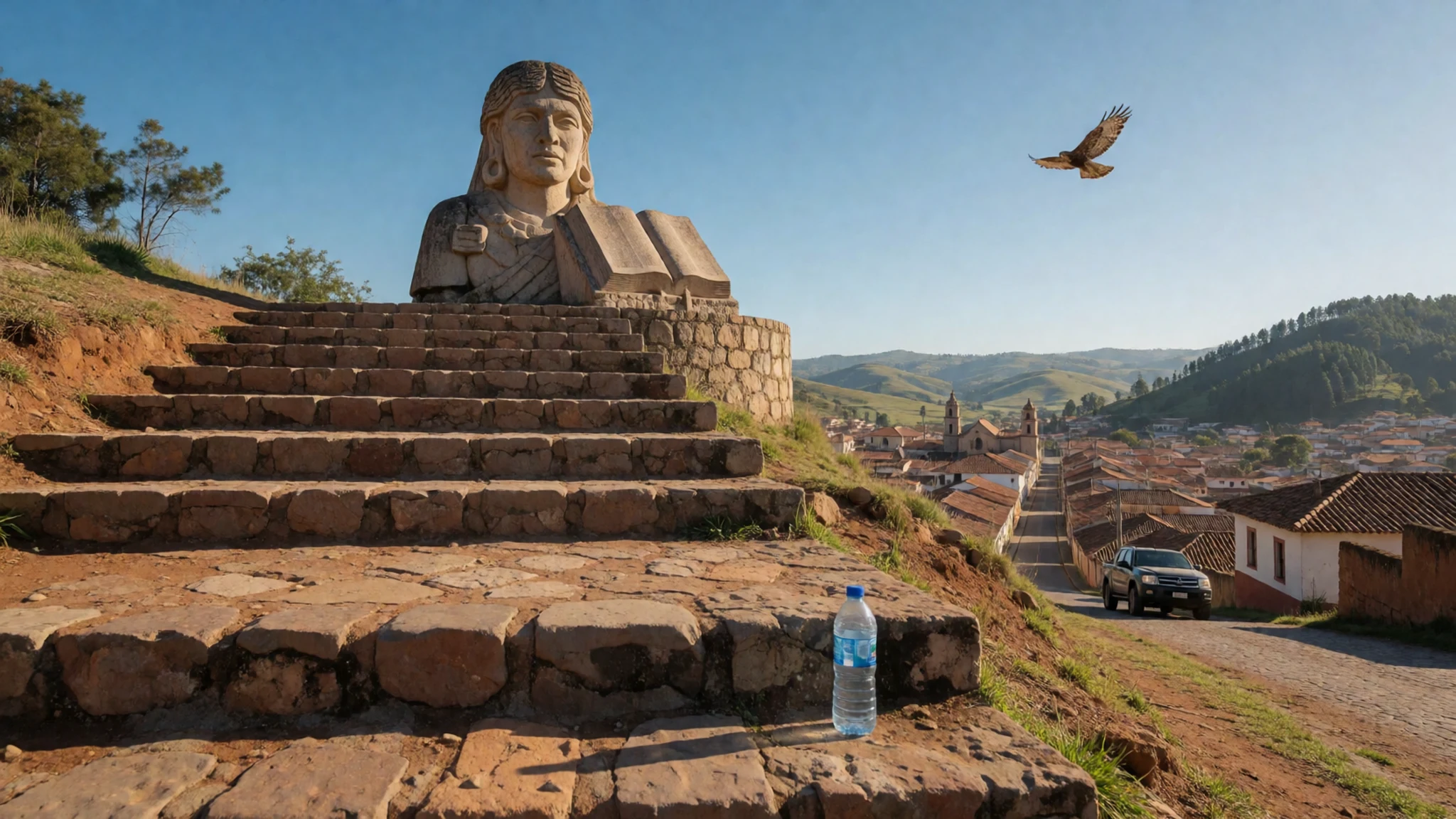
- Flor de Copán cigar factory — Santa Rosa de Copán, factory tour
The factory offers guided tours of how fine cigars are rolled by hand, with guides working in Spanish and English at set times on weekdays. Check current times and the price, and book ahead. Cigars are not sold at the factory itself; they are sold at the company's shop downtown.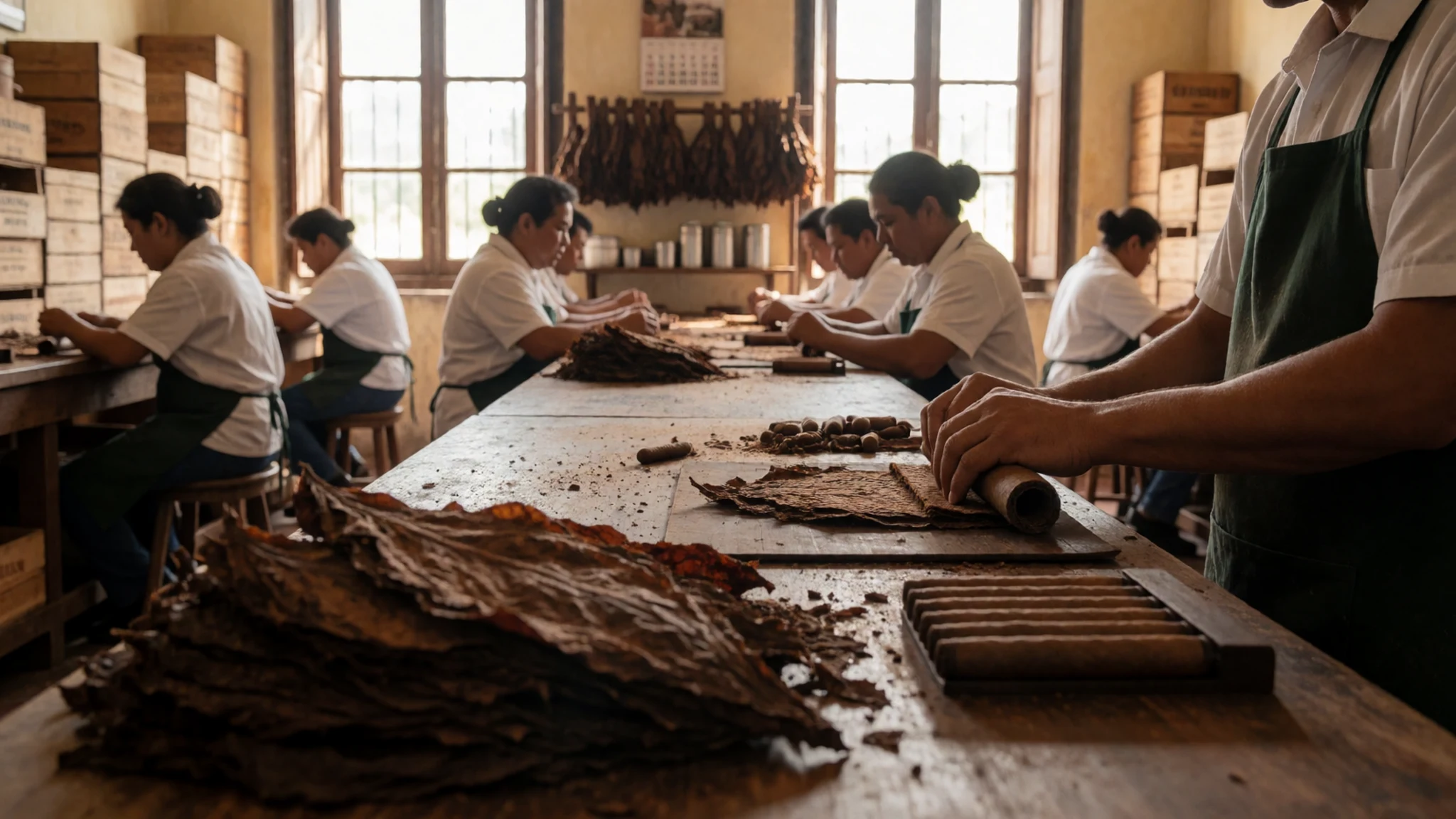
Culture
Santa Rosa de Copán is a Catholic town in a mostly Catholic country, and the rhythm of the week shows it: the cathedral is busy on Sundays, saints' days bring processions and fireworks, and the park fills after mass with families and ice-cream sellers. Its patron, Saint Rose, gives the town its name, and the older families still speak of the place as a tobacco town first and a department capital second. Cigar rolling is a craft here, passed between workers and valued as skilled hand work rather than as a souvenir industry. Politeness matters in daily dealings. People greet shopkeepers, bus conductors and strangers in a doorway with a plain buenos días or buenas tardes, and a visitor who skips the greeting will notice the difference. A few words of Spanish go a long way, since English is not widely spoken outside the tourist office and a handful of businesses. Weekends bring a farmers' market, and the town's small soft-drink maker, Copan Dry, is a local point of pride. Music, football and evenings in the park are the main entertainments. Nightlife is simple, with beer, cheap dives and the occasional live band. Honduras has real safety concerns in places, so locals will happily tell you which streets to avoid after dark. In churches and at the cemetery, speak quietly, remove hats and ask before photographing anyone at prayer or at a graveside.
What to wear
Santa Rosa de Copán has no single costume that locals wear daily, but Honduran folk dress appears at festivals, school parades and dance displays: wide, ruffled skirts in bright cotton for women, embroidered blouses, and for men white shirts, straw hats and a neckerchief. Western Honduras is also Lenca country, where weaving in cotton and natural dyes survives in village crafts, and textiles sold in markets may be local or brought from elsewhere, so ask the seller. Day to day, people dress for a mild highland town: jeans, shirts, trainers and light jackets, with neat, modest clothes for church or office. Farmers and cattle people often wear cowboy-style hats and boots, a reminder of the ranching around town. Tobacco workers wear practical, light clothing in the factory. Visitors should pack layers. Days can be warm from March to May, and evenings from December to February can feel properly cool, so bring a fleece or light waterproof for the wetter months. Shorts are fine in the park, but cover shoulders and knees for the cathedral and the cemetery. Comfortable closed shoes suit the cobbles, and sturdy trainers are better for the steps up the Cerrito Centenario. A hat and sun cream help, because the altitude makes the sun stronger than the temperature suggests.
What to eat
- Baleadas — Small típico eateries around the centre
A thick flour tortilla folded over refried beans and cream, sometimes with egg or cheese added. It is cheap, filling and eaten at any hour. Look for small típico eateries around the centre, where tortillas are made fresh and the baleada comes hot.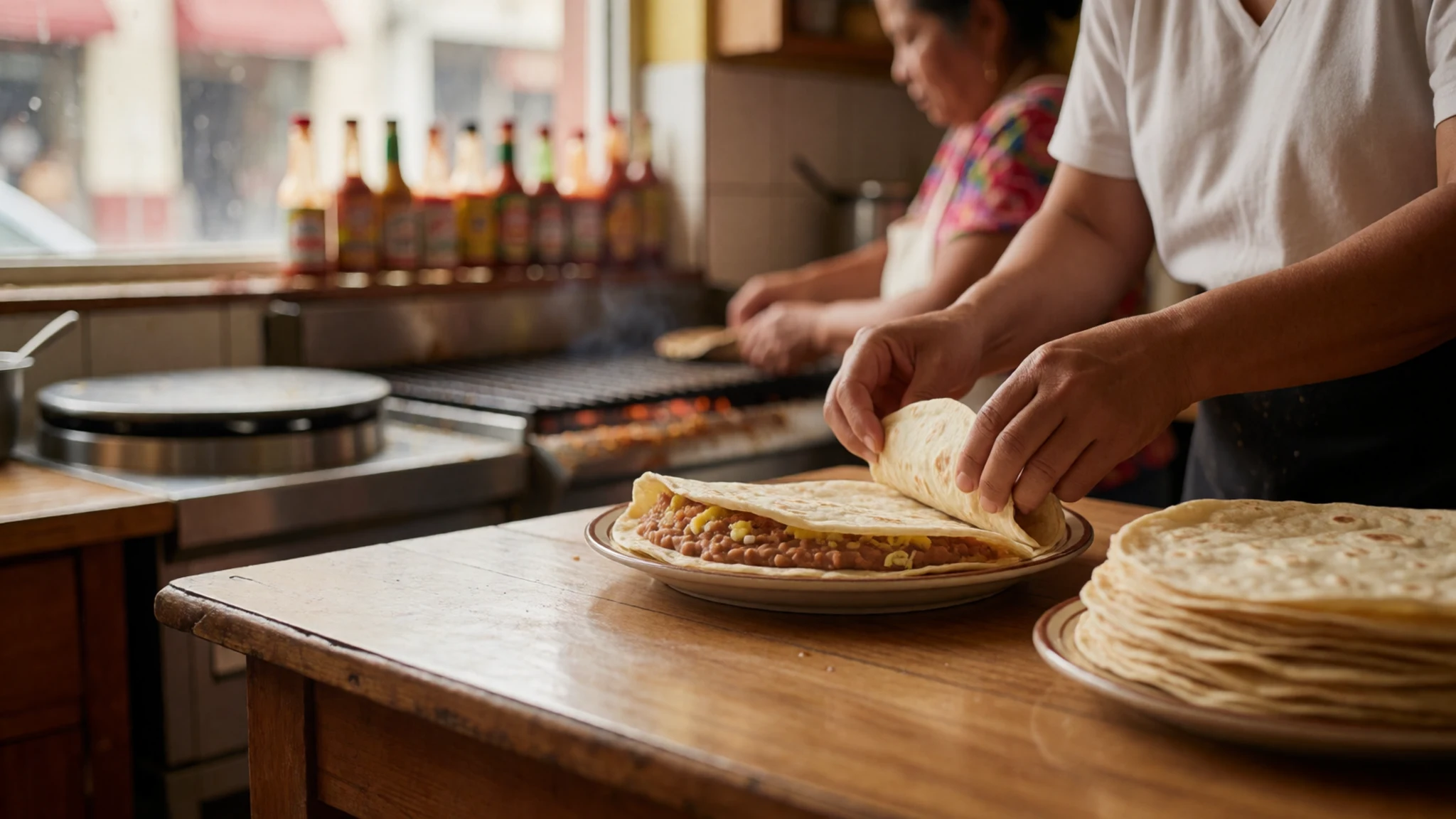
- Ticucos de huevo — Sellers in the central park
A whole hard-boiled egg with beans and corn masa, wrapped and steamed in a corn husk. They are a traditional snack and travel well in a pocket. Look for the women selling them from baskets around the main park, usually in the morning and early evening.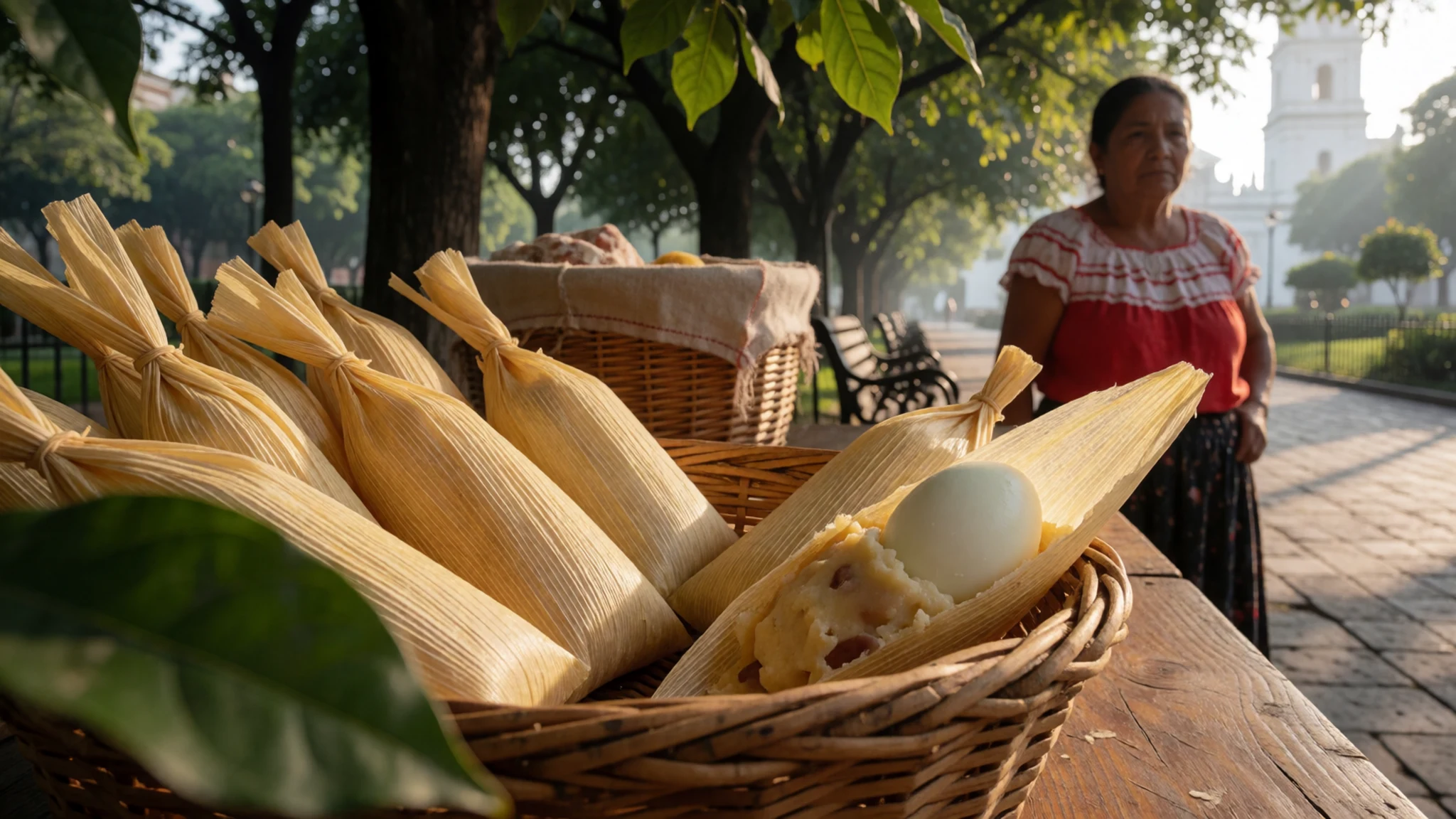
- Plato típico — Family-run eateries near the centre
The classic Honduran plate: usually grilled meat or sausage with beans, rice, fried plantain, cheese and a little pickled cabbage. Portions are generous, and the plate is a good way to taste the country in one sitting. Ask for it at family-run eateries near the centre. - Atol de piña — Street stalls and home-style eateries
A warm, sweet drink made of pineapple and corn, thick and gently spiced. It suits cool evenings, when the air drops in the hills. Look for it at street stalls, small cafés and at home-style eateries, usually served in a plain cup. - Copan Dry — Corner shops and small restaurants
A fruit-flavoured soft drink made in the town itself, in flavours such as strawberry, pineapple, banana, grape and orange, sold in small glass bottles. It makes a cheap, cold souvenir of the town. Ask for it in corner shops and small restaurants. - Honduran lager — Any bar or restaurant
Local lagers, including Salva Vida, Port Royal, Imperial and Barena, are served very cold and priced for locals. Drink them at a bar or restaurant with food, as people here do. For something stronger, ask about madrazos, a fruit-juice and aguardiente mix, with caution.
Plan it
Best time. November to March, when the drier season brings clear days and cool, comfortable evenings; April to May is warmer, and the wetter months from June to October bring heavy afternoon rain, though the altitude keeps the town milder than the tropical lowlands.
How long. 2–3
Getting there. Fly to San Pedro Sula, the usual gateway, then take a bus west along the International Highway of the West; several companies run daily buses from the terminal near the foot of the town's hill. Old school buses then run to nearby villages.
Budget. low
Tips
- Book the cigar-factory tour ahead and check current times and prices; the tourist kiosk in the park can help
- Carry some cash for markets, small eateries and village buses, as cards are not accepted everywhere
- Drink bottled or purified water, and carry some for the steps up the Cerrito Centenario
- Plan the weekend for the farmers' market in Barrio Santa Teresa
- Ask locally which areas to avoid after dark, and take taxis at night
Etiquette
- Greet people with buenos días or buenas tardes before asking for anything
- Keep quiet and dress modestly in churches and the cemetery
- Ask before photographing people, especially at prayer
Nearby
Sources
- Wikidata Q954300 (CC0)
- Wikipedia: Santa Rosa de Copán (rev 1378601808) (CC BY-SA 4.0)
- Wikivoyage: Santa Rosa de Copán (rev 5268708) (CC BY-SA 4.0)
- Photo: Catedral Santa Rosa Copan, JMRAFFi (CC BY-SA 4.0)
- Photo: Catholic Church in Santa Rosa de Copan, Katesuchomel (Public domain)
- Photo: Biblia en el cerrito Santa Rosa, JMRAFFi (CC BY-SA 4.0)
- Photo: Campus CUROC, Ayaita (CC BY-SA 4.0)
- Photo: Casa Arias, Vitrubius32 (CC BY-SA 4.0)
- Photo: Cementerio Santa Rosa Copán, Dracourka (CC BY-SA 4.0)
- Photo: Central park of Santa Rosa, Vitrubius32 (CC BY 3.0)
- Photo: Cerrito Centenario, Vitrubius32 (CC BY-SA 4.0)


