Royal Natal National Park
Royal Natal National Park, South Africa
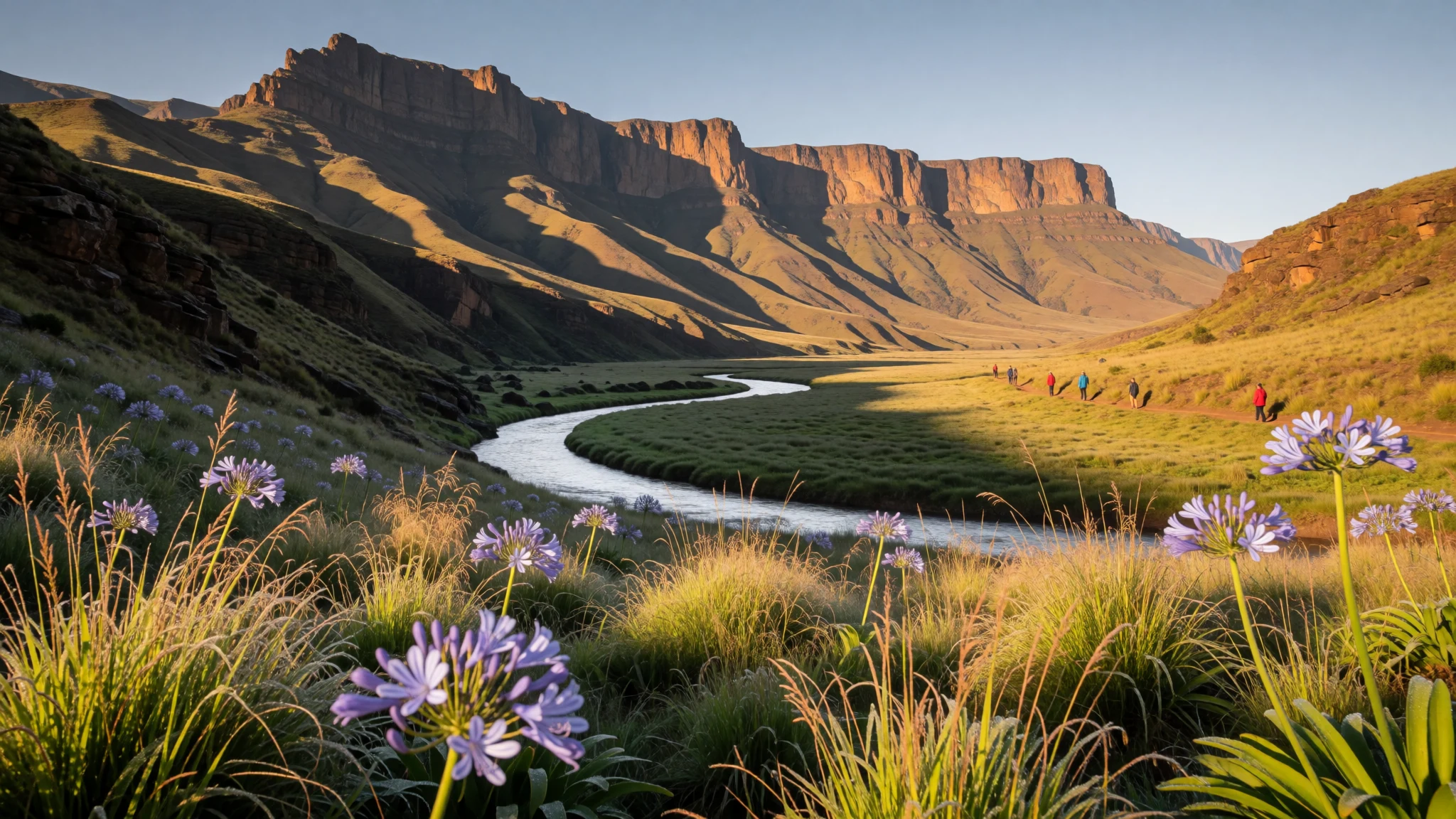
Go for the dramatic basalt cliffs of the Amphitheatre and the sheer drop of the Tugela Falls.
The place
Royal Natal National Park is a provincial reserve in South Africa's KwaZulu-Natal province, tucked into the dramatic folds of the Drakensberg mountains. Despite its name, it is managed at a provincial level rather than by the national parks service. The landscape is dominated by the Amphitheatre, a staggering wall of rock that defines the horizon, and the Tugela Falls, which tumbles down the cliffs in a series of leaps. The park is a sanctuary for diverse wildlife; while you are more likely to spot baboons, bushbuck, or rock dassies than big game, the real draw is the geology. The terrain varies from lush, green valley floors and river crossings to high-altitude ridges where the air is thin and cold. It is a place of extremes, where deep gorges meet towering peaks, and the weather can shift from brilliant sunshine to thick, blinding mist in a matter of minutes. For those who love hiking, it offers some of the most challenging and rewarding trails in Southern Africa, winding through ancient cycads and alpine meadows.
Its story
The story of Royal Natal National Park is written in both stone and pigment. Long before it became a protected area, these mountains were the hunting grounds of the San people. They left behind a silent archive of their lives in the form of rock paintings, depicting animals and spiritual journeys across the sandstone canvases of the caves. The park itself underwent a transformation in the mid-twentieth century, receiving its royal title only after a visit from the British Royal Family. This colonial nod sits in contrast to the timeless, rugged nature of the Drakensberg, which served as a natural fortress for centuries. The area is now part of a larger transfrontier conservation effort, reflecting a modern shift toward peace parks that ignore political borders in favour of ecological ones. From the ancient San artists to the modern hikers who sign the mountain rescue registers, the park has always been a place where humans feel small against the scale of the earth.
What to see
- Tugela Falls
Known as one of the world's highest waterfalls, this site features a massive drop across several leaps. Reaching the top requires a strenuous climb, but the view from the lip is a definitive Drakensberg experience.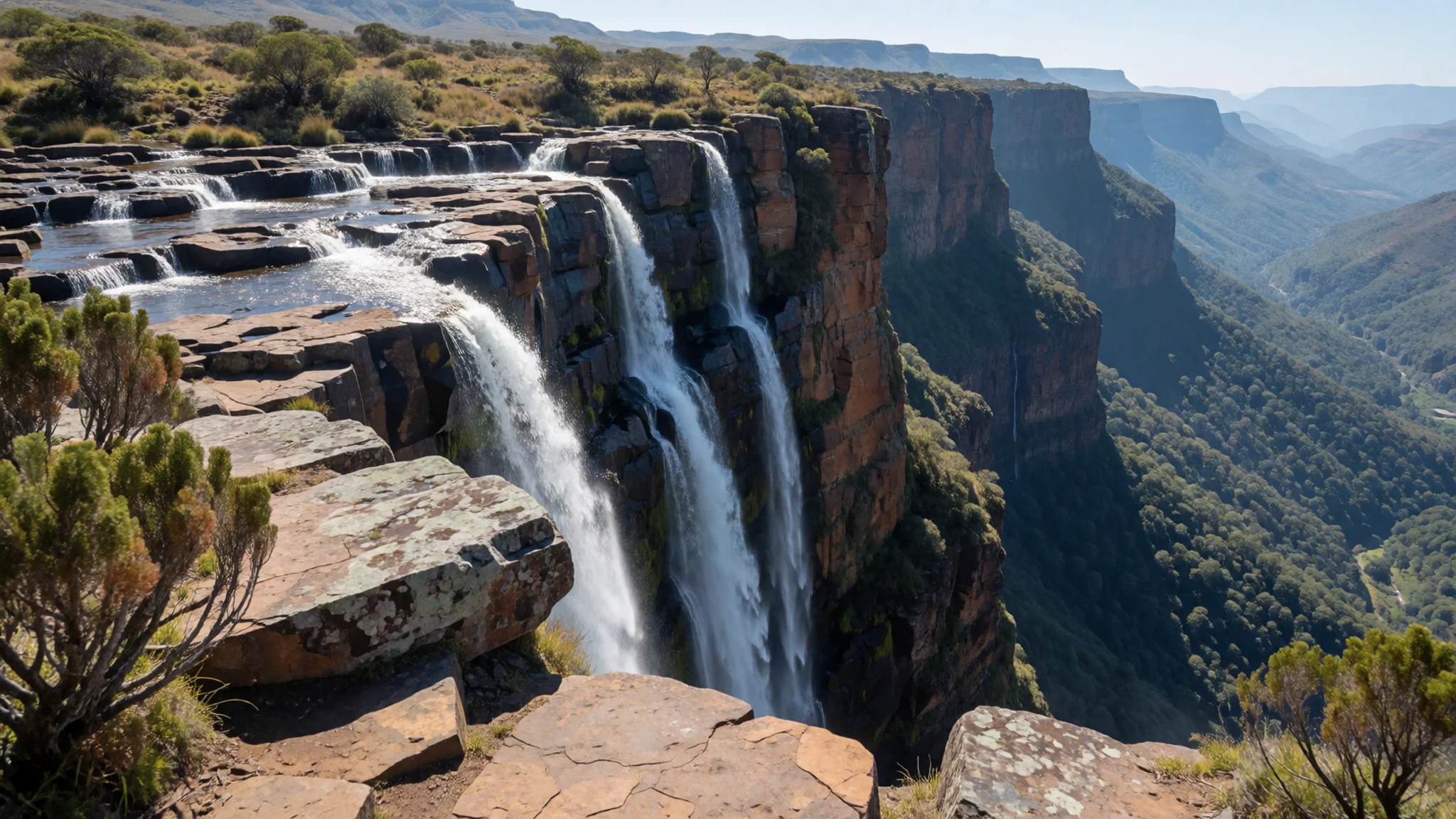
- The Amphitheatre
This colossal wall of rock is the park's signature feature. While visible from many spots, the 23-km Gorge walk provides the most intimate perspective of its sheer scale and geological power.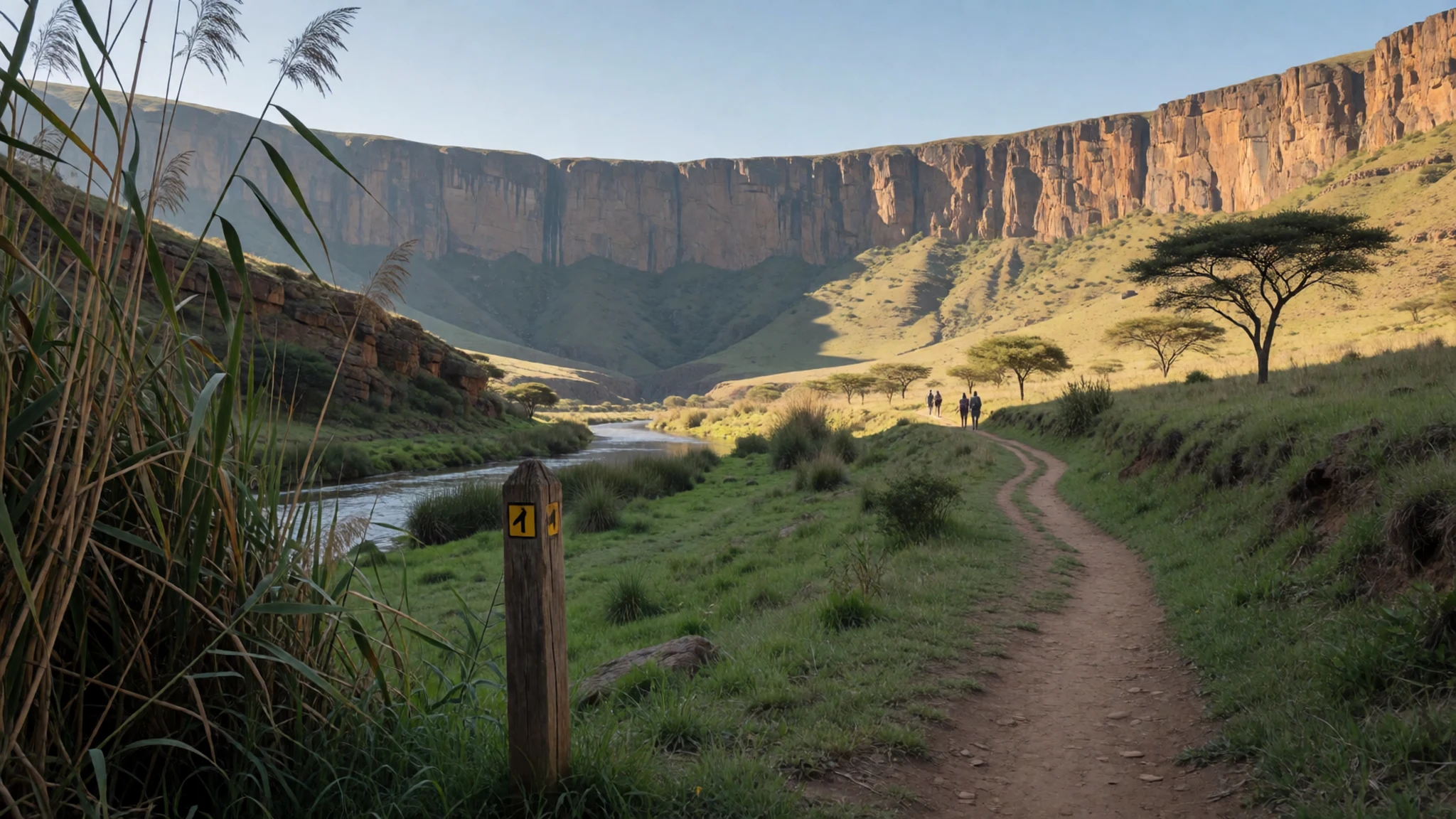
- Policeman's Helmet
A curiously shaped rock formation that looks exactly like its namesake. The hike there is roughly 14 km and is famous for its abundance of prehistoric cycads and wide vistas of the valley.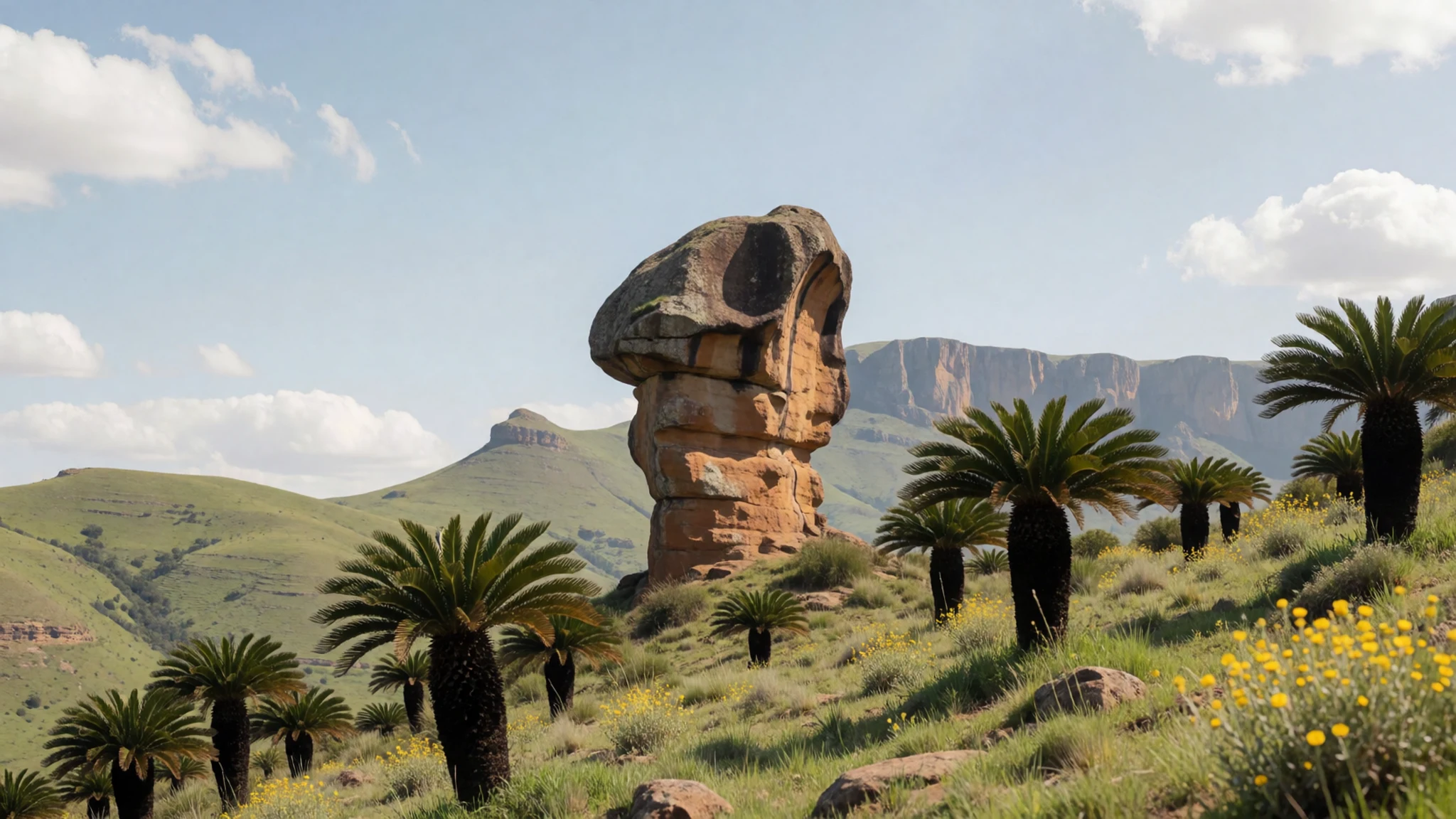
- The Cascades
A more accessible series of falls located near the Mahai camp. Much of the route is on a concrete pathway, making it a gentle alternative to the rugged mountain treks.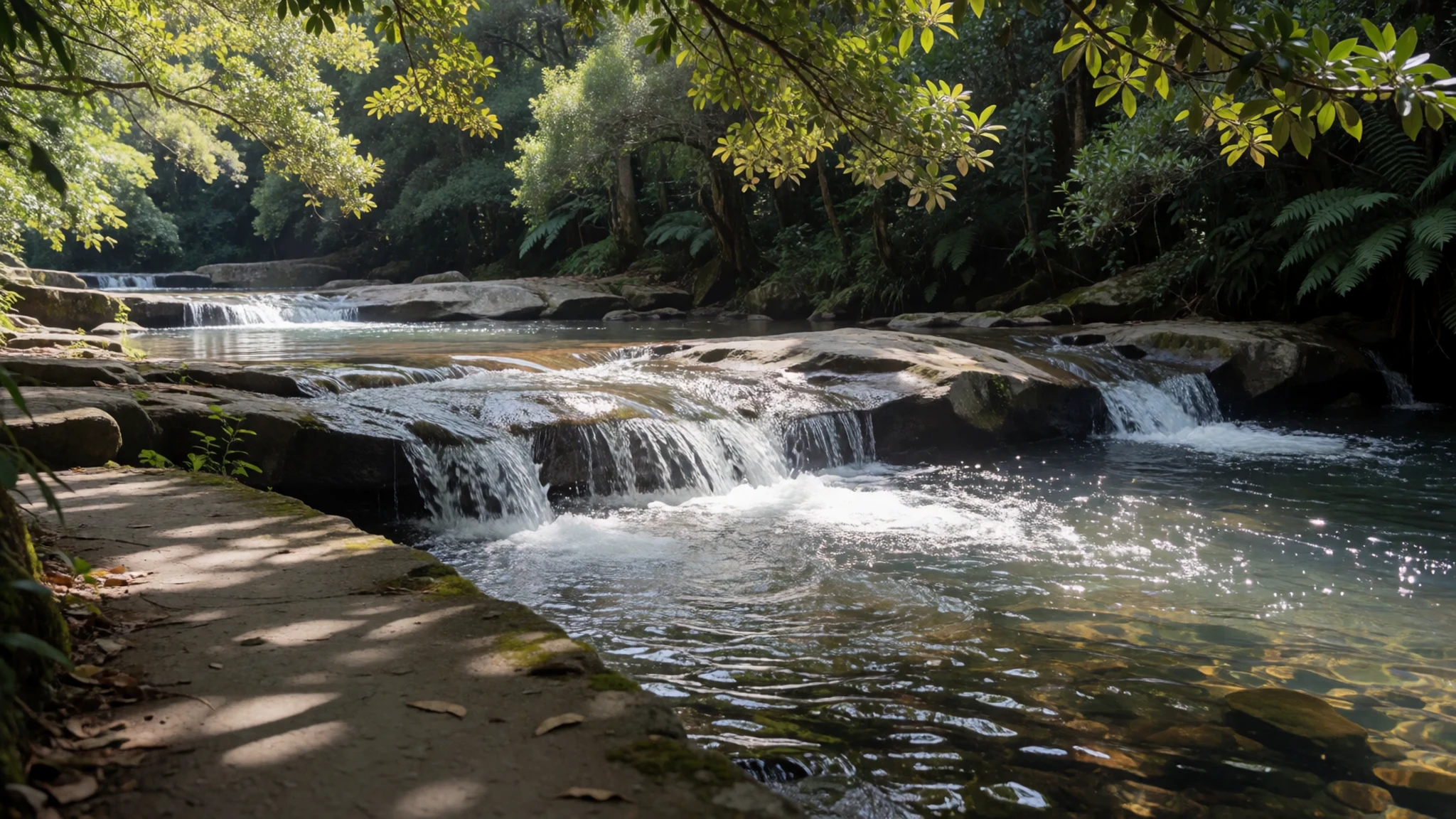
- Devil's Hoek Valley
An easy walk that follows the Tugela river. It is a peaceful route where hikers can often find ancient San rock art tucked away in the cliff overhangs.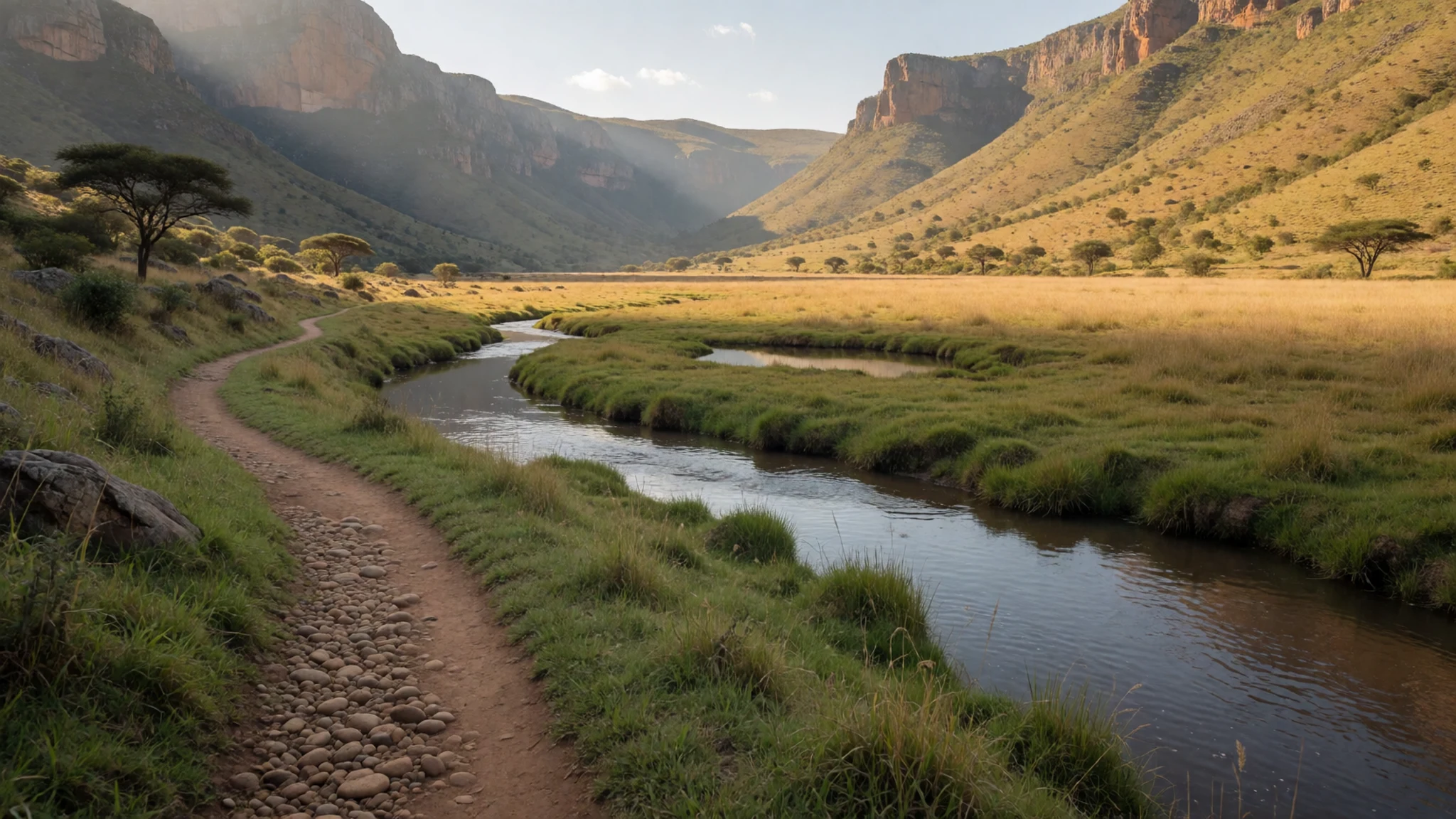
Culture
Culture in Royal Natal National Park is a blend of indigenous heritage and colonial history. The most profound cultural mark is the legacy of the San people, whose rock art provides a window into a nomadic existence centered on nature and spirituality. Today, the park is a hub for outdoor enthusiasts from across the globe, creating a transient community of hikers and naturalists who share a reverence for the wilderness. Local management by Ezemvelo KZN Wildlife ensures that the balance between tourism and conservation is maintained. There is a strong culture of safety and mutual aid here; the mountain rescue register is not just a formality but a vital part of the community's commitment to looking after one another in a landscape that can be unforgiving. You should always sign in and out of the rescue register at the information centre before and after any long hike.
What to wear
In Royal Natal National Park, traditional dress is rooted in the broader Zulu culture of KwaZulu-Natal, featuring intricate beadwork and skins, though this is more commonly seen in nearby villages than on the hiking trails. Modern visitors and staff typically wear functional outdoor gear. For those exploring the park, layering is essential because temperatures drop sharply at higher elevations and weather changes rapidly. Sturdy, waterproof hiking boots with good ankle support are non-negotiable for the rocky terrain and river crossings. Moisture-wicking fabrics are preferred over cotton, and a high-quality waterproof jacket is necessary even in the summer due to frequent afternoon thundershowers. A wide-brimmed hat and sunscreen are vital for the high-altitude sun, while warm fleece or wool layers are required for overnight stays in the chalets.
What to eat
- Braai Feast — the chalets and picnic areas
Traditional South African grilled meats, typically boerewors and lamb chops, prepared over open coals at the camp braai areas.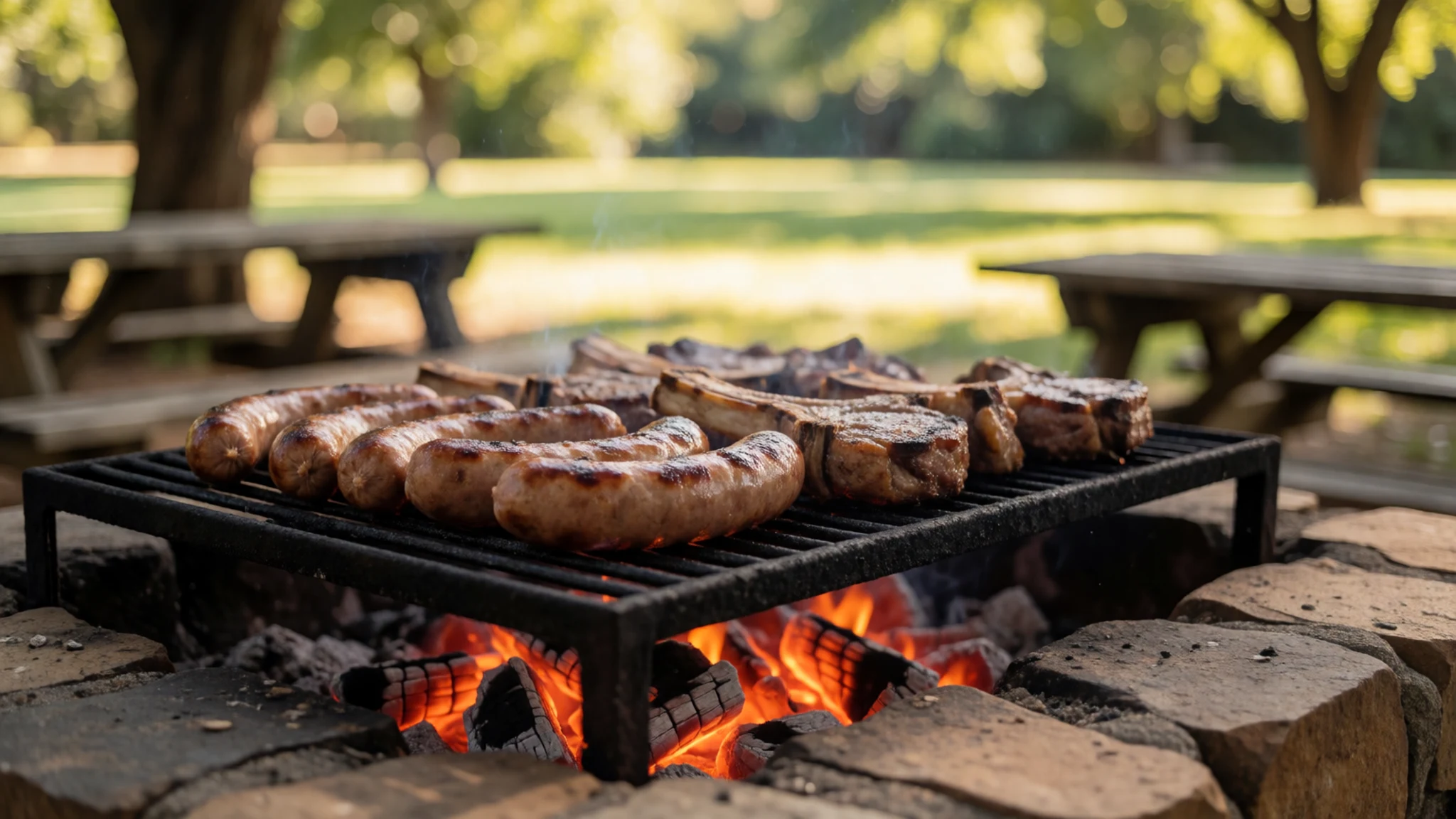
- Biltong — local convenience shops in Bergville
Cured, dried strips of meat that serve as the perfect high-protein snack for long treks up the Amphitheatre.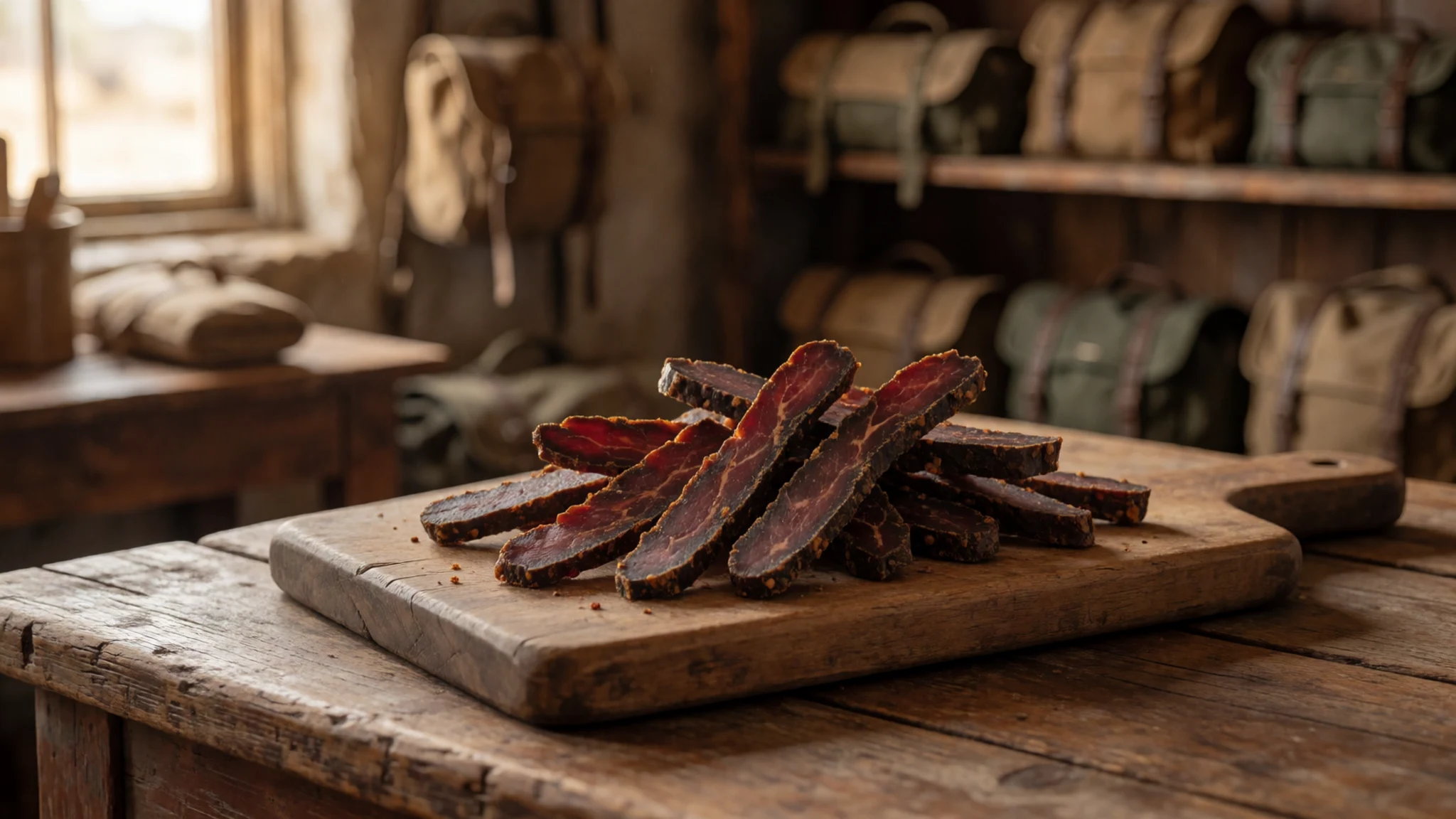
- Potjiekos — camp kitchens
A slow-cooked stew of meat and vegetables simmered in a cast-iron pot over a fire. - Koeksisters — local bakeries in Bergville
Sweet, braided fried dough drenched in syrup, often enjoyed as a treat during a hiking break.
Plan it
Best time. March to May is best; the rivers are full, vegetation is lush, and the air is clear.
How long. 3–4
Getting there. Drive from the N3 via the R616 to Bergville, then follow the R74 and R615 to the park entrance.
Budget. mid
Tips
- Fill your tank in Bergville, as it is the nearest petrol station
- Always sign the mountain rescue register at the information centre
- Carry plenty of water and a map; mist can reduce visibility to zero
- Avoid feeding or interacting with baboons to prevent aggression
- Check the official site for day visitor entry hours
Etiquette
- Keep all litter with you and carry it out of the park
- Stay on marked trails to prevent erosion of the alpine flora
- Respect the silence of the wilderness to avoid disturbing wildlife
Nearby
Sources
- Wikidata Q1381505 (CC0)
- Wikipedia (CC BY-SA 4.0)
- Wikivoyage (CC BY-SA 4.0)
Wildlife
- Baboon (animal)
The olive baboon is a big, clever monkey whose coat looks green-grey from afar, like moss on a stone. Of the animals you might meet in Royal Natal National Park, it is one of the likelier ones, more so than any of the great beasts. Groups talk to one another with calls and gestures, so watch their little dramas unfold. Keep a respectful distance, stay quiet and calm, and ask a guide where to look. Never offer food; wild baboons should stay wild.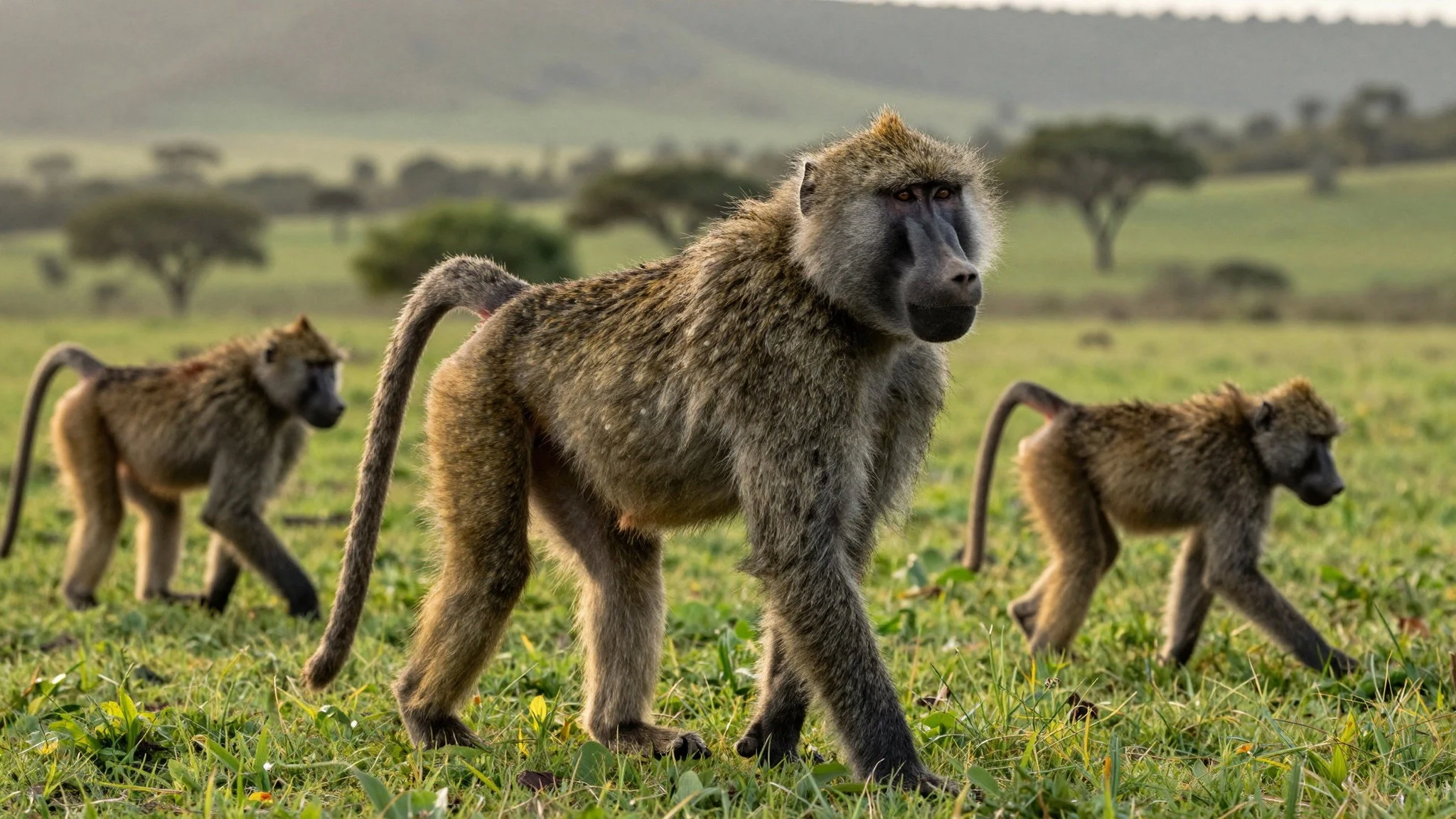
- Bushbuck (animal)
The bushbuck is an African antelope, rather like a deer, with a name that is easy to remember. In Royal Natal National Park it is one of the animals you are more likely to come across than the big game people dream of. Watch from a generous distance, keep voices low and movements slow, and let a guide help you look. Never feed it; wild animals should find their own food.