Provincetown
Provincetown, United States
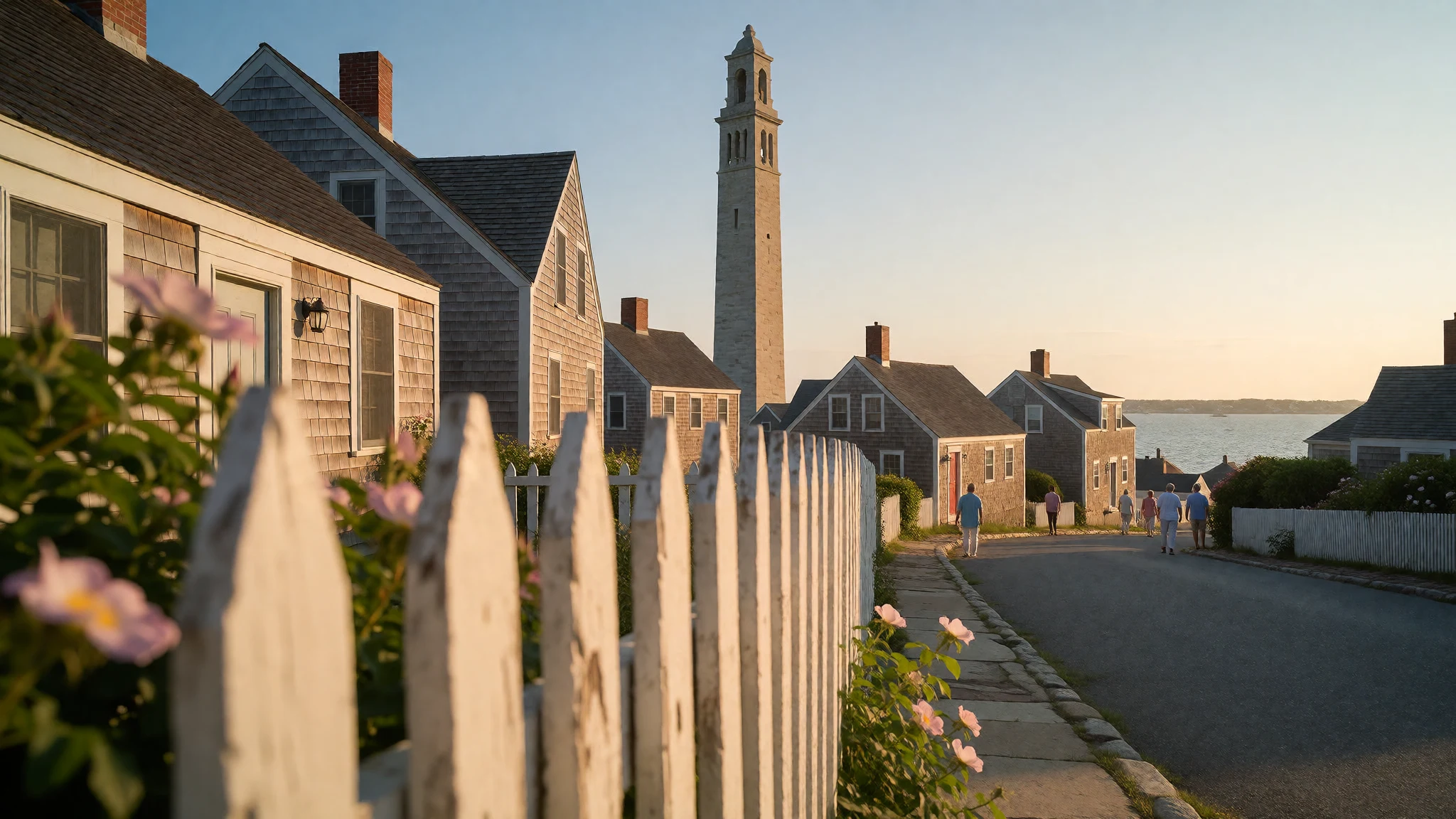
Provincetown is a sandy hook at the end of Cape Cod where fishing boats, artists' studios and a joyful seaside crowd share one narrow town.
The place
Provincetown sits at the very tip of Cape Cod in Massachusetts, a hooked spit of sand with water on almost every side: the harbour to the south, the bay to the west, and the open Atlantic beyond the dunes to the north-east. Its only land neighbour is Truro, so the road in runs one way and the town feels like the end of the line. About 3,664 people live here year round, but in summer the streets fill many times over and the whole character of the place shifts with the calendar. Locals shorten the name to P-town. It is known for its beaches and working harbour, for the painters and writers who came for the light, and as a long-established destination for LGBTQ travellers. The built-up part is a narrow strip of clapboard houses, galleries, guesthouses and shops laid out along the waterfront, with a busy main street for strolling and a quieter back street where residents live. Behind it lie dunes, ponds and pitch pine, part of the National Seashore. Roughly half of the town's area is water, which explains why boats, tides and weather matter more here than in most places. July and August bring crowds, noise and high prices; spring and early autumn are calmer, and the light is often better for walking and cycling.
Its story
Provincetown's recorded history begins well before the English arrived. The Nauset people lived on this tip of land, with a settlement they called Meeshawn, and spoke a Massachusett dialect shared with their Wampanoag neighbours. European contact came with Bartholomew Gosnold, who approached from the west, took the land for an island and first named it Shoal Hope. The same day his crew hauled in a great catch of cod, and he changed his mind: Cape Cod. Oddly, the name first belonged only to what is now Provincetown; it was applied to the whole peninsula much later. The next famous arrival was the Mayflower. The Pilgrims sighted the Cape in November, spent two days failing to sail south against winter seas, then turned back and anchored in the harbour that still shelters the town. This is where settlers drafted and signed the Mayflower Compact, a brief agreement outlining how they would govern themselves. A sculpture near the Pilgrim Monument marks the event. The Pilgrims went on to Plymouth, but fishermen stayed, and the town dates its founding to 1700. Cod, whaling and a strong Portuguese fishing community shaped daily life for generations. Artists followed, drawn by the light and the unhurried seaside life, and their arrival set the town on the course that made it the creative, outspoken place it is now.
What to see
- Pilgrim Monument — Central Provincetown, on the hill above the harbour
The Pilgrim Monument is a granite tower modelled on the Torre del Mangia in Siena, Italy, and it dominates the skyline from almost every street. Visitors can climb to the top for wide views over the harbour, the dunes and the bay. At its foot sits the Museum of Provincetown, a sensible first stop for local history.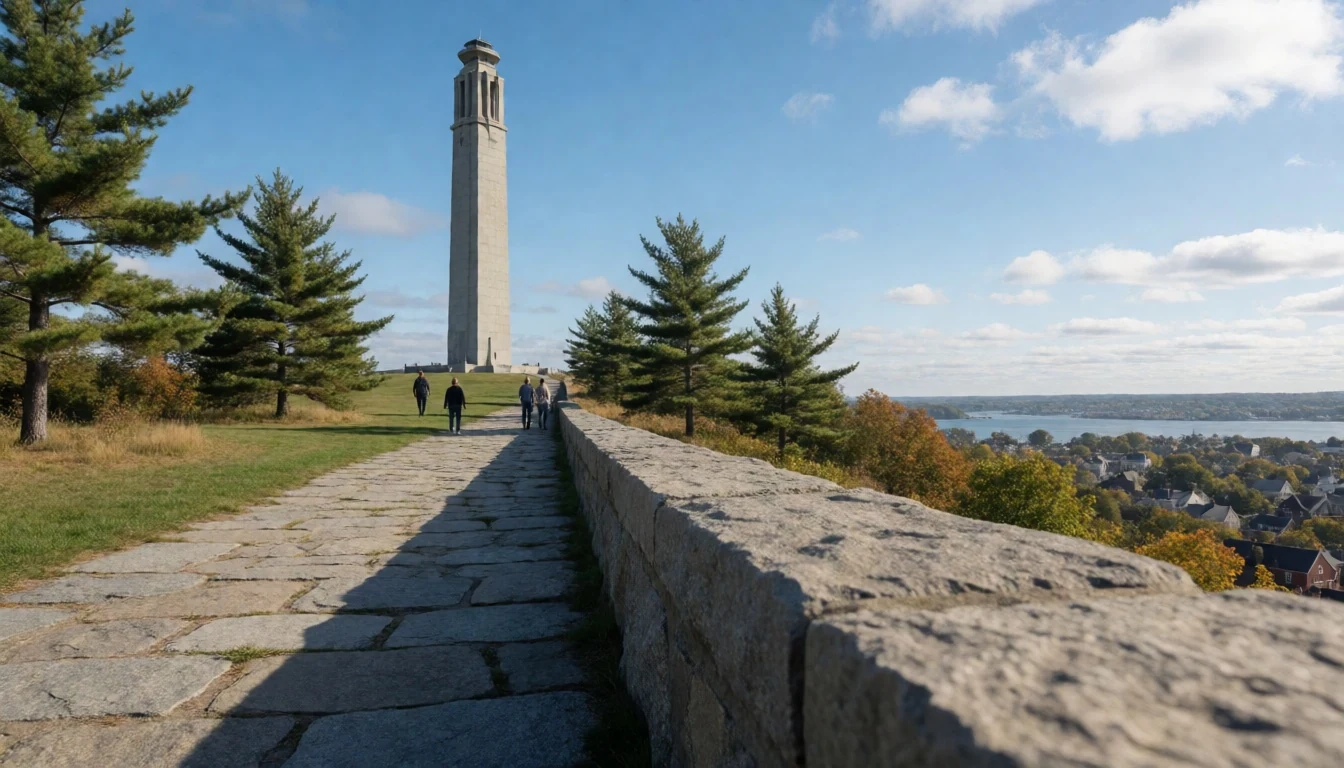
- Province Lands Visitor Centre — National Seashore, north-west of the town centre
The Province Lands Visitor Centre has an observation deck with a full circle of views over dunes, ponds and sea, open all year. Rangers lead guided walks and talks, exhibits explain the natural and cultural history of the area, and films run daily. Check the official schedule before setting out.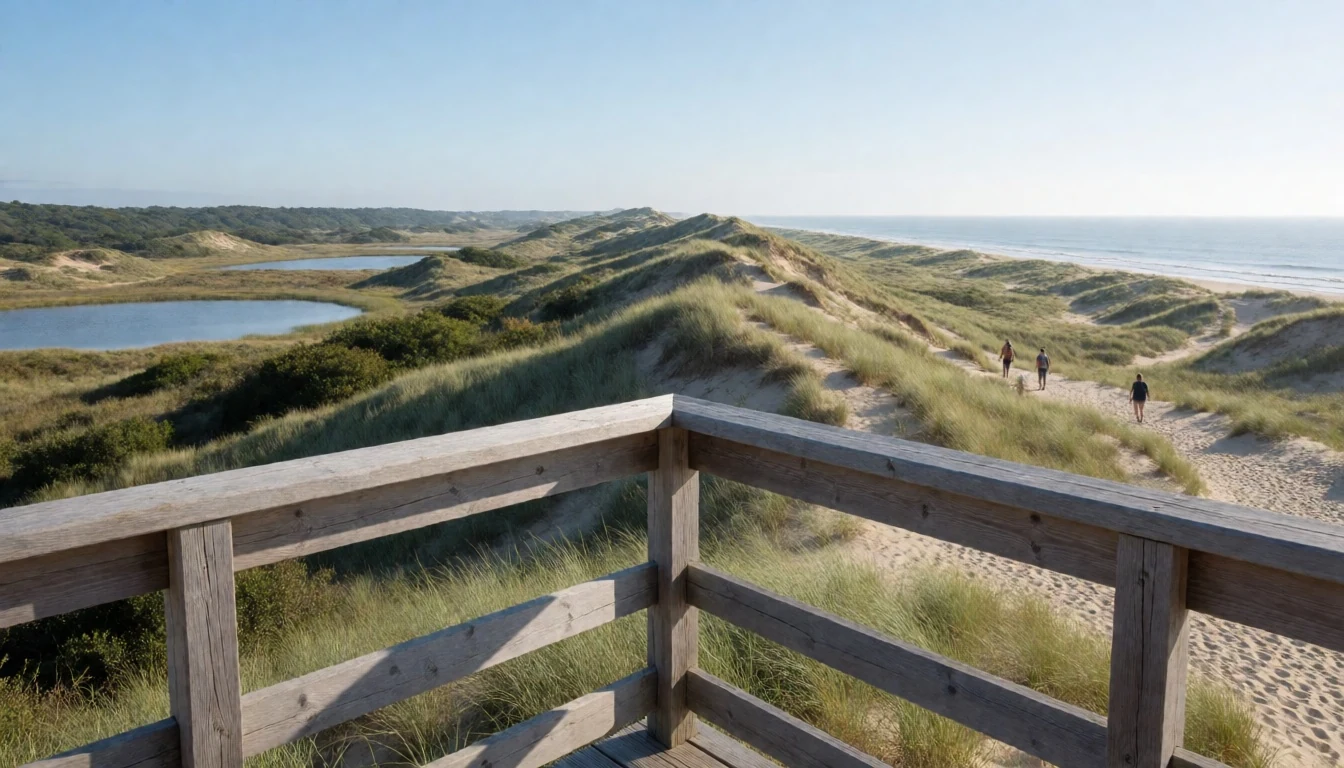
- Race Point Light — Far north-western tip of the Cape, across the dunes
Race Point Light is a historic lighthouse, first lit in the early nineteenth century, standing on an exposed point reached over dune and beach. Visitors can stay in the keeper's house, and the lighthouse is also used for events and weddings. Bring a windproof layer, because the point is open to every gust.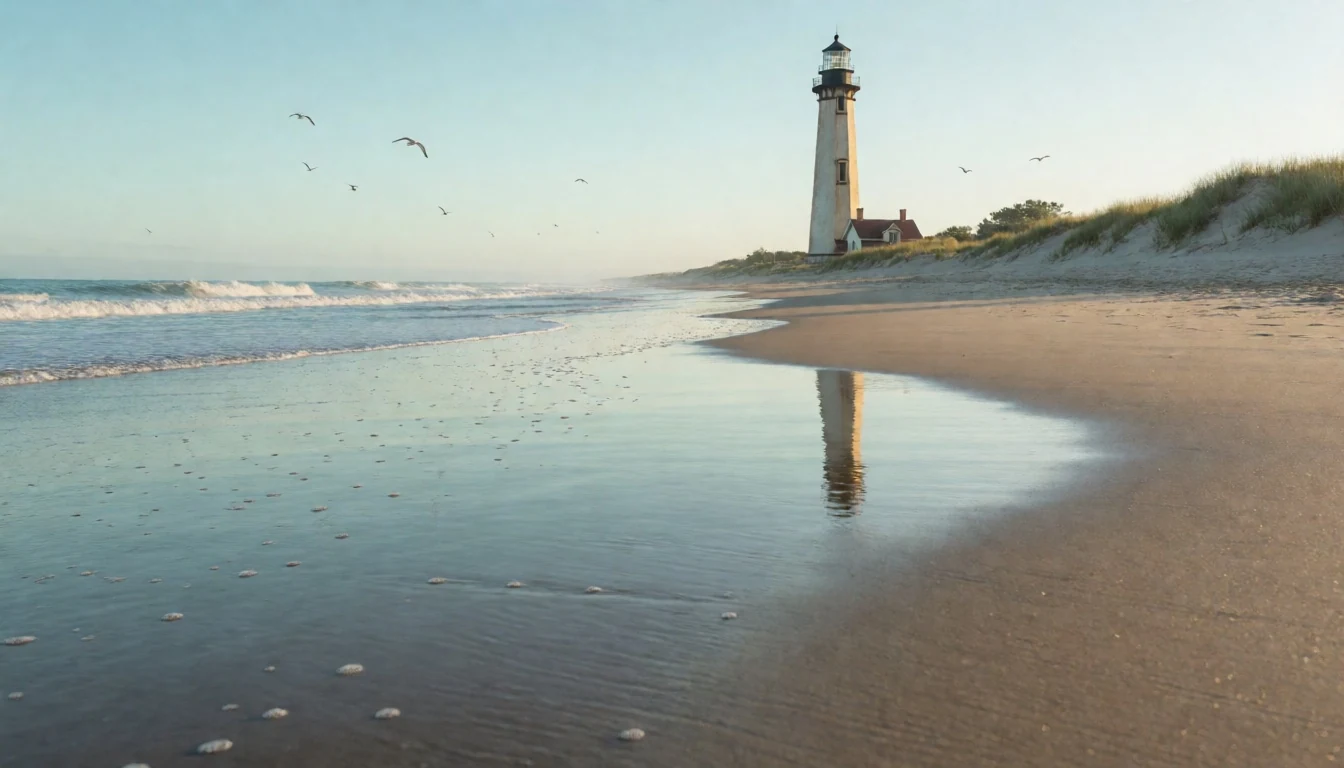
- Provincetown Art Association and Museum — Middle of town, near the main street
The Provincetown Art Association and Museum is the best way to understand why so many painters settled here. It shows work by artists connected with the town and the Cape, and is small enough for a short, unhurried visit. It also helps to make sense of the many galleries lining the streets nearby.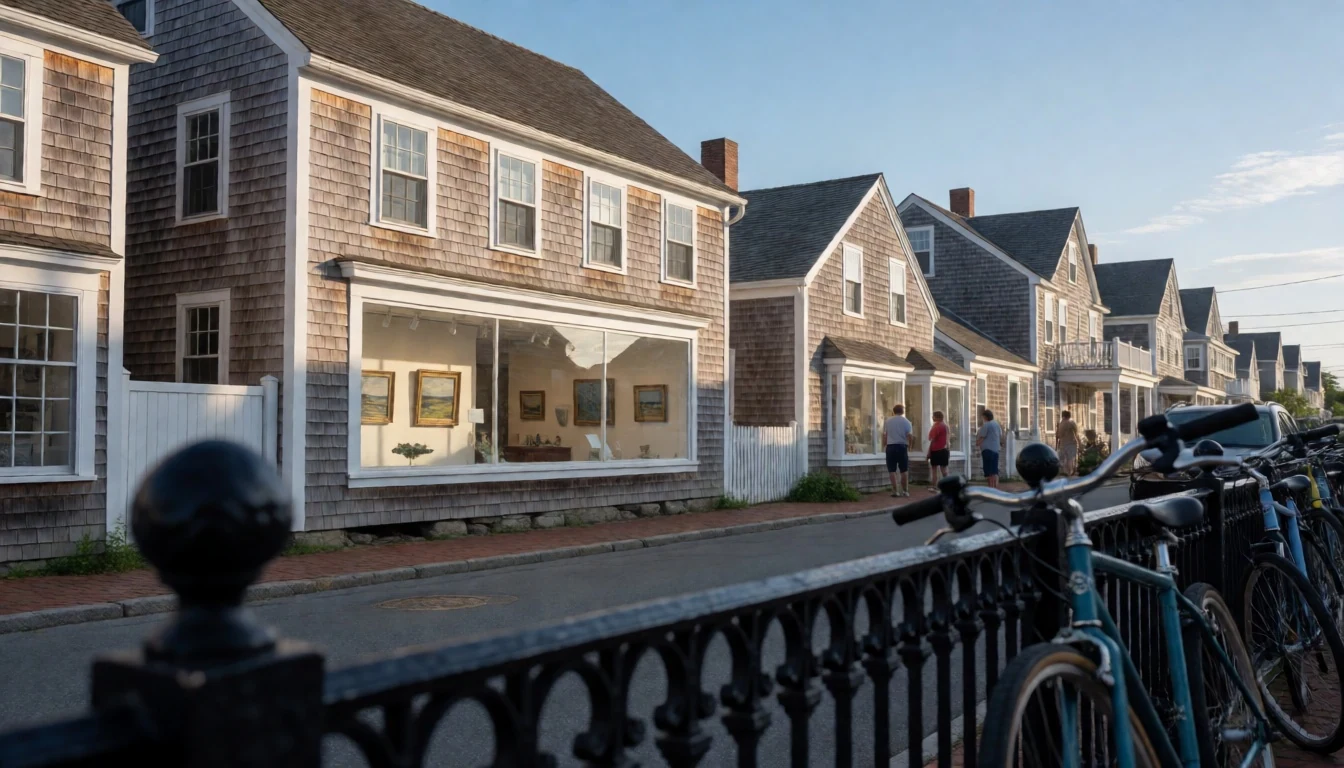
Culture
Provincetown's culture rests on two long traditions: the arts, and an open, celebratory gay community. Theatre has deep roots here. The Provincetown Playhouse on the Wharf was founded by Catharine Sargent Huntington, Edwin Pettit and Virginia Thoms, and under Huntington's management a play by Eugene O'Neill was staged each summer, culminating in a festival at which ten of his plays were produced. Painters came as well. The Sun Gallery ran as a summer showcase where young, emerging artists could exhibit, and the Fine Arts Work Centre, a nonprofit educational organisation, has supported writers and visual artists in the town since 1968. Art classes, studios and small galleries still fill the back streets, and a visit to the Art Association shows how much of the town's identity is tied to making things. The same openness shapes the social life. Provincetown has long welcomed LGBTQ visitors, and summer evenings along the main street are lively with cabaret, performance and people-watching. Portuguese heritage from the fishing families survives in the bakeries and in the town's taste for seafood. Because the place is small and its residents live side by side with the visitors, the mood is friendly but crowded in high season, and a little consideration goes a long way. Visitors should ask before photographing people, especially performers and diners, and keep voices low late at night on the residential back streets.
What to wear
Provincetown has no formal regional costume, so its traditional dress is the working kit of the fishing trade: oilskin jackets, heavy wool jumpers, rubber boots and knitted caps, made for cold spray and wet decks. They are still worn on the wharf and on boats, and they turn up in town whenever the wind rises. What people wear now is relaxed and seasonal. In summer that means shorts, linen shirts, swimwear under a light layer, sandals and sunglasses, with a good deal of colour and playfulness in the evenings, from bold outfits to full costume at parades and shows. Cyclists, artists and day-trippers all mix on the main street, and nobody dresses formally for dinner. Visitors should dress for changeable seaside weather. Pack layers, because the temperature drops sharply after sunset and wind off the water is constant, and bring a windproof jacket even in summer. Add a sun hat and sunscreen for the beaches, and trainers or other closed shoes for the dune paths, where soft sand and scrub make sandals tiresome. There are no religious dress codes to worry about in the town, though a cover-up is sensible when walking from the beach into shops and restaurants. In spring and autumn, add a warm jumper and a scarf.
What to eat
- Malassadas — Portuguese bakeries on and near the main street
Malassadas are Portuguese-style fried dough, soft inside and rolled in sugar, and they are best eaten warm. They reflect the town's Portuguese fishing heritage, and a bakery stop is a good early-morning habit before the crowds arrive.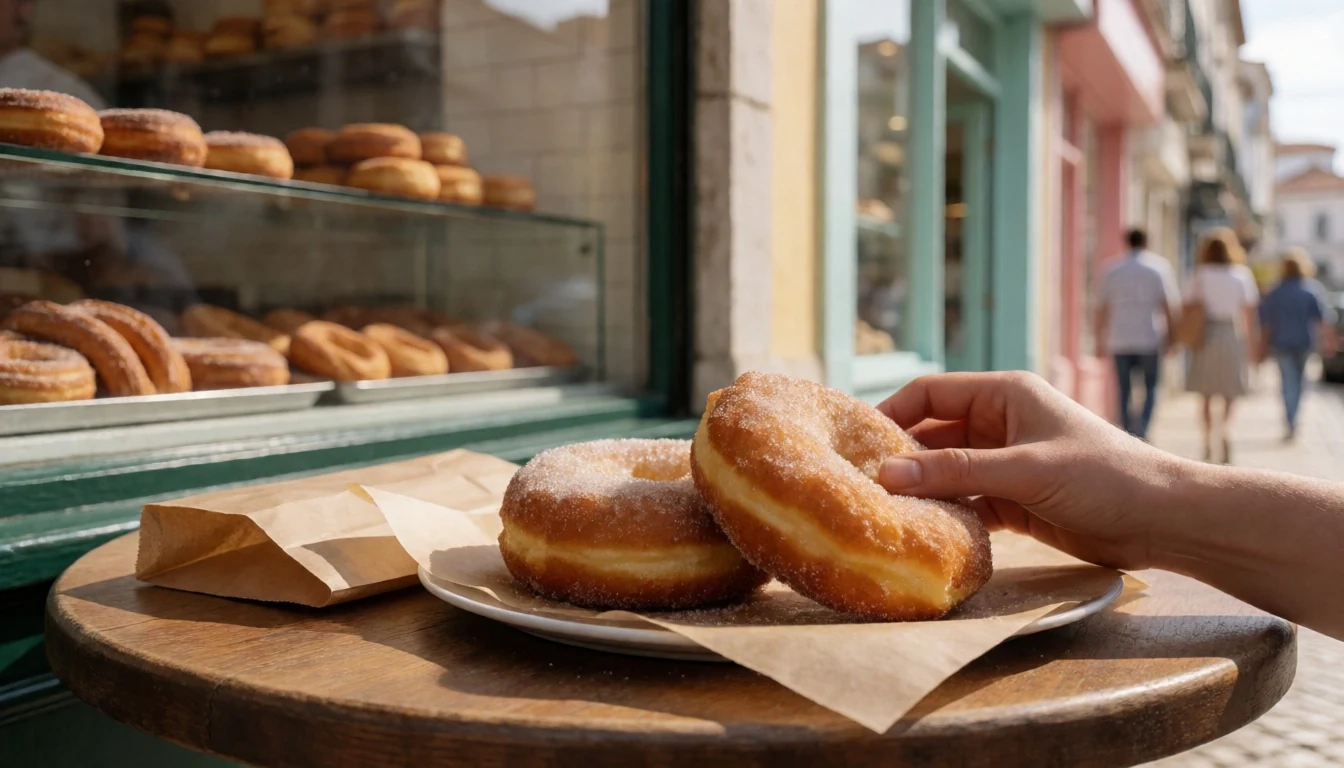
- Trutas and Portuguese pastries — Portuguese bakery counters in the town centre
Trutas are rich Portuguese pastries, sweet and dense, sold alongside other baked treats. They suit a walk along the harbour with a coffee, and they make a portable gift to carry home from the bakery.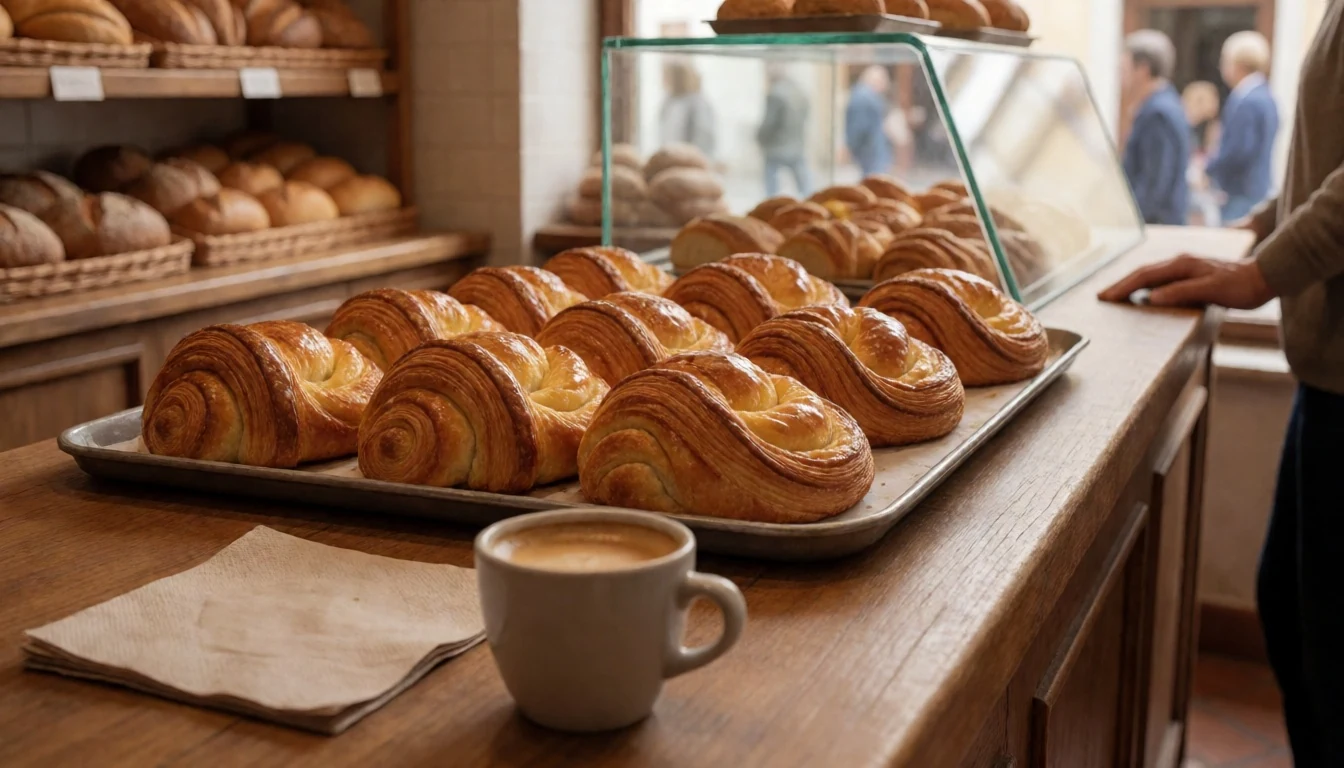
- Fresh seafood from a fry shack — Casual waterfront fry shacks and seafood counters
Cod, clams and other local catches appear fried, grilled or in sandwiches at casual counters, often alongside fresh salads. Expect queues at peak lunch times in summer, and eat outside if the weather allows. - Bakery breads and bagels — Bakeries and general-store style delis
Several bakeries and delis make bread, bagels and breakfast pastries from scratch each morning. They also sell prepared meals, so they work well for picnic supplies before a day on the dunes or a bike ride to the beach. - Soups and sandwiches — Espresso cafes in the west end
Espresso cafes serve hot soups, sandwiches and sweet snacks, and they are an easy, filling lunch stop between galleries. Waterfront restaurants offer breakfast, lunch and dinner with harbour views for a longer sit-down meal.
Plan it
Best time. Late May–June and September for milder weather, fewer crowds and lower prices. July and August are the busiest and most expensive months, ferries run only from late spring to mid-autumn, and winter is quiet, windy and cold, with many places closed.
How long. 2–3
Getting there. Fly to Boston Logan (BOS) or Providence T.F. Green (PVD), then drive on the Mid Cape Highway over the Cape Cod Canal bridges and on to the tip, about two and a half hours without traffic. From late spring to mid-autumn, ferries run from Boston and Plymouth to MacMillan Pier in the town centre; bicycles can go aboard for a fee.
Budget. high
Tips
- Book rooms well ahead for summer weekends; check the official site (http://www.provincetown-ma.gov/) for town information
- Take the ferry to avoid slow traffic on the single road in and out in high season
- Bring layers and a windproof jacket, even in July
- Hire a bicycle to reach the beaches and dune trails, and carry water
- Visit the Pilgrim Monument and the dunes early in the day before the crowds build
Etiquette
- Ask before photographing people, especially performers
- Stay on marked paths across the dunes to protect them
- Keep noise down late at night in residential streets
Nearby
Sources
- Wikidata Q49154 (CC0)
- Wikipedia: Provincetown, Massachusetts (rev 1384572729) (CC BY-SA 4.0)
- Wikivoyage: Provincetown (rev 5427641) (CC BY-SA 4.0)
- View of Provincetown from Pilgrim Monument looking east (WestportWiki) (CC BY 3.0)
- Flag of Provincetown, Massachusetts (Public domain)
- Seal of Provincetown, Massachusetts (Public domain)
- Relief location map of the USA (Uwe Dedering) (CC BY 3.0)
- North-eastern view of Provincetown, Mass (NYPL) (Public domain)
- Pilgrim Monument and Bas Relief (Peter Whitlock) (CC BY 3.0)
- Provincetown 1940 Art Class (Edwin Rosskam) (Public domain)
- Provincetown before and after the railroad (Public domain)


