Prince William Sound
Prince William Sound, United States
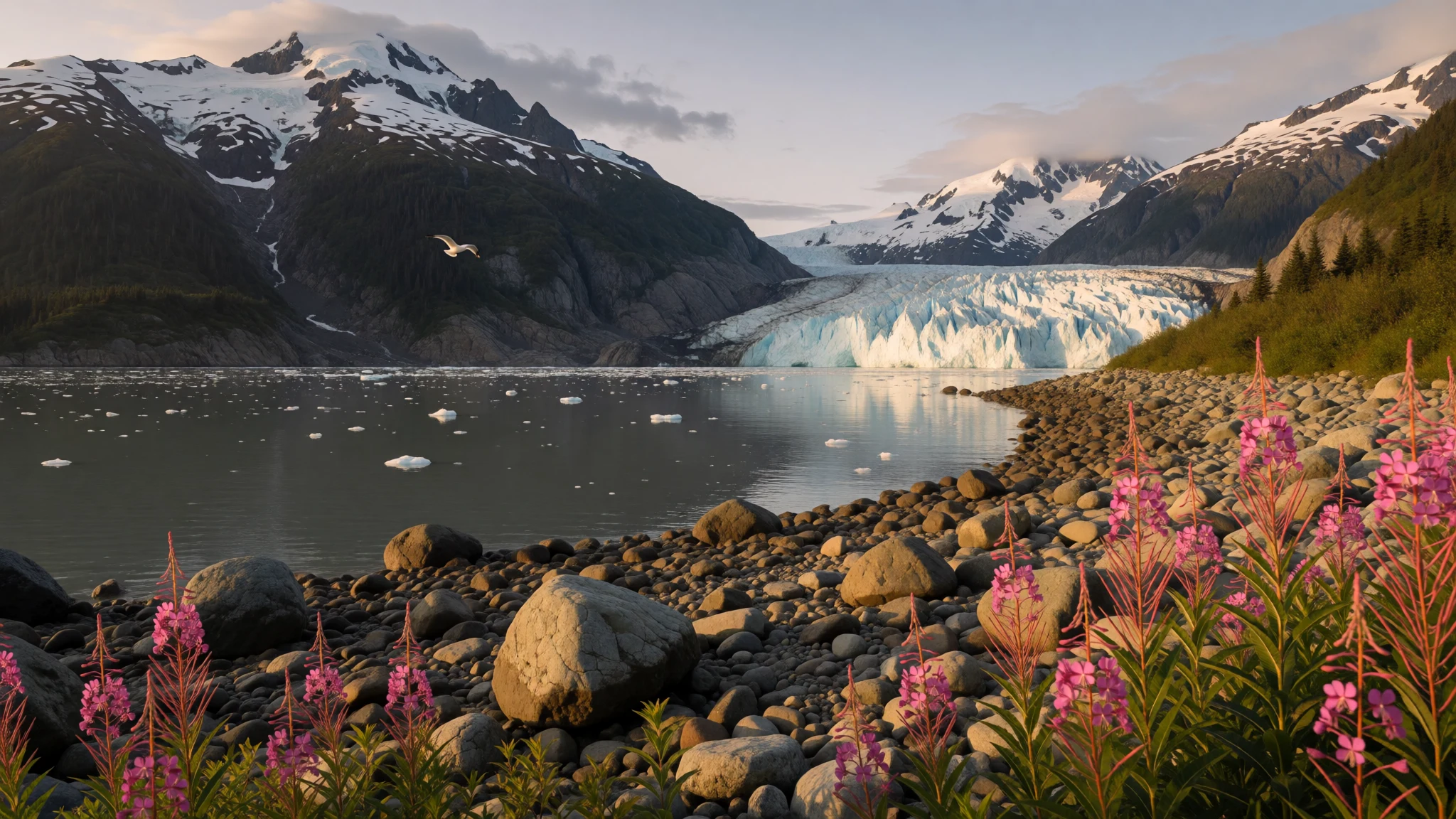
Prince William Sound is a maze of glacier-cut fjords and forested islands on Alaska's south coast, best explored slowly by boat or kayak.
The place
Prince William Sound is a broad, island-studded inlet of the Gulf of Alaska, set on the state's south coast and tucked in on the east side of the Kenai Peninsula. Its Alutiiq name is Suungaaciq. The shoreline is ragged, cut into fjords and coves, and several of those fjords end in tidewater glaciers that shed ice straight into the sea. Behind them rise the steep, ice-covered Chugach Mountains, which wrap around the whole sound. Most of the surrounding land belongs to the Chugach National Forest, so development is thin and the settlements are small. Montague, Hinchinbrook and Hawkins islands act as outer barriers, taking the edge off the swell from the open Gulf and leaving the inner waters calmer for boats and kayaks. Valdez is the main port and the place where the Trans-Alaska Pipeline System ends. Cordova and Whittier are the other towns of any size, and the Alaska Native villages of Chenega and Tatitlek sit on quieter shores. Getting around is a matter of boats, small planes and a few roads, and that shapes everything about a visit: schedules bend to the weather, supplies cost more than in Anchorage, and the best views are almost always from the water rather than a car window. The climate is cool and often wet, and cloud can sit on the peaks for days, so patience matters as much as a good rain jacket. Wildlife is a big part of the draw, with otters, seals, whales and seabirds seen from the deck on a decent day, though sightings are never guaranteed. The sound feels large and sparsely peopled, a place where the scale of land, ice and water is the main event.
Its story
Prince William Sound carries names laid down by several empires, on top of a far older Alutiiq presence along its shores. The British navigator James Cook entered in 1778 and first called it Sandwich Sound, after the Earl of Sandwich, who backed his voyage. Later that year the name was changed to honour Prince William Henry, the third son of George III, then a 13-year-old midshipman in the Royal Navy. Spain left its own marks. In 1790 Salvador Fidalgo sailed in and named many features, and Port Valdez, Port Gravina and Cordova still carry the names he chose. At the site of today's Cordova he claimed the land for the Spanish crown. Russian interest came next. In 1793 Alexander Baranov founded Voskresenskii on the southern edge of the sound, on the site of modern Seward, and a three-masted ship called Phoenix was built there, the first vessel the Russians launched in America. Alaska itself changed hands in 1867, when the United States bought it from Russia, a deal many at the time mocked as Seward's Folly. In 1908 Annie Montague Alexander led a scientific expedition through the sound. The most painful chapter came on 27 March 1964. The Good Friday earthquake set off a tsunami that killed a number of Chugach villagers at Chenega and destroyed the town of Valdez, which was afterwards rebuilt. Those losses are still part of how the communities here remember the place.
What to see
- College Fjord — Northwest sound, reached by boat from Whittier
College Fjord is a glacier-lined arm in the northwest of Prince William Sound, where ice descends from the mountains and ends in the sea. Day boats from Whittier usually run here. Keep a layer for the deck, because the air beside the ice is noticeably colder than in town.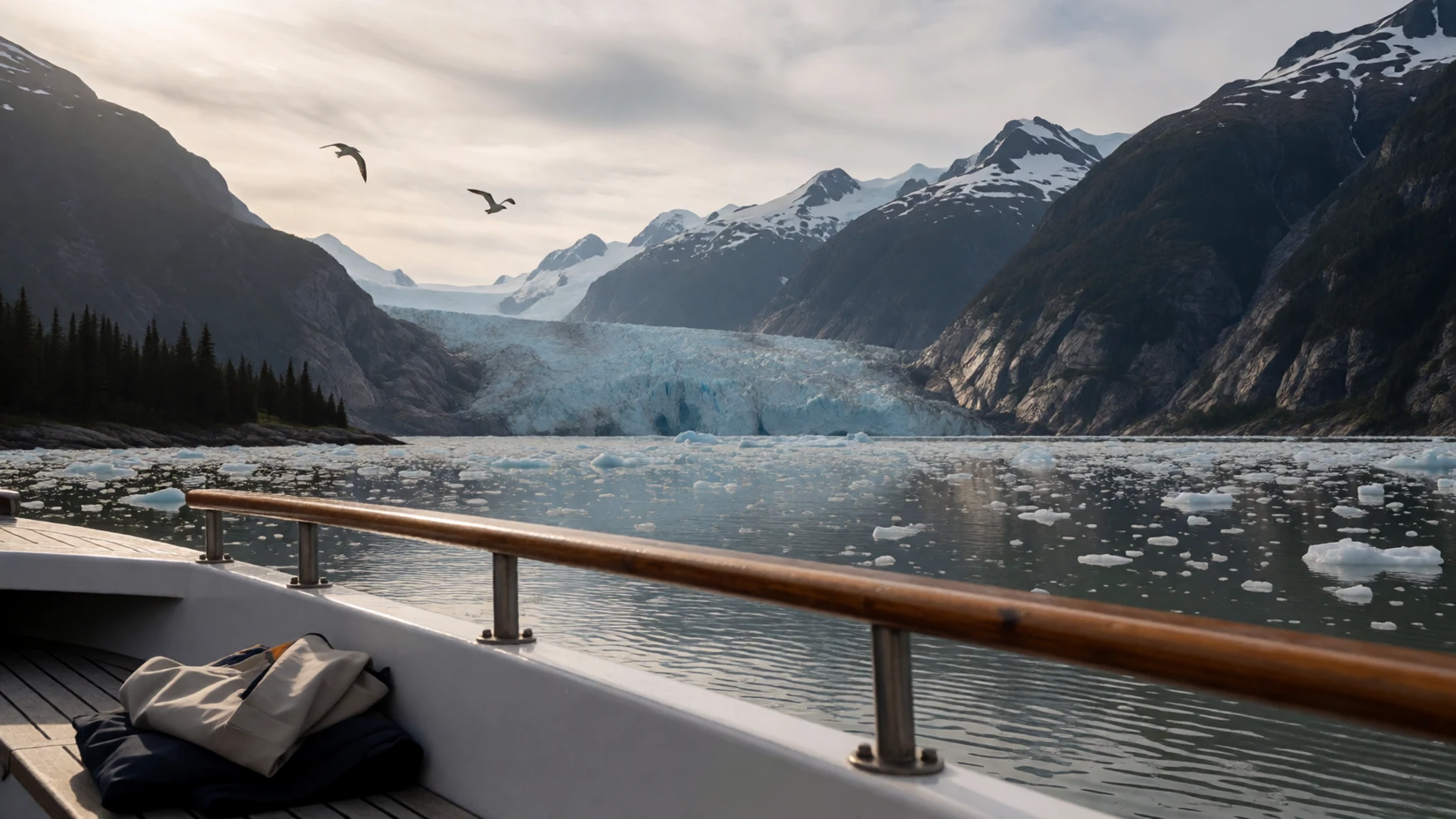
- Port Valdez and Valdez — North shore of the sound
Valdez sits at the head of Port Valdez, a deep fjord framed by steep mountains. It is the sound's main port and the end of the Trans-Alaska Pipeline System. The town was rebuilt after the 1964 tsunami, and its harbour is a good base for fishing trips and wildlife cruises.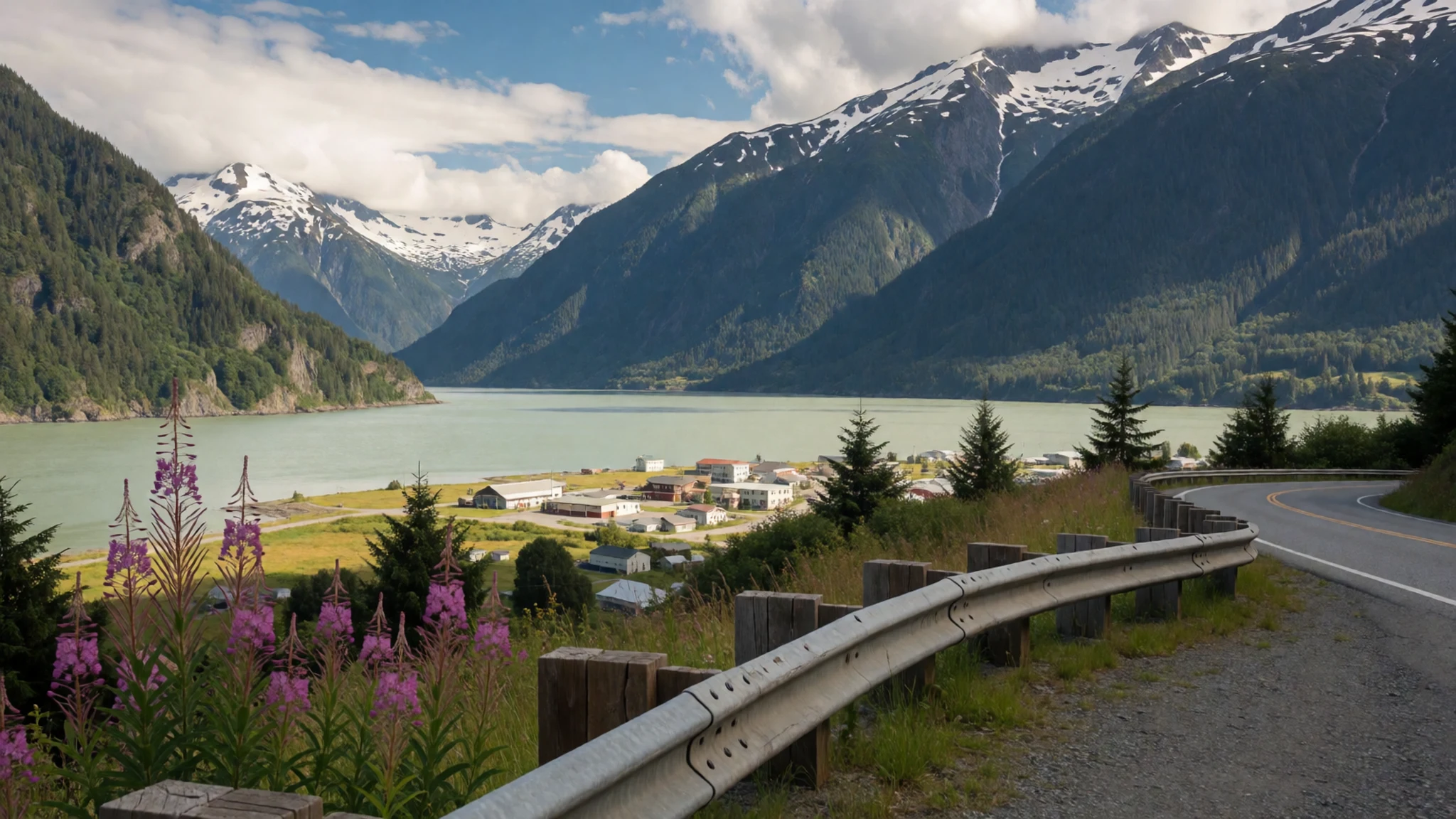
- Cordova — Eastern sound
Cordova is a fishing town named by the Spanish explorer Fidalgo, and no road connects it to the wider network, so arrivals come by ferry or small plane. That isolation keeps it quiet. Walk the harbour, watch the working boats, and use it as a base for kayaking and bird-watching.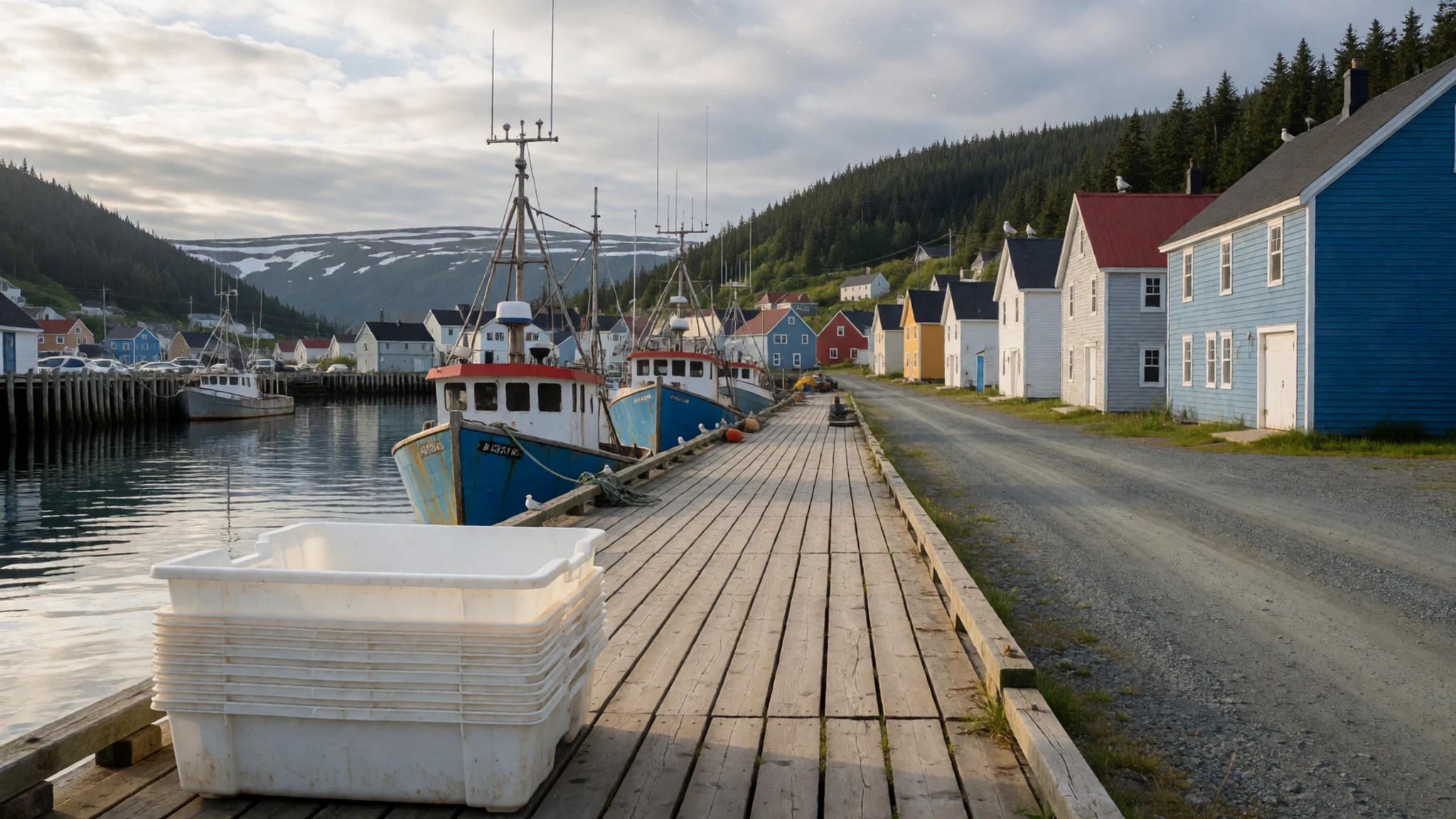
- Whittier — Western edge of the sound
Whittier is the western gateway to the sound, a small harbour town reached from Anchorage by a road tunnel that also carries the railway. It is the usual departure point for glacier cruises and kayak trips. The weather turns fast here, so check sailings before committing to a day.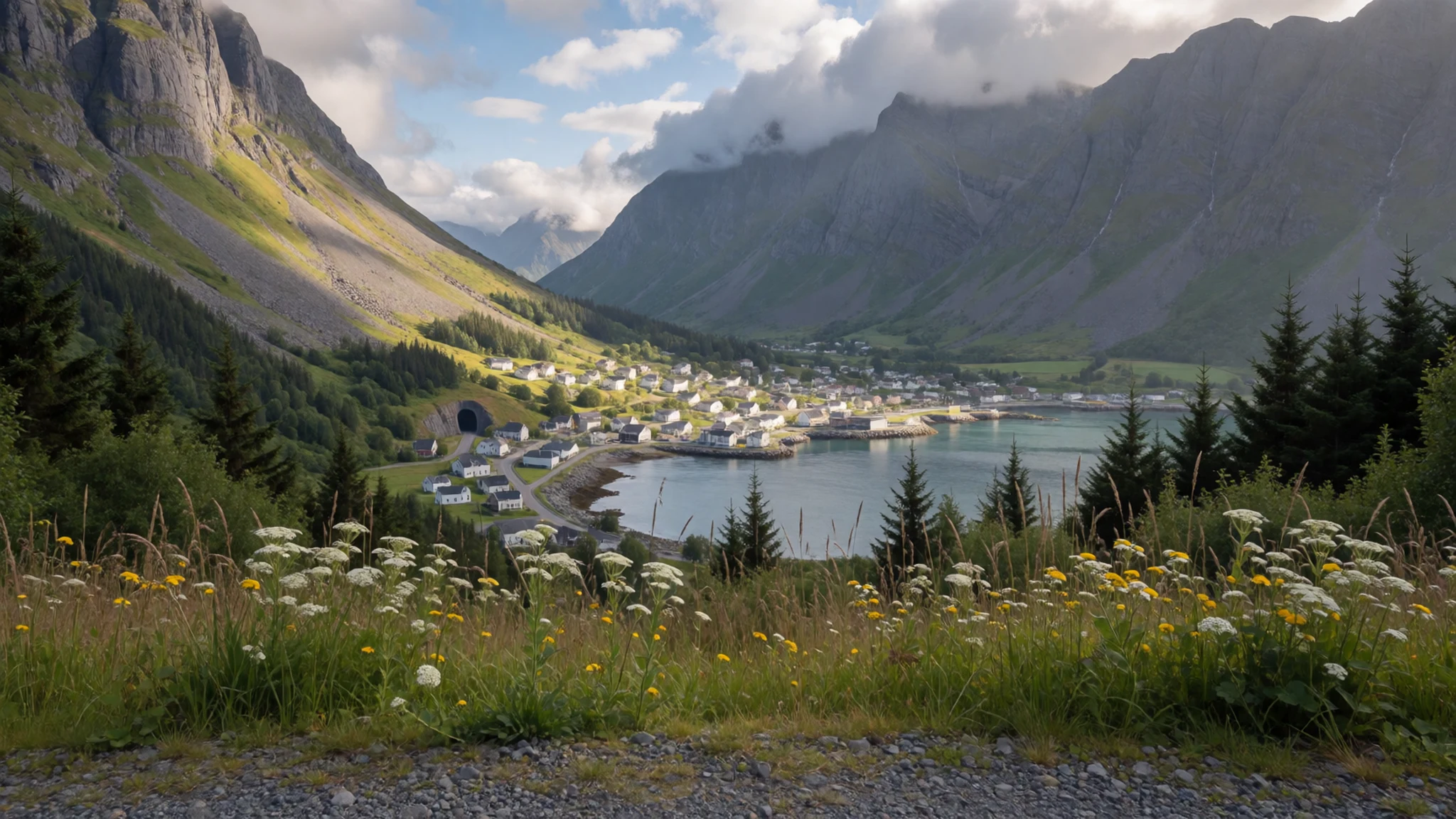
- Chenega and Tatitlek — Alaska Native villages on the sound
Chenega and Tatitlek are small Alaska Native villages, and Chenega lost residents in the 1964 tsunami. They are communities rather than attractions, with limited services for visitors. Pass through only if invited or on an arranged tour, and treat the shorelines nearby with the care owed to somebody's home ground.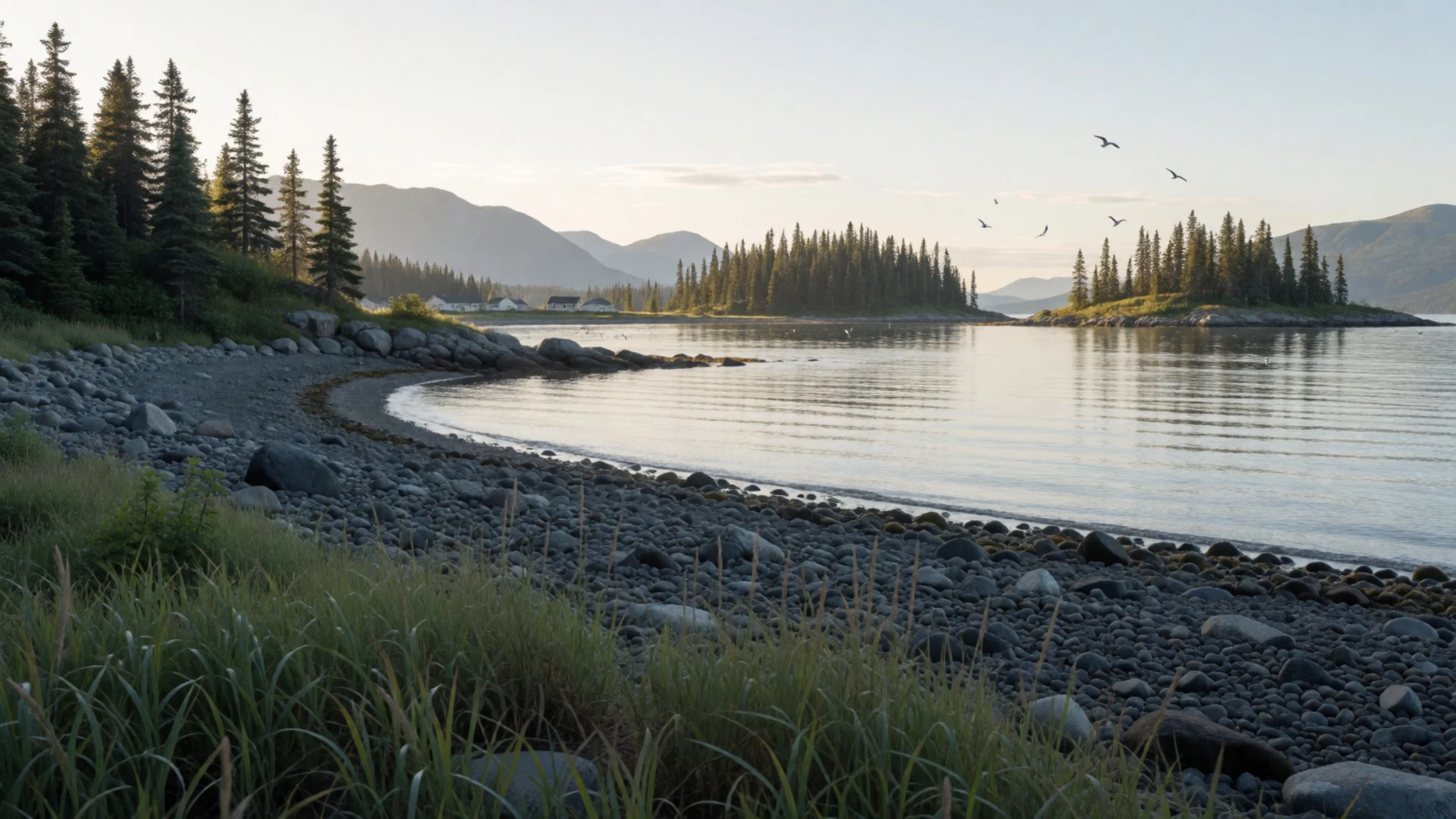
Culture
Prince William Sound is a working landscape as much as a scenic one. Fishing boats, pipeline tankers and small-plane pilots set the rhythm of life in Valdez, Cordova and Whittier, and the Alutiiq villages of Chenega and Tatitlek keep their own histories close, shaped by the 1964 tsunami and the long memory of the shoreline. The Alutiiq name Suungaaciq still sits alongside the English one, a reminder that the sound was lived in and named long before European ships arrived. Respect for the land is the unwritten code here, and it is more than politeness. Much of the shoreline is protected national forest, so picking flowers or taking shells, stones and other natural objects is discouraged, partly because flowers feed insects and partly because a place visited by many only stays intact if each person leaves it alone. Rubbish is a particular irritation for locals. Some campers treat fire rings as a place to burn plastic or drop cans and cigarette ends, which leaves a mess for the next visitor and harms wildlife. Residents are used to visitors and are usually friendly, but harbours and fish-processing areas are workplaces, so keep clear of gear and ropes and ask before stepping onto a private dock. Pack out everything you bring, including cigarette ends, and never leave food or litter where animals can reach it.
What to wear
Prince William Sound has an Alutiiq tradition of clothing made from what the sea and shore provided. Historic parkas were sewn from skins, bird pelts and sea-mammal gut, and an engraving after the artist John Webber, now in the Anchorage Museum, shows a woman of the sound as seen by Cook's expedition in 1778. Today's ceremonial and craft work draws on those traditions, and museums in Alaska are the best place to see real examples. Everyday dress in the sound's towns is practical rather than stylish. Locals favour waterproof jackets, fleece, wool hats and tall rubber boots, often in the brown rubber style sold across Alaska, because work on boats and harbours is wet and cold in all seasons. Nobody dresses up for dinner at a harbour-side eatery. Visitors should plan around cool, damp weather even in high summer. Pack a proper waterproof jacket and rain trousers, warm layers of wool or synthetic fabric rather than cotton, a hat, gloves and sunglasses for glare off the water. Boat decks are windy, so a windproof outer layer is worth more than an extra jumper. Footwear needs grip: waterproof walking boots for shorelines and trails, plus a pair of dry shoes for town. There are no religious dress rules at the sights, but if you visit a village, dress modestly and quietly.
What to eat
- Fresh local seafood — Harbour-side eateries in Valdez, Cordova and Whittier
Seafood is the best-known produce of Alaska, and the sound's harbours are where it lands. Ask what came off the boats that week, whether fish or shellfish, and eat it simply cooked. Menus follow the catch, so availability changes with the season.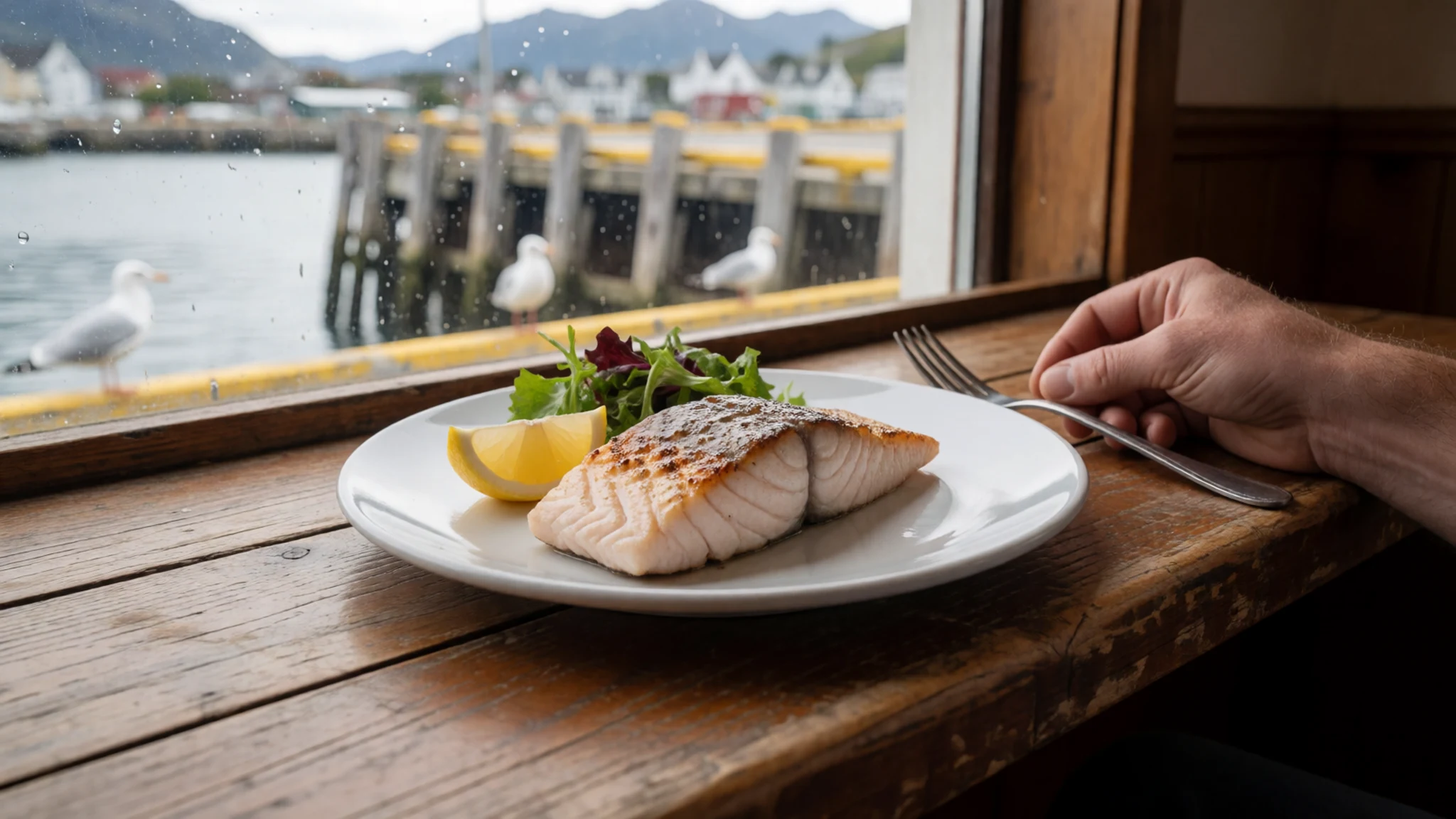
- Reindeer sausage with eggs — Any small-town diner
A breakfast of reindeer sausage alongside eggs and hash browns is a staple of Alaska's diners, with plenty of hot coffee on the side. Portions are generous, so share if appetites are small, and expect a filling start to a day on the water.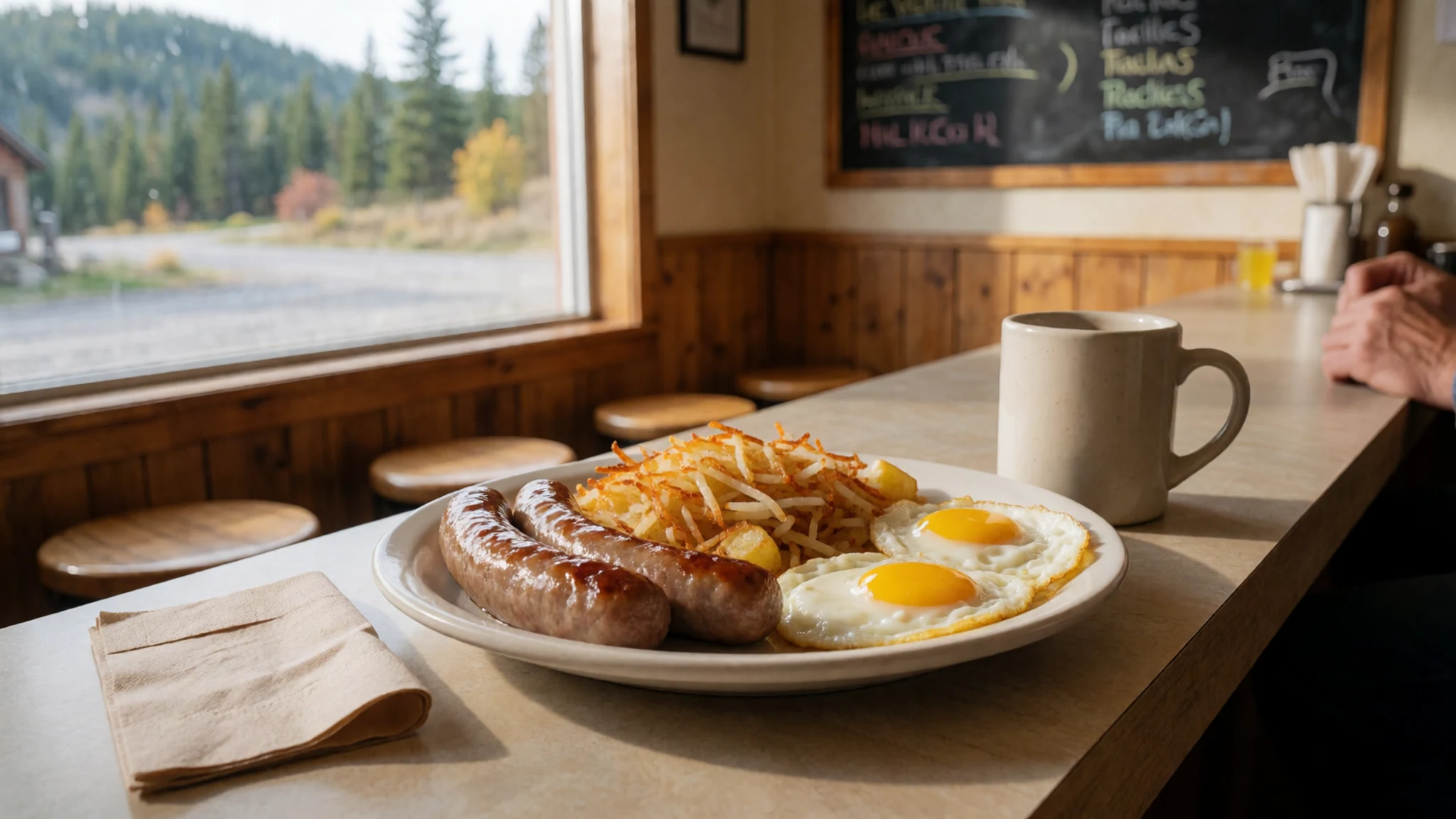
- Fireweed honey — Craft stalls, gift shops and local markets
Fireweed honey comes from the pink flowers that colour Alaskan hillsides in summer. It has a light, distinctive flavour that people often find unlike other honeys. A small jar travels well and makes a sensible edible souvenir. - Spruce tip syrup — Farmers' stalls and speciality food shops
Spruce tip syrup is made from the young shoots of Sitka spruce, a tree common along the coast. It tastes resinous and citrusy, and works over pancakes, ice cream or in drinks. Look for it in small-batch jars from local makers. - Smoked salmon — Fish counters and gift stores near the harbours
Smoked salmon is a natural souvenir in a region built around fishing. Fish counters near harbours often sell it vacuum-packed for the journey home. Ask about the species and how it was cured, and check airline and customs rules before packing it.
Plan it
Best time. June to August brings the longest days, the mildest weather and the widest choice of boat trips and kayak tours; early September is quieter and cooler. Rain is possible in any month, and winter is dark and snowy with fewer services running.
How long. 2–4
Getting there. Fly to Anchorage, the main gateway to Alaska. From there, Whittier is reached by road through a tunnel shared with the railway, Valdez by a longer road journey, and Cordova by ferry or small plane because no road reaches it. Check operators' official sites for current timetables.
Budget. high
Tips
- Book glacier cruises, kayak trips and ferries well ahead for July and August, when places fill up
- Check the weather and sailing status each morning, as cancellations are common
- Carry waterproofs and warm layers on every boat trip, even on bright days
- Bring cash and a card, as small harbours and villages may have limited services
- Stock up on food and medicines in Anchorage, since supplies in the smaller towns are limited and cost more
Etiquette
- Take all rubbish with you and never burn plastic or cans in a fire ring
- Ask permission before visiting villages or stepping onto private docks
- Keep a respectful distance from wildlife and from working fishing boats
Nearby
Sources
- Wikidata Q631282 (CC0)
- Wikipedia: Prince William Sound (rev 1349237256) (CC BY-SA 4.0)
- Wikivoyage: Alaska (rev 5434329) (CC BY-SA 4.0)
- Prince William Sound region of Alaska, Edmund Heller (Public domain)
- Prince William Sound map, Tom Patterson (Public domain)
- A far away shot of the mountains near Valdez arm in Alaska, St Louis Julie, U.S. Fish and Wildlife Service (Public domain)
- A glacier terminating in College Fjord, Alaska ShoreZone Program NOAA/NMFS/AKFSC (CC BY 2.5)
- A lonely cloud over Prince William Sound, scott1346 (CC BY 2.5)
- A pleasure boat in Jack Bay, Environmental Protection Agency (Public domain)
- A Woman of Prince William Sound, James Basire after John Webber, Hiart (CC0 1.0)
- Alaska, Prince William Sound through Redoubt Mountain, War Department, Army Air Forces (Public domain)


Wildlife
- Sea otter (animal)
The sea otter is a small sea mammal wearing the thickest fur coat in the animal world, and it is the heaviest member of the weasel family. Think of it as a furry weasel cousin that lives in the waves. It can walk on land, but it can happily spend its whole life at sea. Travellers may spot otters from the deck on a decent day, though nothing is promised. Keep your distance, stay quiet, go with a guide, and never feed them.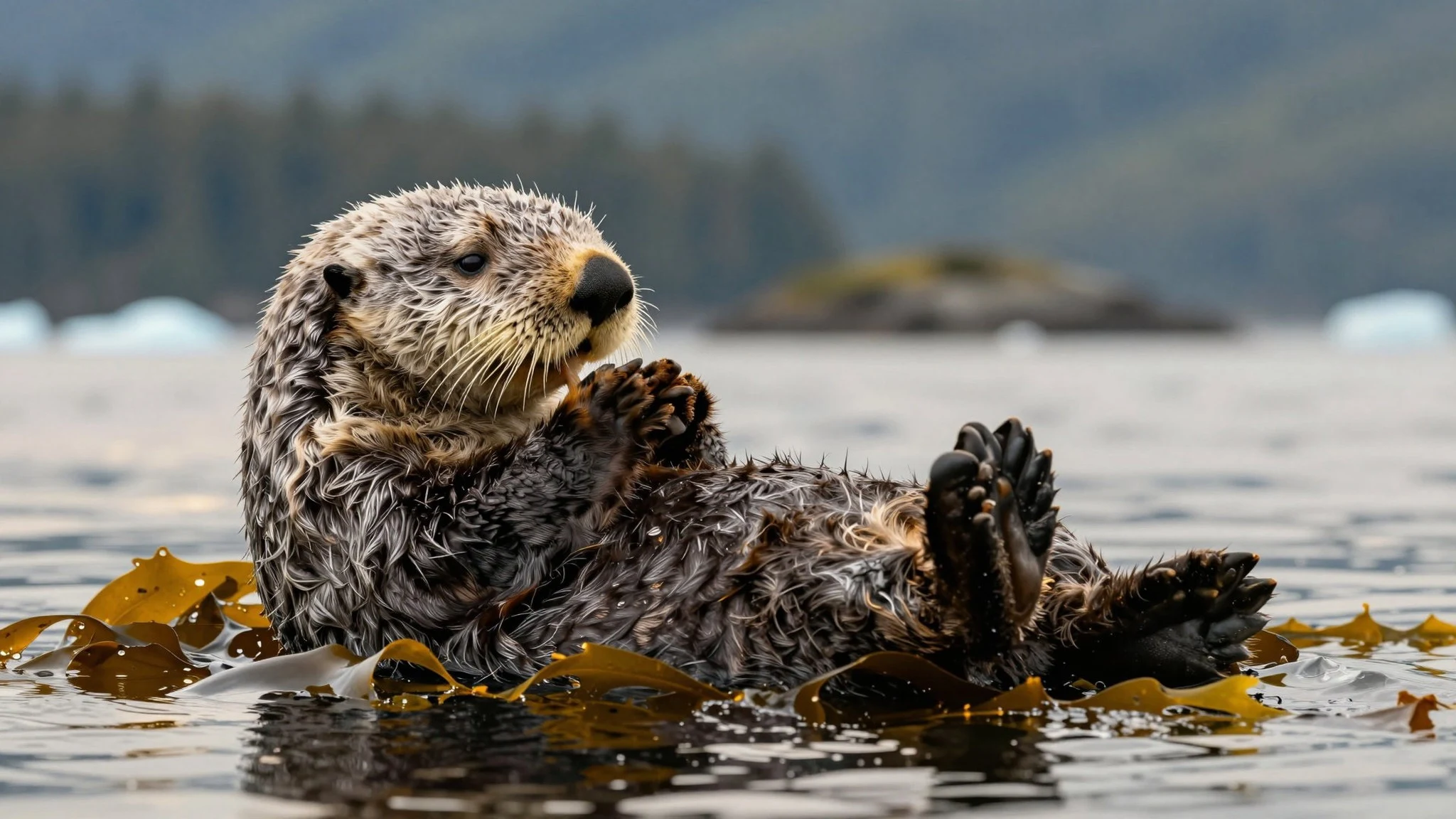
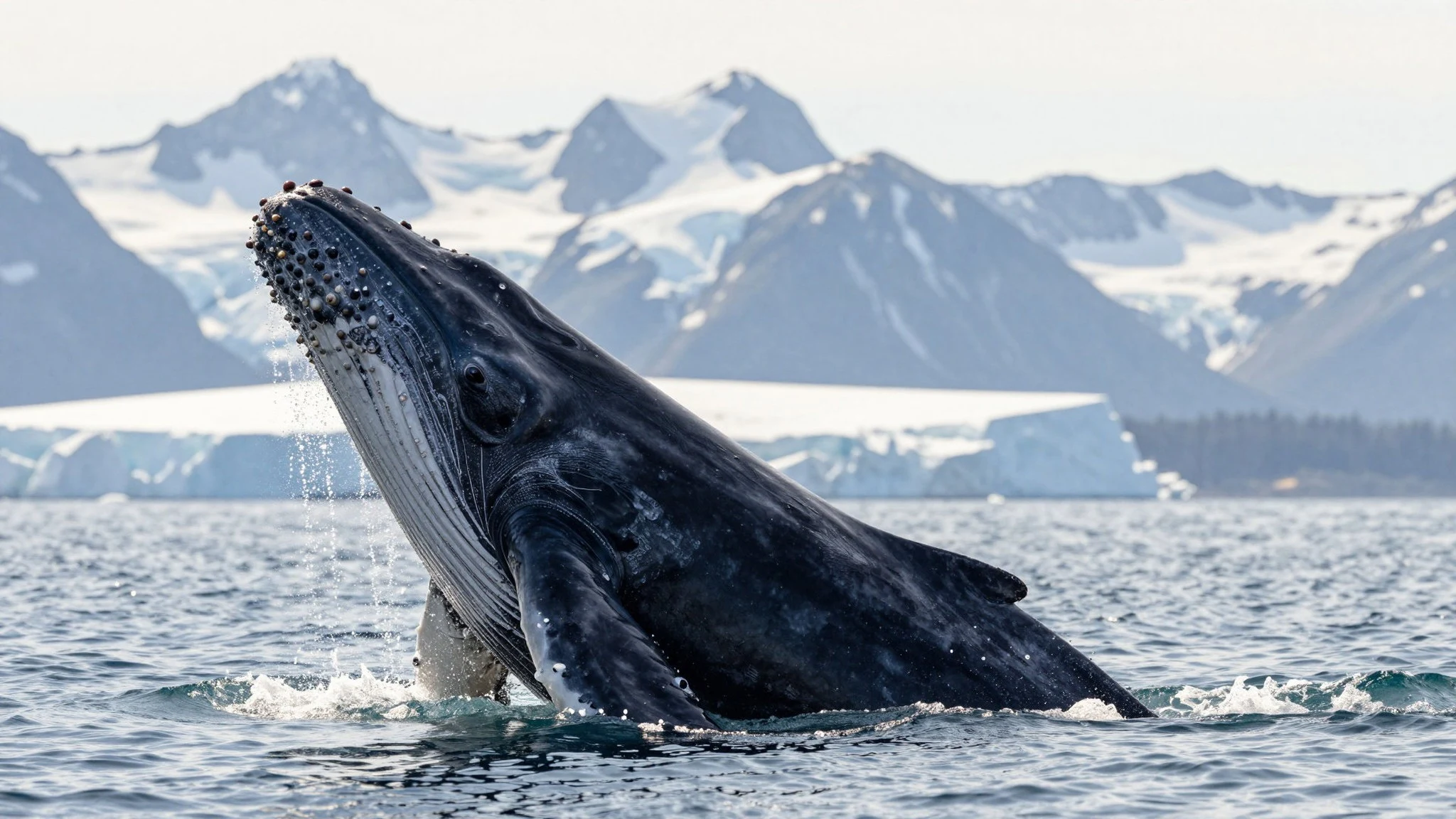
- Humpback whale (animal)
The humpback whale is a giant baleen whale, and you will remember it as the singing whale that loves to leap. It has long flippers and bumps on its head, and the males sing long, complex songs. Whale watchers adore it for breaching and other showy antics at the surface. Look for whales from the deck on a decent day, though nothing is certain. Give them plenty of space, keep quiet, travel with a guide, and never feed them.