Port Townsend
Port Townsend, United States
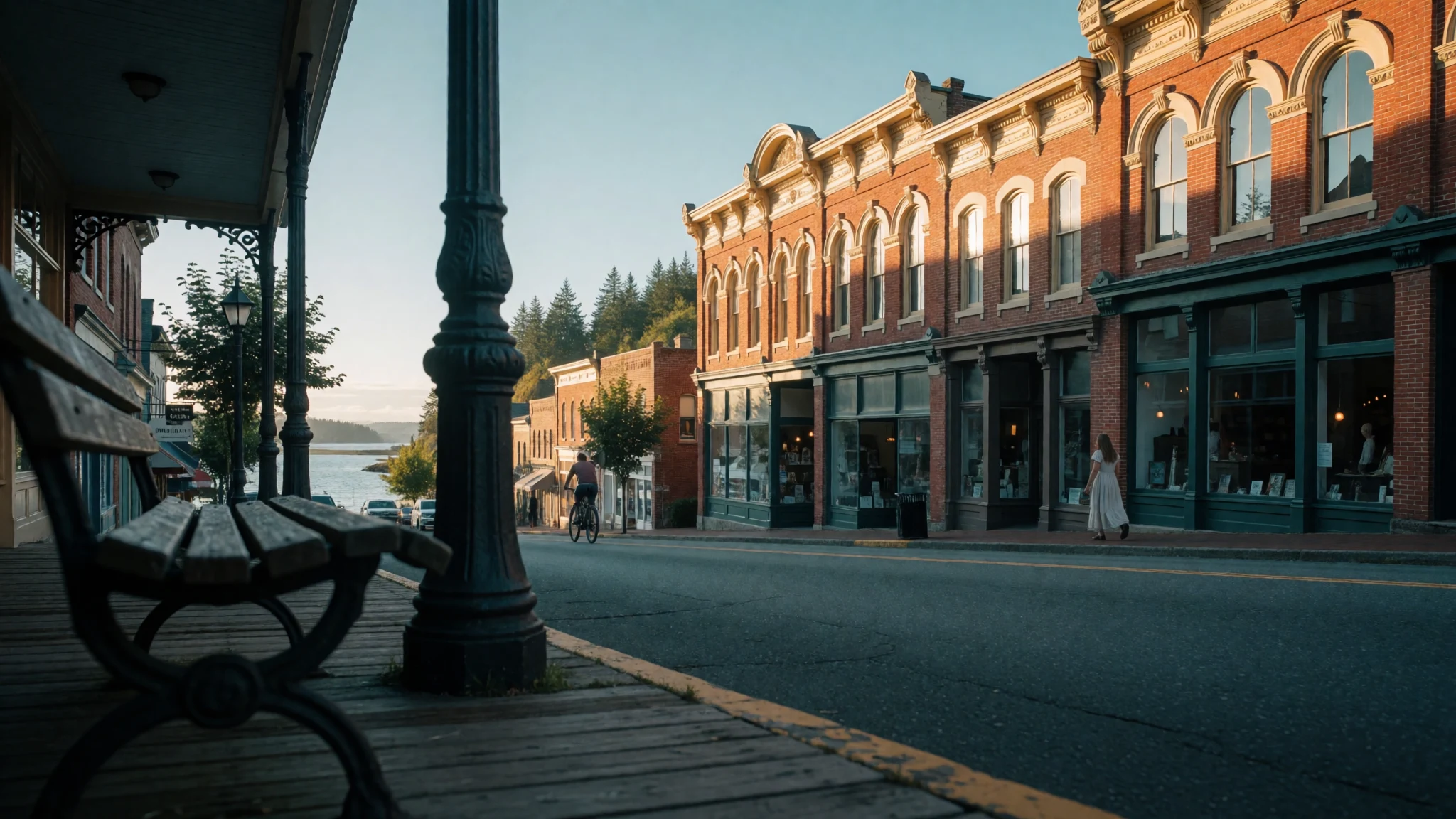
Port Townsend is a Victorian seaport at the tip of the Olympic Peninsula, where boatbuilders, artists and old brick streets share a walkable waterfront.
The place
Port Townsend sits at the north-eastern tip of the Olympic Peninsula in Washington state, on the Quimper Peninsula, facing a broad, semi-sheltered bay with Admiralty Inlet just beyond. About 10,148 people live here. It is the county seat of Jefferson County and also its only incorporated city, so the courthouse, council and most shops share one compact town. The centre stands about 40 metres above sea level, with the commercial streets down by the water and a residential bluff above, joined by steep streets and stairways. Two things shape the character of the place. One is the architecture: ornate brick commercial blocks and decorated wooden houses from the years when the town expected to become a great port, now protected as a National Historic Landmark District. The other is the working waterfront, where independent boatbuilders, rigging and sail specialists and woodworkers keep traditional skills alive, and where schools and workshops draw students from far afield. The weather is a pleasant surprise for the Pacific North-West. The Olympic Mountains cast a rainshadow over the town, so it is markedly drier than its surroundings, with annual rainfall of about 480 millimetres. Summers are mild rather than hot, and winters are grey and damp without being harsh. Around the headland, three former coastal artillery forts have become state parks, with gun emplacements, beaches, bunkers and cliff paths. Port Townsend is small enough to walk from end to end and quiet outside festival weekends. Galleries, bookshops and cafés outnumber chain stores, and the place rewards a slow stay far more than a quick stop.
Its story
Port Townsend took its name from Captain George Vancouver, who sailed into the bay in 1792 and named it after the Marquis of Townshend, a friend of his; the spelling later lost its h. Vancouver judged it a safe harbour, though strong southerly winds and poor holding ground still make anchoring off the waterfront awkward for small boats. Long before that, the land belonged to Coast Salish peoples, among them the Klallam, Chimakum, Hoh, Quinault and Twana, and the Klallam leader Chetzemoka is still remembered in the town. American settlers founded the city in 1851, and within a few decades it was an active seaport with large ambitions. Boosters believed it would become the great harbour of the west coast, standing guard at the entrance to Puget Sound. That hope earned it two nicknames, City of Dreams and Key City, and the second still sticks. Merchants and builders poured in, and the Victorian brick blocks and ornate wooden houses on the waterfront and the bluff date from that confident period. The hoped-for dominance never arrived, and the boom faded. One consequence was a stock of period buildings that later residents chose to keep rather than replace. Artists, craftspeople and boatbuilders found the old streets atmospheric and workable, and former military sites around the headland were turned into parks. The old dream of a metropolis survives mainly as architecture, which is a gentler legacy than its founders imagined.
What to see
- The historic waterfront and downtown — Downtown waterfront
Port Townsend's downtown runs along the water below the bluff, and its Victorian brick fronts are best seen on foot. Arrive by ferry or walk the main street slowly, looking up at the cornices and carved details. Galleries, bookshops and cafés now fill the old commercial blocks.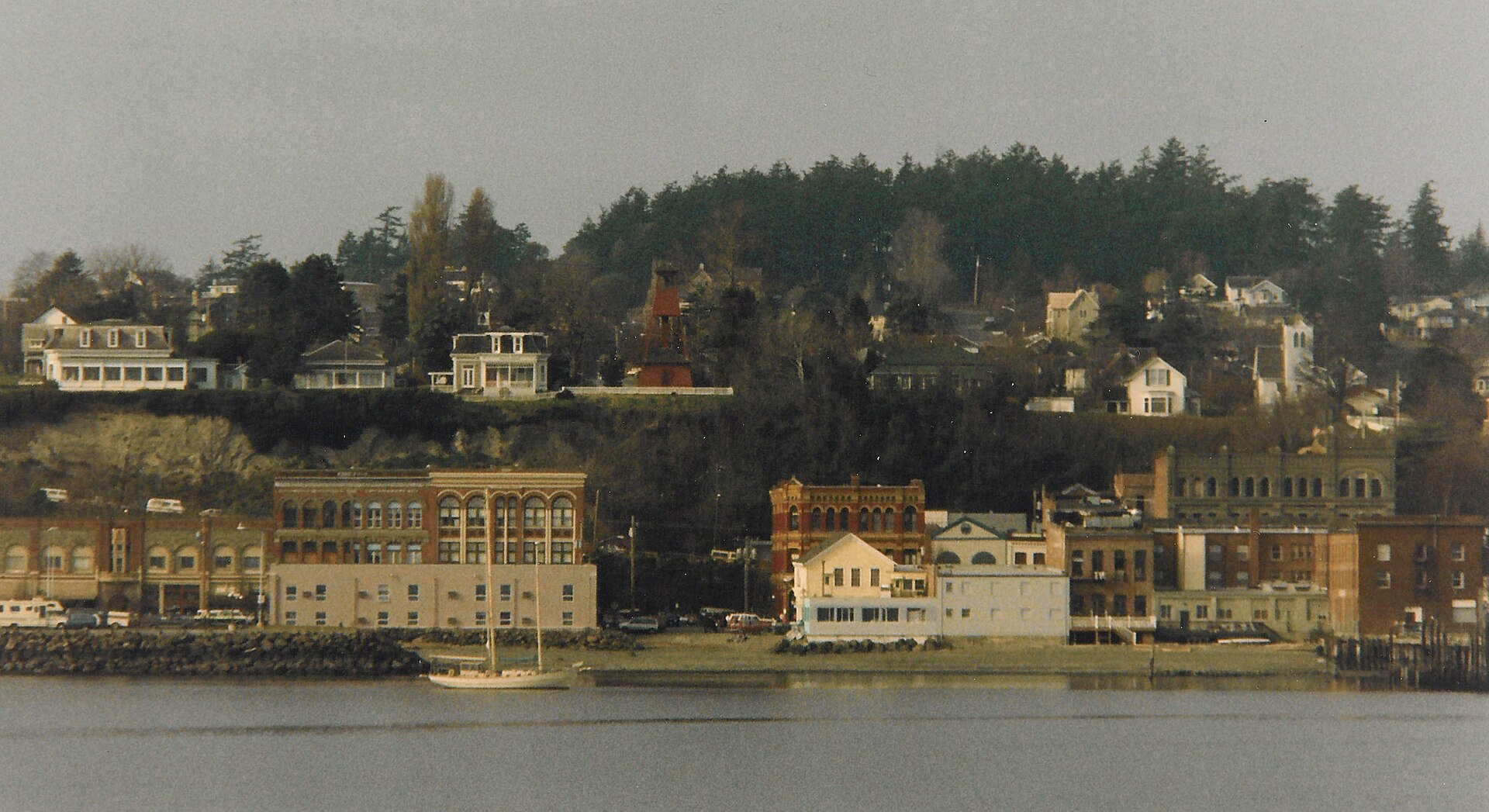
- Rothschild House Museum — Uptown bluff
A historic house stands on a bluff above Port Townsend Bay, built by a Bavarian immigrant businessman known locally as Baron Rothschild. It is a modest way to see how a merchant family lived in the boom years. Check the official site or ask locally for opening times before going. - Jefferson Museum of Art and History — Downtown
The museum shares a building with the working city hall and court, which gives the visit an unusual mix of civic life and local history. It includes an old jail cell, assorted historical displays and an art gallery. It is a useful first stop for the town's background. - Manresa Castle — Hilltop above town
Manresa Castle is a large historic building above the town, listed on the national register of historic places. It has a reputation for ghost stories, which many visitors enjoy more than the history. Even without an overnight stay, the exterior and the views over the bay are worth a short trip uphill. - Chetzemoka's grave monument — Laurel Grove Cemetery
A monument to Chetzemoka, the Klallam leader remembered in local history, stands at Laurel Grove Cemetery. It is a quiet counterpoint to the Victorian showpieces and a reminder that the Klallam were here long before the town was founded. Visit respectfully and keep to the paths.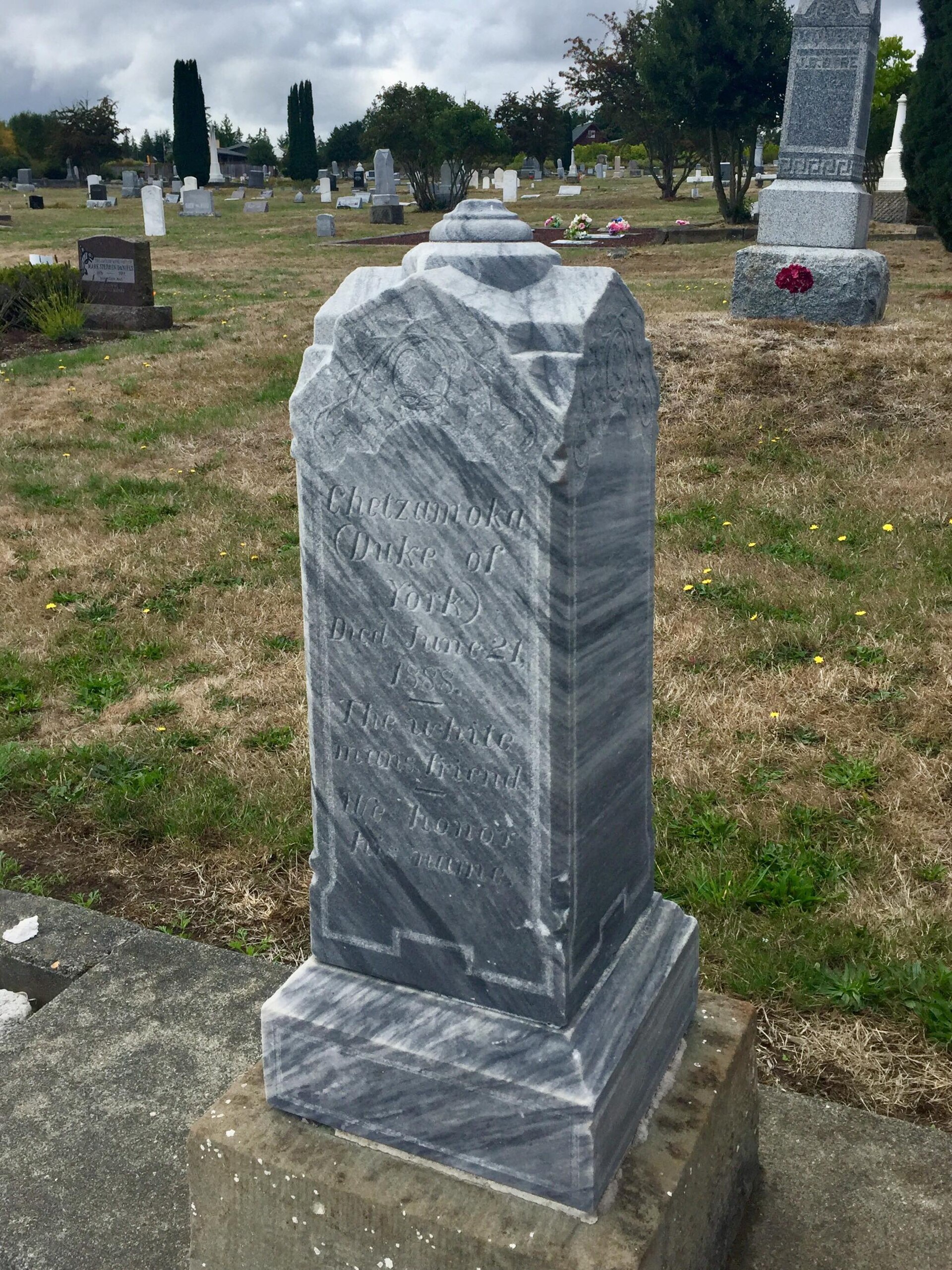
Culture
Port Townsend presents itself at the town entrance as a Victorian seaport and arts community, and both halves of that description hold up. Galleries line the downtown streets, two artists' collectives are based in the town, and a monthly Art Walk keeps the galleries open late, with refreshments and a chance to talk to the artists. Northwind Arts Centre runs rotating exhibitions, readings, films and performances. Fort Worden State Park, on the old military site, is the cultural hub. The arts organisation Centrum hosts concerts, festivals and workshops there, covering folk fiddle tunes, blues, jazz, voice and chamber music. Copper Canyon Press, a poetry publisher, works from the same park, alongside college programmes and the Port Townsend School of Woodworking. Boats are a culture of their own here: independent builders and related trades give the waterfront a working feel, and wooden boat events draw sailors and makers to the harbour. The town also has two small cinemas, a taste for live music in pubs, and a steady calendar of local festivals. Life is relaxed and community-minded, with a lot of volunteering and a strong local identity built on craft rather than on commerce. Indigenous history, especially that of the Klallam, is part of the local story and is increasingly acknowledged in museums and public memorials. Ask before photographing artists or boatbuilders at work, and keep voices low and to the paths in the old cemetery.
What to wear
Port Townsend has no single costume, and its clothing heritage is layered. The Klallam and other Coast Salish peoples traditionally wove cedar bark into hats, capes and mats, and made woven blankets for ceremony and daily use; woven regalia and blankets still appear at tribal gatherings and ceremonies. Victorian dress, with long skirts, waistcoats and top hats, returns during heritage weekends and costumed tours, when volunteers dress in period style around the historic district. Everyday wear now is practical, outdoorsy and relaxed: fleeces, waterproof jackets, jeans, wool caps and sturdy shoes, with workshop aprons and boatyard overalls on the waterfront and the occasional artist in something far more dramatic. Nobody dresses up for dinner. A visitor should pack layers whatever the month, because sea breezes can be cool even on dry, sunny days. A windproof or waterproof jacket is sensible, and comfortable shoes with good grip suit the steep streets, wet boat docks and gravel paths around the old forts. In summer a sun hat and sunglasses are useful. There is no dress code at museums or most public places, though modest, quiet clothing suits any memorial or cemetery visit.
What to eat
- Pizza by the slice — Downtown main street near the waterfront
Pizza is a downtown standby, sold by the slice or whole, and eaten upstairs in casual, slightly quirky dining rooms above the main street. It is an easy, cheap-ish stop between galleries and the waterfront. - Thai curries and noodles — Small restaurants near downtown
Thai cooking has a loyal local following in town. Expect curries, stir-fried noodles and rice dishes with a choice of heat levels. Small family-run restaurants near the main street are the best bet. - Sushi and Japanese dishes — Downtown, a short walk from the waterfront
A Japanese restaurant reflects the town's links with a sister city abroad, serving sushi, rolls and cooked dishes. It suits a quieter dinner after a day of walking the bluff and waterfront. - Beach-shack takeaway — Beach shack at Fort Worden shoreline
A former cable store on the Fort Worden shoreline now sells fast food to take away. Eat it on the beach or the grass with the water in front of you. It is simple, casual and best on a dry day. - Organic café lunches — Uptown, up the hill from the fountain
Several cafés on the hill above the fountain lean towards organic ingredients, with salads, soups and seasonal plates. A table in a busy period may need a reservation, so ask ahead.
Plan it
Best time. June to September is the best window: it is the driest and mildest time, helped by the Olympic rainshadow that keeps the town drier than its surroundings. Spring and early autumn are quieter and cooler. Winter is grey and damp but peaceful.
How long. 2–3
Getting there. The nearest major airport is Seattle–Tacoma. Most visitors hire a car and take a ferry across Puget Sound, either from Seattle to Bainbridge Island or from Edmonds to Kingston, then drive on to the peninsula via the Hood Canal Bridge. By public transport, take the Bainbridge ferry, then connecting local buses via Poulsbo to a park-and-ride south of town. Allow for transfers, and check Jefferson Transit and the ferry operator for current schedules.
Budget. mid
Tips
- Check ferry timetables and any waits on the official operator's site before setting out, especially at weekends and in summer.
- Book rooms well ahead for festival weekends, when the small town fills up quickly.
- Pack layers and a windproof or waterproof jacket, as even sunny days can feel cool beside the water.
- Allow time to walk: the downtown waterfront and the bluff are linked by steep streets and stairs.
- For events and visitor information, see the city website at https://cityofpt.us/.
Etiquette
- Ask before photographing artists, boatbuilders or other people at work.
- Keep to marked paths at the old forts and in the cemetery, and treat memorials respectfully.
- Keep noise down in residential streets and at evening concerts.
Nearby
Sources
- Wikidata Q1001828 (CC0)
- Wikipedia: Port Townsend, Washington (rev 1382472647) (CC BY-SA 4.0)
- Wikivoyage: Port Townsend (rev 5435594) (CC BY-SA 4.0)
- Looking west to Port Townsend — brewbooks (CC BY-SA 2.0)
- View from ferry to downtown Port Townsend — Joe Mabel (CC BY 3.0)
- Klallam people at Port Townsend — James Gilchrist Swan (Public domain)
- Port Townsend, Admiralty Inlet and Port Townsend Bay — Adbar (CC BY 3.0)
- Jefferson County Courthouse in Port Townsend, WA — Steven Pavlov (CC BY 3.0)
- Frank Bartlett House in Port Townsend — Adbar (CC BY 3.0)
- American Constellation leaving Union Wharf, Port Townsend — Gordon Leggett (CC BY 4.0)
- Chief Chetzemoka's Grave Monument — Briankuh (CC BY-SA 4.0)


