Pilgrim's Rest
Pilgrim's Rest, South Africa
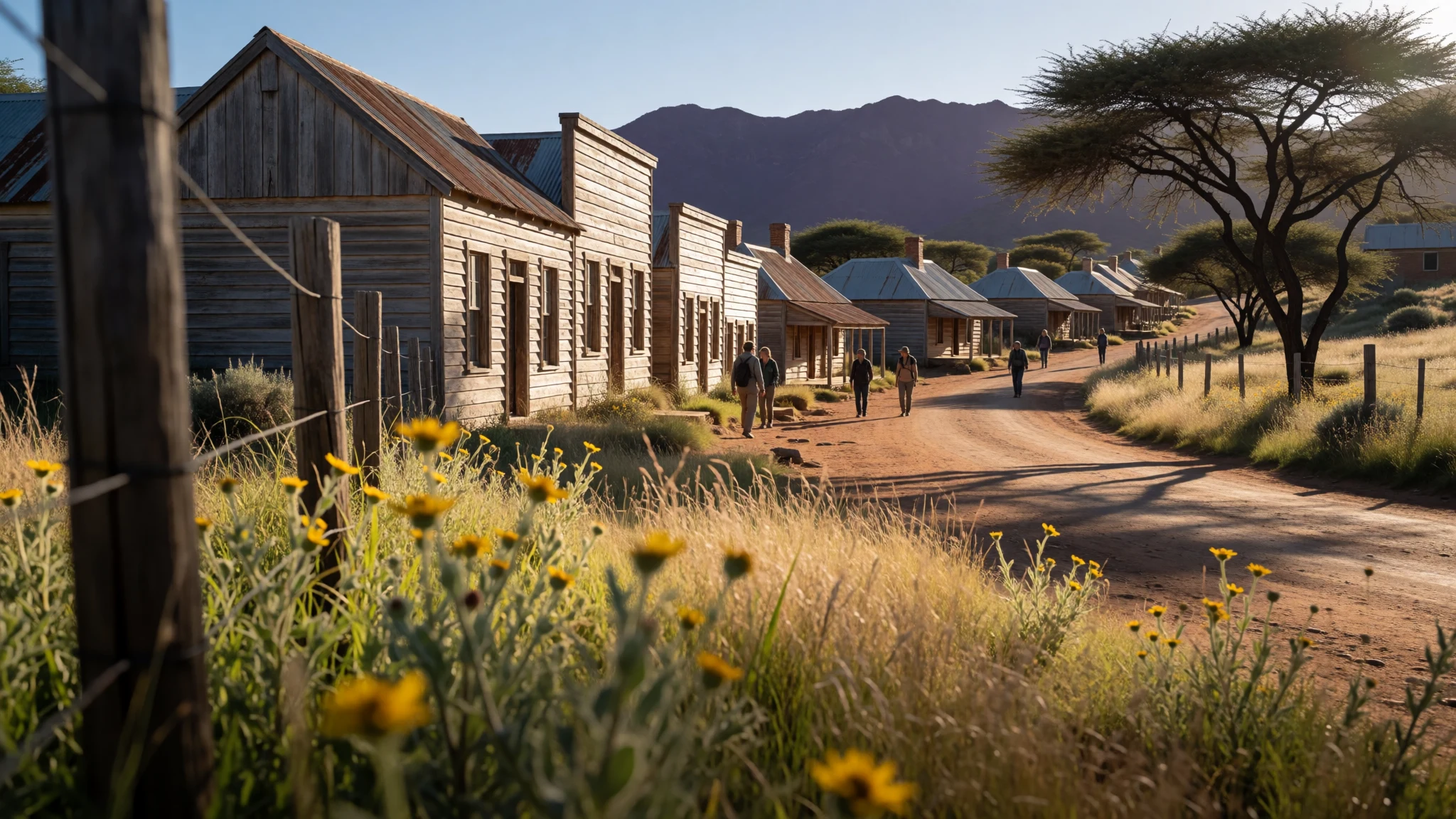
Walk through a preserved 19th-century gold-rush village tucked away in the scenic mountains of Mpumalanga.
The place
Pilgrim's Rest is a living museum of a town, frozen in the era of the great gold rushes. Located in the Mpumalanga province, it serves as a quiet, nostalgic enclave where the architecture of the late 1800s remains remarkably intact. The village is a provincial heritage site, which has prevented the modern sprawl seen in other South African towns, keeping the atmosphere intimate and atmospheric. Visitors wander through streets lined with weathered wooden storefronts and old cottages, feeling the ghost of the 1873 gold fever that once brought thousands of desperate fortune hunters to these hills.
The terrain is rugged and high, offering a crispness in the air that contrasts with the humid lowlands. While it is now a tranquil tourist destination, there is an underlying sense of the chaos that once existed here when alluvial panning was the primary industry. The town is small enough to explore on foot, and the slow pace of life encourages a lingering stroll. It is an honest look at the boom-and-bust cycle of mining, where the grandeur of the 'upper class' homes sits alongside the humble remains of the diggings. Because it is a protected site, the experience is more about atmosphere and history than high-energy activity, making it a peaceful stop for those traversing the scenic routes of the Eastern Transvaal.
Its story
The story of Pilgrim's Rest begins with a secret. A prospector named Alec Patterson discovered alluvial gold in a creek, but he kept the find to himself to avoid the crowds he had already encountered at the nearby MacMac diggings. However, the secret leaked when another miner, William Trafford, registered a claim. This sparked a sudden, frantic rush, and by the time the area was officially declared a gold field in 1873, the population had swelled to 1,500 people all scrambling for gold in the riverbeds.
As the easy-to-reach surface gold disappeared in the 1880s, the town transitioned from individual prospectors to corporate power. Deep-shaft mining took over, led by the Transvaal Gold Mining Estates, which eventually became the first South African gold company listed on the London Stock Exchange. This corporate era brought surprising modernity to the remote village; Pilgrim's Rest was the second town in southern Africa to have street lighting, powered by local hydro-electric plants.
The town also played a curious role in the Second Boer War, serving as the site of an emergency mint that produced the rare Veld Pond. Perhaps the most enduring local legend resides in the cemetery, where one grave is laid perpendicular to all others. The 'Robber's Grave' is said to belong to a thief or a tragic figure like Walter Scott, who allegedly committed suicide after a drunken fight. Whether the occupant was a thief of wheelbarrows or a broken fortune hunter, the grave remains a poignant reminder of the desperation and volatility of the gold-rush era.
What to see
- Old Diggings
Visit the sites where the original gold rush took place. Here, you can step back into the shoes of the 1873 prospectors and try your hand at gold panning in the creek to see if luck is on your side.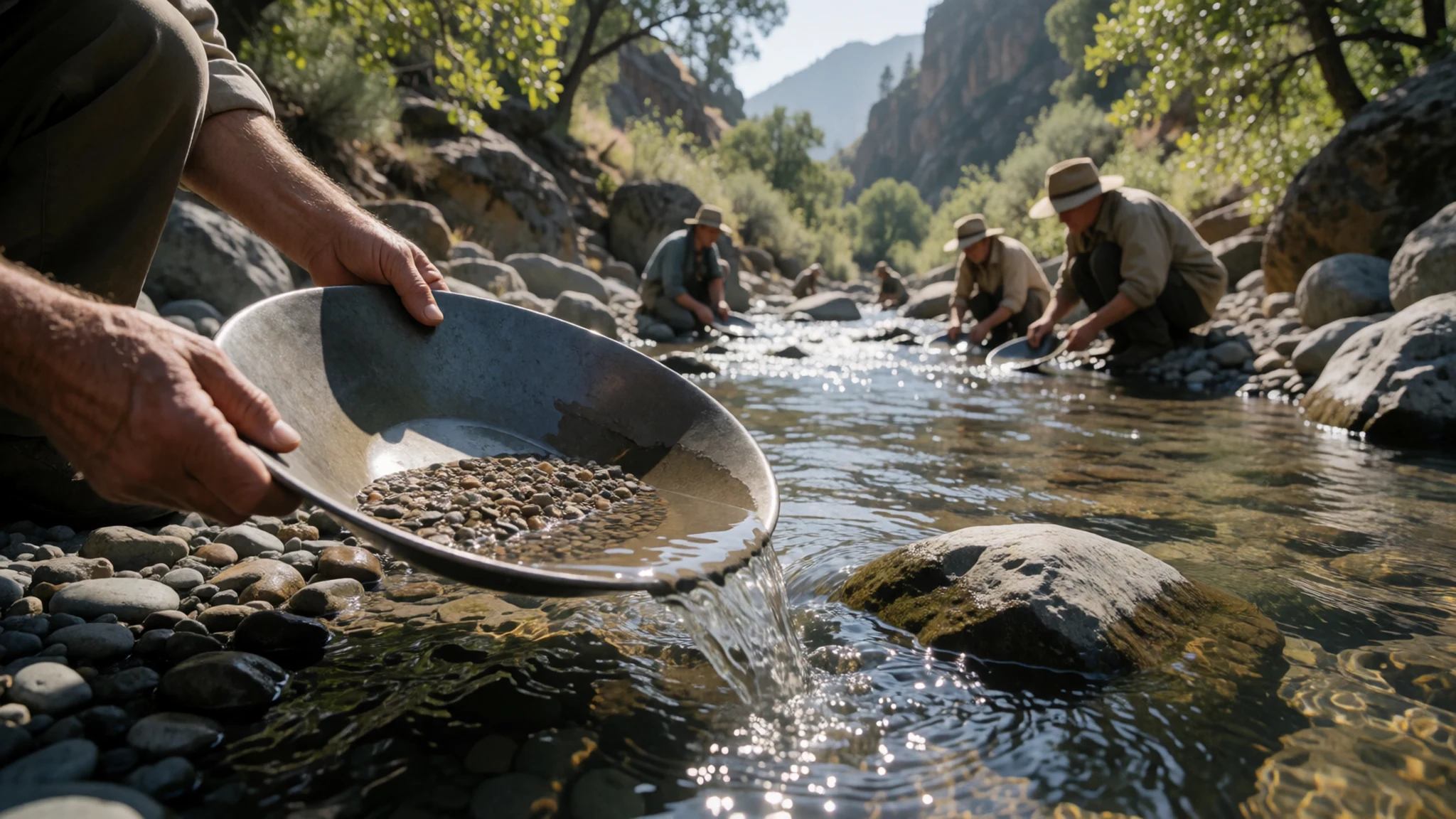
- House Museum
Explore a preserved residence that provides a concrete look at how the wealthy mining elite lived during the town's peak. The interior furnishings and layout reflect the social hierarchies of the late Victorian era in the Transvaal.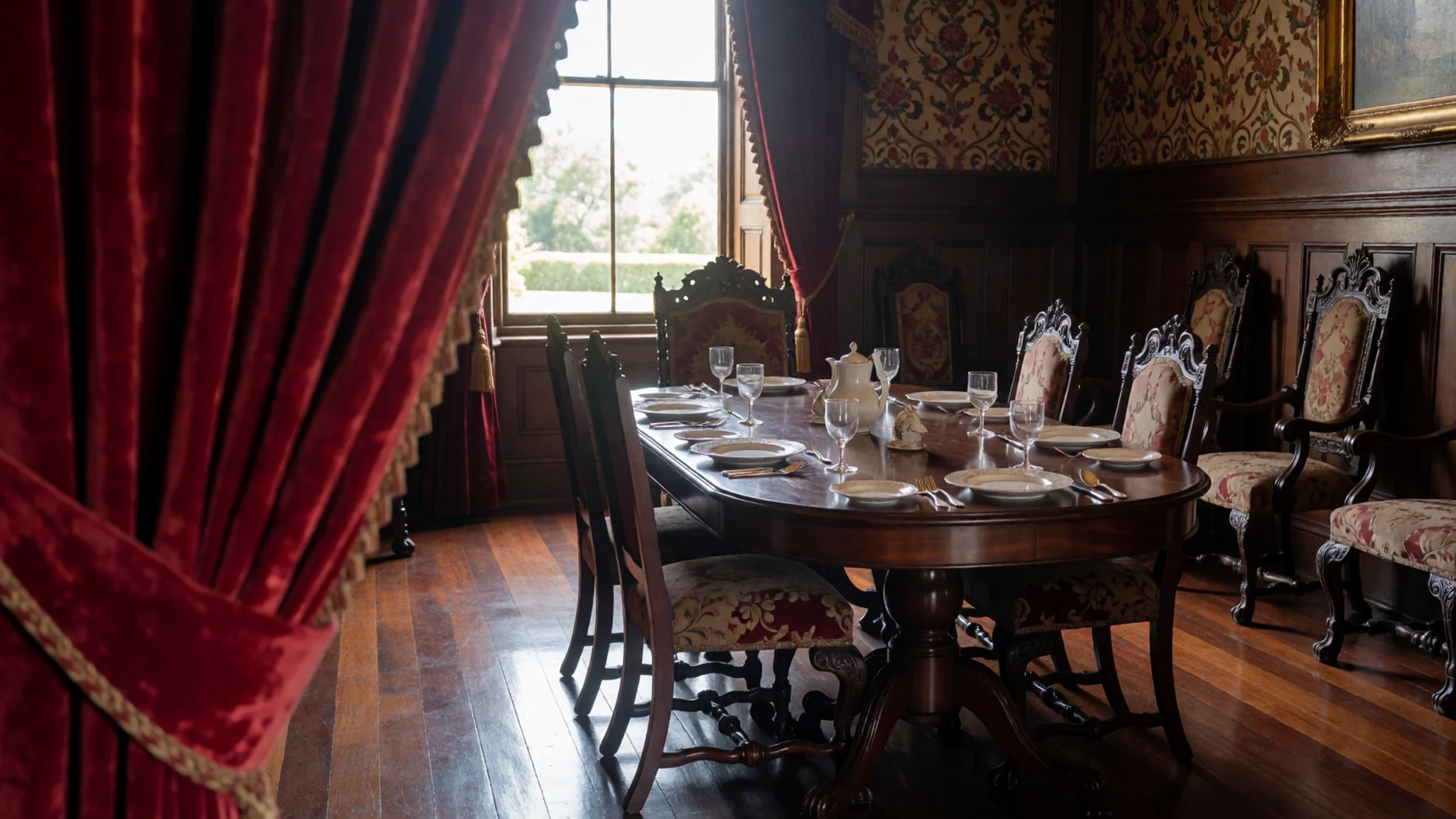
- Robber's Grave
Locate the infamous grave in the local cemetery. Marked by a simple cross and large lettering, it sits at a right angle to the other graves, marking the spot of a man denied the tradition of facing the rising sun.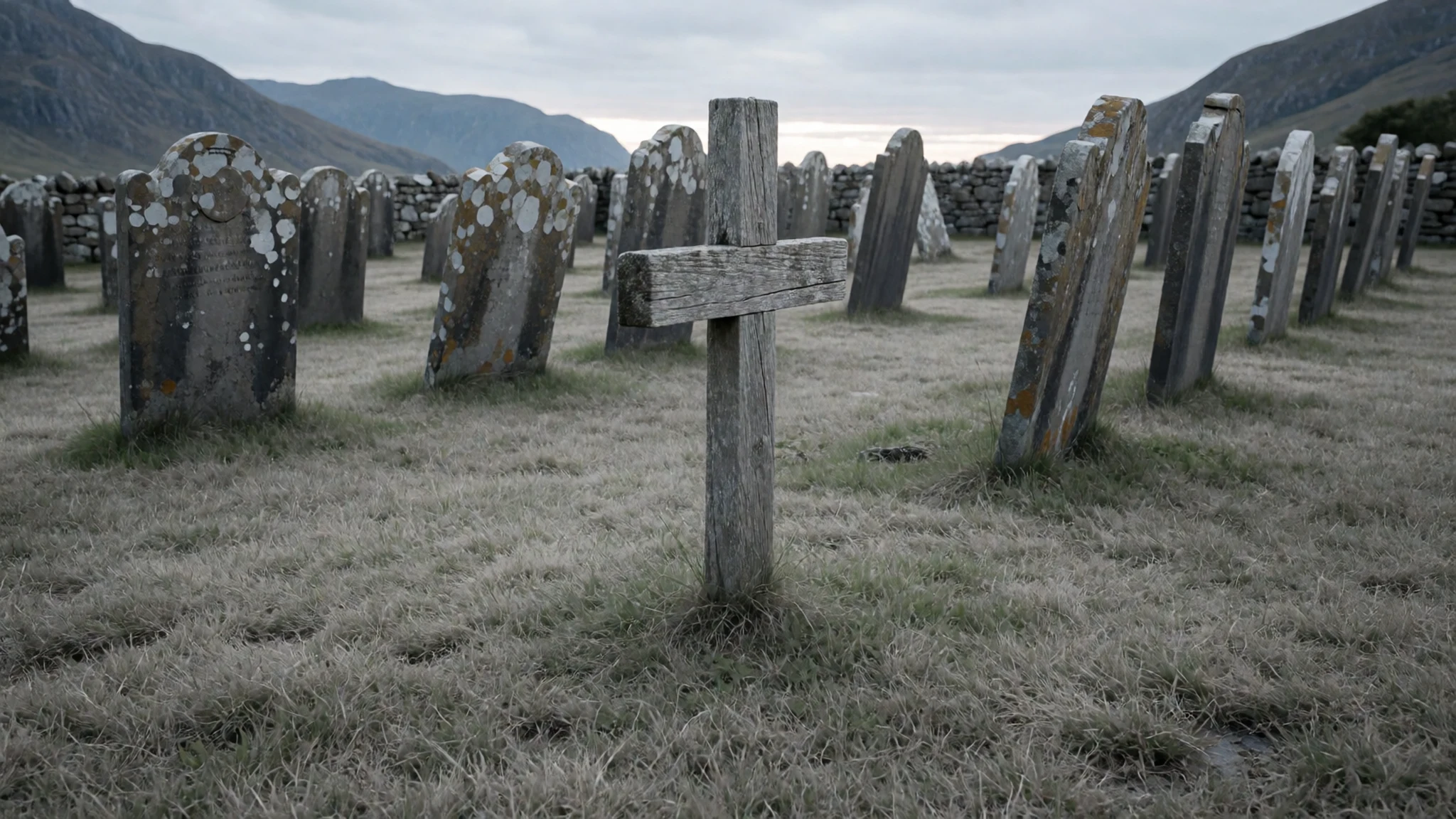
- Methodist Church
Admire the neo-gothic architecture of this 1911 church. It remains in use today and stands as a testament to the spiritual life and community stability that arrived after the initial chaos of the gold rush.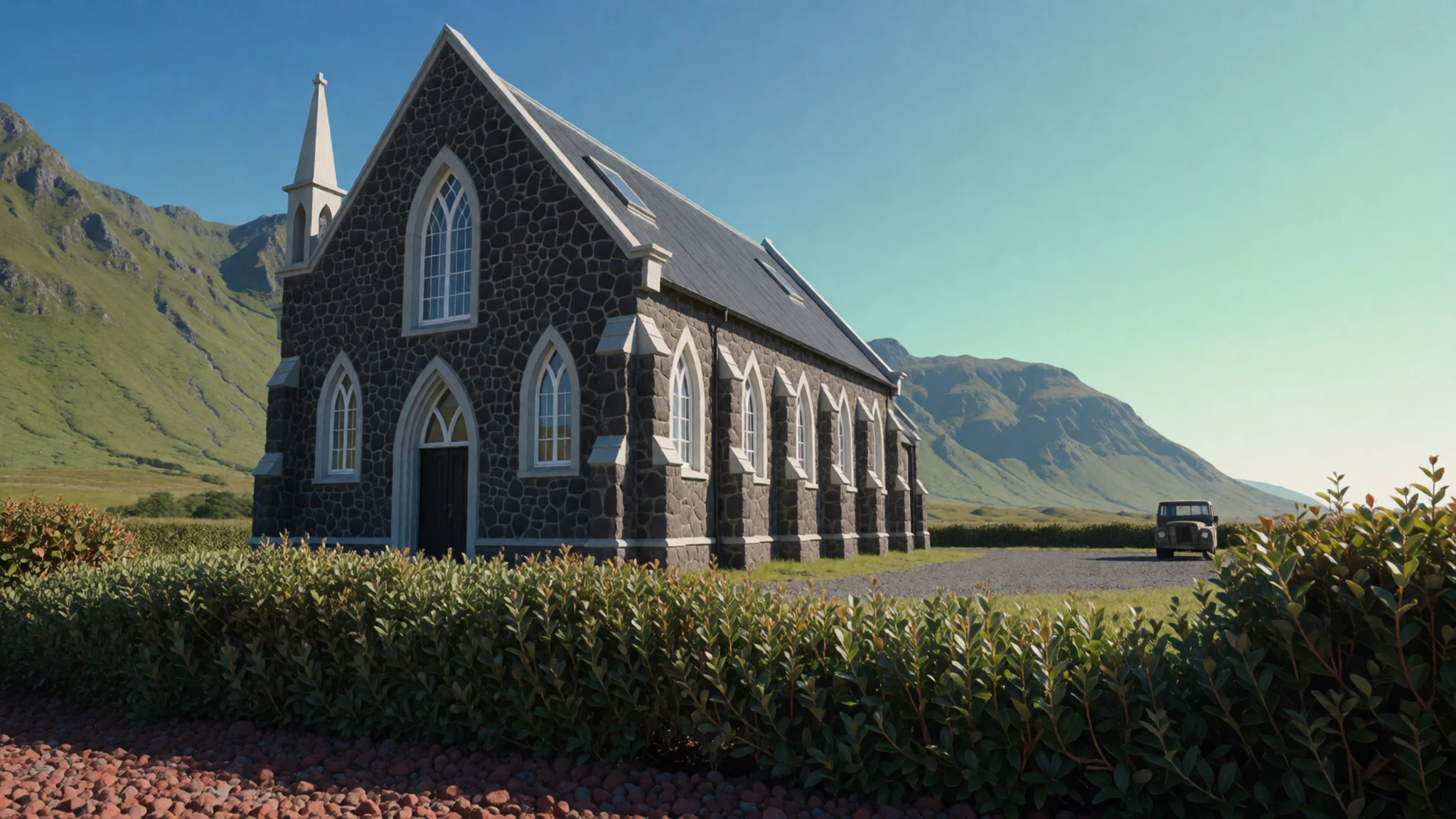
Culture
The culture of Pilgrim's Rest is defined by its status as a heritage site, creating a blend of colonial nostalgia and rural South African hospitality. There is a strong pride in the town's history as a frontier outpost, and the locals are often keen to share tales of the mining era. The atmosphere is far removed from the bustle of Johannesburg or Cape Town; it is a place of quiet roads and slow conversations. The town reflects the intersection of British mining interests and the Boer settlers of the Transvaal, evidenced in the architecture and the layout of the town. Today, the culture is geared towards preservation, with a community focused on maintaining the 'museum' feel of the village for visitors. The rhythm of life here is dictated by the seasons and the flow of travellers passing through on their way to the nearby canyons. Please keep your voice low when visiting the cemetery out of respect for the dead.
What to wear
Historically, the clothing in Pilgrim's Rest was a stark divide between the rugged and the refined. Prospectors wore heavy canvas trousers, leather boots, and wide-brimmed hats to survive the elements, while the mine owners and their families imported fine Victorian silks and wools from Europe to maintain a sense of class in the wilderness. Today, the residents and visitors mostly wear practical, casual South African attire: denim, cotton t-shirts, and comfortable walking shoes. Because the town is located at a high elevation, the weather can be unpredictable; it is often cooler than the surrounding lowlands. Visitors should bring layers, including a warm fleece or a light jacket for the evenings, and sturdy, closed-toe footwear for exploring the dusty paths and the rocky areas around the old diggings. Modesty is generally relaxed, but neat-casual dress is appropriate for the local eateries.
What to eat
- Pancakes — Pilgrims Pantry
A traditional South African treat, often served with cinnamon sugar or lemon, available at the local pantry.
- Pub Fare — The Vine
Hearty meals and cold drinks typical of a country pub, perfect after a day of walking.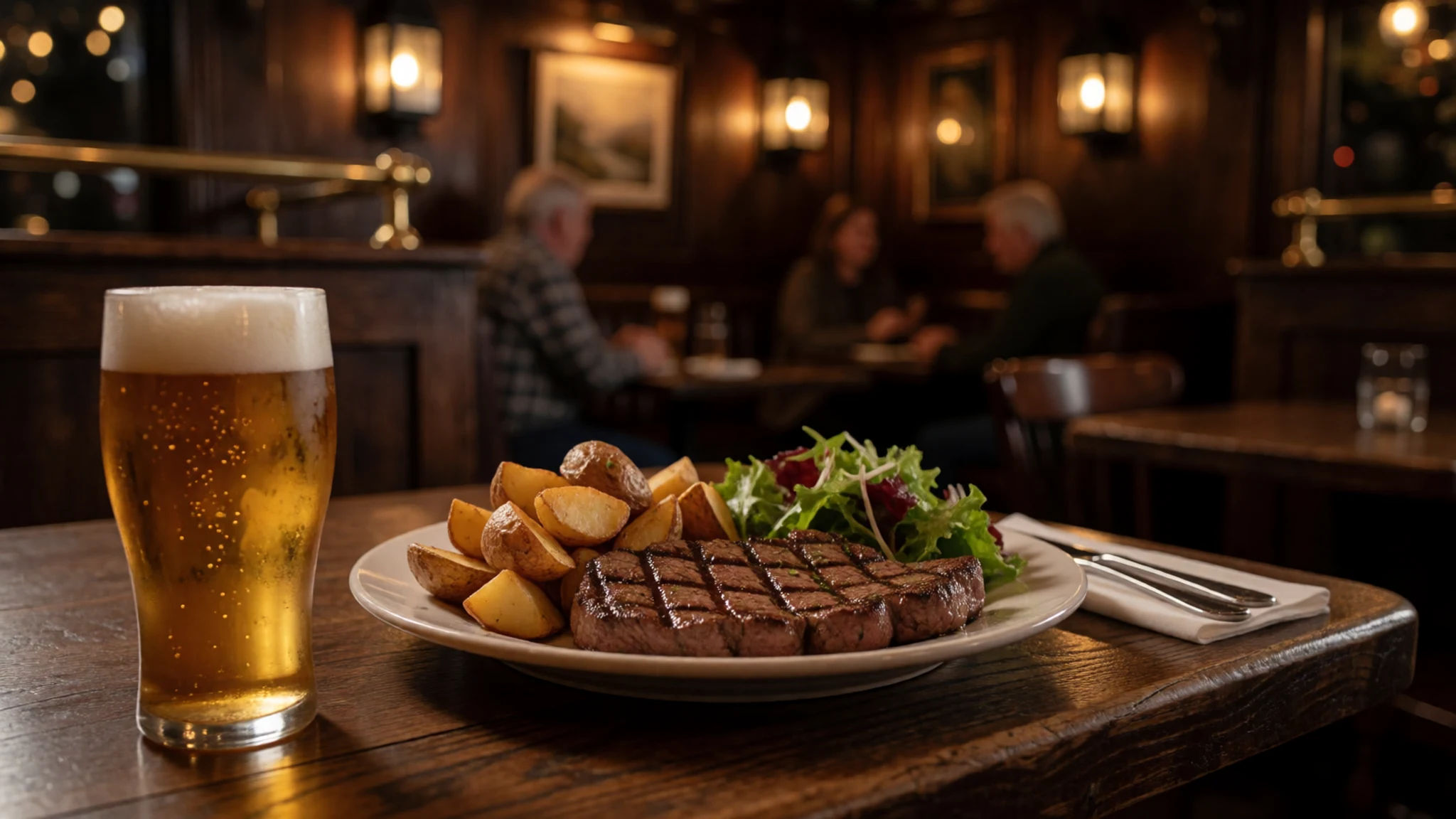
- Cafe Classics — Scott's Cafe
Light lunches, sandwiches, and coffee in a relaxed setting.
Plan it
Best time. May to September for dry, cool weather; avoid the peak summer rains if you plan to explore the diggings.
How long. 1–2
Getting there. By car via the N2, following the R36 to Sabie, then the R532 and R533 into town.
Budget. mid
Tips
- Wear comfortable walking shoes as the terrain is uneven
- Carry a light jacket even in summer due to the elevation
- Bring cash for small vendors and panning experiences
- Combine your visit with a trip to the Blyde River Canyon
Etiquette
- Avoid littering in the heritage areas
- Respect the privacy of residents in the non-museum houses
- Keep noise levels down in the cemetery
Nearby
Sources
- Wikidata Q2992348 (CC0)
- Wikipedia (CC BY-SA 4.0)
- Wikivoyage (CC BY-SA 4.0)