Pikes Peak
Pikes Peak, United States
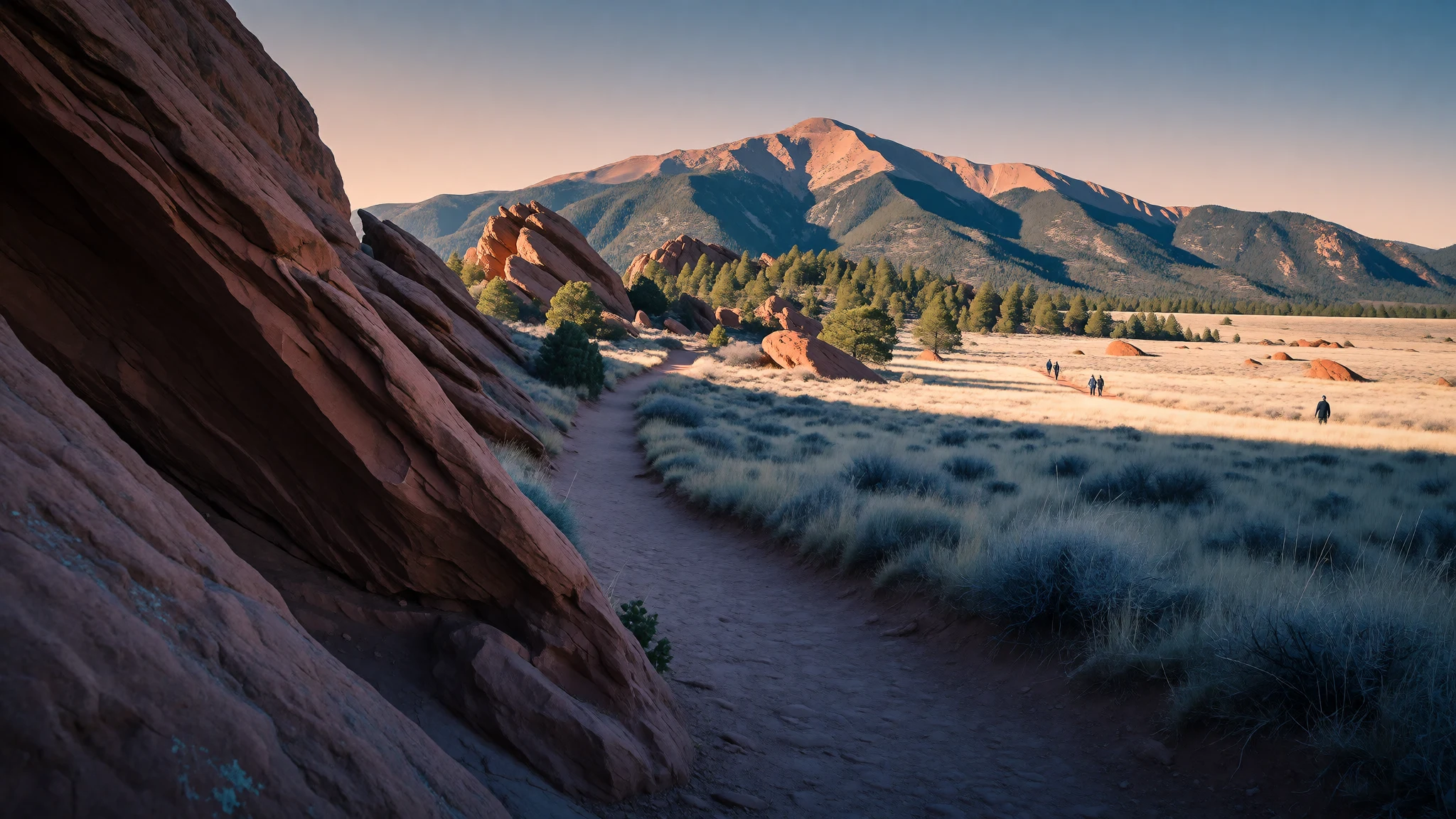
Pikes Peak is a 4,302-metre granite summit above Colorado Springs, reached on foot, by road or by rail, with Ute, gold-rush and song history on its slopes.
The place
Pikes Peak stands at the eastern edge of the Front Range, the first big wall of the Rocky Mountains for anyone coming west across the plains. Its summit reaches 4,302 metres, and on a clear day the mountain dominates the skyline of Colorado Springs. The base is at Manitou Springs, a small town in El Paso County a short drive west of the city, while the upper slopes lie inside Pike National Forest. The peak is a broad granite dome rather than a sharp pinnacle. Conifer forest covers the lower flanks, thins into open alpine tundra, and gives way to boulder fields near the top. Weather up there bears little relation to weather in town. The summit has a polar climate, snow can fall in any month, and afternoon thunderstorms with fierce wind are common. A warm, sunny morning in the streets below can become cold and dangerous by the afternoon on top. Thin air is the other defining fact. Breathing is harder, effort tires people quickly, and some visitors develop headaches or nausea, especially if they climb fast or arrive straight from low ground. The summit can be reached by a long hiking trail, by a toll road for cars, or by a rack railway, and each choice gives a very different day. Summer weekends bring queues for parking and for the summit café, so early starts are calmer. Locals call it America's Mountain, and the affection behind that nickname is easy to understand once the whole range comes into view from the top.
Its story
Pikes Peak had a name long before surveyors arrived. The Tabeguache band of the Ute people, who lived in this region, called it Tava, meaning sun, and the band's own name is usually rendered as People of Sun Mountain. In 1806 the army officer Zebulon Pike was sent west to explore the Louisiana Purchase. He tried to climb the mountain that winter but gave up, probably beaten by the cold. The first documented ascent came in 1820, when the young botanist Edwin James and two companions left their expedition on the plains and reached the top in about two days. James also described the blue columbine, now Colorado's state flower, along the way. Newspapers later attached Pike's name to the peak, and when gold was found near present-day Denver in 1858 the slogan Pike's Peak or Bust spread among prospectors. The mountain was simply the most visible landmark on the long trek across the plains; the real gold lay elsewhere. Large deposits were found at Cripple Creek, southwest of the peak, which set off another rush in 1893. The same year the poet and professor Katharine Lee Bates, teaching a summer course in Colorado, climbed to the summit and was moved to write verses that became the song America the Beautiful. Few mountains carry a story that runs from Ute homeland through exploration and mining to a national song.
What to see
- The summit — Pike National Forest
The top of Pikes Peak is a rocky plateau with a sign marking 4,302 metres, a visitor building and wide views over the plains and the ranges to the west. Stay short and slow, drink water, and leave early if cloud builds, because afternoon storms arrive fast.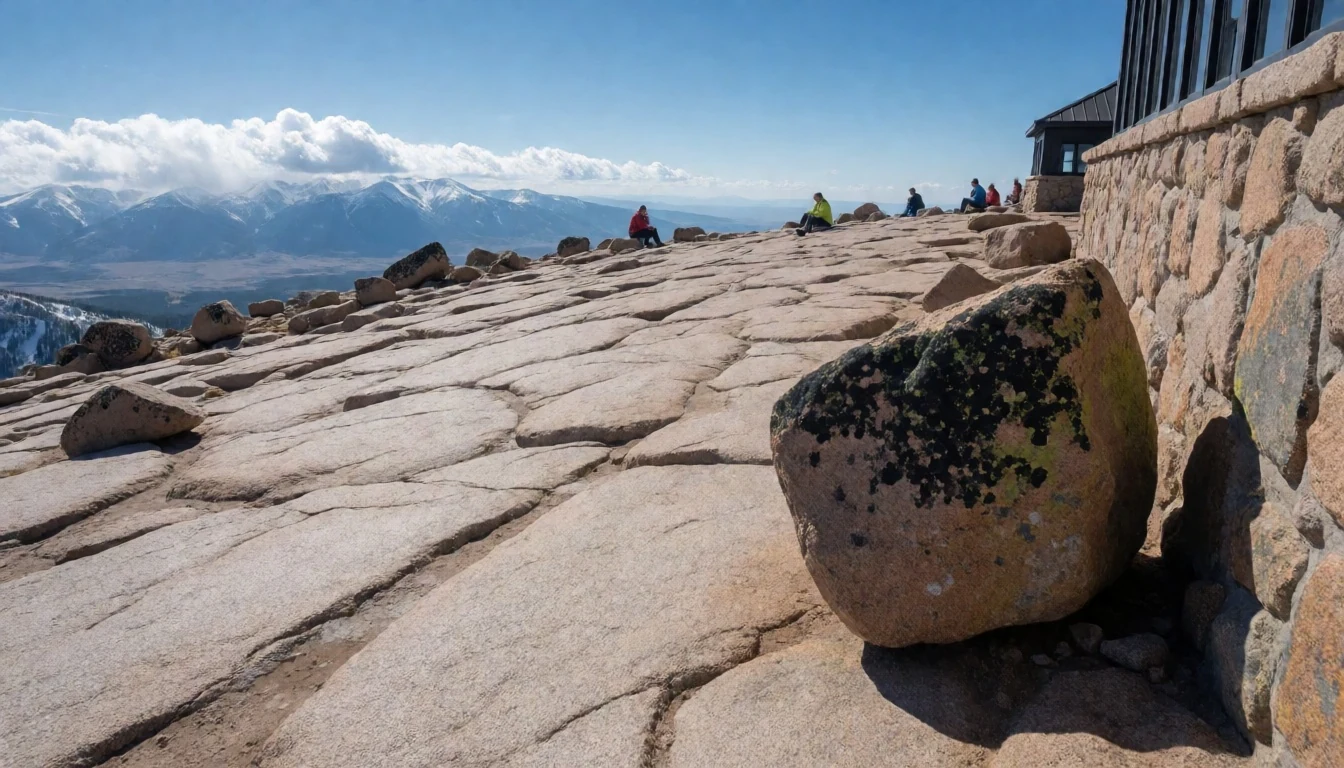
- Garden of the Gods — Colorado Springs
This park of tall red sandstone fins sits on the edge of Colorado Springs, and it frames Pikes Peak behind the rock walls. Short, easy paths make it a good place for a first look at the mountain, ideally in the soft light of early morning or late afternoon.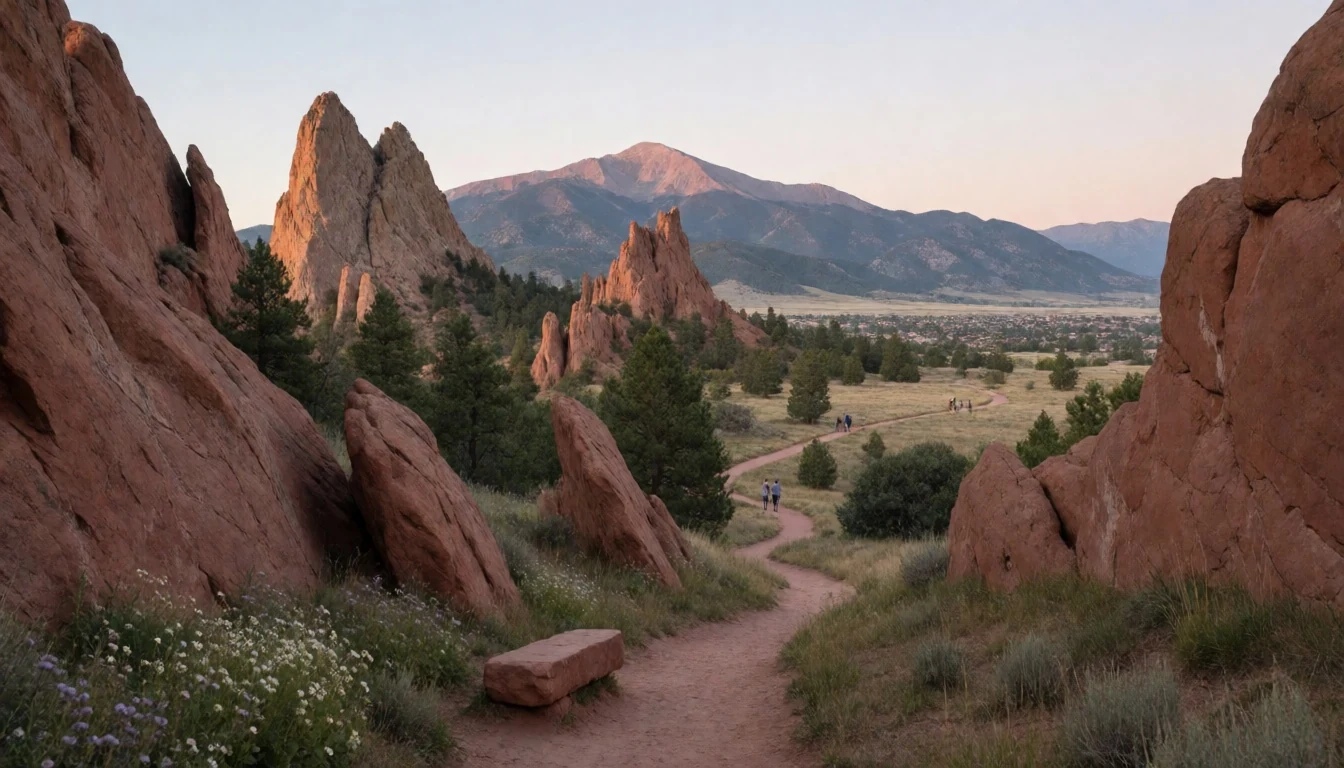
- Manitou Springs — Manitou Springs
The small town at the foot of the mountain has a historic main street of galleries, sweet shops and mineral springs. It is where the hiking trail and the rack railway begin, so it works as a base for a day on the peak and a gentler evening afterwards.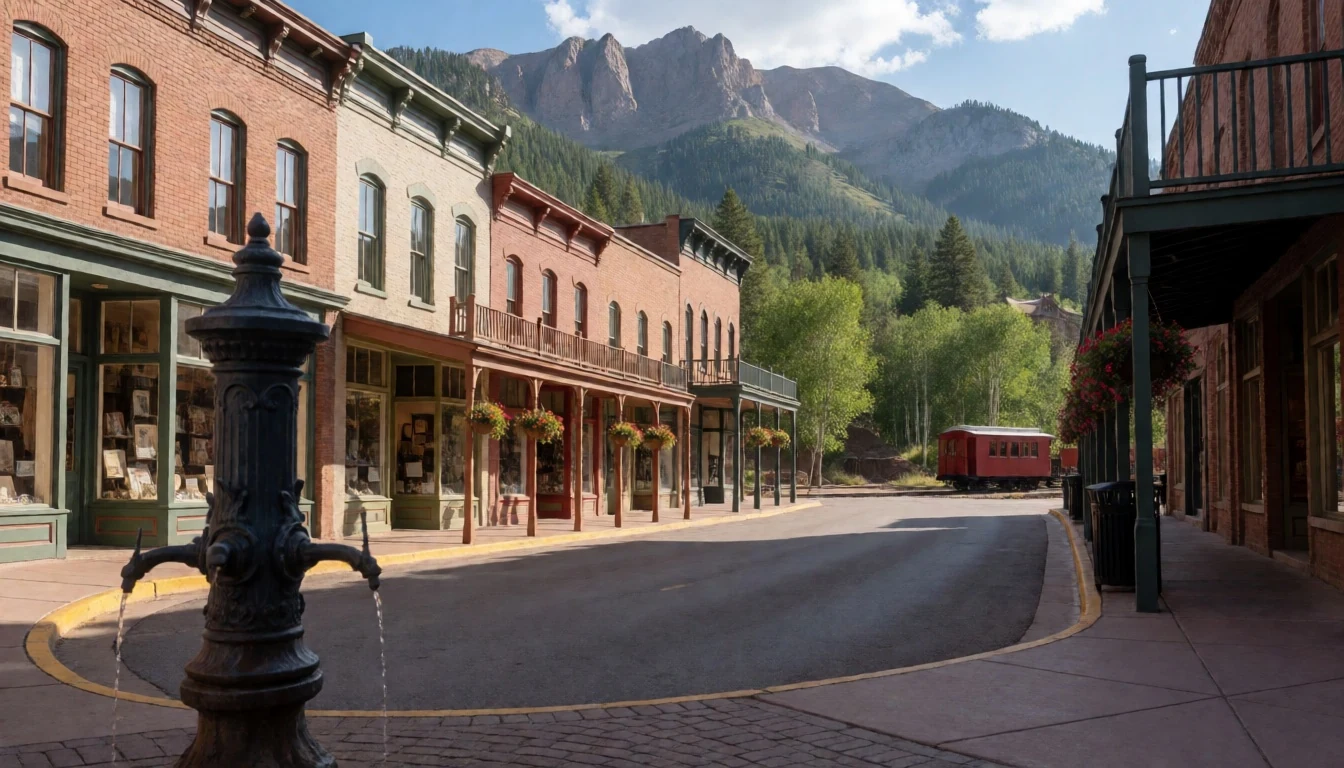
- Granite on the Ute Trail — Above Manitou Springs
The mountain is made of coarse pink-grey granite, and the old Ute Trail above Manitou Springs crosses outcrops where the crystals can be seen close up. The route follows a path the Ute people used long before the town existed, so go quietly and keep to the track.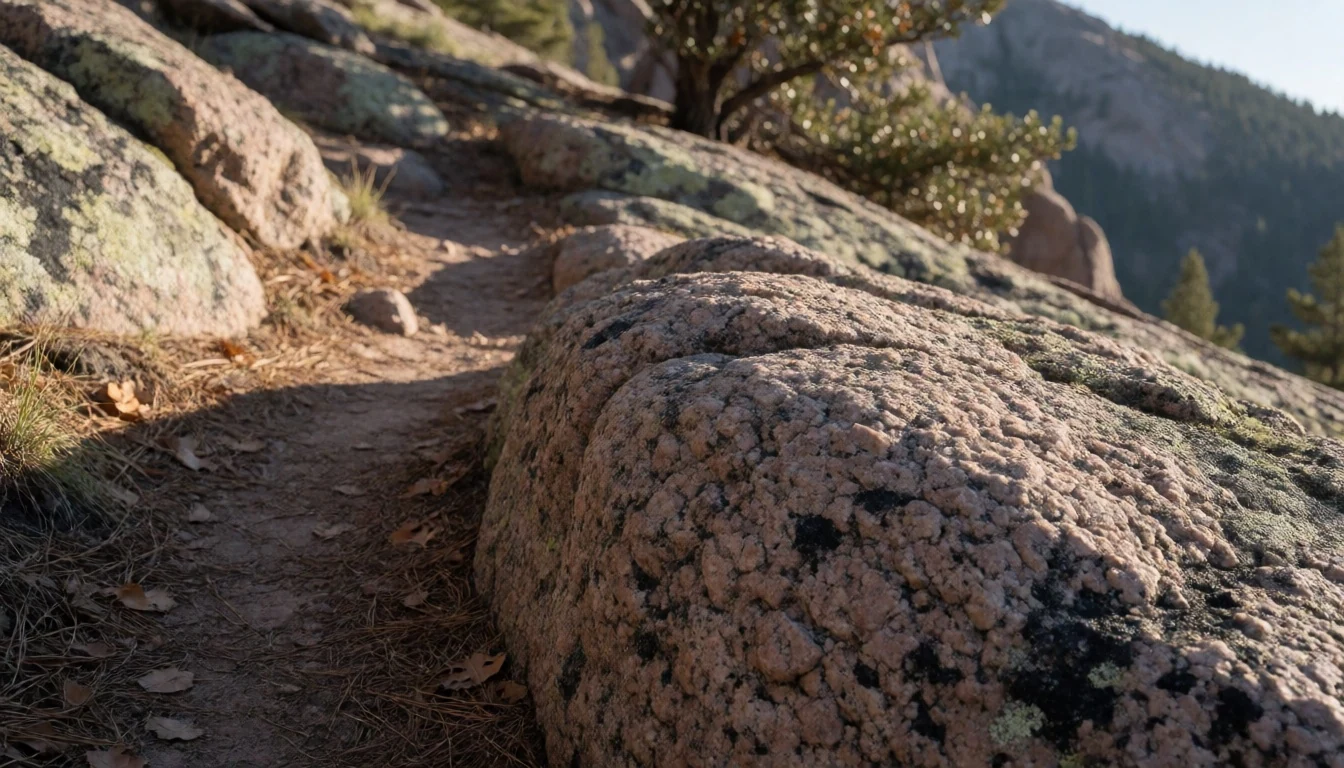
- Cripple Creek — Cripple Creek
Southwest of the peak, Cripple Creek is the old mining district that triggered the 1893 gold rush. Its brick streets and mining relics give context to the peak's reputation as a gold-rush landmark, even though the mountain itself held little of the metal.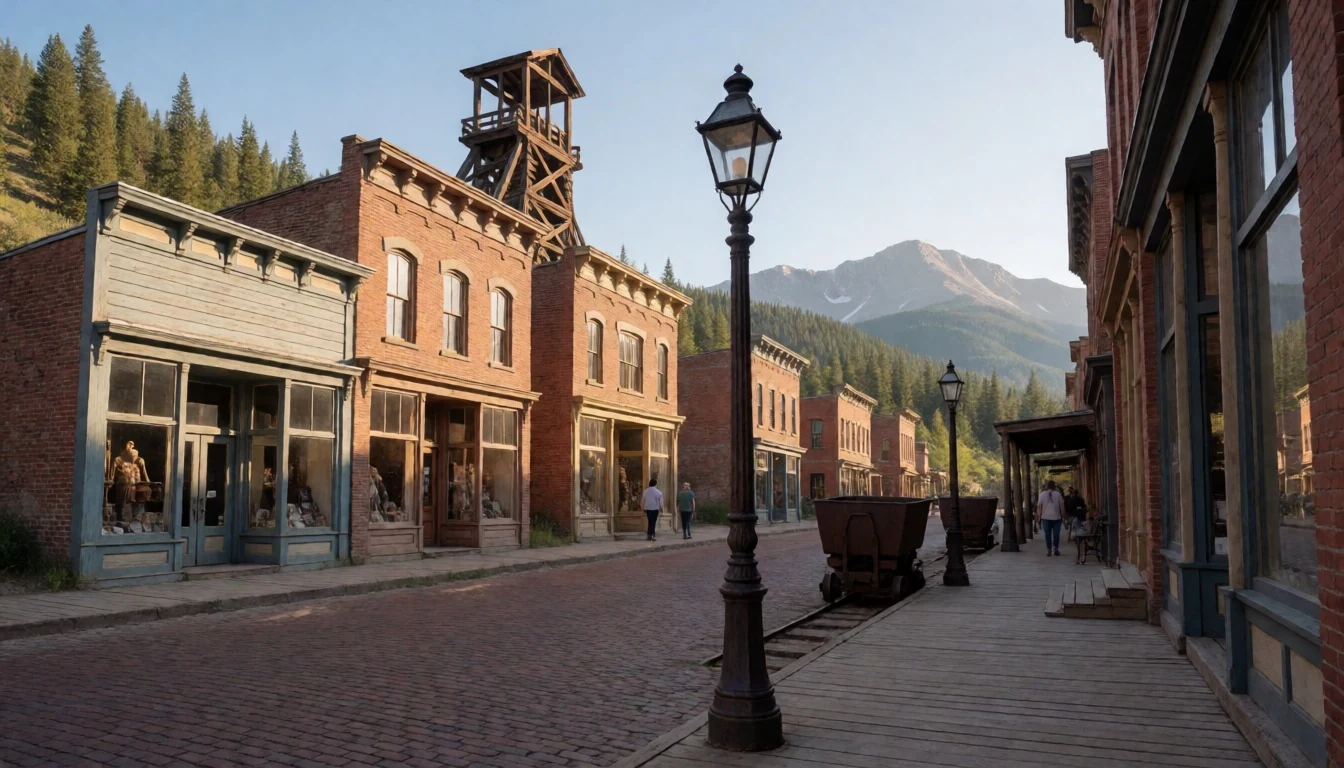
Culture
Pikes Peak carries several layers of meaning, and locals tend to know them well. For the Ute, particularly the Tabeguache band, it is Tava, the sun mountain, part of a homeland that includes the valleys and springs around the base. Colorado Springs and Manitou Springs grew up much later, first as health resorts and then as gateways for climbers and sightseers. For many Americans the peak is tied to the song America the Beautiful, and its verses are quoted on souvenirs, signs and in school lessons across the region. Gold-rush history adds another thread, and the slogan Pike's Peak or Bust still appears on local shop fronts and old photographs. In practice the mountain is also an everyday playground. Runners train on the trail, families picnic in the foothills, and amateur hobbyists bring cameras for the sunset. Conversations in town often turn to weather, altitude and which route to try next. Visitors will find a friendly, outdoorsy culture where it is normal to chat with strangers on a trail and to share tips about conditions. Respect for the land is a shared value, and rangers in Pike National Forest ask people to keep to marked routes so that fragile alpine plants can survive. On the trail, step aside to let uphill walkers pass, keep to the marked path rather than cutting across the tundra, and take every scrap of rubbish and every rock and flower sample out of your pocket and back to where it belongs.
What to wear
Pikes Peak sits in the homeland of the Ute people, whose traditional dress used tanned hide, usually deer or elk, decorated with glass-bead embroidery, fringes and painted designs. Moccasins, leggings and dresses were made from the same material, and beadwork patterns are still produced and worn at ceremonies, dances and community gatherings. The gold-rush era brought another look: wool trousers, heavy boots, flannel shirts and broad-brimmed hats, the working clothes of miners and prospectors, which later blended into Western ranch wear. Today most people around the mountain dress for the outdoors. Fleece jackets, lightweight waterproofs, trail shoes or hiking boots, caps and sunglasses are standard in Colorado Springs and Manitou Springs, and a pair of jeans and a clean shirt is fine for a meal in town. Visitors should plan for fast changes in weather. Layers matter most: a base layer, a warm fleece or insulated jacket, and a windproof, waterproof shell, even when the town below is hot. A hat and gloves are sensible at the summit in any month, since snow is possible all year. Sun at altitude is strong, so sunscreen and sunglasses help. Footwear should be sturdy, with good grip on loose granite if hiking. There is no formal dress code at viewpoints or in local restaurants, though modest outdoor clothes are normal.
What to eat
- Denver omelette — Any diner or breakfast café in Colorado Springs or Manitou Springs
This egg dish of cheddar, diced ham, onion and green pepper is a Colorado breakfast classic, probably born on the cattle trails. It makes a filling start before a morning on the mountain.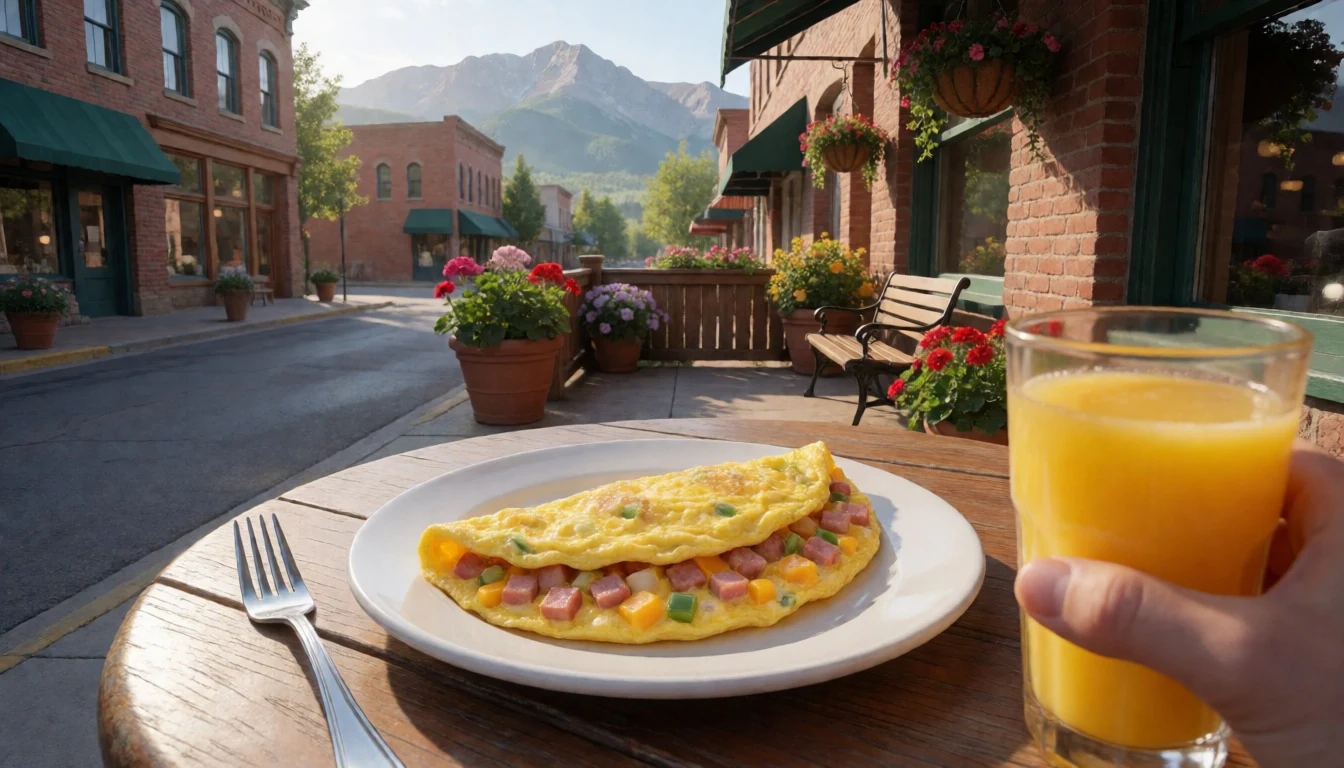
- Green chile smothered burrito — Mexican and New Mexican eateries around Colorado Springs
A burrito covered in a spicy green chile sauce is a staple across Colorado and the neighbouring south-west. Heat levels vary, so ask for the sauce on the side if unsure.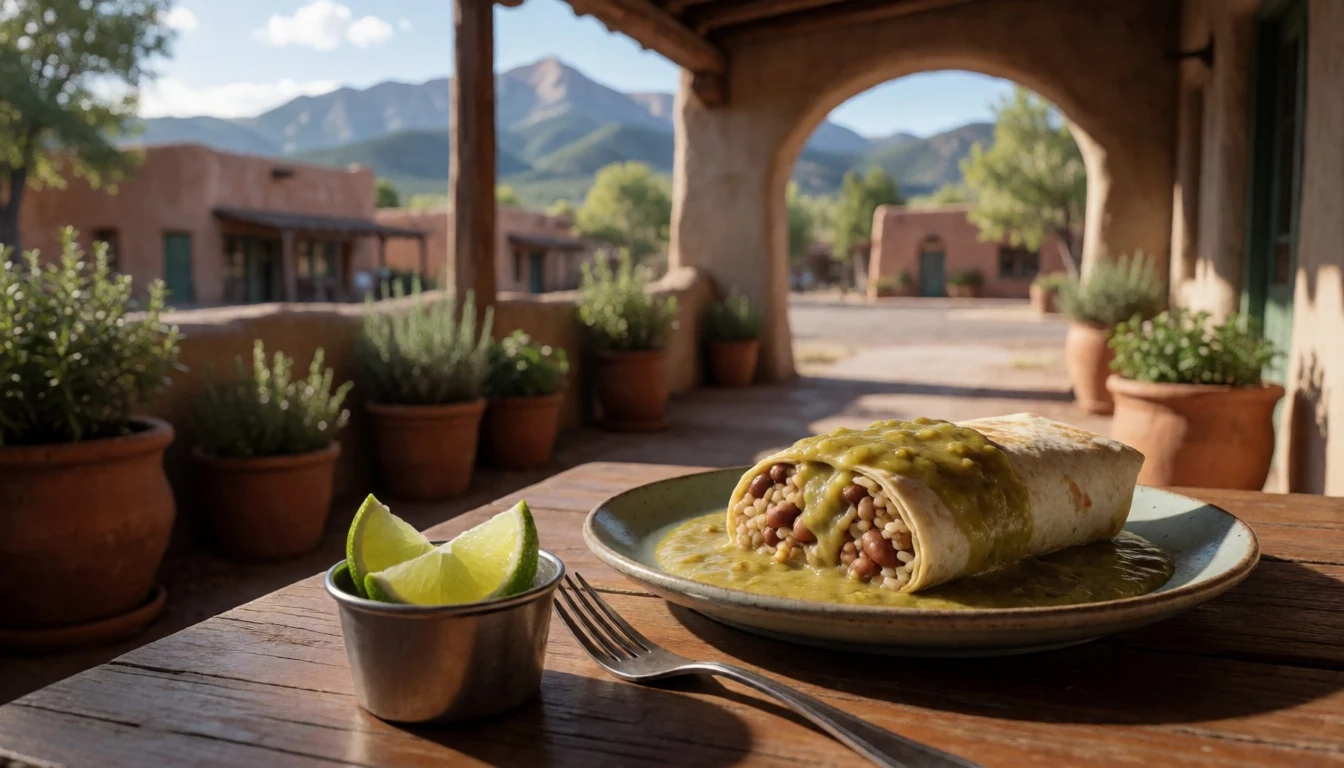
- Bison burger — Pubs and grills in Colorado Springs and Manitou Springs
Bison meat is leaner than beef and has a slightly sweeter flavour. It is common on pub and grill menus along the Front Range and goes well with local craft beer. - Summit doughnuts — The visitor building at the summit
A tradition of freshly made doughnuts at the summit building has become a small ritual for visitors. They are a warm, sugary reward at altitude, though the queue can be long in summer. - Salt water taffy — Sweet shops on the main street of Manitou Springs
Soft, chewy sweets in many flavours are sold by the bag along the historic main street of Manitou Springs. They are an easy souvenir to carry home and a gentle treat after a long climb.
Plan it
Best time. June to September, when the road and trails are most reliably clear and the lower slopes are warm; September also brings autumn colour in the aspens lower down. Snow is possible on the summit in any month, and afternoon thunderstorms are common in summer, so start early.
How long. 1–2
Getting there. Fly into Denver International Airport (DEN), then drive south to Colorado Springs and on to Manitou Springs, the base of the mountain. Colorado Springs also has its own smaller airport. From Manitou Springs the peak can be reached by hiking trail, toll road or rack railway; check the official sites for current access and status.
Budget. mid
Tips
- Start early: afternoon storms with strong wind are common and the summit can turn dangerous quickly
- Spend a night in Colorado Springs or Manitou Springs before climbing so the body can adjust to altitude
- Carry plenty of water, snacks, sunscreen and warm layers, even on a sunny day
- Check the official websites for road, railway and trail conditions before setting out, as access can change with weather
- Expect queues for parking and the summit café on summer weekends, and book any rail seats ahead through the official site
Etiquette
- Keep to marked trails to protect the fragile alpine tundra
- Give way to uphill walkers and keep noise low on the trail
- Take all litter home and leave rocks and flowers where they are
Nearby
Sources
- Wikidata Q665321 (CC0)
- Wikipedia: Pikes Peak (rev 1375565208) (CC BY-SA 4.0)
- Wikivoyage: Colorado (rev 5400360) (CC BY-SA 4.0)
- Photo: Pike's Peak by David Shankbone (CC BY 3.0)
- Photo: Pikes Peak, in the afternoon (Tokeamour) (CC BY-SA 4.0)
- Photo: Relief location map of the USA (Uwe Dedering) (CC BY 3.0)
- Photo: Pikes Peak granite, Ute Trail (James St. John) (CC BY 2.5)
- Photo: Climbing Pike's Peak in winter, ca. 1890 (Public domain)
- Photo: The sign at the summit (Milan Suvajac) (CC BY-SA 4.0)
- Photo: Pikes Peak from the Garden of the Gods (Ahodges7) (CC BY 3.0)
- Photo: pikes summit view (Hogs555) (CC BY 3.0)


