Grand Canyon
Grand Canyon, United States
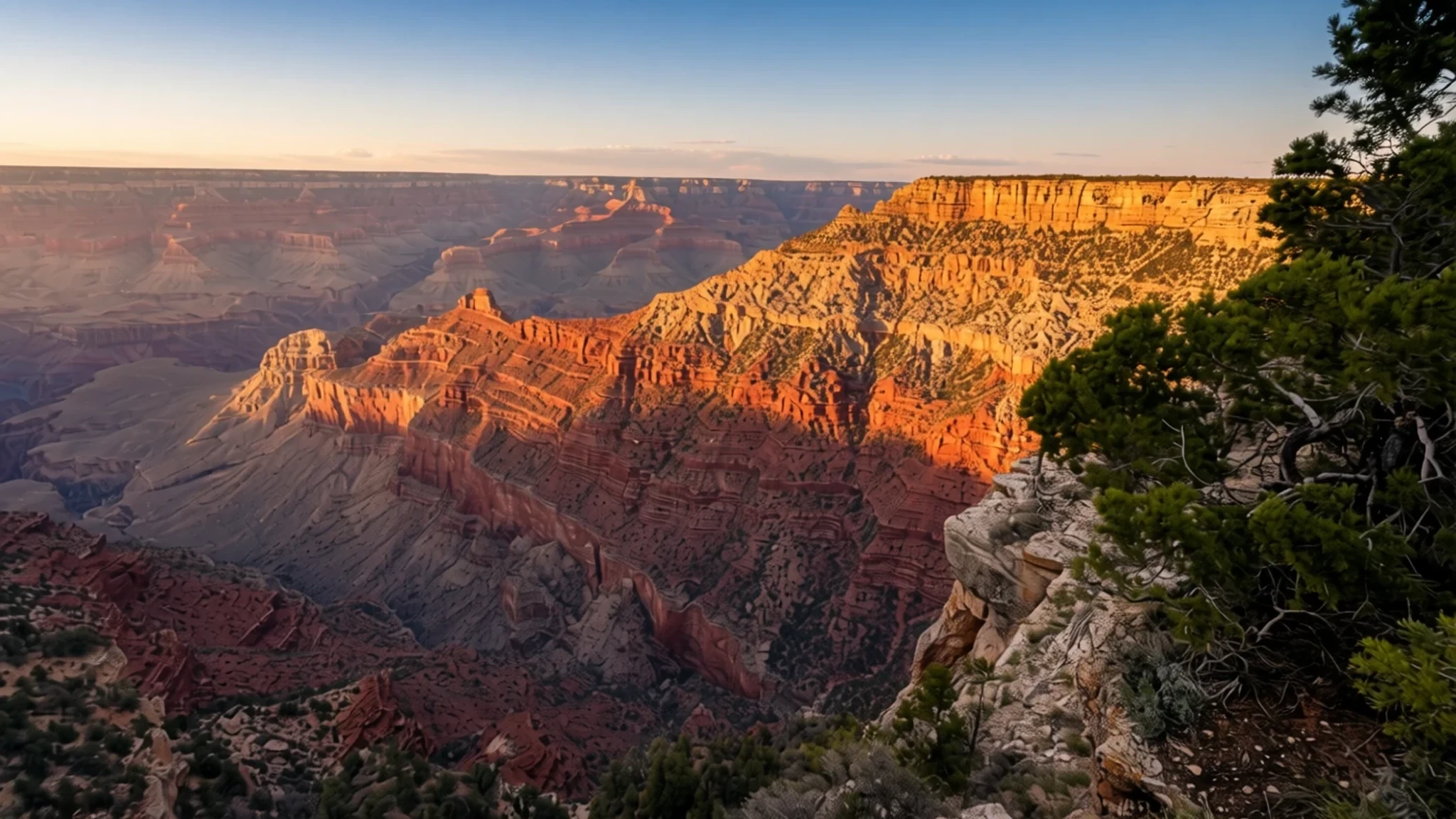
Carved through eons by the Colorado River, the Grand Canyon reveals billions of years of Earth's history across immense layered sandstone walls.
The place
The Grand Canyon is an immense, steep-sided gorge carved by the relentless flow of the Colorado River through the state of Arizona in the United States. Spanning a vast geographic footprint, the feature stretches across hundreds of kilometres in length while reaching varying widths and plunging down to incredible depths where the river cuts through the arid plateau. Protected largely within national park boundaries, alongside adjacent national forests, monuments, and tribal lands belonging to sovereign Indigenous nations, the terrain remains one of the most prominent natural wonders on the planet.
President Theodore Roosevelt proved instrumental in championing the conservation of this fragile desert wilderness, visiting on multiple occasions to advocate for its permanent protection. The surrounding landscape is characterised by dramatic climatic shifts depending entirely on altitude. While the forested rims remain cool enough to collect winter snow and support dense pine woodlands, the inner gorge along the riverbed experiences temperatures mirroring low-elevation southern deserts. Precipitation arrives primarily in two distinct periods: winter Pacific storms and late-summer monsoons that drive dramatic thunderstorms across the plateau.
Beneath the stark surface lies a complex network of tributary canyons, hidden waterfalls, and fragile ecosystems supporting specialised desert flora and fauna. Visitors traversing the rims encounter profound quiet punctuated only by canyon winds, while hikers descending towards the river pass through distinct ecological zones that mimic a journey from Canada to Mexico in the span of a single afternoon. The scale defies easy comprehension, appearing as an intricate painting of red, ochre, and purple rock that shifts constantly with the changing angles of the sun.
Its story
Human history in the Grand Canyon stretches back thousands of years through the lives of Indigenous peoples who navigated its complex topography long before European explorers arrived. The Ancestral Puebloans, frequently studied under earlier archaeological terms, established thriving communities across the wider region starting around twelve centuries before the common era. These early agrarian societies cultivated maize, constructed remarkable cliff dwellings and storage granaries high above the river, and left behind petroglyphs that still mark the sandstone walls.
Alongside the Ancestral Puebloans, other distinct cultural groups flourished in proximity to the gorge. The Cohonina inhabited western areas, serving as ancestors to modern Yuman, Havasupai, and Hualapai communities who maintain their ancestral ties to the canyon today. Meanwhile, the Sinagua occupied territories to the southeast, interacting through trade networks and adapting successfully to the arid climate of the plateau.
Geologically, the canyon represents an unparalleled open book of Earth's evolution. As the Colorado Plateau gradually uplifted, the Colorado River and its tributaries incised channels through horizontal strata of rock, exposing nearly two billion years of geological history within the canyon walls. Scientists now view the canyon as carved in segments at different times: the Hurricane segment formed 50–70 million years ago, the Eastern Grand Canyon 15–25 million years ago, and the western part up to 70 million years ago, while only the Marble Canyon and Westernmost segments date to the last 5–6 million years. Every layer exposed in the cliffs tells a story of ancient shallow seas, vast sand dunes, and swampy forests that existed long before humans walked the North American continent.
What to see
- Grand Canyon National Park
Recognised globally as a UNESCO World Heritage site, this protected park encompasses the most dramatic stretches of the canyon rims and inner gorge. Visitors gather at historic viewpoints like Pima Point to watch sunlight illuminate the vast expanse of layered strata stretching toward the horizon.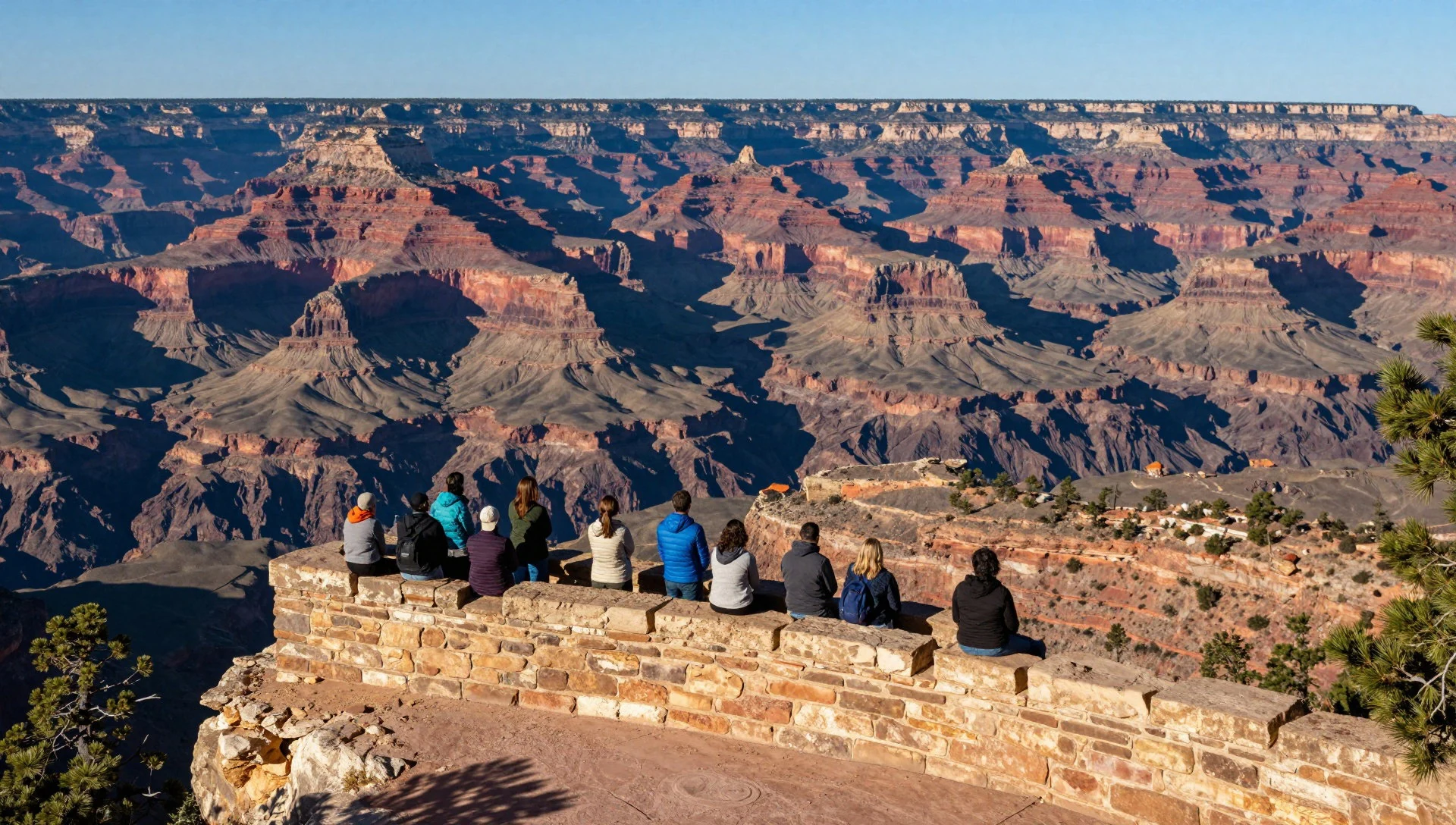
- North Kaibab Trail and Ribbon Falls
This demanding trail descends from the forested North Rim down to the canyon floor, leading hikers past sheer rock walls to Ribbon Falls. Here, water cascades over a mossy travertine formation in a hidden grotto, offering a cool oasis amidst the arid desert environment.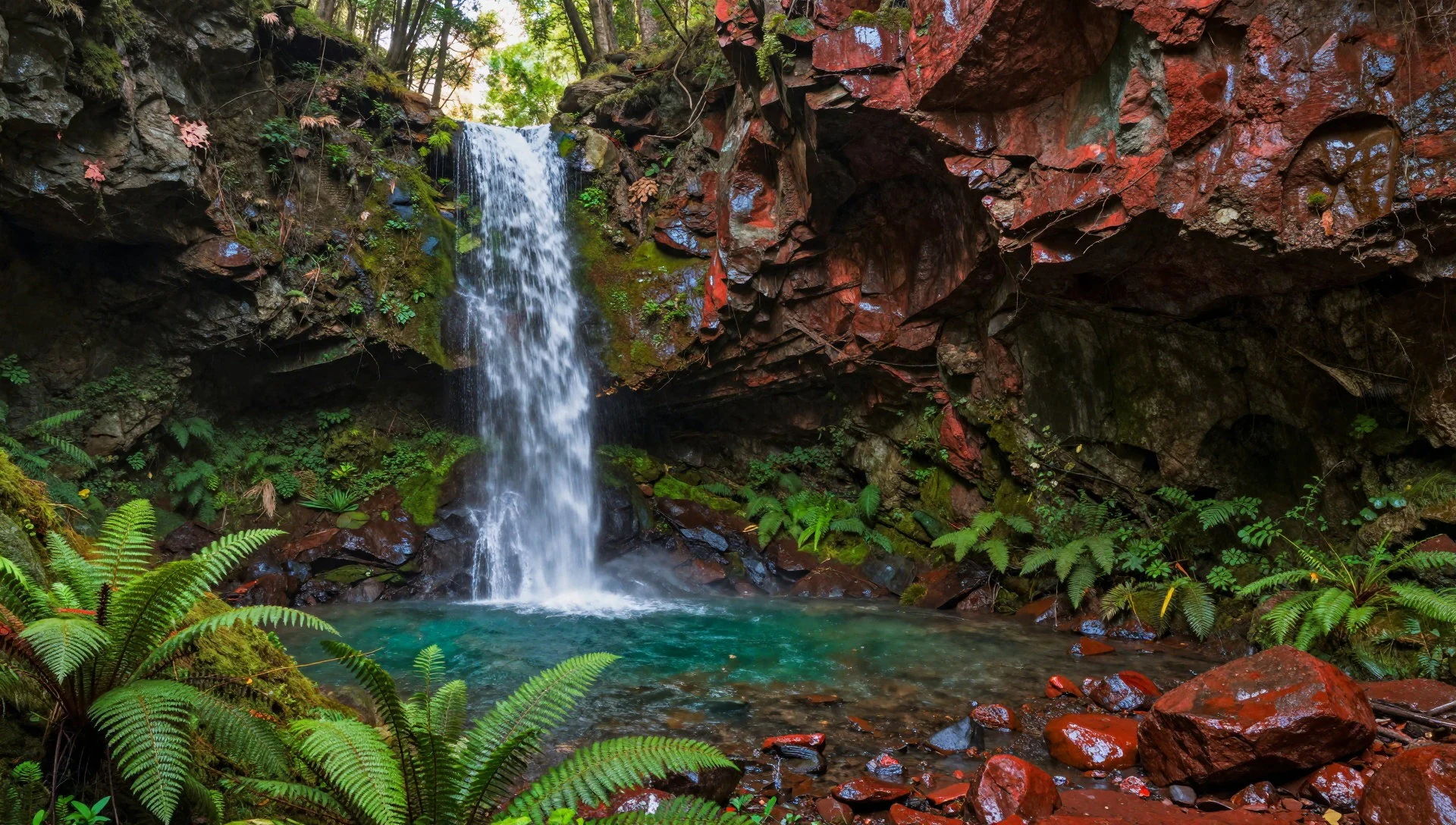
- Nankoweap Creek Granaries
Perched high above the Colorado River, these ancient stone and mortar storage structures were built by Ancestral Puebloans on a steep cliffside ledge. Reaching the site requires a rugged backcountry trek, rewarding intrepid travellers with a direct link to the canyon's earliest inhabitants.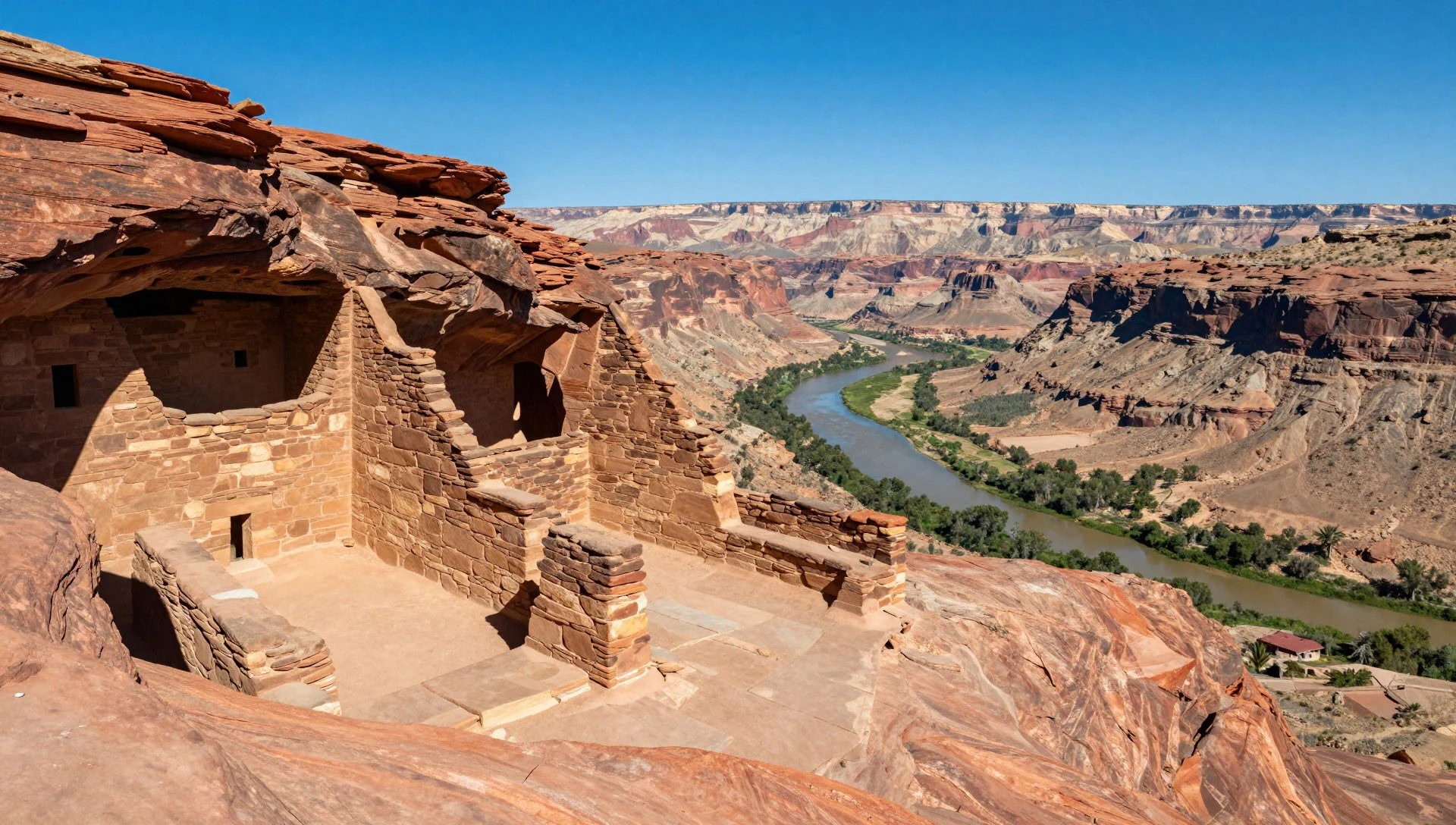
- Petrified Forest National Park
Located further east across the high desert plateau, this park preserves colourful badlands and vast deposits of fossilised fallen trees dating back to the Triassic period. Trails wind among glistening crystal logs scattered across the rolling hills under expansive skies.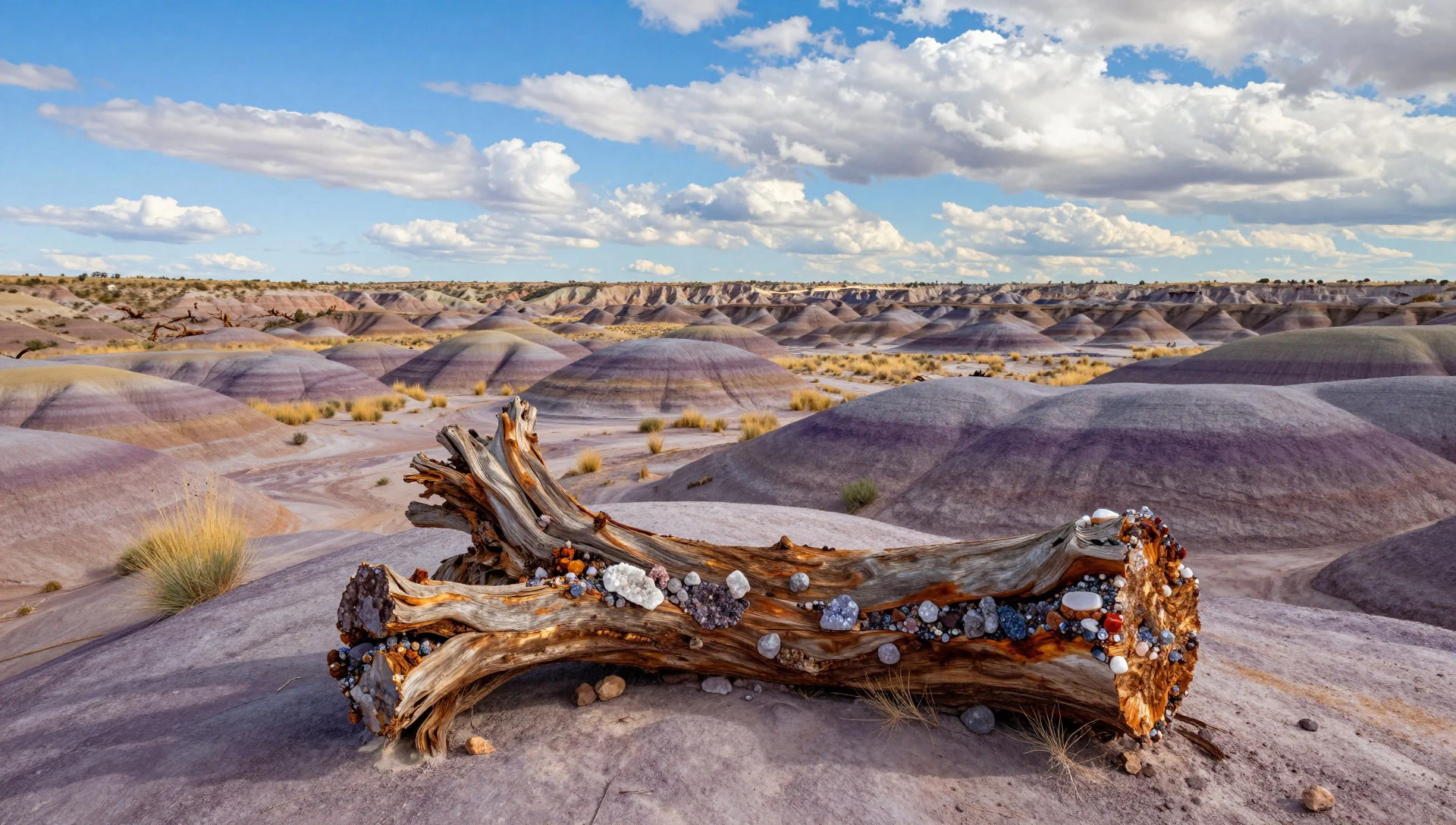
- Canyon de Chelly National Monument
Situated within Navajo Nation lands, this dramatic canyon system features sheer red sandstone cliffs sheltering ancestral stone dwellings and centuries-old farming fields. Local Navajo guides lead tours along the canyon floor to share cultural heritage and oral histories.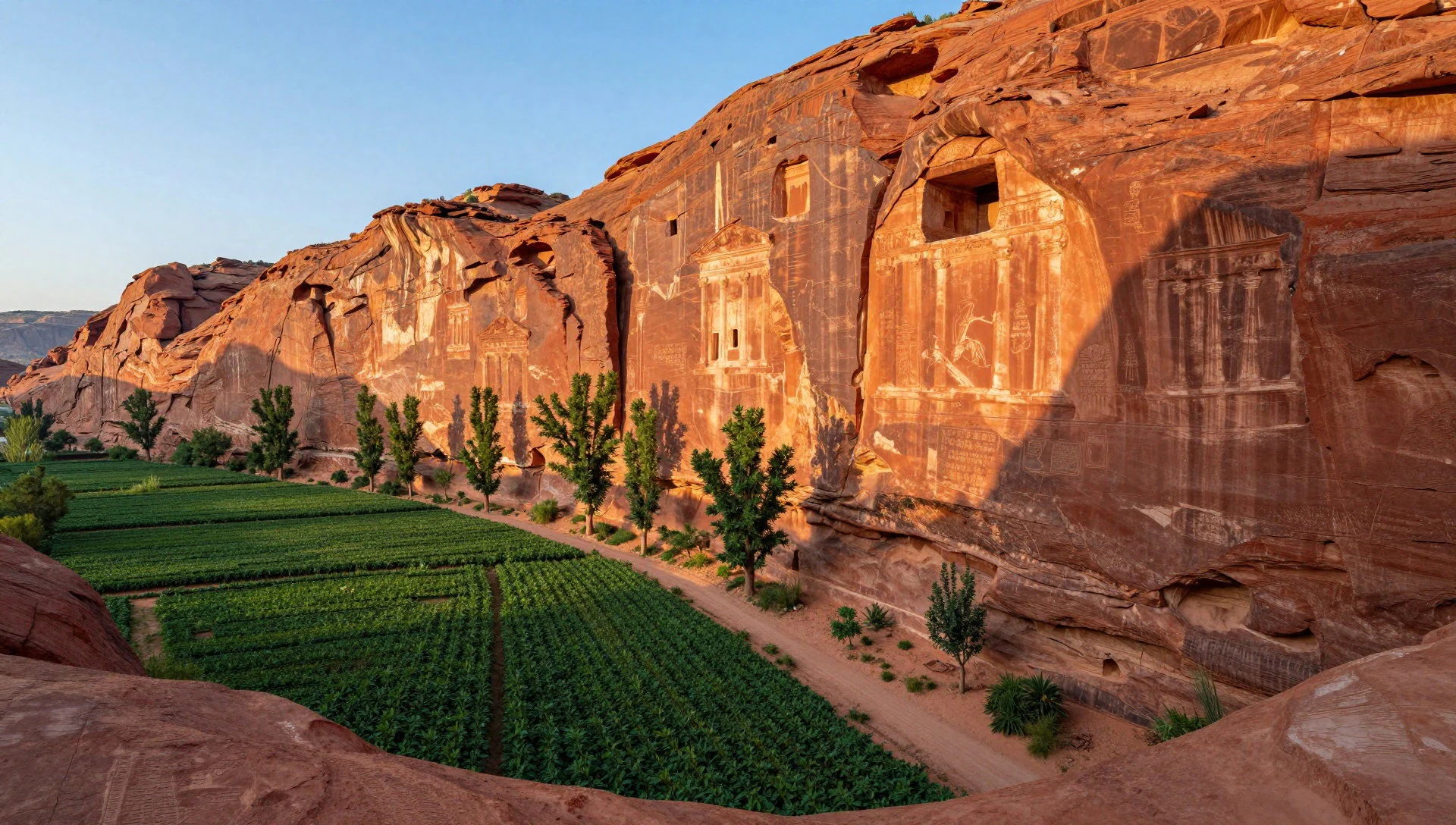
Culture
The cultural fabric surrounding the Grand Canyon is deeply shaped by the traditions of the sovereign Indigenous nations who call the region home, alongside a distinct blend of Southwestern heritage found across Arizona. Rural communities and Greater Phoenix retain socially conservative values rooted in strong Christian traditions, making local interactions polite and welcoming. When exploring the region, travellers will encounter a lifestyle attuned to the desert environment, where neighbours share a strong sense of self-reliance and hospitality towards visitors.
Traditional arts, pottery-making, and silver-smithing remain vibrant among the Navajo, Havasupai, Hualapai, and Hopi nations, reflecting spiritual connections to the land that endure across generations. Public discussions around regional politics, tribal sovereignty, and land use can be complex, so listening respectfully to local perspectives is always appreciated. Always request permission before photographing Indigenous individuals or traditional ceremonies during community gatherings.
What to wear
Traditional attire across the Grand Canyon region reflects practical adaptations to an unforgiving desert climate combined with rich Native American textile heritages. Indigenous communities, including the Navajo and Hopi nations, preserve centuries-old weaving traditions featuring intricately patterned wool blankets, silver jewellery set with turquoise, and traditional garments worn during cultural ceremonies. These textiles utilise natural dyes and geometric motifs that symbolise the surrounding natural world, mountains, and sacred rivers.
For everyday wear in modern Arizona towns and park visitor centres, residents and travellers alike opt for casual, practical clothing such as denim jeans, cotton shirts, sturdy hats, and durable walking shoes. When visiting the Grand Canyon, appropriate visitor apparel requires careful preparation for extreme temperature swings. Hikers need moisture-wicking layers, wide-brimmed hats, UV-protective sunglasses, and sturdy, broken-in trekking boots with good ankle support to navigate rocky, uneven trails safely. Layering is essential because high-elevation rims can experience freezing morning temperatures even when the inner gorge below bakes in intense afternoon heat.
What to eat
- Sonoran Style Mexican Food — Local neighbourhoods and roadside taco stands
Characterised by mild green chillies, fresh cheeses, and flour tortillas, traditional Sonoran cuisine forms the culinary backbone of Arizona. Sample authentic street-style tacos and rich stews at casual neighbourhood eateries and roadside taco stands across the state.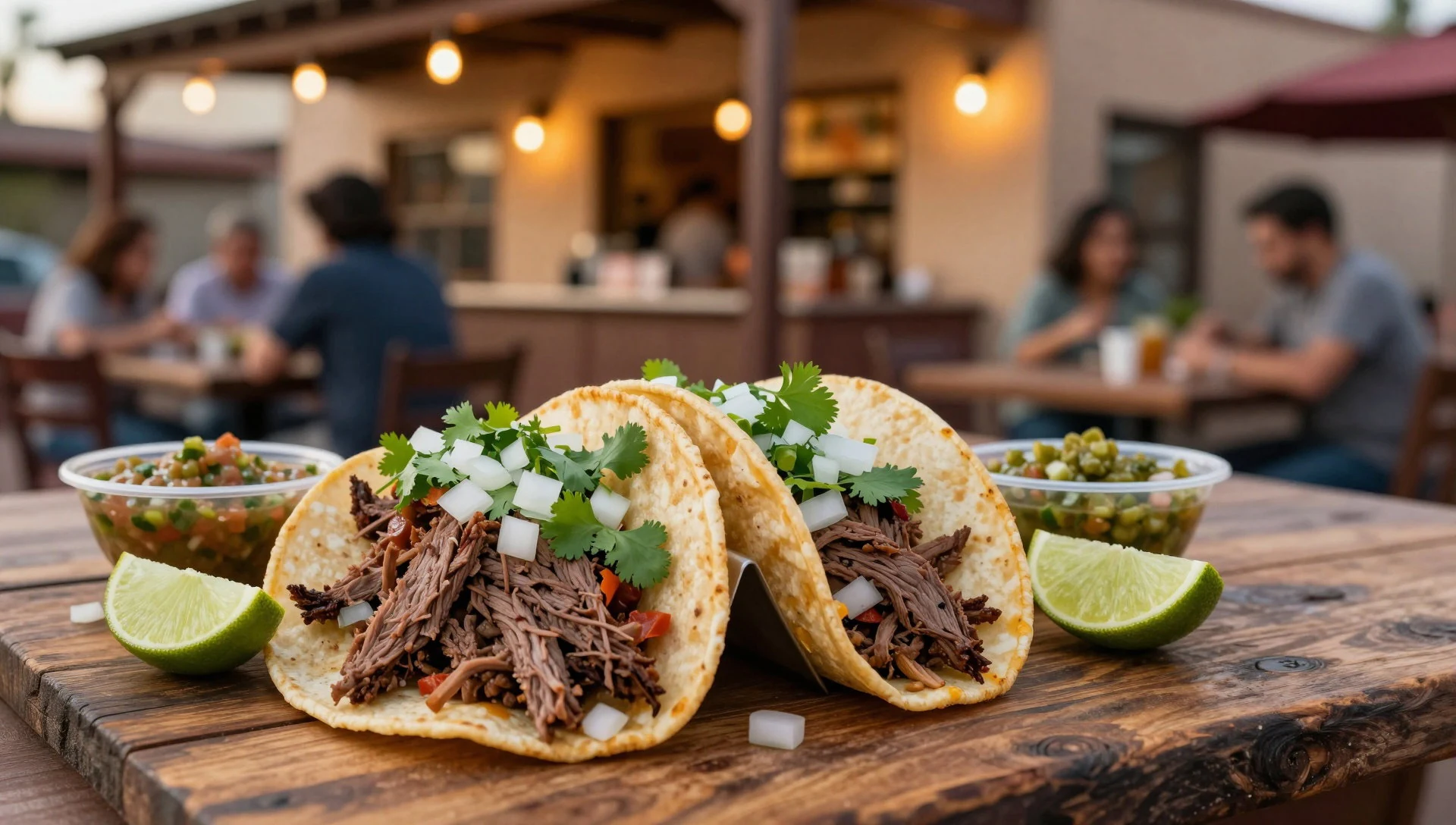
- Traditional Chimichangas — Traditional Mexican restaurants throughout the region
Legend places the invention of the deep-fried burrito right here in Arizona. Stuffed with shredded beef or chicken, folded tightly, and fried until golden and crisp, they are typically served smothered in red or green sauce with melted cheese.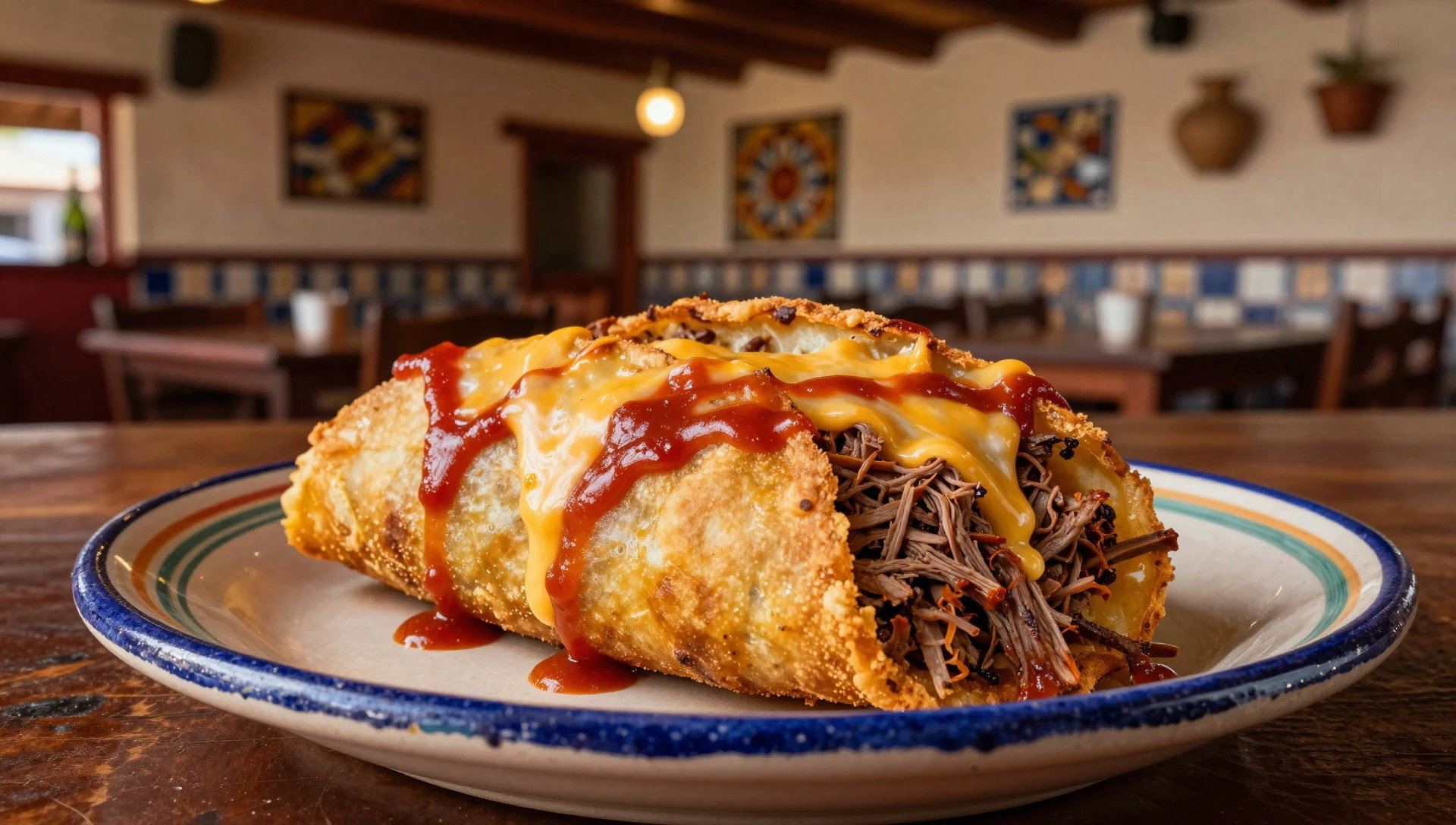
- Edible Cactus Preparations — Regional Southwestern markets and specialty cafes
Prickly pear cactus pads and sweet fruits are utilised creatively in local Southwestern gastronomy. Tender cactus paddles are often sliced, grilled, and tossed into fresh salads or scrambled eggs, offering a tart, refreshing crunch reminiscent of green beans. - Green Chilli Stew — Traditional diners and roadside eateries across Arizona
A comforting local favourite made with slow-simmered pork chunks, roasted green chillies, garlic, and onions. This mildly spiced, hearty stew is traditionally served steaming hot with warm flour tortillas or crusty bread on cooler desert evenings.
Plan it
Best time. April and October offer the most comfortable daytime temperatures; June to August bring the most intense heat in the inner canyon, along with the heaviest monsoon rain.
How long. 3–4
Getting there. Fly into Phoenix Sky Harbor International Airport, hire a car, and drive north towards the park entrances or regional gateway towns.
Budget. mid
Tips
- Book park lodge accommodation and backcountry permits many months in advance.
- Carry significantly more water than you think you will need during hikes.
- Start trail descents early in the morning to avoid dangerous afternoon heat.
- Check weather reports regularly as conditions change drastically between rims and river.
Etiquette
- Respect sacred tribal lands and always ask permission before photographing local residents.
- Stay behind designated guard rails at canyon viewpoints to ensure personal safety.
Nearby
Sources
- Wikidata Q118841 (CC0)
- Wikipedia (rev 1382100079) (CC-BY-SA 4.0)
- Wikivoyage (rev 5400383) (CC-BY-SA 4.0)