Papallacta Hot Springs
Papallacta Hot Springs, Ecuador
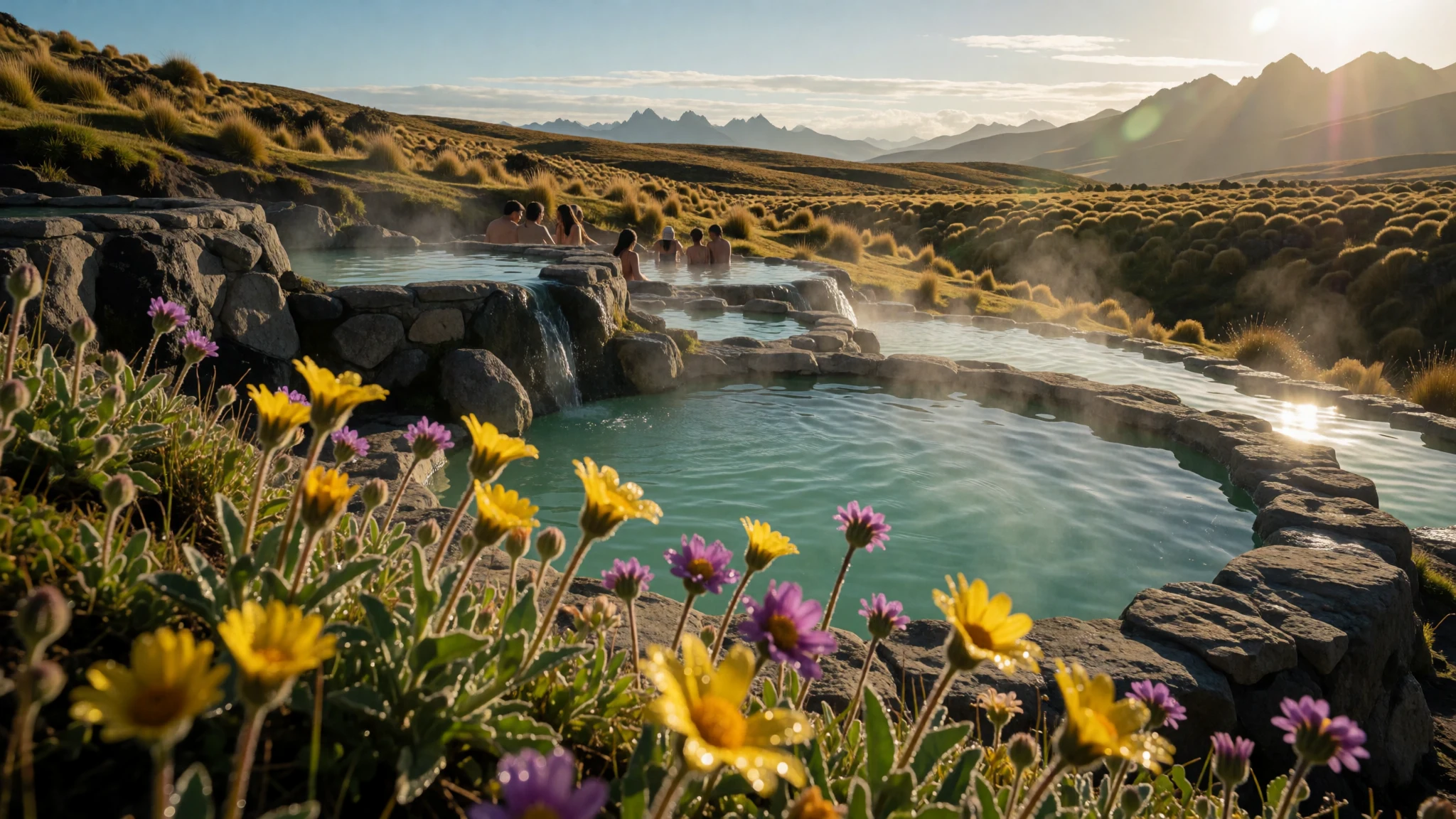
Papallacta Hot Springs offers hot volcanic pools in cold, cloud-wrapped Andean air, a short mountain drive from Quito.
The place
Papallacta Hot Springs lies in the Andes of Napo Province, Ecuador, in a rural parish whose village stands at 3,473 m above sea level. At that height the air is thin, mornings are sharp and cloud often drapes the hillsides. The settlement is small: low buildings strung along a slope, with the main road running through. It feels like a mountain stop rather than a town with a list of attractions.
Two things bring nearly everyone here. One is the set of thermal pools, heated by the volcanic ground beneath the range. The other is the Cayambe-Coca ecological reserve, a protected stretch of high lakes and walking trails, with access points beyond the main spa and near the pass on the highway. The two work well together: a cold walk in the reserve, then a long soak.
The approach from Quito follows the Interoceanic road, which climbs to a summit and then drops towards the Amazon side, with valleys opening out on both flanks. Papallacta sits on the way, so it suits a day trip as easily as a night away. A few small family-run guesthouses line the road for those who stay.
The weather deserves honesty. The high terrain catches a lot of rain, so clear spells are often early in the day, and the cold bites once the sun is behind cloud. Weekdays tend to be quieter; weekends and holidays draw crowds from the capital. Outside the pools and the reserve, the village itself offers little to do, and that is part of its calm.
Its story
Papallacta Hot Springs sits on one of the oldest routes between the Ecuadorian highlands and the Amazon basin. Long before the modern highway, travellers crossed the Andes here, and the Spanish explorer Francisco de Orellana came this way in the early colonial period on the journey that carried him towards the great river. The pass, the valleys and the cold plateau were obstacles to him; today they are the scenery.
The springs themselves owe their existence to the geology of the range. Ecuador's Andes are volcanic, and rainwater and snowmelt that sink into the ground are warmed by the heat below before rising again as hot springs. The nearby Antisana volcano is part of that same landscape, and on a clear day it dominates the skyline to the south.
For most of its history Papallacta was a modest place of farmers and travellers on a mountain road. The baths turned it into a destination, first for people from Quito who wanted somewhere warm within reach, later for visitors from further afield. Guesthouses, small restaurants and a larger spa and resort grew up to serve them, though the village has stayed small, with a population in the hundreds.
The protected land around it adds another layer. The Cayambe-Coca reserve has attracted support from conservation organisations, and its lakes and high wet terrain are a reminder that this is first of all a watershed, not a resort.
What to see
- Termas de Papallacta spa and resort — Just beyond the village, on the road towards the pass
The main thermal complex has a series of pools at different temperatures, set against steep green slopes, and a restaurant on site. It works best on a cold, misty morning, when steam rises off the water. Entry fees change, so check the official site before travelling.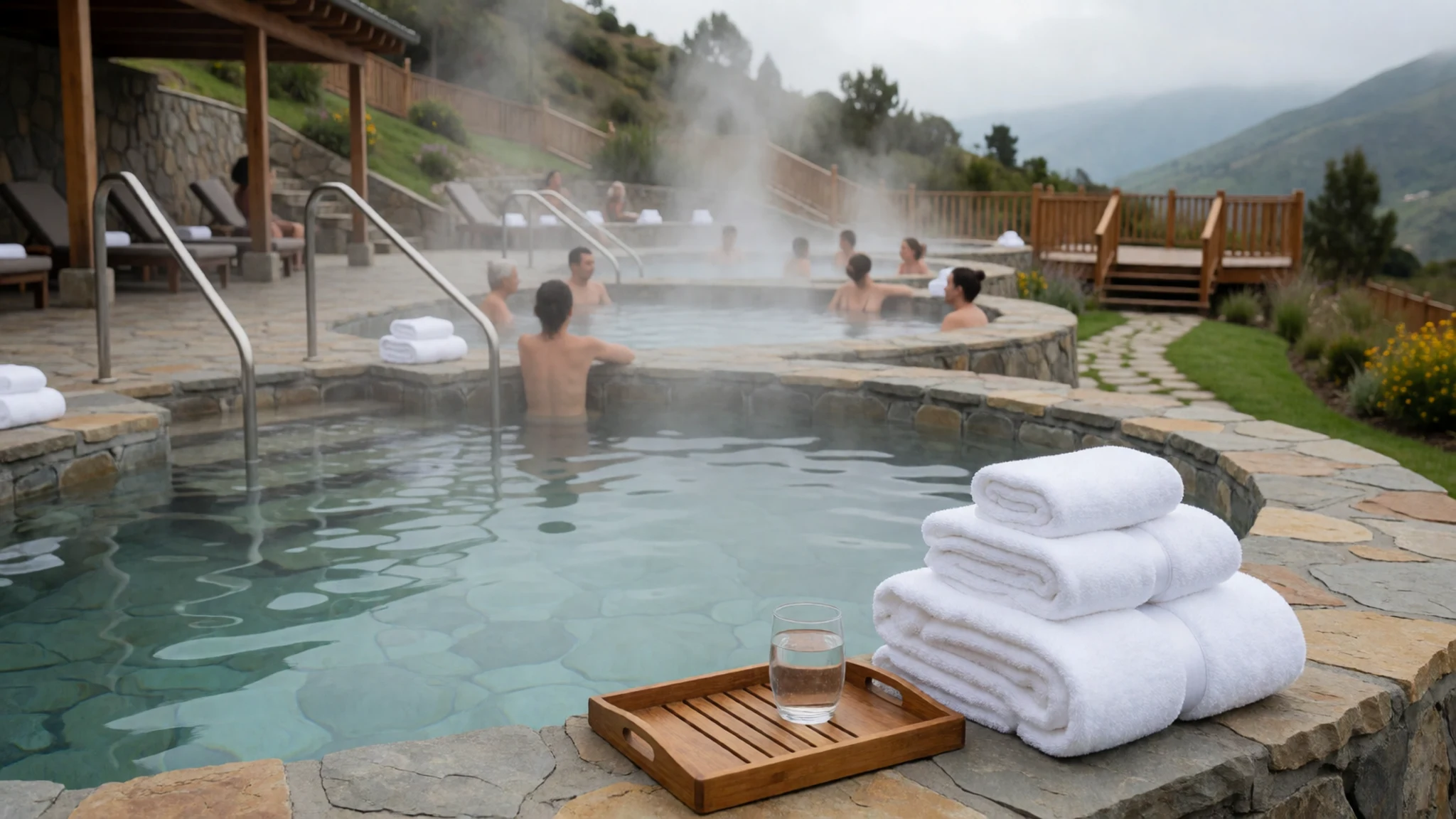
- Cayambe-Coca Ecological Reserve — Hills above and around Papallacta
This protected highland area is made up of lakes, open moorland and walking trails, and it is wet and often cloudy. Access points lie past the spa and near the summit of the highway. Bring waterproofs, ask locally about current access and fishing rules, and expect solitude on weekdays.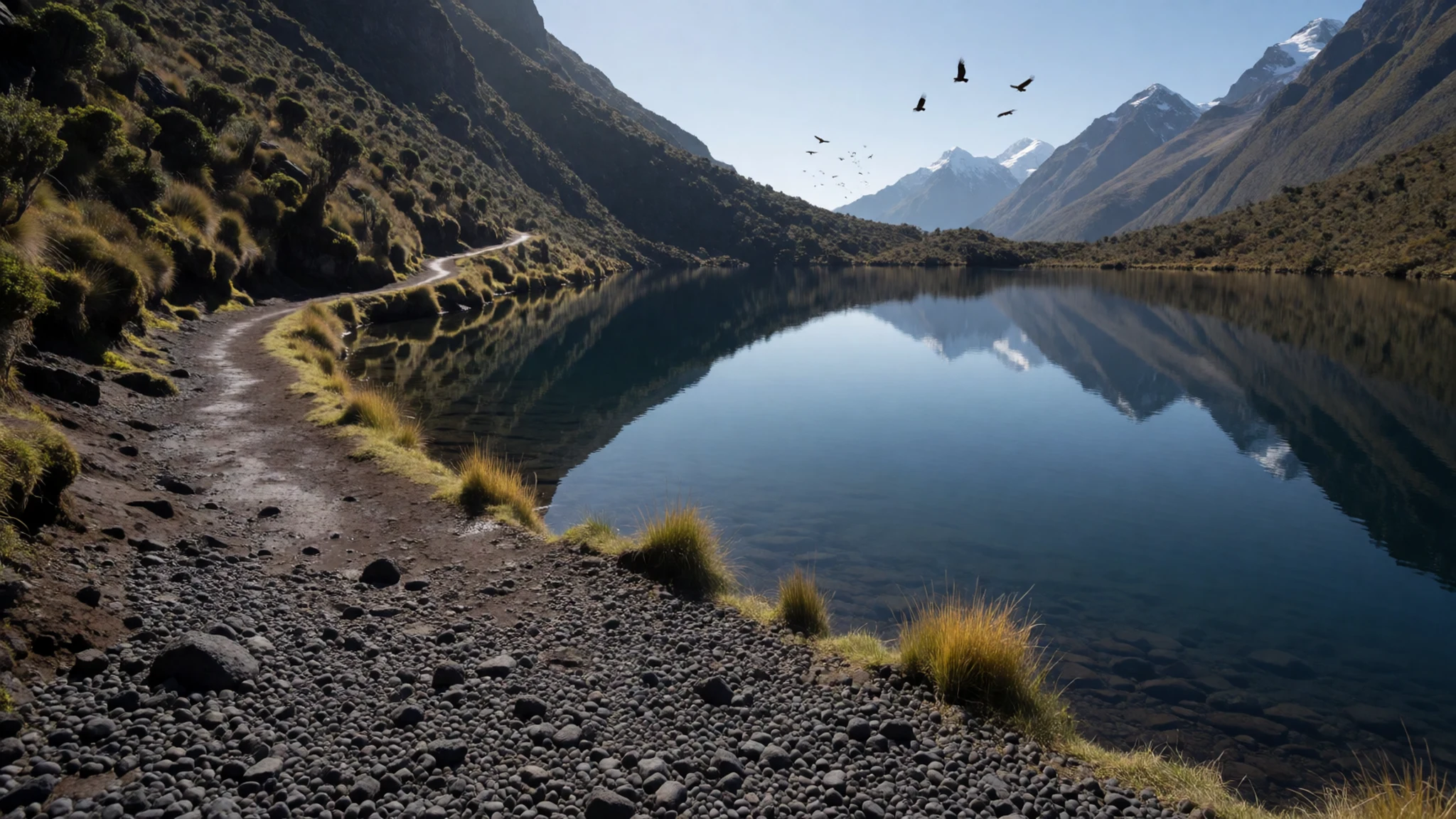
- Papallacta village — Along the Quito–Baeza road
The village is a quiet strip of houses, small eateries and guesthouses on a hillside. There is no checklist of sights, but an hour's wander gives a sense of life at altitude: wool hats, smoking kitchens, pickup trucks and cloud pouring over the ridge.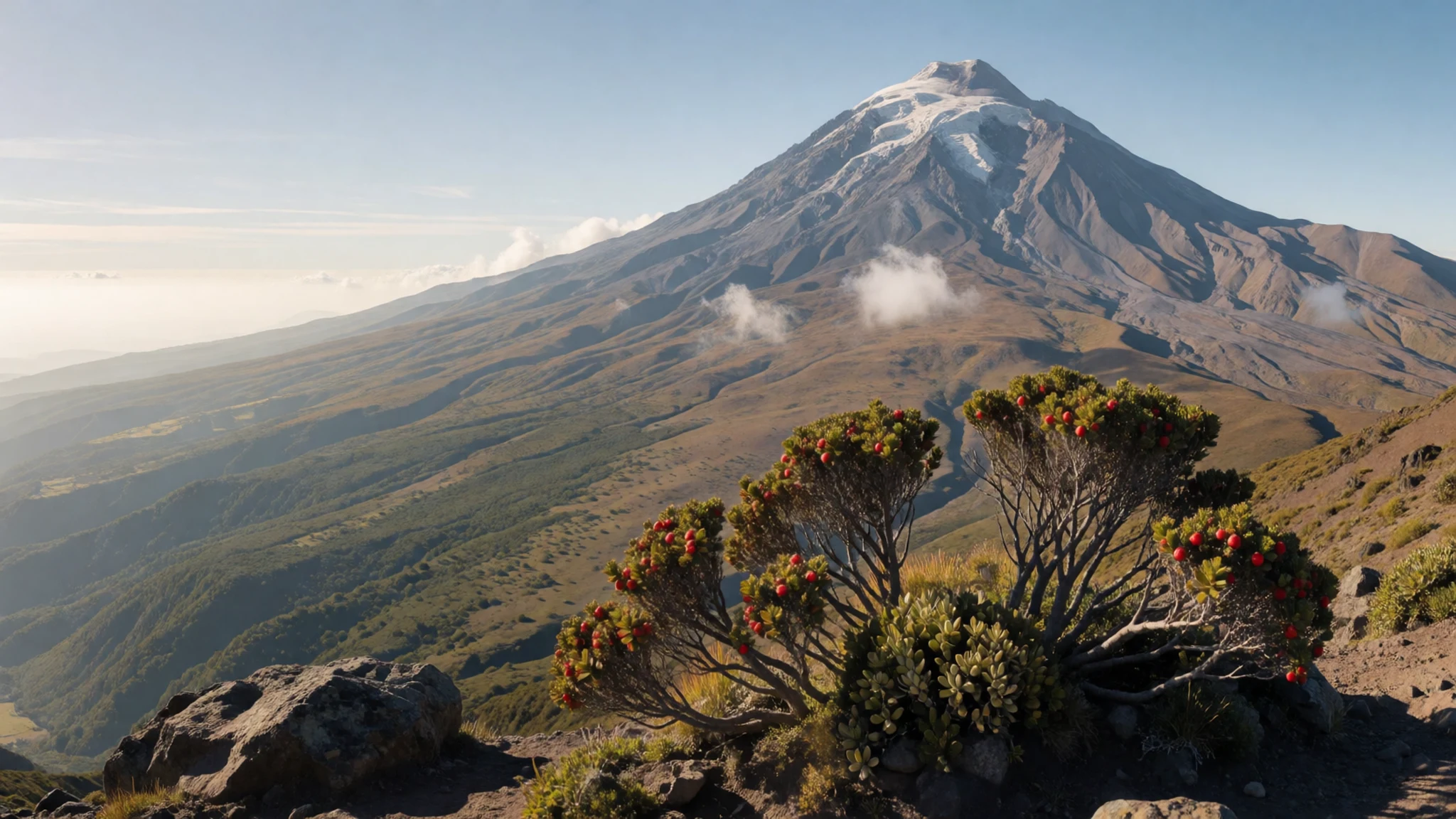
- Antisana volcano views — South of Papallacta, visible from high points
The snow-topped Antisana volcano rises in the landscape south of the road. Visibility is the catch: it is often hidden by cloud, so early mornings after clear nights give the best chance. Photographs from the area show it as a broad, pale cone above the grassland.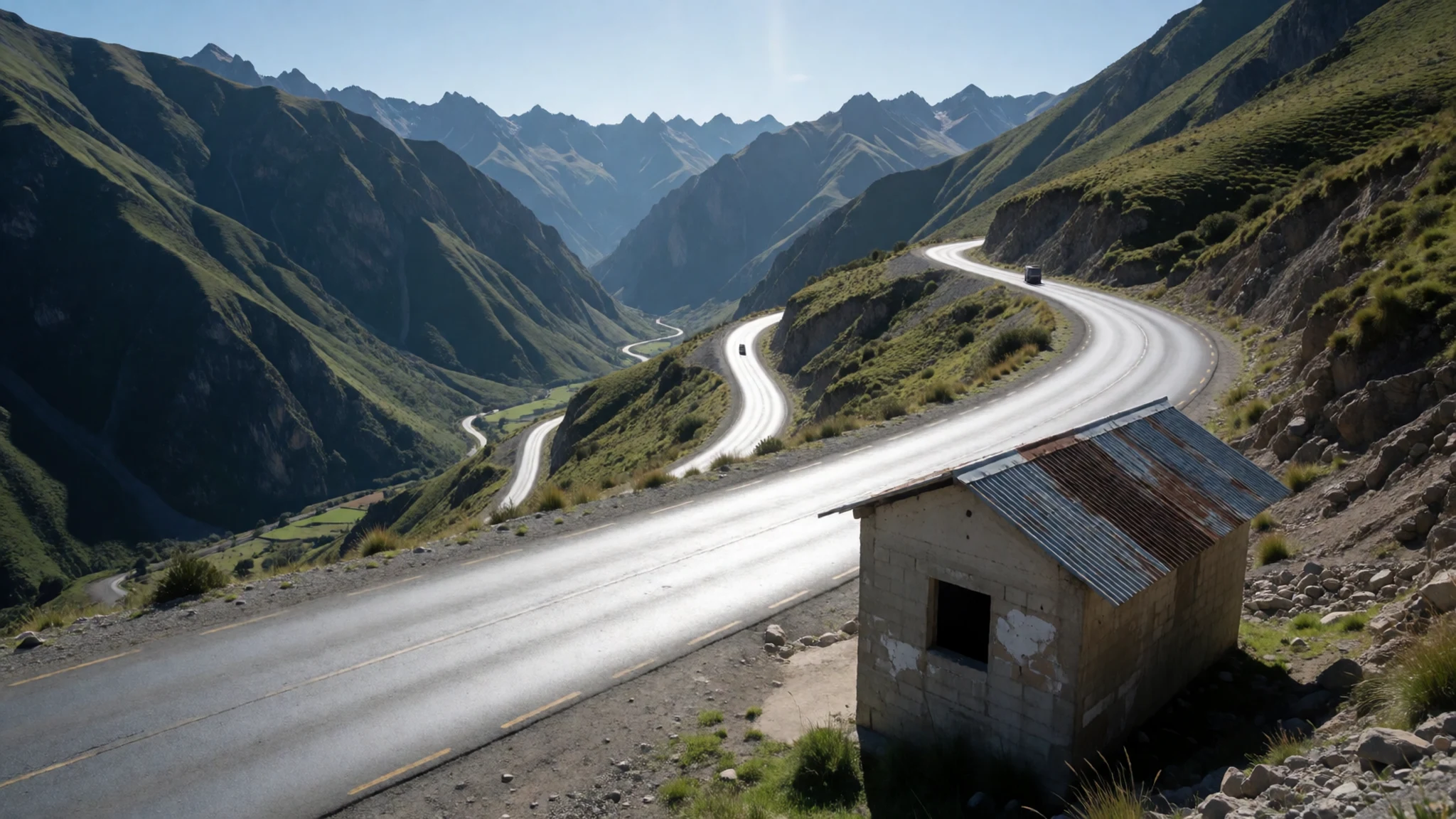
- The Interoceanic road to the Oriente — Between Quito and Baeza
The drive itself is a sight. The road climbs from Quito to a high pass, then descends through wet, forested valleys towards Baeza and Tena and the Amazon lowlands. Stopping at lay-bys on the way gives wide views, though fog can close in quickly, so allow extra time.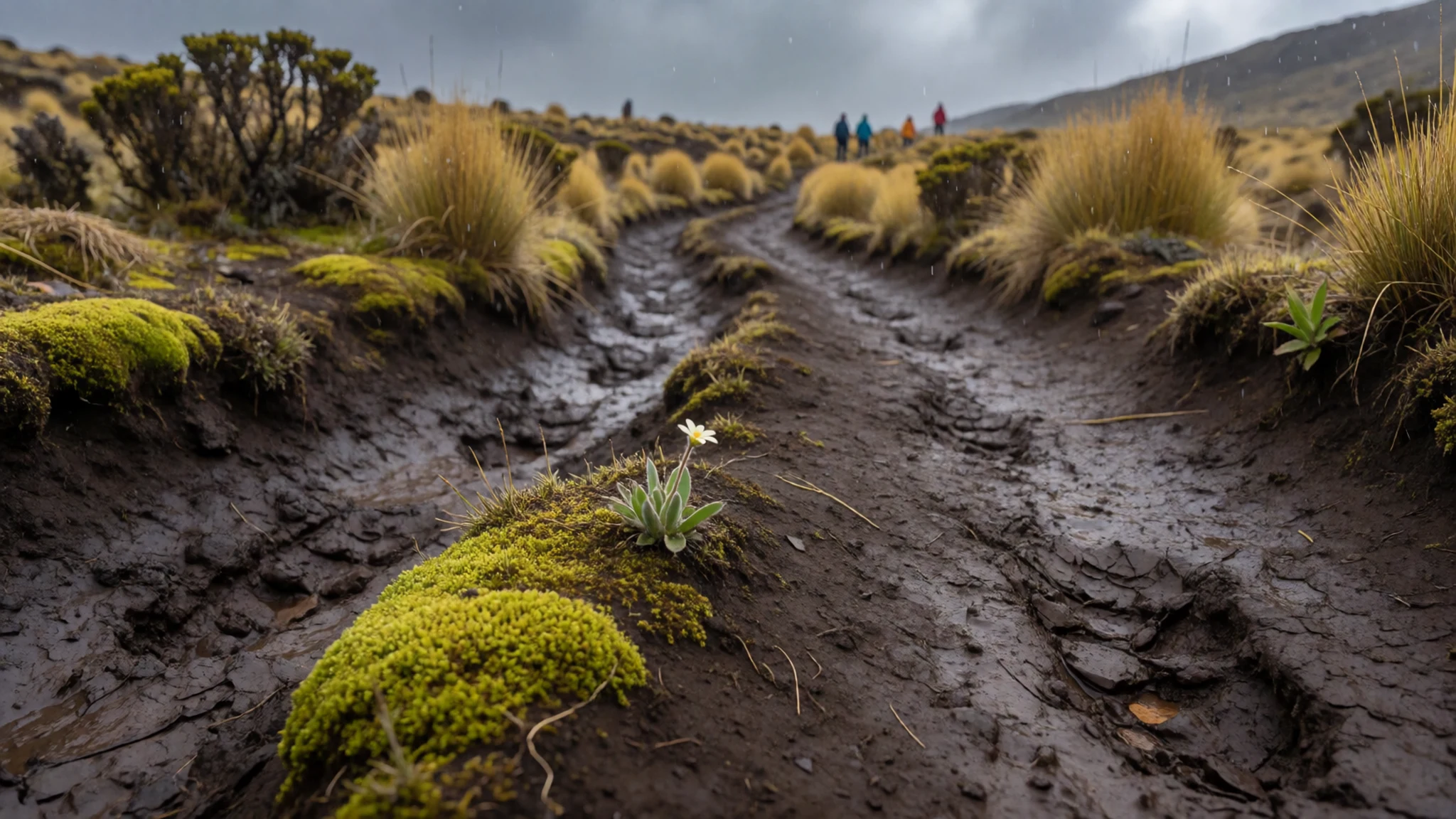
Culture
Papallacta Hot Springs sits where highland Andean life meets the edge of the Amazon, and the culture of the area carries both. Spanish is the common language, and many families in the surrounding provinces also have Kichwa heritage, so you may hear both. The village economy rests on small-scale farming, roadside trade and, increasingly, visitors coming for the baths.
The habit of soaking in thermal water is familiar to many Ecuadorians, and weekends bring families, couples and groups of friends from Quito who treat the pools as a social outing as much as a way to warm up. Hot water is often followed by a meal of local trout and a hot drink, and the pace is unhurried.
Travel here is mostly by bus and shared road. Drivers on the Quito to Baeza or Tena routes are used to passengers asking to be set down in Papallacta, and a polite word with the driver or cashier is all it takes. Small family-run guesthouses, called hosterías, are the traditional lodging along the road, and staff are usually happy to explain how to reach the reserve or the pools.
Greetings matter in the Andes: a simple buenos días on entering a shop or eatery is expected and noticed. Rain and cold are accepted facts of life, and nobody will mind if you linger over a hot drink until the weather lifts.
On the etiquette side, rinse off before entering the shared thermal pools, keep your voice low, and pack away all rubbish, since people come here to rest and the reserve nearby is protected.
What to wear
Papallacta Hot Springs lies in a part of Ecuador where traditional dress varies by community, so it is easiest to describe the wider highland picture. Andean Kichwa women have long worn woollen shawls, pleated skirts and felt hats, often with embroidered blouses and strands of beads, while men wear woollen ponchos and felt or straw hats. Wool and alpaca are the traditional fibres, and ponchos and shawls are most visible on market days and at festivals rather than every day.
What people wear in Papallacta now is practical: fleece jackets, waterproof shells, jeans, wool hats and sturdy boots or trainers. The climate dictates it. Cold, damp air and sudden rain mean nobody dresses up, and rubber boots are common among locals working outdoors. Visitors from Quito arrive in sports clothes and carry towels and swimwear.
For a visitor, the key is layers. Bring a warm jacket, a hat, gloves for early mornings and a proper waterproof, because the weather can turn within minutes. At the pools, bring a swimsuit, a quick-drying towel and flip-flops or sandals for the wet paths, plus a warm change of clothes to wear afterwards, since the walk back from the water is the coldest moment. Wear shoes with good grip on wet stone and muddy trails if you plan to enter the reserve. The sun can be strong at this height even when it is cold, so add sunscreen and sunglasses. No special dress code applies in the village, though covering up modestly when away from the pools is polite.
What to eat
- Trucha (trout) — Family restaurants along the main road and the spa restaurant
Trout is the dish the area is known for, served grilled, fried or in garlic sauce with rice, salad and potatoes. It comes from highland fish farms, and the freshest plates are found at small family restaurants along the main road and at the spa's own restaurant.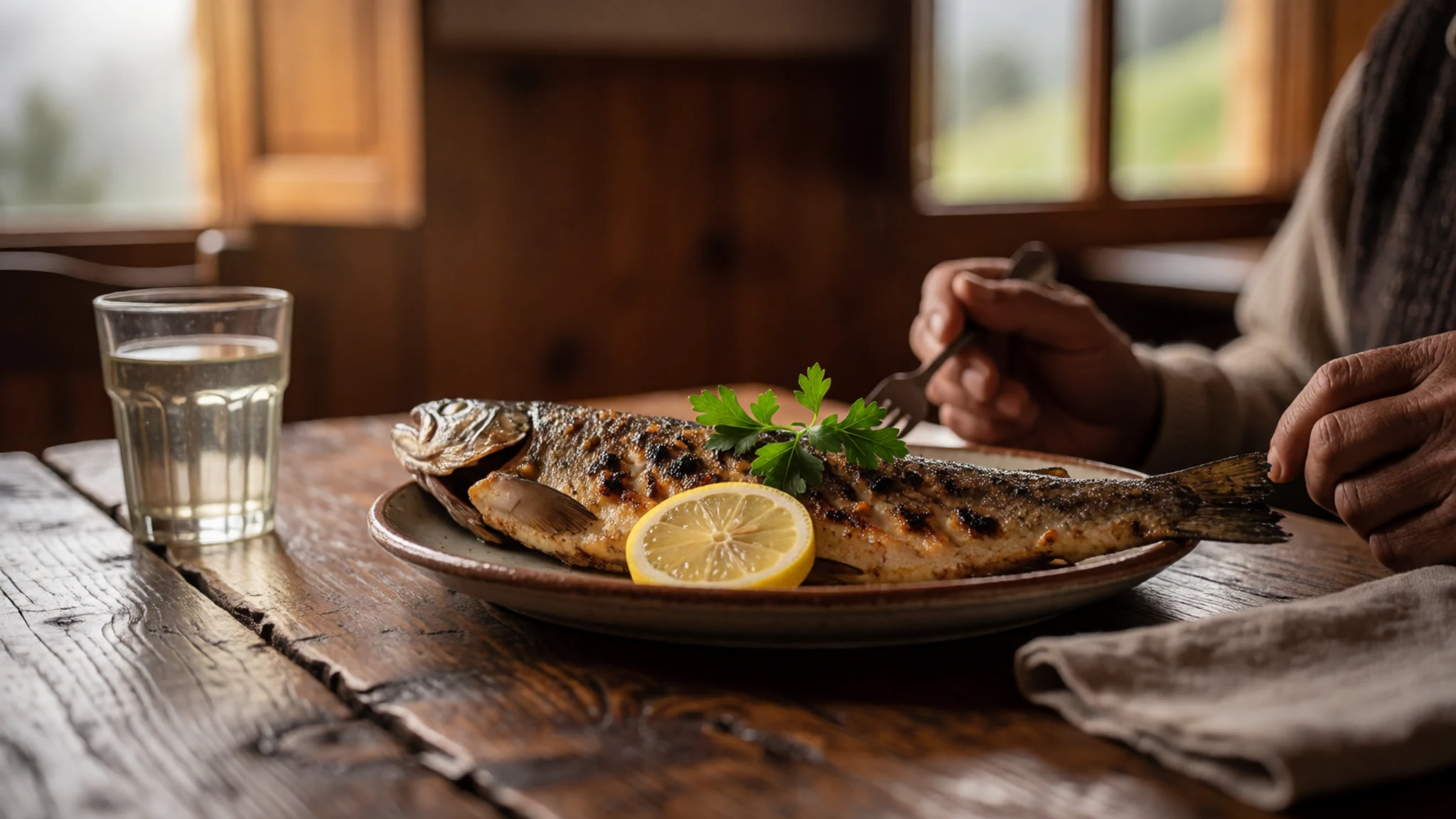
- Locro de papas — Simple village eateries in Papallacta and along the Quito road
A thick Andean soup of potatoes, usually finished with cheese and served with avocado. It is filling, mild and ideal after hours in cold air. Many small eateries in highland villages keep a pot going through the day.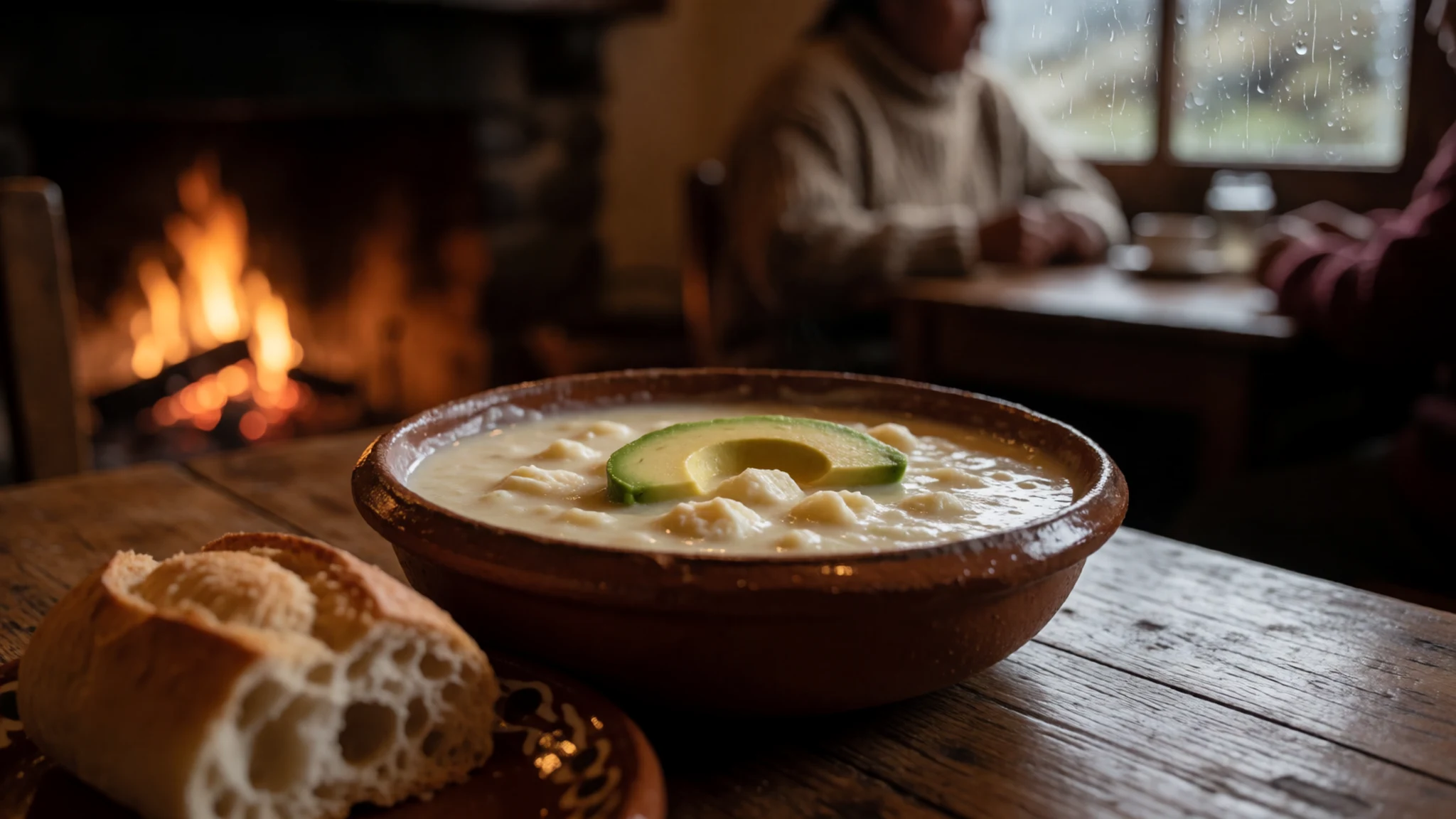
- Canelazo — Roadside stalls and village restaurants, especially in the evening
A hot drink of sweetened cinnamon-infused water, often with a measure of local cane spirit, popular on cold evenings in the Andes. Non-alcoholic versions are easy to ask for. It is a good way to warm up after leaving the pools. - Empanadas — Bakeries and roadside counters on the Quito to Baeza road
Fried or baked pastries filled with cheese or meat, sold hot and cheap as a snack. They suit travellers on the bus route, and you can buy them in bakeries and from small counters near the road in towns on the way. - Hot chocolate with cheese — Cafés, hosterías and breakfast rooms in the village
Ecuadorian highland custom pairs hot chocolate with fresh white cheese, sometimes dropped into the cup, sometimes eaten alongside bread. It sounds odd and tastes good on a wet day, and any café or guesthouse breakfast room may offer it.
Plan it
Best time. June to September tends to bring the drier spells, though this is a high, rainy part of the Andes and showers can come in any month. Early mornings are the clearest and cold air makes the hot water most welcome.
How long. 1–2
Getting there. Fly to Quito and continue by road east towards Baeza and Tena; Papallacta is on the way. Take a bus from Quito (or the Cumbayá bus towards Baños) and tell the driver or cashier you want to get off in Papallacta. Taxis and tours from Quito are also possible.
Budget. low
Tips
- Start early: clouds usually build later in the day and mornings are often clearer
- Bring warm layers, a waterproof and a swimsuit, and keep a dry change of clothes for afterwards
- Take some cash for buses, small restaurants and guesthouses, as card use can be patchy in the village
- The altitude can cause headaches, so drink water, move slowly on the first day and avoid hard exercise straight after arriving
- Check the official site of the spa for current entry fees and opening hours, and ask locally about access to the reserve
Etiquette
- Rinse off before entering the shared pools and follow any posted rules on temperature and time
- Keep your voice down at the pools and on the trails so others can rest
- Carry rubbish out of the reserve and stay on marked paths
Nearby
Sources
- Wikidata Q1001966 (CC0)
- Wikipedia: Papallacta (rev 1298137829) (CC BY-SA 4.0)
- Wikivoyage: Papallacta (rev 5078834) (CC BY-SA 4.0)
- Photo: Papallacta, Ecuador — Eddyl (CC BY 3.0)
- Photo: Antisana — Stefan Weigel (CC BY 3.0)
- Photo: Road to Oriente, Papallacta — Hubertl (CC BY 3.0)
- Photo: Road to Oriente, Papallacta — Hubertl (CC BY 3.0)
- Photo: Road to Oriente, Papallacta — Hubertl (CC BY 3.0)
- Photo: Thermalquellen Papallacta — Hubertl (CC BY 3.0)
- Photo: Papallacta — Hubertl (CC BY 3.0)
- Photo: Road to Oriente Papallacta — Hubertl (CC BY 3.0)


