Guayaquil
Guayaquil, Ecuador
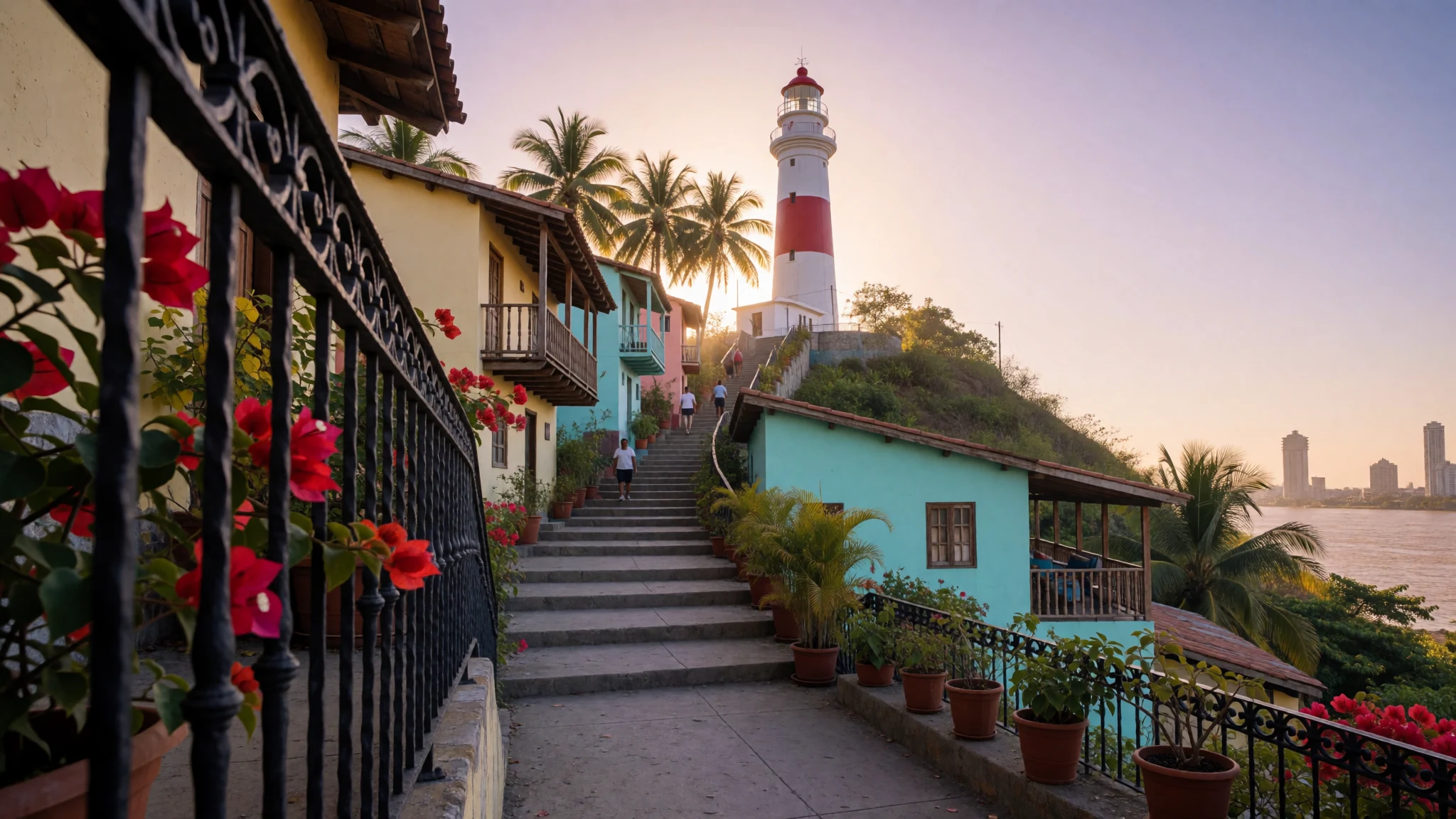
Guayaquil is Ecuador's hot, busy river port: a regenerated waterfront, hill-top views, mangrove reserves and the usual gateway to the Galápagos.
The place
Guayaquil sits on the west bank of the Guayas River, a wide, silty channel that runs out to the Pacific through the Gulf of Guayaquil. The city stands only about 4 metres above sea level, so the ground is flat, humid and tidal, interrupted by two low hills, Santa Ana and Del Carmen, which supply most of the viewpoints. With about 2.65 million residents it is the largest city in Ecuador, and its built-up area spills well beyond the official boundaries into neighbouring towns. It is also the country's main port and its commercial centre, and that shapes the mood. Where Quito, the capital, feels Andean and formal, Guayaquil feels coastal: warmer, louder, quicker to start a conversation and quicker to close a deal. The city is the seat of Guayas Province, and the river, not any single monument, is its organising feature. The riverside promenade and the downtown streets behind it have been regenerated and are the easiest places for a first walk. Beyond the built-up area lie mangrove channels, dry forest and cocoa farms that make reasonable day trips. Honest expectations help: the heat is real for much of the year, traffic is heavy, and this is a working city rather than a polished heritage town. Most visitors pass through on the way to the Galápagos, but a day or two here repays the stop.
Its story
Guayaquil began as a native settlement on the Guayas, and Spanish settlers founded the city in 1534 after earlier attempts at a foundation had failed. Its purpose was practical. The river gave sheltered water and timber, and the city became the chief Spanish shipyard on the Pacific coast, although some navigators preferred the conditions at Valdivia in Chile. Guayaquil also served as a stopover in the trade that linked Asia and Latin America through the Manila galleons, a route that connected Acapulco in Mexico with Callao in Peru. Wealth attracted attention. In the late seventeenth century English and French pirates attacked and looted the city, and defenders died in numbers on both sides. In the early eighteenth century English captains, among them Woodes Rogers and William Dampier, seized it again and demanded a ransom, but an outbreak of yellow fever sent them away before they collected anything. The colonial economy also rested on forced labour, and by the late eighteenth century most of the enslaved people in the region were in Guayaquil, their lives governed by a system called jornal. The city's independent streak came to a head in an October uprising that made it the first Ecuadorian city to break definitively from Spain, an event commemorated in the name of its main avenue, Nueve de Octubre. Port trade, cocoa and later banking carried the city into the republic as the country's economic engine.
What to see
- Malecón Simón Bolívar — Downtown waterfront
The long riverside park is the obvious first stop in Guayaquil. Gardens, shops, an IMAX cinema and open walkways face the muddy Guayas, and the regenerated downtown behind it is among the easier areas for a stroll. Go in the morning or at dusk, as midday sun on the paving is fierce.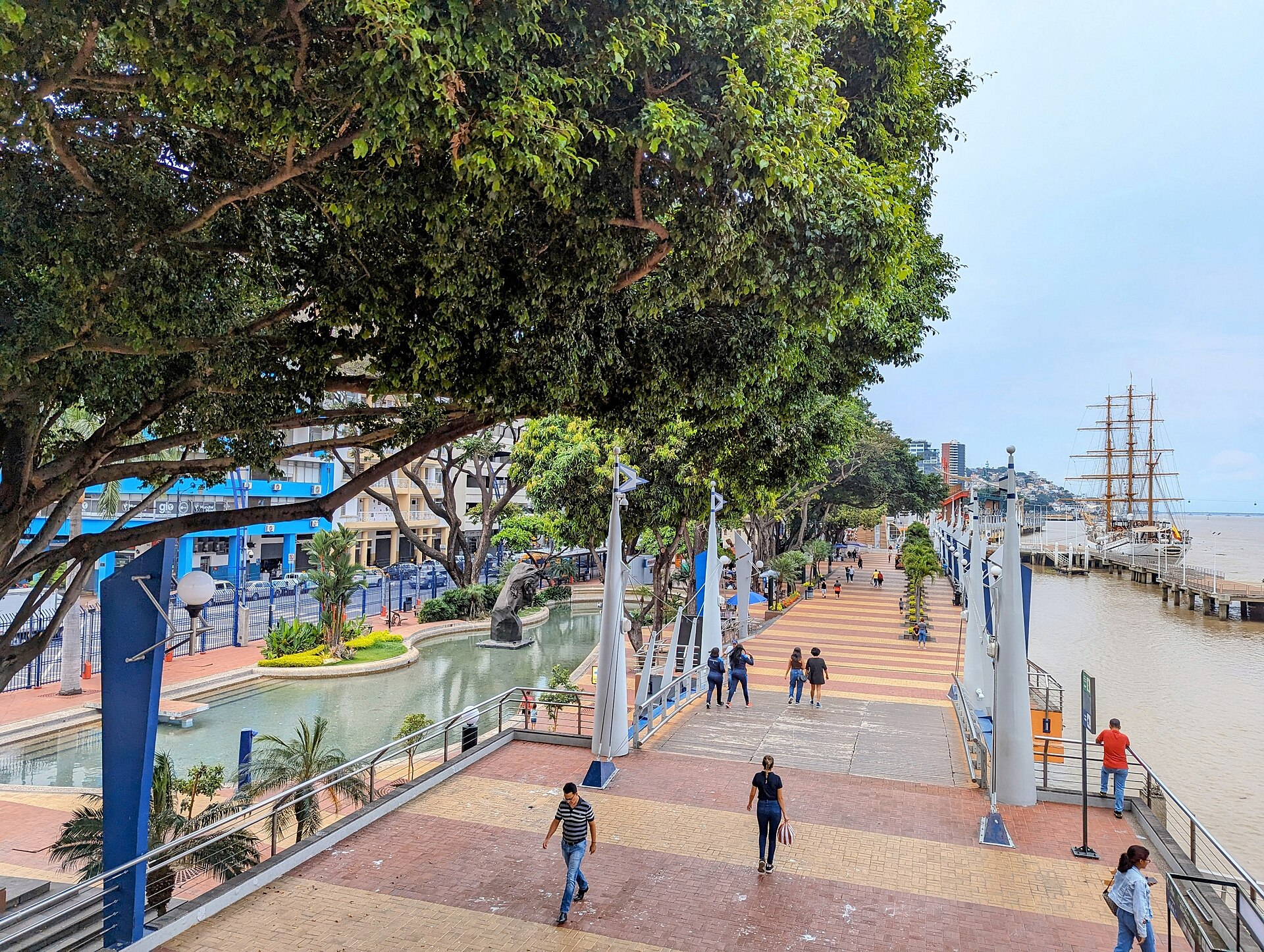
- Cerro Santa Ana and its lighthouse — North end of the downtown waterfront
This hill beside the old quarter offers a stepped climb to a lighthouse and a chapel, with views over the river, the rooftops and the towers of the centre. The route is lined with painted houses, cafés and small shops. Go early or late to avoid the heat, and carry water.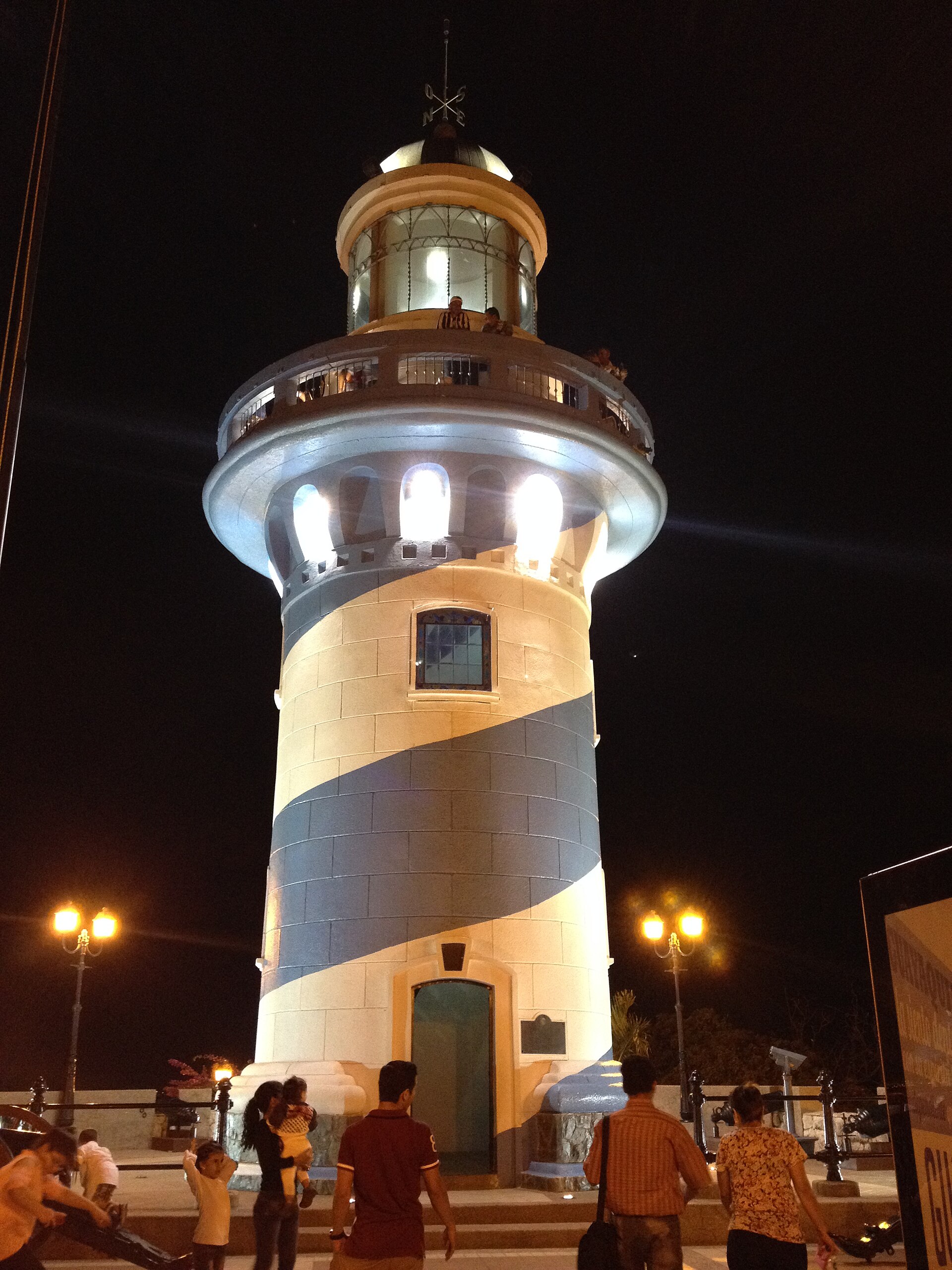
- Bosque Protector Cerro Blanco — West of the city
A protected forest of dry hills west of the city, popular with walkers and birdwatchers who want something green without leaving the metropolitan area. Trails are the draw, and wildlife is easier to spot early in the morning. Check current access and guiding arrangements before setting out. - Manglares Churute Ecological Reserve — South-east, towards the coast
A mangrove and wetland reserve south-east of Guayaquil, reached by road, with a short forest walking path and birdlife in the channels. It combines well with a visit to a cocoa farm on a day tour. Take insect repellent, a hat and plenty of water. - Finca Cumanda — East of the city
A cocoa farm with an artisanal chocolate workshop, visited on a day tour, often paired with the Churute reserve. It offers a practical look at how the crop that once made the region wealthy is grown and processed. Book through a tour operator and ask about transport and timings.
Culture
Guayaquil is a mostly Catholic city, and the cathedral is the largest of its many churches. The diocese was created in the nineteenth century and raised to an archdiocese in the twentieth. Other Christian denominations have their own large buildings, and the city also has Jewish and Muslim communities. There is a Buddhist temple, Yuan Heng, which reflects the Chinese-Ecuadorian presence that also shows up in the city's many chifa restaurants. Beyond religion, local identity is strongly tied to the coast. Guayaquileños are proud of their port, their independence history and their football, and they like to contrast their open, talkative habits with the more reserved highlanders of Quito. Family meals, long evenings on the waterfront and loud music from cars and bars are part of ordinary life, and weekends bring crowds to the riverside and to the hills. Greetings matter: a handshake, or a light kiss on the cheek between women and between men and women who know one another, is normal, and it is polite to say good morning or good afternoon when entering a shop or restaurant. Conversation about the city's rivalry with Quito is a safe and amiable topic. When visiting a church, speak quietly, keep shoulders covered, and ask before photographing worshippers or taking pictures during a service.
What to wear
Traditional dress around Guayaquil belongs mainly to the rural coast, the world of the montubio farming communities. Men wear a light shirt, loose trousers, a straw hat and often a machete at the belt for fieldwork, while women wear bright cotton skirts and blouses for festivals and dances. Straw hats woven from toquilla fibre are the best-known coastal textile, though most are produced in other coastal provinces and sold here. These costumes appear mostly at fairs, parades and folk performances rather than day to day. In the city, people dress for heat and humidity. Light cotton and linen shirts, shorts, sundresses and trainers or sandals are common, and office workers in the business districts wear smarter, lightweight clothes in air-conditioned buildings. Football shirts are everywhere, especially for the local clubs. Evenings out call for a little more polish than the daytime, particularly in restaurants and bars. A visitor should pack breathable fabrics, a hat, sunglasses and high-factor sun cream, along with a light rain jacket or umbrella for the wetter months. Comfortable closed shoes suit the hill steps and uneven pavements, and sandals with a grip help on wet paving. For churches and temples, bring a light scarf or shirt to cover shoulders and avoid beachwear. Leave flashy jewellery and expensive watches at the hotel, as in most big port cities.
What to eat
- Encebollado — Morning markets and small local eateries
A fish soup built on tuna, cassava and pickled red onion, seasoned with lime and eaten with plantain chips. It is a classic coastal breakfast and a standard cure for a late night. Look for it in morning markets and simple lunch counters. - Ceviche — Seafood restaurants and riverside food stalls
Shrimp, fish or other seafood cured in lime juice with onion and coriander, served with popcorn, plantain chips or toasted corn. The coastal version is more soupy and sharper than the Peruvian one. Choose busy places where the seafood turns over quickly. - Seco de pollo — Set-lunch restaurants in the centre
Chicken stewed in a sauce of onion, peppers and herbs, often with beer or sour orange, then served over rice with fried plantain or avocado. It is a filling midday dish and a dependable choice for anyone wary of seafood. - Caldo de salchicha — Neighbourhood eateries and market stalls
A hearty broth of sausage and vegetables, often with plantain or cassava, served hot even in the warm climate. It is everyday comfort food rather than anything fancy, and appears on the menus of many neighbourhood eateries. - Patacones and green plantain dishes — Urdesa and other residential restaurant districts
Green plantain, called verde, is the staple of coastal cooking. It is fried, flattened and fried again for patacones, or mashed into balls and stuffed. Locals eat it with fish, meat or cheese, and several Urdesa restaurants build menus around it. - Crab dishes and chifa — Crab houses in Urdesa and chifas across the city
Crab is a local passion, boiled or spiced and eaten by hand with cold beer in casual crab houses. Chinese-Ecuadorian restaurants, known as chifas, are also found across the city and serve fried rice and noodles with local twists.
Plan it
Best time. June to November is the drier, slightly cooler stretch, so walking and day trips are more comfortable. From about December to April the weather is hotter, wetter and more humid, with heavy downpours and sticky afternoons.
How long. 1–2
Getting there. José Joaquín de Olmedo International Airport has direct domestic and international flights, including to the Galápagos Islands, and is a short taxi ride from the centre. Long-distance buses arrive at the main terminal on the north side of the city, and taxis or ride-hailing cover the final leg.
Budget. mid
Tips
- Start walks and hill climbs early, before the midday heat
- Carry water, a hat and insect repellent, especially for reserve trips
- Use ride-hailing or registered taxis at night rather than walking between districts
- Keep phones and valuables out of sight in crowded areas
- Book Galápagos flights and day tours ahead, and check the official city website (https://www.guayaquil.gob.ec/) for events
Etiquette
- Greet shop and restaurant staff before asking for anything
- Dress modestly and quietly in churches and temples
- Ask permission before photographing people
Nearby
Sources
- Wikidata Q43509 (CC0)
- Wikipedia: Guayaquil (rev 1380999741) (CC BY-SA 4.0)
- Wikivoyage: Guayaquil (rev 5425500) (CC BY-SA 4.0)
- Gye13, Yyntl, via Wikimedia Commons (CC BY-SA 4.0)
- Guayaquil Skyline, Danielcampoverde99, via Wikimedia Commons (CC BY-SA 4.0)
- Faro en el Cerro Santa Ana en Guayaquil, Ecuador, Padaguan, via Wikimedia Commons (CC BY 3.0)
- Vista del Malecón 2000 en Guayaquil, Ecuador, Freddy eduardo, via Wikimedia Commons (CC BY-SA 4.0)
- Avenida Nueve de Octubre en la mañana, Freddy eduardo, via Wikimedia Commons (CC BY-SA 4.0)
- Cerros Santa Ana y del Carmen, Sageo, via Wikimedia Commons (CC BY-SA 4.0)
- Plano de Guayaquil en 1741, grabado por Paulus Minguet, via Wikimedia Commons (CC0 1.0)
- Aerial view of Guayaquil Ecuador, JorgeAlejanDroo, via Wikimedia Commons (CC BY-SA 4.0)


