Cuenca
Cuenca, Ecuador
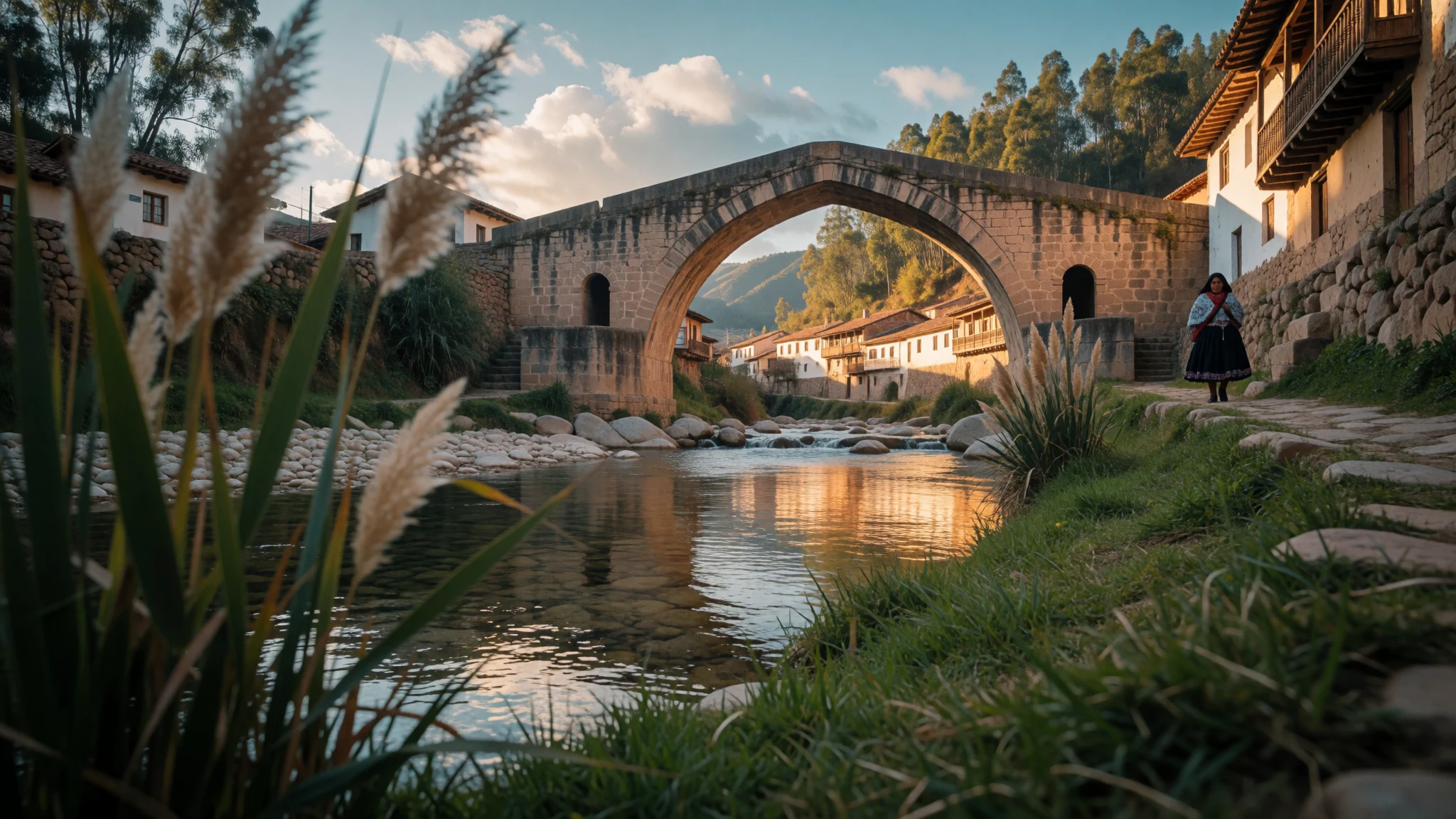
Cuenca is a calm, walkable Andean city of river banks, colonial churches, craft museums and highland food, ideal for easing into Ecuador.
The place
Cuenca is a highland city in southern Ecuador and the capital of Azuay province, standing about 2,550 metres above sea level. Its population is about 360,000, a size that keeps the historic core easy to cross on foot in a morning. Several rivers run through the urban area, and the Tomebamba, with its grassy banks and old houses stepping down to the water, is the one visitors tend to follow. Tiled roofs, iron balconies and church domes make up the skyline, and the streets around the main square have a lived-in, slightly formal air. Altitude shapes everything here. Evenings are cool, midday sun is strong, and newcomers often feel breathless or tired on the first day. The climate is temperate, with a spring-like feel for much of the year, though afternoon showers can arrive without much warning. Locals have long called the city the Athens of Ecuador, a nickname that reflects pride in its writers, artists and scholars as much as its architecture. Daily life is unhurried: plazas fill at lunchtime, families stroll after church on Sundays, and cafés stay busy into the evening. Cuenca also works as a base for the countryside around it, where Andean grassland, lakes and craft villages are within reach by bus or organised tour. It is a sensible first stop for anyone adjusting to high altitude, because there is plenty to see at a gentle pace and few long distances to cover.
Its story
Cuenca stands on land that has been lived on for a very long time. Archaeologists working in the Cave of Chopsi have found tools left by nomadic hunters who followed game across the páramo, the high Andean grassland, long before any empire arrived. Later communities settled, drawn by mild weather, fertile soil and plentiful water. They grew potatoes, quinoa and other Andean crops, kept guinea pigs, and herded llamas and alpacas. Pottery is the commonest thing they left behind, and it is mostly ceramics that archaeologists use to reconstruct their lives, though some long stretches of the record remain thin. By the time of the Inca, the Cañari city of Guapondelig had been absorbed into the empire as Tomebamba, an important administrative centre. When the Spanish took over, they built on those ruins. Gil Ramírez Dávalos founded the new city in 1557, acting on orders from the viceroy of Peru, and gave it the full name Santa Ana de los Ríos de Cuenca. Plaza, church and gridded streets followed the usual colonial plan. Each wave of settlers renamed the place in its own language, and traces of every layer survive: Inca-era foundations at the archaeological park, colonial churches in the centre, and Cañari names in the villages beyond. Through the twentieth century the city grew as a centre of education and culture, which helped build its reputation for writers and thinkers.
What to see
- Pumapungo Museum and Archaeological Park — Southern edge of the historic centre
Pumapungo combines a museum of the region's ethnology with an archaeological park on the site linked to Inca Tomebamba. Exhibits cover Andean and Amazonian peoples, including shrunken heads, which are displayed as historical objects. Allow a couple of hours for the museum and the grounds. Check the official site for opening times and any entry fee.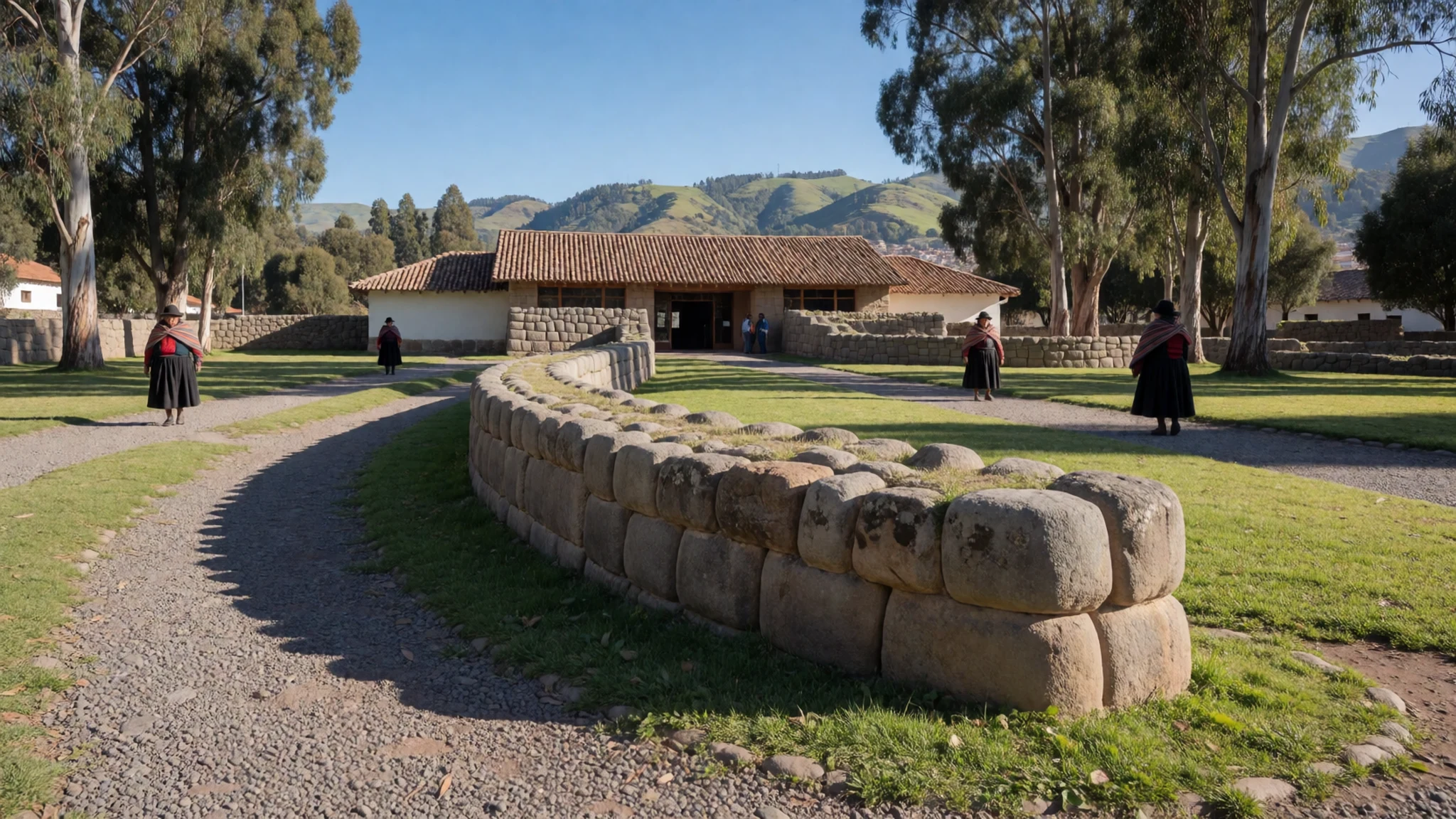
- Old Cathedral and Parque Calderón — Historic centre
The Old Cathedral stands on Parque Calderón, the central square where the city's day plays out on benches and under trees. The building is a landmark of the colonial centre, and the square is the easiest place to get your bearings before heading to the river or the museums. Come early for quiet light.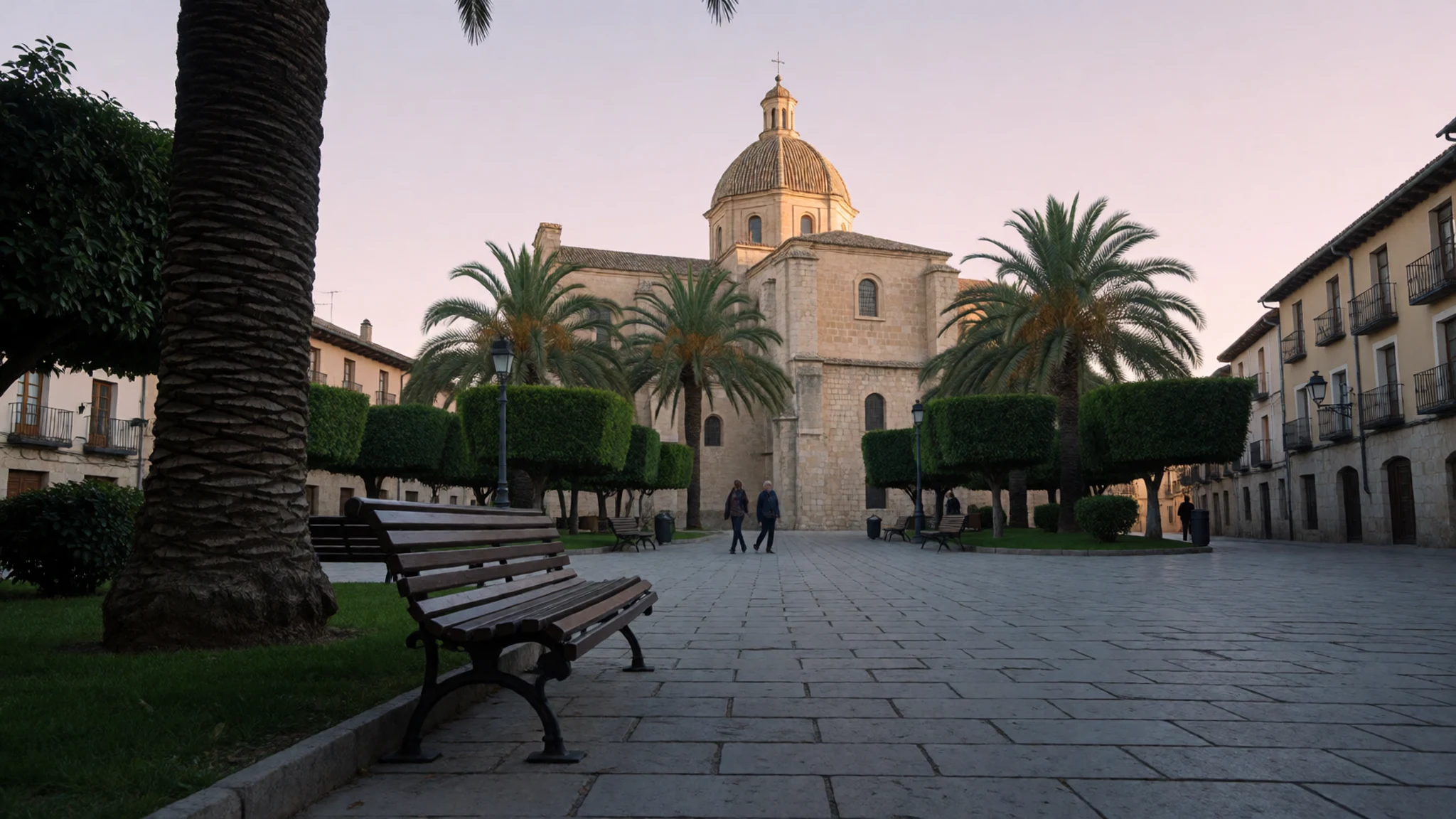
- The Tomebamba river walk — Along the river, south of the old centre
Cuenca's river walk follows the Tomebamba, with paths, bridges and old houses whose backs face the water. It suits an unhurried hour in the morning or at dusk, with city views and a break from traffic. Watch your footing on wet stone after rain, and keep valuables out of sight.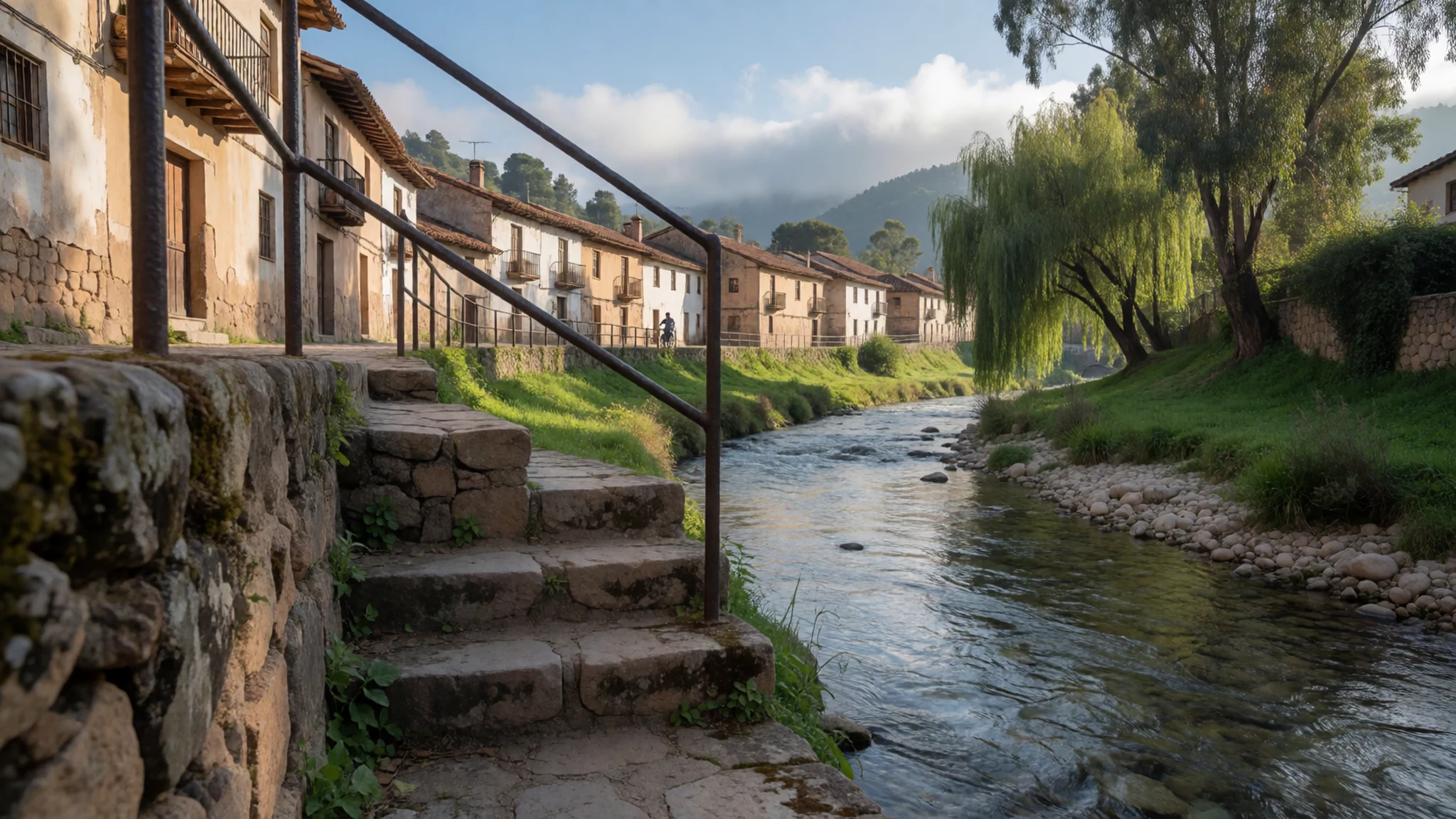
- CIDAP — Historic centre, near the river
CIDAP, the Inter-American Centre of Handicrafts and Popular Arts, holds a large collection of folk art from many countries of the Americas: ceramics, textiles, wood, metal, plant fibre and everyday tools. It is a good stop for seeing how craft traditions compare, and for context before shopping for souvenirs. Check the official site for opening times.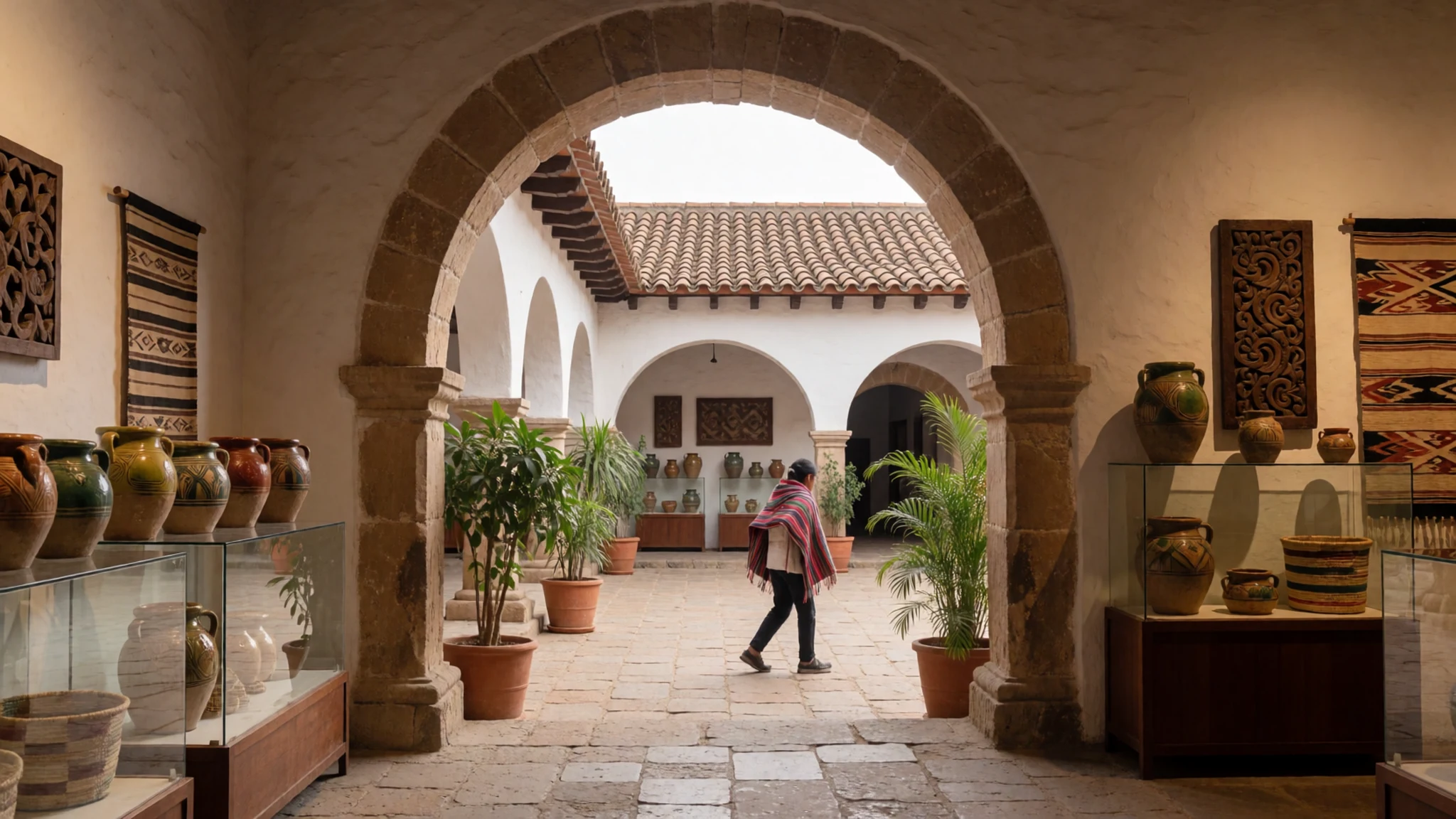
- Museo de las Culturas Aborígenes — Historic centre
This museum displays pre-Columbian pottery and other artefacts from many cultures of the region, and gives useful background to the Cañari and Inca layers beneath the modern city. Guided help in English may or may not be available, so read up first or bring a phone with a translation app.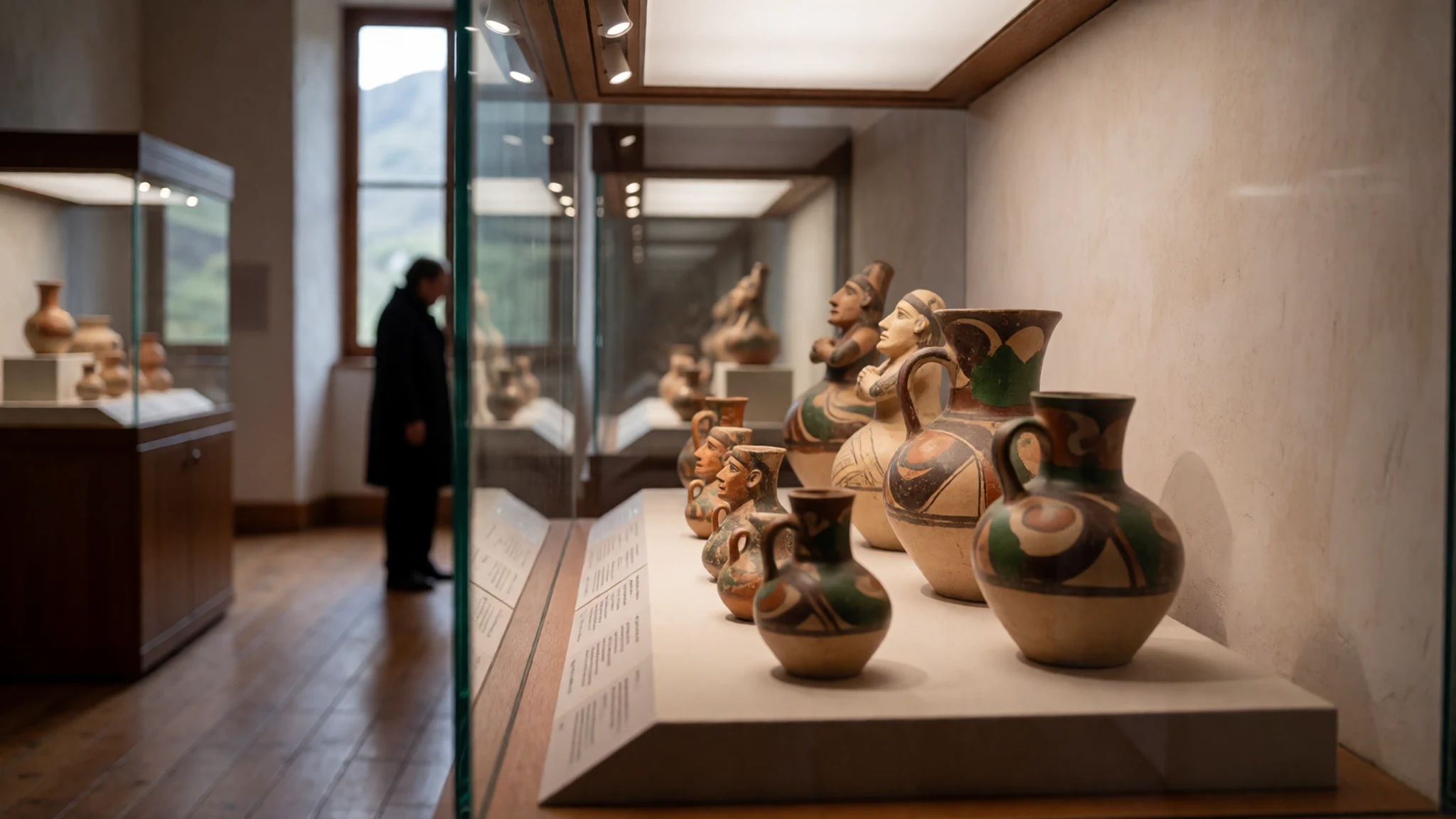
- Mirador de Turi — Hill south of the centre
Turi viewpoint sits on a hill south of the centre and looks over the roofs, domes and river valley of Cuenca. Sightseeing buses from Parque Calderón stop there, or take a taxi. Go in clear morning or late afternoon light, and carry a layer, since it is cooler and breezier than the streets below.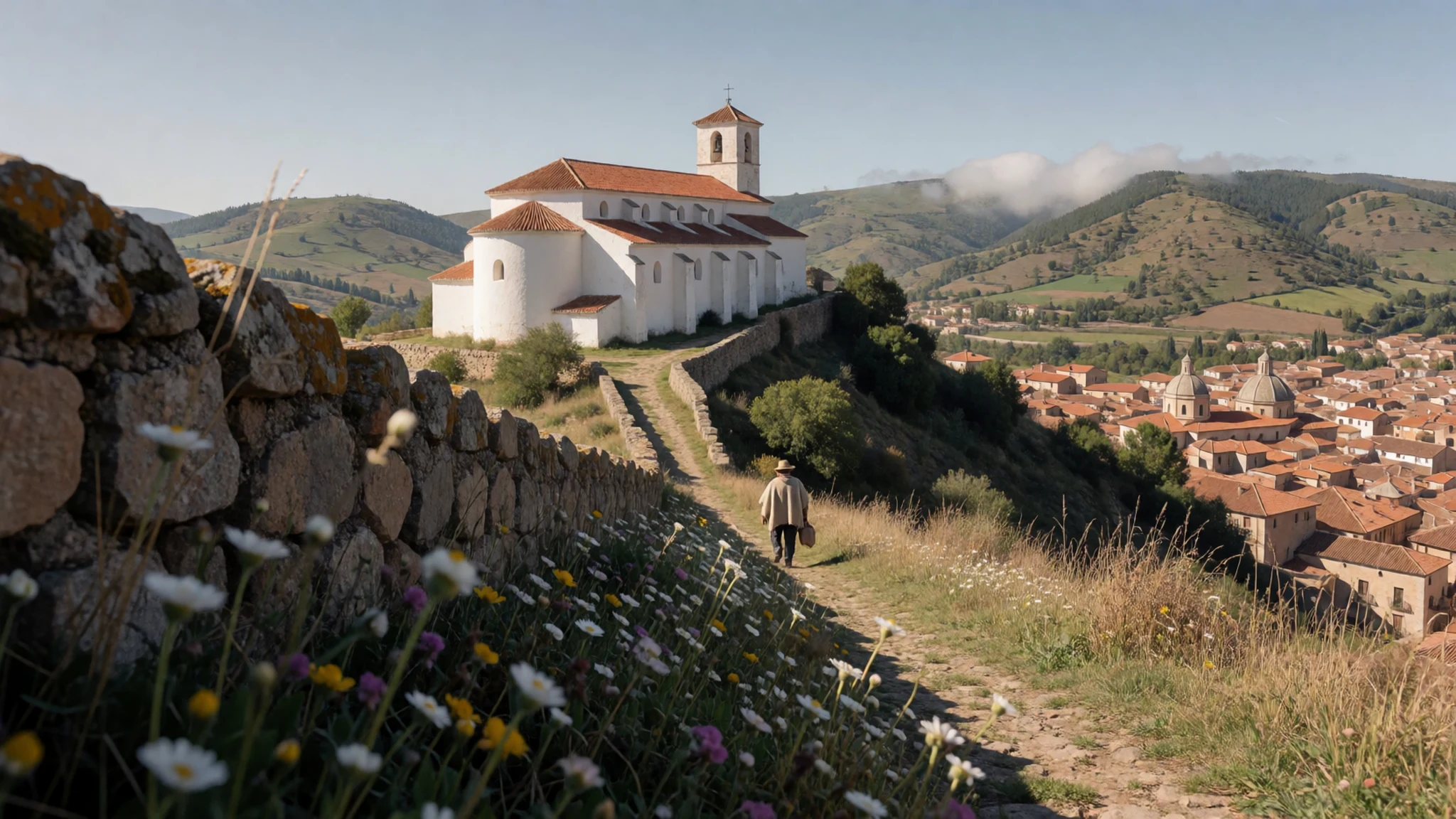
Culture
Cuenca's calendar is built around festivals, and the one visitors notice first is Carnaval, held in the days before Ash Wednesday. What began as an older ritual is now mostly a water fight: friends and strangers alike get soaked with balloons and sprayed with foam, so anyone on the streets should expect to be hit. In early November the city marks its Independence with several days of parades, concerts, cultural events and artisan fairs, and the centre fills with families. Religion runs through the year as well, with church processions and saints' days in the neighbourhoods. The city's cultural self-image rests on writing, painting, music and craft, and it shows in the number of small galleries, bookshops and live-music cafés in the centre. Residents tend to be polite and a little formal; greetings matter, and a quick buenos días on entering a shop goes a long way. Food ties into every celebration, with corn and potato dishes appearing at family gatherings and market stalls alike. Conversation is easy to start in plazas and markets, especially if a visitor tries a few words of Spanish. During Carnaval, keep phones and cameras in a waterproof bag, take the splashing in good humour, and say no, gracias politely if you would rather stay dry.
What to wear
Cuenca's traditional dress is the outfit of the chola cuencana, the countrywoman of the Azuay highlands. It centres on a full, gathered skirt called a pollera, worn in layers, with an embroidered blouse, a shawl known as a paño, and a hat of straw or felt. Wool and cotton are the usual fabrics, and shawls from the valley towns nearby are often made with dyed-thread patterns. Colours and trimmings differ by village and occasion. Today the full outfit appears mostly at festivals, parades and market days in rural parishes, though some older women still wear versions of it daily. In the city, people dress in jeans, sweaters, jackets and practical shoes, with neat, smart-casual clothes for offices and evenings out. Scarves and light coats are common because mornings and nights are cool. Visitors should dress in layers: a light waterproof for afternoon showers, a warm top for evenings, and a sun hat and sunscreen for the strong midday light at altitude. Comfortable closed shoes with grip suit the cobbles and wet river paths. Churches expect covered shoulders and knees, so carry a scarf or light shirt. Shorts and sandals are fine for hot spells, but evenings call for long trousers.
What to eat
- Cuy — Market eateries and restaurants on the city's edge
Cuy is roasted guinea pig, served whole or halved with potatoes, and it is a festive dish of the Andes rather than everyday lunch. Look for it at the market eateries and countryside restaurants on the city's edge; vegetarians and the squeamish can simply skip it.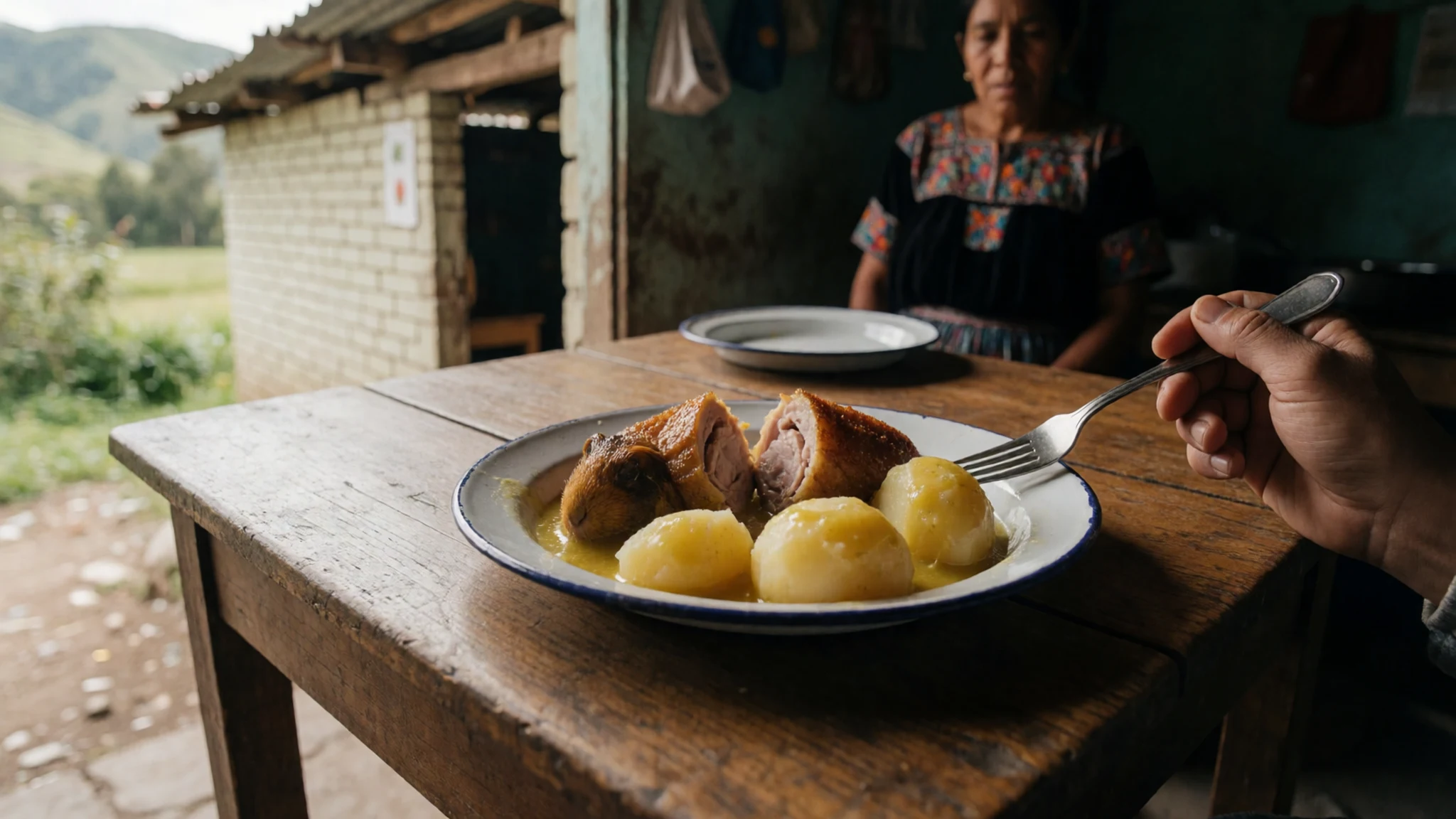
- Hornado — Covered municipal markets
Hornado is pork roasted slowly until the skin crackles, then carved and served with potatoes, mote and a little salad. It is a weekend and market-day dish across the highlands; look for stalls with whole roasted pigs in the covered municipal markets.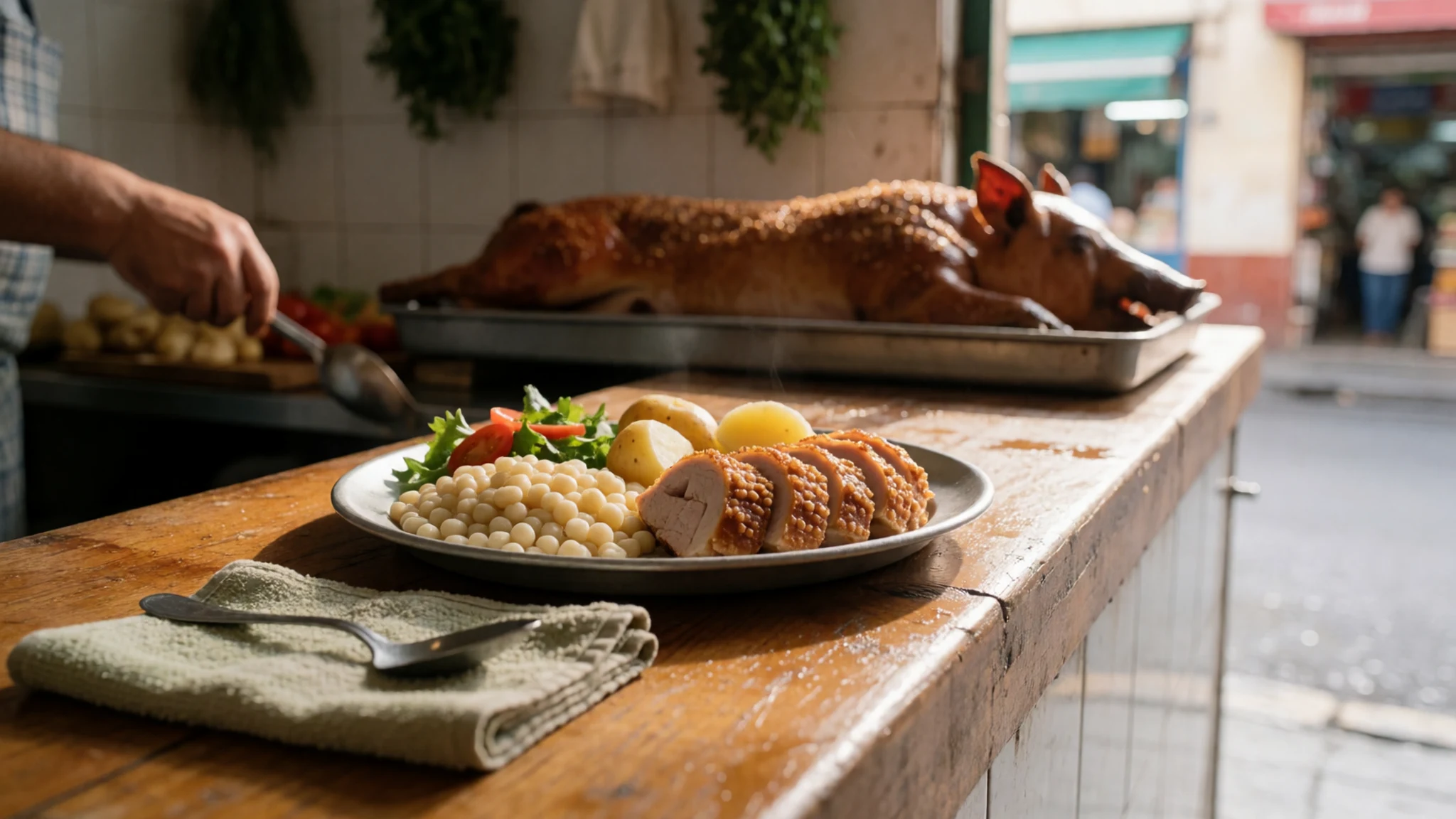
- Llapingachos — Market food counters and set-lunch eateries in the old centre
Llapingachos are griddled potato cakes, often stuffed with cheese, served with fried egg, avocado and sometimes sausage. They make a filling lunch or breakfast and turn up at market food counters and simple set-lunch eateries in the old centre. - Mote pillo — Market stalls and small breakfast places in the centre
Mote pillo is hominy, the large-kernel corn of the Andes, scrambled with egg, onion and herbs until soft and savoury. It is a common breakfast and a good meat-free option, found at market stalls and small family-run breakfast places in the centre. - Mote pata — Market eateries and traditional restaurants
Mote pata is a thick, hearty soup of hominy simmered with pork and tripe and seasoned well, a cold-weather dish of the southern highlands. Try it at market eateries and traditional restaurants, preferably at lunch when the pot is freshest. - Morocho — Market stalls and bakery cafés
Morocho is a sweet, porridge-like drink or pudding made from crushed white corn cooked with milk, sugar and cinnamon. Locals have it warm at breakfast or in the evening; look for it at market stalls and bakery cafés, especially on cool mornings.
Plan it
Best time. The climate is mild all year because of the altitude, with cool nights. The drier months, roughly June to September, are usually easiest for walking, while showers are more likely in the wetter seasons. Carnaval (February or March) and early November bring festivals, crowds and colour.
How long. 2–3
Getting there. Fly to Cuenca's airport, usually with a connection through Quito or Guayaquil, then take a taxi or the Tranvía tram into the centre. Buses on the Pan-American highway link Cuenca with other Ecuadorian cities; check the official visitor site (https://www.visitcuencaecuador.com.ec/en/) for current details.
Budget. low
Tips
- Take the first day gently: at this altitude, walk slowly, drink water and go easy on alcohol until you adjust
- Carry a light waterproof and a warm layer, since afternoon showers and cool evenings are common
- Keep small notes and coins for markets, buses and snacks, and carry a card as well
- Allow time for connections if flying via Quito or Guayaquil, as you may have to clear customs and security again
- Check museum opening times on the official site before setting out, as they can change
Etiquette
- Greet shopkeepers and market vendors with a quick buenos días or buenas tardes
- Ask before photographing people in traditional dress, especially at markets and festivals
- Cover shoulders and knees when entering churches
Nearby
Sources
- Wikidata Q54886 (CC0)
- Wikipedia: Cuenca, Ecuador (rev 1385771791) (CC BY-SA 4.0)
- Wikivoyage: Cuenca (Ecuador) (rev 5400663) (CC BY-SA 4.0)
- AR PN ANDES15 CUENCA TV 022, amalavida.tv (CC BY-SA 2.0)
- Collage Cuenca, David C. S. (CC BY-SA 4.0)
- Escudo de Cuenca (Ecuador), Municipalidad de Cuenca (Public domain)
- South America relief location map, Uwe Dedering (CC BY 3.0)
- Municipio de Cuenca (Ecuador), Micah MacAllen (CC BY-SA 2.0)
- Old Cathedral, Cuenca, Ekem (CC BY 3.0)
- Santuario Mariano, Arabsalam (CC BY-SA 4.0)
- River Tomebamba, centre of Cuenca, H.Morisse (CC BY 3.0)


