Montecristi
Montecristi, Ecuador
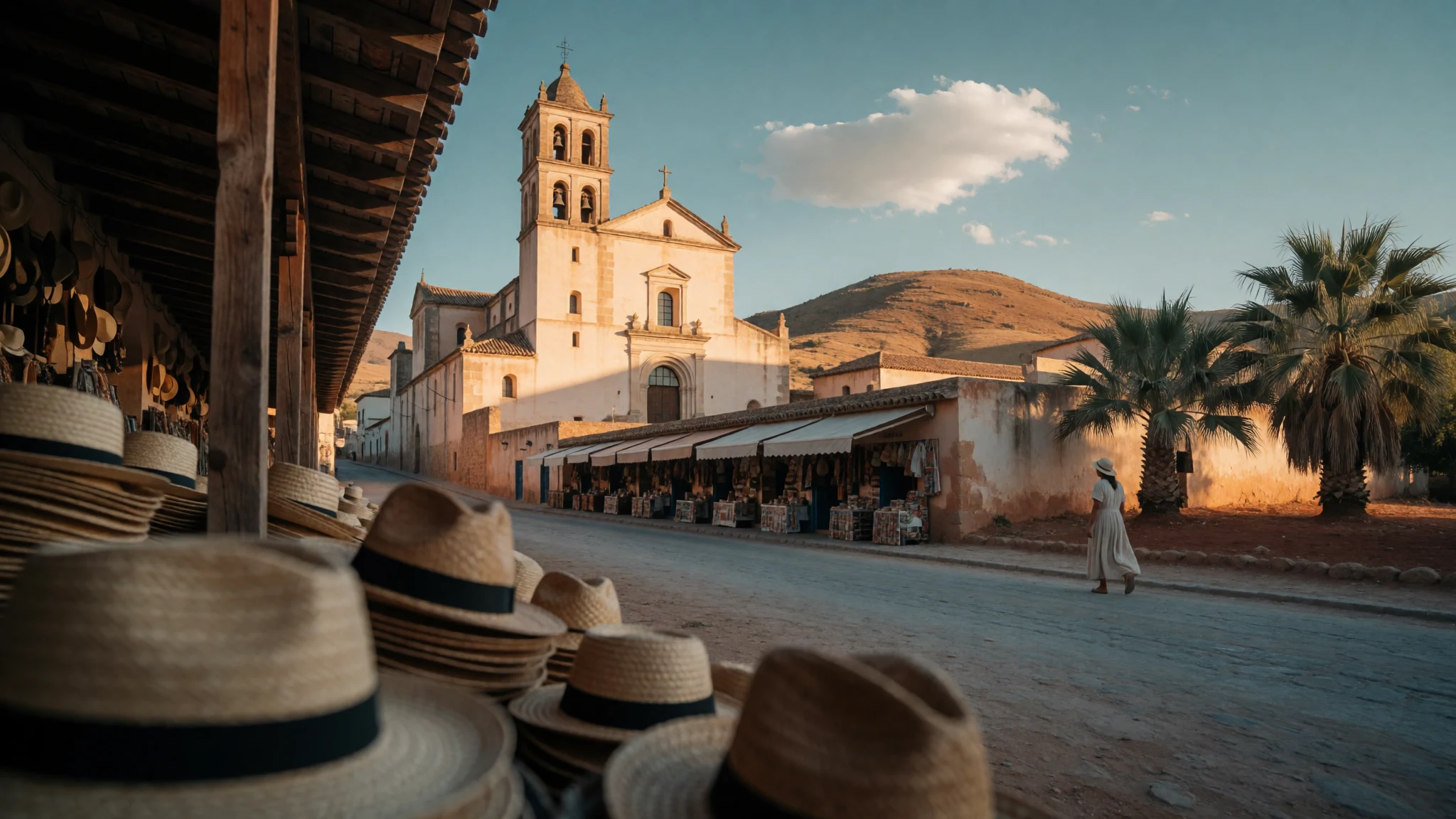
Montecristi is a small Manabí town where Panama hats are woven by hand and a revolutionary president is still remembered.
The place
Montecristi is a town of about 71,000 people in Manabí province, on Ecuador's Pacific coast, and the seat of the canton that shares its name. It sits about 140 metres above sea level, at the foot of the hill it is named after, a short way inland from the port of Manta. The climate is classed as arid desert, which means hot, dry and bright for much of the year.
Most visitors come from Manta or from Portoviejo, the provincial capital, and Montecristi works better as a half-day trip than as a base. The streets are low-rise and busy with small shops. Many sell straw hats, but the same counters also carry hammocks, shawls, baked goods, furniture and keyrings, so the main roads feel more like a long informal market than a polished heritage centre.
Two things give the town its weight. The first is the hat trade: the finest grade of Panama hat is called the montecristi superfino, after the town. The second is politics. Eloy Alfaro, the liberal revolutionary who became president, was born here, and the town was later chosen as the seat for drafting Ecuador's constitution. That is why a large civic complex stands on the hillside above the centre.
The hill shapes everything. It gives the views over the rooftops, and it backs a church that is hard to miss from almost any street. Montecristi is a working town rather than a showpiece, and it rewards a slow morning, a look at the hats and the museum, and lunch somewhere else.
Its story
Montecristi's story begins with people running away. According to local tradition, settlers from Manta moved inland in the early years of the Spanish conquest to escape pirate raids, and chose a site beneath a hill. One account says a settler called Criste built his house high on that hill, and that "Montecriste" gradually softened into Montecristi. Wikidata gives 1741 as the founding date, so the answer depends on whether one counts the first refuge or a later formal act. The name story is best enjoyed as local lore rather than settled fact.
Over time the town became known for weaving. Fibre from the toquilla palm is split, dried and plaited by hand into hats, and the finest of them carry the town's name. They became known as Panama hats because of the trade routes that carried them to buyers abroad, not because they were woven in Panama, a detail that still surprises many visitors.
The second chapter is political. Eloy Alfaro, born in Montecristi, led the Liberal Revolution and served twice as president of Ecuador, from 1895 to 1901 and again from 1906 to 1911. He died in 1912. In 2007 the Constituent Assembly chose his home town as the seat for the work that produced the 2008 Constitution, and the Ciudad Alfaro complex became the place where that work was done. It has since hosted further constitutional amendments, including in 2015. A town of weavers therefore also holds a national memory, and the two sit within a short walk of each other.
What to see
- Basílica de la Virgen de Monserrat — Town centre, below the hill
The basilica of the Virgen de Monserrat is the church most people mean when they call Montecristi's skyline recognisable, and it is hard to miss from the main streets. It is the focus of the town's annual pilgrimage, when thousands come to honour the saint. On an ordinary day it is a calm place to sit out of the sun.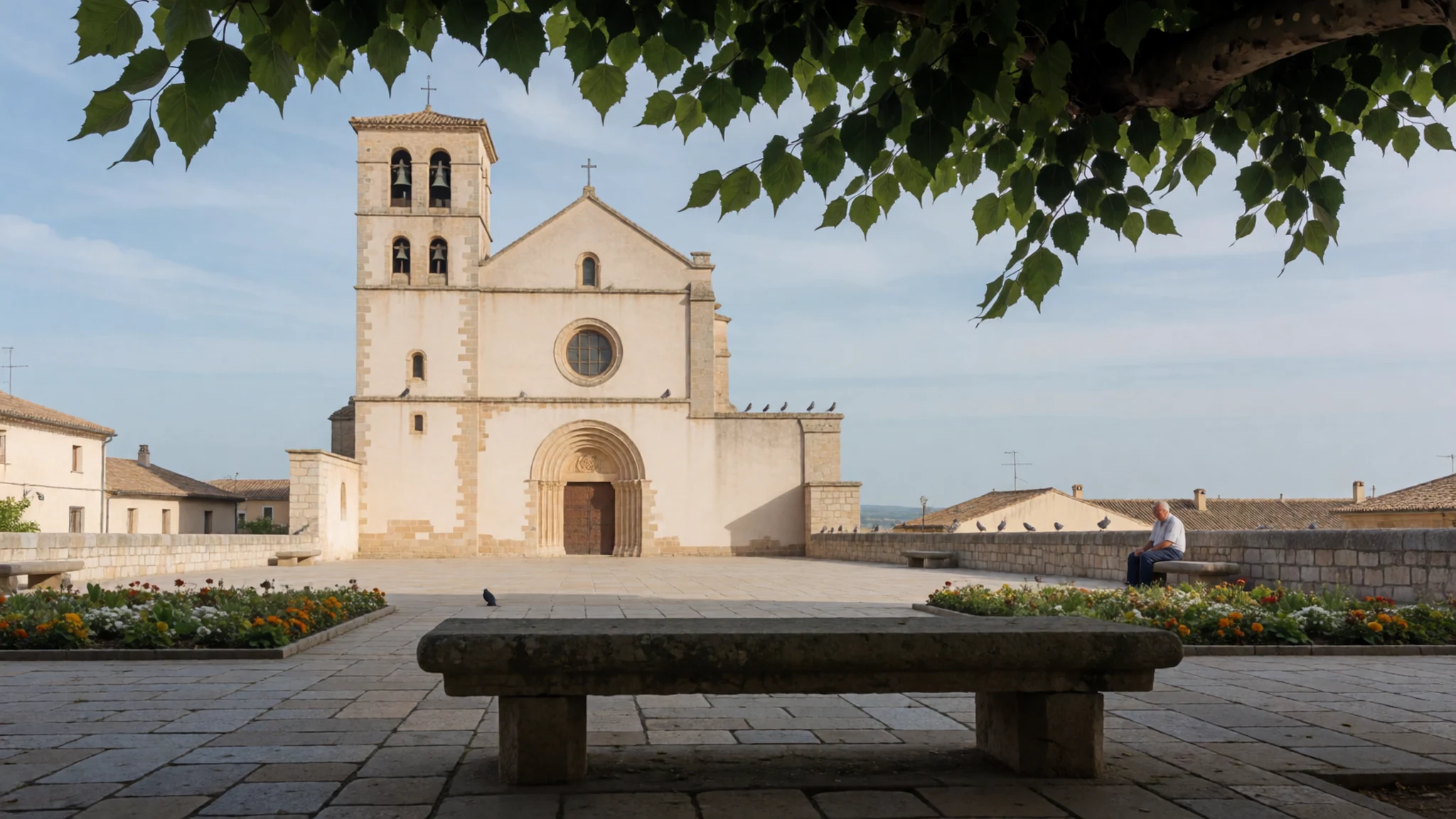
- Ciudad Alfaro — Hillside above the town
Ciudad Alfaro is the civic complex built for the constitutional assembly, and it still hosts government business. Its museum covers Ecuador's indigenous peoples and how they fared against the church and empire, with a section on Eloy Alfaro. The hillside setting also gives the wide view over Montecristi's rooftops.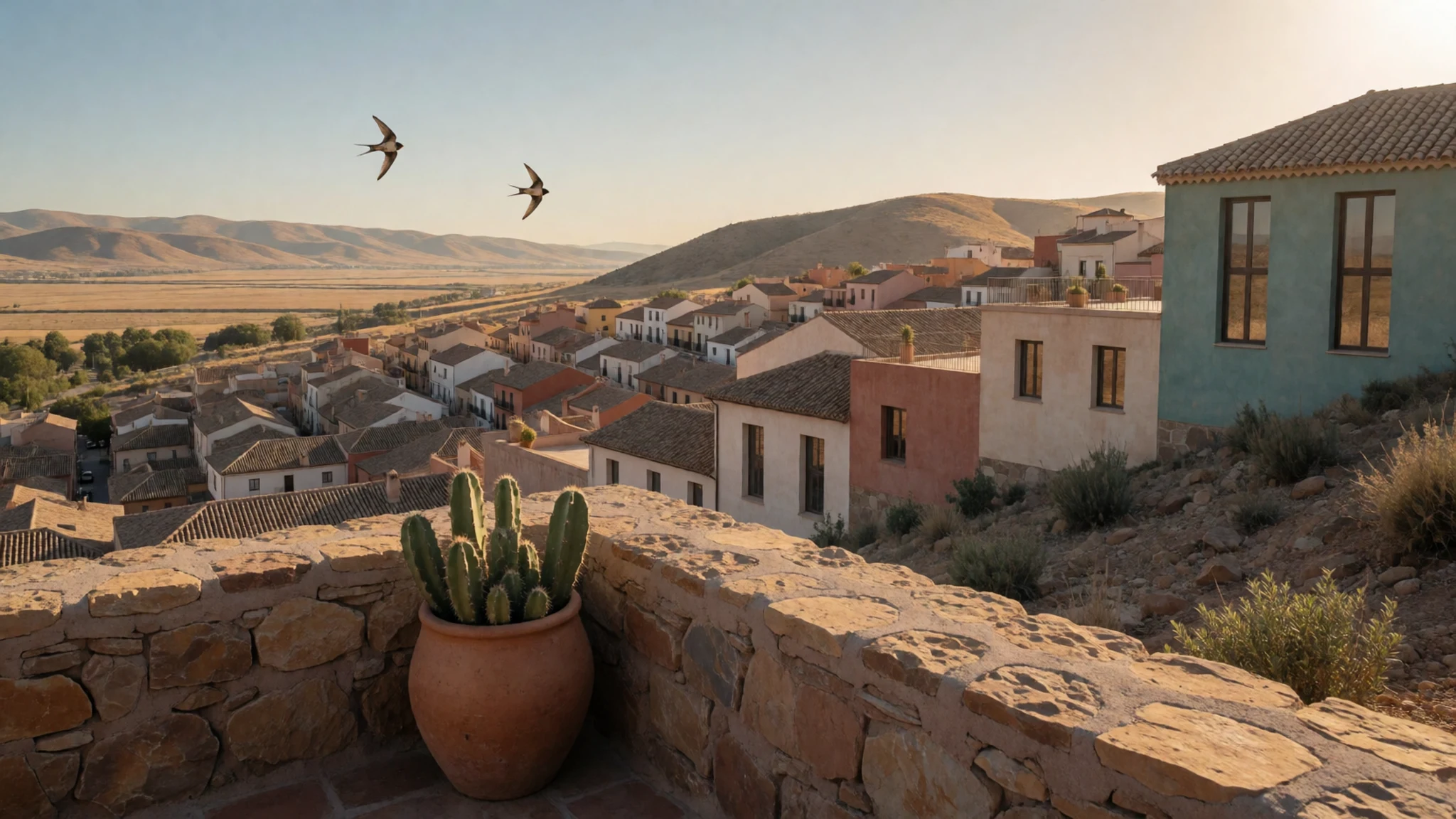
- Mausoleo de Eloy Alfaro — Ciudad Alfaro complex
The mausoleum of Eloy Alfaro honours the president of the Liberal Revolution who was born in Montecristi. It is a short, quiet stop that makes the town's political story concrete, and it pairs naturally with the museum nearby. Allow time, since the complex sits on a slope and the walk is uphill in the heat.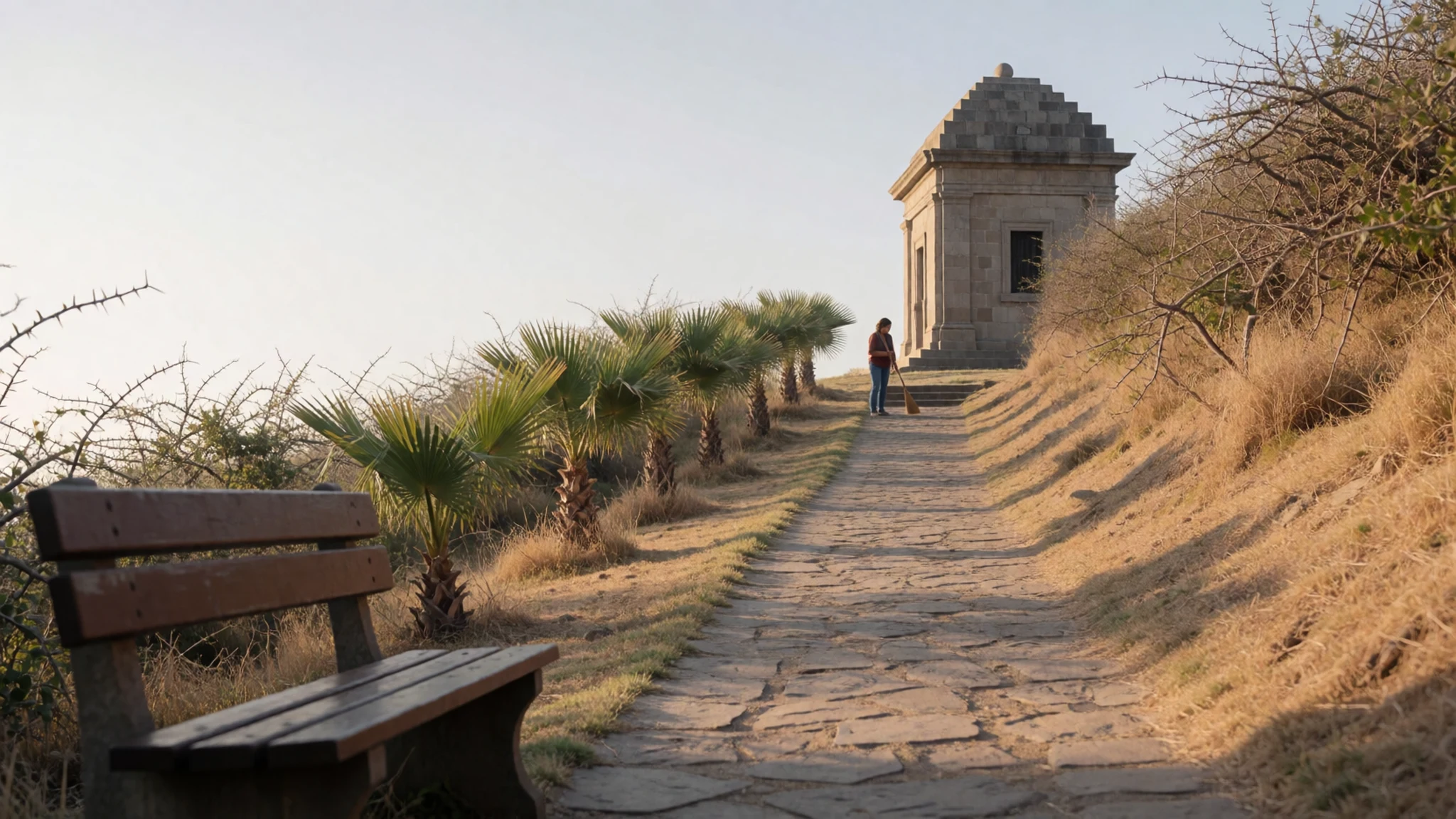
- Panama hat shops — The main streets of the centre
The streets of Montecristi are lined with shops selling Panama hats, alongside hammocks, shawls, baked goods, furniture and keyrings. Browsing is the quickest way to see how grades differ, up to the fine montecristi superfino. Ask where a hat was woven, compare a few shops, and take time before paying.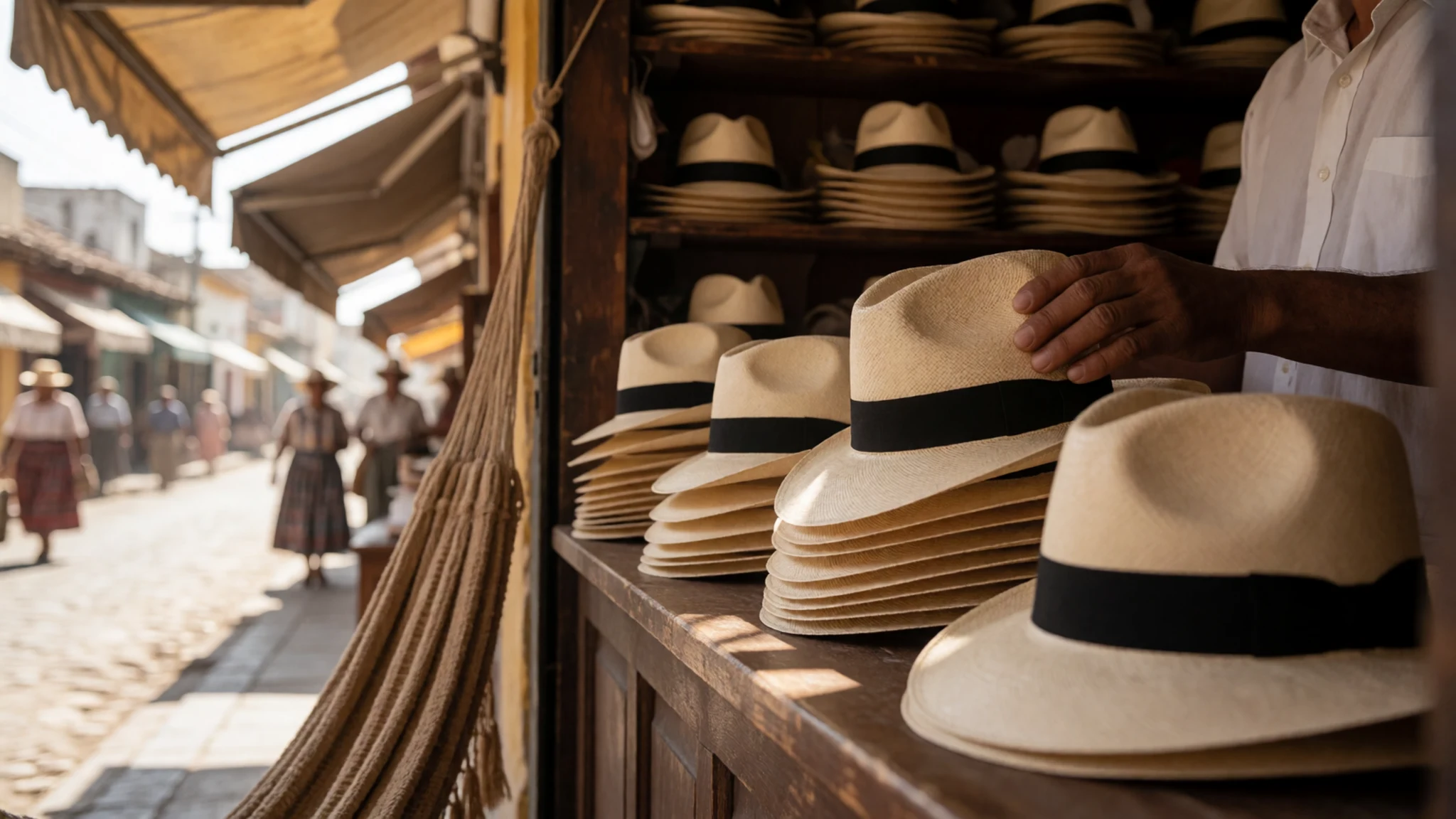
- Museo Arqueológico — An older, shabbier part of town
The Museo Arqueológico occupies a worn old building in a rather rough part of Montecristi, and its exhibits are modest. Treat it as a short stop for anyone curious about the region's early past, not a reason to travel. Opening arrangements change, so check the official town website before going.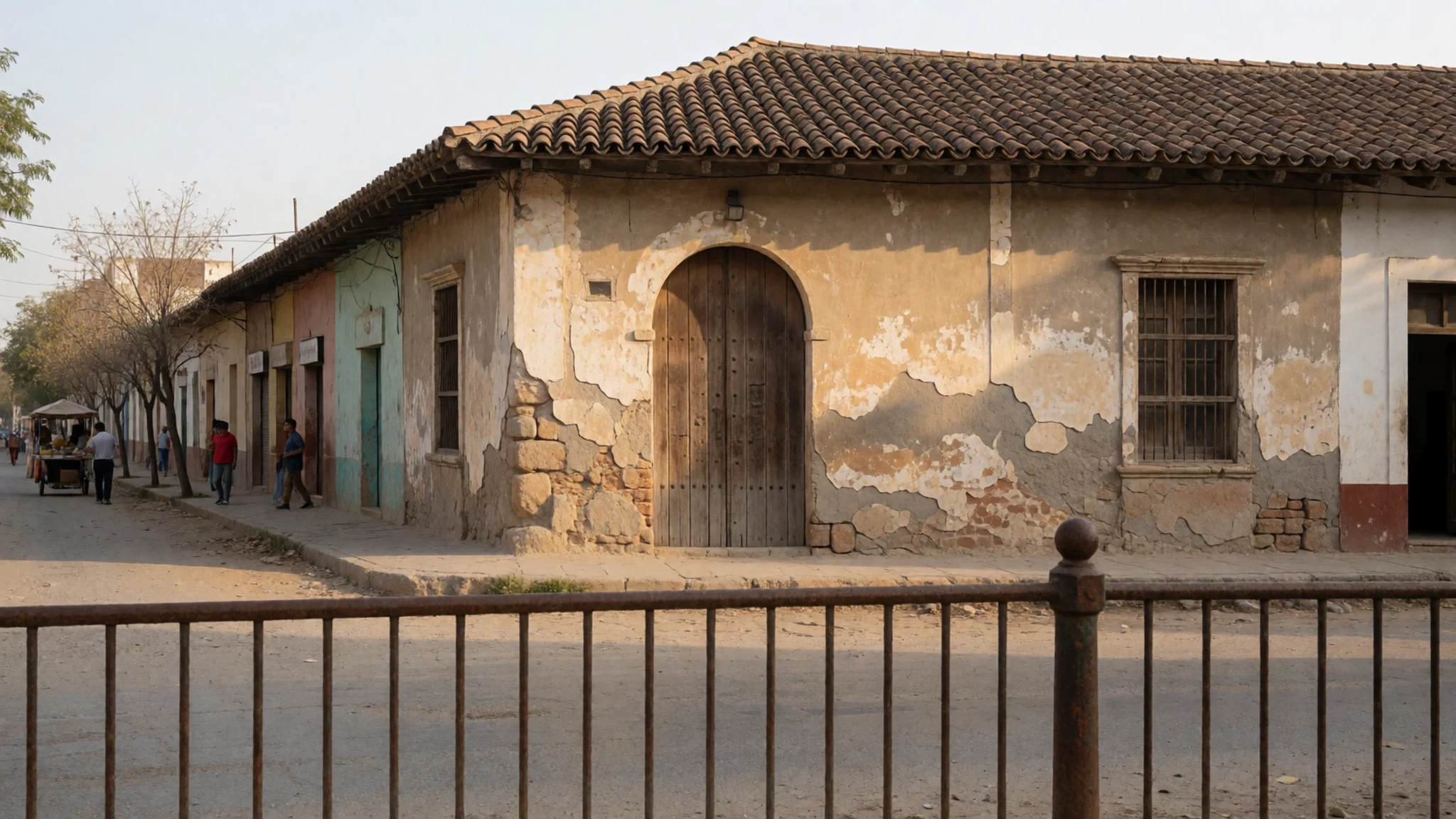
Culture
Montecristi's culture rests on three habits: weaving, devotion and civic memory. Weaving is the daily craft. Hats are plaited by hand from palm fibre, and the work is slow, so a fine hat is a serious purchase and shopkeepers expect questions about grade and weave. Devotion centres on the town's church and its saint, the Virgen de Monserrat. Once a year a pilgrimage brings thousands of Ecuadorians to pay their respects, and a visitor wanting a quiet look at the church is better off choosing another week. On ordinary days the church is a place where locals simply drop in.
Civic memory is the third strand. Eloy Alfaro is spoken of with local pride, and the museum at Ciudad Alfaro tells a wider story about Ecuador's indigenous peoples, the church and the state. Everyday manners are warm and unhurried. A greeting before a question is normal in the shops, and bargaining over a hat tends to be friendly rather than fierce. Tourist pricing does exist, so it helps to agree fares and prices before committing to them. Away from the main streets Montecristi is quiet, and the pace slows in the heat of the afternoon.
Ask before photographing weavers or worshippers, and keep your voice low and your shoulders covered inside the basilica.
What to wear
Montecristi's traditional dress belongs to the montubio, the coastal farming people of Manabí. For men it means a straw hat, a light cotton shirt, a neckerchief and trousers suited to field work, often with a machete in a sheath for rural tasks. Women's dress features fuller skirts and bright or embroidered cotton blouses. The straw hat is the signature piece, woven from toquilla palm fibre in the town itself. These outfits appear mostly at festivals, fairs and rural gatherings rather than on an ordinary weekday.
What people wear now is practical for heat: T-shirts, shorts or light trousers, football shirts, sandals and trainers, with a cap or a straw hat against the sun. Churchgoers dress a little more neatly, and older men are the most likely to wear a good hat as part of everyday dress.
A visitor should dress for an arid, sunny climate. Light, loose cotton or linen with long sleeves protects against the sun better than a vest, and a wide-brimmed hat is useful long before the shop where one gets bought. Wear closed, comfortable shoes for uneven pavements and the slope up to Ciudad Alfaro. For the basilica, cover shoulders and knees. Keep swimwear for the beaches near Manta, since Montecristi itself is a town for walking, not for the shore.
What to eat
- Bolón de verde — Morning stalls and small breakfast eateries around the markets
Bolón de verde is a ball of mashed green plantain, often mixed with cheese or pork crackling, served fried or boiled. It is the standard filling Manabí breakfast and goes well with coffee. Look for it at busy morning stalls where the turnover is quick.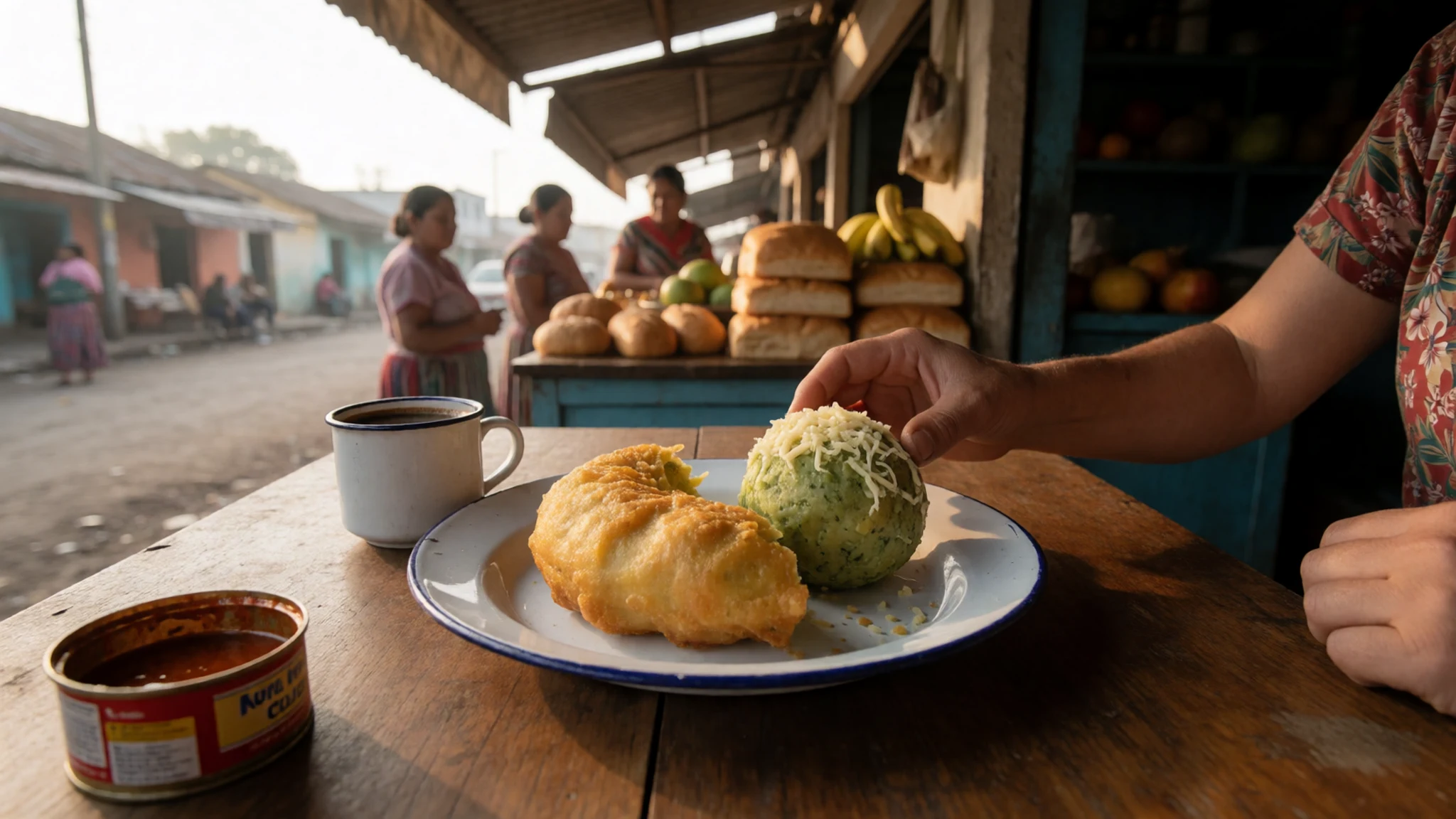
- Ceviche de camarón or pescado — Seafront eateries and markets in nearby Manta
Coastal ceviche here is lightly cured shrimp or fish in lime with onion and coriander, usually with plantain chips or popcorn on the side. Manta's waterfront and market eateries do it best, and a busy place with fast turnover is a sensible choice.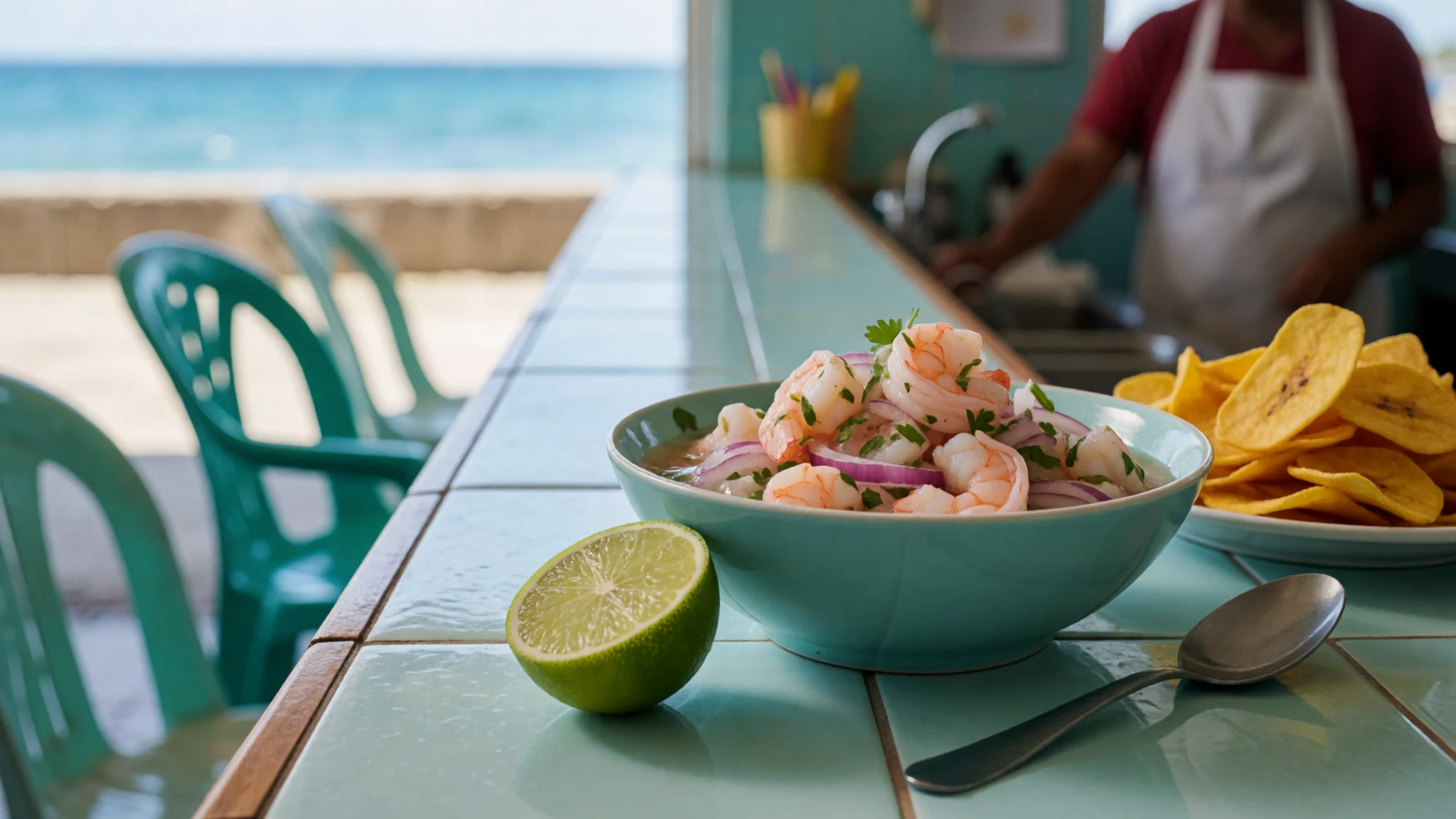
- Viche de pescado — Family eateries in Manta and Portoviejo
Viche is a thick Manabí fish soup built on peanut, plantain or cassava and fresh coriander. It is filling and mild, and the soup of choice for a long lunch away from the heat. Family-run eateries in Manta and Portoviejo are a better bet than the town itself. - Corviche — Street stalls and beach-side vendors near Manta
A corviche is a fried plantain dumpling stuffed with seasoned fish, served with a sharp peanut or chilli sauce. It is a cheap, portable snack. Buy from a stall that fries to order, ideally with a queue of locals. - Fresh bread and baked goods — Bakery counters and roadside sellers along the main road
Montecristi's roadside sellers and bakery counters offer bread and baked goods that suit a quick snack between sights. Pick a vendor who looks clean and busy. Fruit sold without a peel is best skipped, and drinks should come from sealed bottles.
Plan it
Best time. June to November is usually the more comfortable stretch, with drier, slightly cooler days. The climate is arid desert, so heat is the main issue, particularly in the early part of the year. Avoid the week of the annual pilgrimage unless the crowds are the point.
How long. 1
Getting there. Fly or take a bus to Manta, or to Portoviejo, the provincial capital. Montecristi is a short local bus or taxi ride from either, and the town sits at the foot of its hill.
Budget. low
Tips
- Go in the morning, when the heat is lower and the shops are open.
- Carry small notes for hat shops, snacks and local buses.
- Drink only sealed bottled water and avoid ice.
- Plan lunch in Manta or Portoviejo, where the eating is better.
- Check Ciudad Alfaro and museum opening on the official site, https://www.montecristi.gob.ec/.
Etiquette
- Greet shopkeepers before asking prices, and bargain politely.
- Cover shoulders and knees inside the basilica.
- Ask before photographing people at work or at prayer.
Nearby
Sources
- Wikidata Q1014493 (CC0)
- Wikipedia: Montecristi, Ecuador (rev 1376839868) (CC BY-SA 4.0)
- Wikivoyage: Montecristi (rev 5431093) (CC BY-SA 4.0)
- Photo: Vista panoramica de Montecristi, Fernando Locatelli (CC BY 3.0)
- Photo: Panorama of Montecristi from Ciudad Alfaro, Sylvain2803 (CC BY-SA 1.0)
- Photo: Southern Partnership Station 2011 gift presentation, U.S. Department of Defense (Public domain)
- Photo: Calle Cuerpo de Bomberos (Montecristi), Ruysdael Chinga (CC BY 3.0)
- Photo: M Montecristi 9508 004, Diego Tirira (CC BY-SA 2.0)
- Photo: M Montecristi 9508 005, Diego Tirira (CC BY-SA 2.0)
- Photo: Mausoleo de Alfaro, Montecristi, Ministerio Cultura y Patrimonio (CC BY-SA 4.0)
- Photo: Mausoleo de Eloy Alfaro, Montecristi, Ministerio Cultura y Patrimonio (CC BY-SA 4.0)


