Oregon Caves
Oregon Caves, United States
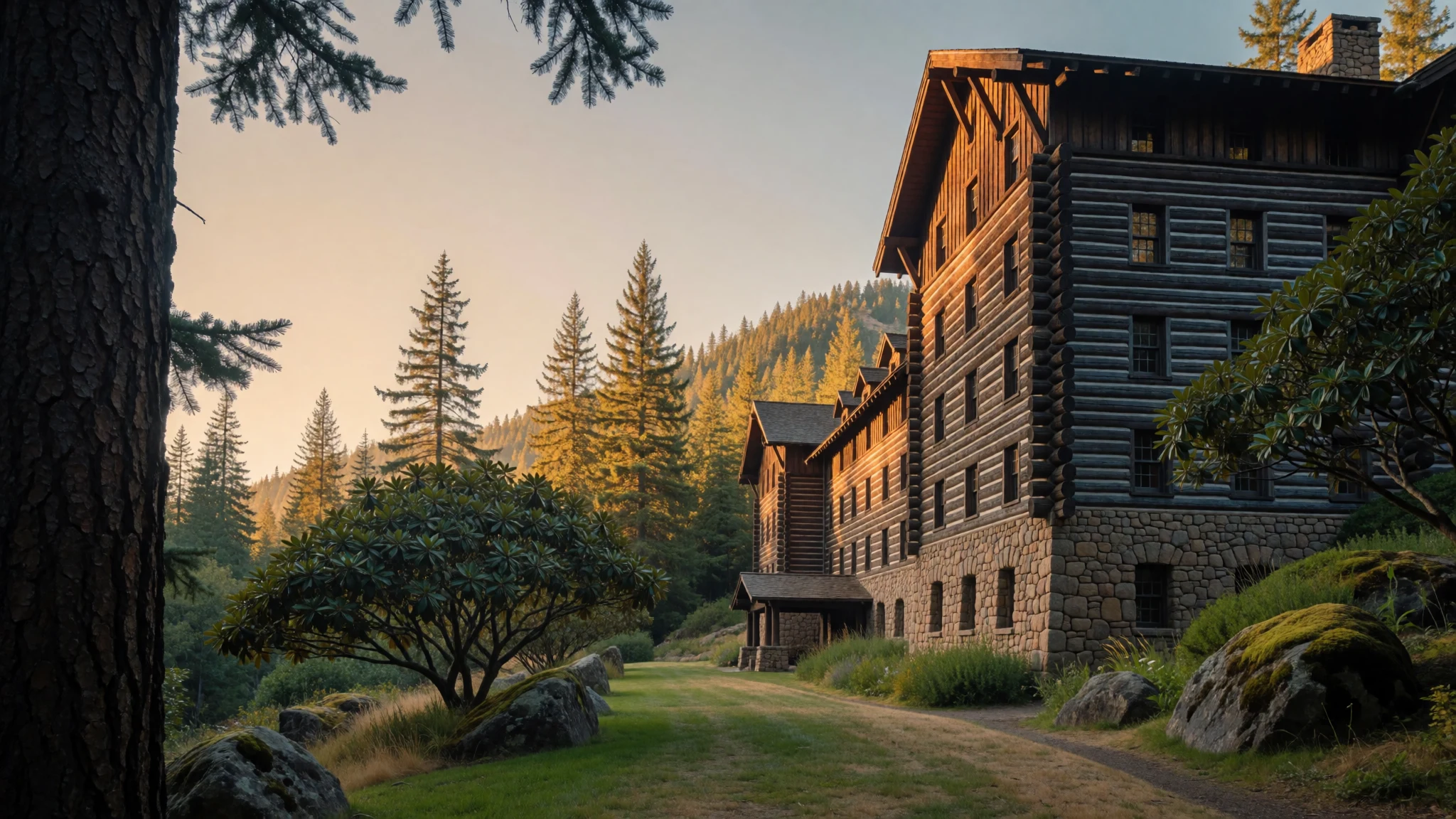
Oregon Caves is a cool marble cave under a forested Siskiyou ridge, explored on a ranger-led climb through narrow passages and domed rooms.
The place
Oregon Caves National Monument and Preserve sits in the northern Siskiyou Mountains of south-western Oregon, in Josephine County and close to the California border. The marble cave at its heart is reached by Oregon Route 46, a winding mountain road that climbs east from Cave Junction, about 32 km away. Cave Junction is the only town that can be reached from the park, so supplies and fuel are best sorted out there. The protected land stands between about 1,120 m and 1,670 m above sea level, which makes it cool, wooded country rather than desert or coast. The Pacific is near enough to soften the weather: winter temperatures run roughly from -19 to 20 °C, summer from 0 to 41 °C, and the wettest months are December and January. Inside the cave the temperature hardly moves from about 7 °C, whatever the season outside. The National Park Service manages the site. It was set aside in 1909 and enlarged in 2014, when the surrounding forest was added and the name gained its "and Preserve" ending. Most people come for the guided cave tour, but the ridge above has trails, old-growth shade and a small cluster of rustic buildings near the entrance, including a lodge called the Chateau and a visitor centre. The setting is remote, the road is slow, and the whole visit tends to feel like a day in the mountains with an underground chapter in the middle.
Its story
Oregon Caves lies in country that was slow to draw outsiders. Archaeologists think people reached south-western Oregon at least 8,500 years ago, living first as mobile hunters and gatherers and later in settled villages beside streams. The Takelma, whose homeland in the 1800s took in the Rogue and Applegate valleys, are among the peoples of the region, yet nothing found so far shows that any of them entered the cave. Newcomers arrived in numbers only after gold turned up near Jacksonville in 1851, and mining camps and farms soon produced new counties, Josephine among them. Elijah Davidson, whose family had come west from Illinois and settled at Williams, is credited with finding the cave in 1874. A trickle of visitors followed, including Thomas Condon, a geology professor at the University of Oregon. Private investors tried to turn the site into a paying attraction, but none made it work. Federal protection came in 1909, when President William Howard Taft used the new Antiquities Act to create a national monument under the Forest Service. Cars and paved roads, together with booster campaigns from Grants Pass, pushed visitor numbers up from the late 1920s. The National Park Service took charge in 1933, and the Chateau, a rustic six-storey lodge, opened in 1934. In 2014 the protected area grew and was renamed a monument and preserve.
What to see
- General cave tour — Inside the cave, starting from the Chalet visitor centre
The standard ranger-led walk runs about 90 minutes through roughly 1 km of marble passages and rooms. It is called moderately strenuous for good reason: more than 500 stairs, a total climb of about 70 m, and several stretches where heads must go down. Tickets are booked through Recreation.gov.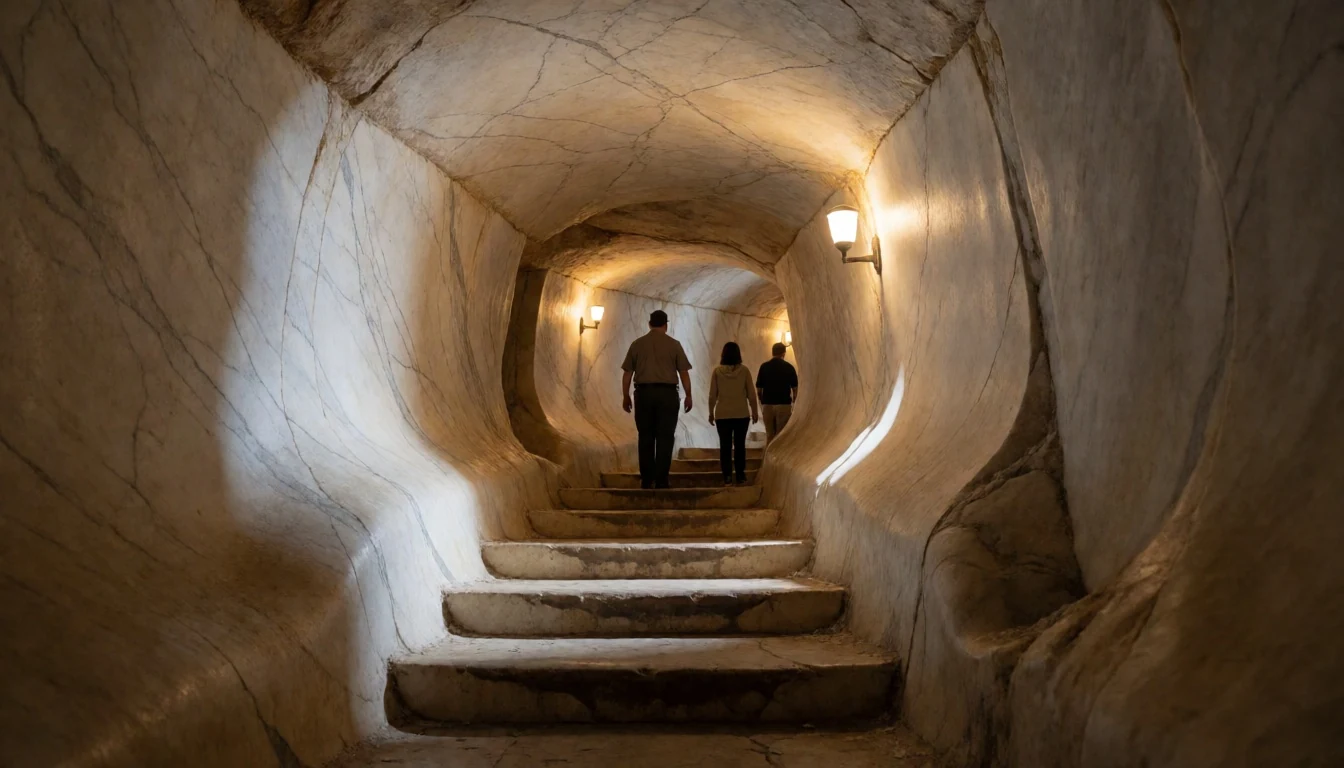
- Miller's Chapel — Along the guided cave route
One of the cave's rooms where large formations gather, with a column and a stalactite as its centrepiece. The tour guide stops here to explain how water and dissolved minerals shape marble over time. Photographs from this part of the route tend to be the ones people keep.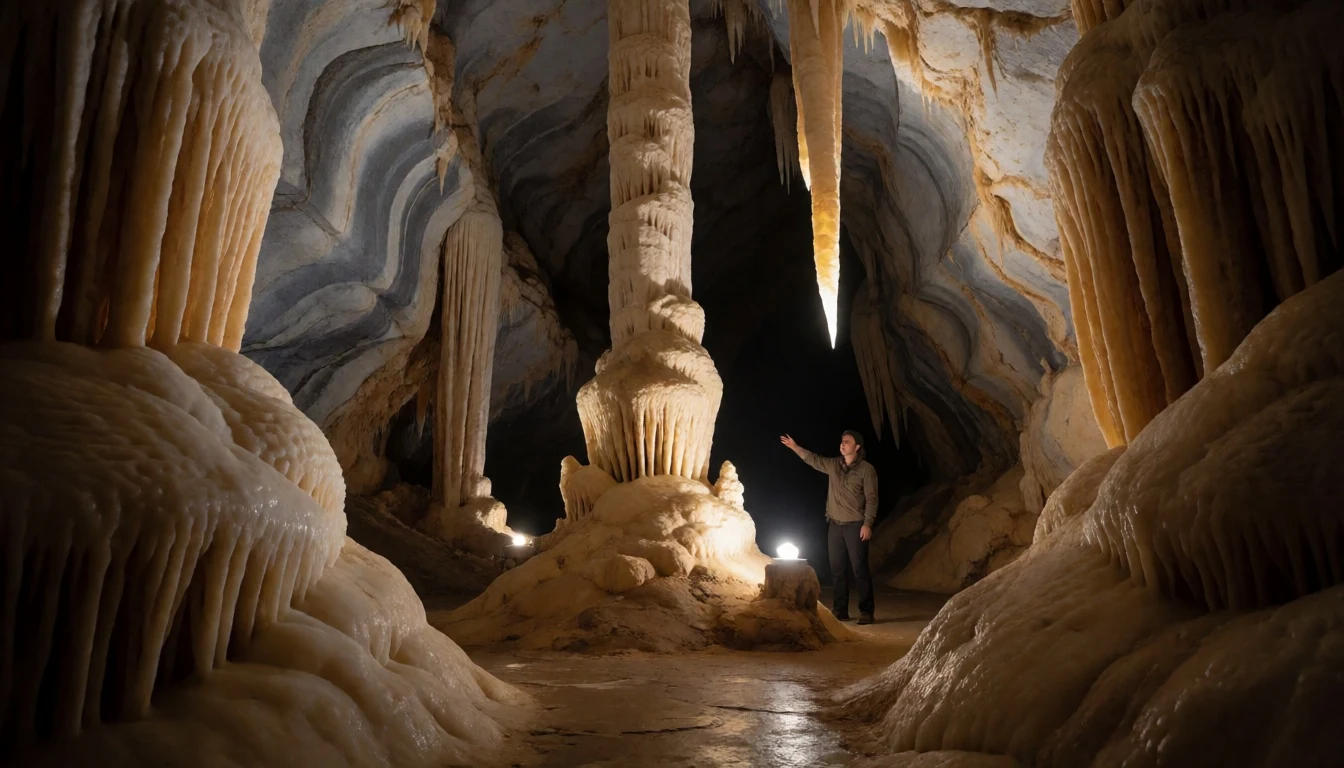
- Candlelight and off-trail tours — Inside the cave, from the visitor centre
Extra tours add variety for repeat visitors. The candlelight tour follows the usual route with the electric lights off and lanterns in hand, while the off-trail tour leaves the paved path in small groups, in summer only. Both need advance planning, so check the official site for dates and booking.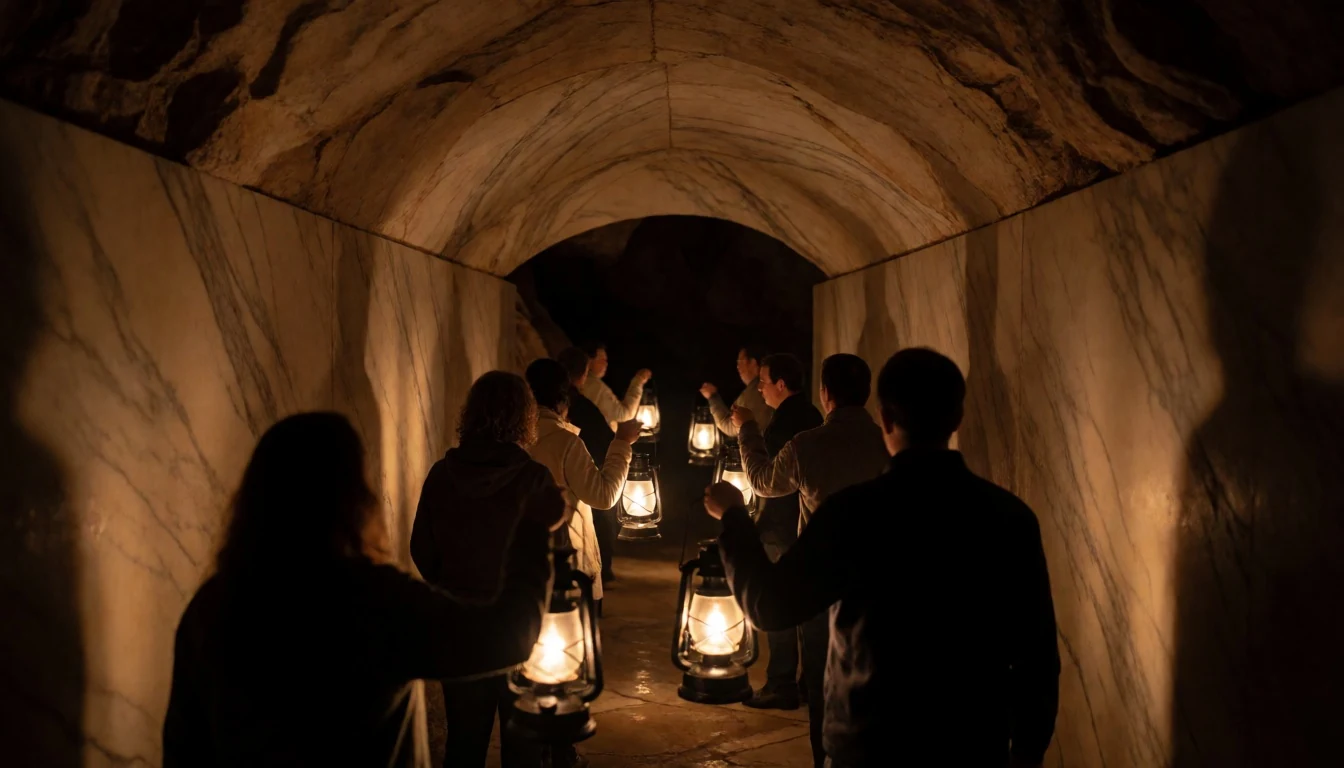
- Chalet Visitor Centre — Beside the Chateau, near the cave entrance
Built in 1924 beside the Chateau, this is where cave tours begin. It holds exhibits on the cave, a shop, and the desk for tour reservations. Arrive early, since the centre opens only when the cave is running tours, and the staff can say whether the weather has changed the plan.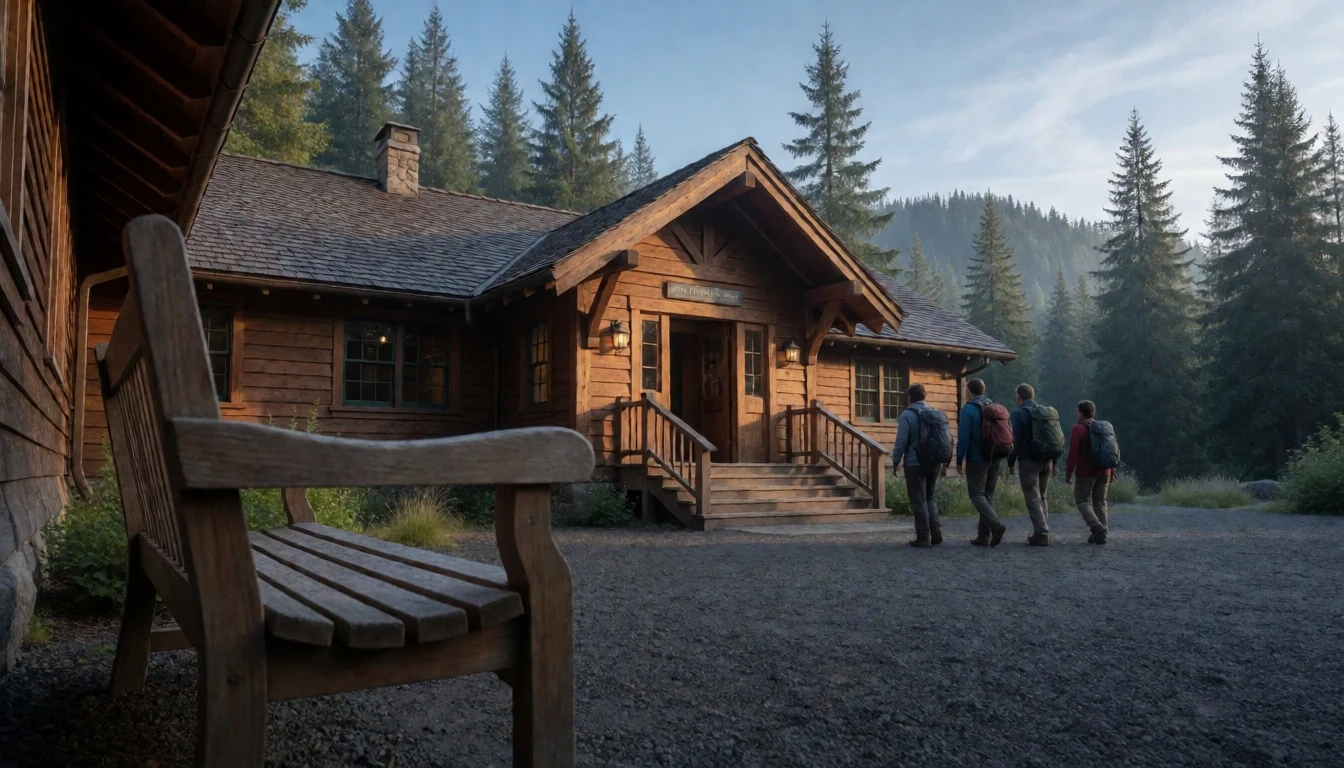
- Oregon Caves Chateau — Near the cave entrance
A six-storey lodge in rustic timber style, finished in 1934 and now a National Historic Landmark within the monument's historic district. Visitors who are not staying can still walk around it, look at the construction and the setting, and see why the building is protected in its own right.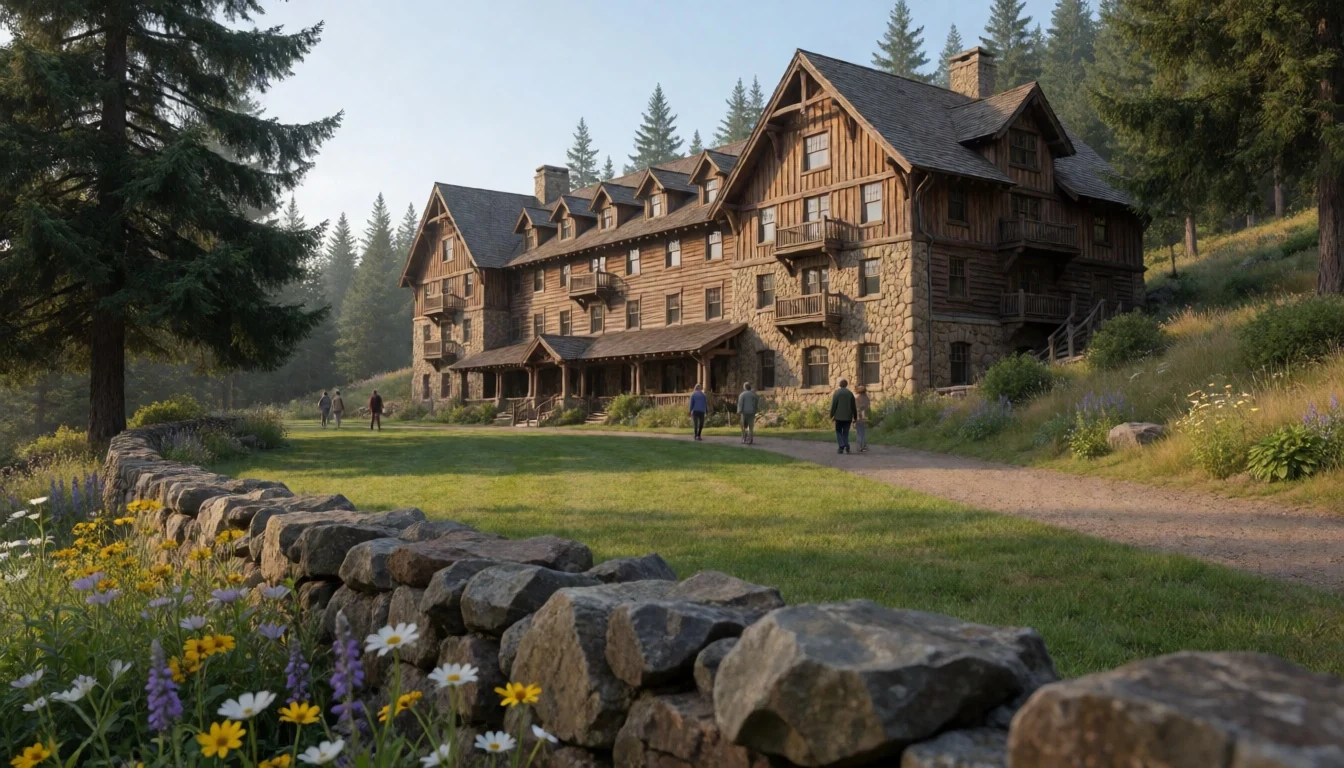
- Illinois Valley Visitor Centre — Cave Junction, about 32 km west of the park
A useful stop on the way up, in Cave Junction, run under contract with the National Park Service. Staff here can pass on current tour information and conditions on the road, which matters when snow or a schedule change might alter the day. It saves a long drive for nothing.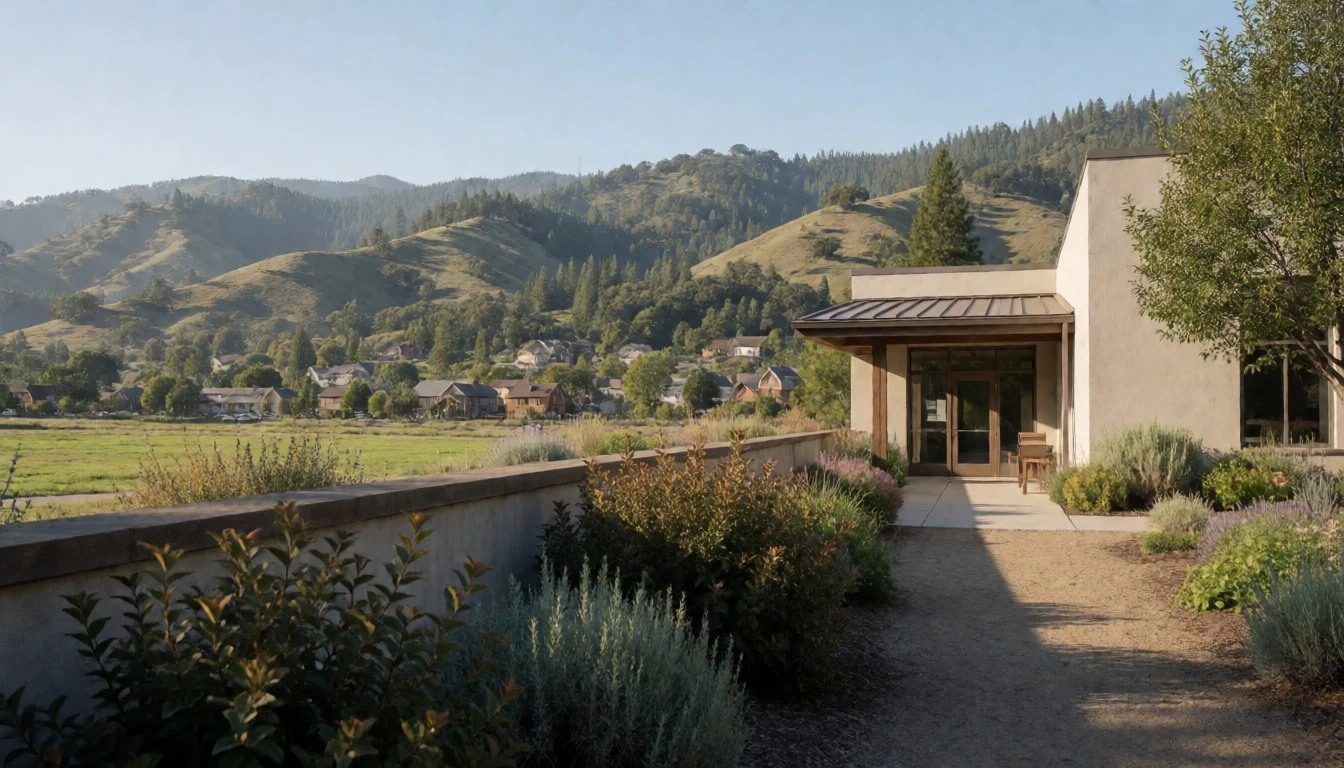
Culture
Oregon Caves has a culture built around guided exploration rather than around a living town or temple. The people most visitors meet are National Park Service rangers, whose tours mix geology, local history and plenty of stair-climbing humour. The site also carries the story of the early twentieth century, when a remote cave was turned into a destination for motorists, with a rustic lodge in the Chateau, a 1930s snack bar and a visitor building from 1924 still part of the experience. The wider region has been home to Indigenous peoples for thousands of years, including the Takelma, although no evidence links them to the cave itself, and an honest reading keeps those two stories apart. Nearby Cave Junction and the Illinois Valley are small, practical communities that support the park with information and supplies. The mood is relaxed, outdoorsy and a little old-fashioned. People talk quietly on the tour, help one another on the stairs, and follow the guide's lead on where to stand. Families come, but the full tour has a height and fitness test for children, and the park advises against it for anyone with heart, lung or mobility problems. Rules about the cave are firm because the formations grow so slowly and are easily damaged. Keep your hands off the marble walls and formations, and stay on the marked path, because even a light touch leaves oils that harm the rock.
What to wear
Oregon Caves has no dress tradition of its own. The site is a protected cave and forest, not a town, and the brief records no costume tied to it, so any claim about traditional textiles here would be guesswork. The surrounding region's Indigenous peoples, including the Takelma, had their own clothing, but that history belongs to their own communities and museums rather than to this park. What people wear now is plain outdoor kit: fleece, waterproof shells, jeans or hiking trousers, caps and sturdy boots. Rangers wear the familiar National Park Service uniform, which makes them easy to find at the visitor centre. For a visit, dress for a cave and a mountain at once. Inside, the air stays at about 7 °C all year, so a warm mid-layer is wise even when the forest car park is hot, and summer days outside can reach about 32 °C. Wear shoes with good grip, because the 500 or so steps and passages are uneven and can be damp. Clothes that stretch help in the low sections, where visitors stoop. Keep bags small and leave anything bulky in the car. In winter, layers, a hat and gloves matter, and a rain jacket is useful in every season given the heavy precipitation. There are no dress codes for modesty here.
What to eat
- Burger and chips — The snack bar beside the Chateau
The classic snack-bar order after a long climb underground. Burgers and similar quick food are served in a building from the 1930s, which is part of the charm, and the portions suit hungry walkers coming up from a cool cave.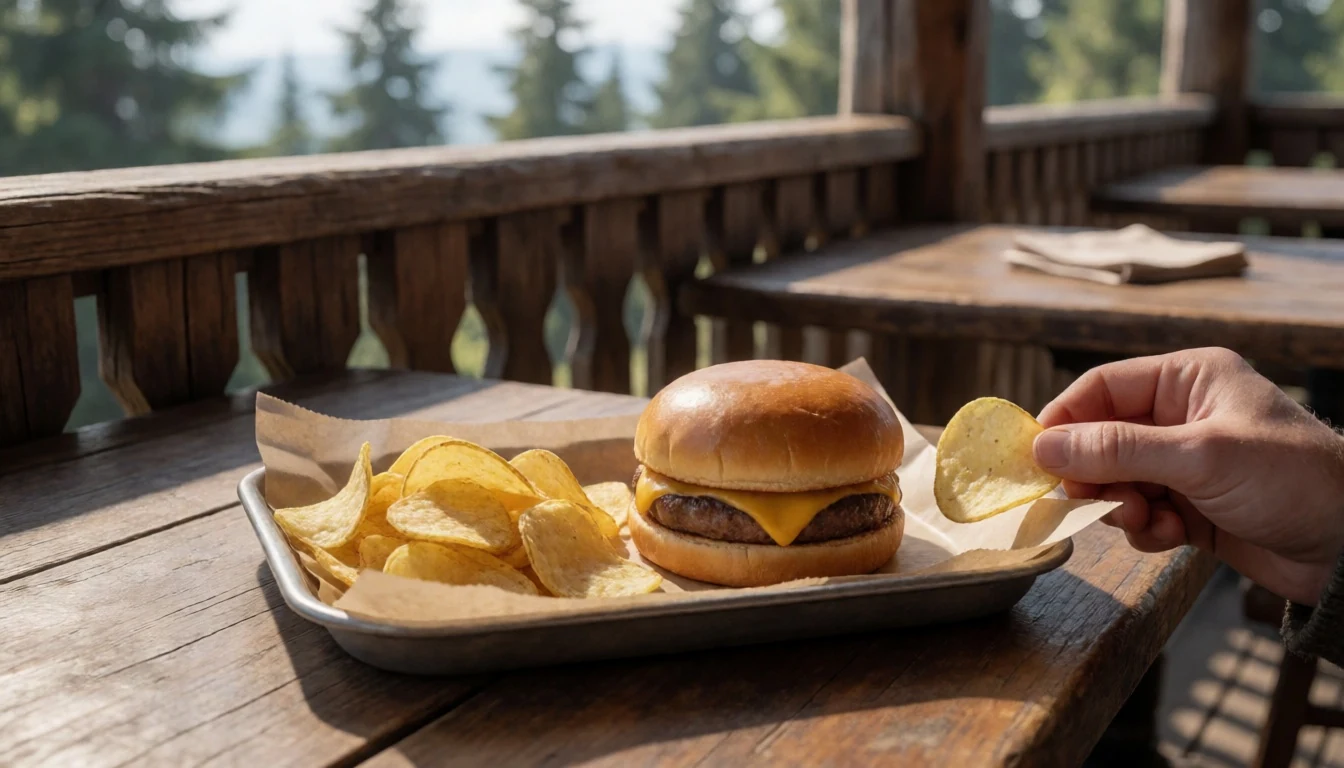
- Milkshake — The snack bar near the cave entrance
Shakes are part of the snack-bar menu and make a sensible reward on a warm afternoon. Eating one on the porch with the forest around is a small ritual of the visit, and it needs no booking or planning.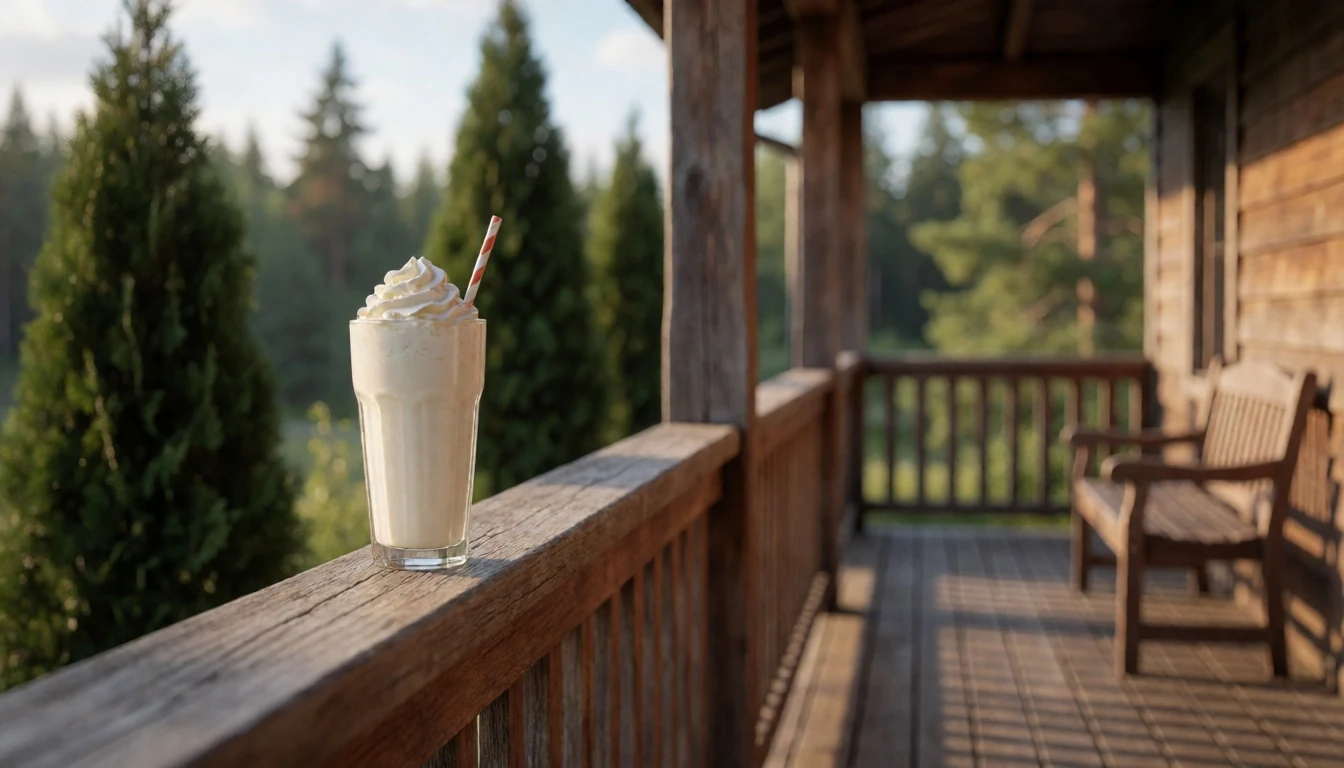
- Seasonal dinner with local produce — The dining room inside the Chateau
The Chateau dining room has an upscale feel and leans on locally grown ingredients, so the menu follows what the region's farms provide. Check the official site for opening and booking before relying on it, since the schedule follows the season. - Picnic from Cave Junction — Shops and small eateries in Cave Junction
With few places to eat near the cave, many visitors pack sandwiches, fruit and drinks from shops in the last town before the climb. Picnic spots in the surrounding forest are pleasant, and a packed lunch keeps the day flexible when tour times shift. - Hot drink after the tour — Around the Chalet and Chateau area
The cave is cold, so tea or coffee at the end of the climb is welcome, and cold fingers warm up quickly. Look for a drink at the visitor centre area or at the snack bar, depending on what is open that day.
Plan it
Best time. May–June and September–October for cave tours with mild forest weather; tours usually run from mid-April to early November, with spring and autumn schedules depending on weather. Summer reaches about 32 °C outside, while winter can close the road with snow.
How long. 1–2
Getting there. Fly or drive into southern Oregon, then follow Oregon Route 46 east from Cave Junction for about 32 km; this winding mountain road is the only access. Trailers and RVs are not recommended beyond milepost 12.
Budget. mid
Tips
- Book cave tickets online through Recreation.gov, and check the official site (https://www.nps.gov/orca/index.htm) for dates, since tours depend on the season and weather
- Bring a warm layer, because the cave stays at about 7 °C and the tour includes more than 500 steep, uneven steps
- Fill the fuel tank and buy food in Cave Junction, as it is the only town reachable from the park
- Children under 110 cm or unable to climb a test stair alone are not allowed on the full tour, and the park advises against it for people with heart, lung or mobility problems
- The National Park Service maintains the Cave Creek Campground within the preserve
Etiquette
- Stay on the marked path and keep your hands off the cave walls and formations
- Follow the ranger's instructions, and keep your voice low in narrow passages
- Take rubbish out with you, in the cave and on the forest trails
Nearby
Sources
- Wikidata Q1187702 (CC0)
- Wikipedia: Oregon Caves National Monument and Preserve (rev 1385997933) (CC BY-SA 4.0)
- Wikivoyage: Oregon Caves National Monument (rev 5238894) (CC BY-SA 4.0)
- Photo: Oregon Caves (David Monniaux) (CC BY 3.0)
- Photo: Paradise Lost (Oregon Caves) (CC BY 2.5)
- Photo: Relief location map of the USA (Uwe Dedering) (CC BY 3.0)
- Photo: Oregon Caves cave map (National Park Service; Finetooth) (CC BY 3.0)
- Photo: Thomas Condon of Oregon (Public domain)
- Photo: Oregon Caves Chateau (Acroterion) (CC BY 3.0)
- Photo: Miller's Chapel (Oregon Caves) (CC BY 2.5)
- Photo: Calcite Crystals (Oregon Caves) (CC BY 2.5)


