Onotoa
Onotoa, Kiribati

Onotoa is a quiet Pacific atoll of lagoon, reef and palm-lined villages, for travellers who want island life with no resort in sight.
The place
Onotoa is an atoll in the southern Gilbert Islands of Kiribati, a ring of reef and sand sitting almost on the Equator in the middle of the Pacific. The facts block gives its population as 1,417, spread across seven villages that run along the lagoon side of the island rather than the ocean side. From the air the shape is clear. The eastern edge is an almost unbroken strip of islets facing the open ocean, while the western side is mostly a submerged reef, with the lagoon inside it scattered with small islets. Land is narrow and flat, so the ocean is never far away, and the horizon is the only high ground.
The villages, from south to north, are Tabuarorae, Aiaki, Otoae, Temao, Buariki, Tanaeang and Tekawa. Causeways now join islets that once needed a boat or a wade at low tide, so most of the settled land can be covered on foot, by bicycle or in a vehicle. Services are spread out along that line. The airstrip is near Tekawa in the north, the boat channel and wharf are at Tabuarorae in the south, and the junior secondary school and the council offices sit in between.
This is not a resort island. Visitors should expect simple lodging arranged through local contacts, limited shops, and a daily rhythm set by tides, fishing and church. The heat is constant and the sun is strong, though the sea breeze helps. Onotoa suits patient travellers who are happy with little to do except walk, swim, paddle and talk. The Gilbert Islands keep Pacific/Tarawa time, and the Equator runs close by, so day length barely changes through the year.
Its story
Onotoa has a thin written record, and what survives mostly comes from outsiders passing through, so this account is brief. Long before any ship appeared, the atoll was home to I-Kiribati, the Micronesian people of the Gilbert chain, who lived by fishing the lagoon and reef, harvesting coconut and pandanus, and growing hardy crops in pits dug down to the fresh water lens. Their own history was carried in genealogy, song and dance rather than in documents, and much of it stays with families and elders.
The first European sighting on record was in the early nineteenth century, when the captain of the British whaling ship John Palmer saw the atoll, followed shortly after by the captain of an American whaler, the Japan. Whaling vessels roamed this part of the Pacific looking for hunting grounds and fresh supplies, and the Gilberts were one of many chains they crossed. The wider island group takes its name from Thomas Gilbert, an eighteenth-century British mariner who sailed through it and explored some of its islands in depth.
A post office opened on Onotoa around the early twentieth century, a small sign of the atoll being drawn into colonial administration and the wider postal network of the Pacific. In more recent times, the story has been about connection on the island itself. Causeways now join the southern islets to the rest of the land, and a grass airstrip at the northern end links Onotoa with Tarawa, the national capital. Like all of Kiribati, Onotoa faces a future shaped by rising seas, and that concern is part of everyday conversation here.
What to see
- The atoll from the air — Flight approach to Onotoa Airport
The approach flight shows Onotoa's structure better than anything on the ground. A ring of reef encloses a lagoon of changing blues, with a continuous green strip of islets on the ocean side and scattered islets inside. Ask for a window seat, and bring a camera ready for pale water against dark reef.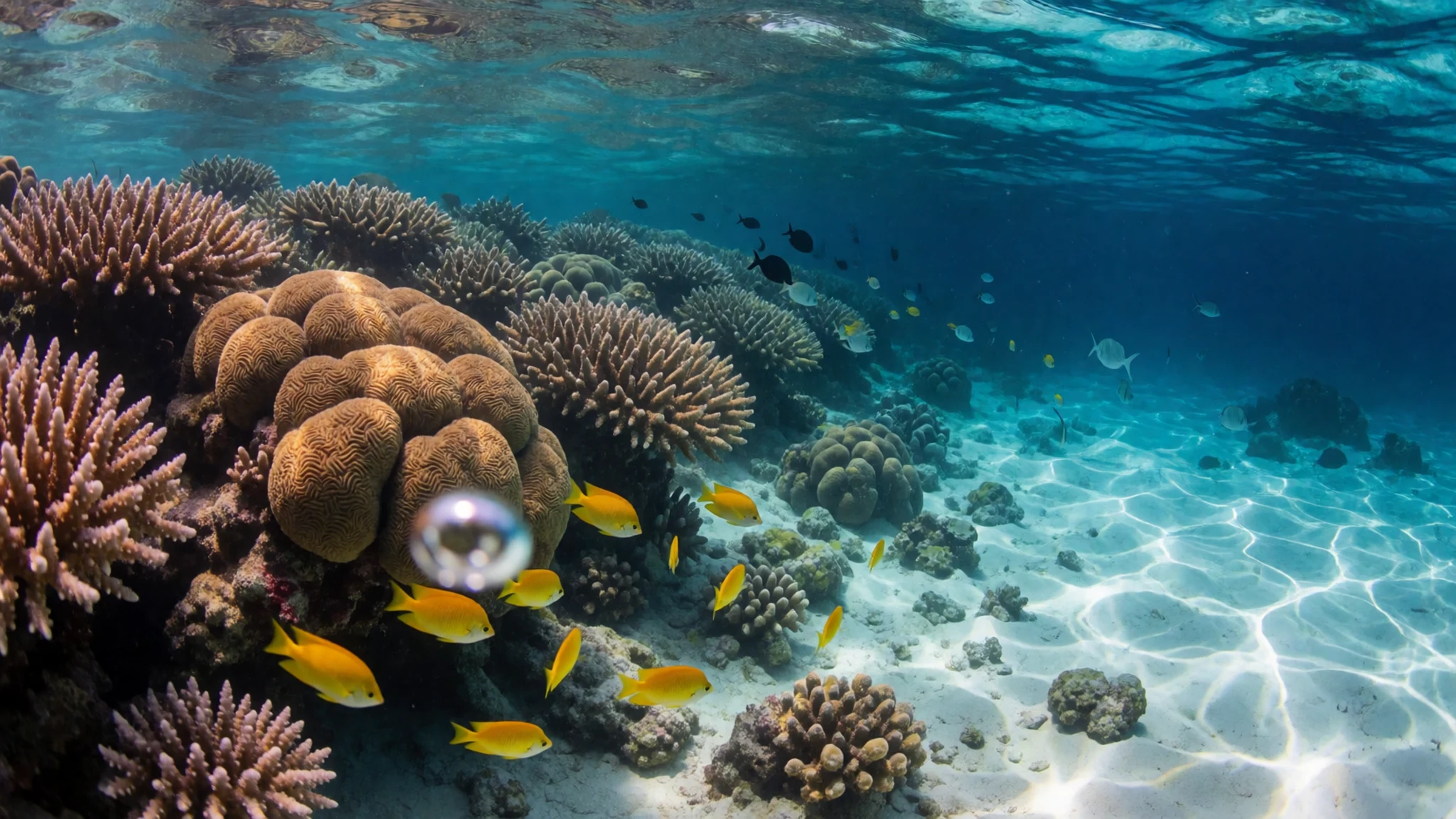
- Lagoon shore villages — Along the lagoon coast, Tabuarorae to Tekawa
The seven villages all face the lagoon, so a walk or cycle from one to the next shows daily life: houses with open sides, pandanus mats, fishing gear drying and children swimming in the shallows. Greet people, move slowly and accept the pace of the place.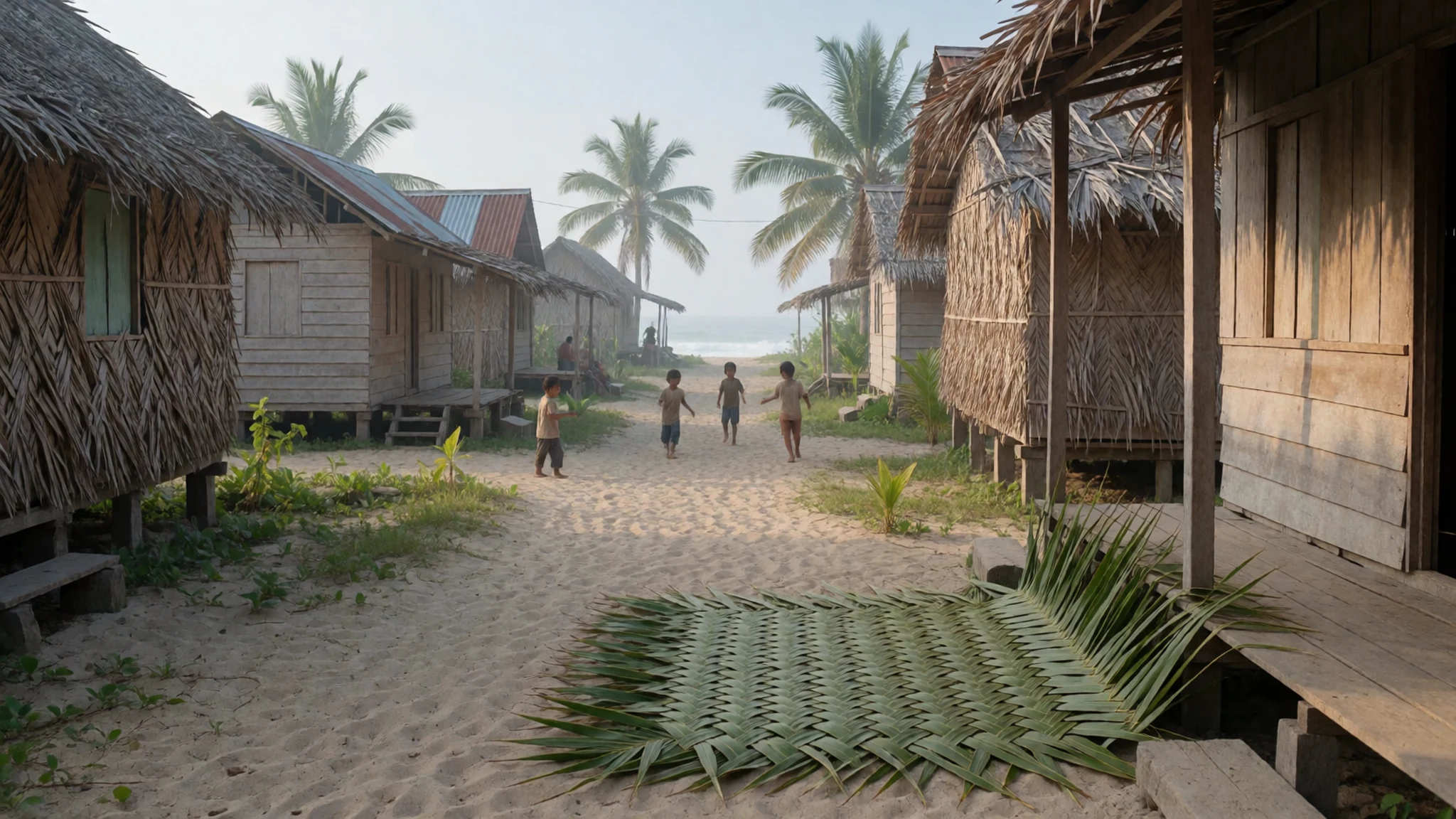
- Causeways between the islets — Temao to Aiaki and Tabuarorae
The causeways from Temao towards Aiaki, and out to Tabuarorae, tie the south together. They make easy walking at dawn or dusk, with lagoon on one side and reef or open ocean on the other. Tides change the colour and sound of the water noticeably.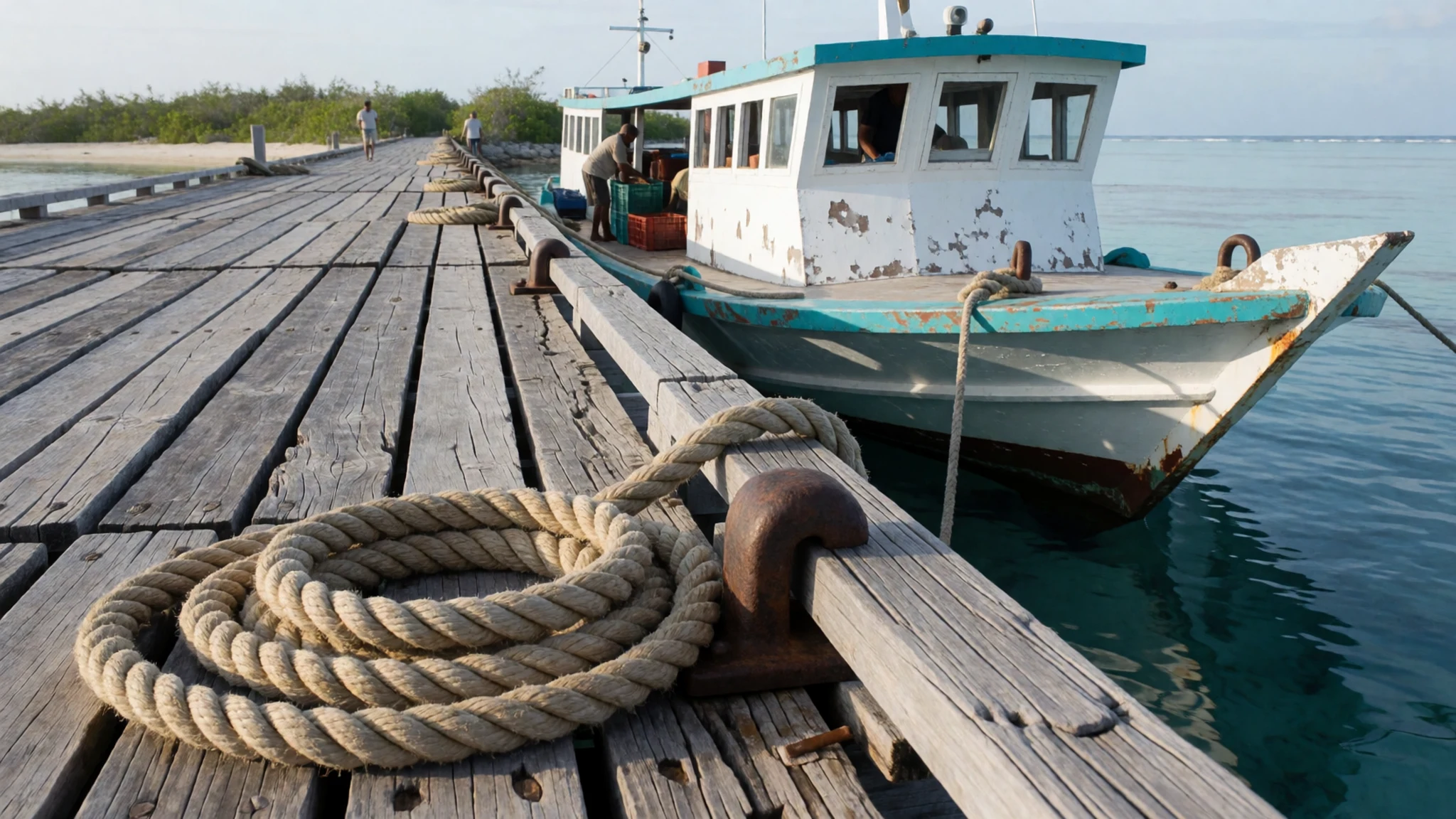
- The boat channel and wharf — Tabuarorae, southern end
At the southern islet of Tabuarorae, the boat channel and wharf are where supplies and people arrive by sea. Watching small boats work the gap in the reef shows how the island lives, and also how much it depends on weather and tide.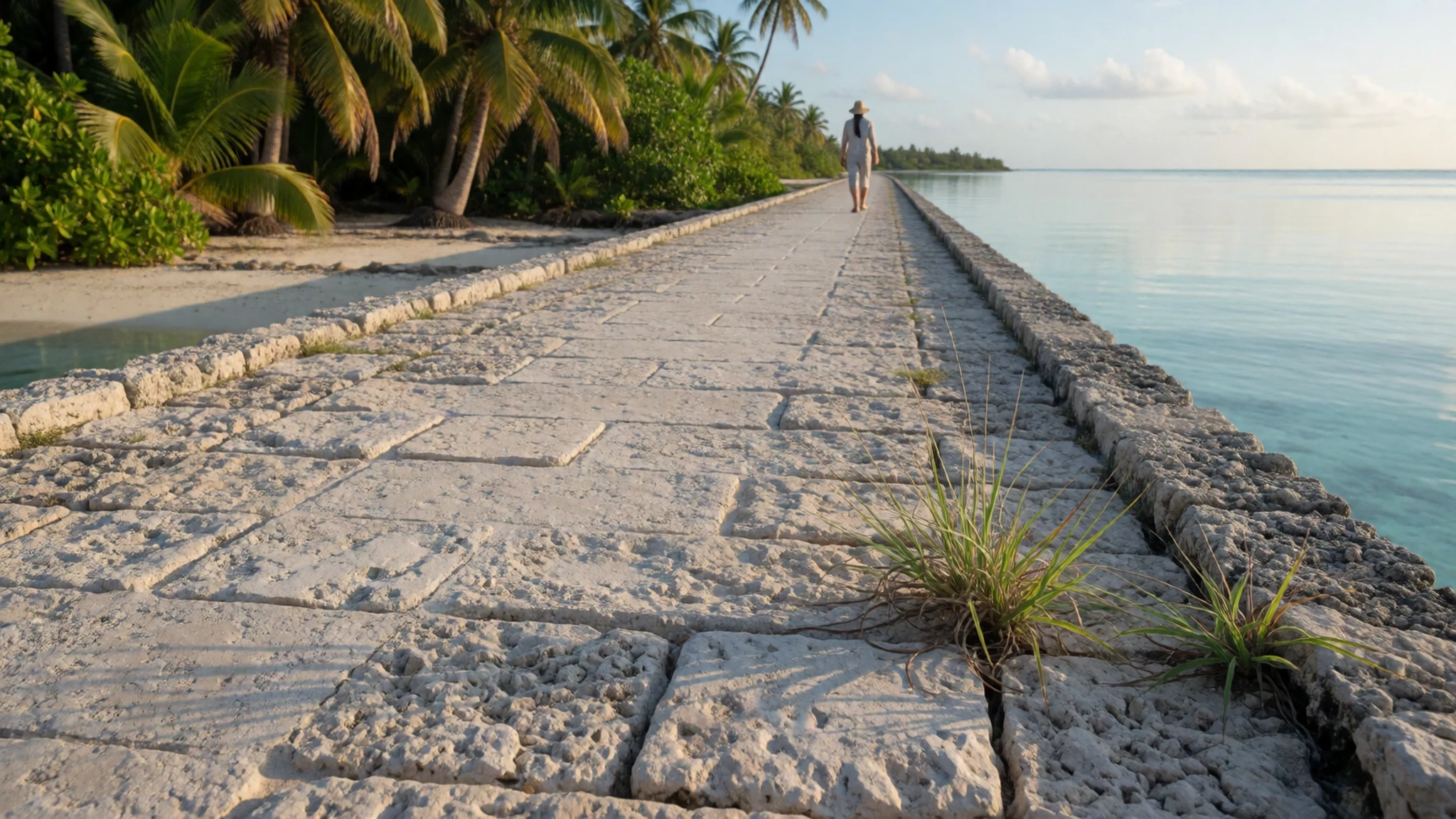
- The eastern ocean shore — Ocean side of the atoll
The eastern side of Onotoa is a continuous line of islets facing open Pacific swell. The sea here is rough, with surf breaking on the reef, and not for casual swimming. It is a good place for a quiet walk and a sense of how isolated the atoll is.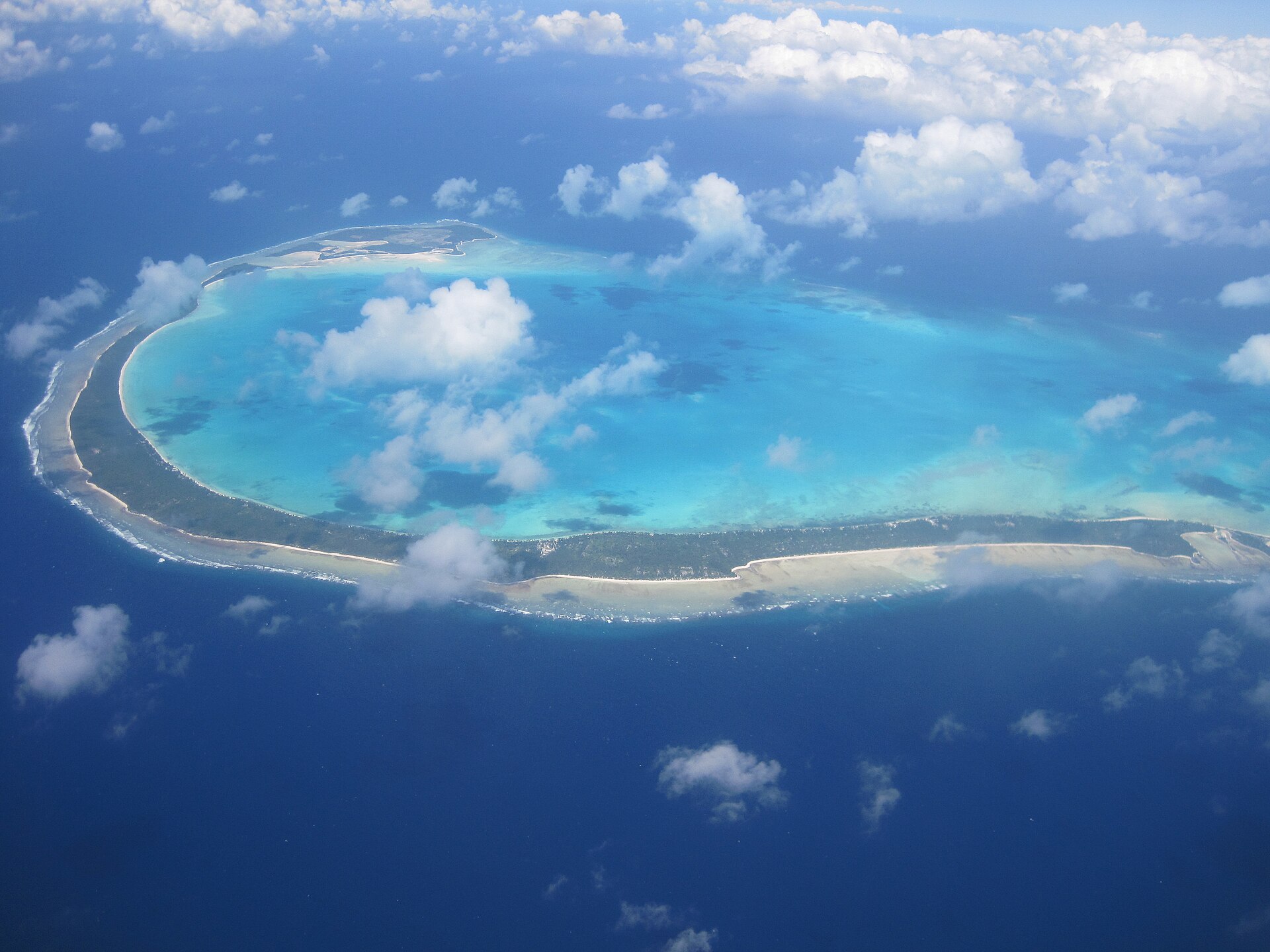
Culture
Onotoa's culture is that of the southern Gilberts, where family, church and the community meeting house shape daily life. I-Kiribati are generally relaxed and welcoming, and a smile, a handshake and a few words of the local language go a long way. The usual greeting is mauri, and learning it is appreciated.
Most people are Christian, and Sunday is quiet. Church services, hymn singing and family meals take priority, and shops and activities slow down. The maneaba, the large open-sided meeting house, is the centre of village decisions, ceremonies and hospitality. Seating has traditional meaning, and visitors should wait to be shown where to sit rather than choosing a spot.
Traditional skills are still part of life. People weave pandanus into mats and baskets, fish with local methods, and tap coconut palms for sap. Dance and song, often learned from childhood, are an important expression of identity, though what visitors see depends on whether a gathering is taking place.
Life here is shared, and generosity is expected both ways. Small gifts of useful items, such as rice, fishing line or school supplies, are often more welcome than money, and it is better to ask the host what is needed. Pace matters too: schedules are loose, plans change with weather and boats, and patience is part of the visit.
Before photographing people or entering a maneaba, ask permission, and dress modestly in villages, covering shoulders and knees even on the beach.
What to wear
Traditional dress in Kiribati used woven plant fibres. Skirts called te riri were made from strips of coconut or pandanus leaf, and mats and belts of pandanus were worn for ceremonies. Today these appear mostly at dance performances and celebrations, often with garlands of flowers or shell, and they are made by skilled weavers rather than worn daily.
Everyday clothing on Onotoa is light, practical and modest. Women commonly wear dresses or blouses with a wrap skirt, and men wear shorts or a wrap with a shirt. On Sundays people dress up for church: bright, clean clothes, often matching in a family. Many clothes are imported and second-hand, and printed cotton is common because it dries quickly in the heat. Bare feet and flip-flops are normal around the house and village.
Visitors should pack for heat, humidity and sun while respecting local modesty. Loose cotton or linen shirts, long shorts or a sarong, and a light long-sleeved top for sun protection work well. Swimwear is fine on the beach or in the water, but cover up when walking through villages. Women especially should avoid very short skirts or revealing tops, and men should keep shirts on away from the shore.
Bring a wide-brimmed hat, reef shoes for walking on coral and in the lagoon, sandals for the village, and sunglasses. A light rain jacket is useful in the wetter months. Remember that clothes may stay damp, so bring a few quick-drying items.
What to eat
- Grilled or raw reef fish — Village homes and shared meals, lagoon shore at the day's catch
Fish is the main protein on Onotoa, caught in the lagoon or off the reef and cooked simply over a fire or eaten raw with coconut or lime. It is best eaten fresh, soon after landing.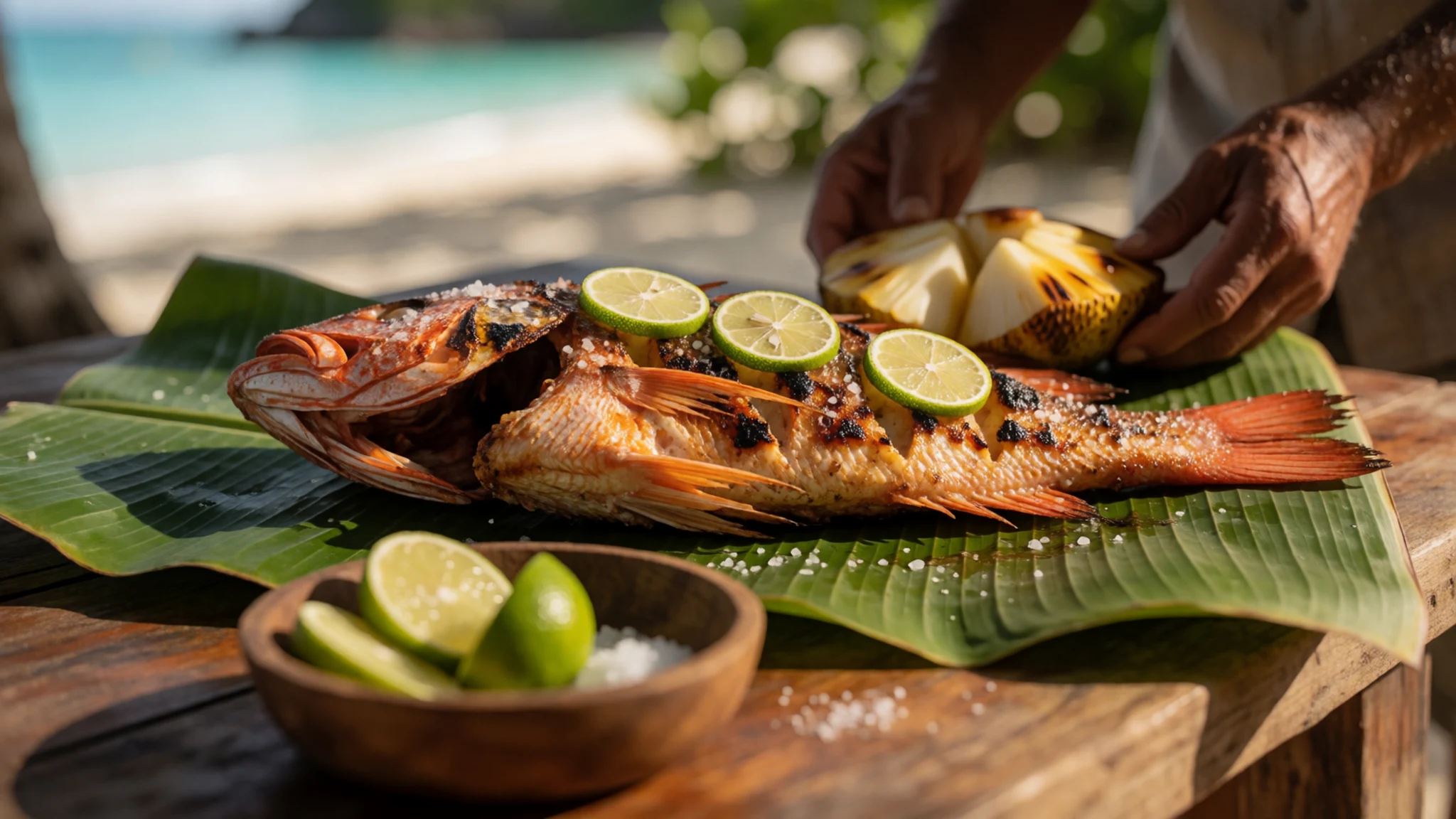
- Coconut in every form — Family kitchens and village gatherings across the atoll
Green coconuts provide drinking water, mature ones give cream for cooking, and the flesh is eaten fresh or dried. Coconut cream often turns up in fish, root crops and simple puddings.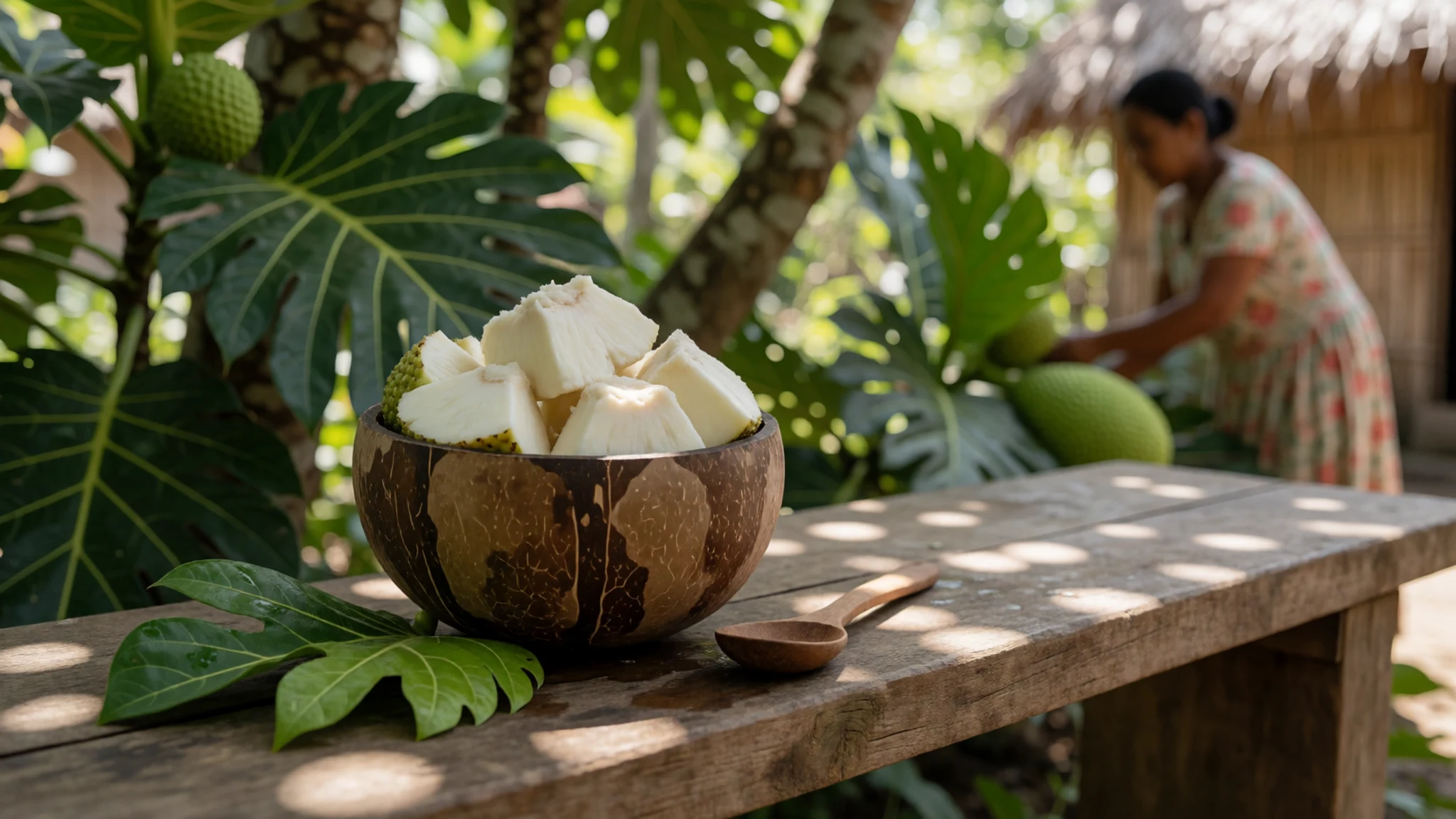
- Babai (giant swamp taro) — Village feasts and family meals, ask a host
Babai is a starchy root grown in deep pits with fresh water, and it is a prized food for feasts. It is boiled, baked or mashed and has a dense, filling texture and mild flavour. - Breadfruit — Village homes and gatherings, in season
Breadfruit is roasted, boiled or fried when in season, giving a soft, potato-like staple that goes well with fish. Availability depends on the season and the family trees nearby. - Kamaimai (toddy syrup) — Village homes, often offered to guests
Sap tapped from coconut flower stems is drunk fresh or boiled down into a dark, sweet syrup called kamaimai. It is used as a sweetener and a treat, and is a longstanding part of life on the atolls. - Rice and tinned goods — Village shops and home meals
Imported rice, flour and tinned fish or meat fill the gaps between local foods and are common at everyday meals. Supplies depend on boat arrivals, so choices can be limited.
Plan it
Best time. June to September is usually the more comfortable stretch, with the drier season and steady trade winds, though it is hot all year. The wetter months bring heavier showers, more humidity and rougher seas that can disrupt boat travel, so build in slack.
How long. 3–5
Getting there. Fly to Bonriki International Airport on Tarawa, then take a domestic flight to Onotoa Airport near Tekawa in the north. Check the Air Kiribati schedule and confirm with your host, as flights on outer islands can be cancelled or rescheduled. From the airstrip, local transport or a host's vehicle covers the rest of the atoll.
Budget. mid
Tips
- Arrange lodging and meals through a local contact before you travel
- Bring cash in small notes, because cards and banks are not available on the atoll
- Carry enough sun cream, insect repellent, medicines and drinking water for the whole stay
- Keep flexible dates, since flights and boats depend on weather
- Bring reef shoes and a torch for evening walks
Etiquette
- Ask before photographing people or entering a meeting house
- Dress modestly in villages and keep quiet on Sundays
- Accept hospitality graciously and offer a small useful gift in return
Nearby
Sources
- Wikidata Q576865 (CC0)
- Wikipedia: Onotoa (rev 1381369752) (CC BY-SA 4.0)
- Wikivoyage: Gilbert Islands (rev 5268202) (CC BY-SA 4.0)
- NASA astronaut image of Onotoa Atoll (01-onotoa.jpg) (Public domain)
- Position of Gilbert Islands, Pitichinaccio (CC BY 3.0)
- Micronesia regions map, Peter Fitzgerald (CC BY 3.0)
- Atolón de Onotoa desde o aire, Rafael Ávila Coya (CC BY-SA 2.0)
- NASA astronaut image of Onotoa Atoll (05-onotoa-kiribati.jpg) (Public domain)
- Onotoa Atoll from the East, Edvac (CC BY 3.0)


