Line Islands
Line Islands, Kiribati
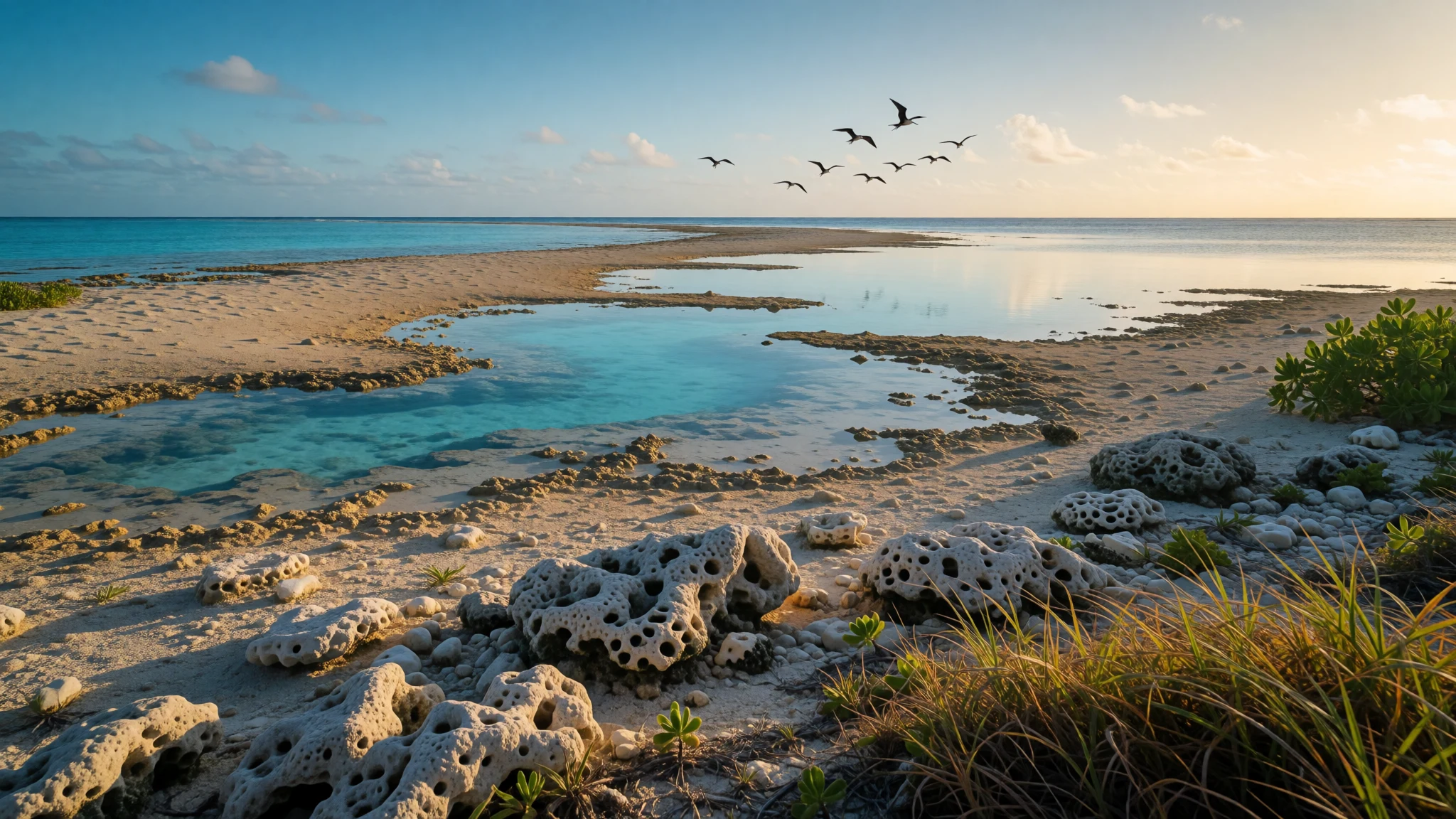
Line Islands offer remote Pacific atolls on the equator, where fishing, seabirds and empty lagoons come with the first sunrise of each new day.
The place
The Line Islands are a string of eleven low coral islands and atolls across the central Pacific, south of Hawaii and straddling the equator. Eight belong to Kiribati. Jarvis Island, Kingman Reef and Palmyra Atoll are United States territories. All of them sit on volcanic foundations, but what a visitor sees is coral: flat sand and scrub, a fringing reef, and on most islands a lagoon. The chain runs about 2,350 km from north-west to south-east, so it behaves less like one destination and more like several far-apart ones. Only three islands have permanent residents: Kiritimati, Tabuaeran and Teraina. The rest are seabird colonies, old plantation sites or research stations. Kiritimati, also called Christmas Island, is the hub, with the only airport that takes passengers, a few villages and a small set of fishing lodges. Starbuck Island lies close to the middle of the whole Pacific. The people are descended from Gilbertese Micronesians, even though the chain lies in the Polynesian Triangle, because nobody lived here permanently before European colonisation. The islands carry other names too: the Teraina Islands, and Aono Raina in Gilbertese. Time is the odd part. Kiribati's Line Islands keep UTC+14:00, the farthest-forward zone in use anywhere, so they start each calendar day before everyone else, 24 hours ahead of Hawaii. The honest summary for planners: this is a place of lagoons, sky and sea, with very little built, very few visitors and long, costly journeys. There are no waterfalls here, and fresh water is precious.
Its story
The Line Islands had no permanent inhabitants until Europeans arrived. Pacific navigators may have visited, but the atolls are small, dry and short of fresh water, and nobody settled them. That changed with colonisation. Traders and planters saw coconut palms as a crop, and copra, dried coconut flesh pressed for oil, became the first real economy. Labour came from the Gilbert Islands to the west, which is why today's residents are Gilbertese in language and family ties rather than Polynesian. Ownership of the chain was contested for a long time between Britain and the United States, and the split still shows on the map: eight atolls in Kiribati, three under American control. Kiritimati, the name being the Gilbertese rendering of Christmas, later became a testing ground. In the mid-twentieth century, Britain and the United States both used the central Pacific for nuclear weapons trials, and locals and former workers still live with that history. Kiribati became independent from Britain in the late twentieth century, and the Line Islands, far from the capital in the Gilbert Islands, have always felt remote from it. The chain now faces a different long-term pressure. These are low coral islands, and rising seas and shifting rainfall matter to every household. Even so, daily life is practical: fishing, small-scale coconut and seaweed work, church on Sundays, and the weekly arrival of a plane that links the islands to the wider world.
What to see
- Kiritimati lagoon and flats — Kiritimati
Kiritimati has shallow sand flats and a wide lagoon, and these draw anglers hunting bonefish and other flats species. Even without a rod, the pale water, wind and birdlife are the draw. Hire a local guide for tides and access, because the flats change with the weather and distances are long.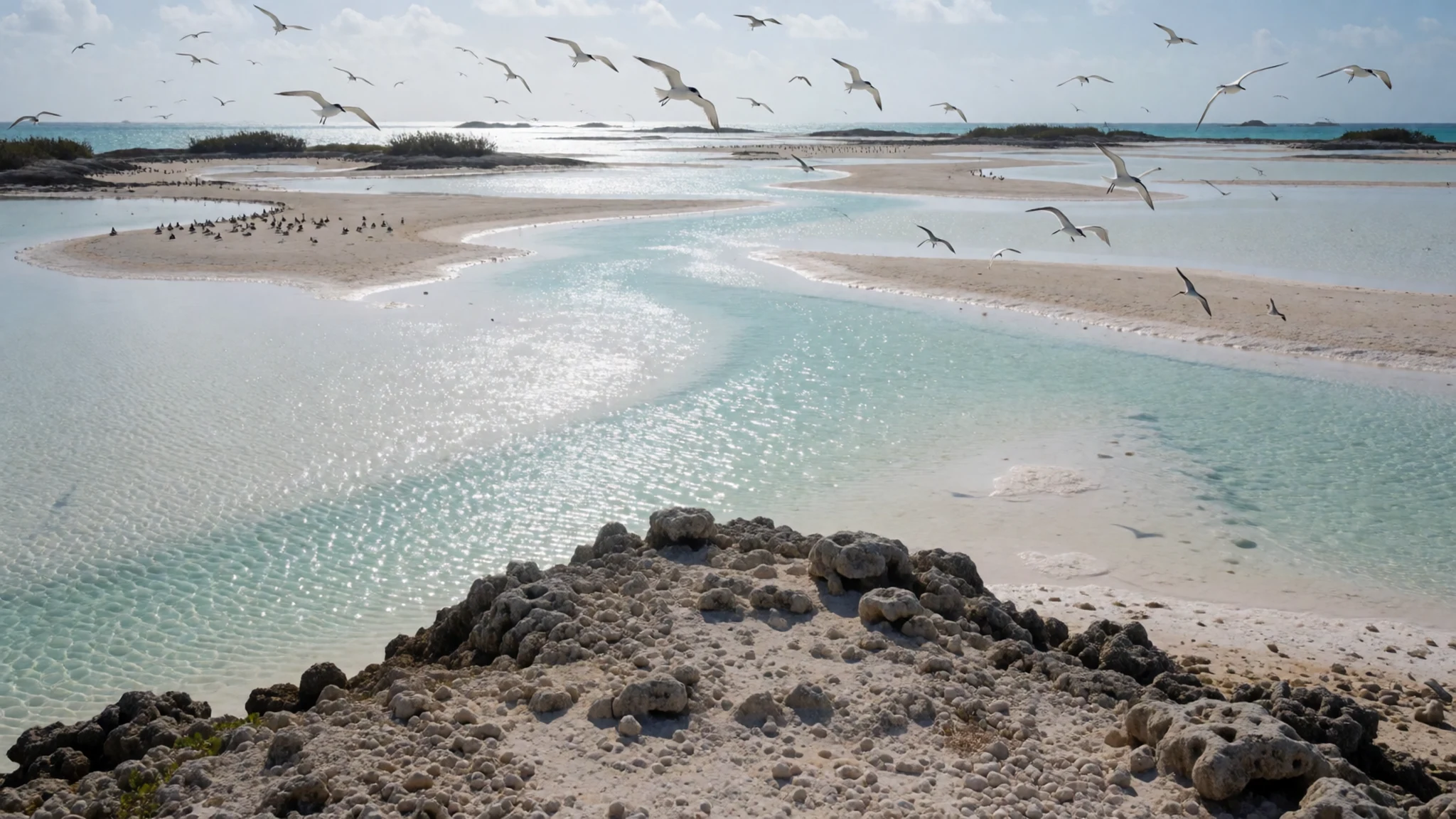
- The villages of Kiritimati — Northern Kiritimati
Kiritimati's main settlements carry odd European names, among them London, Paris and Poland, a leftover of colonial naming. They are small, relaxed places with church halls, shops and open meeting houses. Walking or cycling between them gives a sense of how people actually live on the atoll.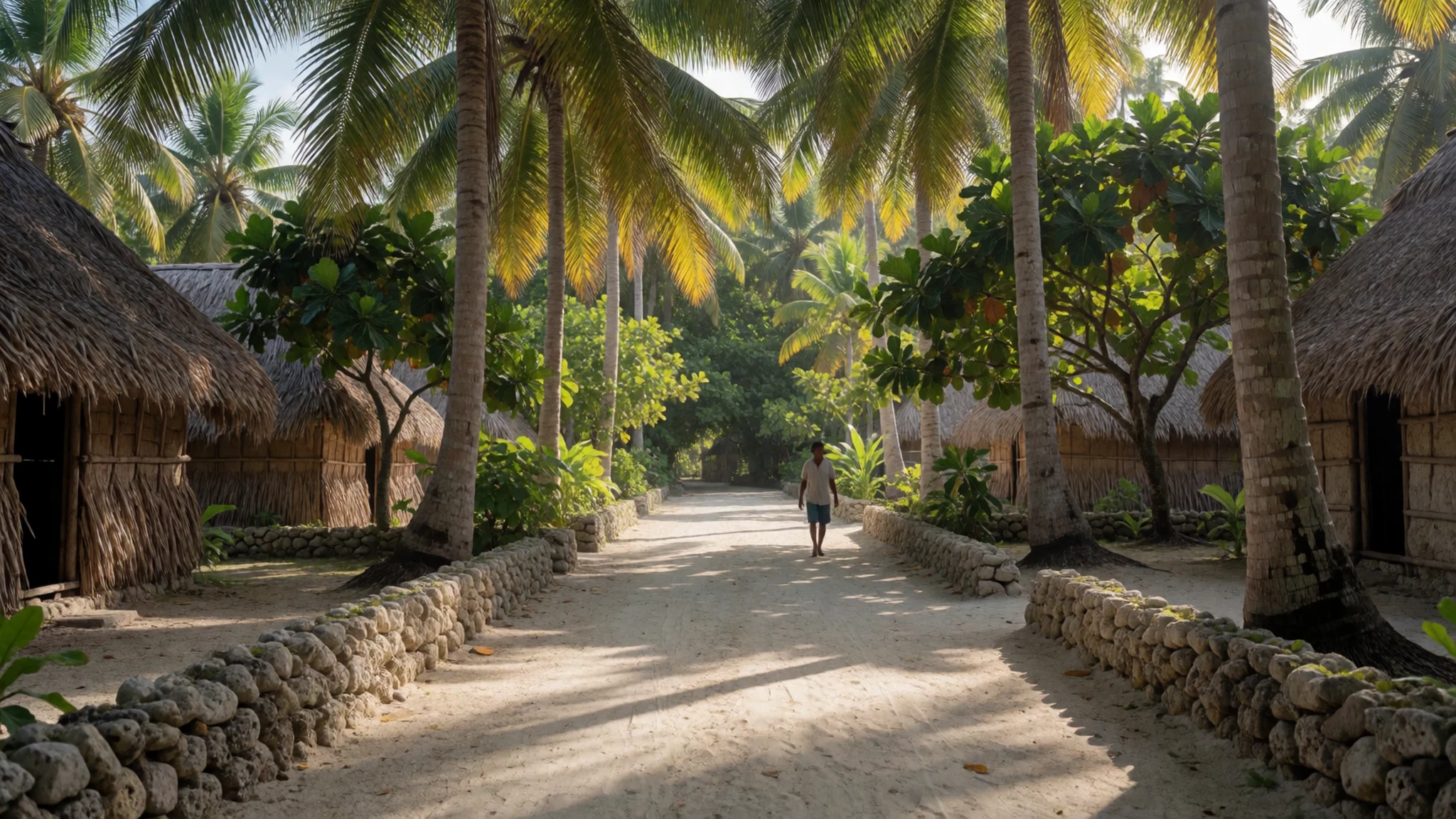
- Seabird colonies — Kiritimati and its islets
Seabirds are the main wildlife attraction across the chain. Kiritimati's colonies and offshore islets hold terns, boobies and frigatebirds in large numbers. Visits usually need a local boat and a guide, and some nesting areas are closed or restricted, so ask before landing anywhere.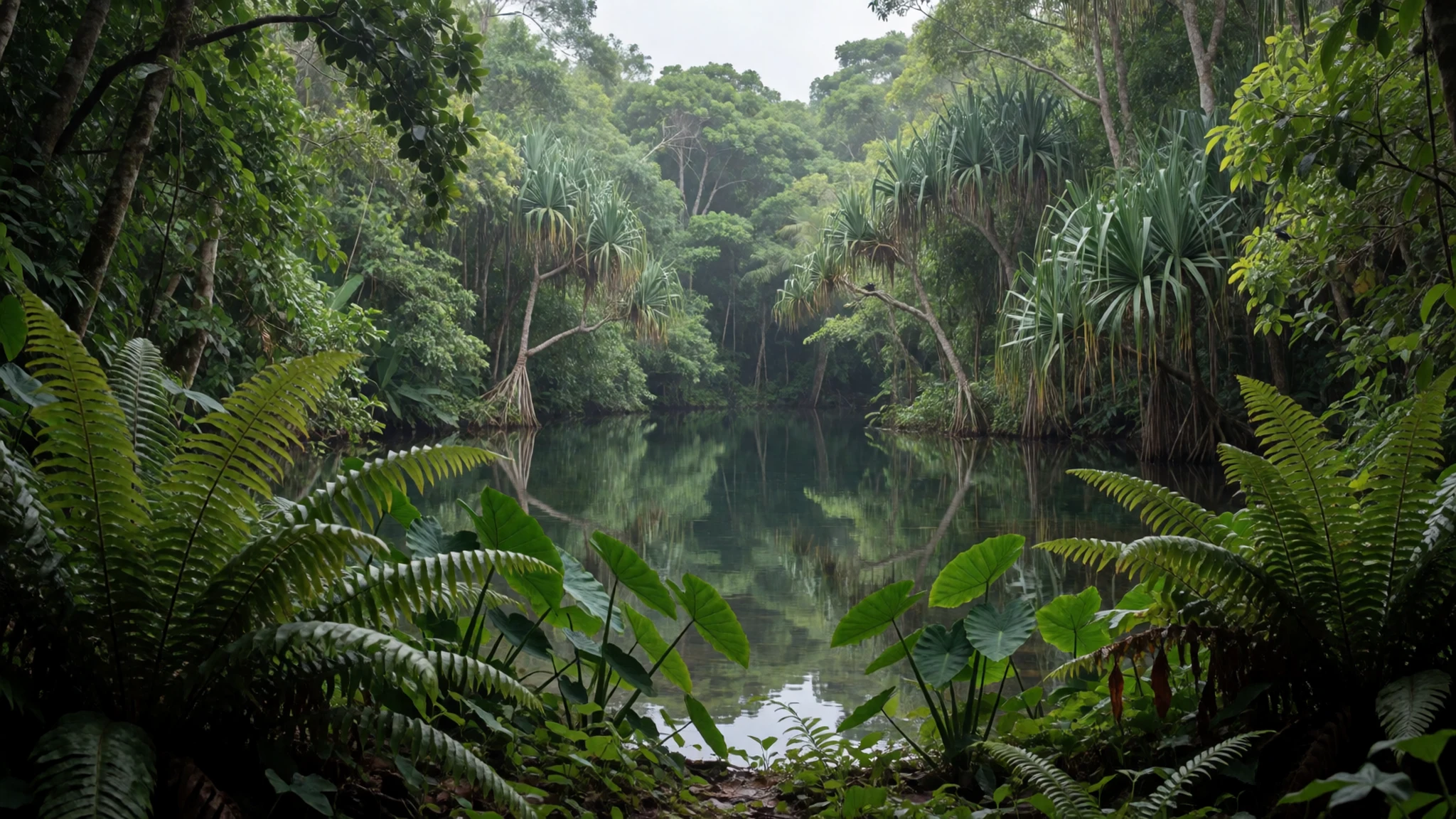
- Tabuaeran — Tabuaeran
Tabuaeran, one of the three inhabited islands, is a ring of land around a large lagoon, with coconut groves and a quiet main settlement. It suits slow days: paddling, snorkelling, fishing with villagers and watching the lagoon change colour. Reaching it needs separate local arrangements, so plan well ahead.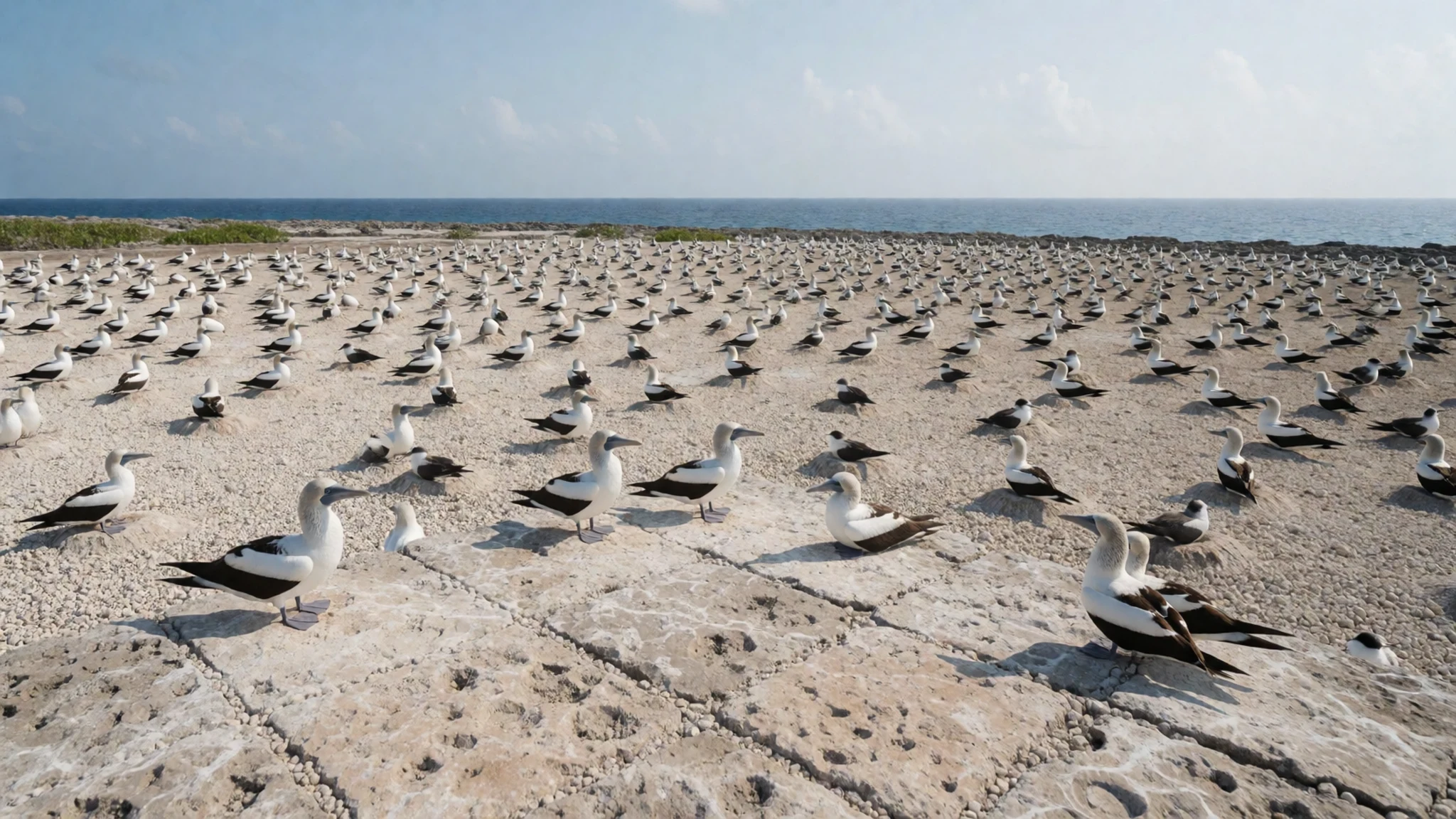
- Teraina — Teraina
Teraina is a raised, green island with a small inland lake, a rarity among the Line Islands. Dense coconut cover and wetter ground give it a different feel from the dry atolls to the south. Visitors are few, so expect to arrange everything through the island's community.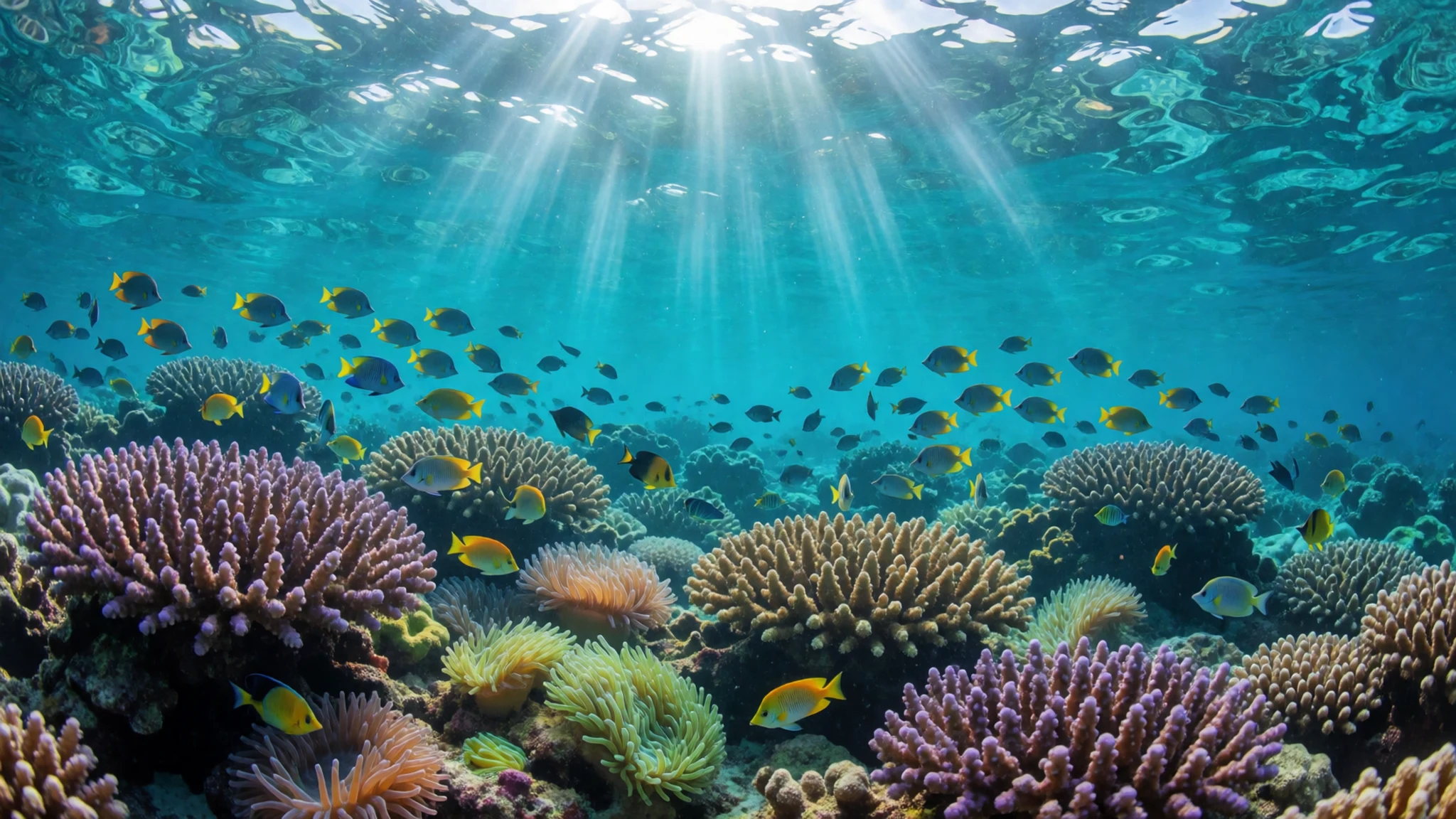
- Palmyra Atoll — Palmyra Atoll
Palmyra is a United States territory, mostly a nature and research site with strict access rules. It matters to the chain's story because scientists track seabirds, turtles and sharks from its reefs and lagoons. Ordinary tourist visits are not normally possible, so treat it as one to read about.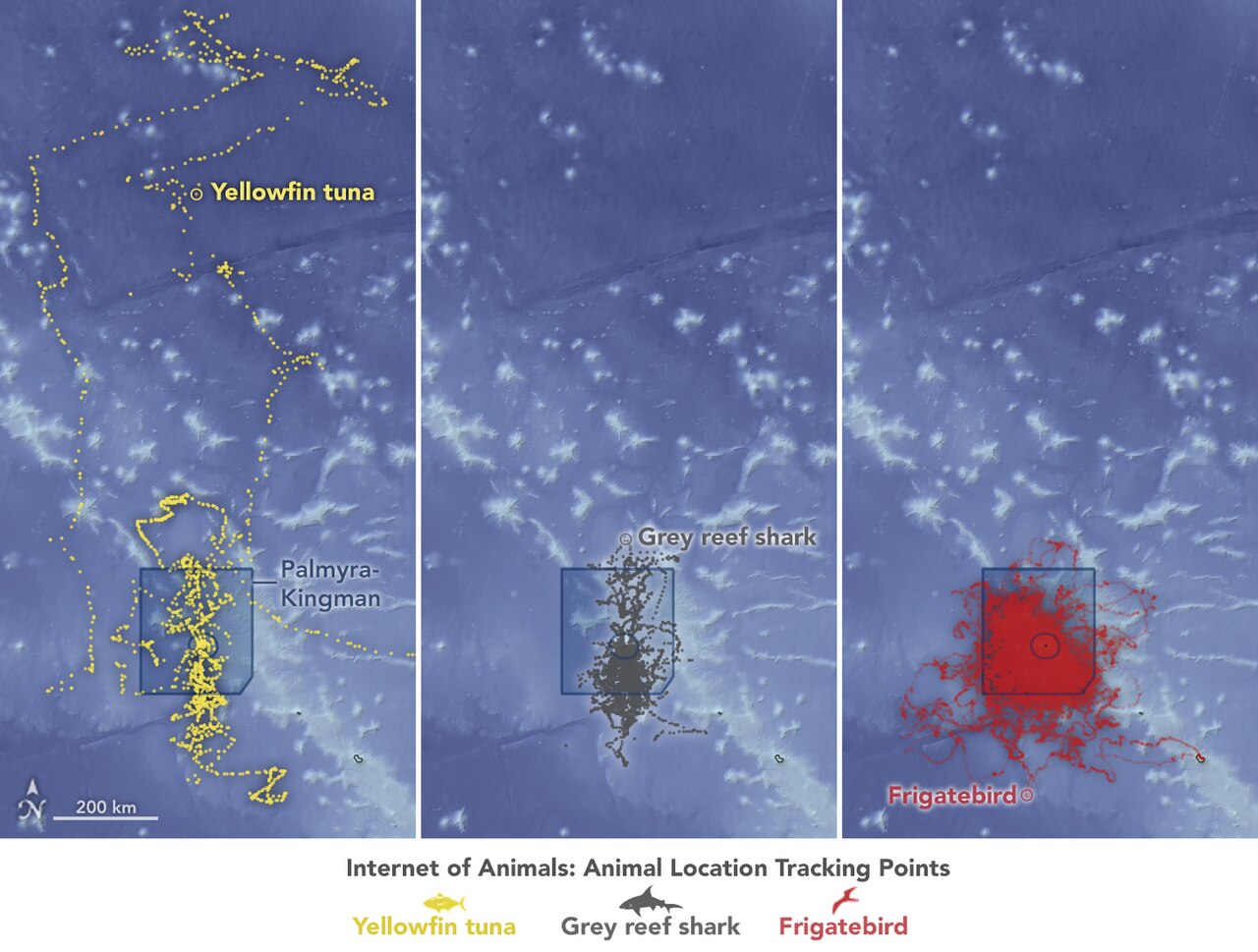
Culture
Culture in the Kiribati part of the Line Islands is Gilbertese, shaped by church, family and the sea. Most residents are Christian, and Sunday is quiet: services in the morning, shared meals, little paid work and limited shop opening. Village life revolves around the maneaba, the open-sided meeting house where visitors are welcomed, disputes are discussed and feasts and dances are held. Seating is by custom, and elders have their places. The usual greeting is Mauri, said with a smile, and it opens most doors. Singing and dancing are central at celebrations, with a stylised, upright posture and precise hand and head movements that tell stories of fishing, sailing and ancestors. Fishing remains the main skill, with knowledge of tides, winds and reef passed down through families. Hospitality is real but unhurried. Guesthouse hosts may cook for you, ask where you are from and offer help with transport, and time is loose. Flights, boats and shop deliveries all shift, so patience is part of the culture. Because these islands are far from the capital, communities are close-knit, and they look after one another. Visitors who respect that, who ask before taking photographs, who accept food offered and who stay for a chat rather than rushing off, are remembered warmly. Ask permission before photographing people or entering a maneaba, keep your voice low and your shoulders and knees covered in villages, and avoid swimwear away from the beach, especially on Sundays.
What to wear
Traditional dress in Kiribati is made from local plants. Dancers wear skirts of dried pandanus or coconut-leaf fibre, often with woven garlands, headpieces and necklaces of shell, flowers or fibre, and these are mainly worn for dance performances, festivals and ceremonies. Everyday weaving, particularly of pandanus mats, still carries cultural weight, and mats are given as gifts at weddings and important gatherings. Daily clothing today is simple and practical for heat and humidity. Men wear shorts or wraparound cloth with cotton shirts, women wear loose, knee-length or longer dresses and wraps in bright prints, and many people go barefoot or wear flip-flops. For church, people dress up: clean pressed shirts, long skirts or dresses, and often white. Fabrics are mostly imported cotton and synthetics. Visitors should pack light, quick-drying clothes that cover shoulders and knees. The sun on the equator is fierce, so bring a wide-brimmed hat, long-sleeved sun shirts, sunglasses and high-factor sunscreen, and keep reef-safe lotion if you can. Reef shoes or sturdy sandals protect against sharp coral and urchins on the flats and in the lagoons, while light trainers help on sandy roads. Bring a sarong or lightweight wrap for village visits and church, and a light rain jacket, as showers can arrive suddenly. Swimwear belongs at the beach or on a boat. In villages and at gatherings, cover up, because modesty is expected and appreciated.
What to eat
- Grilled reef fish — Guesthouse kitchens and family meals on Kiritimati
Fish is the centre of every meal in the Line Islands. Reef and lagoon catches are grilled over a fire or fried and served with rice. The freshest is often cooked in village kitchens and guesthouses on the day of the catch. - Raw fish in coconut — Village feasts and home cooking
Fresh fish is sometimes cut raw and mixed with coconut milk, lime or onion. It is simple and cool, a good fit for the climate. Eat it only where the fish is clearly fresh and ask your host how it was caught. - Breadfruit — Village homes and community feasts
Breadfruit is a starchy staple, roasted, boiled or fried and eaten like potato. It appears at family meals when in season. Texture is dense and mild, so it works well with salty fish or coconut cream. - Rice with tinned fish — Village shops and household kitchens
Imported rice and tinned fish or meat are everyday foods, because shipping and storage are difficult. Do not look down on them: they are reliable and often served with onion and pepper. Expect them when fresh fish is scarce. - Coconut toddy and syrup — Villages and roadside coconut groves
Sap tapped from coconut flowers is drunk fresh as toddy or boiled down to a sweet syrup. The syrup is used in cooking and as a sweetener. Fresh drinking coconuts are the safest and most common refreshment on hot days.
Plan it
Best time. Roughly May to October, when rain is usually lighter and the days are warm with steady trade winds. The brief carries no climate data, so check a recent forecast, because rainfall on these equatorial atolls can swing sharply between years.
How long. 5–7
Getting there. Cassidy International Airport on Kiritimati (CXI) is served only by Fiji Airways, on a once-weekly Nadi–Kiritimati–Honolulu route. There are no domestic flights within Kiribati, so reaching the other Line Islands or the Gilbert Islands needs separate local arrangements. Check the airline's site for current schedules, and allow spare days around the weekly flight.
Budget. high
Tips
- Book flights and accommodation well ahead, because the weekly service has limited seats and lodges are small
- Carry enough cash for the whole stay, as cards and cash machines cannot be relied on
- Bring drinking water, sun protection and any medicines, since supplies are limited and fresh water is precious
- Arrange fishing guides and boat trips through your lodge or the island community before arrival
- Keep a buffer day or two at both ends, as flights and boats can shift
Etiquette
- Greet people with Mauri and ask before photographing anyone
- Cover shoulders and knees in villages and at church, and keep Sundays quiet
- Ask your host before entering a maneaba or landing on a bird colony
Nearby
Sources
- Wikidata Q234796 (CC0)
- Wikipedia: Line Islands (rev 1383890906) (CC BY-SA 4.0)
- Wikivoyage: Line Islands (Kiribati) (rev 4604846) (CC BY-SA 4.0)
- Photo: Kiritimati (Christmas Island) from the ISS, NASA (Public domain)
- Photo: Line Islands map, Szczureq (CC BY-SA 4.0)
- Photo: Tagging Along With Palmyra's Wildlife, NASA Earth Observatory (Public domain)


