Mount Washington
Mount Washington, United States
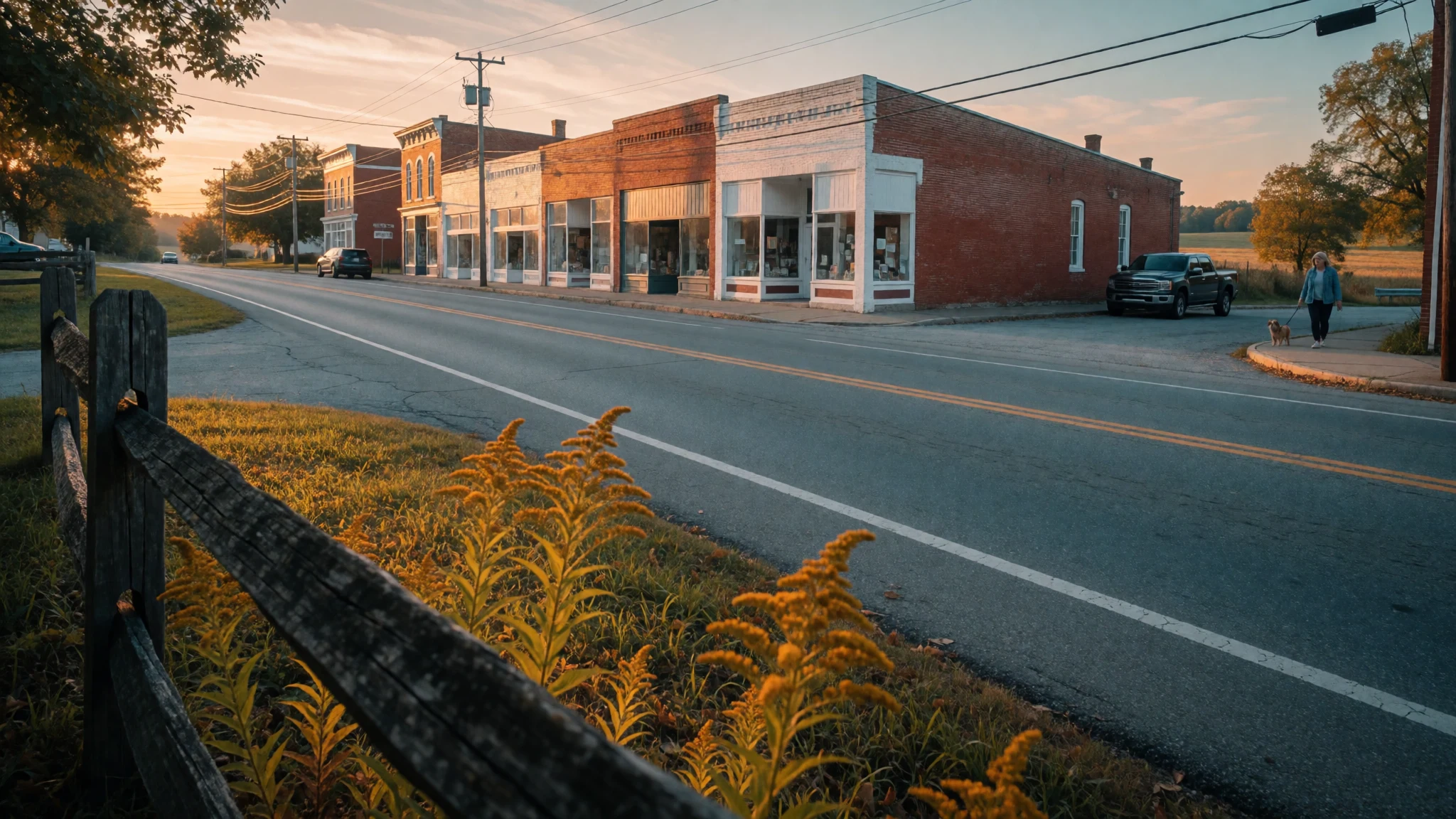
Mount Washington is a working commuter town in bourbon country, worth a short stop for old houses, a spring festival and an ordinary Kentucky meal.
The place
Mount Washington sits in the northeast corner of Bullitt County, Kentucky, on gently rolling country just south of Louisville. About 18,090 people live here, and the town is best understood as a bedroom community: many residents work elsewhere and come home along the same few roads. It stands at 215 metres above sea level, in farmland and woodland rather than anything a mountaineer would recognise, so the name comes from history rather than terrain. The town has no lodging of its own, which says a good deal. It is a place people pass through on the way to Louisville or to Bardstown, the bourbon-country town to the south. Two main roads cross here, one running north to south and one east to west, and that crossing is the reason the settlement exists at all. Traffic thickens at commuting hours, and a four-lane bypass carries most through traffic around the older centre. What remains in the middle is a small downtown of low buildings, with houses, a school campus, a public pool and a scattering of eateries along the main routes. This is a reading for the curious rather than the checklist traveller. It suits an hour or two of ordinary Kentucky life: a meal, a look at the older houses, perhaps the spring festival. It works best as one stop on a longer route through the Louisville and Bardstown area. Public transport is not something to plan around, so a car is part of the deal.
Its story
Mount Washington began as a meeting point of two stagecoach routes and was first called The Cross Roads. When it was laid out as a town it was named Mount Vernon, after George Washington's Virginia home, but another community's post office already held that name, so the choice fell on Mount Washington, again honouring the first president. By then the settlement was already busy, with churches, schools, stores, doctors, taverns and a range of skilled trades. By the middle of the nineteenth century it was the economic centre of Bullitt County. The Civil War touched it briefly: in autumn, Confederate cavalry held the town and skirmished with Union troops along Floyds Fork to the north, before a defeat the next day sent them out of the area. Later the old industries faded, and the town lost its standing as the county's leading centre. A fire then destroyed much of the business district. The turn came in the late 1960s, when General Electric opened Appliance Park in Louisville and new families began moving south to live within reach of the jobs. The population multiplied several times over, schools had to be expanded, and a second middle school was eventually built on the far side of town. When the appliance business later faltered and was sold, Mount Washington kept its role as a commuter town, which it still holds today.
What to see
- James M. Lloyd House — Mount Washington
This historic house is one of the older buildings recorded in the town and a reasonable first stop for anyone curious about its nineteenth-century past. It is best seen from the public road, as a lived-in or privately managed property. Ask locally or check county heritage listings before assuming any interior access.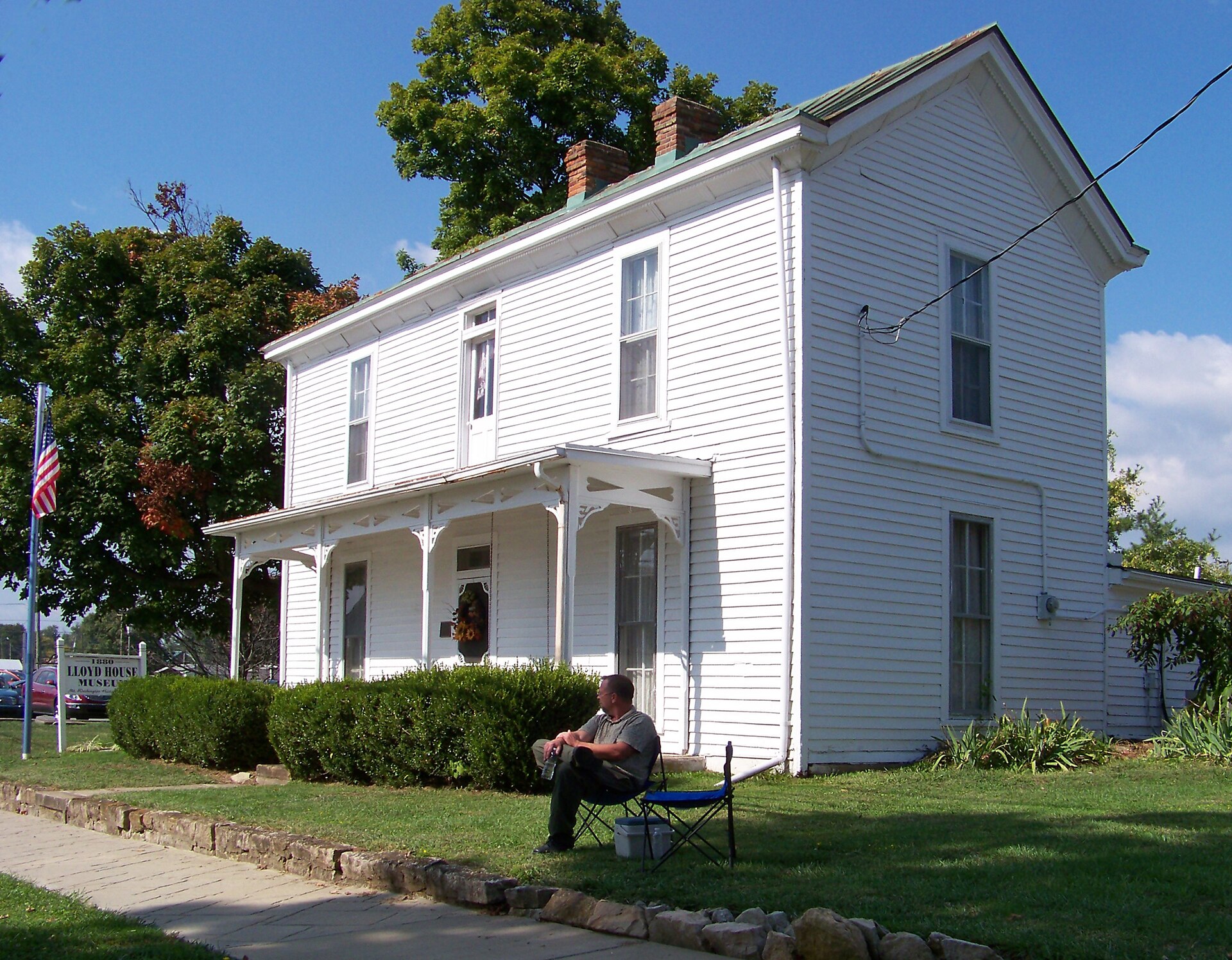
- Zack Stansbury House — Old Bardstown Road, southeast of town
This old farmhouse stands on Old Bardstown Road, southeast of the town centre. The road follows the line of the old route between Bardstown and Louisville, so the house gives a feel for the countryside travellers once crossed. Look from the roadside only, and keep to the verge, because traffic can be quick.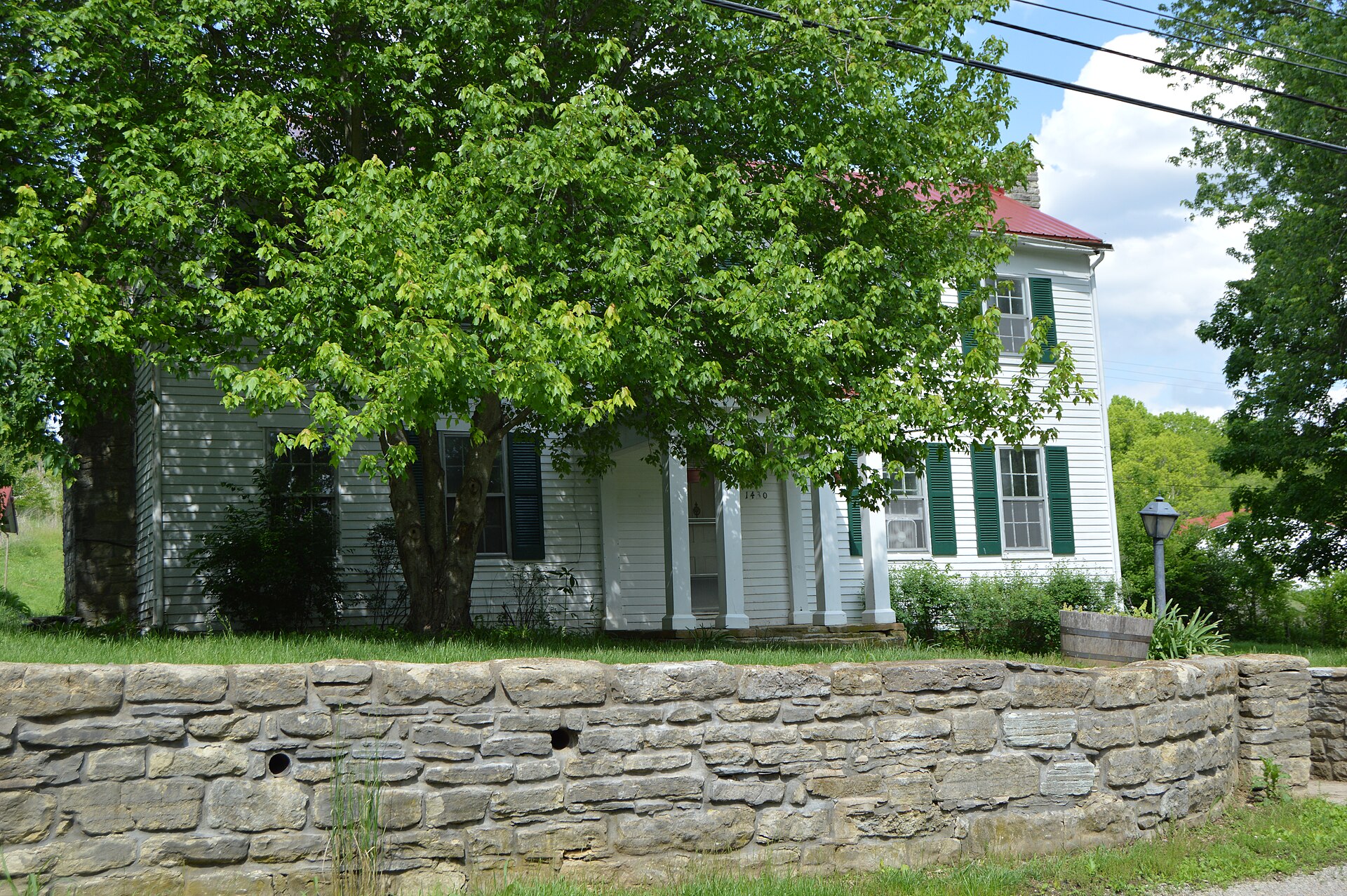
- The old crossroads downtown — Downtown Mount Washington
The small historic core is where the two stagecoach routes once met, and it is worth a slow walk or drive. Look for the low older buildings, the change in road layout where the bypass splits away, and the rebuilt look of blocks lost to fire. It takes under an hour. - Mt. Washington Spring Festival — Mt. Washington Middle School grounds
The town's community festival is held on the second weekend of May at the middle school grounds. Expect a local event rather than a tourist spectacle: families, stalls, music and food. Dates and programme can change, so check with the town or local listings before planning a visit around it. - Mt. Washington Public Pool — Beside Mt. Washington Middle School
The public pool, staffed by lifeguards, sits next to the middle school and is mostly used by local families on hot summer days. It is useful for a visitor travelling with children through the humid months. Opening dates and entry arrangements vary, so check locally before making a detour.
Culture
Mount Washington's culture is that of a small Kentucky commuter town: community life centres on schools, churches, family events and the weekly rhythm of driving to work in Louisville and back. There is no grand tradition to tour, and the honest pleasure is in the ordinary. Neighbours greet strangers in shops and diners with easy friendliness, and a short chat about the weather or the traffic is normal. The spring festival is the clearest public expression of local identity, and school events carry real weight in a town that has grown around its schools. The wider region adds its own flavour. Louisville is close, with its horse-racing and sporting traditions, and Bardstown sits at the heart of Kentucky's bourbon country, so many residents have a working relationship with those industries and with the farming that preceded them. The town's history as a crossroads still shows in its habit of sending people elsewhere: much of what visitors seek in this area lies a short drive away. Older residents often know the stories of particular houses and families, and they are usually glad to share them if asked politely. Alcohol is served in local brewpubs and restaurants, but drink-driving is taken seriously on roads with no public transport alternative. If you photograph the older houses, stay on the public road and never step onto private land, since many of them are family homes.
What to wear
Mount Washington has no distinctive traditional costume of its own. The nearest thing to a local textile heritage is the quilting and plain cotton and denim work clothing of rural Kentucky, which survives mainly in craft fairs, family heirlooms and church or festival displays rather than daily dress. Quilts are the item to look for if a craft stall appears at the spring festival. Everyday clothing now is relaxed and practical: jeans, T-shirts, work boots or trainers, ball caps, and fleece or padded jackets in winter. School and sports colours are worn with pride, especially on match days, and Sunday dress is a little smarter for church. A visitor should dress for the weather and the car. Summers are hot and humid, so light cotton, a sun hat and water are sensible, while winters can be properly cold and a warm coat is needed. Spring and autumn suit layers. Comfortable closed shoes are best, as sights are spread out and pavements are patchy outside the centre. No special modesty rules apply in town, though covered shoulders and knees are a courteous choice if attending a church service or a funeral. Rain gear is worth packing in any season.
What to eat
- American Chinese buffet — Buffet restaurants along the bypass
Local Chinese-style restaurants serve an Americanised menu, often as a buffet: fried rice, sweet and sour dishes, noodles and chicken in thick sauces. It is filling, informal and good for groups. Look near the supermarket and the bypass strip. - Local pizza — Pizza shops on the main roads
Pizza is a staple here, with Kentucky-based chains and local shops baking fresh pies and also selling subs, pasta, wings and salads. It is the easiest quick dinner in town and a good option for families. - Tex-Mex plates — Chain Mexican restaurants in town
Mexican restaurants run by Louisville-area chains have two branches in town. The menu is familiar American Mexican food: sizzling fajitas, enchiladas, burritos, rice and beans, with chips and salsa served first. Portions are generous. - Diner breakfast and country cooking — Country diners in the old downtown
A country diner is the place for a Kentucky-style plate: eggs, biscuits, gravy, bacon or sausage, and coffee. Lunch menus tend towards hot plates, fried chicken and vegetable sides. Go earlier in the day for the best choice. - Craft beer and bourbon — The local brewpub
A Louisville-based brewpub has a branch here, with its own beer list that differs from the city original. It also offers bourbon and cocktails, which makes it the natural place for a taste of Kentucky's best-known spirit without driving on to Bardstown.
Plan it
Best time. April–May and September–October. Spring is mild and includes the festival on the second weekend of May; early autumn is comfortable too. Summers are hot and humid, and winters can be cold.
How long. Half a day to 1
Getting there. Fly to Louisville International Airport, then drive south on the main road from the city, known locally as Bardstown Road. The town can only be reached by car, and there is no public transport worth planning around. Cars arriving from the interstate use the east–west route through Shepherdsville.
Budget. low
Tips
- The town has no hotel or motel, so book lodging in Shepherdsville, Brooks, Louisville or Bardstown
- Avoid the main crossing at commuting hours, when queues build and turning across traffic is slow
- Check dates and programme for the spring festival with local listings before travelling
- Carry a bank card and some cash for small diners and festival stalls
- Bring water in summer, as the weather is humid and sights are spread out
Etiquette
- View historic houses from the public road and do not enter private property
- Do not drive after drinking, as there is no public transport alternative
- Greet people politely in shops and diners, as small talk is the norm
Nearby
Sources
- Wikidata Q2667318 (CC0)
- Wikipedia: Mount Washington, Kentucky (rev 1383821249) (CC BY-SA 4.0)
- Wikivoyage: Mount Washington (Kentucky) (rev 5309406) (CC BY-SA 4.0)
- James M. Lloyd House, photo by Jennifer Mansfield-Jones (CC BY 3.0)
- Zack Stansbury House, photo by Nyttend (Public domain)

