Mount Sibayak
Mount Sibayak, Indonesia
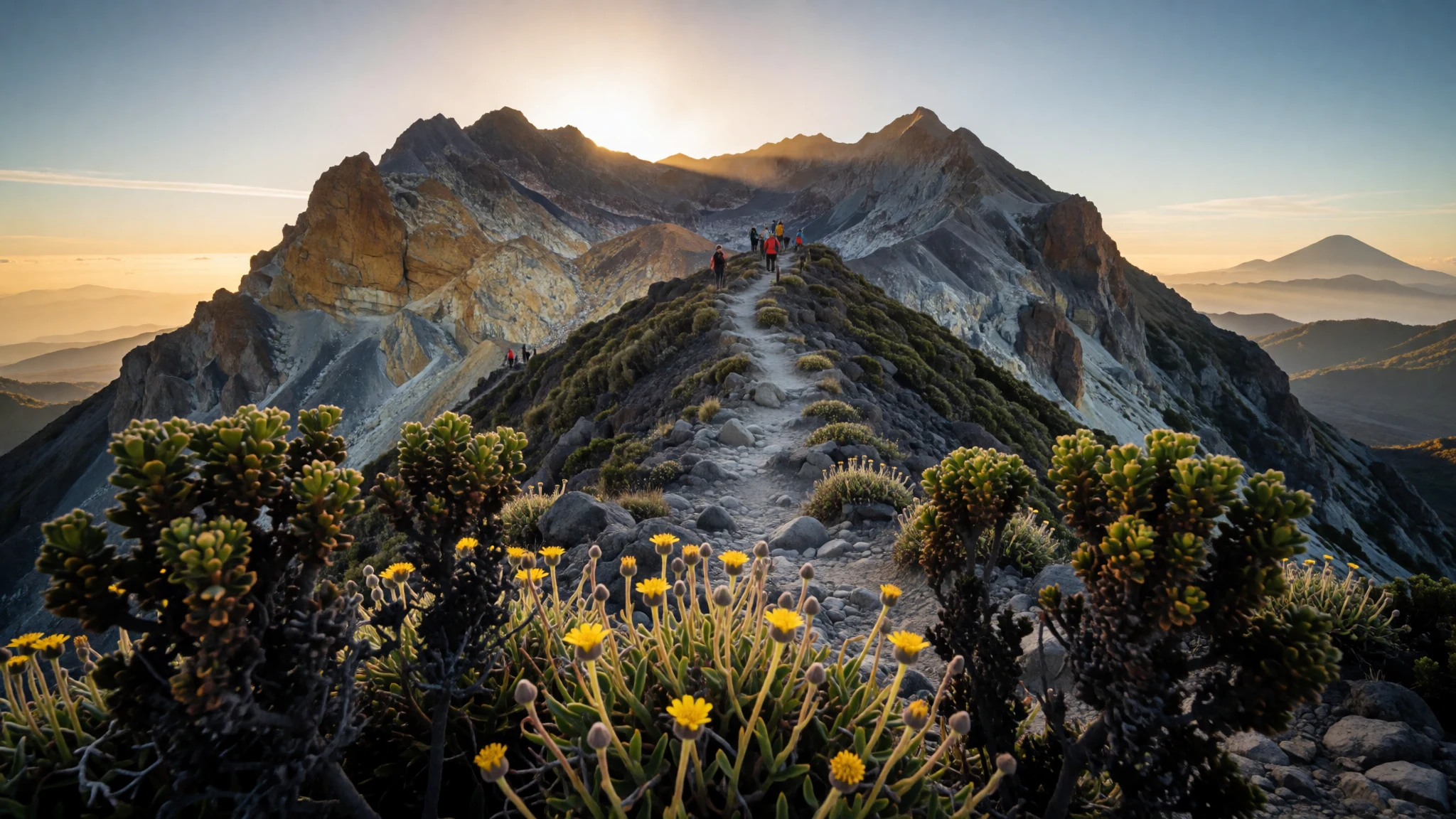
Hike an accessible active volcano to witness steaming vents and panoramic views of northern Sumatra's highlands.
The place
Mount Sibayak is a stratovolcano located in the highlands of northern Sumatra, looming over the town of Berastagi. It is a place where the earth feels alive; although it has not erupted in over a century, the mountain is far from dormant. Visitors encounter an otherworldly landscape of steaming fumaroles, hot springs, and a crater lake stained with acidic colours from sulphur seepage. The environment is a mix of lush tropical forest and stark, lunar-like rocky expanses near the summit.
For many, Mount Sibayak is the most accessible peak in the region. The climb is manageable for those with basic fitness, though the terrain can be deceptive. The lower slopes are shaded by dense greenery, but as the ascent continues, the path opens into a rugged, volcanic scramble. The air is noticeably cooler here than in the lowlands, though the humidity remains high. Because of its relatively gentle slopes compared to neighbouring peaks, it has been a draw for explorers since the colonial era. The mountain provides a stark contrast between the fertile agricultural lands of the Karo highlands and the raw, geological power of the Pacific Ring of Fire.
Its story
The story of Mount Sibayak is woven into the identity of the Karo Batak people. In their language, the word 'Sibayak' refers to a founding community, suggesting that the mountain is not just a geological feature but a cornerstone of social and spiritual heritage. For generations, the local population has lived in the shadow of this peak, adapting to the volatile nature of the land. The presence of sulphur, which was once mined on a small scale, adds a layer of industrial history to the natural landscape.
However, the mountain also holds a more somber memory. In 1979, the peak became the site of a tragedy when a Garuda Indonesian Airways Fokker F28 crashed into its slopes. This event serves as a reminder of the mountain's imposing presence and the dangers posed by the sudden cloud cover and rugged terrain of the Sumatran highlands. Today, the mountain has transitioned from a site of resource extraction and tragedy to one of recreation and cultural celebration. Every year, the community gathers here for traditional ceremonies and competitions, blending the geological intensity of the volcano with the enduring social bonds of the Karo people.
What to see
- The Main Crater
The summit of Mount Sibayak features a wide crater where steam rises from the earth. Visitors often find rocks arranged into shapes or words by previous climbers. Depending on the season, the crater may hold a small, acidic lake, reflecting the vivid colours of the volcanic minerals.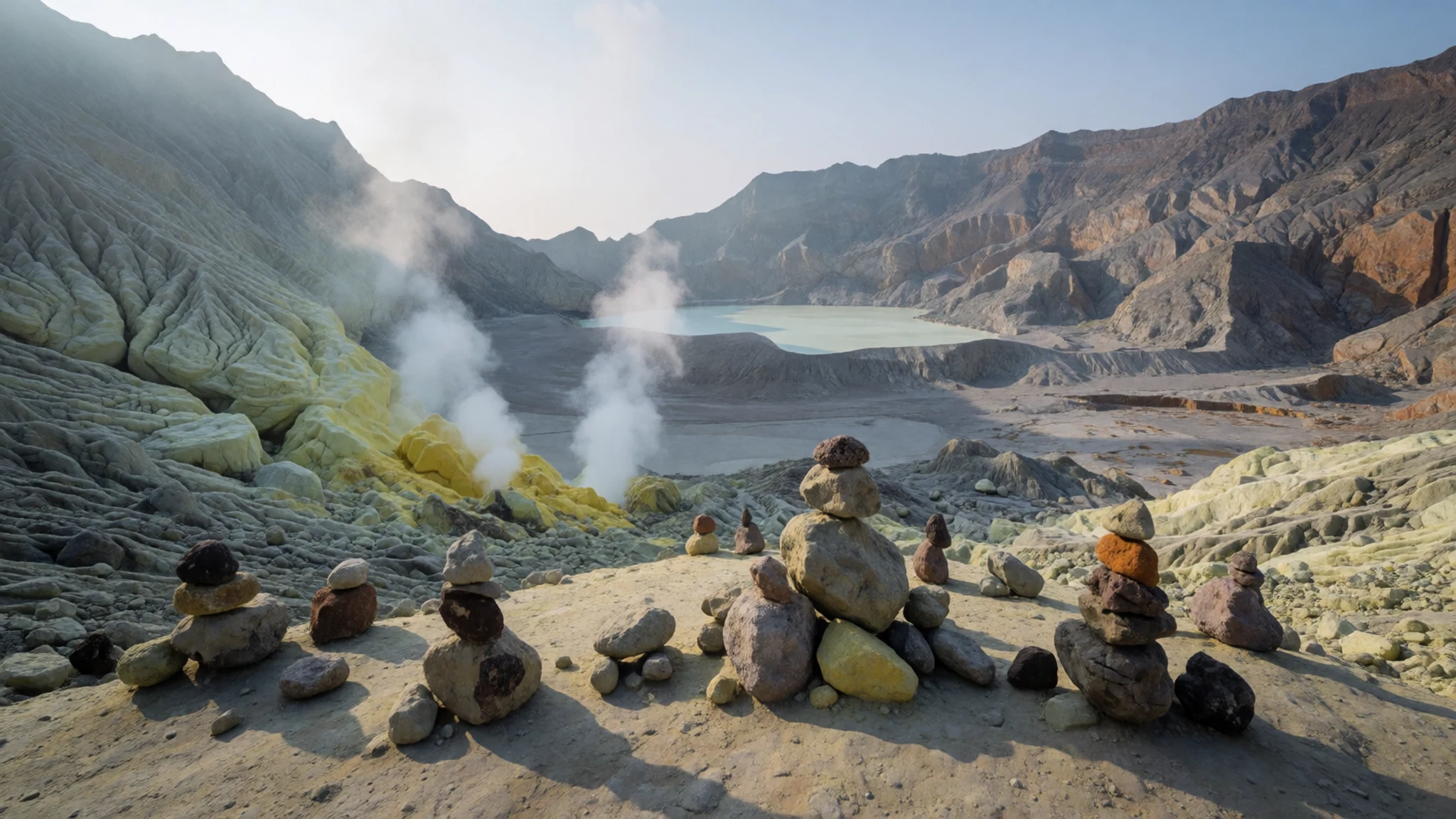
- Volcanic Hot Springs
Scattered around the slopes are natural hot springs where the geothermal heat makes the water warm enough for bathing. These pools offer a relaxing end to a trek, allowing hikers to soak their muscles while surrounded by the mountain's mist.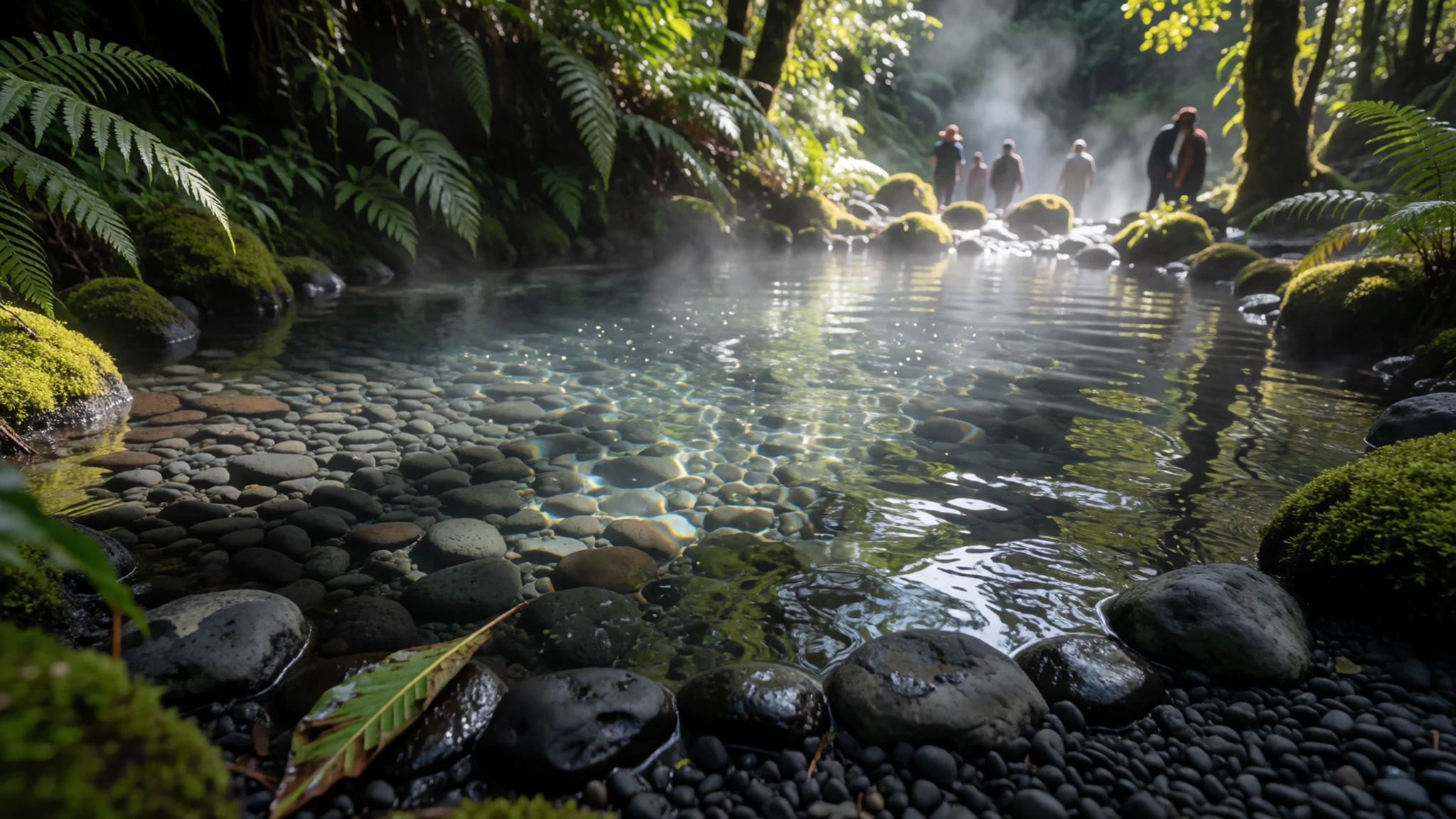
- Lau Debuk Debuk Trail
The more adventurous route starts from the south east, offering a challenging trek through slippery forest trails. This path is rewarding for those who enjoy a climb, providing expansive views of the Berastagi town and the surrounding valley.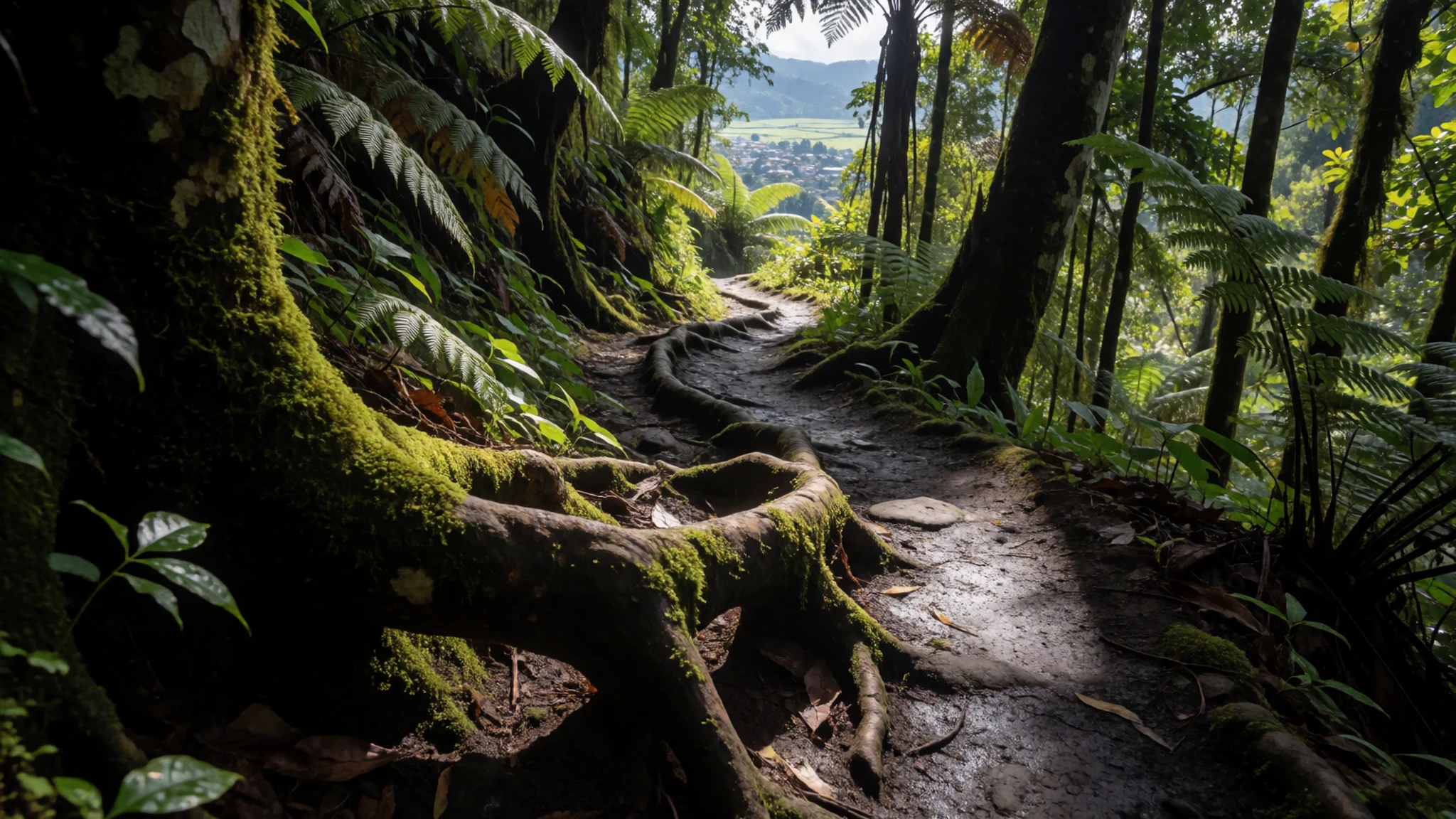
- August 17th Ceremony
Coinciding with Indonesia's Independence Day, a yearly celebration takes place on the mountain. The highlight is a pole-climbing competition, bringing a festive, communal atmosphere to the rugged volcanic landscape as locals and visitors gather to celebrate.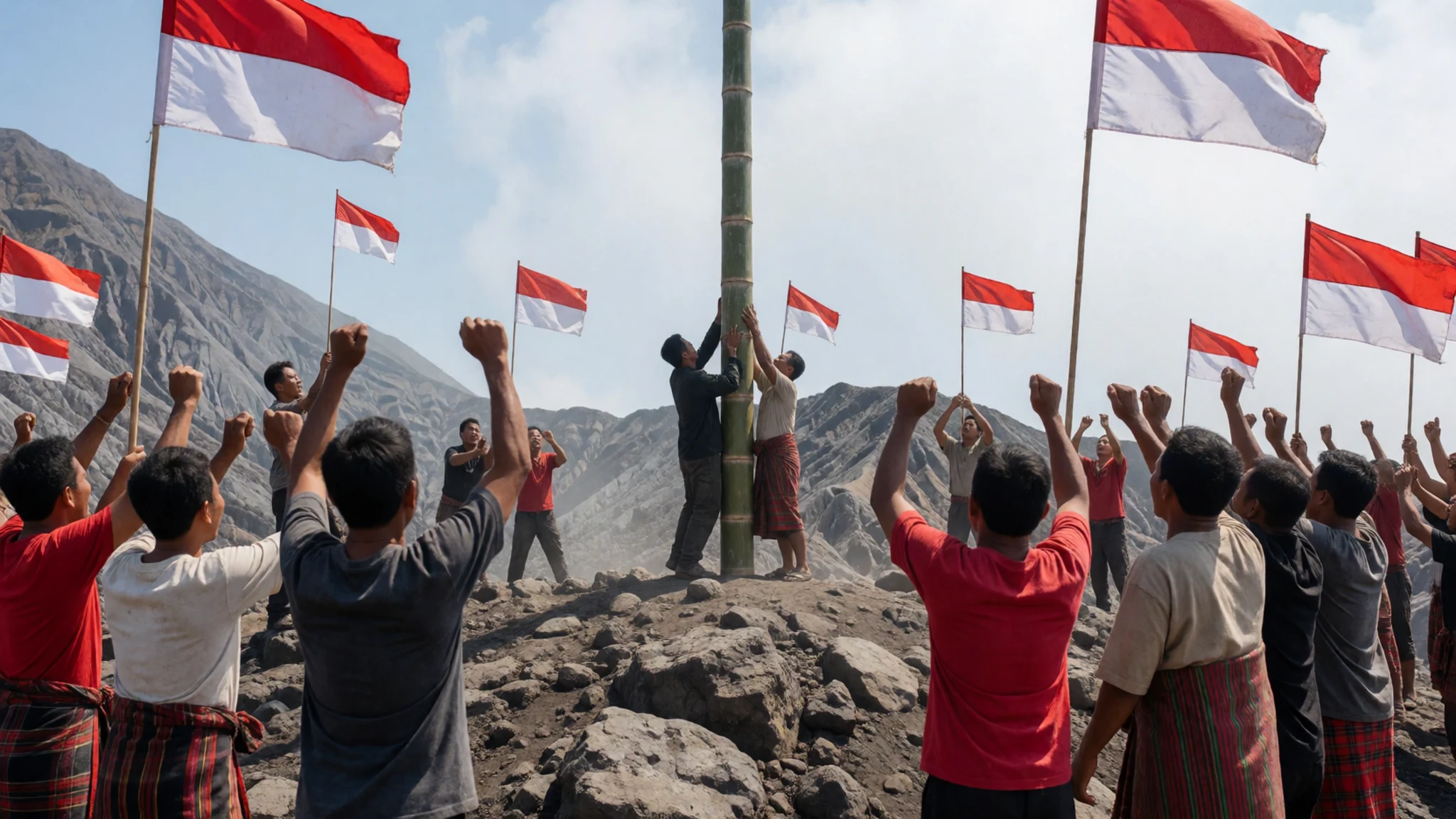
Culture
The culture surrounding Mount Sibayak is deeply influenced by the Karo Batak people, one of the distinct ethnic groups of Sumatra. Their society is traditionally matrilineal and known for its unique architecture and weaving. For the Karo, the mountains are not merely obstacles or resources but are imbued with ancestral significance. The community's resilience is reflected in their ability to farm the rich, volcanic soil of the highlands, which supports the vibrant fruit and vegetable markets of nearby Berastagi.
Visiting the mountain often involves interacting with local guides who share stories of the land and its folklore. There is a strong sense of communal pride here, particularly during national holidays or traditional harvest festivals. The blend of indigenous Batak beliefs and modern Indonesian identity creates a welcoming atmosphere for those who approach the mountain with respect. When hiking, you should always follow the lead of your local guide and avoid littering on the volcanic slopes.
What to wear
Traditionally, the Karo Batak people wear garments made from 'uis', a heavy, hand-woven textile often featuring bold red, black, and white patterns. These cloths are worn as wraps or shawls during traditional ceremonies and are markers of social status and kinship. In daily life today, the residents of the highlands wear practical, modern clothing, though you will still see traditional textiles used during weddings or village festivals.
For a visitor, the wardrobe needs to be versatile. The weather in the highlands can shift rapidly from humid heat to a chilly dampness, especially at the summit. Lightweight, moisture-wicking hiking trousers and a breathable shirt are essential. A waterproof jacket or poncho is a necessity, as rain can arrive suddenly and make the rocky paths treacherous. Sturdy hiking boots with good grip are non-negotiable due to the slippery forest floor and sharp volcanic rocks. A light fleece or sweater is recommended for those camping overnight near the crater rim.
What to eat
- Highland Oranges — roadside stalls near Berastagi
Fresh, sweet oranges grown in the rich volcanic soil, typically sold by roadside vendors in the Berastagi area.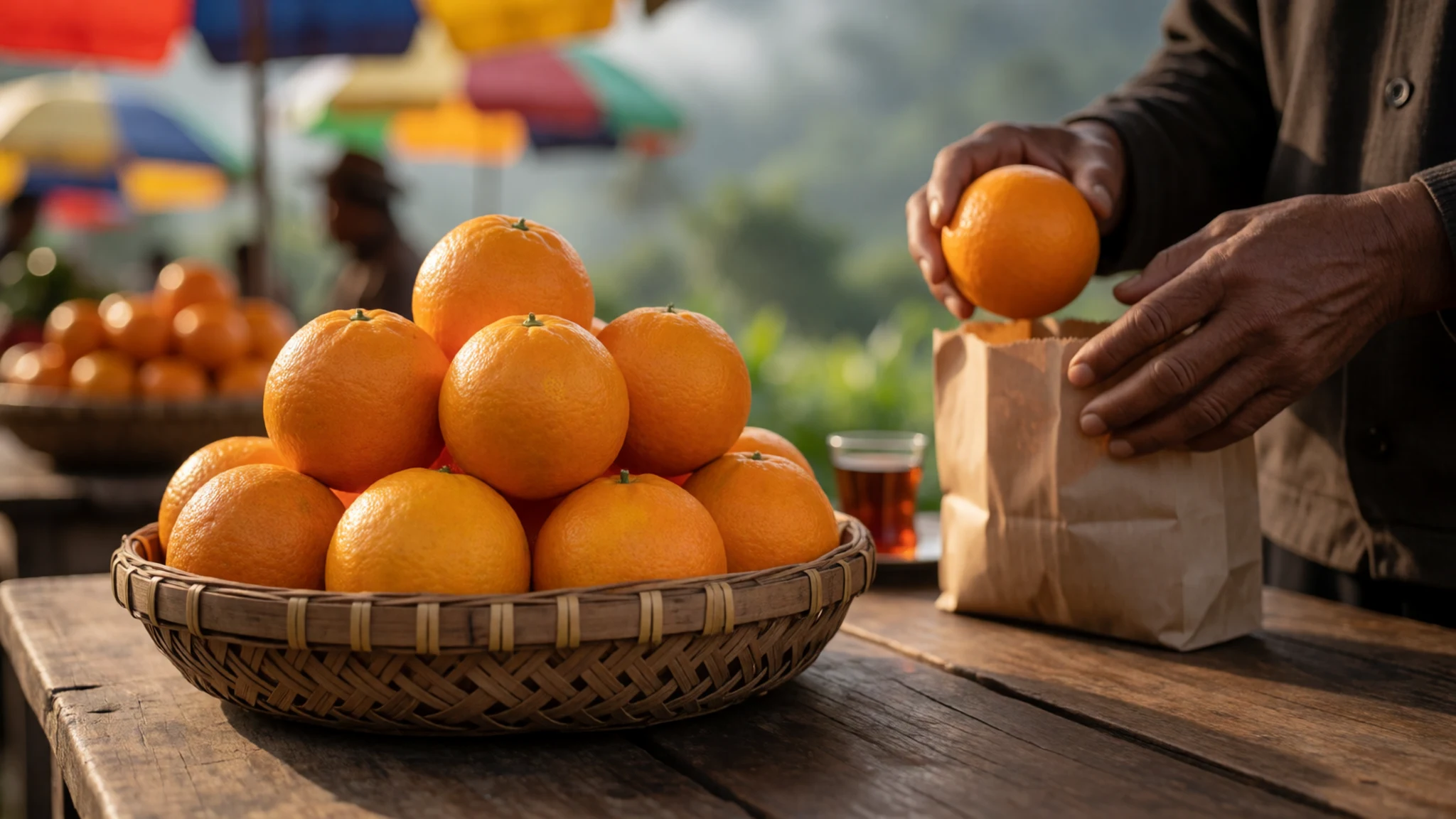
- Passion Fruit Juice — Berastagi morning market
A tart, refreshing drink made from locally grown passion fruit, common in the highland markets.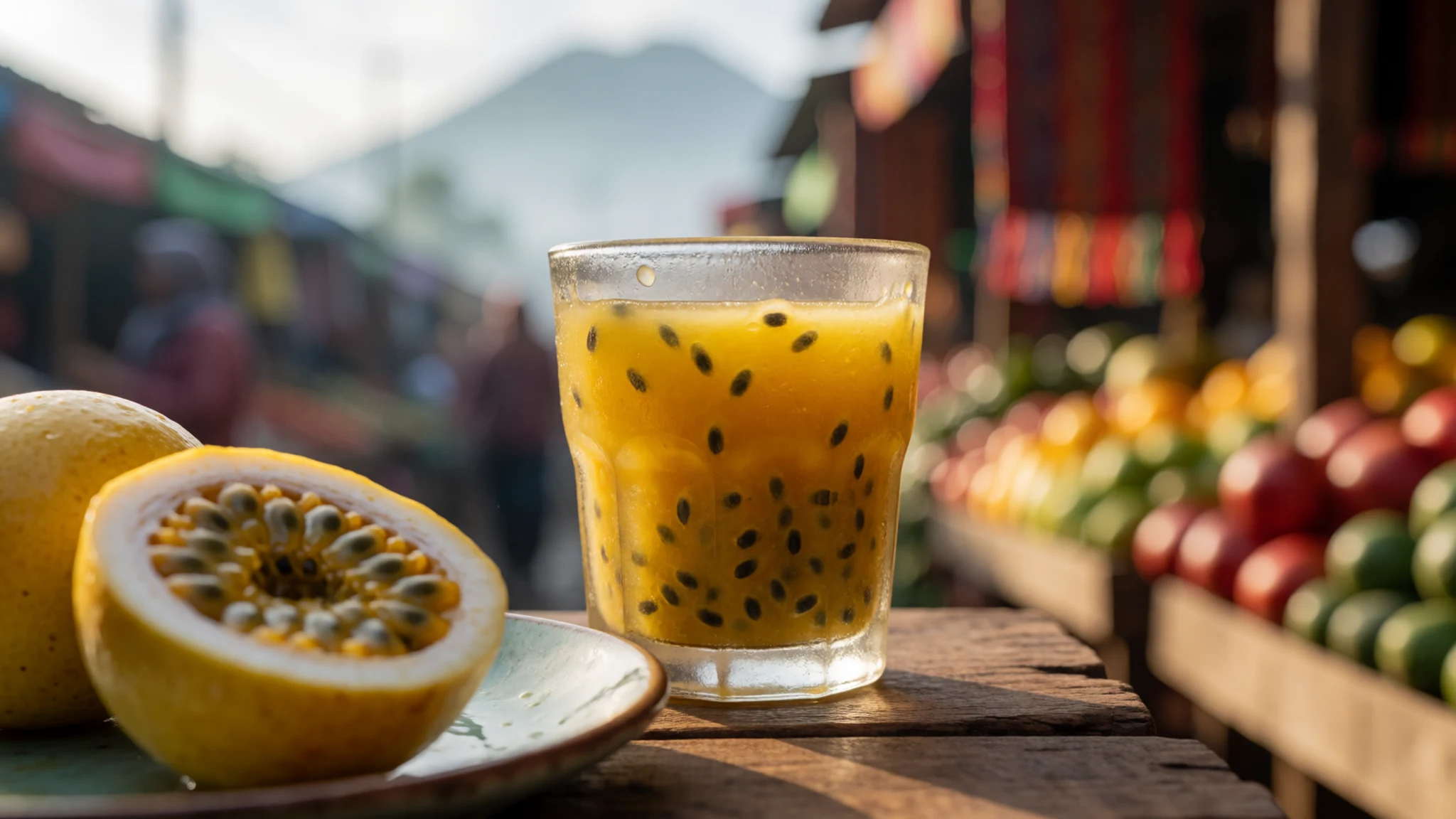
- Roasted Maize — town square of Berastagi
Corn grilled over open charcoal fires, often seasoned with a pinch of salt, sold by street vendors during the cooler evenings. - Local Coffee — village cafes in the Karo highlands
Strong, aromatic Sumatran coffee grown in the surrounding highlands, best enjoyed in a small village eatery.
Plan it
Best time. February is generally the driest month, making the trails less slippery and the views of Lake Toba more likely to be clear.
How long. 1–2
Getting there. Fly into Medan, then take a private car or bus to Berastagi; from there, arrange a local guide to take you to either the Lestari post or the Lau Debuk Debuk starting point.
Budget. low
Tips
- Hire a guide unless you are an expert trekker, as forest trails can be confusing
- Start your climb early in the morning to avoid the midday heat and potential afternoon rain
- Carry plenty of water and a waterproof bag for your electronics
- Bring a torch if you plan to start your ascent before dawn
- Wear boots with excellent traction for the rocky scramble to the rim
Etiquette
- Stay on marked paths to protect the fragile volcanic ecology
- Respect the local guides' advice regarding weather and safety
- Carry all your rubbish back down the mountain
Nearby
Sources
- Wikidata Q2302908 (CC0)
- Wikipedia (CC BY-SA 4.0)
- Wikivoyage (CC BY-SA 4.0)