Moukalaba-Doudou
Moukalaba-Doudou, Gabon
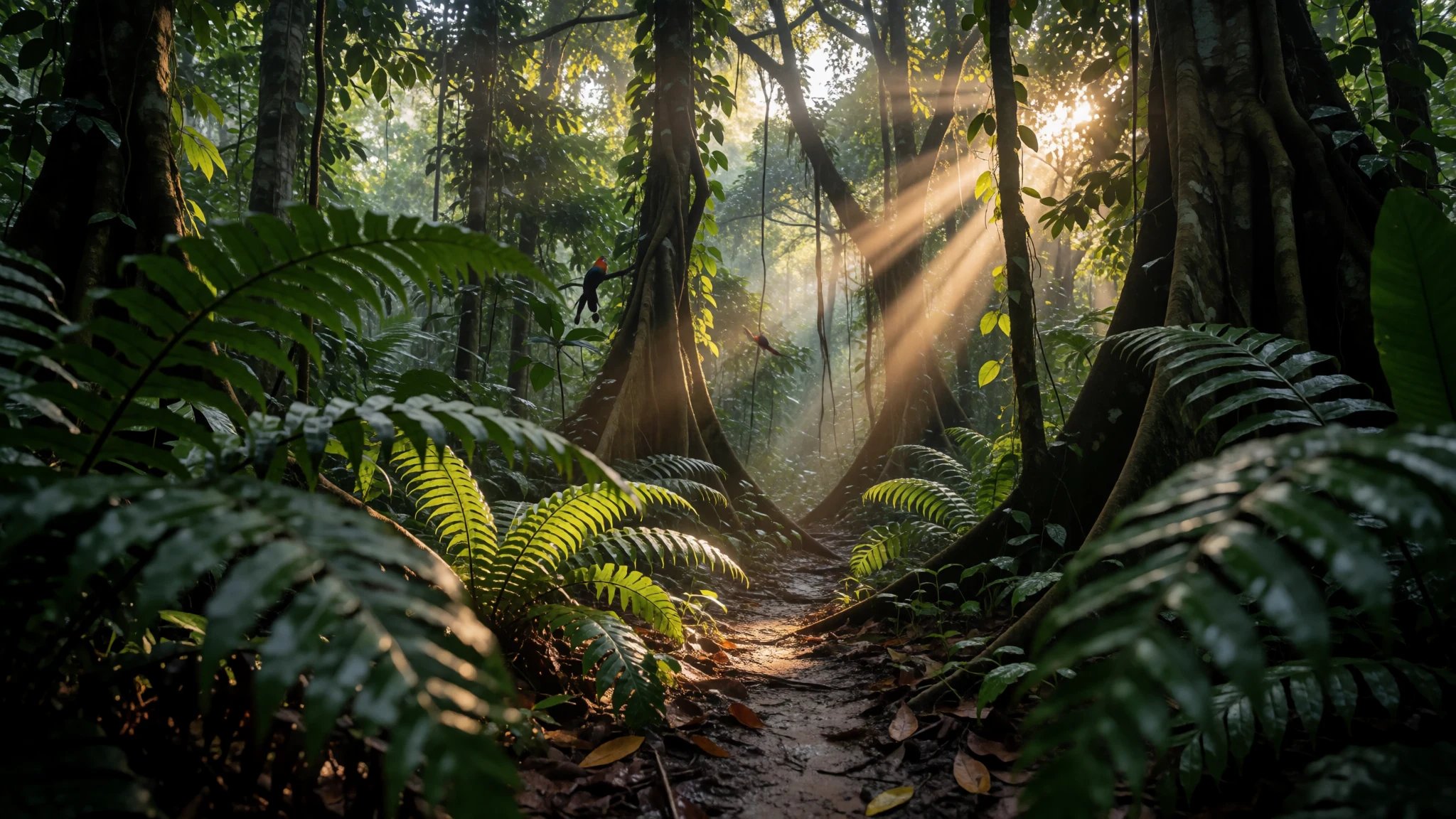
Experience a raw, biodiverse sanctuary where humid rain forests meet savannah grasslands in the heart of Gabon.
The place
Moukalaba-Doudou National Park is a sprawling wilderness in Gabon that serves as a vital refuge for Central African biodiversity. The landscape is a contrasting mix of dense, humid rain forests and open savannah grasslands, creating a variety of niches for wildlife. Because the park is located in a tropical zone, the environment is consistently hot and humid, though there is a slight reprieve in temperature during the middle of the year. The park's ecology is deeply intertwined with the surrounding river systems, which provide the necessary hydration for the thick canopy and the animals that dwell beneath it. While the park is not a high-traffic tourist destination, it offers a genuine sense of isolation and natural purity. Navigating the terrain requires patience, as the dense foliage and muddy tracks can make movement slow. The park is managed with a focus on conservation, ensuring that the balance between the forest and the grassland remains intact. Visitors will find that the park is a place of quiet intensity, where the sounds of the jungle dominate the atmosphere and the heat feels heavy and enveloping. The lack of crowds makes it an honest encounter with the wild, far removed from the curated experiences of more commercialised nature reserves.
Its story
The story of Moukalaba-Doudou National Park is rooted in a broader Gabonese journey toward environmental stewardship. For thousands of years, this land was the domain of Pygmy hunter-gatherers and later Bantu tribes, who lived in harmony with the rhythms of the forest. The arrival of Portuguese explorers and later French colonial administrators shifted the focus toward the extraction of natural resources, but the late twentieth century saw a shift back toward preservation. In the years leading up to the park's official founding, international conservation groups began implementing development programmes to protect the region's unique species. This effort culminated in the formal establishment of the park, marking a commitment to keep the humid forests from disappearing. The political history of Gabon, characterised by long periods of stability under a single family before a recent military transition, has influenced how these lands are managed. The park exists as a sanctuary not only for the animals but as a memory of the landscape before industrial pressures took hold. It reflects a national desire to balance the wealth generated by natural resources with the necessity of protecting the biological heritage of the Congo basin. Today, the park stands as a quiet victory for conservation in a region that has seen significant political and social change over the last several decades.
What to see
- The Rainforest Canopy — the central forest zone
The primary draw of Moukalaba-Doudou National Park is its towering humid rain forest. These forests are home to rare bird species and primates, offering a dense, green cathedral for those who enjoy slow trekking and wildlife spotting. The air is thick and fragrant with damp earth and wild blooms.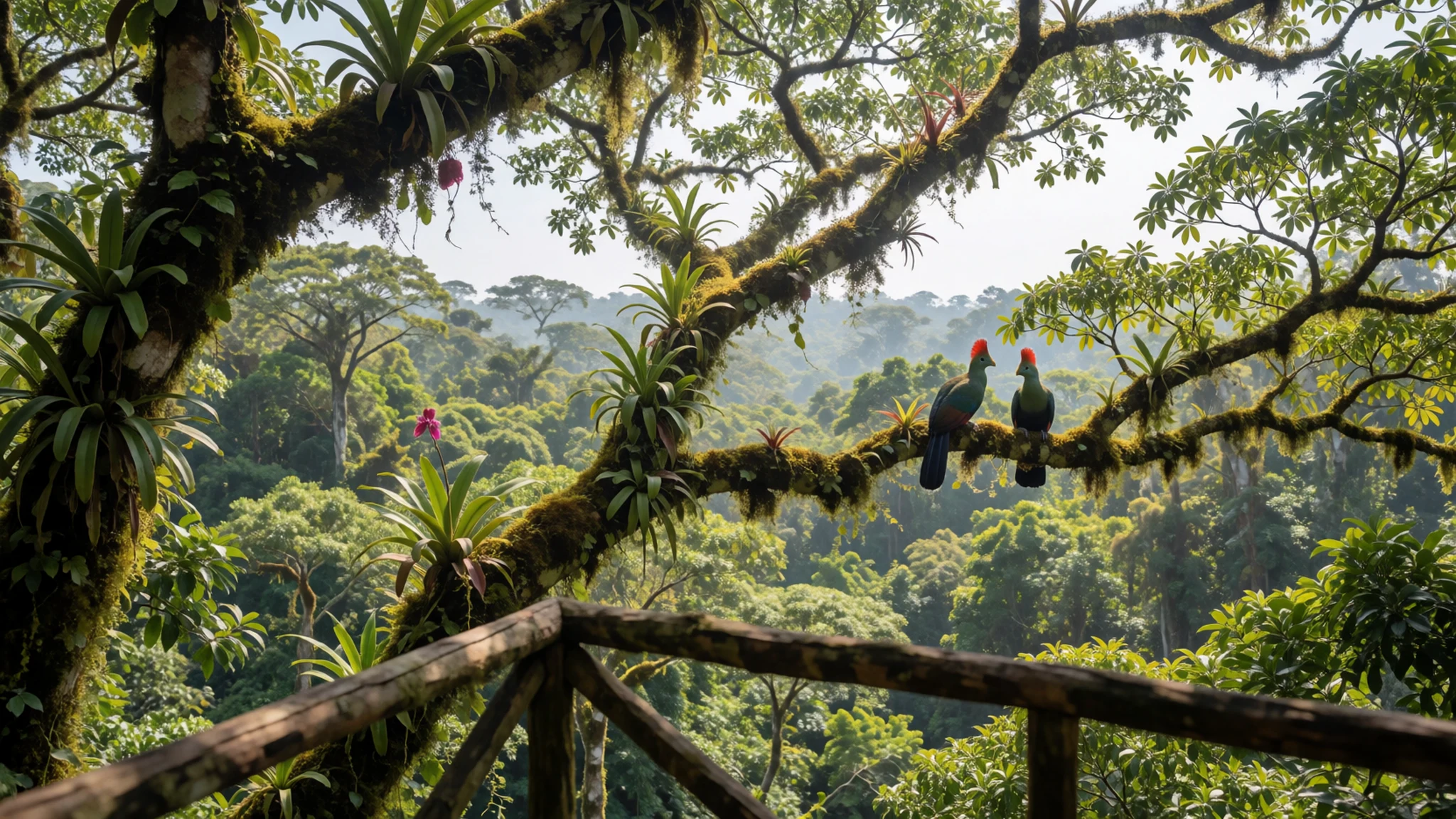
- Savannah Grasslands — the eastern fringes of the park
Contrast the deep woods with the open savannah grasslands found within the park. These areas provide better visibility for spotting larger mammals and offer a different ecological perspective on how Gabon's interior landscape shifts between water-heavy forests and drier, open plains.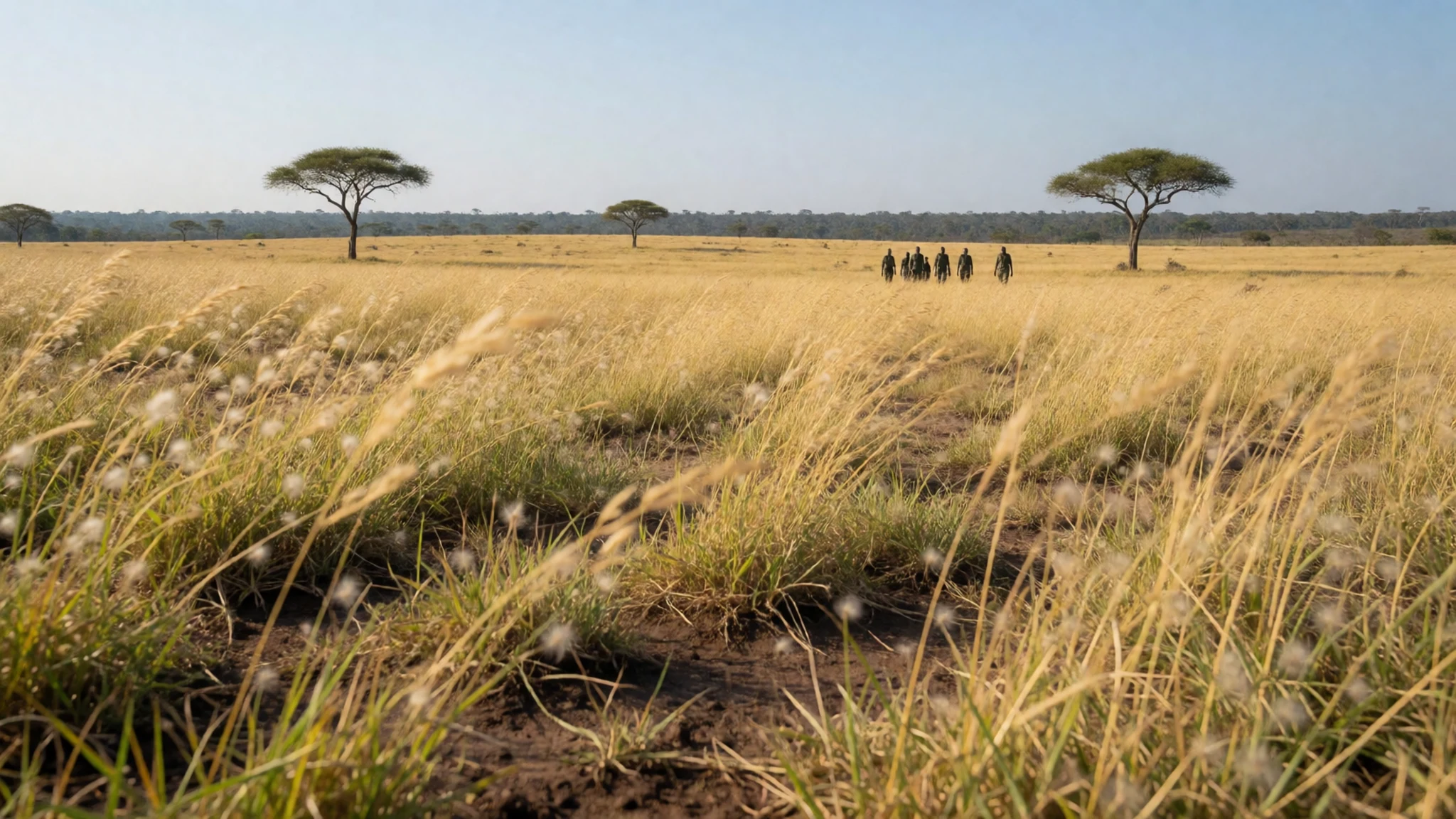
- The Ogooué River Basin — the river corridors near the park
While the river extends far beyond the park, the surrounding basin is essential to the region's life. It is a place to look for the critically-endangered slender-snouted crocodile and various water birds that thrive in the slow-moving, tropical currents of Gabon's longest river.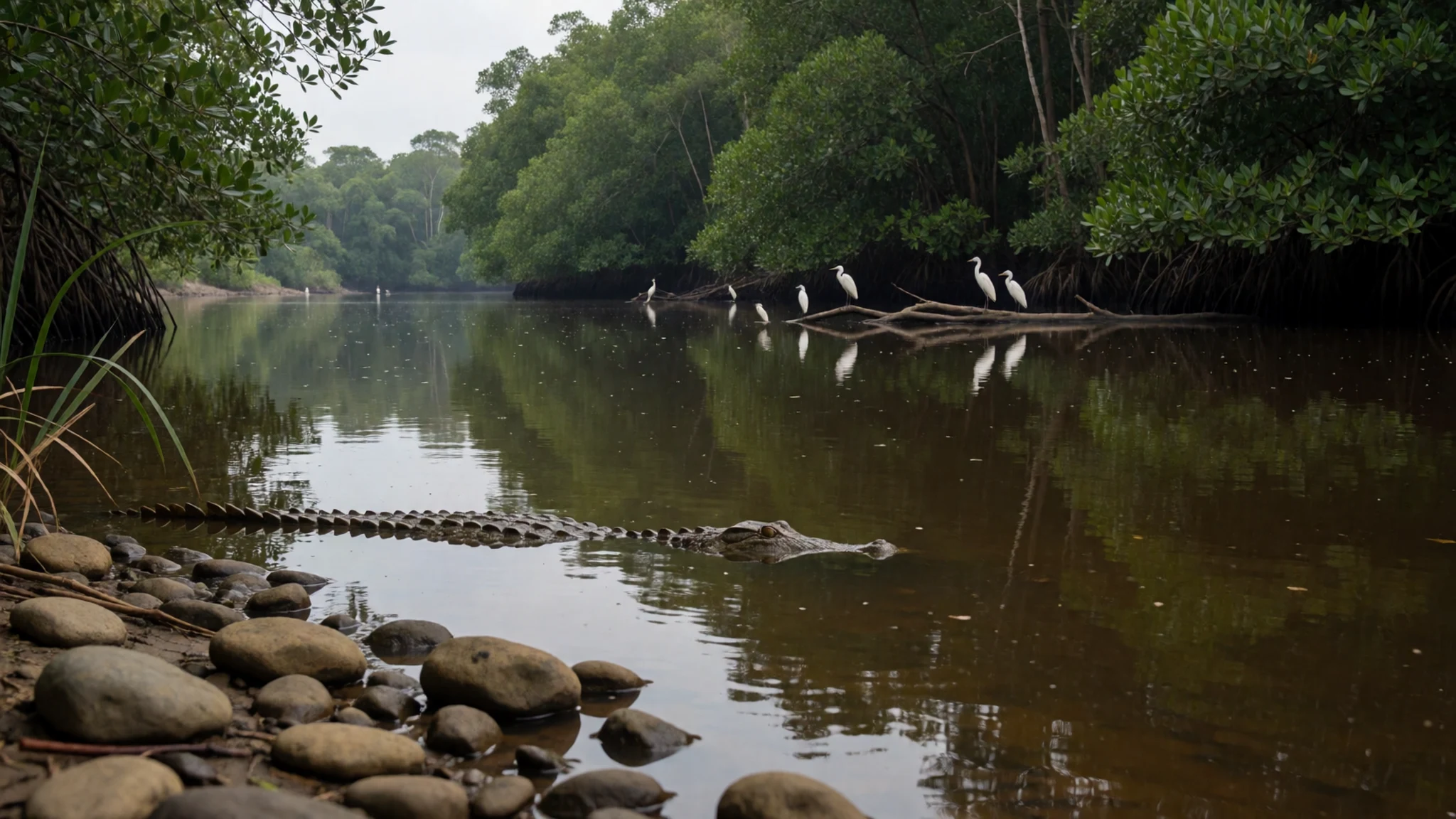
- National Museum of Gabon — Libreville
Located in the capital, this museum provides the essential context for the park's biodiversity. It houses a wide range of sculptures and ethnographic art that explain the relationship between the Gabonese people and the forests of the interior, including the Moukalaba-Doudou region.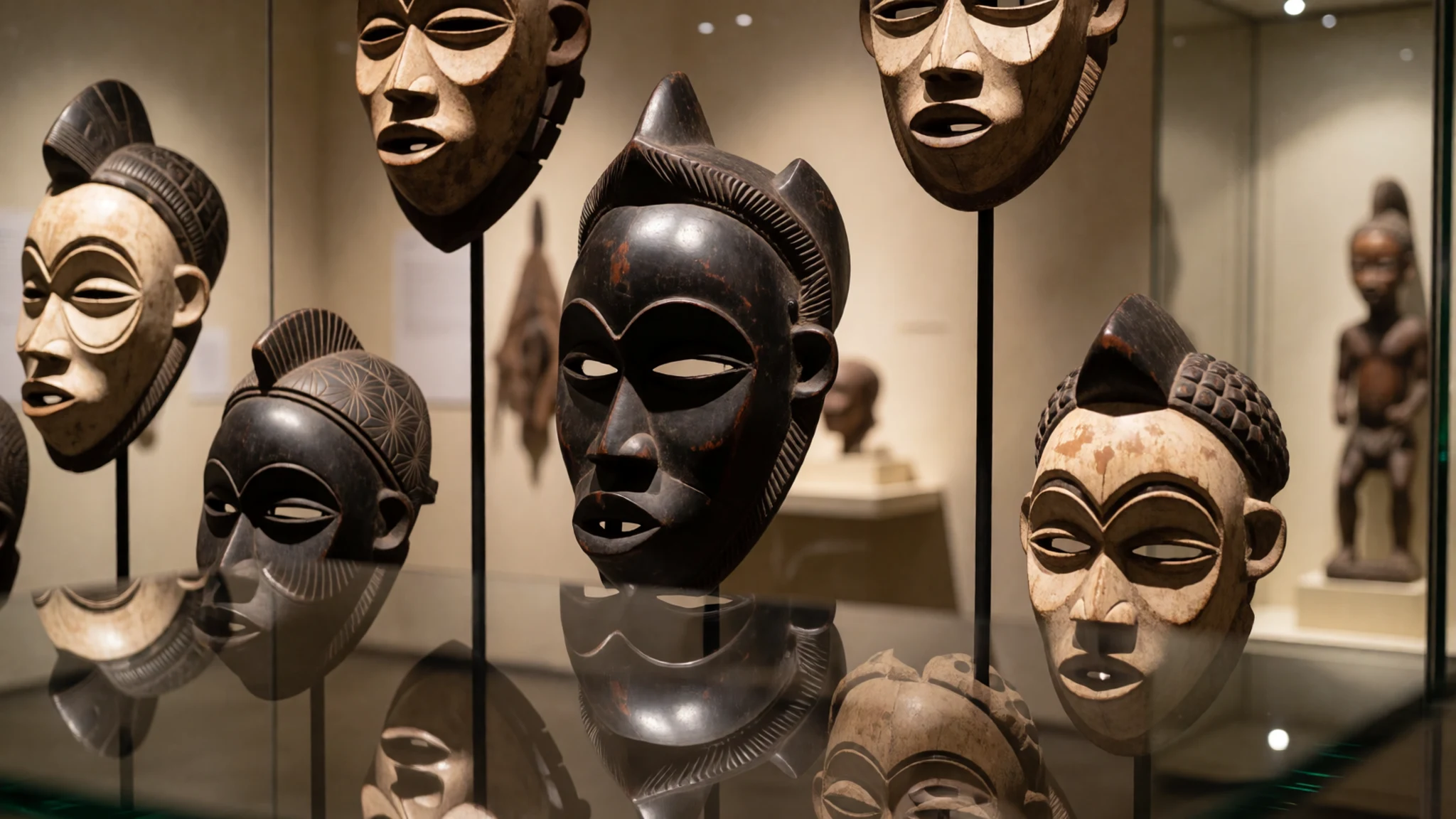
- Cathédrale Sainte Marie — Libreville
A striking piece of architecture in the capital that reflects the colonial and religious history of the nation. It offers a quiet space for reflection and a glimpse into the urban side of Gabonese life before heading into the wild interior.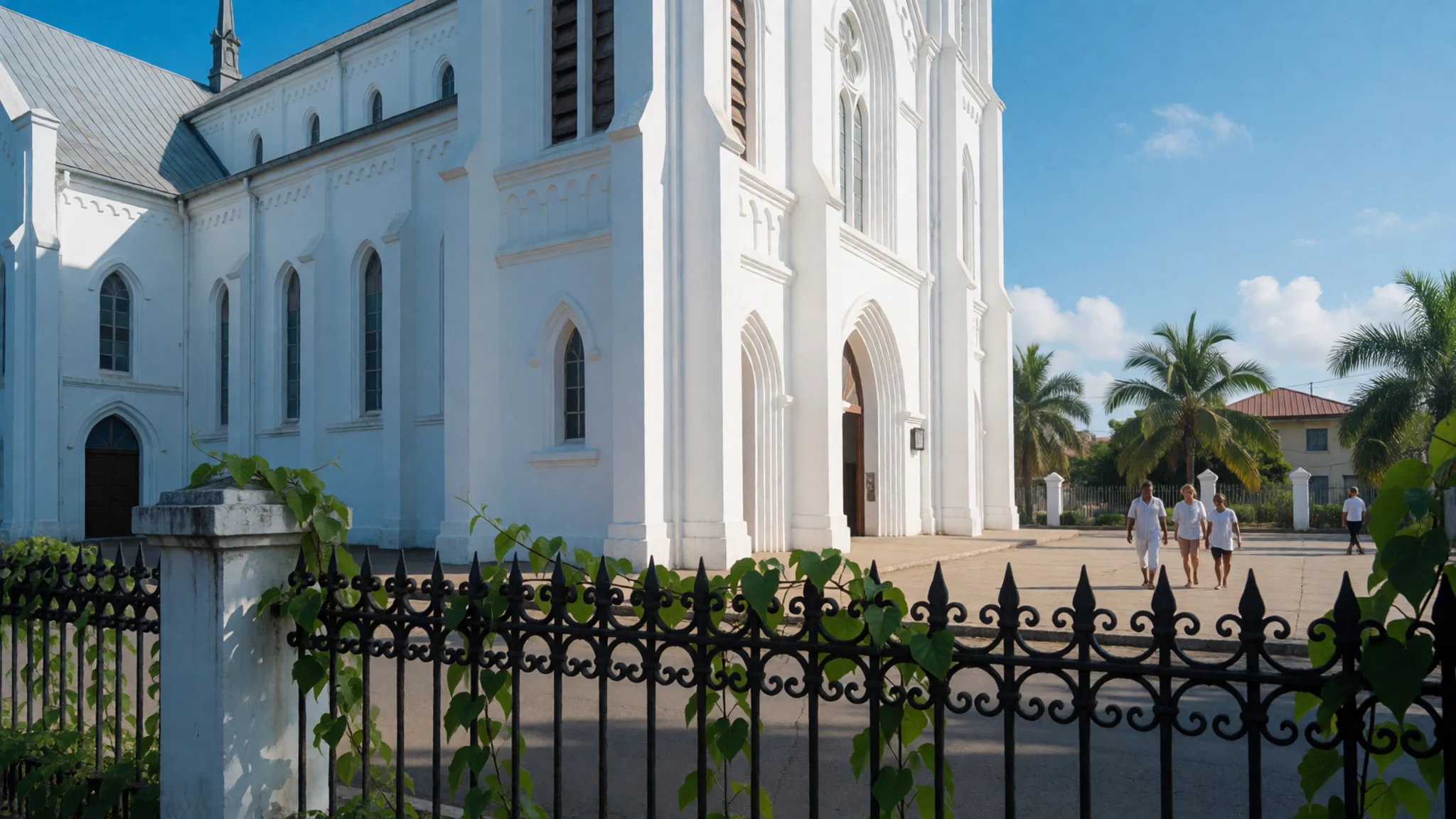
Culture
Culture in the region of Moukalaba-Doudou is a blend of ancestral traditions and modern Gabonese identity. The population is a mosaic of more than 40 ethnic groups, which has historically fostered a spirit of tolerance and stability. There is a deep-seated respect for the natural world, inherited from the Pygmy and Bantu peoples who first navigated these forests. In daily life, people are generally very friendly and helpful to visitors, though they maintain a reserved and respectful dignity. The social fabric is closely tied to family and community, with a strong emphasis on hospitality. In the cities, this manifests as a warm welcome, while in the rural areas near the park, it appears as a quiet, supportive guidance for those venturing into the bush. Religious life is a mix of Christianity, Islam, and traditional beliefs, all of which coexist peacefully. When interacting with locals, a polite and patient approach is always the best way to build rapport. Please remember to ask for permission before taking photographs of people in rural villages.
What to wear
Fashion in Moukalaba-Doudou and the wider Gabon region reflects a transition from tribal heritage to urban modernity. Traditionally, textiles were derived from natural forest fibres and barks, with intricate patterns and beadwork signifying status or ethnic belonging among the Bantu and Pygmy groups. In modern daily life, people in the cities wear a mix of Western-style clothing and colourful African wax prints, which are popular for both casual and formal occasions. For a visitor heading into the park, functionality is paramount. The climate is always hot and humid, so lightweight, breathable fabrics are essential. Long-sleeved shirts and long trousers in neutral colours are highly recommended to protect against insects and the abrasive foliage of the rain forest. Sturdy, waterproof hiking boots are a necessity for the muddy terrain, as footwear will quickly become soaked during the rainy periods. In the capital, smart-casual attire is standard, but modesty is appreciated when visiting religious sites or government buildings. Always carry a light rain jacket, as tropical downpours can occur suddenly regardless of the season.
What to eat
- Balbool Soup — Balbool restaurant in Libreville
A hearty and flavourful soup that is a local favourite, offering a comforting blend of ingredients typical of the region's eateries.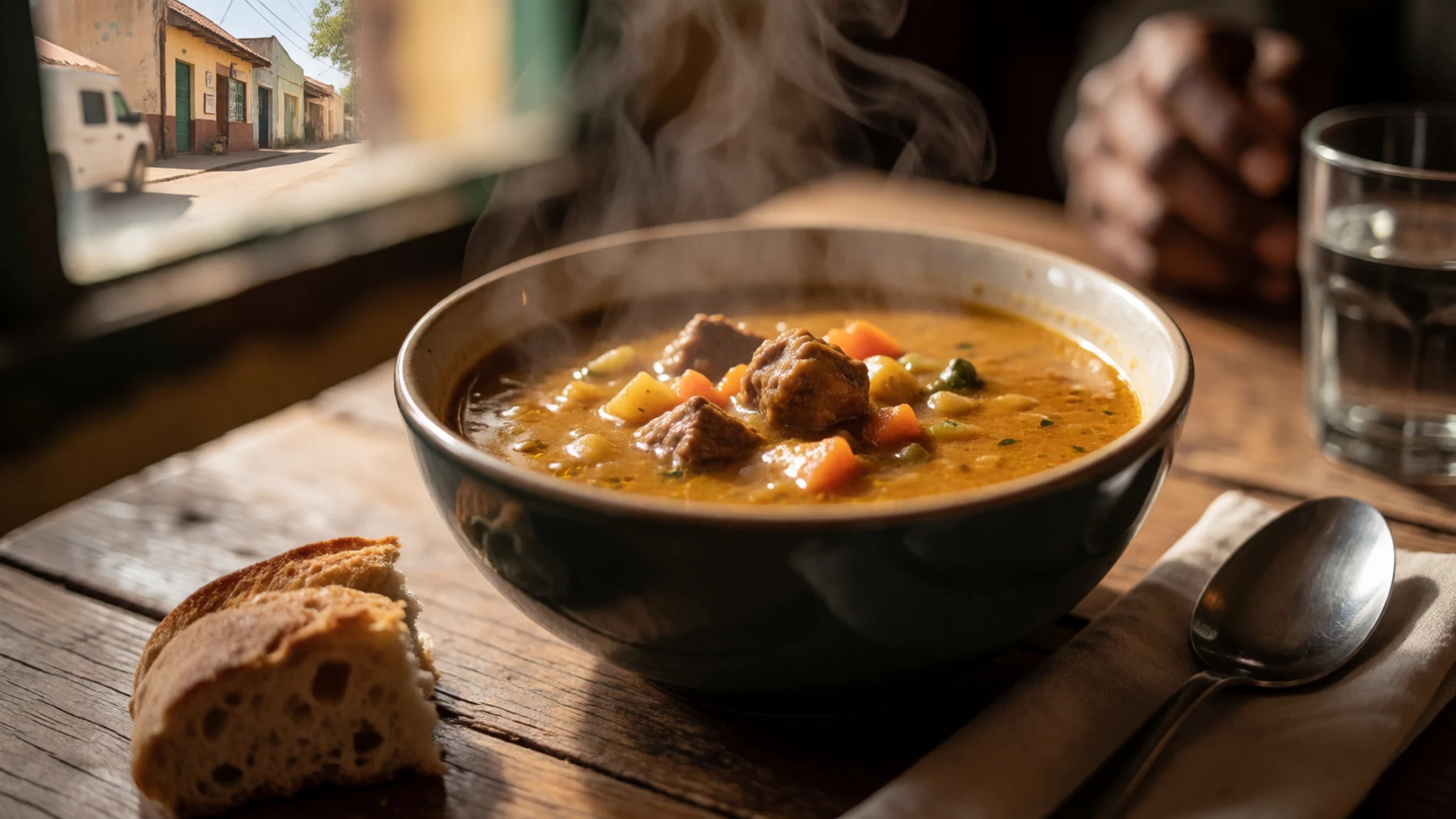
- Regab Beer — local kiosks and restaurants
The most accessible local lager, typically served in large 650 mL bottles. It is a refreshing staple for relaxing after a day of exploration.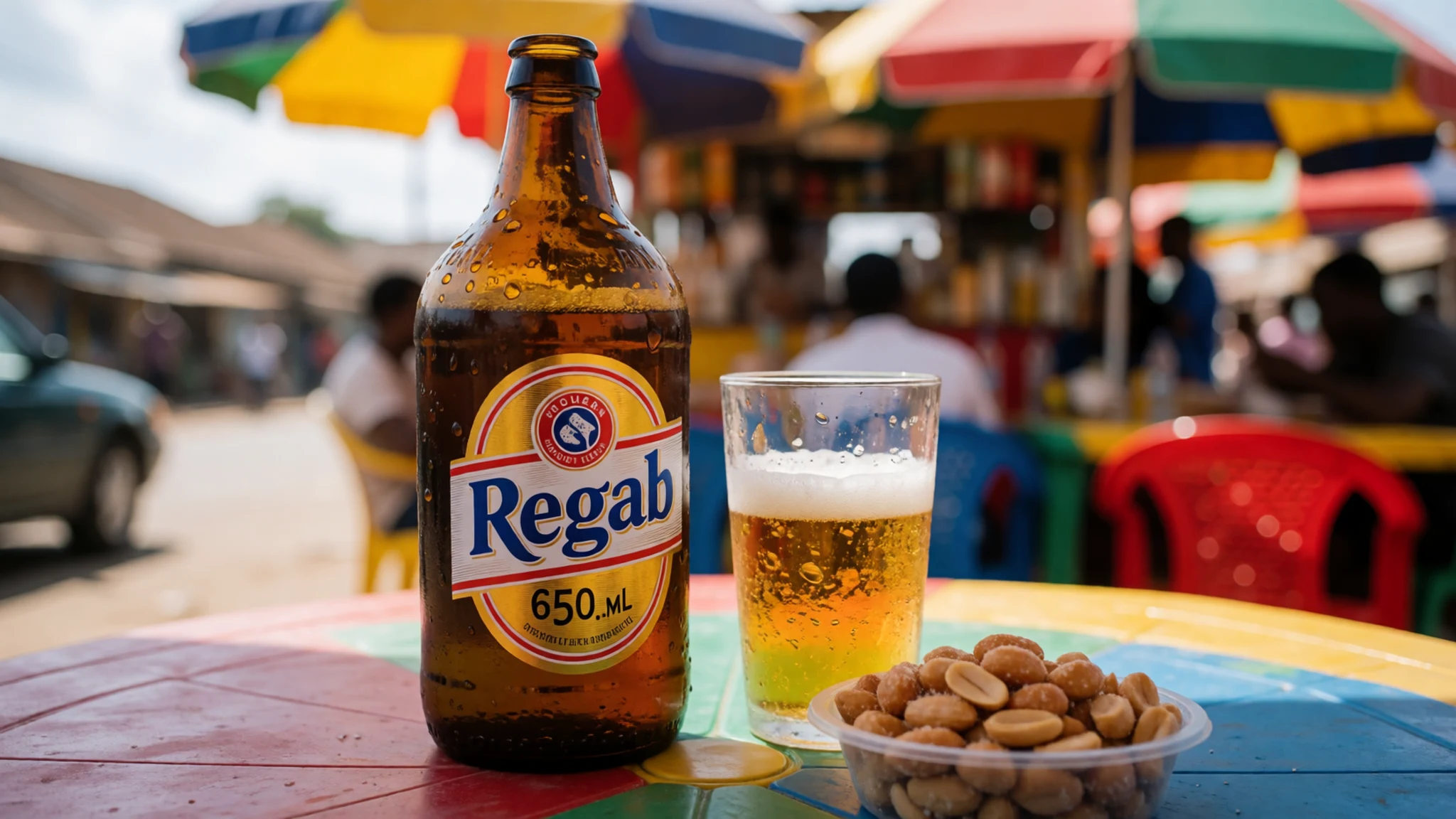
- D'jino Fruit Juices — local shops and convenience stores
Refreshing bottled juices available in flavours like grapefruit, pineapple, and lemon, providing a sweet burst of tropical taste in the heat. - Fresh Tropical Fruits — morning markets in Libreville
A variety of seasonal fruits found in the markets, from ripe papayas to sweet mangoes, reflecting the rich volcanic soil of the region.
Plan it
Best time. June to September, when the tropical climate is slightly cooler and less oppressive.
How long. 3–5
Getting there. Fly into Leon Mba International Airport in Libreville, then arrange a 4x4 vehicle for the journey to the park interior.
Budget. mid
Tips
- Obtain an e-Visa at least 72 hours before travel
- Carry plenty of cash for rural areas as cards are rarely accepted
- Use a 4x4 vehicle for all interior travel due to poor road conditions
- Pack high-strength insect repellent and anti-malarial medication
- Avoid large political gatherings to ensure your safety
Etiquette
- Address elders with high respect and formal greetings
- Dress modestly when visiting villages or churches
- Avoid discussing sensitive political transitions with strangers
Nearby
Sources
- Wikidata Q6918943 (CC0)
- Wikipedia (CC BY-SA 4.0)
- Wikivoyage (CC BY-SA 4.0)
Wildlife
- Slender-snouted crocodile (animal)
The slender-snouted crocodile is a river reptile with a long, narrow snout, a bit like a crocodile with a pointed nose. In Moukalaba-Doudou, look for it along the longest river in Gabon, where the gentle, warm current also suits many water birds. Because it is critically endangered, every sighting is precious. Go with a guide, keep a respectful distance, stay quiet and calm, and never feed it. Ask your guide about the best moments to look.