Mayumba National Park
Mayumba National Park, Gabon
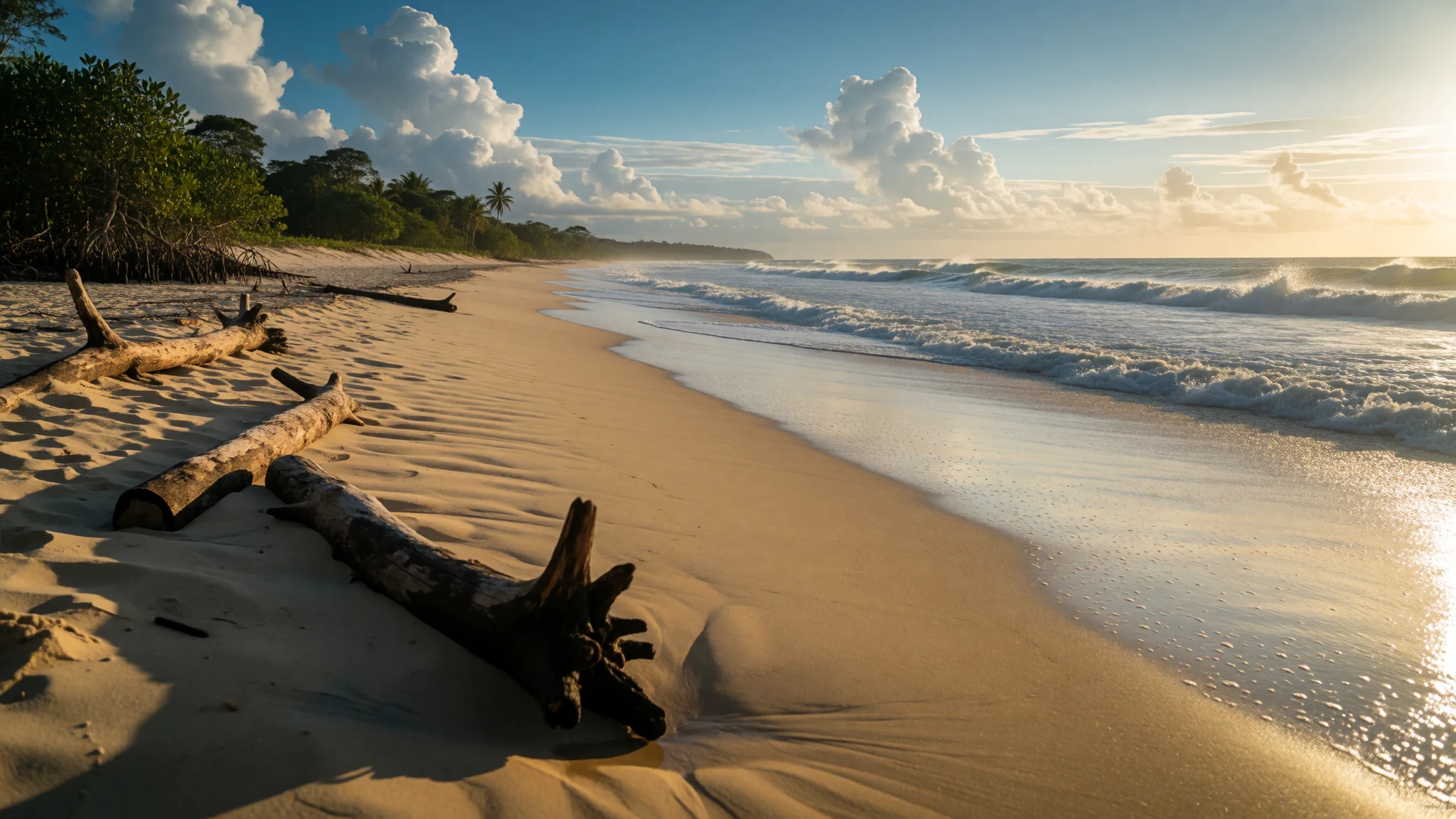
Mayumba National Park mixes sandy beaches and jungle interiors, with a real chance of seeing wildlife from shore to sea.
The place
Mayumba National Park (French: Parc national de Mayumba) sits in the extreme south-west of Gabon, along a narrow strip where beach, dunes, savanna and rain-forest all overlap. It feels both coastal and wild: the land is thin and transitional, and the park stretches out to sea, so the scenery changes fast—from surf and mangroves to inland forest edges.
What brings most people here is the coastline. The park is known for leatherback turtle nesting beaches, and the marine side is equally important, with habitats used by dolphins and sharks, plus migrating humpback whales. If the sea is calm, you get that layered sense of “two parks”: one you walk through, and one you watch through the waves.
Wildlife isn’t just coastal theatre. Inland, the habitat mosaic supports a range of terrestrial animals, including forest elephants, buffalo, leopards, gorillas, chimpanzees, antelopes, crocodiles, hippos and several monkey species. That diversity comes from the park’s position between forest and more open country.
Mayumba also has a different rhythm from many African safari destinations. Instead of long drives, it’s often about short transfers, early light and patient spotting—especially around water. The tropical climate stays hot year-round, but it tends to feel a bit cooler from June to September; for comfort, timing matters more than crowds.
Its story
Mayumba National Park’s story is really about the edges—where land refuses to pick one identity. Along this thin coastal tongue, dunes and beach lie beside rain-forest, while savanna opens out to the east and south. That mix makes the park feel less like a single landscape and more like a chain of habitats.
On the coast, the narrative is drawn in movement: nesting turtles on the beaches, then a wider marine stage out beyond the shoreline. Dolphins and sharks use the offshore habitats, and humpback whales pass through during migration. It’s a reminder that the park isn’t “only for walkers”; it’s designed by the ocean as much as by the forest.
Inland, the pace slows again. The park supports large animals that need variety—forest cover, water sources, and the kinds of corridors that let species move without getting boxed into one habitat. That’s where you may hear the animals before you see them: the rustle near the tree line, the calls from forest edges, and the sudden clarity of an animal silhouette at the boundary between open and shaded ground.
After a day of looking, the best moments often aren’t a checklist. They’re the in-between scenes: low light on mangrove edges, humid air settling after rain, and the sense that this particular stretch of Gabon protects both shore and sea as one connected system. Mayumba rewards steadiness more than chasing.
What to see
- Leatherback nesting beaches — Mayumba coastline near the park’s shore
Mayumba National Park includes about 60 km of key leatherback turtle nesting coastline. Even without a guaranteed sighting, the beaches set the tone for everything here—timed patrols, night-time interest, and a constant sense that the shore matters.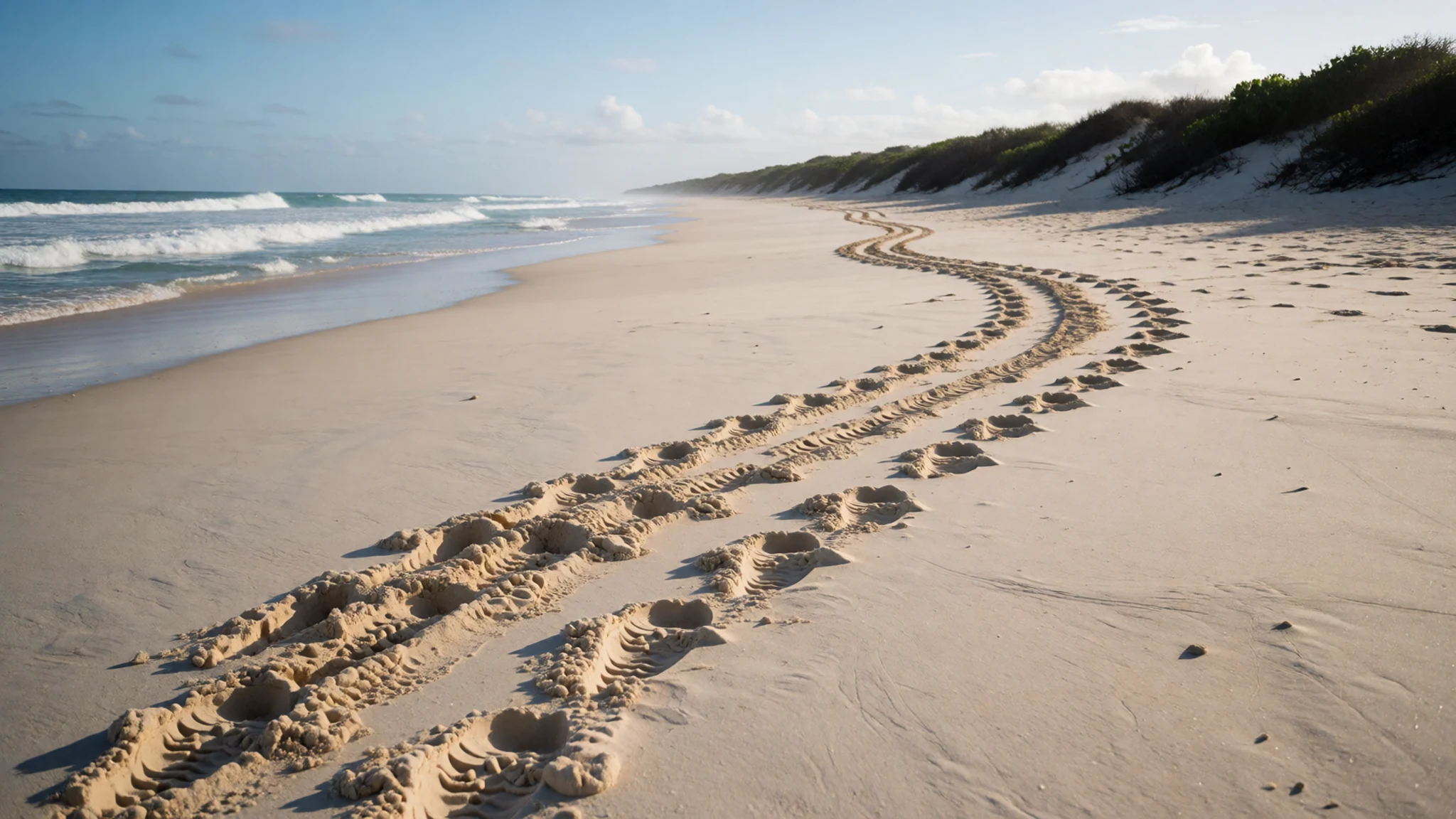
- Offshore marine habitats — Offshore waters beyond the beaches
The park extends roughly 15 km out to sea, protecting marine habitats used by dolphins and sharks, and supporting migrating humpback whales. This is where Mayumba becomes a true “water” destination: watch from the coast or boat.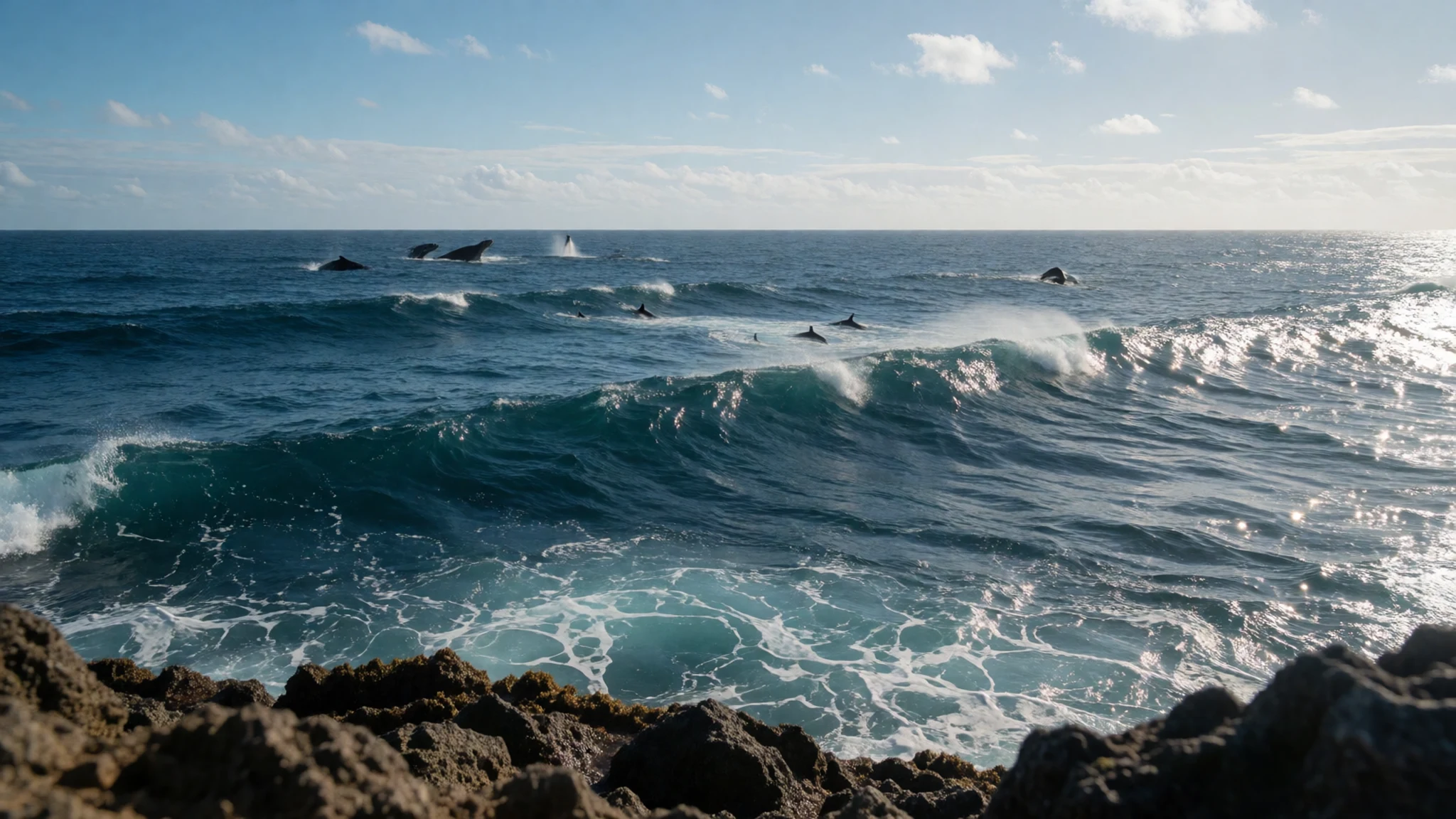
- Coastal forest & mangrove edges — Coastal forest and mangrove fringes
Between beach and deeper woodland, Mayumba’s coastal vegetation creates natural cover—good for birds and small wildlife and for tracking animal movement. Expect a greener, thicker feel when you move away from the dunes.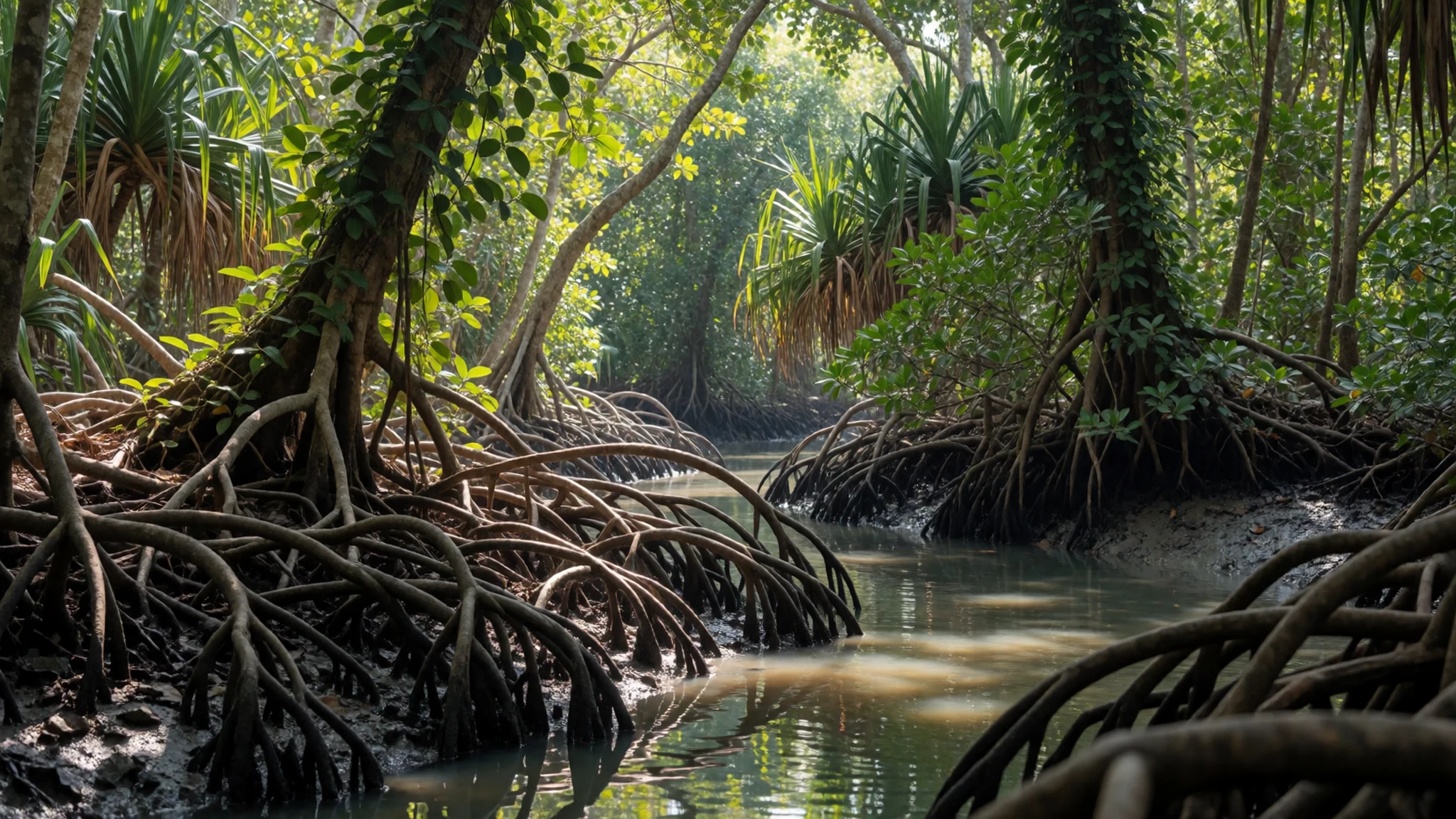
- Inland forest–savanna transition — Interior areas where forest meets savanna
As you go inland, savanna opens up in parts of the park, while tropical forest remains close by. That transition zone is often where you notice different animal signs—some species prefer cover, others open country.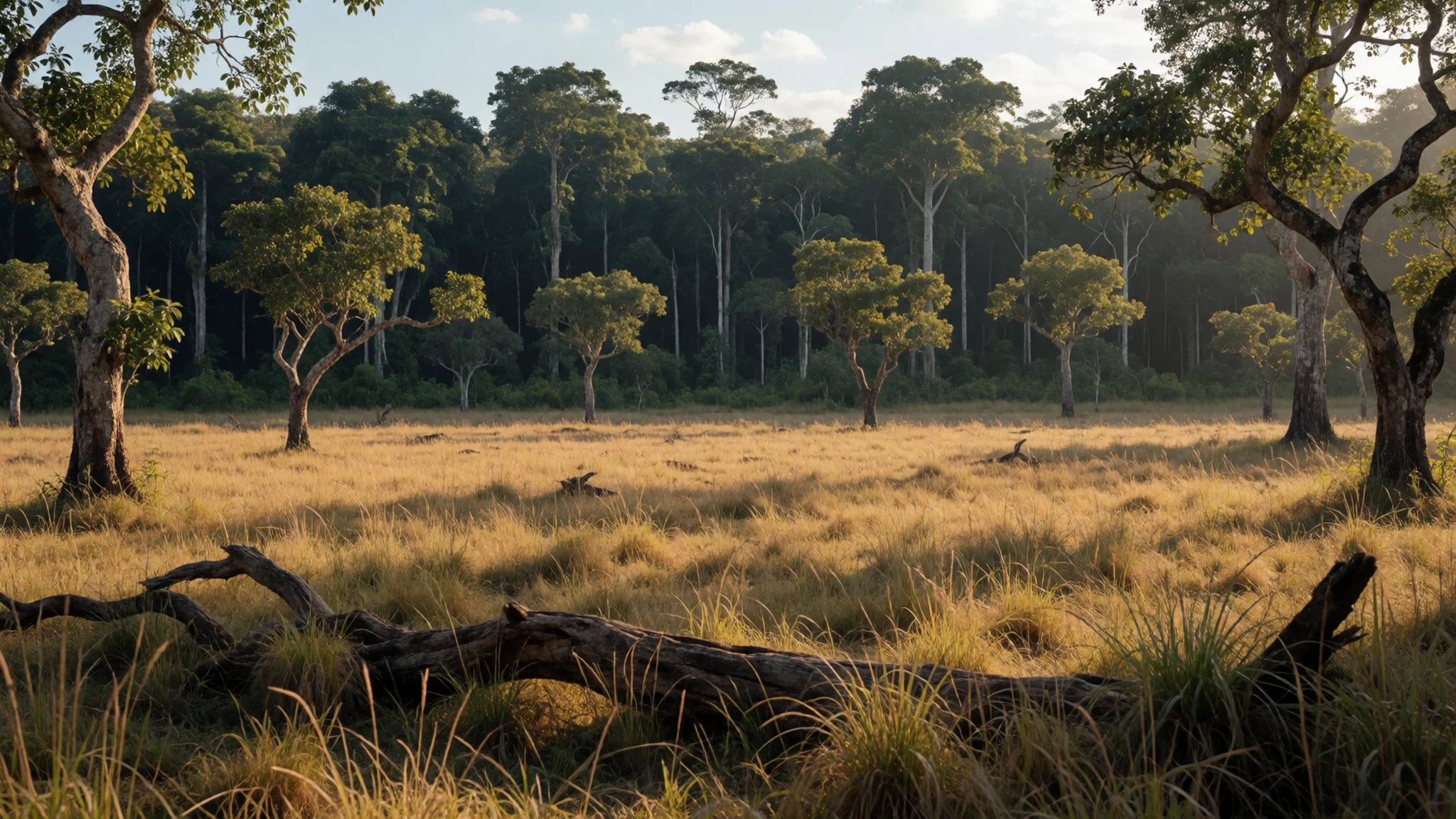
- River-and-water wildlife corridors — Water edges and freshwater-influenced parts of the park
Mayumba’s water-linked habitats support creatures that need both cover and access to water. Look for crocodiles and hippos near water edges, and remember that routes to water are often where animals concentrate.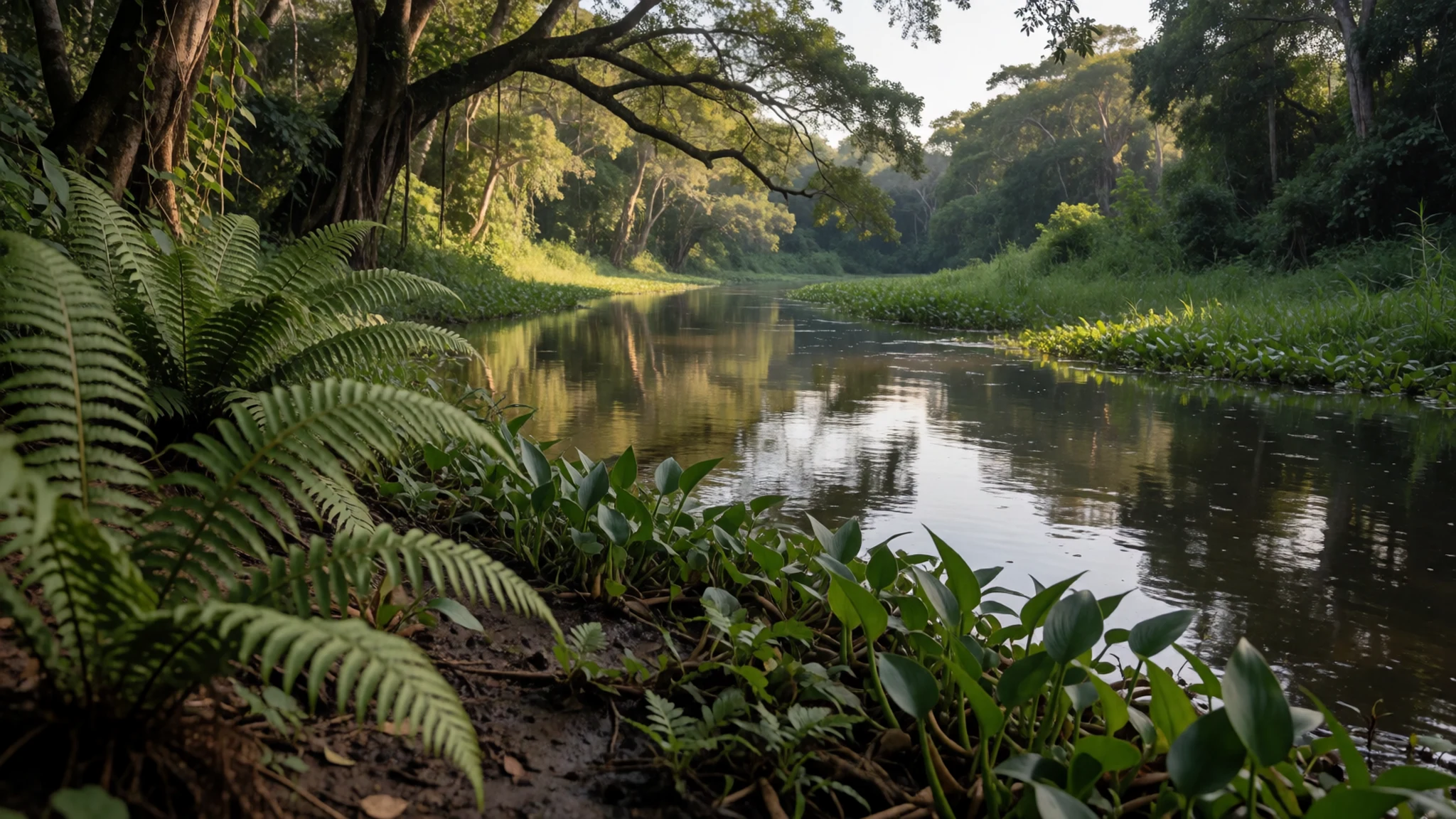
Culture
People around Mayumba are generally friendly, respectful and helpful to visitors. In practice, that warmth shows up in small ways: quick directions, patient explanations, and an emphasis on making sure you’re comfortable while you travel between coastal areas and inland spots.
Because the park is about water and wildlife, conversations often circle around timing—when tides are right, when light is good for spotting, and how to behave around sensitive environments. Local staff tend to be focused on common sense: keeping noise down, staying with the group, and following guidance during night and near-water activities.
Language and logistics can be a little fluid, so it helps to be calm and flexible. If you’re asked to slow down or wait, that’s usually about safety and wildlife. And if plans change with weather or conditions, it’s not a “fuss”—it’s the tropical reality of a place where hot humidity and sudden shifts can affect visibility.
Visitor etiquette: stay quiet near animals, follow local guides’ instructions around nesting areas, and dress modestly for boat and trackside stops.
What to wear
For Mayumba National Park, the clothes problem is mostly heat and humidity. The region stays tropical and humid, so lightweight layers win, with something that dries quickly. Closed-toe footwear is a smart baseline for jungle edges and muddy sections, while a cap helps with sun on beach mornings.
Traditional dress varies by community across Gabon, but around tourist areas you’ll mostly see everyday clothing rather than formal attire. In many places, the day-to-day look blends breathable fabrics with practical choices for walking, and visitors should expect to dress modestly when moving through village areas or around camp staff.
What to wear now: a breathable shirt, long shorts or light trousers, and a comfortable pair of shoes you don’t mind getting wet or dusty. Pack a thin rain layer because tropical showers can come fast. If you’re heading to the coast or doing early starts, include sunglasses and sunscreen.
What to wear as a visitor: keep shoulders and upper legs covered when you’re near people, avoid flashy clothing that invites unwanted attention, and use footwear with grip for wet sand and damp forest tracks.
What to eat
- Balbool soup — Balbool restaurant
Balbool restaurant is known locally for western-style meals and a “big Balbool soup” that people order on purpose. If you’re craving something warm and filling after humid jungle time, it’s an easy local-friendly target.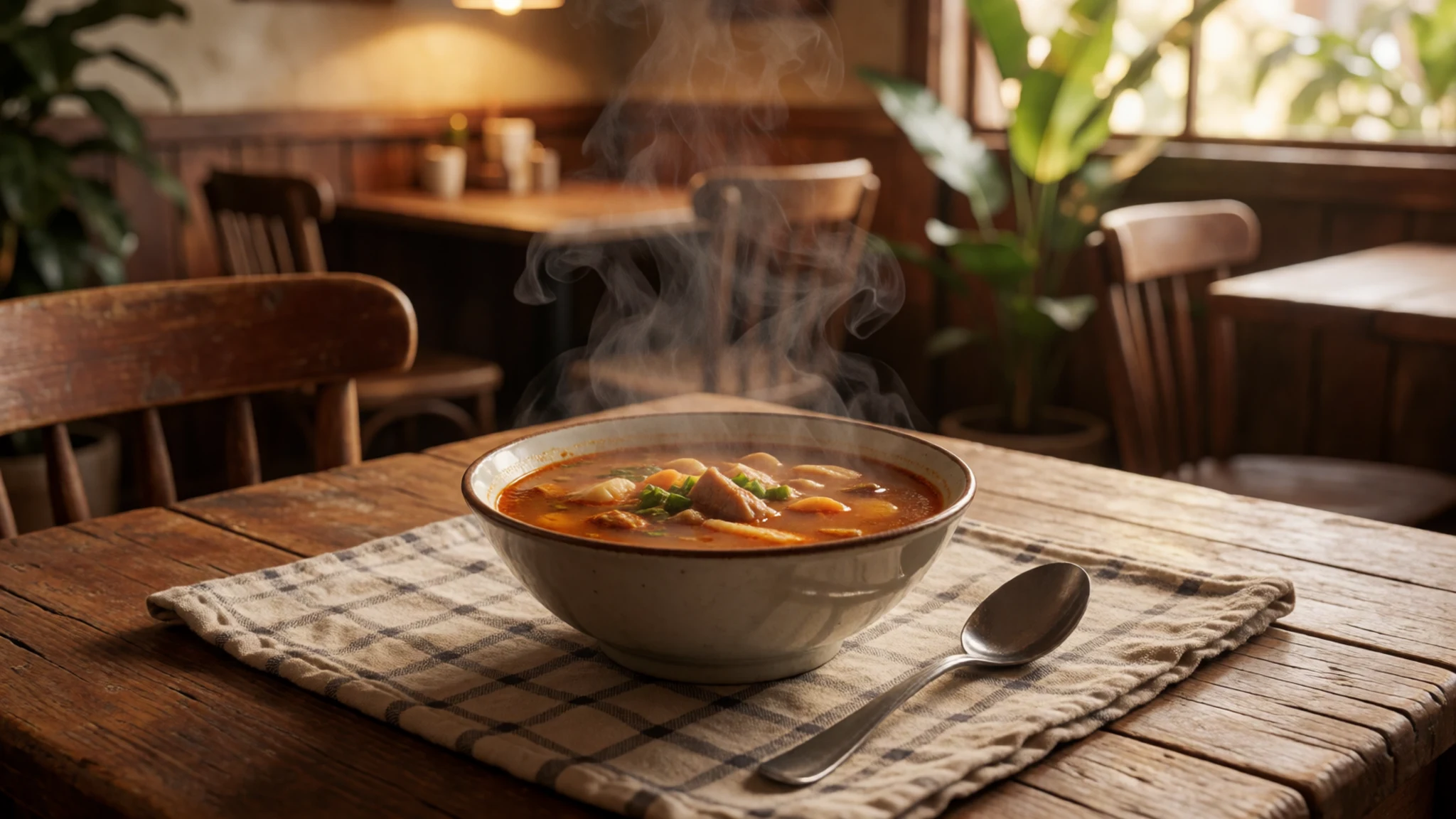
- Regab beer — Local bars and shops around towns serving beer
For a simple refresh, look for Regab, described as the cheapest local beer. It’s typically served in a bottle format and is an easy stop-and-chat drink after a day of spotting wildlife.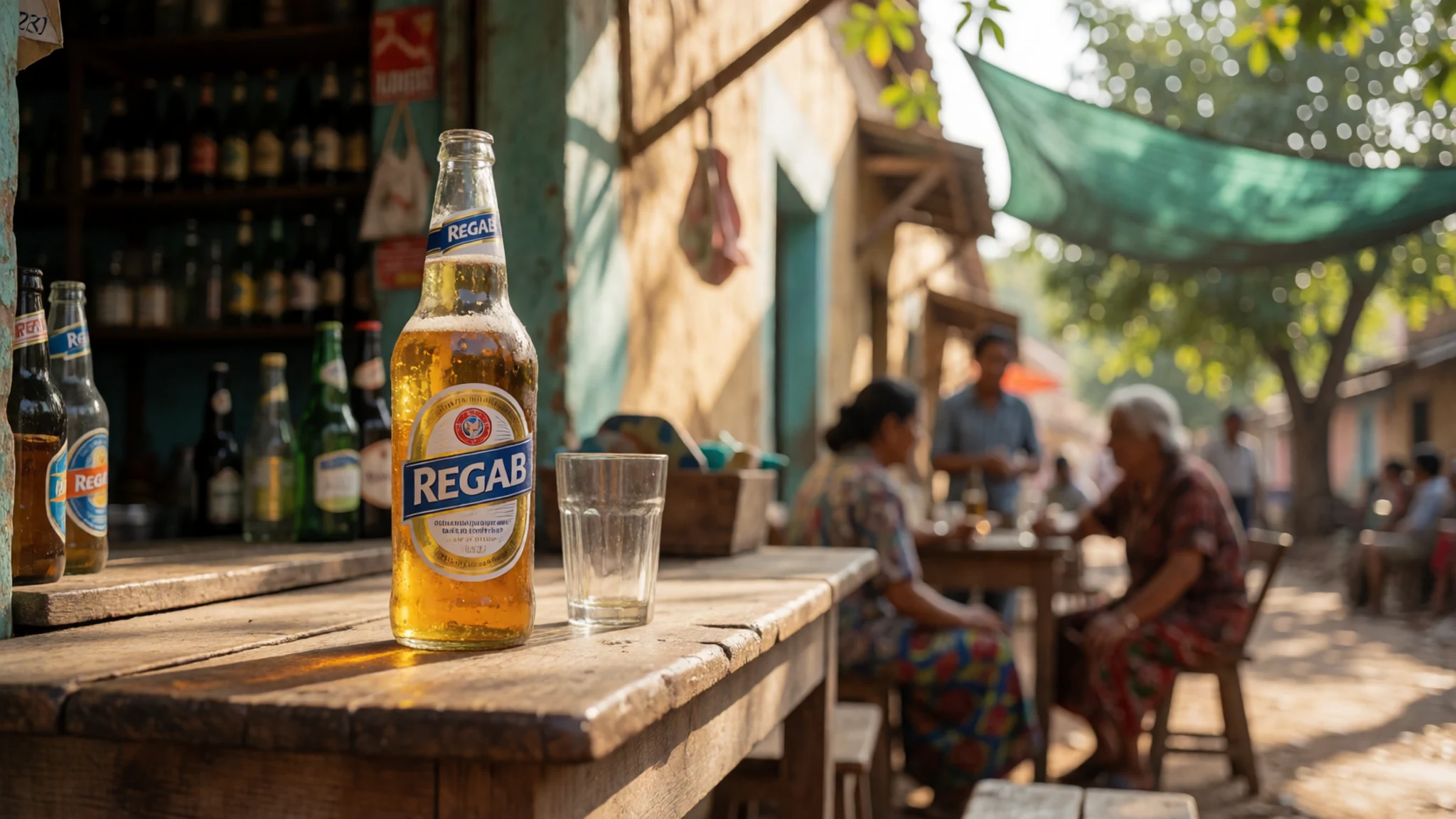
- D’jino Pampelmousse (grapefruit juice) — Shops in towns for bottled juices
D’jino Pampelmousse is grapefruit juice, sold in bottled form at local shops. It’s a practical break from heat: sweet, tangy, and easy to grab when you’re moving between coastal and inland stops. - Ananas (pineapple juice) — Local shops selling bottled juices
Ananas is pineapple juice in bottles, a common bright option when you want something cooler than water alone. Ask for it at local shops that stock bottled drinks for travellers. - Citron (lemon juice) — Local shops selling bottled juices
Citron is lemon juice sold in bottles, including both smaller and larger sizes depending on where you buy it. It’s a straightforward way to stay refreshed during hot, humid days around the coast and trails.
Plan it
Best time. June–September can feel a little cooler, and Mayumba’s tropical conditions generally make comfort better when temperatures are down. If you prefer the drier feel associated with late seasons, March–April and October–November are also popular for travel timing.
How long. 3–4
Getting there. Fly into Leon Mba International Airport in Libreville, then connect by the available local routes to the Mayumba area; the last leg is usually by road and/or boat depending on your accommodation plan.
Budget. mid
Tips
- Plan for heat and humidity: start early and pace breaks around midday intensity.
- Use an experienced local guide for water and wildlife movements; conditions can change quickly.
- Carry small cash for snacks and village stops, and keep essentials dry for beach and boat days.
- Bring a light rain layer and a hat; showers are common in tropical coastal regions.
- Be flexible with sightings: wildlife is responsive to weather, light and local conditions.
Etiquette
- Stay quiet and follow the group when you’re near animals or sensitive nesting areas.
- Keep to designated tracks near beach and forest edges, especially where guides mark boundaries.
- Don’t crowd people or wildlife for photos; ask permission before taking close shots.
Nearby
Sources
- Wikidata Q3102654 — Mayumba National Park (CC0)
- Wikipedia — Mayumba National Park (CC BY-SA 4.0)
- Wikivoyage — Gabon (CC BY-SA 4.0)