Loango National Park
Loango National Park, Gabon
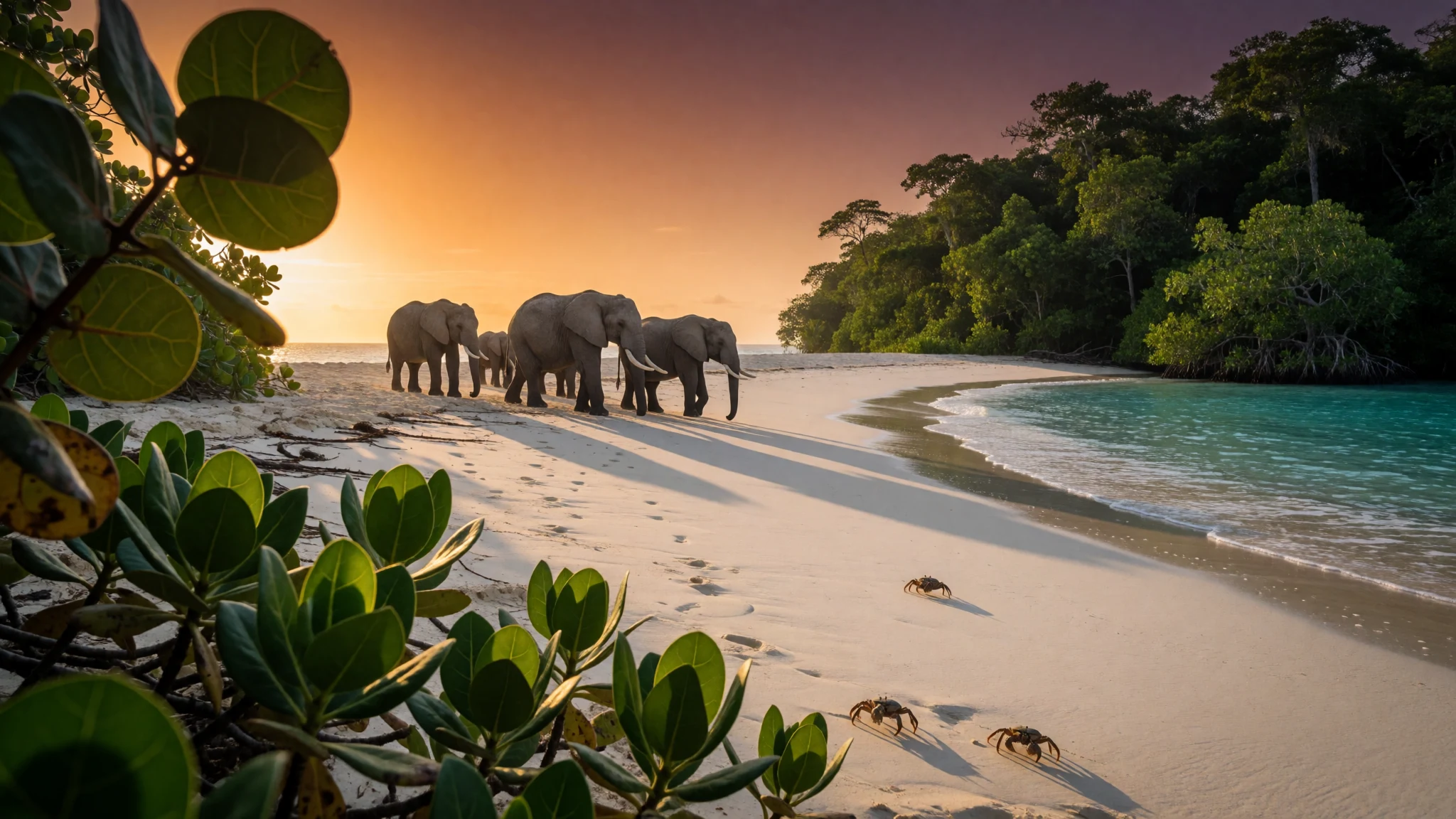
Loango National Park mixes beach wildlife, forest trails and lagoon scenery in western Gabon, with a rare chance to see animals on shore.
The place
Loango National Park (Parc national de Loango) sits on the coast of western Gabon and is built around coastal habitats: savanna patches, forest and mangroves, plus lagoon systems such as Iguéla Lagoon. It is an unusually varied landscape for a park that’s close to the sea—think sandy stretches and tide edges alongside woodland and wetland channels.
In practical terms, this means the “game drive” vibe doesn’t always feel like one. Some wildlife encounters happen on open beaches where animals move between water and shade, while other moments come from boat time near lagoons or walking through quieter interior areas. The park’s geography is part of the draw: between lagoons, with coastline that can be empty of people and full of movement.
Loango also has a big reputation for marine life off the coast. If the timing works, whale and dolphin sightings can turn the shoreline into a lookout deck rather than a dead end.
Crowd levels are generally low compared with the big, famous reserves in East Africa, but that also means logistics and guides matter more. Most visitors go through organised operators and lodges; independent camping isn’t the style here. The best way to enjoy Loango is to embrace slow wildlife watching, a bit of water and mud, and the fact that the park is where the animals are—so schedules have to bend.
Its story
Loango’s conservation story starts with protection in the area long before the name “national park” became official. Faunal reserves in the Loango region were put in place in 1956, and later the park was established in 2002, alongside a group of other protected areas in Gabon.
What makes Loango feel distinct isn’t just its age; it’s the way coastal ecosystems hold hands. Forest and mangrove edges meet beaches, and lagoons sit in between. This patchwork matters because it gives wildlife multiple ways to move and feed—sometimes on land, sometimes near water, sometimes both in the same day. It also helps explain why visitors talk about “surfing hippos” and other odd pairings: animals don’t politely stay in one habitat.
The park’s mythology has been popularised by naturalists and photographers, but the on-the-ground reality is more modest and more exciting at the same time. One moment might be a herd moving through sand, the next a quiet stretch of shoreline where you realise you’re surrounded by habitat that looks “empty” until you spot the details. Then, if the coast and season align, the ocean becomes its own wildlife zone.
In other words, Loango rewards patience more than checklists. The park has enough variety—savanna, forest, mangroves, beaches and lagoons—that the day can change direction without warning.
What to see
- Forest elephants and buffalos on the beach
Loango National Park’s shoreline can be a meeting point for forest elephants and buffalo, with animals stepping out of the darker edge and moving across sand toward water. It’s a vivid reminder that the coastline is part of the habitat, not a boundary.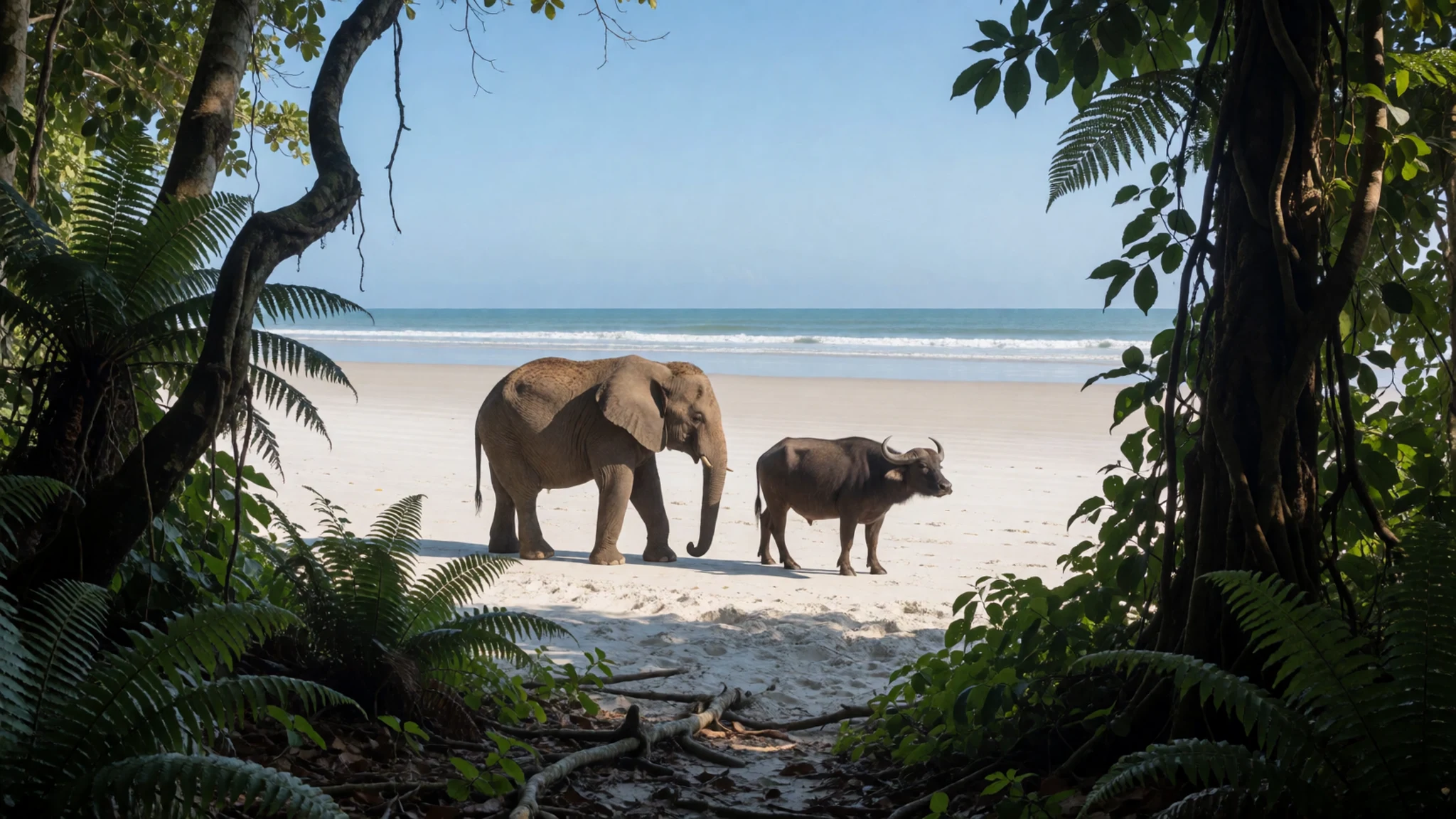
- Gorilla sanctuary
Loango National Park also has gorilla-focused experiences, often described as a sanctuary setting. Wildlife viewing here is about controlled, guided time rather than wandering, and it tends to feel intimate—quiet movement, careful listening and a strong sense of being in someone else’s home.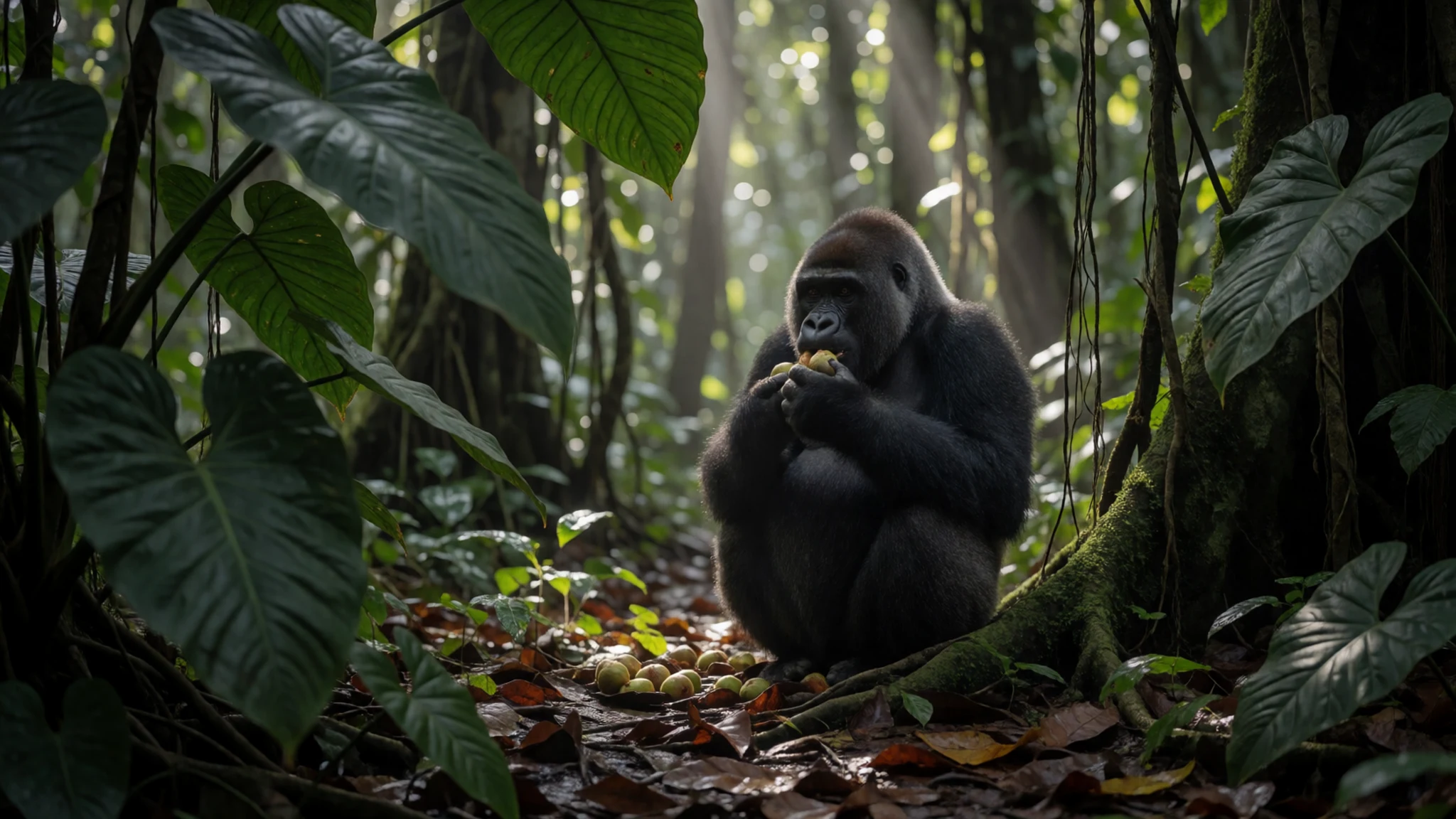
- Jungle, savanna, lagoons and mangroves
Loango National Park’s mix of jungle, savanna, lagoons and mangroves is where the “coastal wild” feeling really clicks. Creeks, wetland edges and mangrove stands create natural corridors for wildlife, while inland vegetation adds depth when you move away from the beach.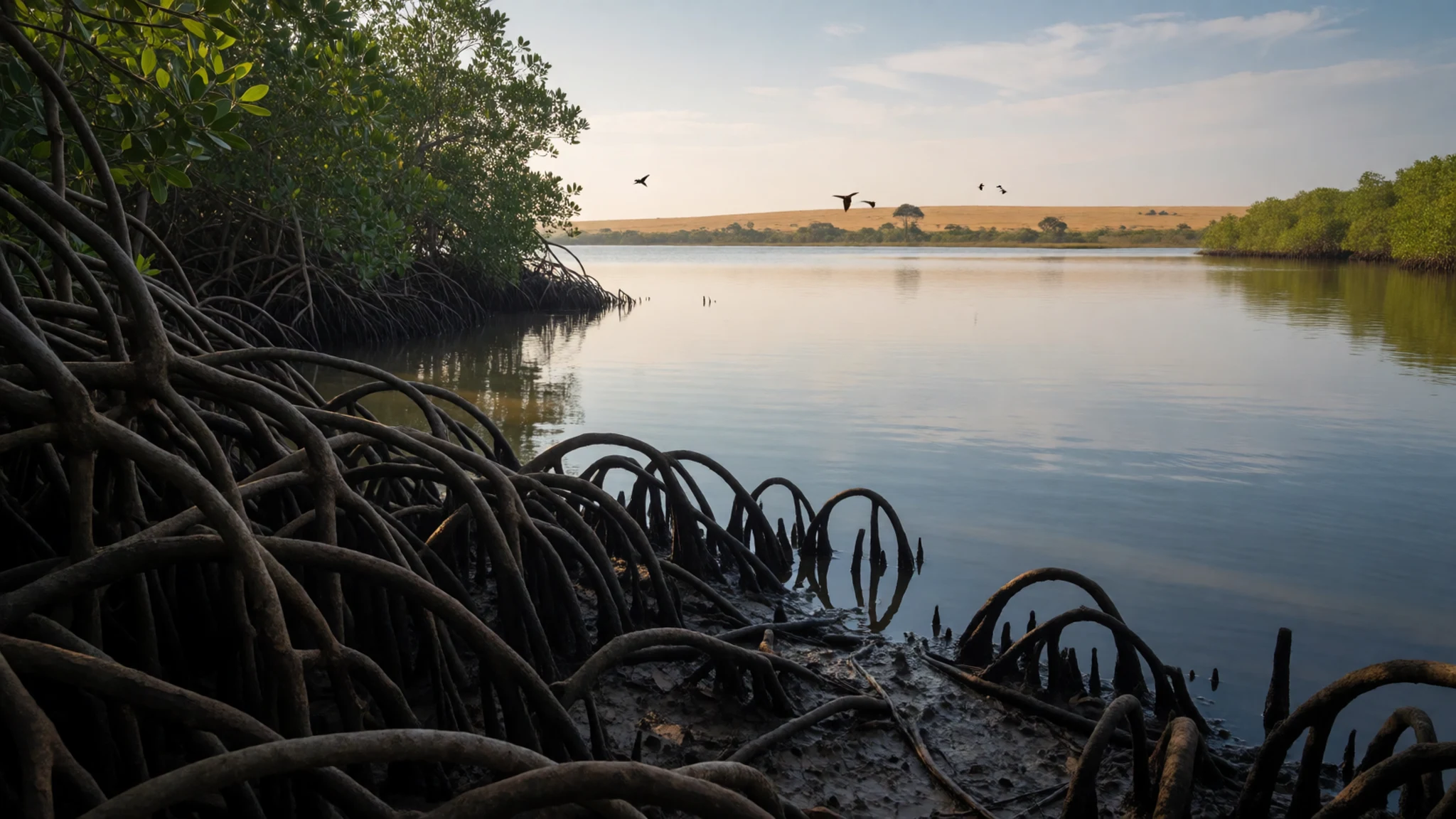
- Whale and dolphin watching off the coast
Off the coast of Loango National Park, whale and dolphin watching can turn the ocean into the main event. When boats or shore-based viewing align with animals’ paths, you get bursts of activity and then long periods of calm—ideal for keeping eyes wide and cameras ready.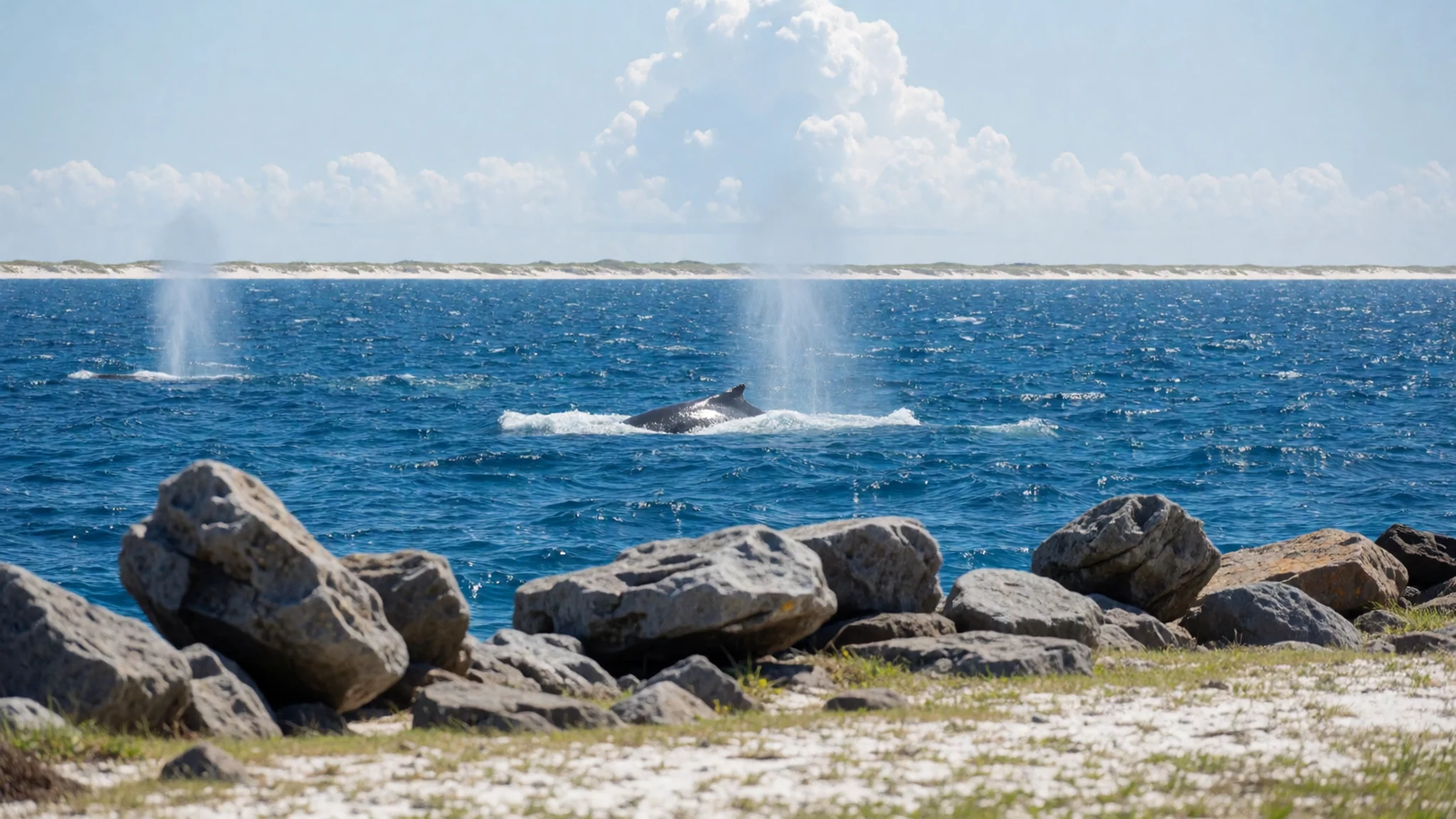
- Walking and kayaking style expeditions
Loango National Park supports expedition-style days such as walking safaris and kayaking. These are less about mileage and more about learning the pace of the landscape—checking tracks, scanning waterlines and listening for movement through forest edges and open beach stretches.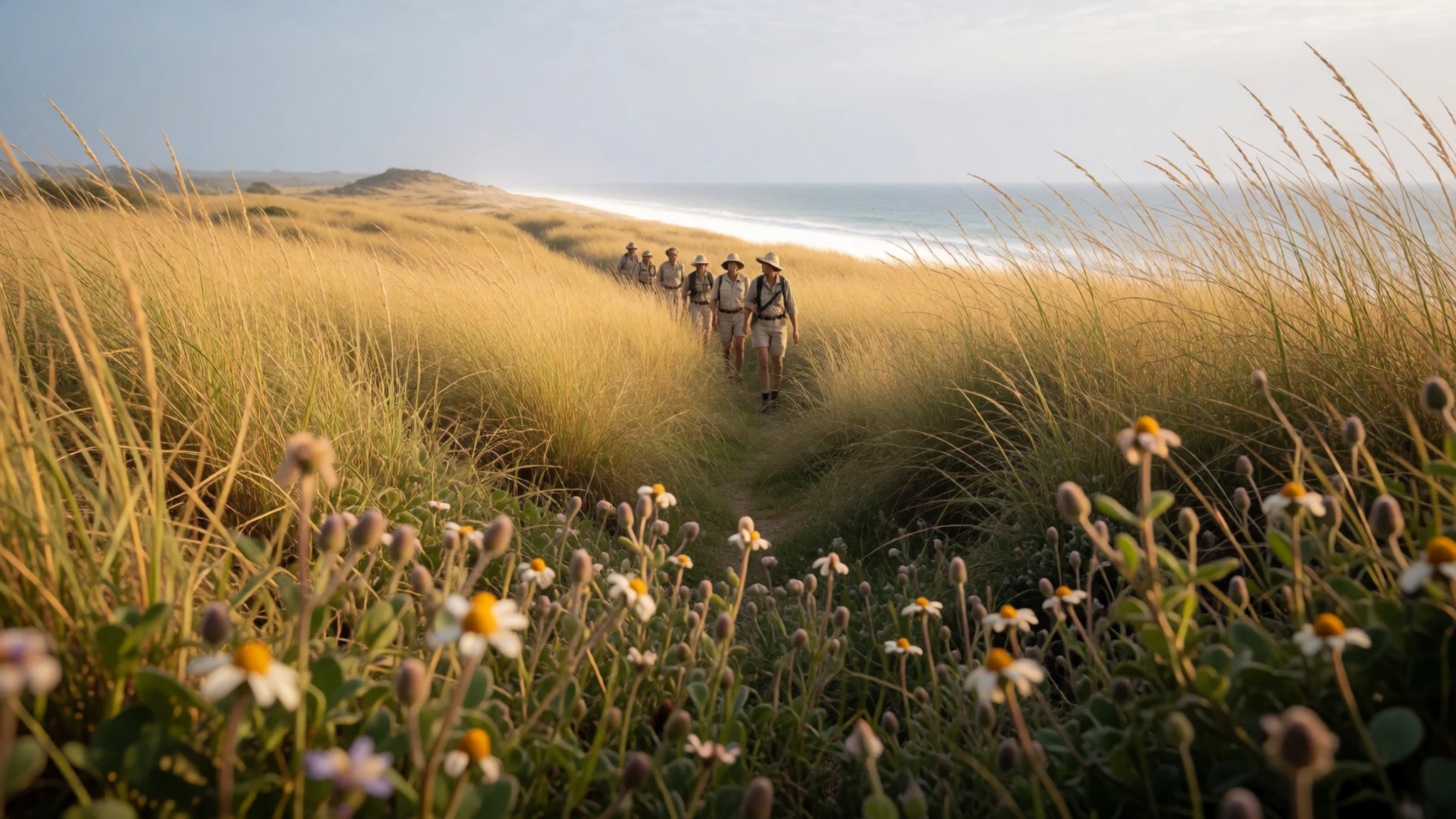
Culture
Loango National Park is mainly about nature, but culture shows up through how visitors move around the park and how operators frame conservation. Lodges and eco-camps are part of the experience, and that matters because camping isn’t allowed inside the national park unless you’re with an official operator. So most trips feel structured: guides, set routes, and a strong emphasis on respecting wildlife space.
There’s also a conservation-tourism mindset in the background. Programmes and partnerships linked to research and education influence how sightings are handled and how time is spent, which is a good thing when you’re dealing with wild animals near beaches and water.
For visitors, the practical “culture” is simple: follow the lead of local staff, keep noise down during animal encounters, and treat the coastline and lagoons as working habitat rather than a place to improvise. If you’re the sort of traveller who wants to drift off on your own, Loango will remind you that safety and conservation go together here.
Visitor etiquette: Keep quiet and stay with your guide during wildlife moments, as animals and boats need everyone to move calmly and predictably.
What to wear
Loango National Park doesn’t have a single “traditional dress” requirement for visitors, but the local styling around the region tends to be practical and modest—think light, breathable fabrics for warm coastal days and coverage that fits the setting. On the water and in forest edges, clothing gets tested by humidity, wind and sand, so materials that dry quickly are a real advantage.
What people actually wear day to day around coastal Gabon is generally casual: lightweight shirts, cotton dresses or long skirts, and trousers, often with footwear that can handle uneven ground. If you’re visiting gorilla areas or walking safaris, loose layers can help with insects while still staying cool.
For visitors, pack for sun, moisture and mud: a hat or cap, a long-sleeve light top, breathable trousers or knee-length shorts, and a rain layer for sudden coastal showers. Footwear matters—choose closed shoes or sturdy sandals with grip for sandy tracks and slippery boat landings. Avoid anything too precious; Loango is a place where the landscape gets on you.
What to eat
- Lodge and camp-style international meals — At the lodges and eco-camps serving Loango visitors
At Loango National Park, Lodges and eco-camps serve international cuisine for visitors, with kitchens geared to the remote setting. Meals are typically prepared on site so that long wildlife days don’t turn food into a problem.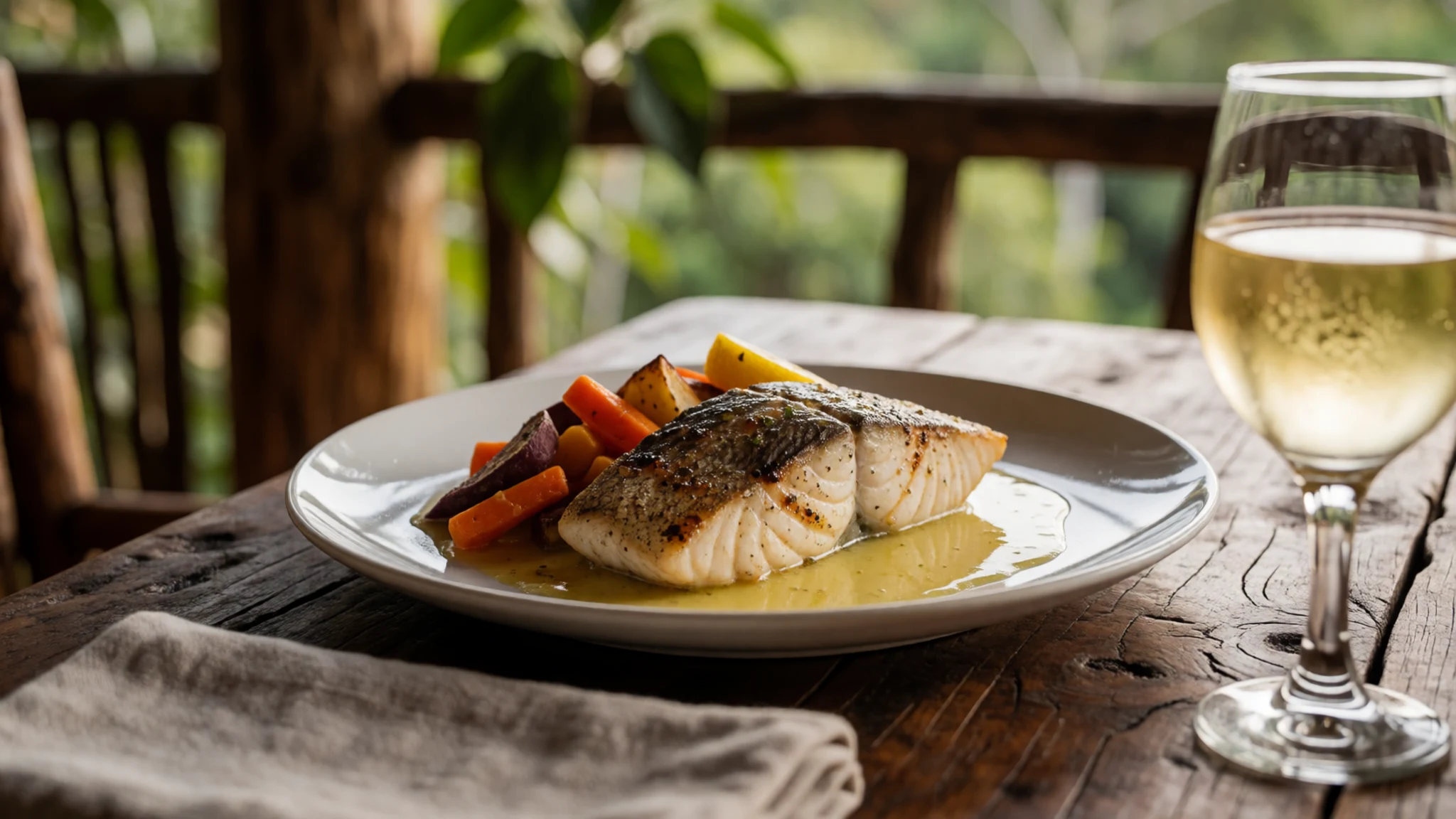
- Shared camp cuisine across Evengué-linked stays — Across Evengué Lodge and the eco-camps linked with it
Loango National Park visitors connected with Evengué Lodge and the eco-camps can expect similar high-standard cuisine across the network. It’s designed to keep standards consistent even when itineraries split by activity or location.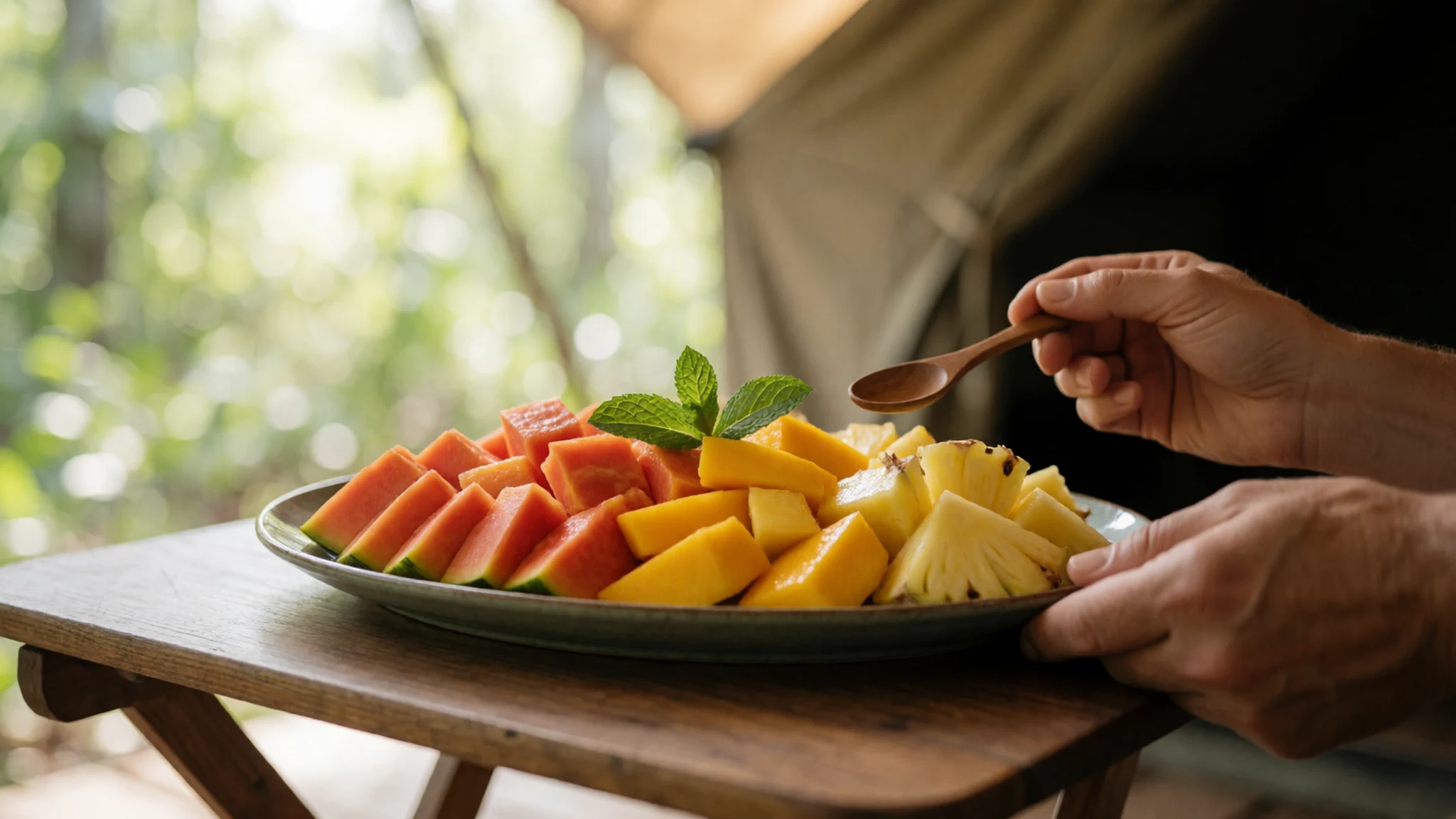
- Southern Camping Ground meals — At the Southern Camping Ground organised for park guests
Loango National Park’s Southern Camping Ground setup is described alongside the park experience, and visitors generally eat as part of the organised stay. Think hearty, practical meals that work after beach wildlife watching and after early starts. - Refreshments during coastal warm-ups — Between activities at camps and lodge common areas
On warm, humid coastal days in Loango National Park, expect simple refreshments to accompany activities, especially between boat time and walking safaris. It’s less about nightlife and more about staying comfortable between wildlife encounters. - Drinks and snacks during expeditions — On the day’s trips and guided outings
During kayaking and other expedition-style outings in Loango National Park, snacks and drinks help bridge long stretches of paddling and scanning. It’s the kind of travel comfort that keeps energy steady when the day is mostly spent looking. - Breakfast before wildlife time — At your lodge or camp before guided activities
Because wildlife schedules don’t always follow human clockwork, Loango National Park trips often start with breakfast arranged for early departures. The point is straightforward: eat calmly, then get moving while conditions are right for sightings.
Plan it
Best time. The best time to visit Loango National Park is in March–April and October–November, when conditions are typically more comfortable for wildlife days; June is rainy and August is hot and humid.
How long. 3–4
Getting there. Fly to Iguela near Loango National Park, or arrive by boat from Omboué Evengué Island using the Mpivié River; then transfer with your lodge’s or operator’s arrangements into the park.
Budget. mid
Tips
- Plan for water time: expect transfers by small boat as part of reaching park viewpoints
- Book through an operator if camping is part of the idea—camping inside the national park is not allowed without an official operator
- Pack for both sun and rain, especially in wetter months when humidity can feel heavy
- Build extra time into the day for wildlife pauses—Loango runs on animal movement rather than strict itineraries
Etiquette
- Stay with your guide and avoid stepping off assigned areas during wildlife viewing
- Keep voices low during animal encounters, especially in beach and lagoon moments
- Use respectful distance when gorillas are involved and follow staff instructions
Nearby
Sources
- Wikidata Q1756690 (CC0)
- Wikipedia (rev 1362850100) (CC BY-SA 4.0)
- Wikivoyage (rev 4604119) (CC BY-SA 4.0)
- Photo photos/01-gabon-loango-national-park-elephant-with-offspring.jpg (CC BY 3.0)
- Photo photos/02-gabon-loango-national-park-elephant-with-gps-tracker-fitted.jpg (CC BY 3.0)
- Photo photos/03-gabon-loango-national-park-southern-camping-ground-bar-with-.jpg (CC BY 3.0)
- Photo photos/04-gabon-loango-national-park-wild-buffalo-single.jpg (CC BY 3.0)
- Photo photos/05-gabon-loango-national-park-view-of-lodge-from-water.jpg (CC BY 3.0)
- Photo photos/06-loango-national-park.jpg (CC BY-SA 4.0)
- Photo photos/07-silverback-western-lowland-gorilla-eating-figs-in-the-wild.jpg (CC0 1.0)
- Photo photos/08-silverback-western-lowland-gorilla-monitoring-his-surroundin.jpg (CC0 1.0)


