Lopé National Park
Lopé National Park, Gabon
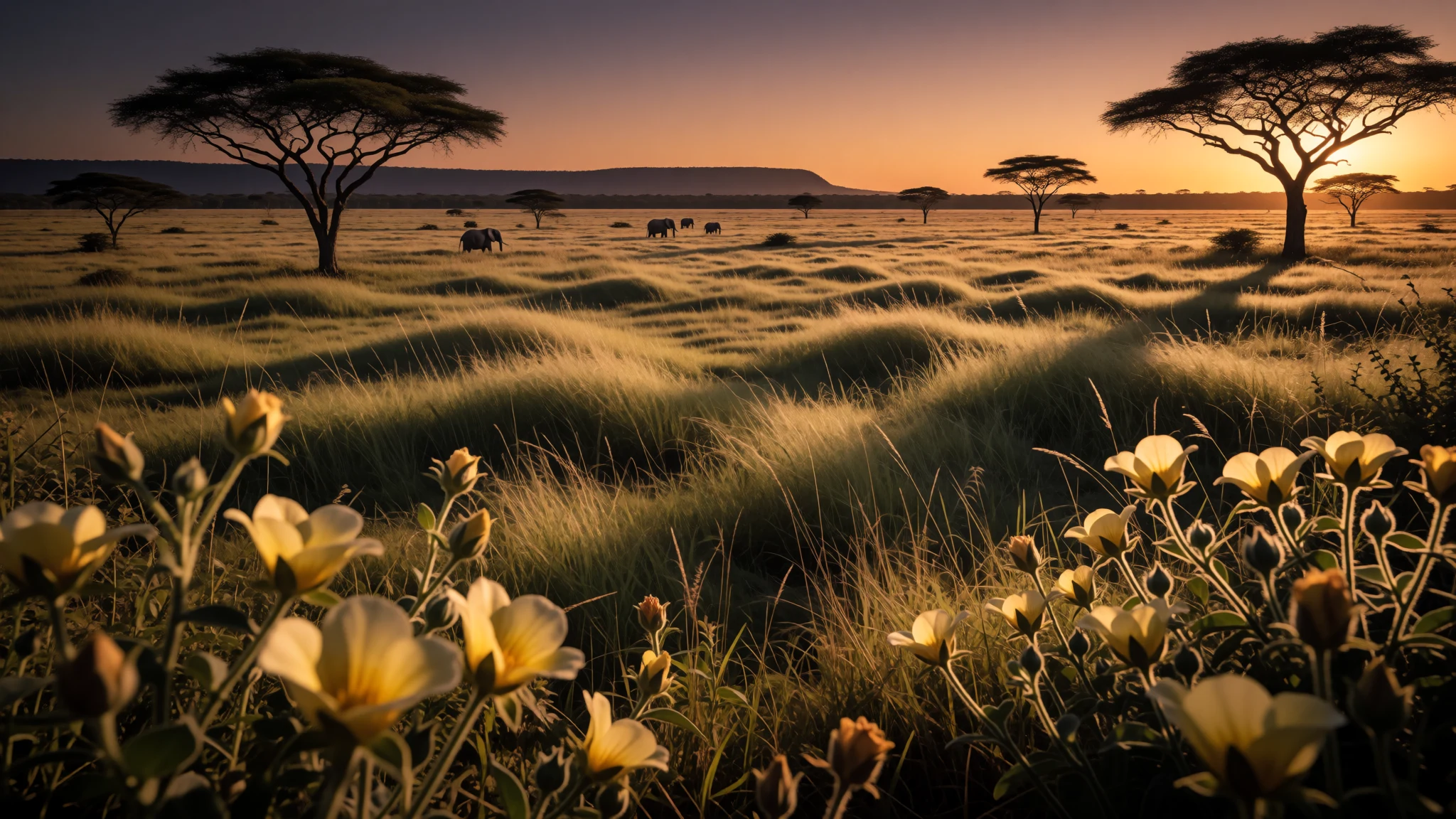
Lopé mixes rainforest, savannah and wildlife within one park, with reminders of deep human history along the Ogooué valley.
The place
Lopé National Park (Parc national de la Lopé) sits in central Gabon, where two landscapes face off: dense rainforest and open savannah. The Ogooué River borders the park to the north, while the Chaillu Massif lies to the south, so you get a gradual shift in scenery as you move through the reserve.
What makes Lopé feel distinctive is the mix that shouldn’t quite work together—forest shading down into more open ground, then stepping back again. Controlled burns can refresh the savannah by limiting forest encroachment, and the renewed growth can make the open areas look particularly striking and bring animals closer to the edges. The rainforest, meanwhile, is always close by: even when you’re travelling across open stretches, the greenery is there, thick and enclosing.
This park also has a “research base” feel. There’s a small station called Mikongo, run by a zoological organisation, and there’s infrastructure for visitors at the base area, including places to eat and simple accommodation arrangements. That means the atmosphere is more practical than “theme-park safari”: expect guided days, careful timing, and plenty of waiting for sightings.
The climate can be humid and changeable, and the forest can swallow routes quickly after rain. The upside is that the park rewards patience—animals and birds use the edges between habitats, and the scenery keeps shifting minute to minute. It’s a place for people who like their wildlife viewing with context: ecosystems, not just individual animals.
Its story
Lopé National Park is not just an ecology story; it’s a long human one too. Archaeological evidence across the wider region points to repeated occupation for a very long span of time, with the river valley acting like a natural corridor. Where the Ogooué Valley is less forested than surrounding areas, the landscape would have been easier to move through, helping people travel between the coast and the interior.
In the Stone Age period, tools have been found in the valley, including discoveries at Elarmékora in the park’s central region. Later, during the Neolithic, the valley may have been used during broader population movements, leaving behind stone tools and pottery. On hilltops, smaller settlements were linked to local resource use and patterns of daily life.
When iron-working arrived, hilltop settlement patterns changed again—villages became larger, and metalworking activity took hold in the wider valley region, with evidence that includes more than a thousand petroglyphs. At some point, the valley appears to have been abandoned for a long stretch, before being repopulated by communities connected with the Okanda people.
Protection is comparatively recent, but still meaningful: a wildlife reserve was established in 1946, and later the protected area became a national park. Lopé and the surrounding landscape are associated with conservation and heritage attention because of the biodiversity and because of the distinctive savanna–forest transition, plus the record of rock art in the region.
What to see
- Savannah-and-forest edges — Northern savannah margins (Ogooué side)
Lopé National Park’s biggest visual trick is the transition zone: open savannah with taller grasses meeting darker rainforest. This is where animals often appear, because food and cover overlap, especially after controlled burns refresh the savannah.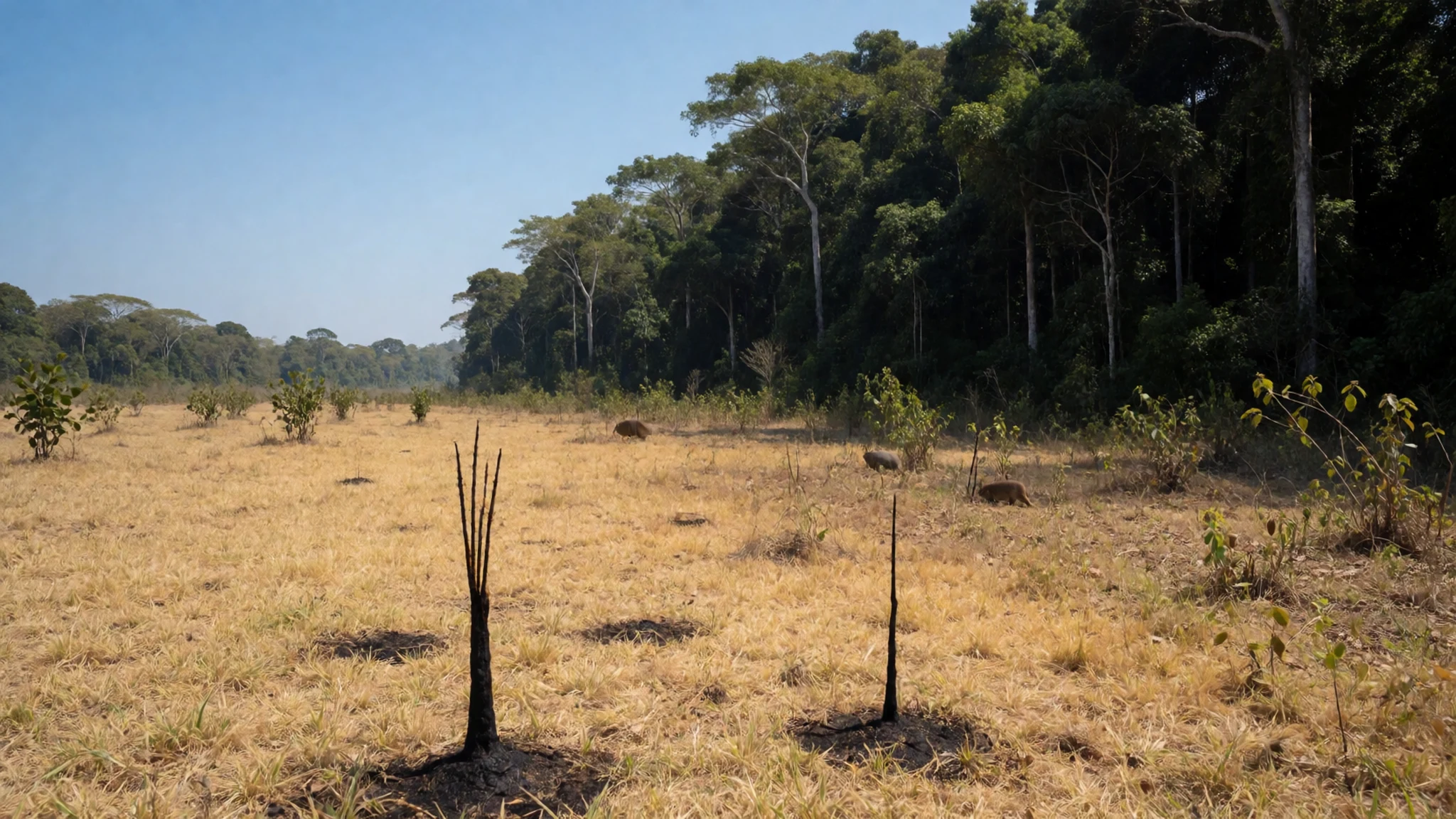
- Elephants on open ground — Savannah areas inside the park
On the savannah, elephants can show up in loose groups, walking slowly between patches of grass and scrub. The best odds come when tracks are fresh and visibility is good, because you’ll see them before they decide to disappear into cover.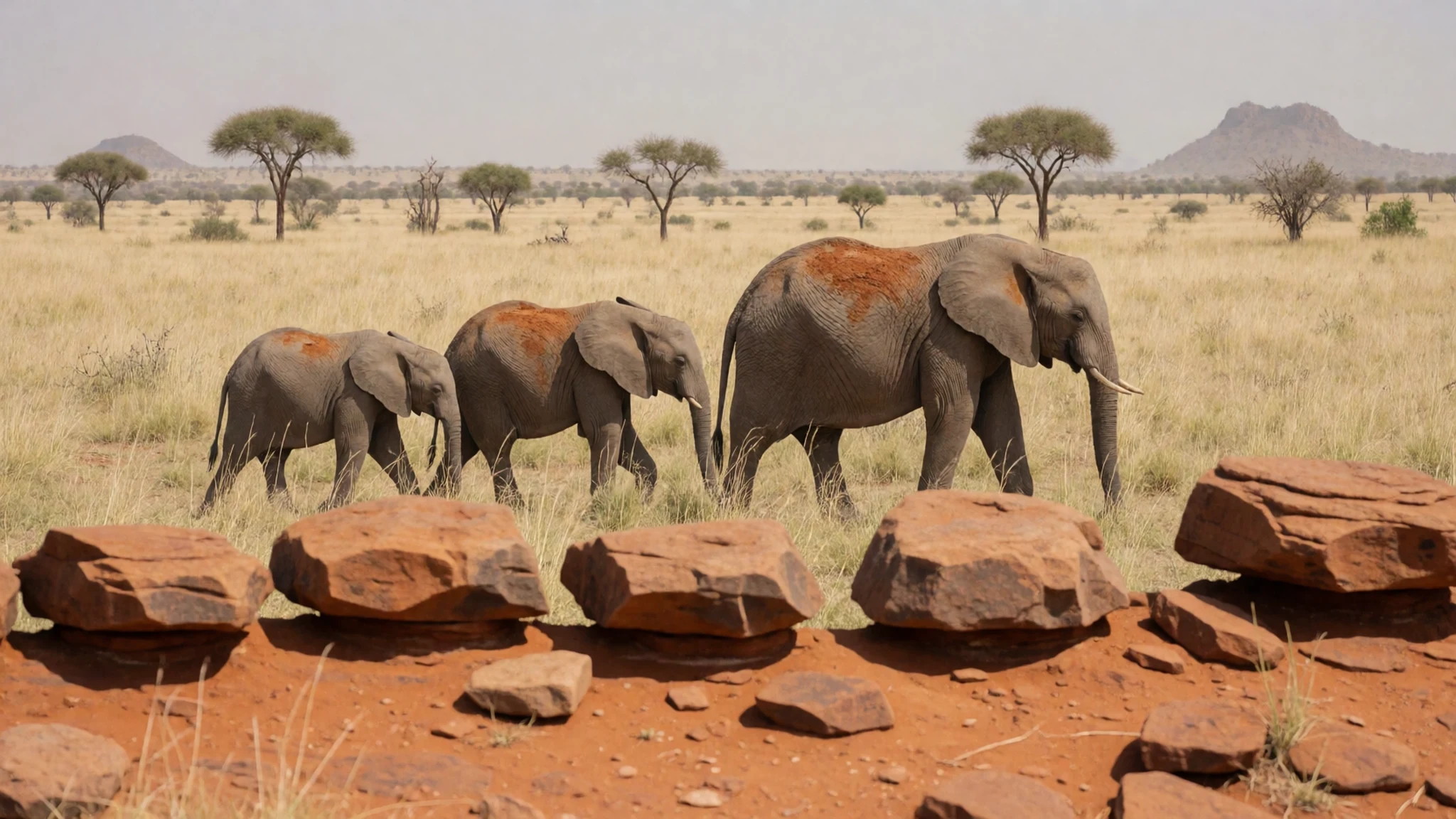
- Forest buffalo in denser country — Rainforest interior
Lopé’s rainforest holds its own cast of mammals, including forest buffalo. They’re more likely to stay tucked away where undergrowth and tree cover offer protection, so sightings often come as brief glimpses rather than long, open views.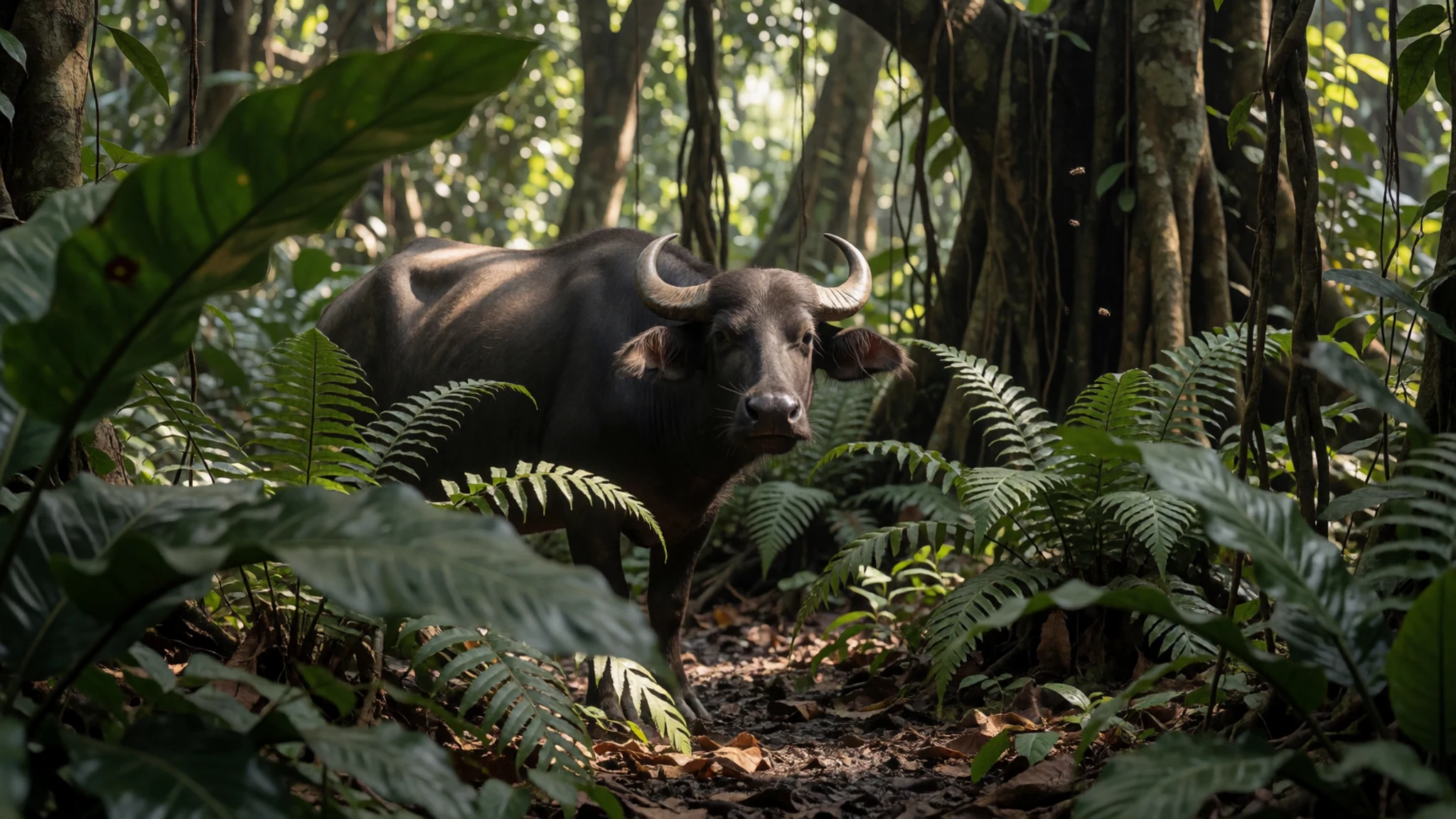
- Mikongo research station area — Mikongo base area
A small research station called Mikongo sits in the village of the same name, with tourist-focused infrastructure at the base. It’s a useful focal point: days often start here, and the rainforest can feel almost on top of the dining and resting areas.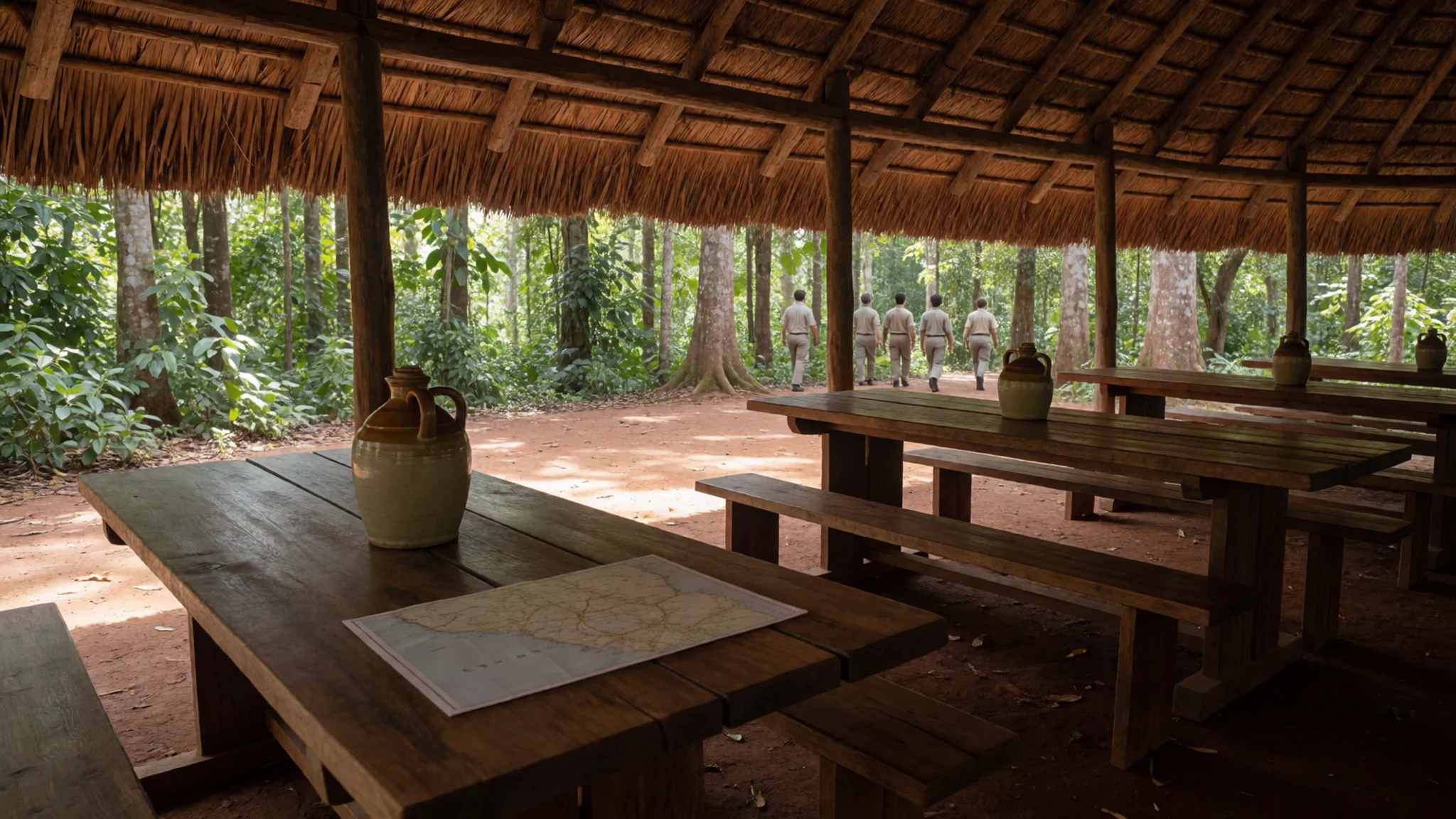
- Rock art in the region — Valley hills and regional sites
The wider Lopé area is known for petroglyphs, evidence of past activity in and around the valley. Even without getting too deep into technical interpretation, the images add a human layer to the landscape—especially when you’re standing where routes would have passed.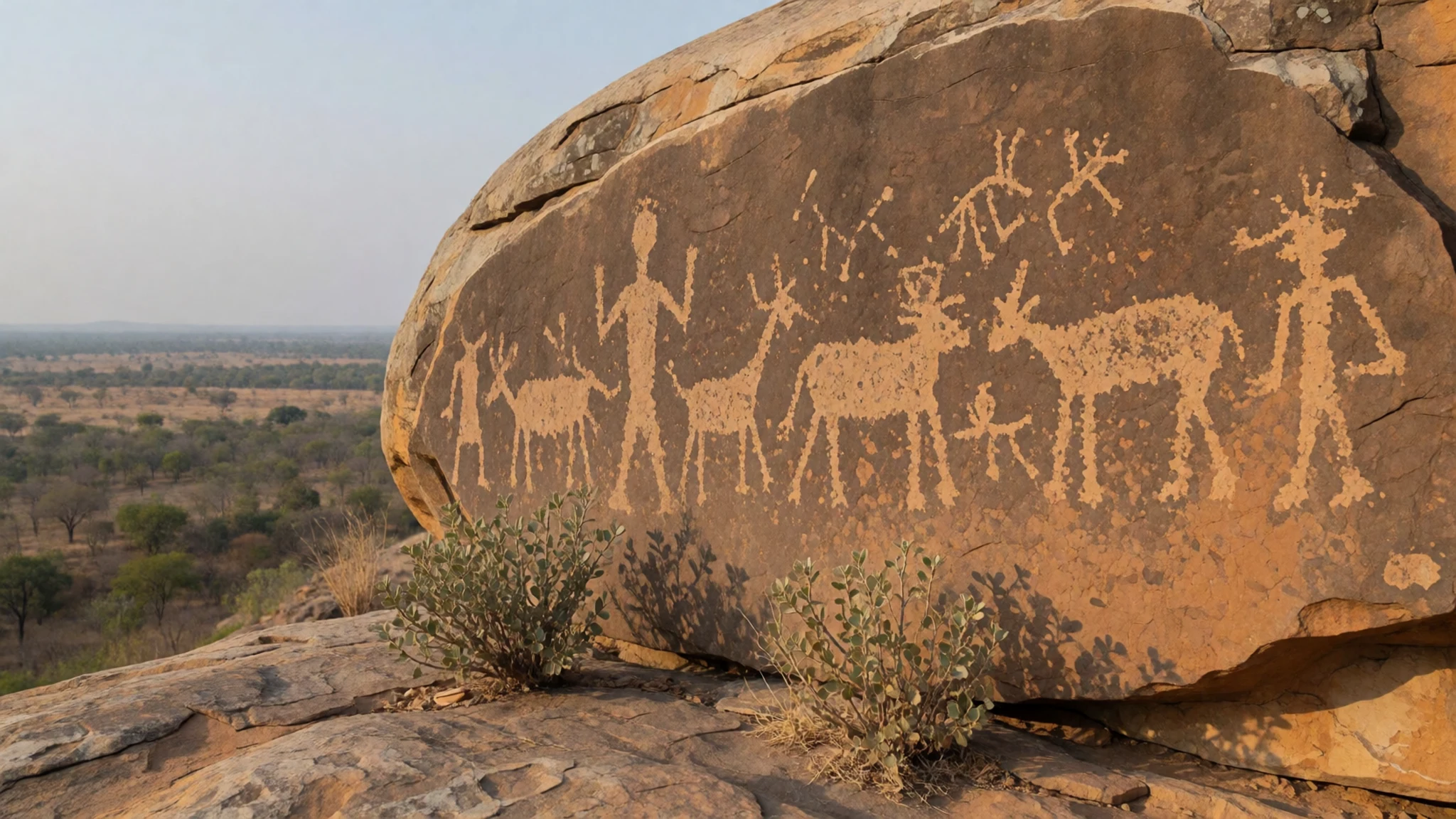
Culture
Lopé National Park is experienced through a mix of nature work and visitor logistics, with Mikongo as a natural hub. Because the park includes active conservation and research connections, the mood is more “field trip” than “grand tour”: you’ll often follow guides who know where animals tend to move and how the terrain changes with weather.
Local culture shows up most in everyday rhythms—meals after a walking day, the practical talk around sightings, and the quiet of being in thick forest rather than in busy viewing decks. The landscape’s human past also matters here. Petroglyphs in the region connect the park to deep occupation patterns along the Ogooué corridor, and it helps to treat these sites as part of the place’s living memory, not just background decoration.
Crowds are usually low compared with many safari destinations, but that doesn’t mean it’s effortless. Roads and logistics can be slower than expected, rain can change plans, and wildlife viewing depends on timing and movement.
Visitor etiquette: keep voices down, follow guide instructions closely, and respect any rules around photography—especially near villages and any rock-art sites.
What to wear
In and around Lopé National Park, the “right” clothes are mainly about heat, rain, and long days moving through forest edges. Traditional dress in Gabon varies by community, but many people wear fabrics that are draped or tailored in ways that can handle warm weather and movement; bright, patterned textiles are common in everyday cultural wear, and you’ll often see them at gatherings.
What visitors usually wear now is practical: lightweight trousers, long sleeves for insect protection, and a rain layer that packs small. Because terrain can be muddy—especially after wet periods—closed-toe footwear with grip is essential, and breathable socks help if you end up with damp ground.
For a safari-style day in Lopé, wear long clothing that you’re happy to get dusty, plus a hat and sunglasses if the savannah is bright. If you visit the Mikongo base areas and spend time outdoors near dining or resting spots, carry a fresh layer for evenings, when humidity can feel heavier. Avoid overly delicate fabrics and anything that doesn’t dry quickly.
Simple rule: dress for the rainforest—covered arms and legs, grippy shoes, and rain protection—so you can focus on wildlife rather than discomfort.
What to eat
- Meals at the Mikongo base area — Mikongo base area
At Lopé, the easiest option is to eat where the visitor infrastructure sits at the base area. Expect straightforward camp-style meals after guided time in the rainforest or savannah, with simple dishes designed for energy.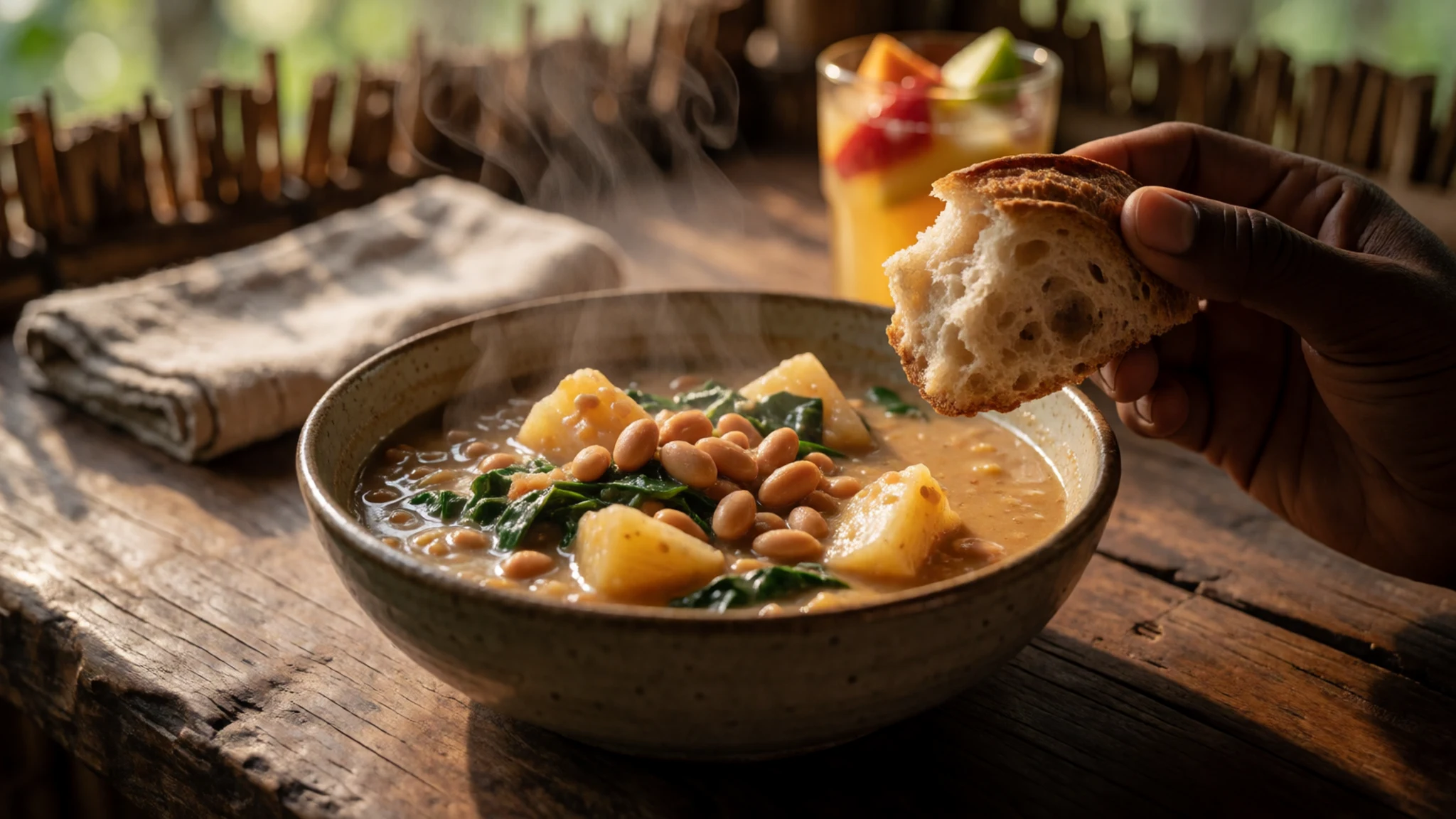
- Local market fruit — Local markets near the park approach towns
Fresh fruit can be an easy snack between activities, especially when you’re changing from savannah viewing to walking in forest edges. Ask what’s available locally during your travel dates.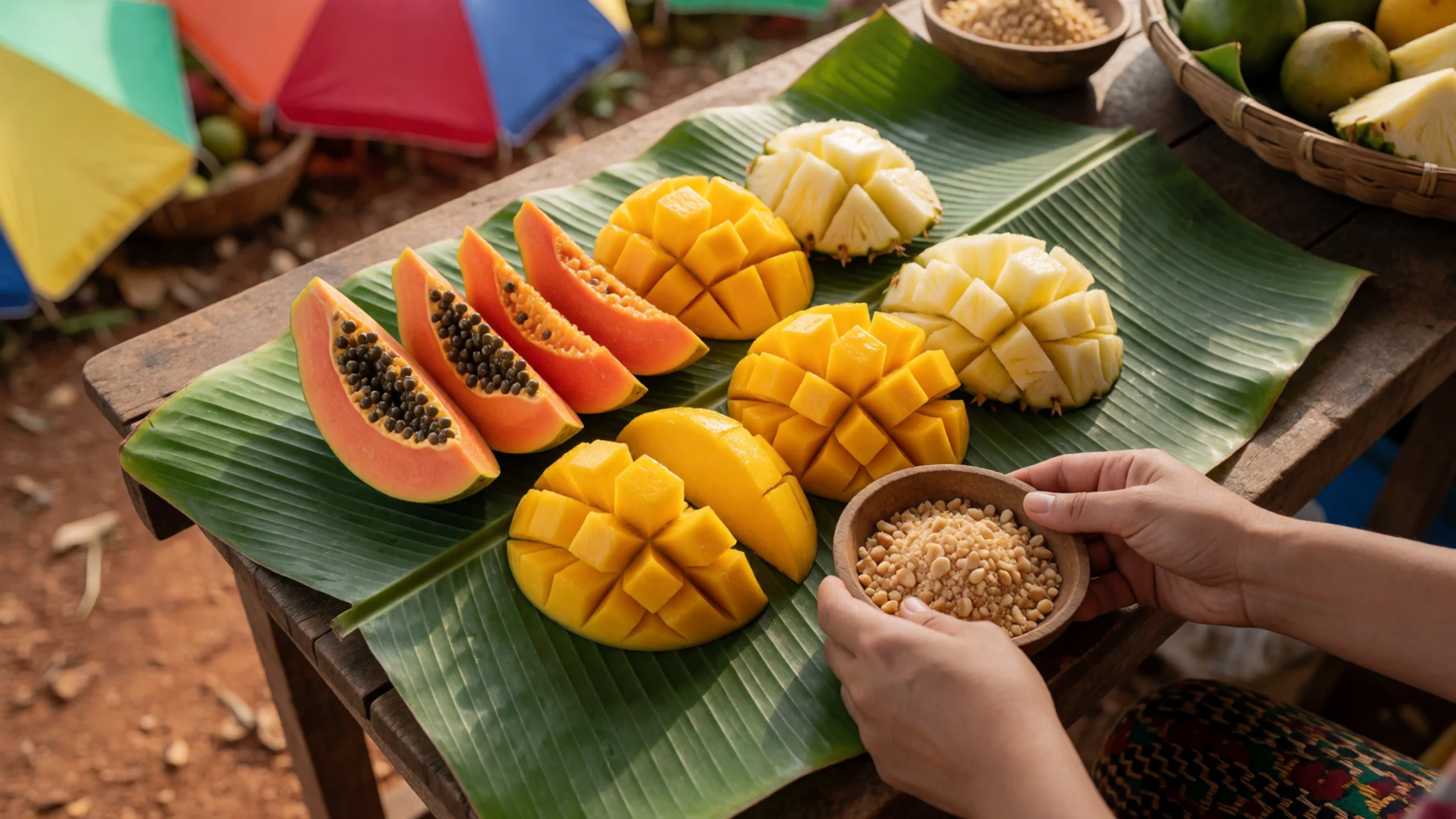
- Rice and stew-style staples — Restaurant and eatery-style meals arranged via local operators
In many Central African contexts, rice with a thick stew is a common way to keep meals filling after a long day outdoors. If you’re eating with camp arrangements, look for whatever stew is on offer that day. - Grilled or pan-cooked fish — Eateries serving regional food near the park
With river landscapes nearby, fish dishes often appear on menus in the wider region. It’s a good choice when you want something lighter than heavy stews but still properly satisfying after walking. - Peanut-based sauces — Set meals and local eateries in the park-area towns
Peanuts show up across the region in sauces that cling to vegetables or grains. They’re a comforting, flavourful way to get a bit of richness after cooler rainy periods.
Plan it
Best time. March–April and October are good windows, when the weather is comparatively manageable; June is among the driest months, while August is the coolest and driest period.
How long. 3–4
Getting there. Fly into Libreville (Gabon’s main international hub), then take the onward road/transfer and the final guided approach to the park; arrangements are typically organised through the operator or via Mikongo-area logistics.
Budget. mid
Tips
- Plan for slow travel: distances and access inside Gabon often take longer than expected once you leave the main city roads.
- Go early on wildlife days: the forest and edge habitats feel active when light is fresh.
- Keep a flexible mindset around weather—rain can affect visibility and walking routes.
- Bring insect protection and a rain layer, then dress in long, breathable clothes for comfort.
- Carry small cash for minor purchases along the approach, and confirm what payment methods are accepted where you’re staying.
Etiquette
- Listen to guide instructions first and keep to marked or expected routes to avoid disturbing wildlife.
- Avoid shouting or running in the rainforest; keep conversations calm so you don’t mask animal movement.
- Ask before photographing people or sites near villages and cultural features.
Nearby
Sources
- Wikidata Q9055976 (CC0)
- Wikipedia (Lopé National Park) (CC BY-SA 4.0)
- Wikivoyage (Lopé National Park) (CC BY-SA 4.0)
- Photo photos/01-panorama-of-lop-national-park.jpg (CC BY-SA 4.0)
- Photo photos/02-elephants-in-lop-national-park.jpg (CC BY-SA 4.0)
- Photo photos/03-gabon-loango-national-park-wild-buffalo-single.jpg (CC BY 3.0)
- Photo photos/04-afrisar-studies-gabon-s-rainforest-50911439873.jpg (CC BY 2.5)
- Photo photos/05-gabon-banner-lop-national-park.jpg (CC BY 2.5)
- Photo photos/06-international-programs-20180607-fs-gabon-001.jpg (Public domain)
- Photo photos/07-la-lop-rupestre1.jpg (CC BY 3.0)
- Photo photos/08-la-lop-rupestre2.jpg (CC BY 3.0)


