Lambaréné
Lambaréné, Gabon
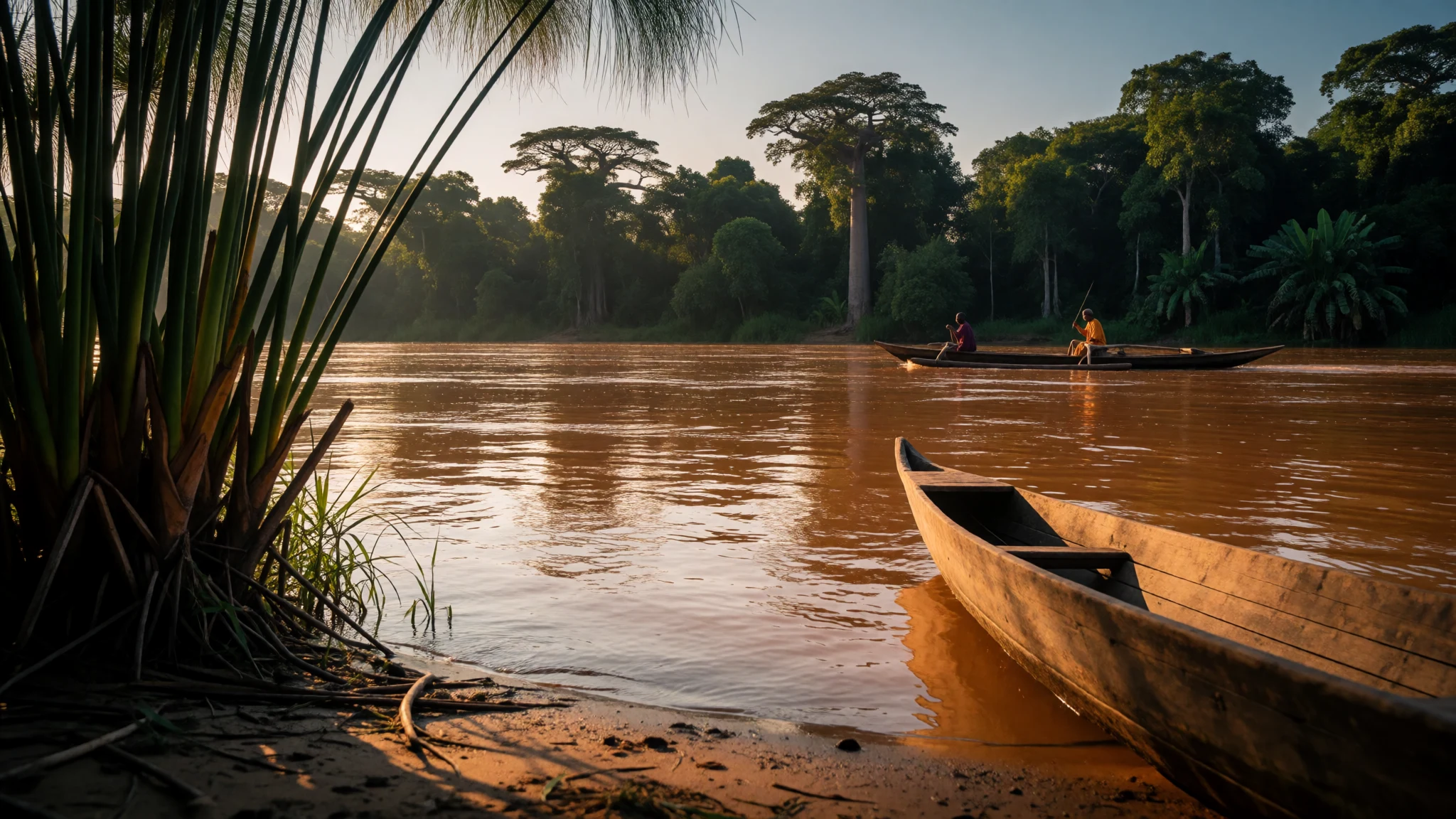
Lambaréné is a quiet river town in Gabon's rainforest, known for the Schweitzer hospital, mission buildings, fishing boats and slow, humid days on the Ogooué.
The place
Lambaréné is a river town in central Gabon, set in Central African rainforest on the Ogooué, a little south of the equator and only about 26 metres above sea level. It is the capital of the Moyen-Ogooué province, and roughly 39,000 people live here. The river splits the town into three parts: the left bank, the island of Île Lambaréné, and the right bank. Most residents live on the left bank, in the Isaac district, which is also where the airport sits. The island holds districts with names such as Château, Dakar and Grand Village. The right bank has the Albert Schweitzer Hospital, along with the districts of Adouma and Abongo. The people are mainly Bantu, from Fang, Bapounou, Eshira and Myéné communities, whose ancestors over the centuries pushed the forest's earlier hunter-gatherers, often called Pygmies, towards the east and north of Gabon. Fishing is the main economic activity, and a new port is being built. Lambaréné is not a town of grand monuments or polished tourism. The days are warm and humid, the river is the main landmark, and what draws visitors is the medical history on the right bank, the mission buildings and the water itself. Facilities are modest, and the international hotel chains are found in Libreville rather than here, so trips need some planning.
Its story
Lambaréné sits in a country whose human story began long before any town. Forest hunter-gatherers lived in what is now Gabon for thousands of years, and Bantu-speaking peoples then arrived in several waves, many centuries before Europeans appeared. Portuguese explorers and traders were the first Europeans on the coast. Their word 'Gabão', meaning a cloak, gave the country its name, after the shape of the Komo estuary near Libreville. Trade in natural resources and in enslaved people followed. In the nineteenth century the French took control, first along the coast and later across the rest of the territory. Lambaréné's best-known chapter belongs to this colonial era: the Albert Schweitzer Hospital on the right bank, which still stands as a working hospital, with Schweitzer's grave in its grounds. A hospital admission slip from the period is now held in a museum in Alsace, a reminder of how far the town's name travelled. Gabon became independent from France in the twentieth century and was long counted among the more stable African states, under President Omar Bongo, whose autocratic rule lasted until his death. Since the more recent coup the country has been politically unsettled, and anyone planning a trip should read current advice first. That history explains why Lambaréné feels both remote and connected: remote by road and river, connected by medicine, mission and trade.
What to see
- Albert Schweitzer Hospital — Rive Droite
The Albert Schweitzer Hospital stands on the right bank of the Ogooué and remains the reason many people have heard of Lambaréné. Schweitzer's grave is in the grounds, and the site is a working medical centre, so visits are quieter and more respectful than a typical attraction. Ask at the entrance about access before wandering.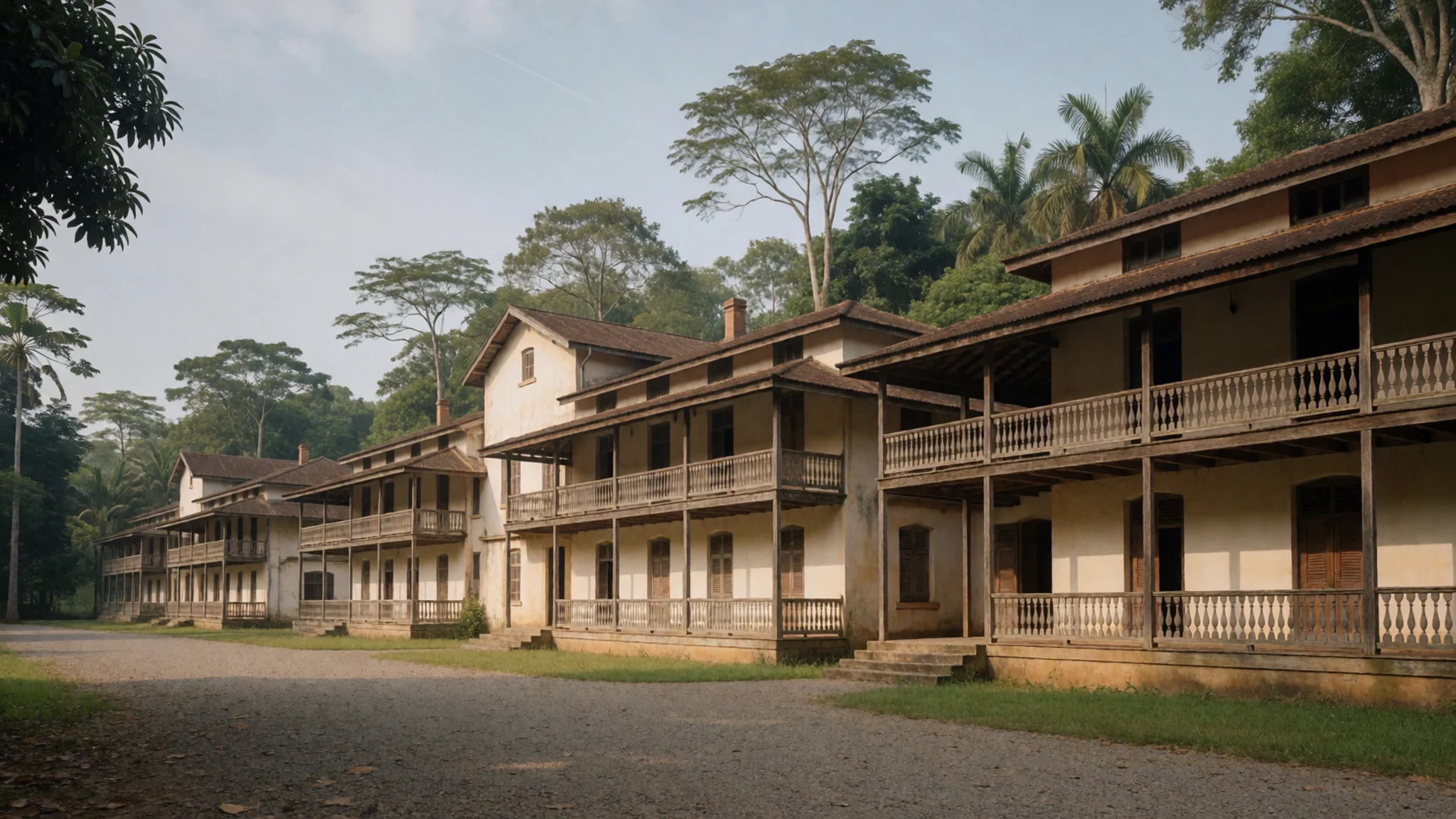
- The Ogooué river — Along the river, between the three districts
The Ogooué is Gabon's longest river and runs through tropical forest with many different habitats. In Lambaréné it is a working waterway as much as a view, with fishing boats, crossings and landing points. Early morning is cooler and brighter for looking at it, and a local boatman is the sensible way onto the water.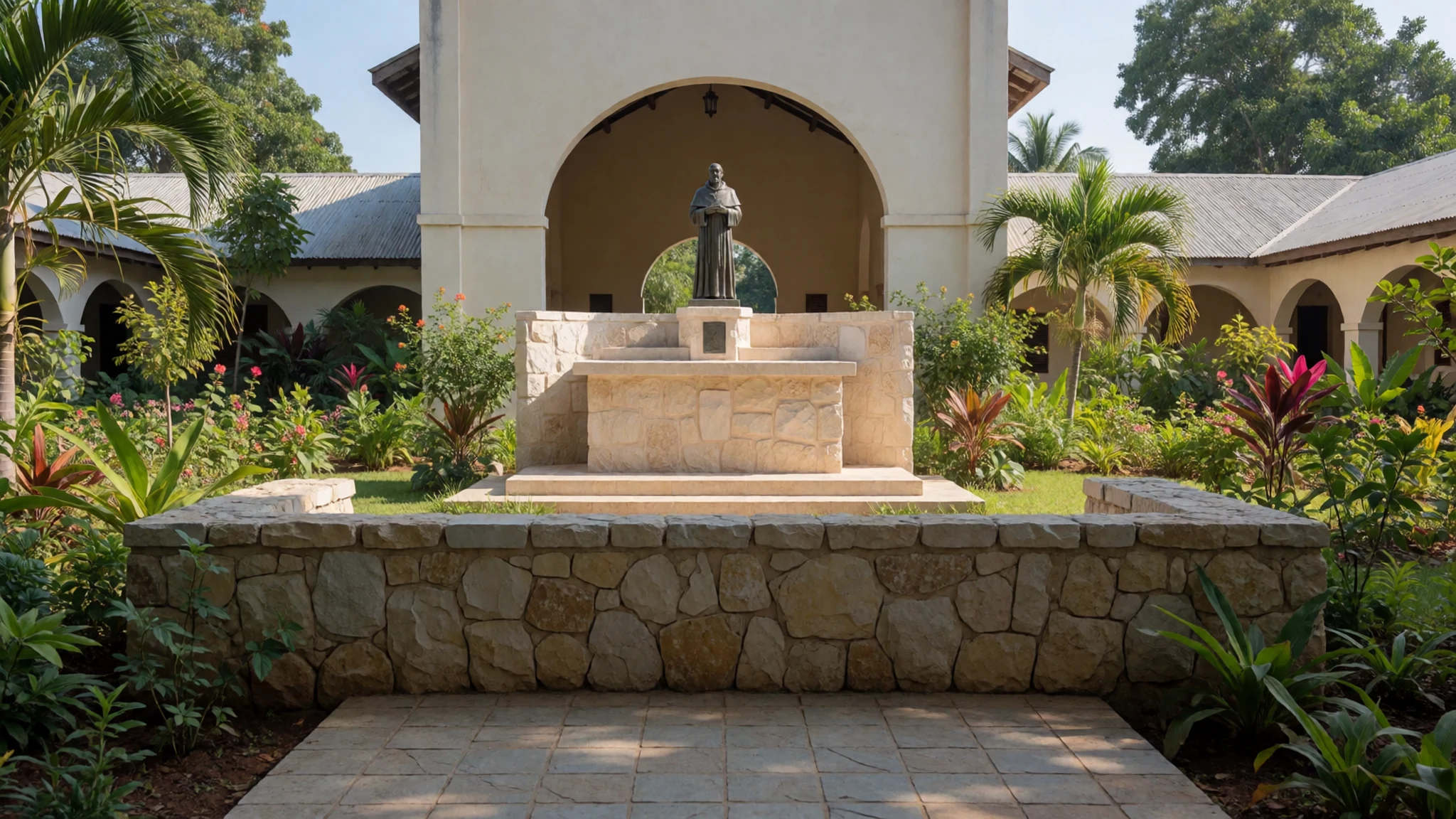
- Mission St François Xavier — Lambaréné town
The St François Xavier mission was built by the Spiritan congregation, which still runs it. It is a reminder that Lambaréné's mission story is wider than the hospital. Visit as you would any place of worship, quietly and outside service times, and ask permission before taking photographs of the buildings or people.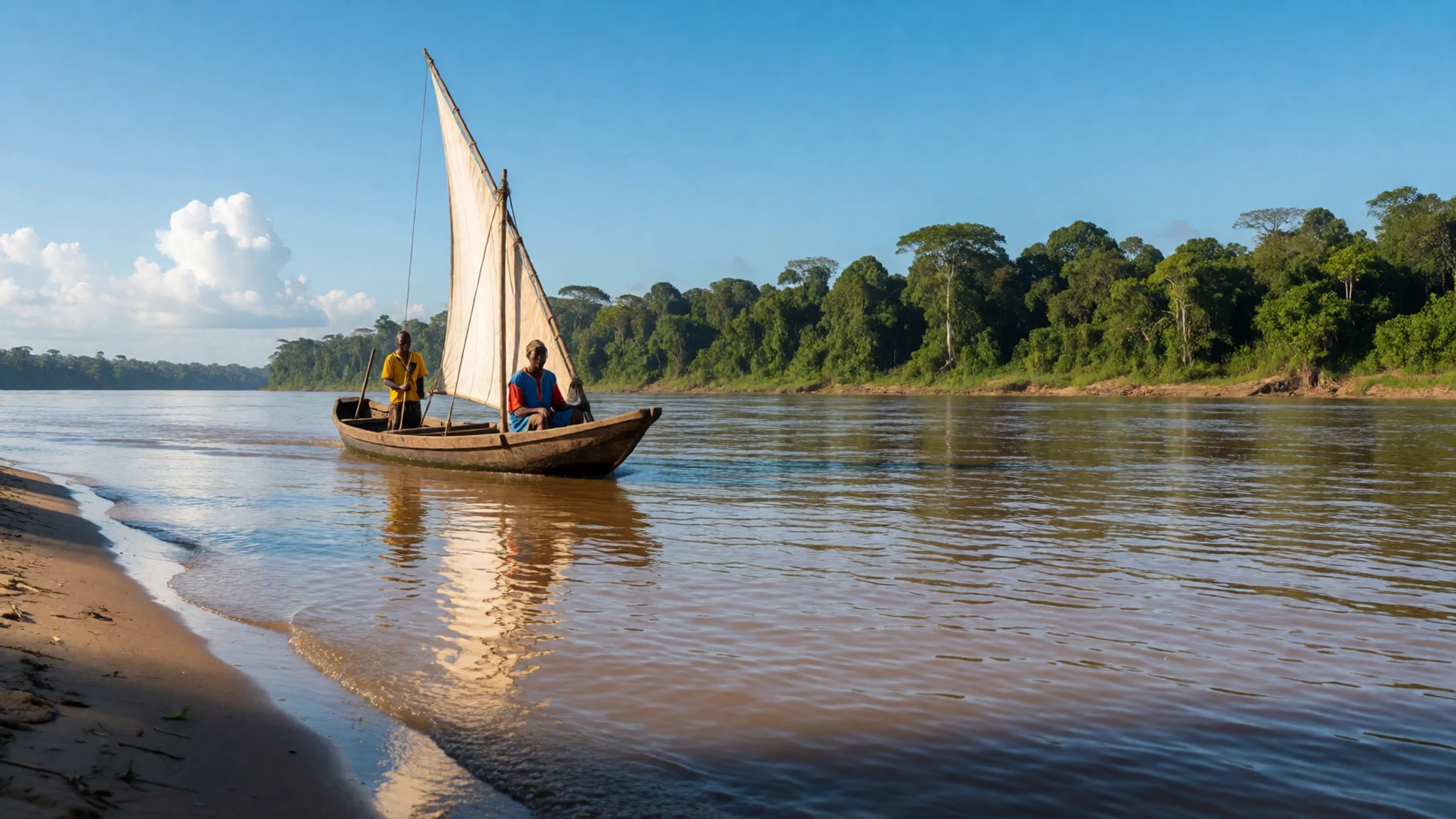
- Streets of Île Lambaréné — Île Lambaréné
Walking the streets of the island districts, such as Château, Dakar and Grand Village, shows the everyday town: shops, small stalls, motorbikes, laundry and people heading to the river. There is no single landmark, so the pleasure lies in wandering slowly in the cooler hours and stopping for a drink.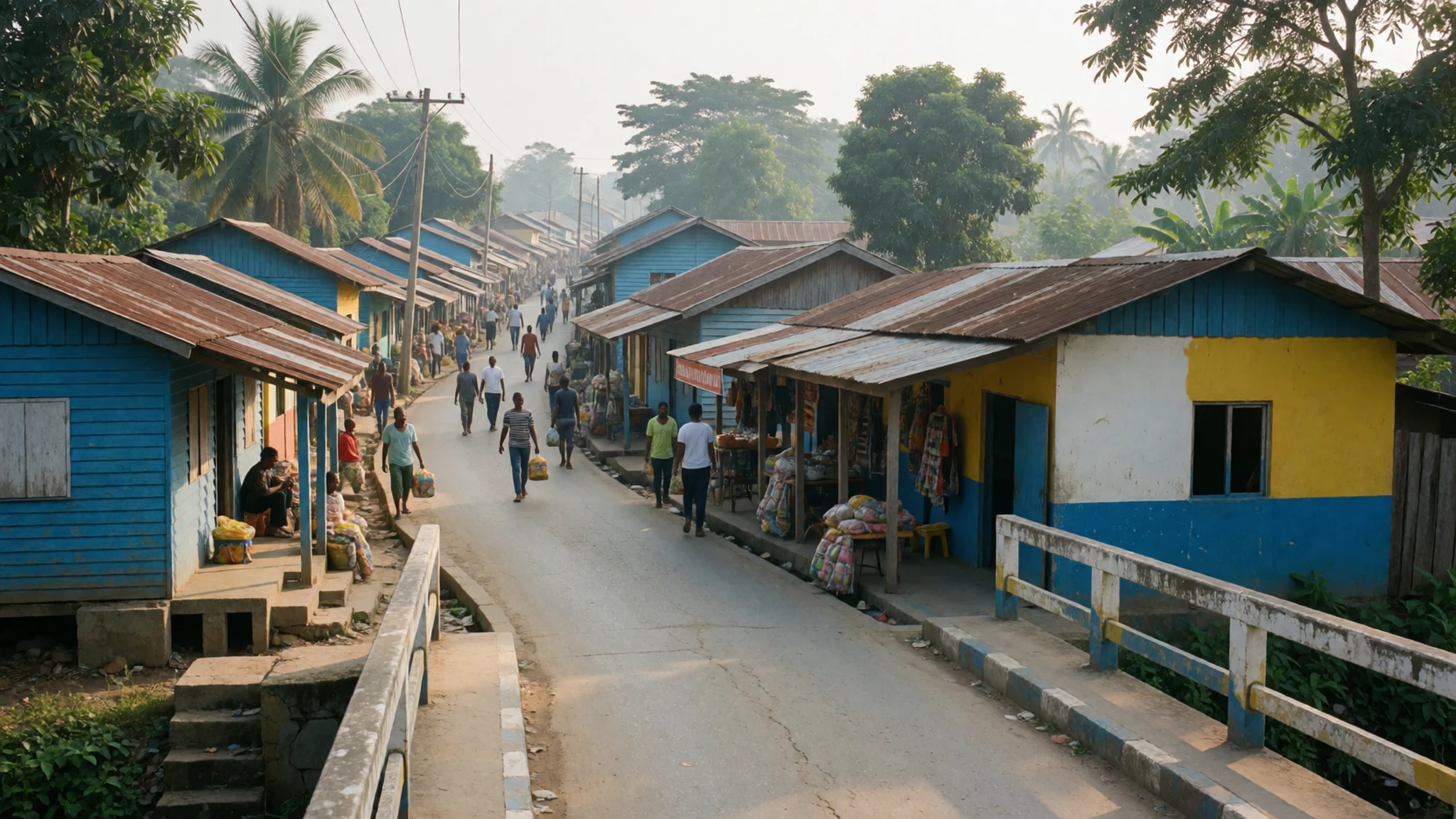
- CERMEL research centre — Rive Droite
CERMEL is a medical research centre, known by its French initials, and a photograph from there shows broad views across the Ogooué. It is a working scientific site rather than a sightseeing stop, so treat it as a place to understand the town's long link with health work and ask before visiting.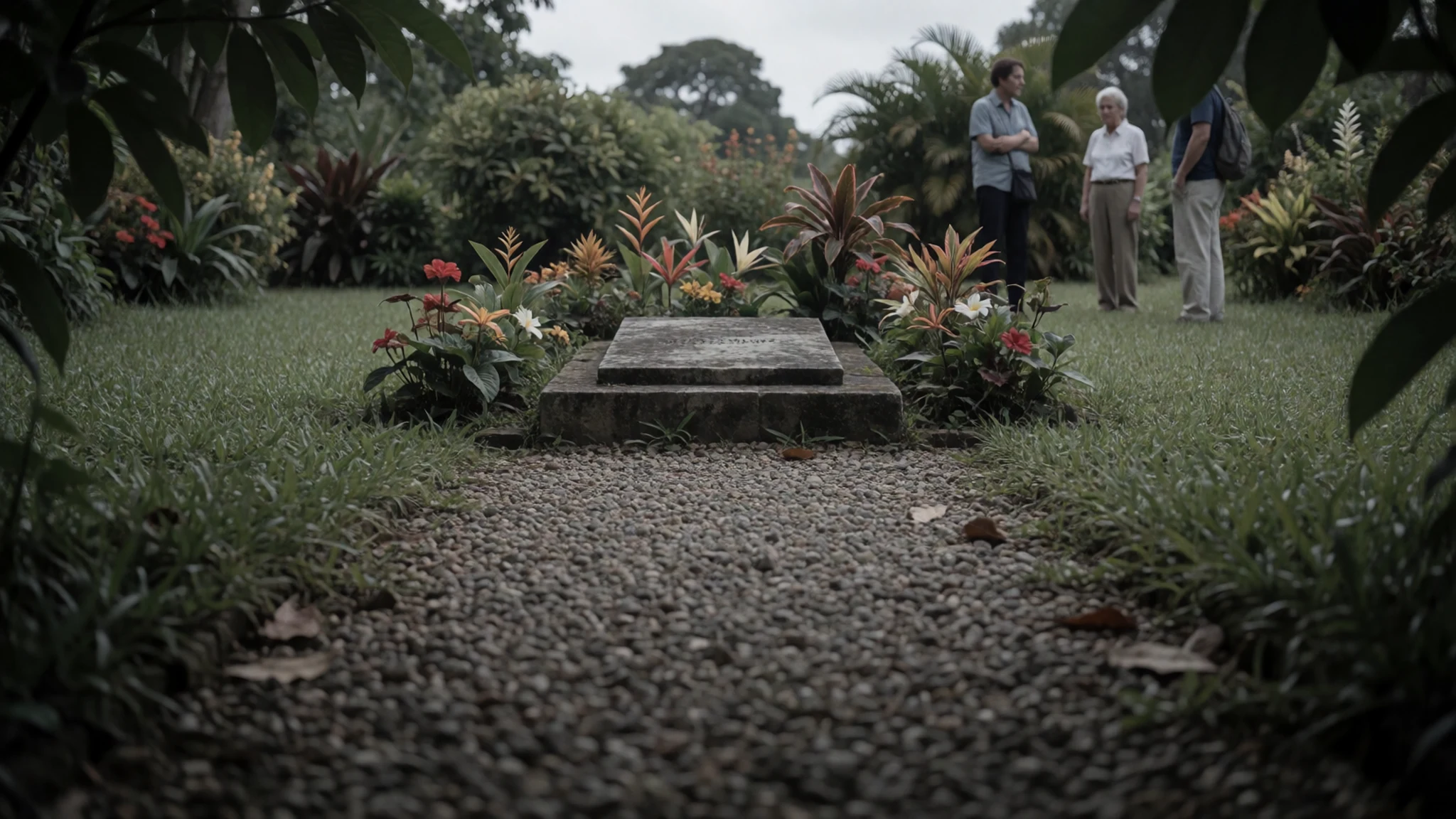
Culture
Lambaréné's social life is shaped by the Fang, Bapounou, Eshira and Myéné communities who live along the Ogooué, with French as the common language of school and administration. Visitors are generally met with friendliness, respect and helpfulness, and a greeting before any question is the normal courtesy. The river sets the daily rhythm, so landing points, banks and markets are social spaces as much as places of work. Christianity is visible in the town through mission and parish life, including the St François Xavier mission, which is still run by the congregation that built it, and the Schweitzer hospital gives Lambaréné a long association with medicine and care. Family and neighbourhood ties matter a great deal, and introductions often run through relatives and friends, so a name dropped at the right moment can open doors. Public life can turn tense around politics. Gabon has been unsettled since the coup, so gatherings and demonstrations are best avoided, and political opinions are better heard than offered. Police may check documents or ask why a visitor has come, so keeping calm, polite and carrying copies of passport and visa pages helps. Ask before photographing anyone, and keep your camera away from police, soldiers and government buildings.
What to wear
In Lambaréné, as across the Gabonese rainforest, traditional dress has historically drawn on woven raffia and bark cloth, with fibre skirts, beads and feather or fibre adornments worn for dances, initiations and community ceremonies. Today these are seen mainly at festivals and cultural events rather than in the street. Everyday clothing is practical and familiar: shirts, jeans, simple dresses, football shirts and sandals, chosen for heat and humidity. For church on Sundays, weddings and family celebrations, many people turn to outfits tailored from bright wax-print cotton, including wrapped cloths known as pagnes, often made by local tailors. Visitors should dress for a warm, damp climate: light, loose cotton or quick-dry fabric, with long sleeves and trousers in the evening for mosquitoes, plus a hat and a light waterproof jacket in the rainy season. Closed shoes or sturdy sandals with grip suit muddy paths and boat landings. Dress modestly, with covered shoulders and knees, in churches, the mission and the hospital grounds. Swimwear belongs on the beach or the boat, not in town. Avoid camouflage-pattern clothing, which can attract unwanted attention from officials.
What to eat
- Grilled river fish — Riverside eateries and landing points along the Ogooué
Fish from the Ogooué, grilled over a fire and served with cassava, plantain or rice, is the most natural thing to eat in a fishing town. Choose busy places where the catch is clearly fresh and cooked to order.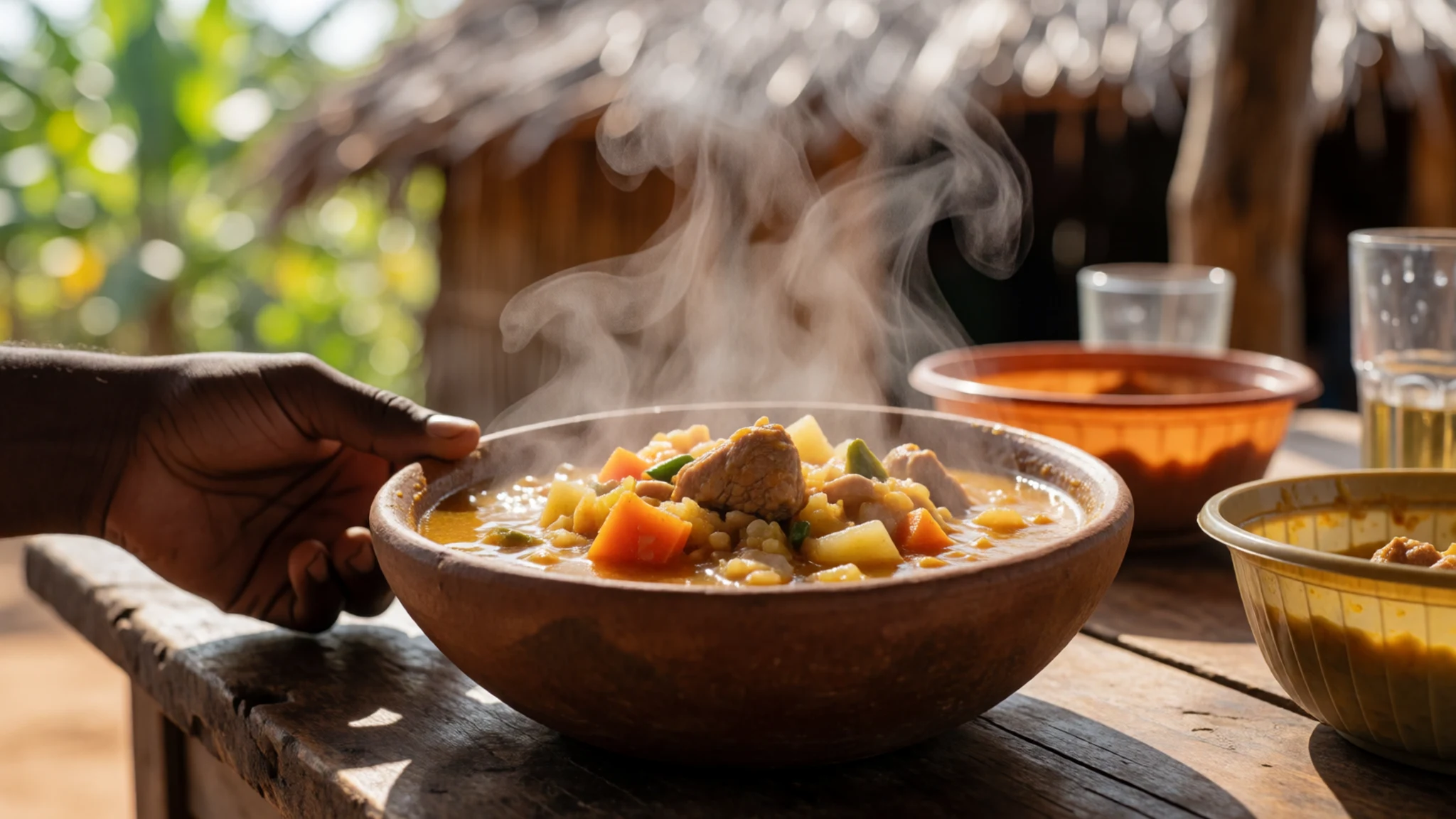
- Poulet nyembwe — Family-run eateries and home-style restaurants in town
Chicken slow-cooked in a thick palm-nut sauce, rich and savoury, a Gabonese favourite. It is usually eaten with rice or cassava, and worth asking for by name, since it takes time to prepare.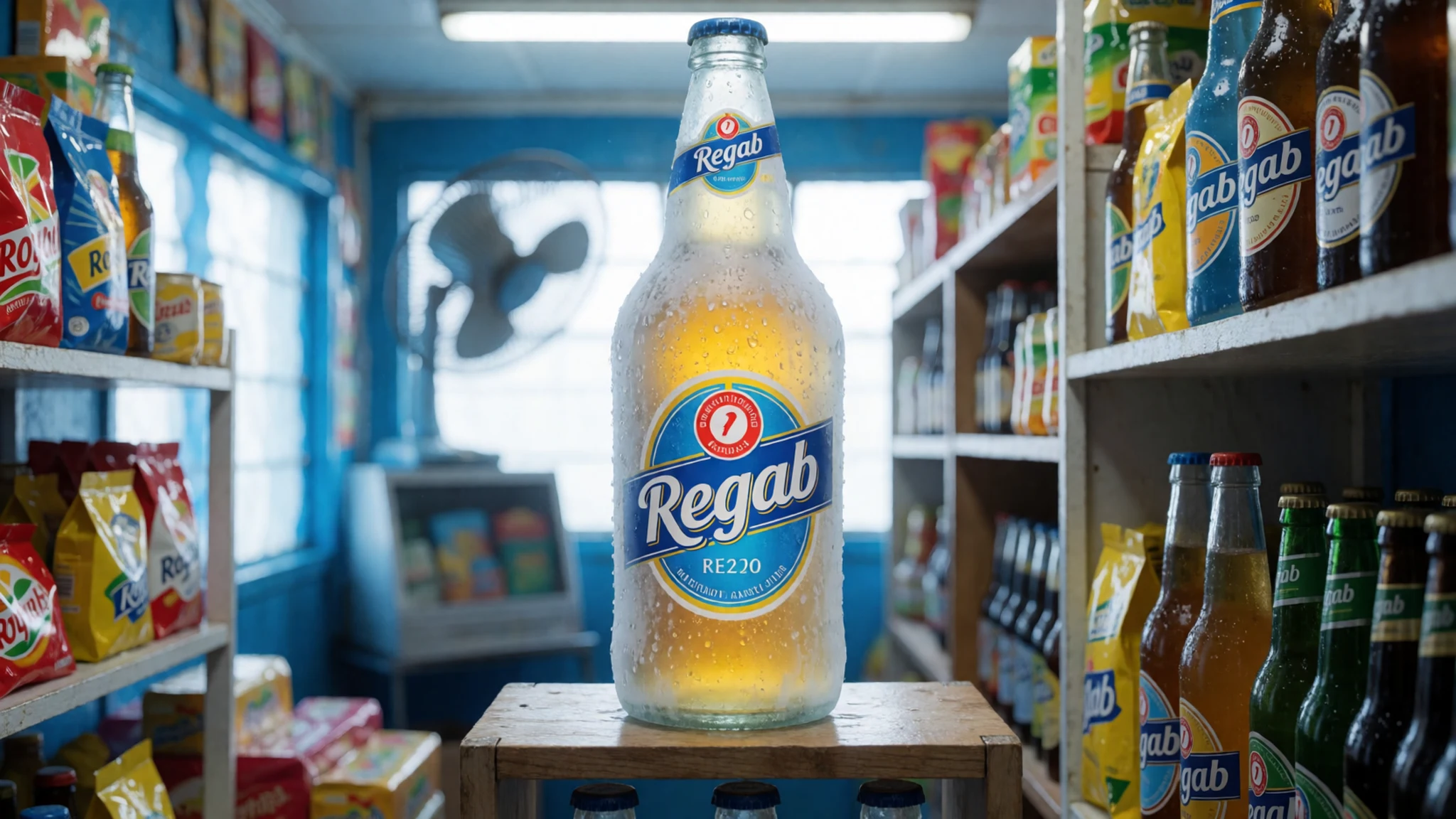
- Bâton de manioc — The town market and roadside stalls
Cassava paste wrapped in leaves and steamed into a firm, slightly sour stick. It is eaten with fish or meat sauces and is a staple across the region, filling and good for soaking up gravy. - Fried plantain — Street stalls and the market
Ripe plantain sliced and fried until caramelised at the edges, sold hot in paper or on a plate beside grilled fish or chicken. A simple, cheap snack for walking between districts. - D'jino fruit juices — Shops and small eateries across town
Bottled juices in grapefruit, pineapple and lemon flavours are widely sold, and they are sharp, cold and welcome in the humid heat. Buying from a shop is usually cheaper than from a restaurant. - Regab beer — Bars, small eateries and shops
Regab is a local lager sold in large bottles and shared at the table. It is an easy accompaniment to grilled fish, and drinking it in the evening is part of social life in many towns here.
Plan it
Best time. July to September is the long dry season and the easiest time for roads and river trips. December and January bring a short drier spell. October to June is rainy, so expect heavy showers, muddy tracks and high humidity. The town is warm all year.
How long. 2–3
Getting there. Fly into Leon Mba International Airport in Libreville, then continue to Lambaréné Airport on the left bank if a flight is running, or overland by road in a four-wheel-drive vehicle, since the roads are poor. Most visitors need an e-Visa, so check the official Gabon immigration site before booking.
Budget. mid
Tips
- Check the latest travel advice before booking, as Gabon has been politically unsettled since the coup
- Avoid crowds and gatherings, and keep valuables out of sight, since pickpocketing and crime against visitors do occur
- Carry cash for markets and boats, as card use is limited outside larger towns
- Bring insect repellent, a light rain jacket and bottled or filtered water
- Hire a local boatman for river trips and agree the plan before setting out
Etiquette
- Greet people before asking for anything
- Ask before photographing people, officials or government buildings
- Dress modestly at churches, the mission and the hospital
Nearby
Sources
- Wikidata Q874197 (CC0)
- Wikipedia: Lambaréné (rev 1379460275) (CC BY-SA 4.0)
- Wikivoyage: Gabon (rev 5423171) (CC BY-SA 4.0)
- Photo: Mission St François Xavier, Lambaréné (Salipunan) (CC BY-SA 4.0)
- Photo: Strasse in Lambaréné (Oshilumbu5) (Public domain)
- Photo: Tombe du docteur Schweitzer (Vincent.vaquin) (CC BY 3.0)
- Photo: CERMEL 2017 (ITM PMT MS) (CC BY-SA 4.0)
- Photo: Bulletin d'hospitalisation, Lambaréné (Ji-Elle) (CC BY-SA 4.0)
- Photo: vue aérienne (Lambaiya) (CC BY-SA 4.0)
- Photo: Musée africain de Gunsbach (Ji-Elle) (CC BY-SA 4.0)
- Photo: Blick auf den Ogooué - CERMEL (ITM PMT MS) (CC BY-SA 4.0)


Wildlife
- Slender-snouted crocodile (animal)
The slender-snouted crocodile is the long-nosed crocodile, built with a narrow, pencil-like snout, and it is rare. The notes do not say when it is seen, but it turns up in some stretches of Gabon's longest river, so a boat trip around Lambaréné is your chance. Go with a local guide who knows those reaches. Keep your boat at a respectful distance, speak softly, and stay seated. Never feed it or lure it closer.