Ivindo National Park
Ivindo National Park, Gabon
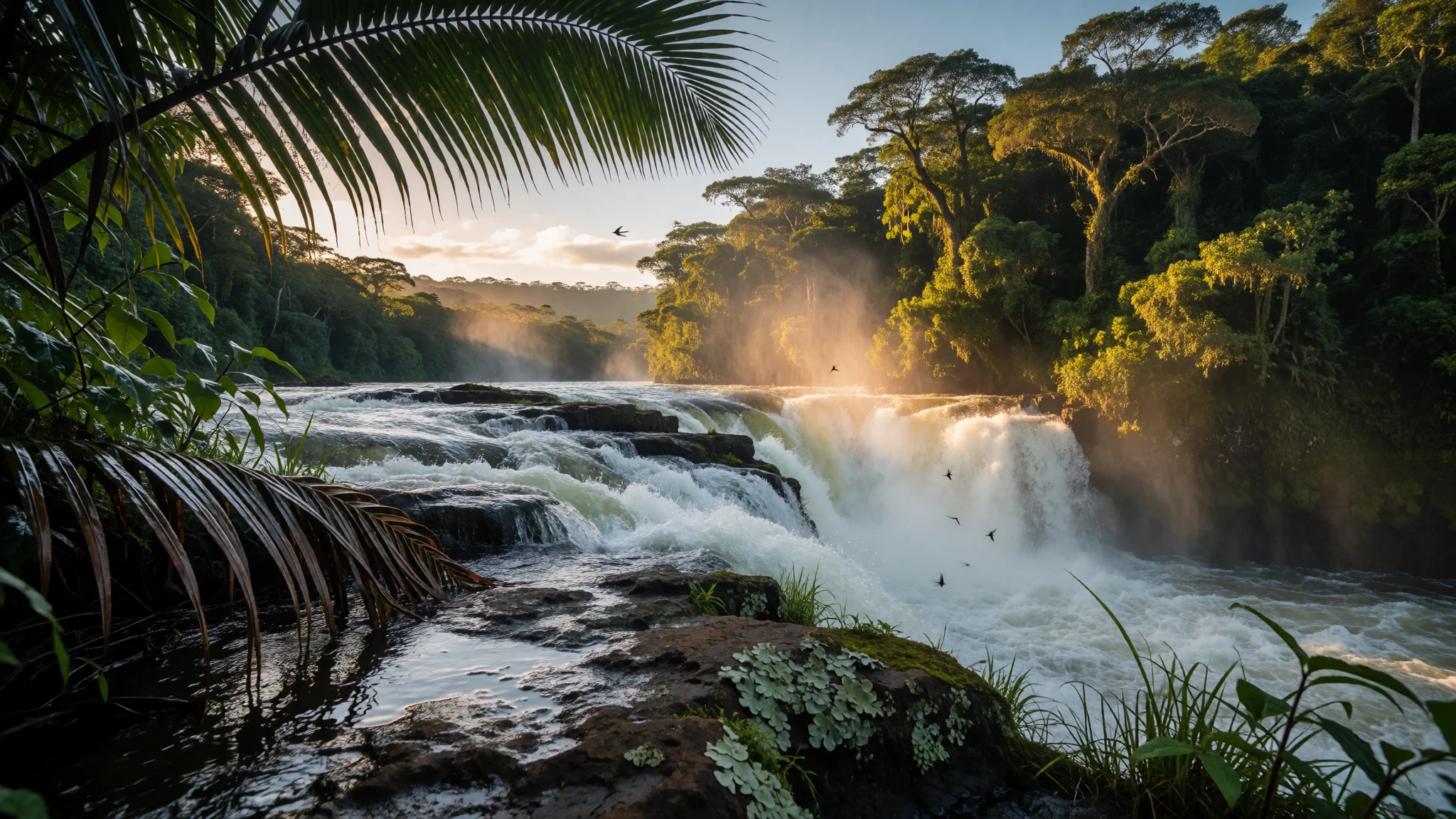
Ivindo National Park is all about forest wildlife and big waterfall days, with a fairly intact tropical ecosystem in Gabon.
The place
Ivindo National Park (Parc national d’Ivindo) sits in east-central Gabon, in Central Africa, straddling the Ogooué-Ivindo and Ogooué-Lolo provinces. It’s a landscape of river systems, rainforest, and sudden elevation—most of the park is forested, stitched together around the Ivindo River. The park is also closely tied to two well-known “anchors” for visitors: the Kongou and Mingouli waterfalls (often called the “wonders of Ivindo”), and the forest clearing at Langoué Baï. This is the kind of place where you don’t really “tick off” sights so much as you move through habitats—river edges, flooded ground in rainy periods, and drier forest tracks—while watching for the animals that treat the understory like home.
On the ground, you feel the park’s weather. Rainfall averages 1672 mm, with heavier periods between September and December and again between February and May. Temperatures are warm year-round, averaging 23.9 °C at Makokou near the northern park boundary, with only about 3.3 °C of seasonal swing. Thunderstorms can be violent and can sometimes create localised tornado-like disturbances on areas such as the Ipassa Plateau.
Ivindo was created with a formal announcement in August 2002, and later received UNESCO World Heritage status in 2021. That matters less for day-to-day travel plans and more for the overall feel: the park is remote, the forest is dense, and the best experiences usually come from going with local expertise rather than expecting a “theme-park” trail system.
Its story
The story of Ivindo National Park is, in a big way, a story of protection and research before the park even had a formal boundary. Since 2001, the Wildlife Conservation Society (WCS) studied and helped protect the southern part of the area, with focus around Langoué Baï. That early work didn’t just gather wildlife information—it also built the practical groundwork for managing threats like poaching, with a protective presence in the area.
In 2004, WCS set up a purpose-built camp around 3 km from Langoué Baï, providing accommodation and offices for researchers. If you’re picturing a simple “log cabin in the jungle”, think again: this was designed to support ongoing fieldwork and safer, more consistent monitoring. Over time, that work fed into the idea of a park that could protect both habitats and the knowledge needed to manage them.
On the research side, other institutions appear in the park’s background too. The Institut de Recherche en Écologie Tropicale (IRET), linked to CENAREST, is located in the north of the park, about 12 km from Makokou, while the Langoué Research Station—run by WCS—is set up to support work in the south, a few kilometres from Langoué Baï.
For travellers, the “why” behind these details is simple: Ivindo’s best moments happen where the long-term studies have paid off—waterfall viewpoints where you can hear the river’s power, and forest clearings like Langoué Baï where wildlife concentrates. In a place like this, science doesn’t just sit in reports; it quietly shapes how the journey feels on the ground.
What to see
- Kongou and Mingouli waterfalls — Ivindo River area
Ivindo National Park is famously linked with the Kongou and Mingouli waterfalls on the Ivindo River. Expect a heavy, constant roar and thick rainforest around the falls; plan for slippery ground in wet periods and bring gear that can handle mist.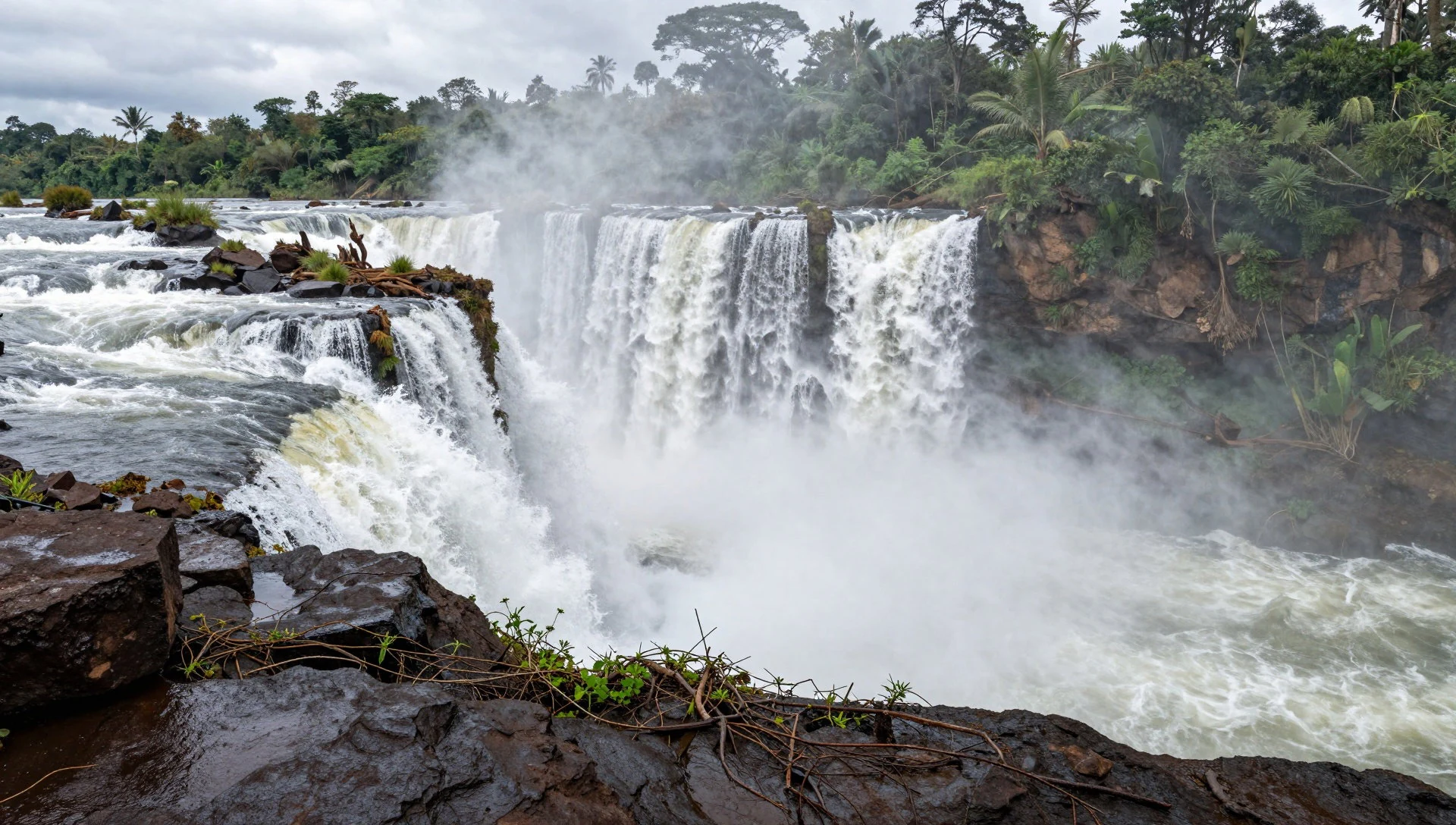
- Langoué Baï forest clearing — Langoué Baï
Langoué Baï is the clearing that draws many wildlife sightings. Because open space in dense forest changes how animals move and gather, morning and late-afternoon light can make tracks and feeding activity easier to spot—especially when rain temporarily alters the ground.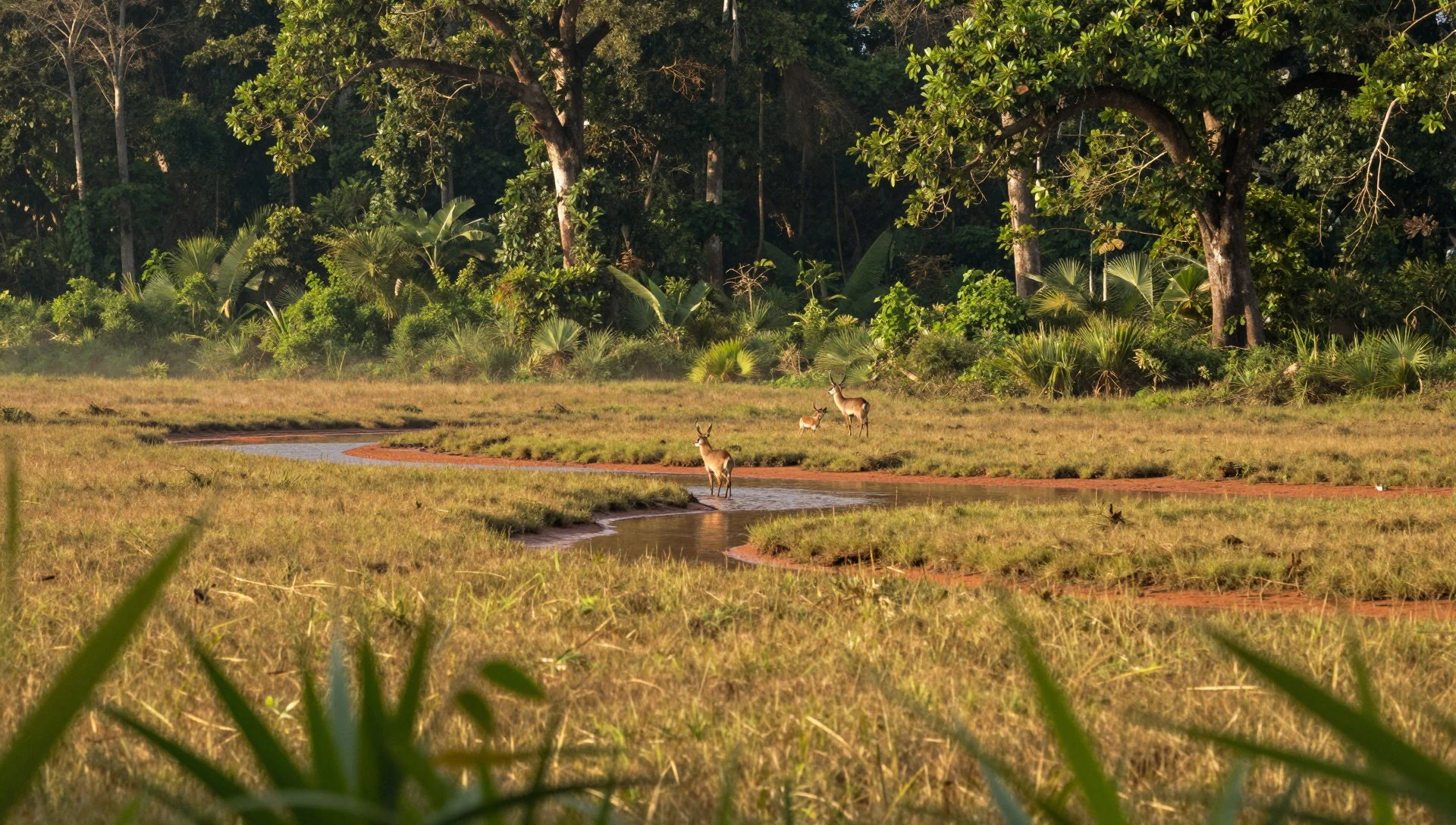
- Forest elephant encounters — Langoué Baï and waterways
Ivindo is linked with forest elephants, and clearings and river edges can be where people most often notice signs. If you’re lucky, you might see elephant activity as the day shifts; in humid weather, give them plenty of space and keep noise low.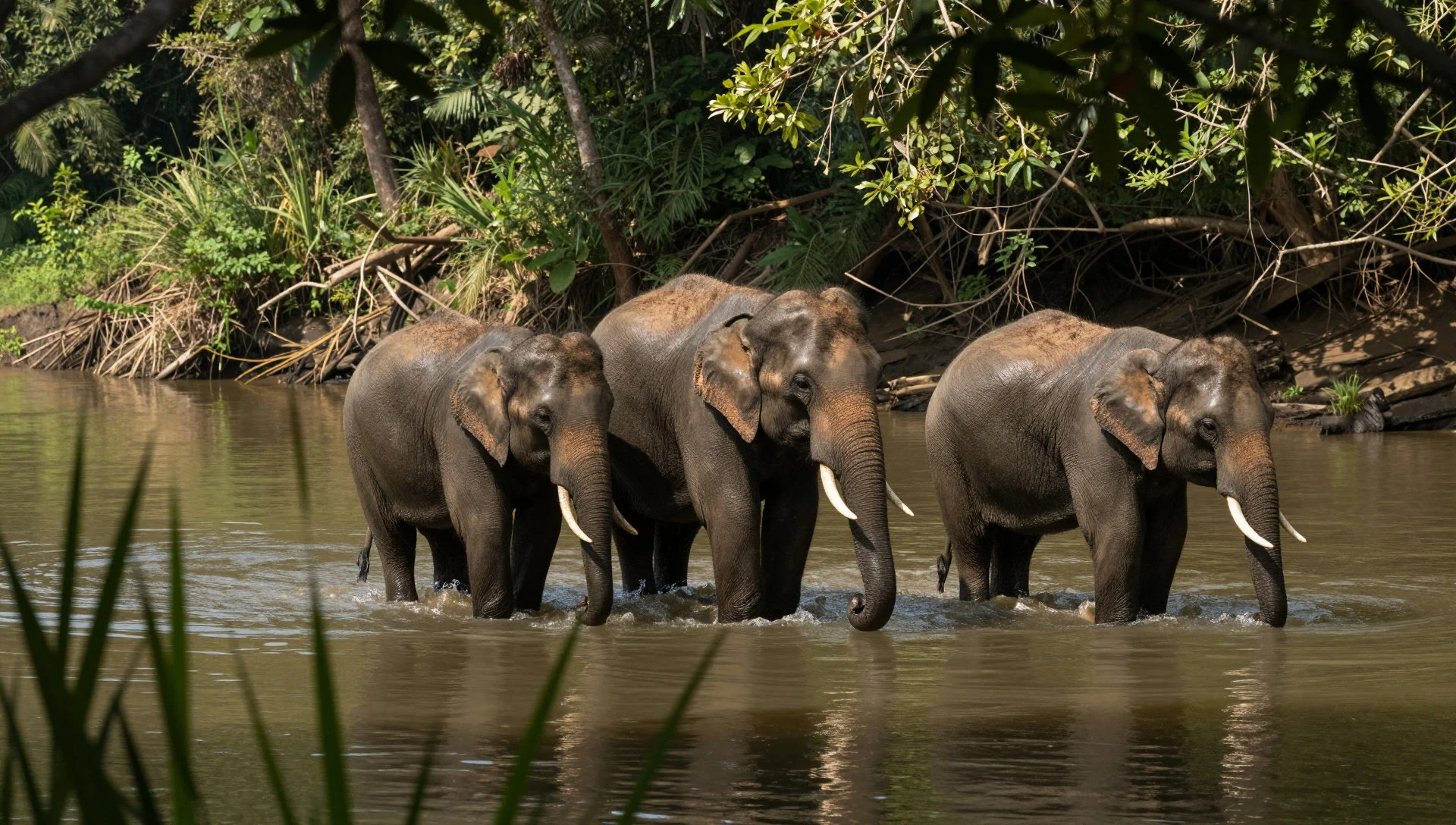
- Western lowland gorilla habitat — Forest zones throughout the park
Western lowland gorillas are among the wildlife recorded in the park. Gorilla presence depends on season and conditions, so what you can “see” may be indirect—calls, movement through the canopy, or fresh signs—rather than guaranteed sightings on demand.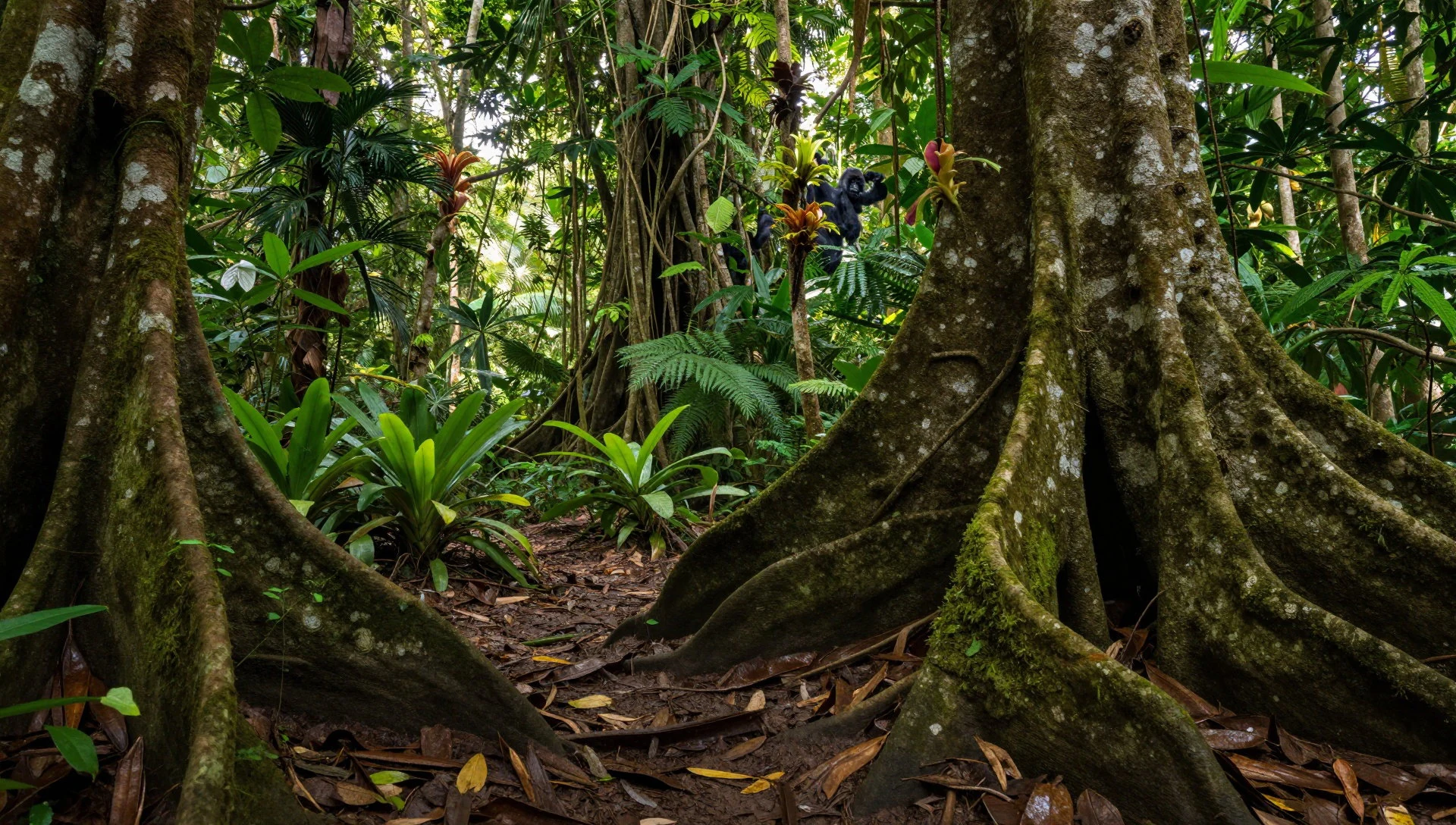
- River-and-road wildlife moments — Approach roads to the south
Along routes into and around the park, wildlife can appear without warning—snakes on the road or animals crossing near the margins of forest. If you’re travelling by vehicle between areas, slow down for any movement and watch both sides of the track.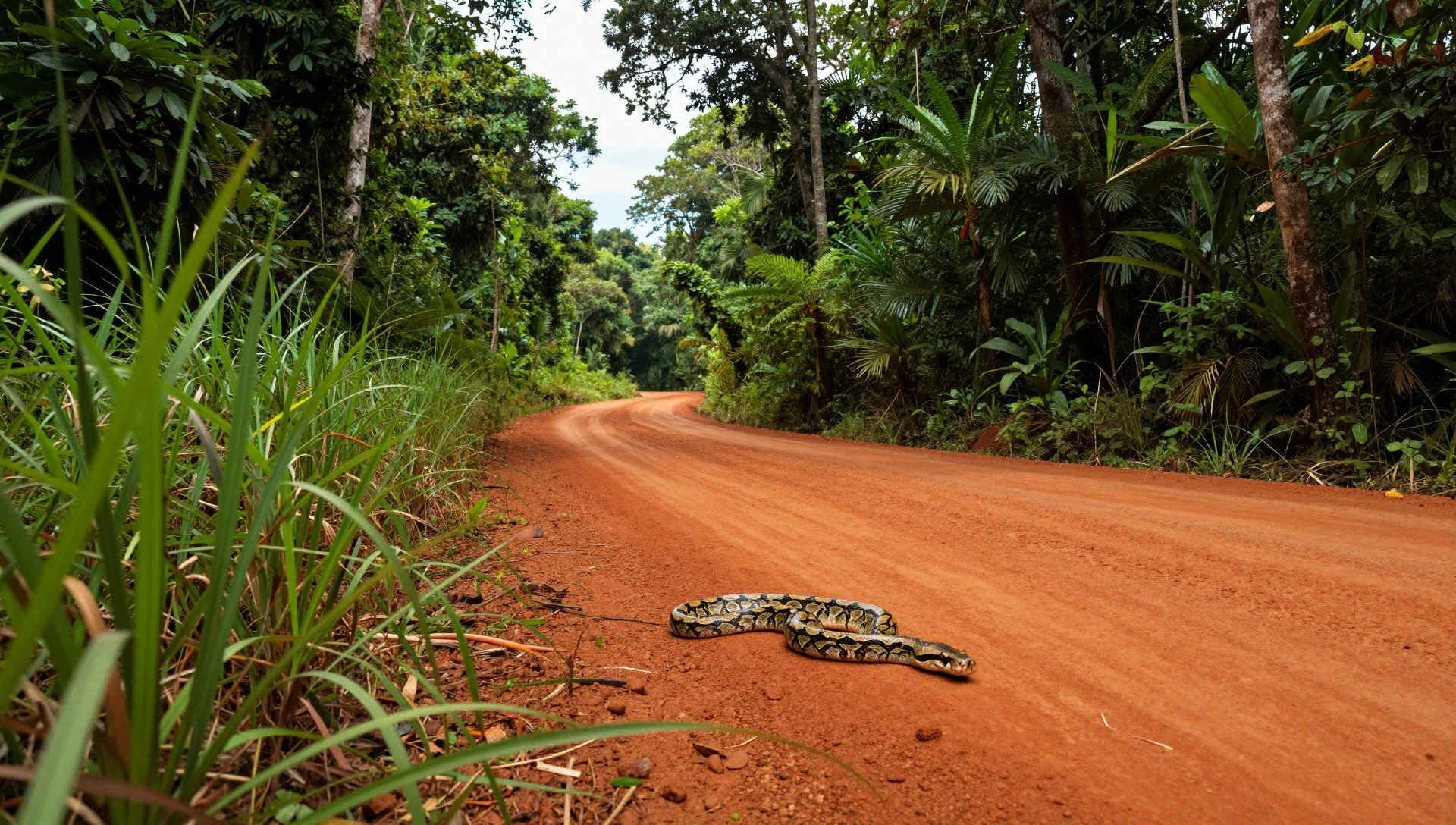
Culture
Ivindo National Park (Parc national d’Ivindo) is a place where the “culture” you experience is largely nature-led: rainforest routines, animal schedules, and local field knowledge. The park’s research history around Langoué Baï means people working here are used to careful observation, quiet movement, and respecting wildlife space. That mindset matters because the weather can change fast—thunderstorms are seasonal, and strong downpours can turn tracks into slippery mud.
There’s also a practical side to etiquette in Ivindo: wildlife viewing is about patience rather than rushing for the closest angle. Animals such as forest elephants may move through water and forest edges, and clearings like Langoué Baï can attract animals at predictable times. On rainy days, visibility drops, so it’s better to pause and let guidance lead the pace than to step off-trail for a photo.
In terms of how travellers behave, the best attitude is “quiet, careful, and flexible”. When the forest is busy and the ground is wet, the right choice is usually to wait, not to crowd a vantage point. Dress for humidity and mud, keep your gear secure, and follow local instructions about where you can stand or walk.
Visitor etiquette: stay on the track, keep noise low, and never block an animal’s path at Langoué Baï or near the waterfalls.
What to wear
In Ivindo National Park, clothing needs to handle tropical humidity, rain, and the reality that you may be moving through wet forest edges on uneven ground. Traditional clothing isn’t the main “uniform” for visitors here; you’ll mostly see park staff and locals in everyday, functional wear suited to working outdoors.
What people wear now tends to be practical: lightweight tops, long trousers or shorts that won’t snag easily, and footwear that can handle mud. In wetter stretches—especially during the heavier rainfall periods around September–December and February–May—dry socks and quick-drying fabrics make a big difference.
For visitors, wear long sleeves and breathable layers for sun and rain, plus a waterproof jacket when thunderstorms roll in. Choose trainers or sturdy hiking shoes with grip; flip-flops are a poor idea on wet paths near river edges and around waterfall viewpoints. If you’re photographing wildlife, consider neutral colours rather than bright shades so you don’t stand out as much in the forest clearing.
For modesty, keep shoulders and knees covered when you’re moving through any areas where you’ll be close to people (for example, when travelling between bases). And pack insect protection—humid rainforest days can bring mosquitoes, even when the day starts clear.
What to eat
- River-side meals near Makokou routes — Makokou approach areas
In Ivindo trips, food is often eaten around the Makokou approach and base areas, where simple meals are common before you head into the park. Look for hearty plates that suit humid conditions, plus plenty of water.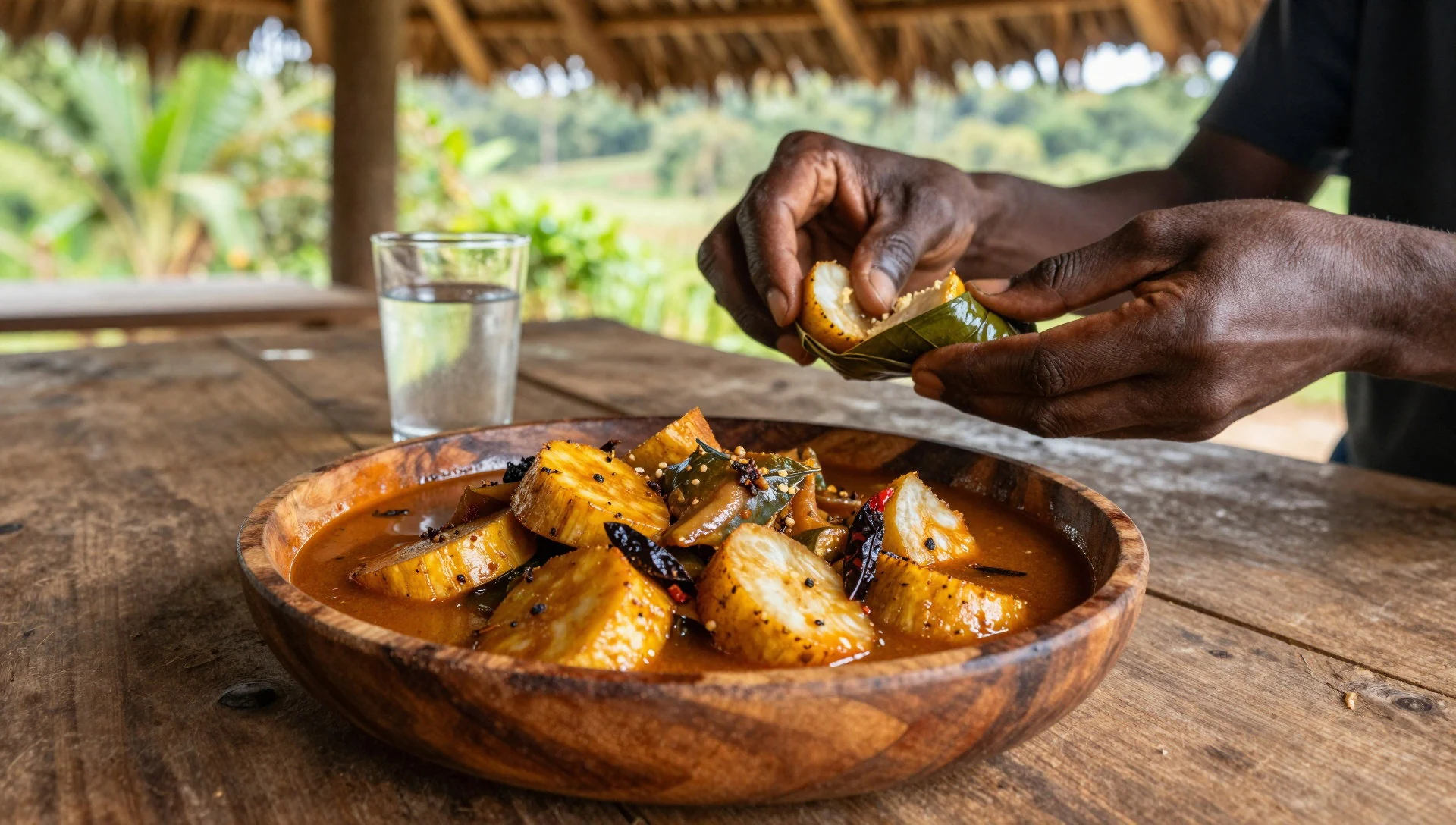
- Local market produce and staples — Local markets in the Makokou area
When travel timing allows, local markets are a good place to find everyday staples and fresh produce for snacks. Expect seasonal fruit and vegetables that reflect the rainy and drier stretches of the year.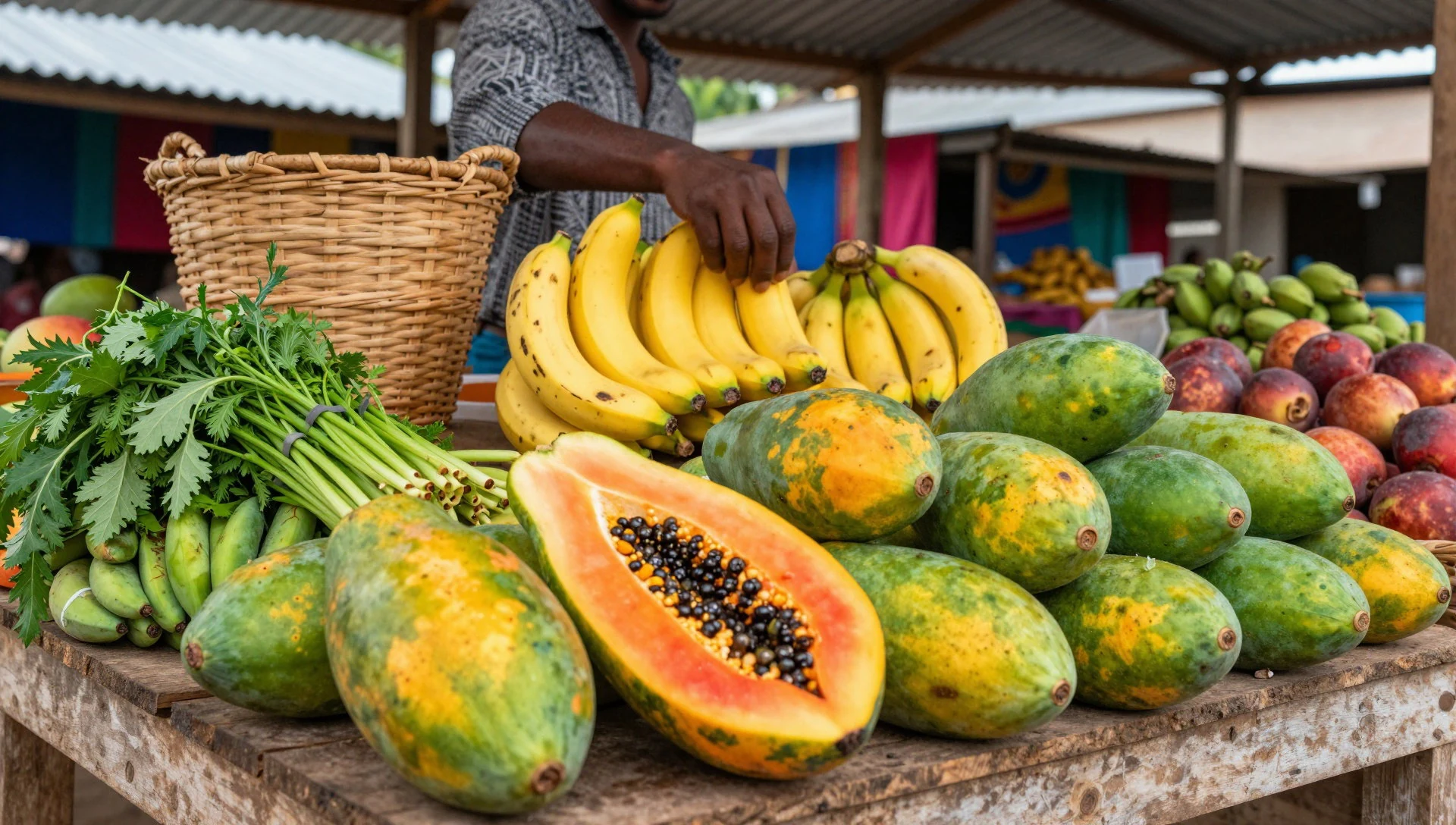
- Camp-style lunches during day walks — Park field camps and day-trip stops
Plan for straightforward camp or field lunches during longer park days—often prepared for portability and easy sharing in the group. Keep snacks accessible, because rainfall can slow movement or change routes. - Warm soups and stews on rainy days — Base areas and communal dining
In wet, stormy periods, warm bowls help when the air feels heavy. Stews and soups are practical for groups and travel logistics, and they tend to fit well with the rhythms of rainy-season days. - Fruit and quick snacks for between activities — Between viewpoints and walking sessions
Between waterfall time and clearing visits, fruit and simple snacks can be the most reliable energy. Choose easy-to-eat options for humid conditions and always carry your drinking water.
Plan it
Best time. March–April and October–November are the calmer comfort bets: they sit outside the heaviest rainfall peaks (September–December and February–May), so trails and river edges feel more manageable.
How long. 3–4
Getting there. Fly into Libreville, then make your way to Makokou by connecting transport; Ivindo National Park is about 12 km from the closest city, Makokou, for the last approach leg.
Budget. mid
Tips
- Plan around the rainy peaks: September–December and February–May can bring frequent downpours and reduced visibility.
- Carry waterproof layers and a reliable rain cover for bags; thunderstorms can be seasonal and sudden.
- Build in time for slower movement around Langoué Baï and waterfall paths after rain.
- Keep an eye on local guidance for where wildlife is active; forest clearing activity changes day by day.
Etiquette
- Stay on tracks and avoid pushing into dense understory just to get closer to animals.
- Move quietly and don’t crowd a viewing spot in clearings like Langoué Baï.
- Respect guidance during stormy weather and follow any safety instructions from your team.
Nearby
Sources
- Wikidata Q9055979 (CC0)
- Wikipedia (rev 1365736230) (CC BY-SA 4.0)
- Wikivoyage (rev 5405562) (CC BY-SA 4.0)
- Photo photos/01-waterfall-ivindo-gabon.jpg (CC BY 2.5)
- Photo photos/02-l-l-phant-de-for-t-d-afrique-loxodonta-cyclotis.jpg (CC BY-SA 4.0)
- Photo photos/03-african-rock-python.jpg (CC BY-SA 4.0)
- Photo photos/04-african-forest-buffalo-and-egret.jpg (CC BY-SA 4.0)
- Photo photos/05-elephants-running-in-a-stream.jpg (CC BY-SA 4.0)
- Photo photos/06-female-sitatunga.jpg (CC BY-SA 4.0)
- Photo photos/07-jungle-interior-gabon-banner-python.jpg (CC BY-SA 4.0)
- Photo photos/08-juvenile-sitatunga.jpg (CC BY-SA 4.0)


