Mosque of Omar
Mosque of Omar, Colombia
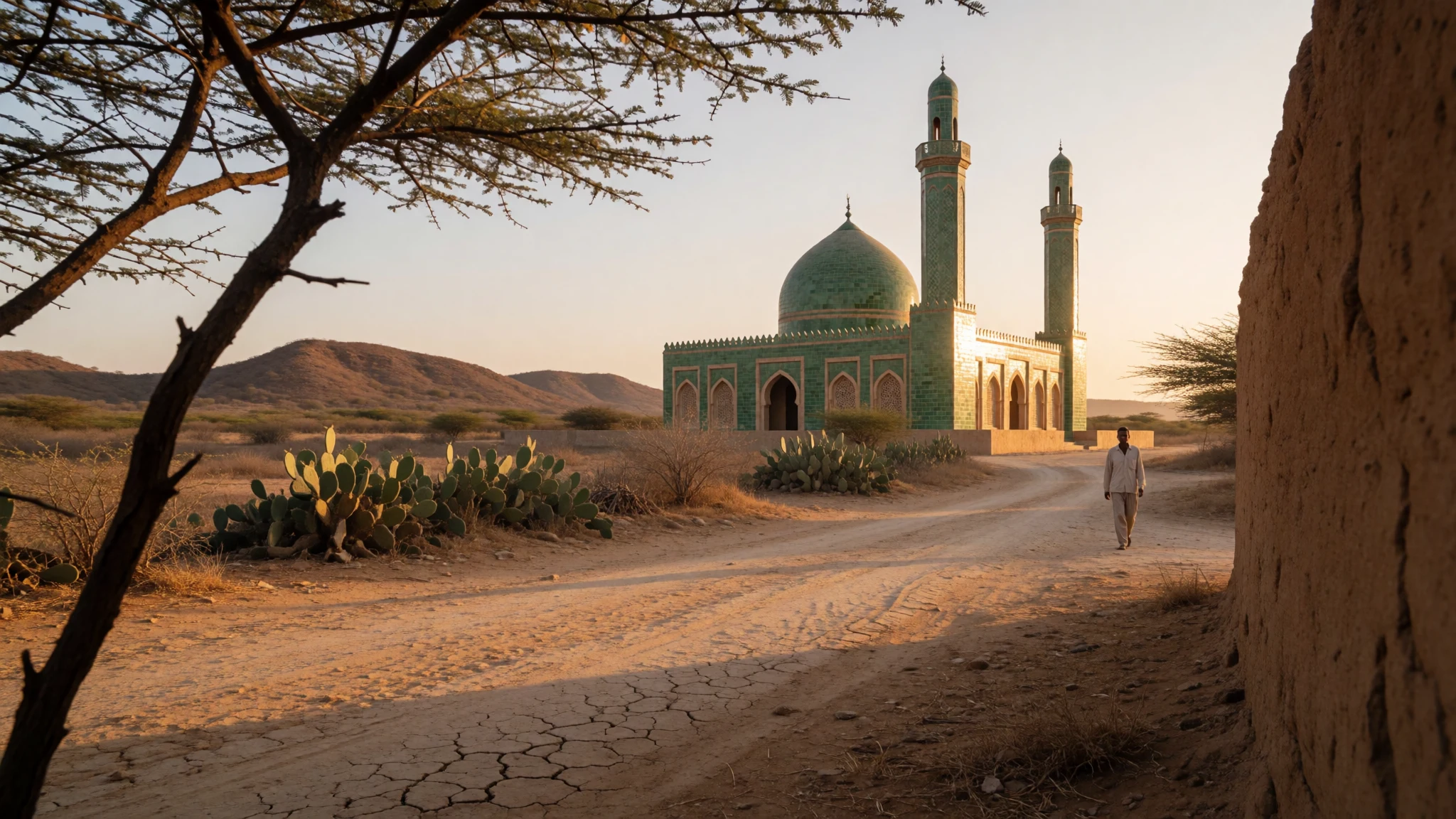
A rare glimpse of Arab-colonial architecture in the harsh beauty of Colombia's northern desert.
The place
The Mosque of Omar Ibn Al-Khattab stands in Maicao, the capital of the La Guajira department in northern Colombia. Built in 1997, it serves as the primary centre for the local Muslim community, a demographic largely descended from Lebanese immigrants who settled in the region in the early twentieth century. The structure is easily identifiable from a distance, featuring a large central dome and two slender minarets clad in green tiles that contrast sharply with the dry, golden earth of the surrounding landscape. Locals simply refer to it as La Mezquita, a testament to its prominence as the only major mosque in the immediate area.
Maicao itself is a frontier town situated near the Venezuelan border, an environment that defines much of its character. The municipality is known for its intense heat and arid climate, typical of the Caribbean coast's western edge. The mosque is not just a place of worship but a cultural hub, situated alongside the Dar Alarkan School which serves the community's educational needs. Its presence marks a distinct ethnic and religious enclave within a region predominantly shaped by indigenous Wayuu heritage and Afro-Colombian influences. The architecture blends North African and Middle Eastern stylistic cues with local construction methods adapted to the low humidity and high temperatures. Visitors approaching the site from the city centre find the building to be a stark and visual anchor in an otherwise sprawling, low-rise urban grid. The mosque operates as a community centre, hosting gatherings, religious ceremonies, and cultural events that reinforce the ties between the Arab-descended population and the broader Maicao society. It is a site of quiet significance, offering a window into the complex, layered identity of Colombia's north, where desert landscapes meet border commerce and diverse traditions.
Its story
The arrival of Lebanese immigrants in Colombia, particularly in the Caribbean coast and La Guajira, began in the late nineteenth century and accelerated in the early twentieth century. Facing economic hardship and political instability in their homelands, these settlers established themselves in port cities and inland towns, bringing with them commercial skills and, for a significant portion, Islamic faith. Maicao became a key destination, where Arab traders settled and gradually formed a distinct community. Over the decades, this community grew, intermarried, and integrated into the local economy while maintaining their religious practices and cultural heritage.
The construction of the Mosque of Omar Ibn Al-Khattab in 1997 represented the formalisation of this long-standing presence. It was the result of decades of community organising and fundraising, aiming to provide a dedicated space for worship that reflected their architectural and spiritual heritage. The mosque bears the name of the second caliph, Omar Ibn Al-Khattab, a figure of great significance in Islamic history, symbolising the strength and continuity of the faith. The establishment of such a large and prominent mosque in a region far from the Middle East was a notable milestone, signifying the roots the community had put down. Today, the mosque remains a vital institution. It is not merely a relic of past migration but a living part of Maicao's daily rhythm. The community around it continues to navigate the dual identity of being part of the broader Colombian society while preserving specific Arab-cultural traditions, including language, cuisine, and religious observances. The school associated with the mosque plays a crucial role in this preservation, educating the younger generations in both formal subjects and Islamic studies. This history of migration and adaptation is evident in the town's diverse cultural fabric, where Arab, indigenous, and Caribbean influences intersect in unique ways.
What to see
- Mosque of Omar Ibn Al-Khattab — Maicao city centre
The exterior is the primary draw, with its green dome and minarets offering striking photo opportunities. The architecture stands out distinctly against the arid landscape. Visitors can observe the use of local materials and the adaptation of traditional styles to the climate. The area around the mosque is quiet, providing a serene contrast to the surrounding urban activity. It serves as a landmark and a point of interest for those exploring the cultural diversity of Maicao.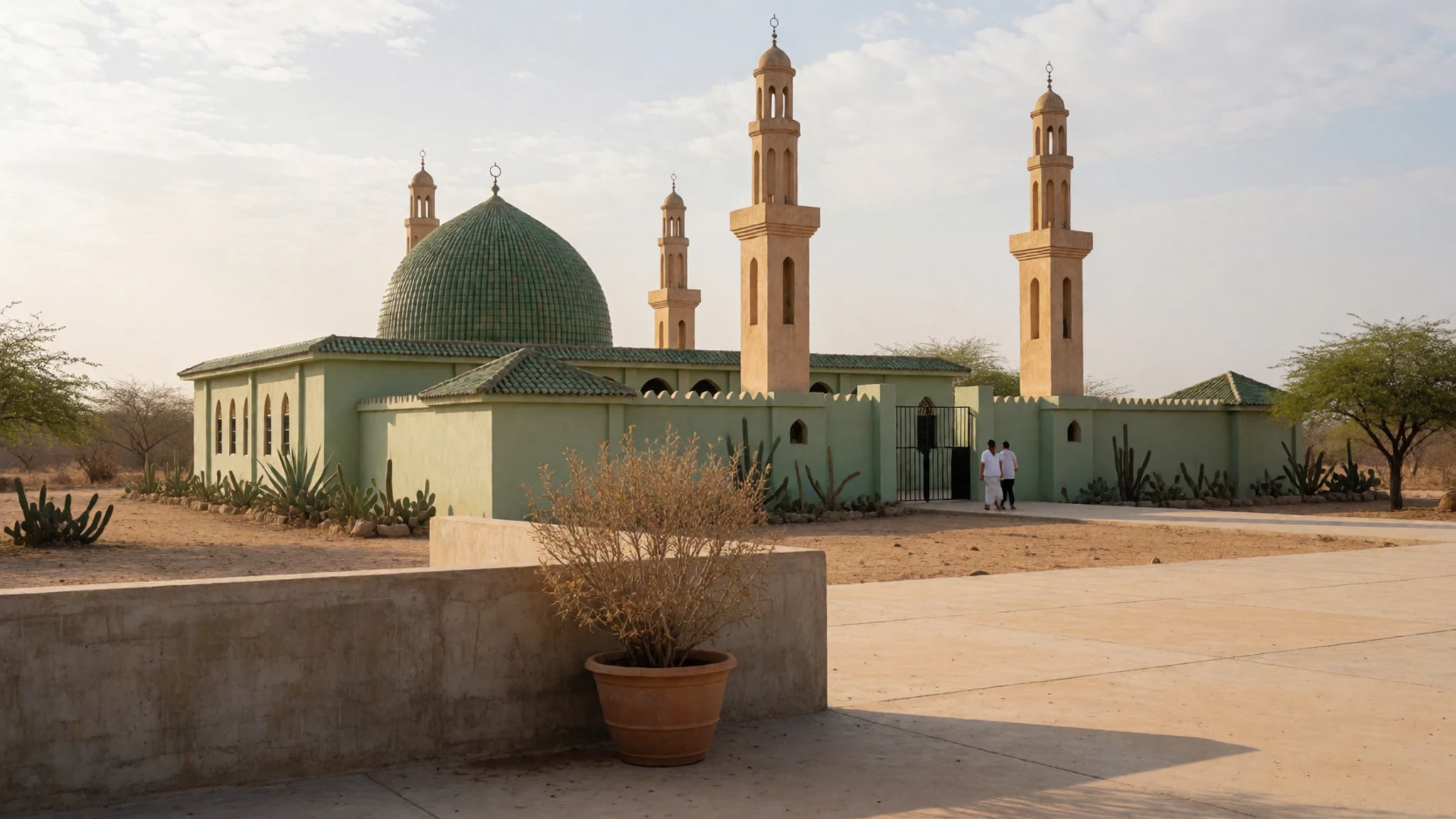
- Montes de Oca Natural Reserve — Outskirts of Maicao
A protected area on the outskirts of the city that provides an essential water supply for part of Maicao's population. The reserve is home to a variety of plant species, including several cactus varieties, and a significant number of bird species. It offers a glimpse of the local biodiversity in the dry savanna ecosystem. The reserve is a good spot for nature observation and understanding the ecological importance of the local water sources.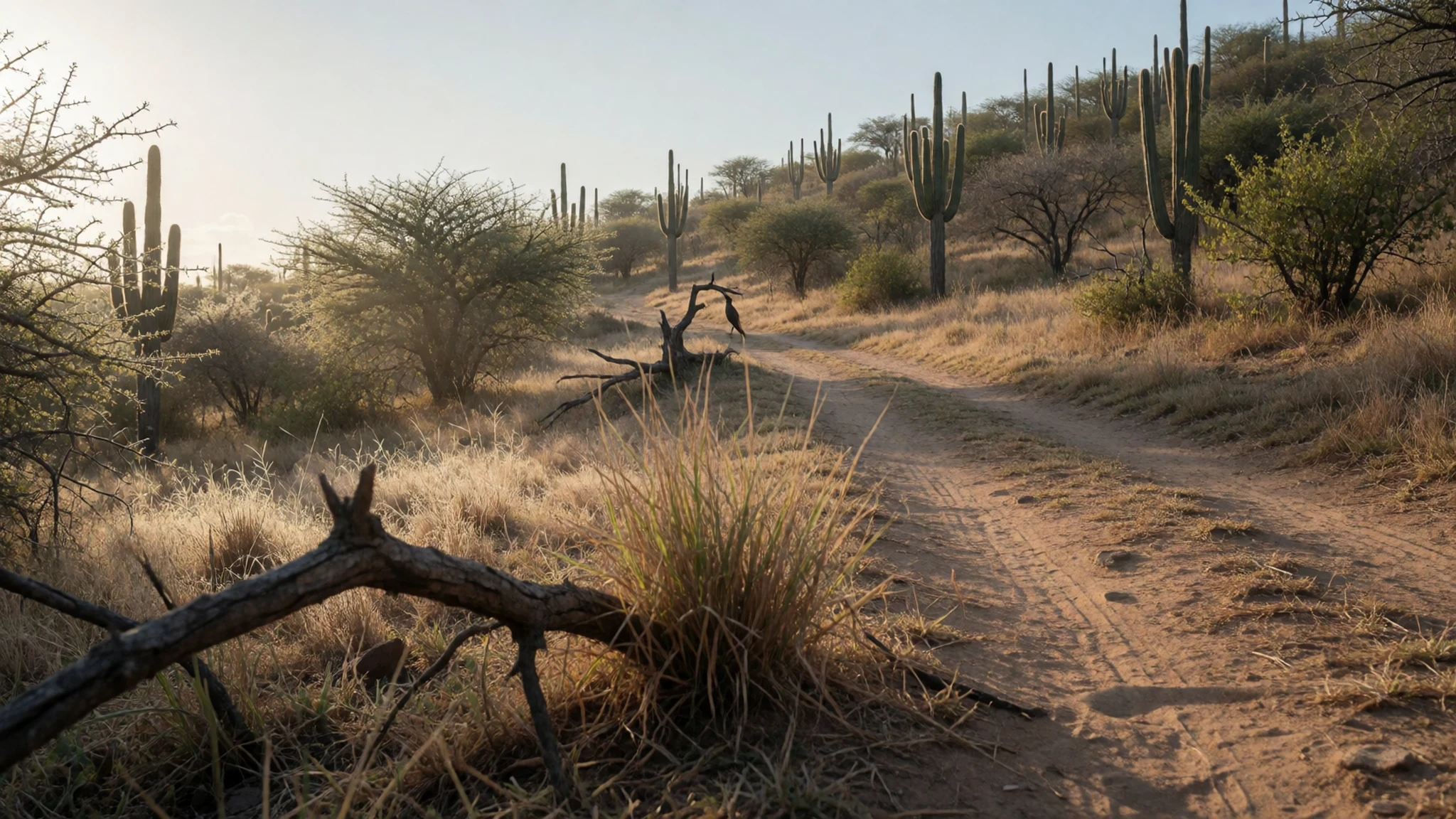
- Monumento a la Identidad — City centre
A sculpture located in the city centre, created by the artist Alfredo Tatis Benzo. The monument is known by a local nickname that refers to the origin of Maicao's name, which is linked to corn. It serves as an artistic representation of the city's indigenous roots and cultural identity. The sculpture is a notable landmark for visitors exploring the public spaces of Maicao.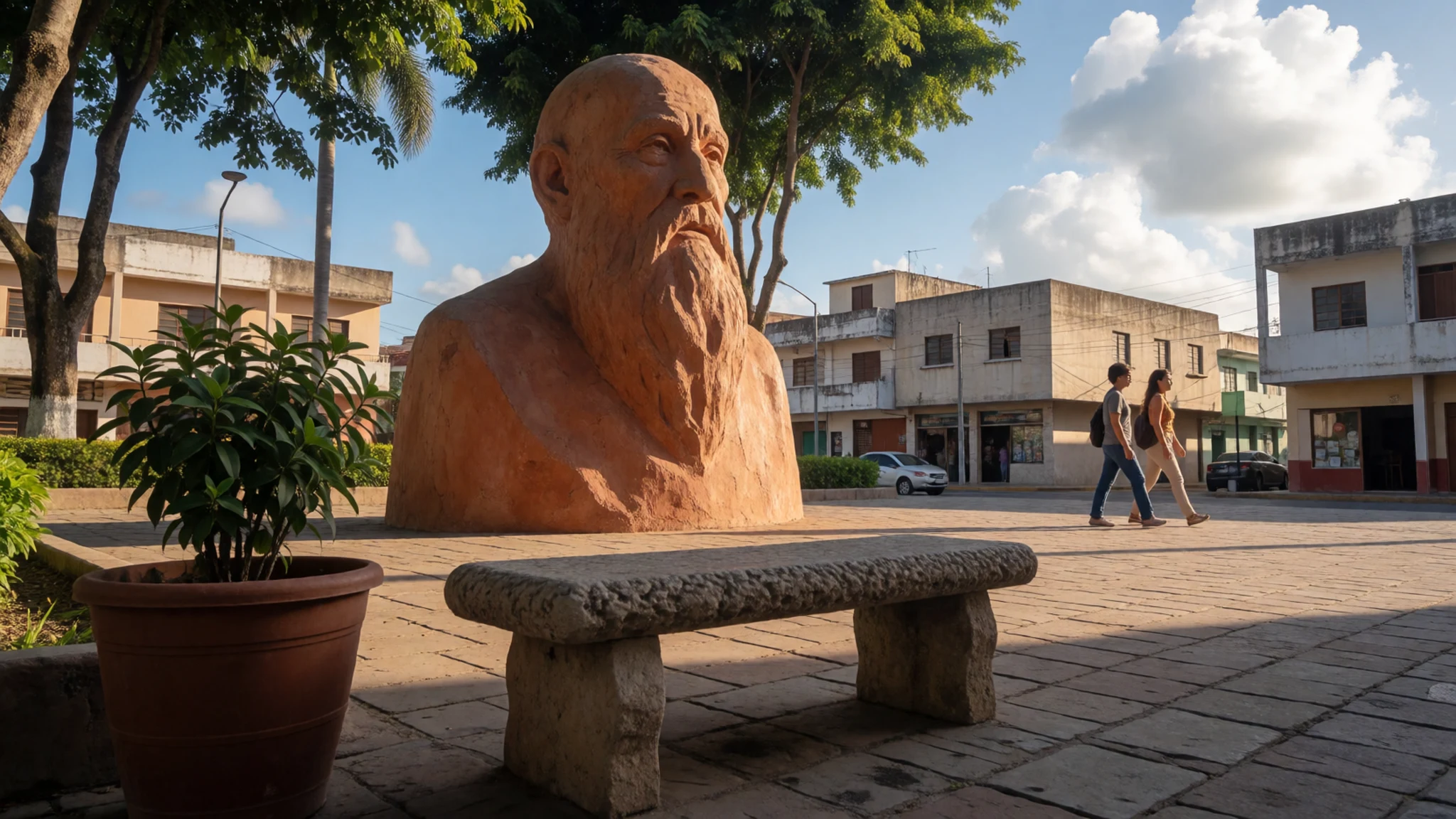
- Plaza Bolivar — City centre
The main square of Maicao, featuring a statue of Simón Bolívar, the liberator of South America. The plaza is a hub of local life, where people gather for social interactions, local events, and to enjoy the public space. It is a typical Colombian plaza, reflecting the historical and political heritage of the country. The area around the plaza has various shops and eateries.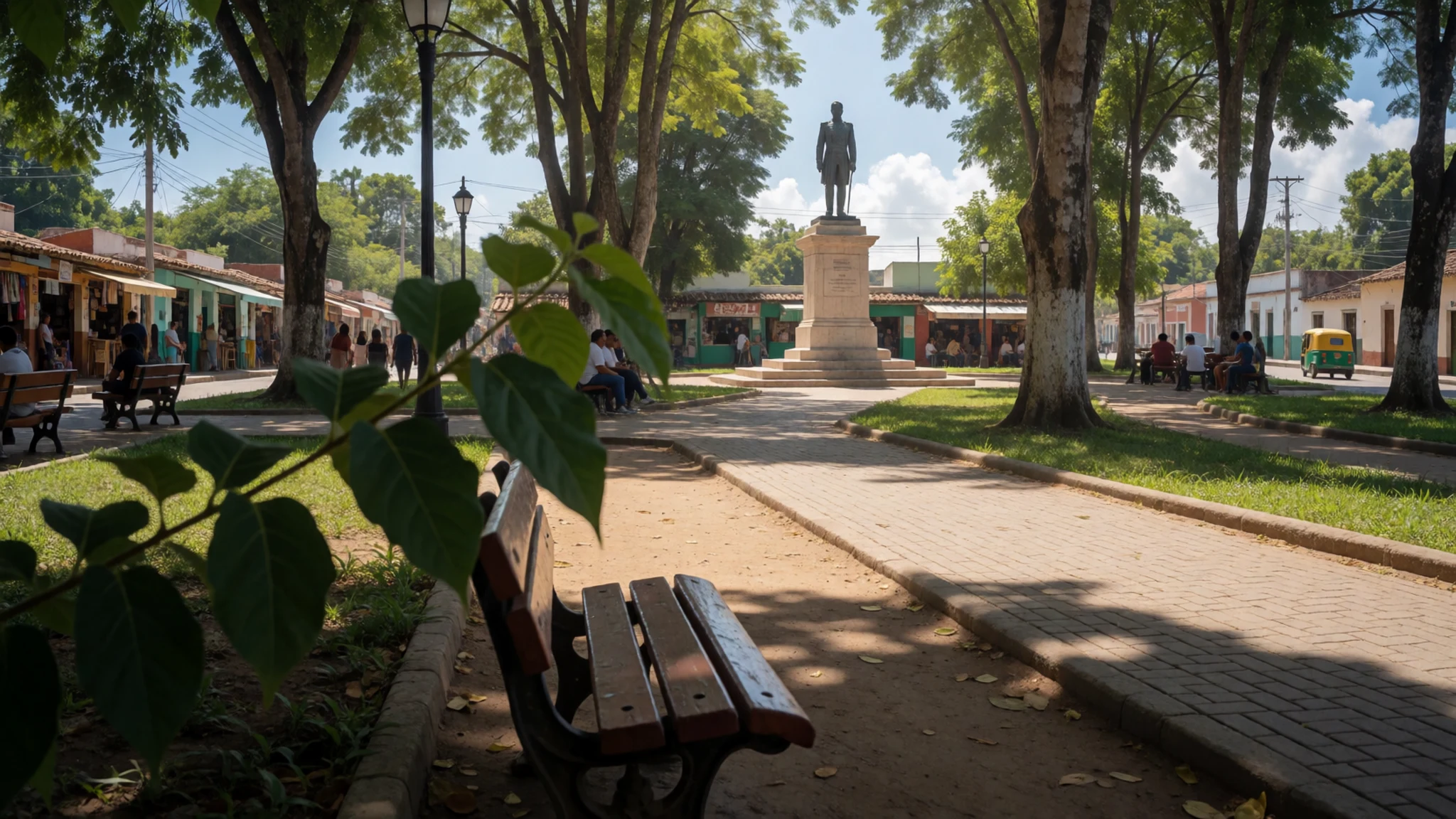
- Border Market — Around the city centre
Maicao is a major border town, and its markets reflect this cross-border commerce. The markets offer a unique selection of goods from both Colombia and Venezuela. Visitors can find a range of products, from electronics to fresh produce. The market experience is energetic and lively, providing an insight into the economic dynamics of the border region. Negotiation is a common part of the shopping experience here.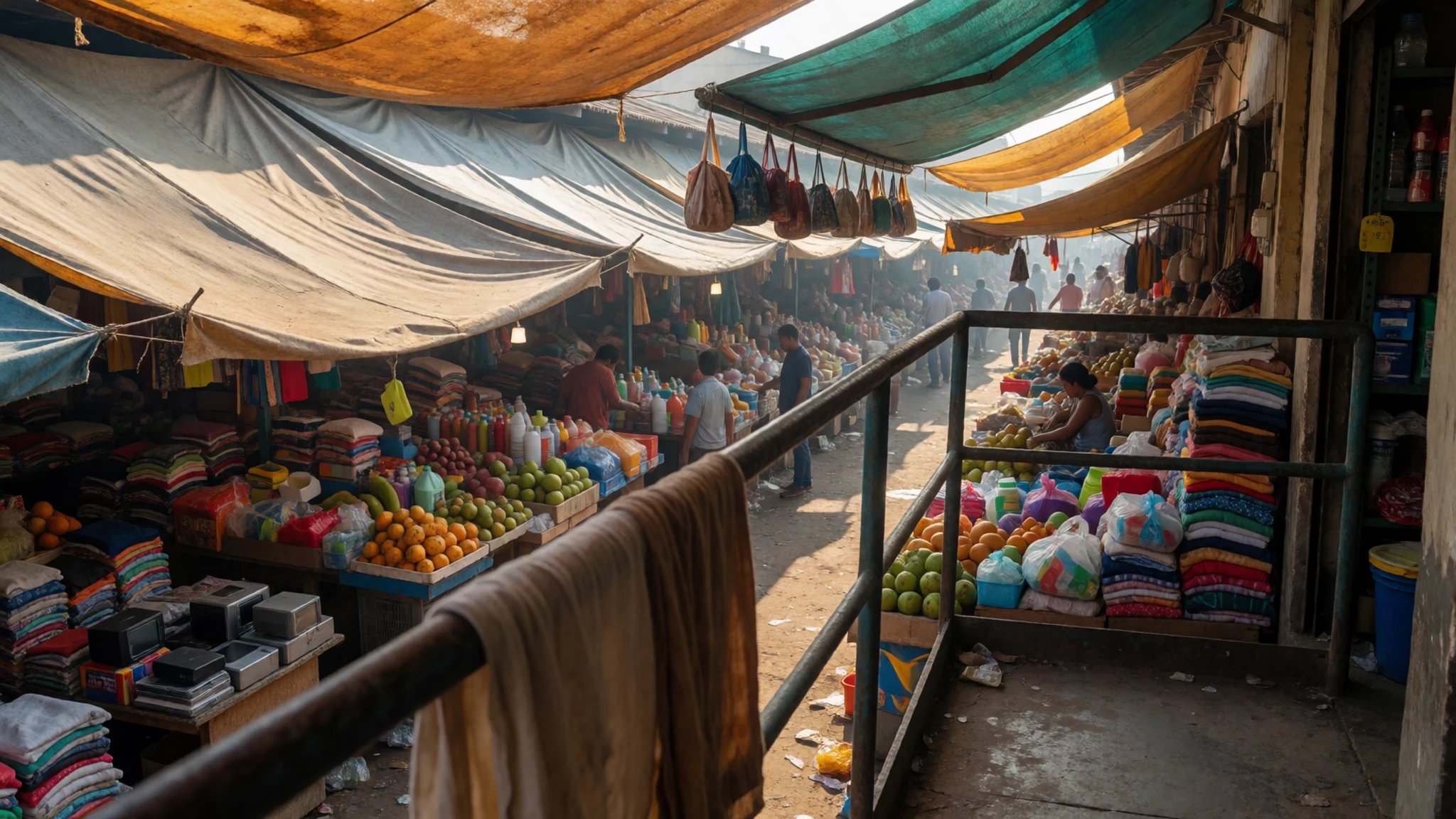
Culture
The culture of Maicao is a blend of indigenous Wayuu traditions, Colombian Caribbean customs, and Arab influences. The mosque is central to the Arab community, where Islamic practices and festivals are observed. The community maintains its own schools, media outlets, and social clubs, which help preserve their language and customs. In the broader town, the indigenous Wayuu people have a strong presence, with their own distinct language, clothing, and social structures. The interaction between these groups is part of the daily life in Maicao.
The Arab influence is most visible in the food, with restaurants serving shawarma and other Middle Eastern dishes. The local dialect sometimes borrows words from Arabic, and there is a distinct social network connected to the mosque. The celebration of traditional festivals, such as Eid, is an occasion for community gathering and public display of cultural identity. The presence of the mosque also fosters a sense of security and community for its members.
For visitors, the cultural landscape is dynamic and open, though it is a place of strong social norms. Respect for local customs is important. You should remove your shoes when entering the mosque and dress modestly, covering shoulders and knees. Do not take photographs of people without permission during religious services.
What to wear
Traditional dress in the Maicao area reflects the indigenous Wayuu heritage, with vibrant woven textiles and colourful garments. Women often wear huipiles and faldas, while men wear woven shirts and trousers. The Arab community also has its own traditional clothing, such as the thobe and keffiyeh, worn for formal occasions and religious events. These garments are made from local fabrics and reflect the cultural identity of the wearers.
In everyday life, people in Maicao typically wear casual, lightweight clothing suitable for the hot and dry climate. Cotton shirts, t-shirts, and shorts are common. Women may wear dresses or trousers, and hats are popular for sun protection. The fashion is practical, focusing on comfort and breathability. Local artisanal products, such as woven bags and blankets, are also part of the local style.
Visitors should pack light, breathable clothing made of natural fibres like cotton or linen. Avoid synthetic fabrics that trap heat. A hat and sunglasses are essential for sun protection. Modest clothing is recommended when visiting the mosque, covering shoulders and knees. Comfortable walking shoes are advisable for exploring the town and outdoor areas.
What to eat
- Shawarma — Arab restaurants in Maicao
A popular Middle Eastern dish available in local restaurants. It is typically served with rice, potatoes, and vegetables. The shawarma in Maicao reflects the Arab influence in the town's cuisine. It is a common and affordable option for meals.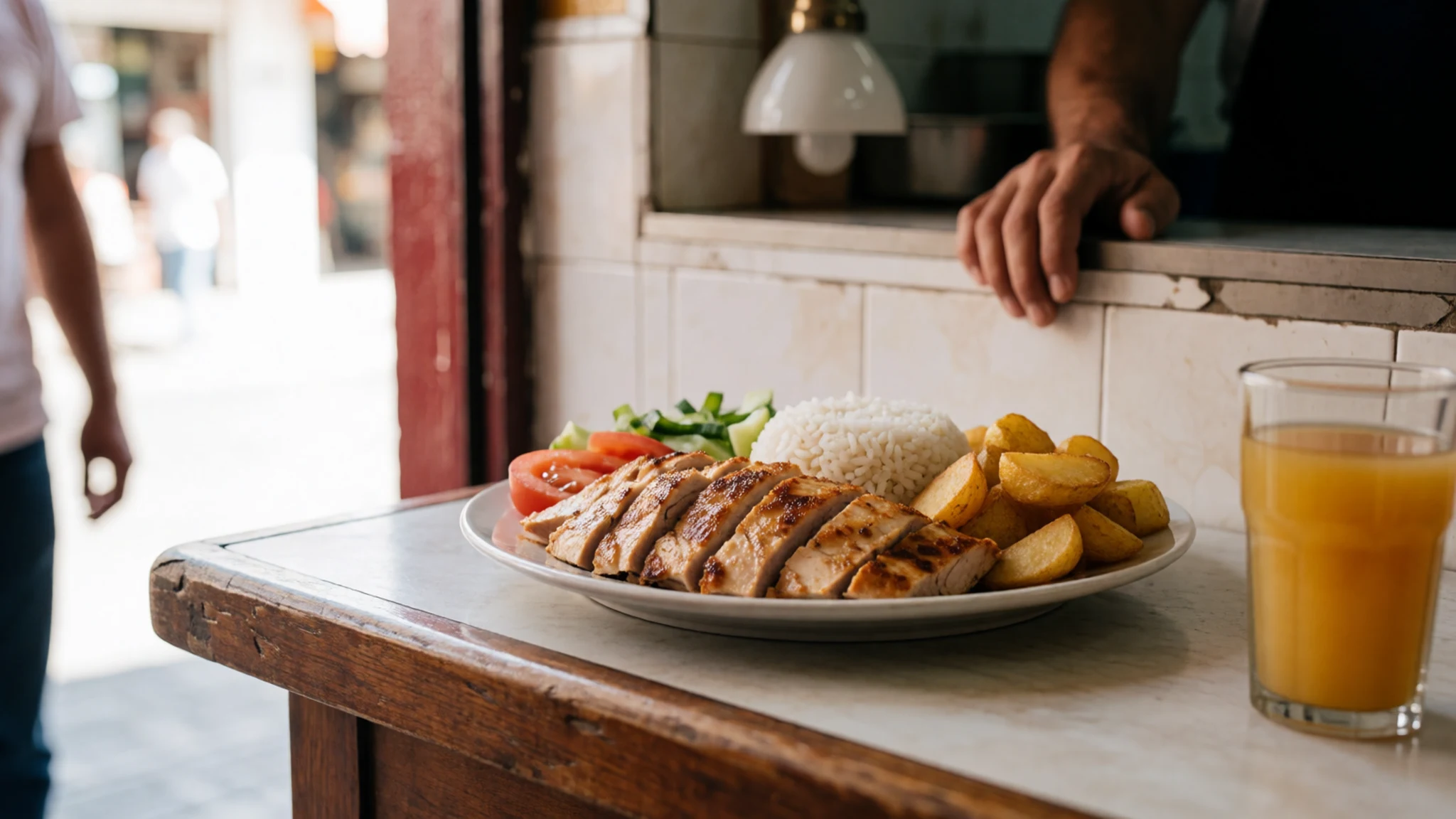
- Hummus — Arab restaurants in Maicao
A traditional Middle Eastern dip made from chickpeas, tahini, lemon juice, and garlic. It is often served as an appetiser with bread. Hummus is a staple in Arab restaurants in Maicao, offering a taste of the community's culinary heritage.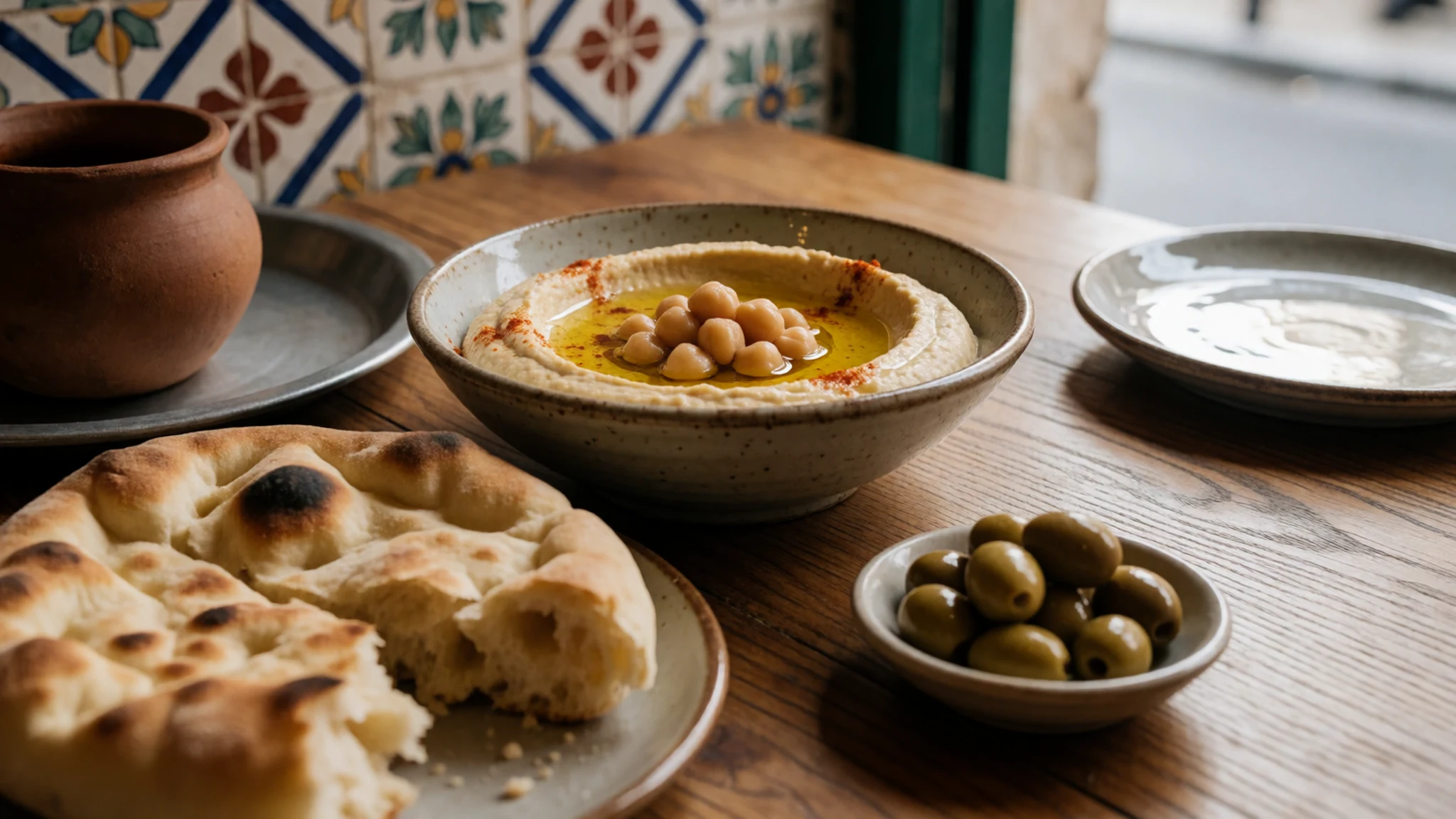
- Roast Chicken — Local eateries in Maicao
A common Colombian dish, often prepared with herbs and spices. In Maicao, it may be served with rice and vegetables. It is a popular choice in local eateries, reflecting the broader Colombian culinary tradition. - Border Soups — Street vendors and local restaurants
A variety of soups influenced by both Colombian and Venezuelan cuisines. These may include ingredients like corn, beans, and meat. They are hearty and comforting, suitable for the local climate.
Plan it
Best time. November to February, when the weather is slightly cooler and drier, though still warm. This period coincides with the low season for tourism in the region.
How long. 1–2
Getting there. Fly into Riohacha Airport (AIX), which is the nearest major airport. From Riohacha, Maicao is a short drive of about 76 km. Alternatively, you can travel by bus from Santa Marta, which is a longer journey by land.
Budget. low
Tips
- Check the weather forecast and pack sunscreen and a hat, as the sun is strong.
- Carry sufficient cash, as card payments may not be widely accepted in smaller establishments.
- Respect local customs and dress modestly when visiting religious sites.
- Learn a few basic phrases in Spanish to facilitate communication with locals.
- Stay hydrated, as the climate is hot and dry.
Etiquette
- Remove your shoes before entering the mosque.
- Dress modestly, covering shoulders and knees when visiting religious sites.
- Ask for permission before taking photographs of people.
Nearby
Sources
- Wikidata Q3091562 (CC0)
- Wikipedia (rev 1366882722) (CC BY-SA 4.0)
- Wikivoyage (rev 4941656) (CC BY-SA 4.0)
- Photo photos/01-mezquita-maicao-colombia-yuri-romero-picon.jpg (Public domain)
