Mongolian Altai
Mongolian Altai, People's Republic of China
The Mongolian Altai offers glaciers, Kazakh eagle hunters and empty steppe at the far western edge of Mongolia, for travellers who accept long drives and basic comforts.
The place
The Mongolian Altai is the south-western arm of the wider Altai range, a long chain of mountains where Mongolia meets Russia, China and Kazakhstan. In Mongolia it fills the far west, mostly the provinces of Bayan-Ölgii and Hovd. The scenery changes quickly: grey granite ridges carry snow well into summer, glacial rivers braid across gravel plains, and big lakes sit in basins that are cold even in July. Lower down, the land is dry steppe and desert edge, grazed by sheep, goats, horses, camels and yaks.
People here live thinly across the land. Bayan-Ölgii is the only Mongolian province with a Kazakh majority, so the Kazakh language, felt-lined winter houses and eagle-hunting culture are part of everyday life rather than a show. The provincial capital, Ölgii, is a dusty, practical town of markets, bus yards and small eateries, and it is where most trips begin. Hovd, to the east, is a second gateway with a different, more Mongolian feel.
The far north-west corner holds the highest and most glaciated country, usually visited as a multi-day trip with a driver, a guide and camping gear. Roads are mostly tracks, rivers are crossed without bridges, and weather can turn in an hour. Mobile coverage is patchy outside the towns. Travel here is slow and rewards patience; it is not a place for a tight schedule or a short weekend.
Summer is short, bright and often windy, with cold nights even at its warmest. Winter is long and severe, and most visitors stay away.
Its story
The Mongolian Altai has been a crossing place for herding peoples for a very long time. Burial mounds, upright stones and carved figures scatter the valleys, left by successive nomadic cultures who moved livestock between summer and winter pastures. Many of these monuments stand in open grass with no fence or sign, and local herders often know them better than any guidebook does. Rock carvings of animals and hunters show that the mountains were already a hunting and herding landscape long before anyone wrote about them.
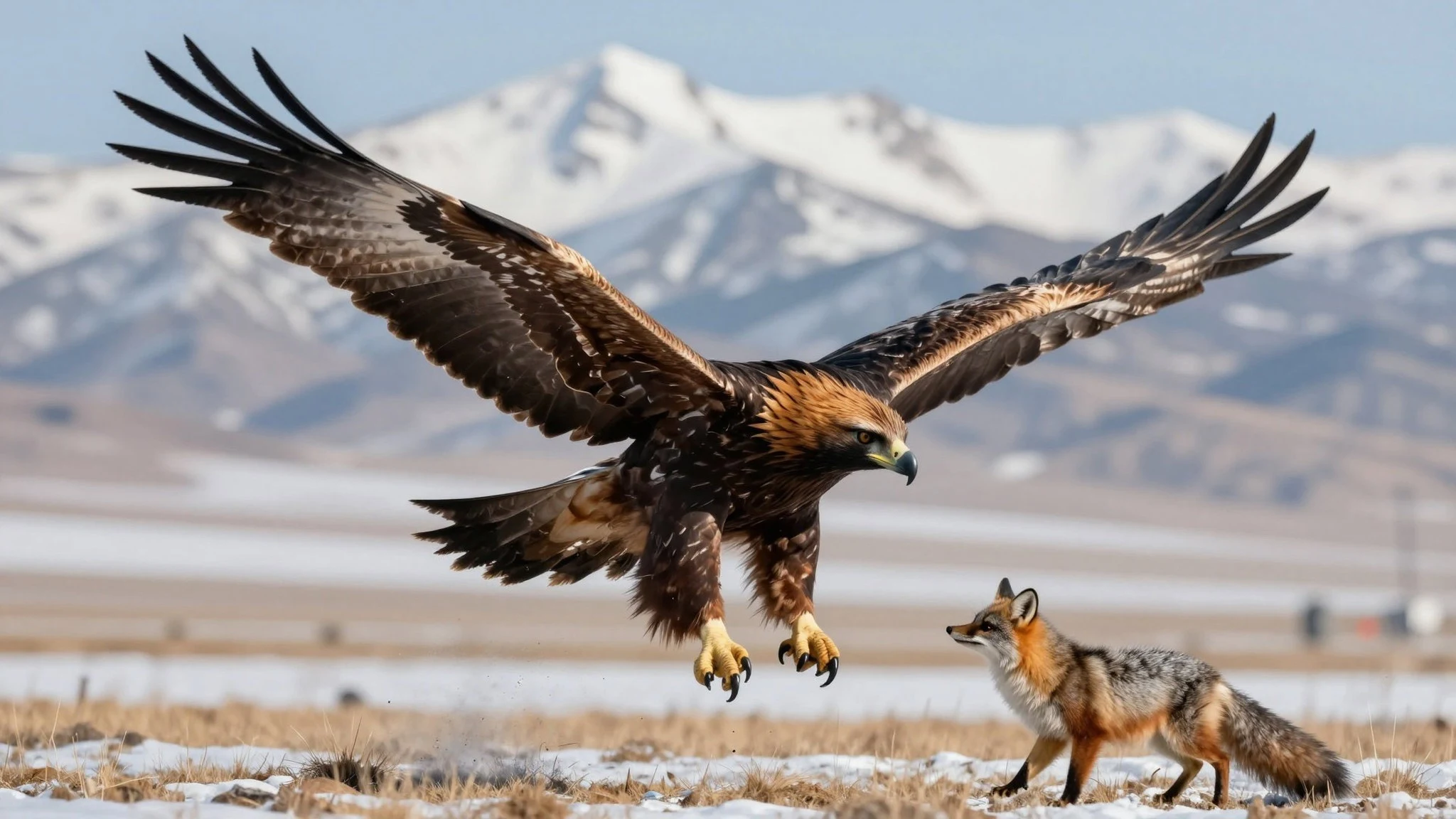
The Turkic-speaking Kazakhs who now form the majority in the west arrived over generations, bringing a tradition of hunting with golden eagles from horseback. The birds are taken young, trained over years and released back to the wild after a working life. The practice was built around winter, when foxes and hares carry thick coats worth the effort, and it survives as a skill, a family identity and, today, a draw for visitors.
The socialist period reshaped herding life with collectives and settlement, and the end of that era brought another change as families rebuilt private herds and old customs returned into public view. Eagle festivals, held in autumn, grew out of that revival, mixing competition, pride and a little tourism.
The region's more recent story is about balance. Herders still depend on the same pastures, while glaciers shrink, winters sometimes kill livestock in large numbers, and young people weigh town jobs against the family flock. The Altai today is a working landscape, not a museum.
What to see
- Altai Tavan Bogd National Park — Far north-west, Bayan-Ölgii
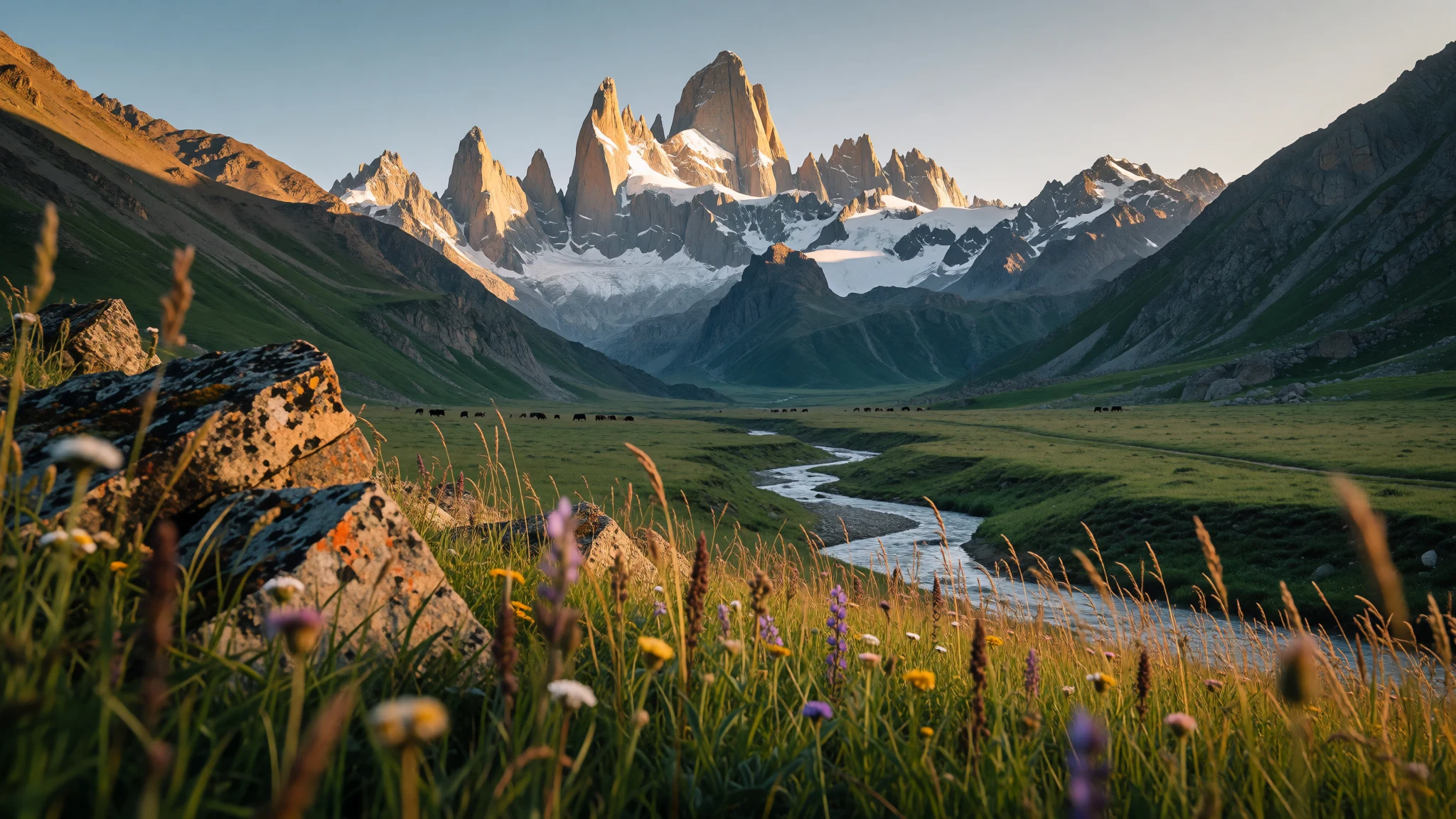
The far north-west corner of the province holds the park's glaciers, moraine lakes and the high frontier peaks. Most visitors go with a driver and guide on a multi-day trip, camping or staying with herding families. Plan for cold nights, river crossings and weather that changes quickly even in midsummer.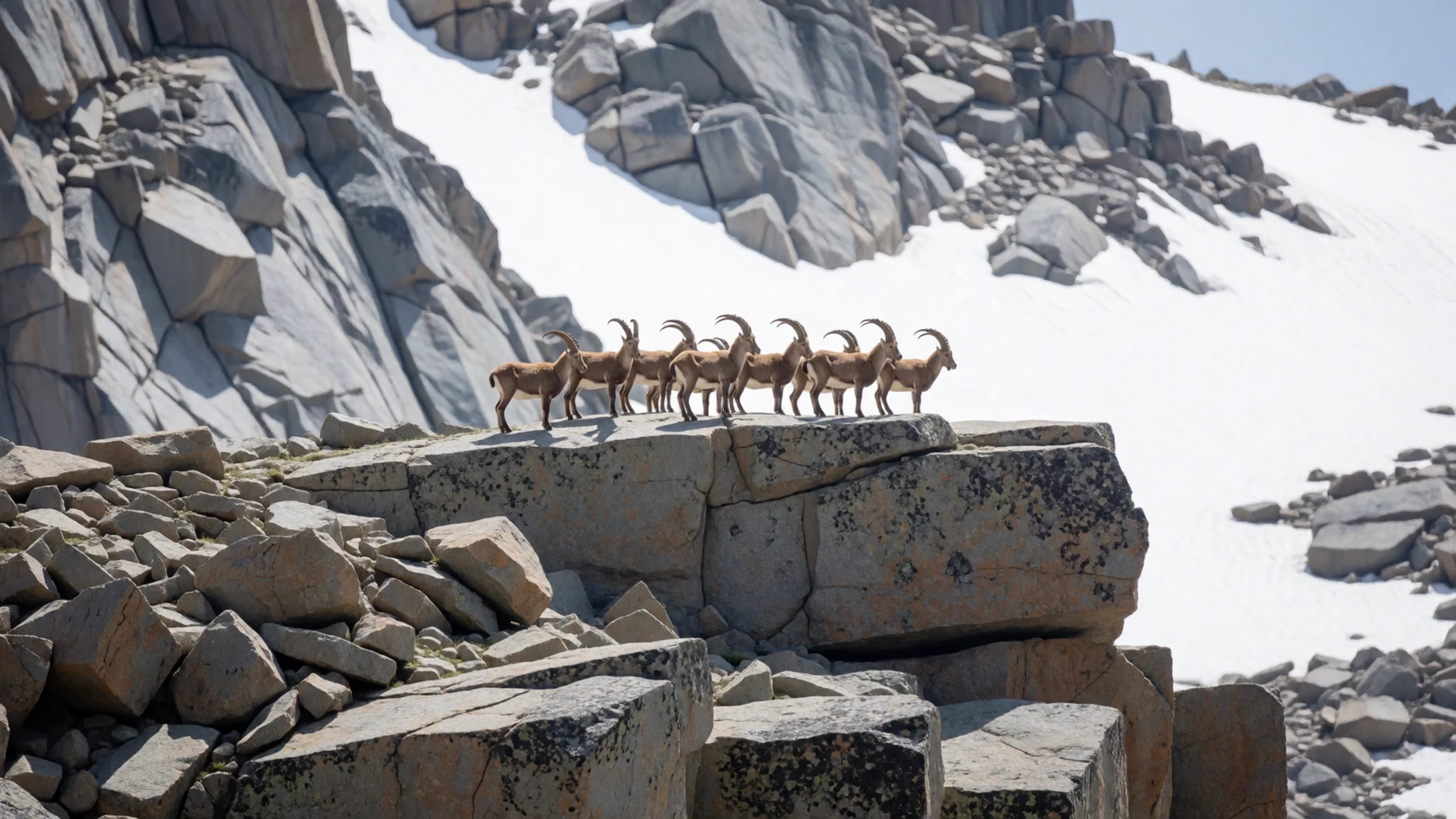
- Potanin Glacier and the Tavan Bogd base — Altai Tavan Bogd, Bayan-Ölgii
The glacier is reached on foot or horseback from a base camp area near the frontier peaks. The walk crosses gravel plains and meltwater streams, and the ice itself is best admired from a safe distance. Guides know current conditions, which matter more than any printed route.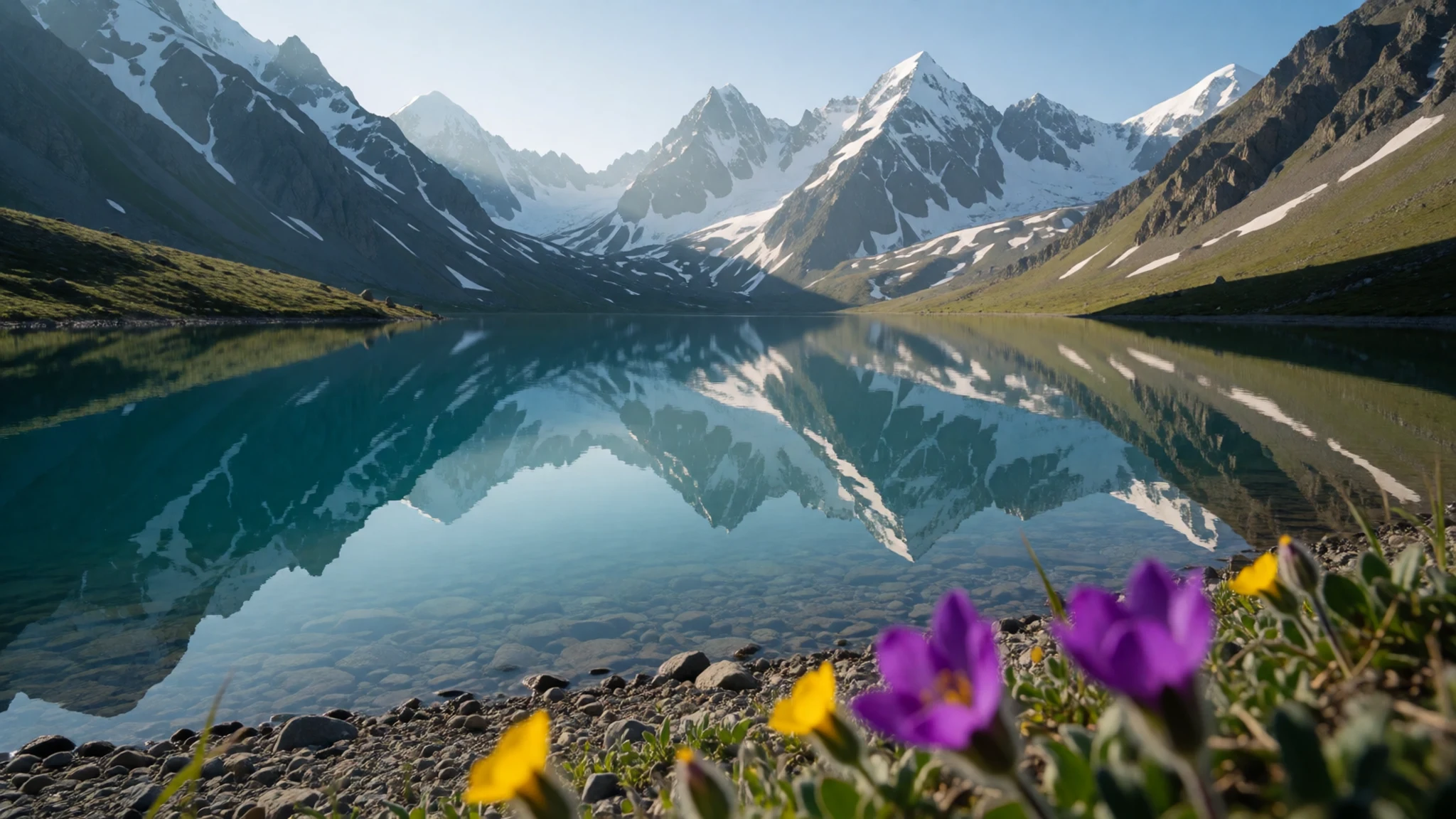
- Khoton and Khurgan lakes — North-west Bayan-Ölgii
These connected lakes sit among larch slopes and pale sandy shores in the north-west. Herding families camp nearby in summer, and simple ger camps take visitors. The water is cold, the wind is steady, and the evening light on the surrounding hills is the main reason people stay a second night.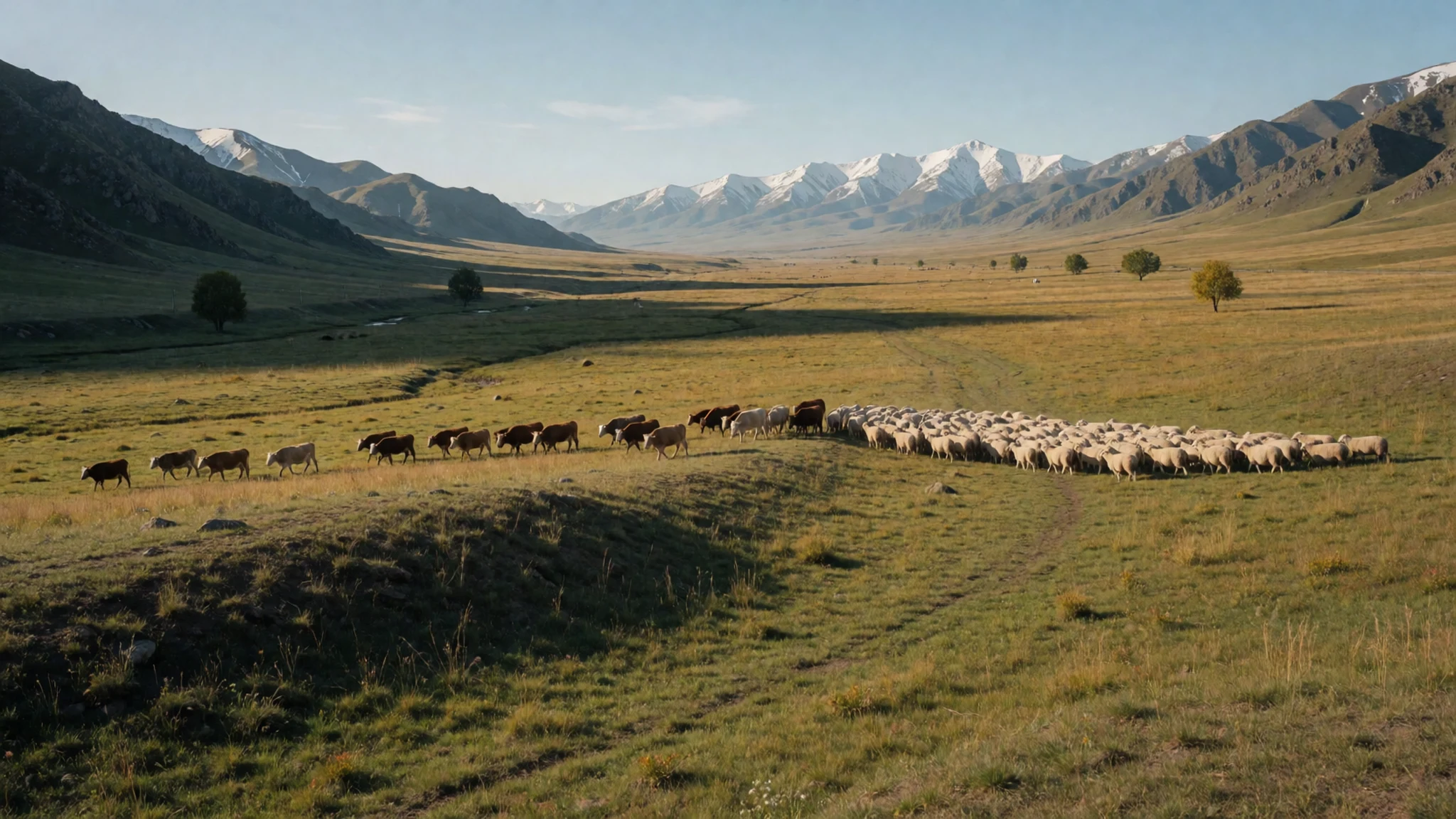
- Ölgii town and its markets — Ölgii, Bayan-Ölgii
Ölgii is the practical hub for the west, and a short wander is worthwhile before heading into the hills. The main market sells felt, embroidered cloth, dried dairy and household goods. The town also has a museum and several small eateries serving Kazakh dishes.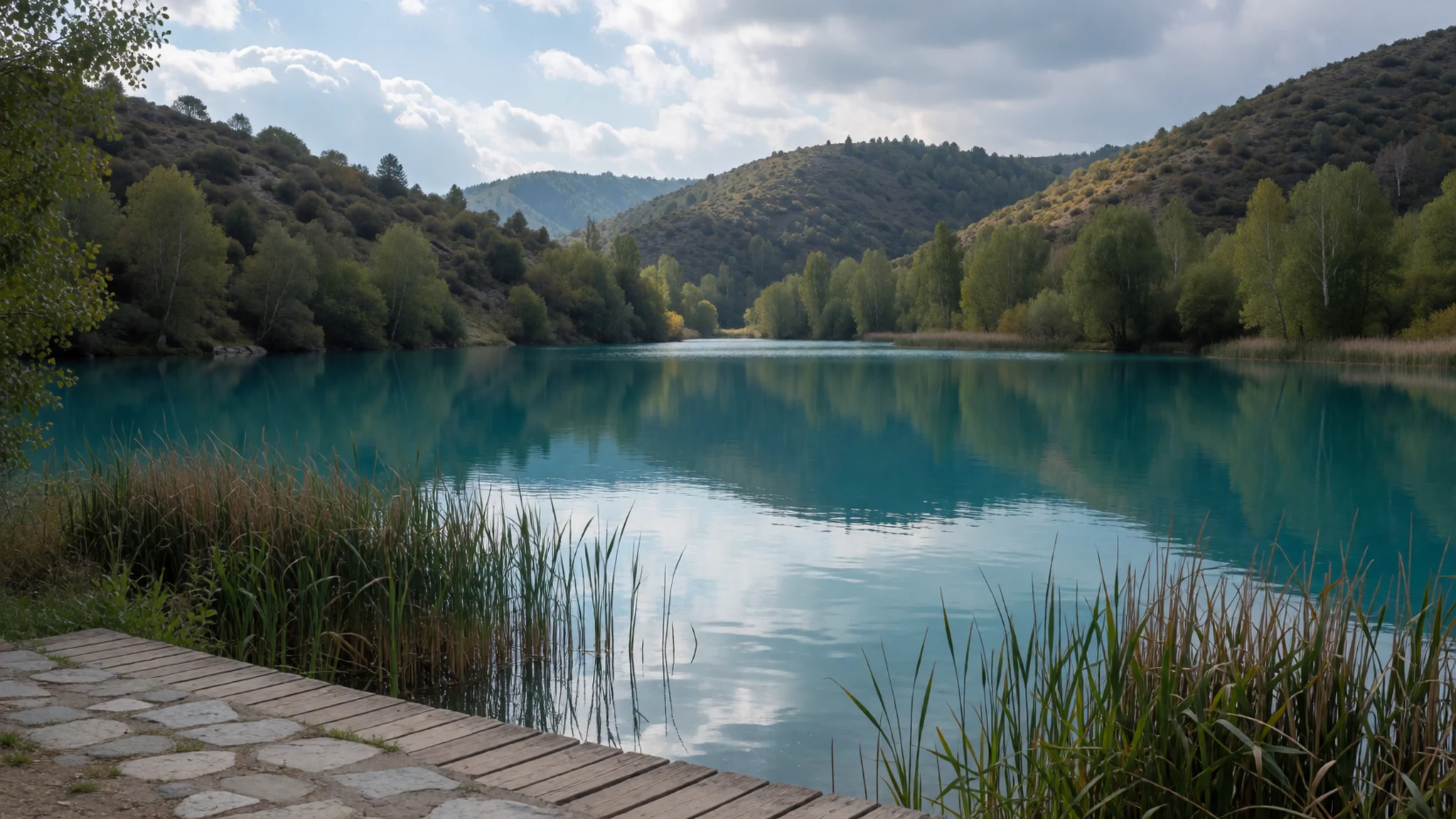
- Autumn eagle festivals — Near Ölgii and nearby valleys
Kazakh eagle hunters gather in autumn to show their birds in contests of speed, accuracy and horsemanship. Dates change each year, so check local tourism contacts before booking. The smaller, village gatherings are quieter and often feel more natural than the large events.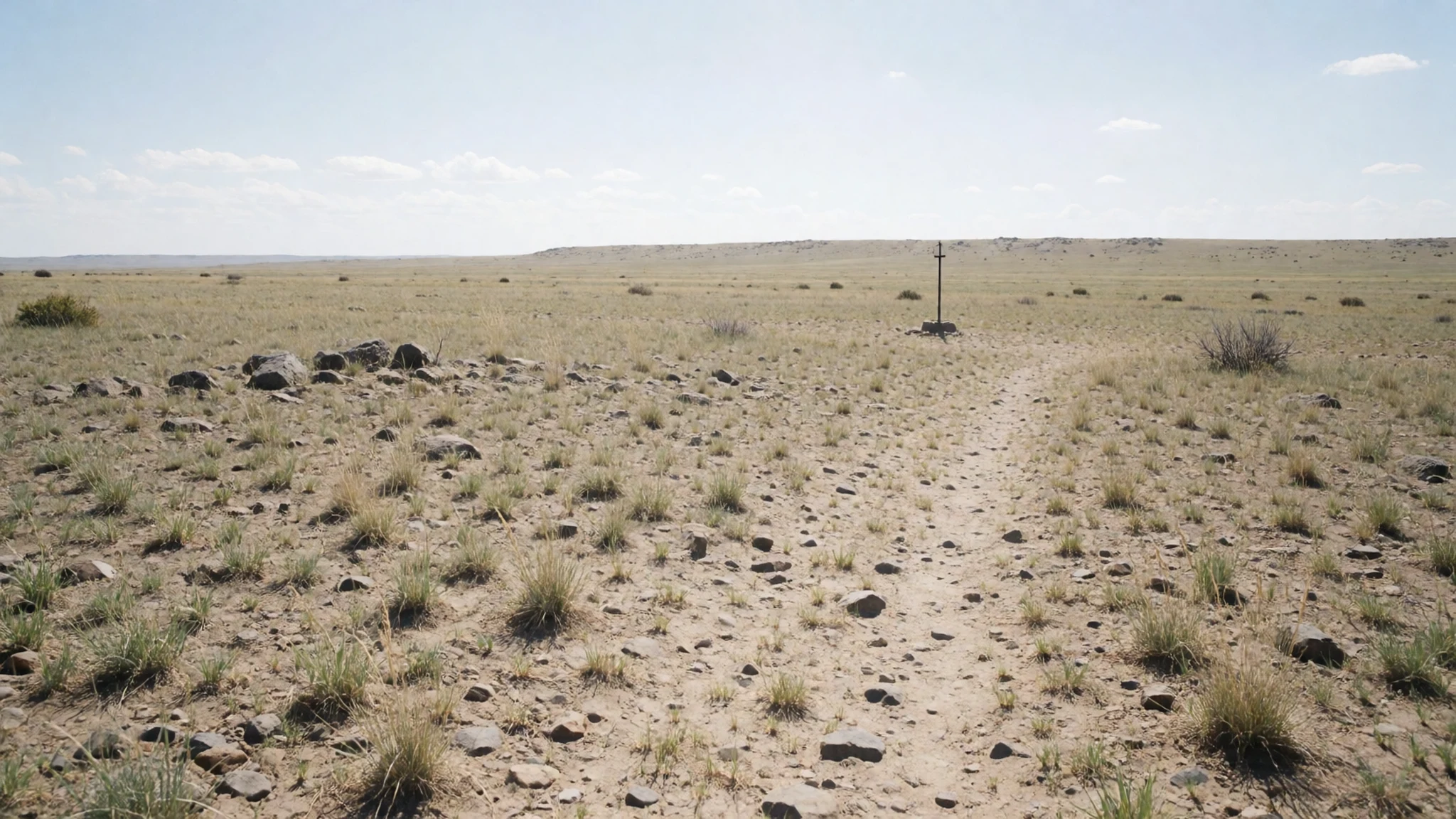
Culture
Culture in the Mongolian Altai is shaped by herding, the seasons and the Kazakh majority in the west. Families move livestock between winter shelters in sheltered valleys and summer camps on high pasture, and the rhythm of milking, shearing and visiting guides the day. Hospitality is serious here: a guest is offered tea, bread, dried curds and often a meal, and refusing everything can seem unfriendly.
Kazakh life in the region is Muslim by tradition, though practice varies from family to family. Songs accompanied by the two-stringed dombra, long epic recitations and storytelling still fill evenings in many homes. Felt wall hangings, called tuskiiz, and embroidered textiles decorate the houses, and their patterns often show animals or horns. The eagle-hunting tradition passes from father to son, and increasingly to daughters, with the bird treated as a working partner rather than a pet.
Outside Ölgii, Mongolian-language families, mainly Khalkh and western Mongol groups such as Uriankhai and Torguud, add their own customs, from horse-head fiddles to shamanic and Buddhist influences. Visitors will often find that tea, dairy and salt are shared before any conversation about plans or prices.
When you enter a ger or a family home, wait to be invited in, accept the first cup of tea with your right hand or both hands, and ask before photographing people, their eagles or their animals.
What to wear
Fashion in the Mongolian Altai mixes Kazakh and western Mongol traditions. Traditional Kazakh dress is built for cold: long, padded or fur-lined coats, thick wool and felt layers, and tall leather boots. Women's festive clothing includes velvet and silk, embroidered waistcoats and elaborate headdresses, while men wear fur hats with ear flaps, often made from fox or other local pelts. Mongolian herders wear the deel, a long wrapped robe tied with a sash, in wool, cotton or silk depending on season. Felt, wool and leather are the main materials, and good pieces are worn for weddings, festivals and winter hunts.
Day to day, people mix the old and the new. Town residents often wear jeans, fleeces, trainers and padded jackets, while herders pair practical modern layers with traditional boots, hats or a deel. Festivals bring out the full dress, and the eagle hunters in particular wear fur, embroidered coats and decorated boots with real pride.
Visitors should dress for mountain weather rather than for style. Bring warm layers, a windproof and waterproof jacket, a hat, gloves and sturdy broken-in boots, even in midsummer, as nights are cold and rain or snow can arrive quickly. Sun protection matters at altitude. Modest clothing is appreciated in homes and towns: shoulders and knees covered is a sensible default, especially for women visiting Muslim families.
What to eat
- Beshbarmak — Family homes and Kazakh eateries in Ölgii
A Kazakh celebration dish of boiled meat, usually mutton or horse, served over flat noodles with onion broth. It is eaten by hand in the traditional way and appears at weddings, festivals and family gatherings. Ask a host or a Kazakh eatery in Ölgii.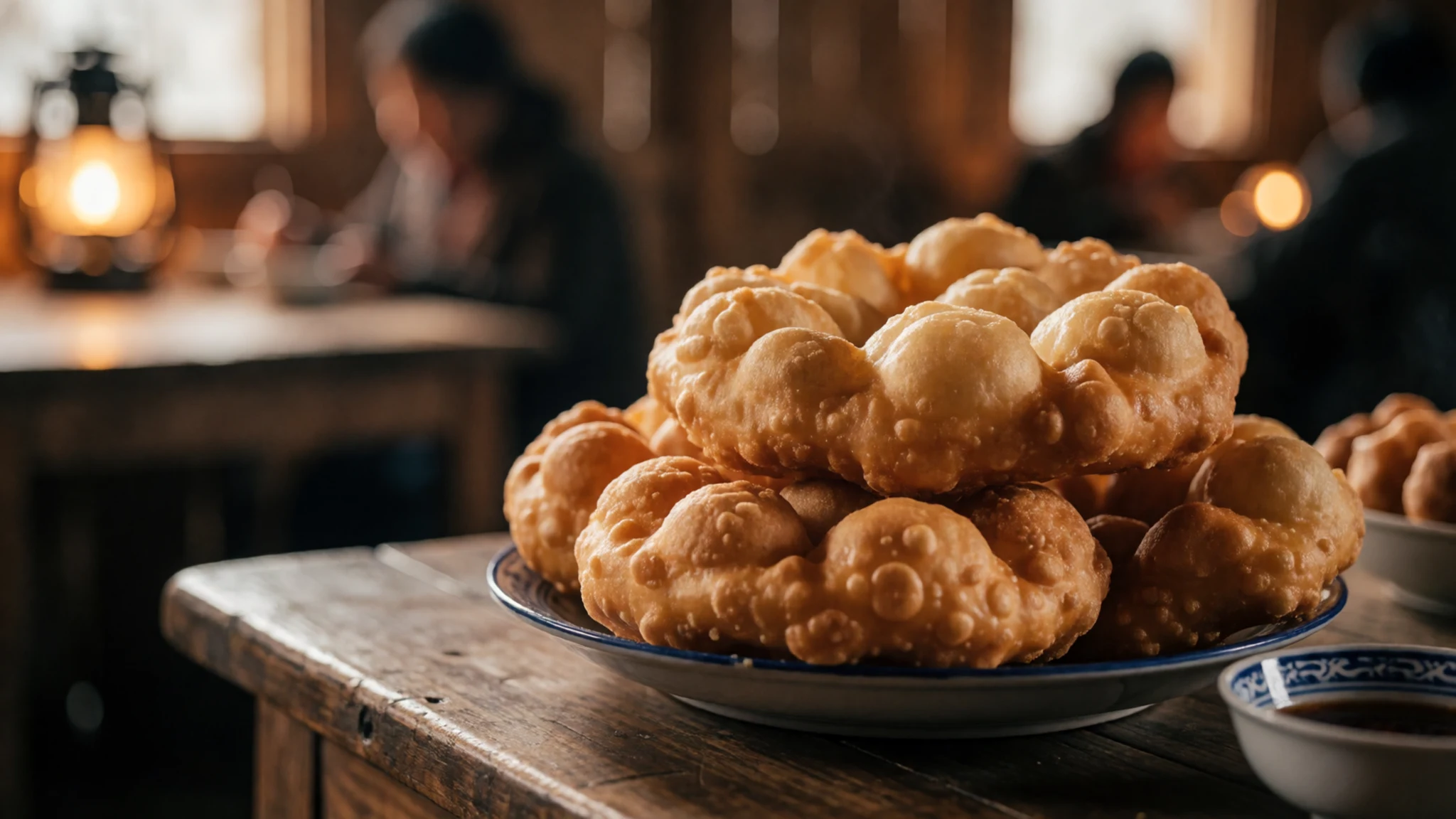
- Baursak — Homes, bakeries and the main market in Ölgii
Small pieces of dough fried until golden, eaten with tea, jam, butter or dried curds. They are put out as soon as guests sit down, and they travel well for a day in the hills. Good ones are warm, slightly chewy and not too sweet.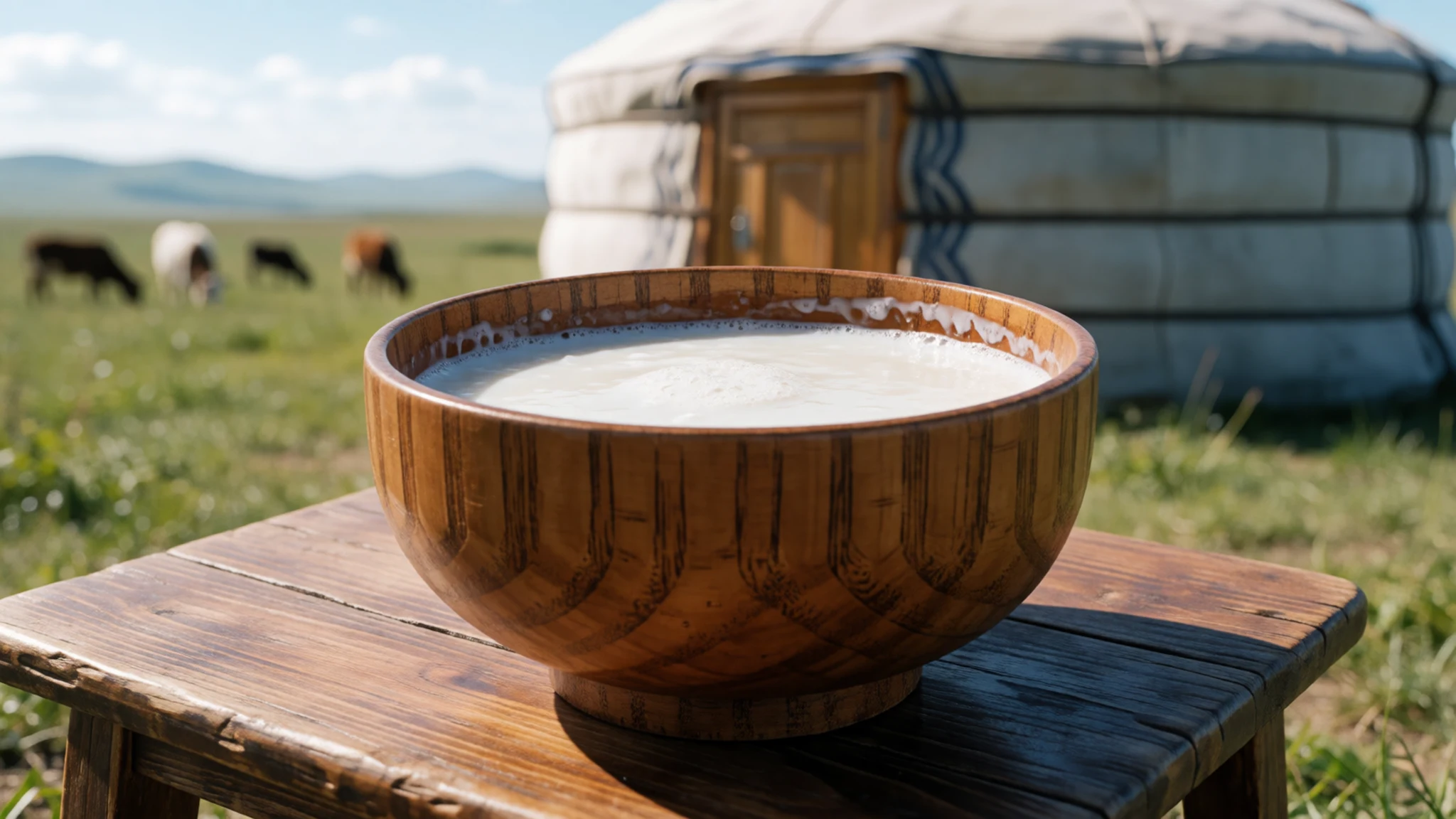
- Kazakh milk tea — Any ger, home or roadside eatery
Strong tea softened with milk and sometimes a little salt, poured again and again through a long meal or visit. It is less a drink than a ritual of welcome. Expect a cup in every home, whatever the hour. - Kurt and aaruul — Ölgii market and herding families' homes
Dried, sour cheese curds, hard and salty in some versions and a little sweeter in others. They are carried by herders as a snack and offered to guests. The texture takes getting used to, so start with a small piece. - Khuushuur — Small eateries and market stalls in Ölgii and Hovd
A flat, fried pastry parcel filled with minced mutton or beef and onion, common across Mongolia. It is greasy in a good way, filling after a long drive, and often eaten with plain tea or a simple salad.
Plan it
Best time. Late June to early September is the warmest and most practical period, with open tracks and long days, though nights stay cold. Autumn brings the eagle festivals and sharper light but also colder weather. Winter is severe, and many routes become hard or unsafe.
How long. 2–3
Getting there. Fly to Ulaanbaatar, then take a domestic flight to Ölgii or Hovd; check current airline schedules and weather delays. Overland routes across the country take several days. For the national park and lakes, the last leg is by jeep or minibus with a driver on rough tracks.
Budget. mid
Tips
- Book a driver, guide and vehicle through a reputable local agency well before the season starts
- Carry cash in local currency, as cards and cash machines are unreliable outside the towns
- Bring warm layers, water treatment and a sleeping bag even for ger stays
- Allow spare days for weather, flight changes and river levels
- Expect little or no mobile signal in the mountains, so download maps and tell someone your route
Etiquette
- Ask before photographing people, their animals or their eagles, and offer a small thanks if invited in
- Accept tea and food with your right hand or both hands, and do not step on the threshold of a ger
- Leave gates and pasture as you found them, and keep camps away from water sources used by herders
Nearby
Sources
- Wikidata — Mongolian Altai (CC0)
- Wikipedia — Altai Mountains (CC BY-SA 4.0)
- Wikivoyage — Mongolia travel guide (CC BY-SA 4.0)
Wildlife
- Ibex (animal)
The Siberian ibex is a wild cousin of the farmyard goat, and the longest and heaviest of its family. The Mongolian Altai is a rewarding place to look for it, though the species is thought to be declining, so every sighting feels special. Your guide can advise on the best season and hour to look. Watch from a good distance with binoculars, keep your voice low and your movements slow, and never offer it food.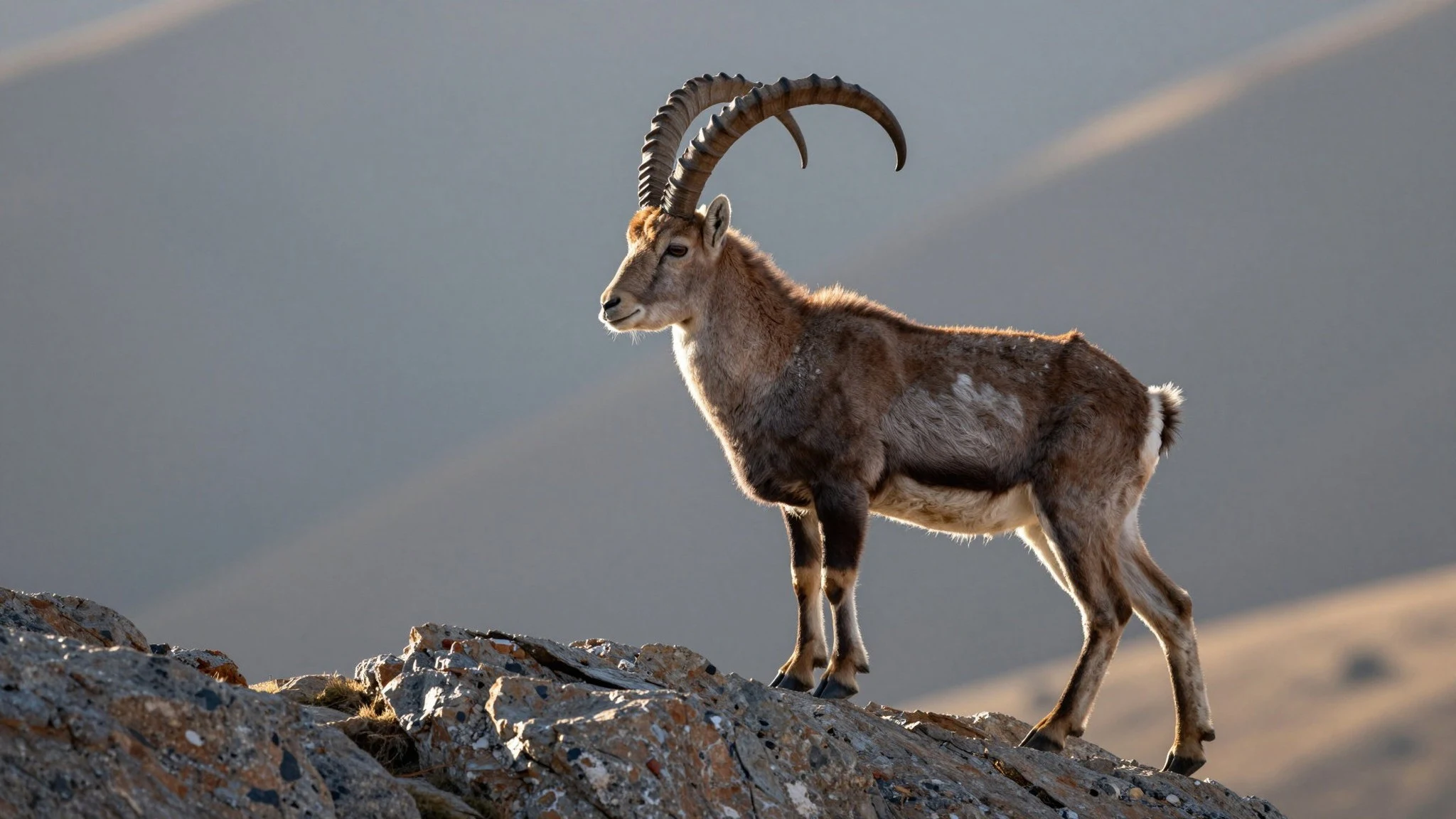
- Argali sheep (animal)
The argali is the biggest wild sheep in the world, a true giant of the high mountains. It belongs to the Altai country, and the Mongolian Altai is a fine place to hope for one, often in the same scanning as the ibex. Your guide will know where to look and when. Keep well back, stay quiet so the animals carry on undisturbed, and never feed them.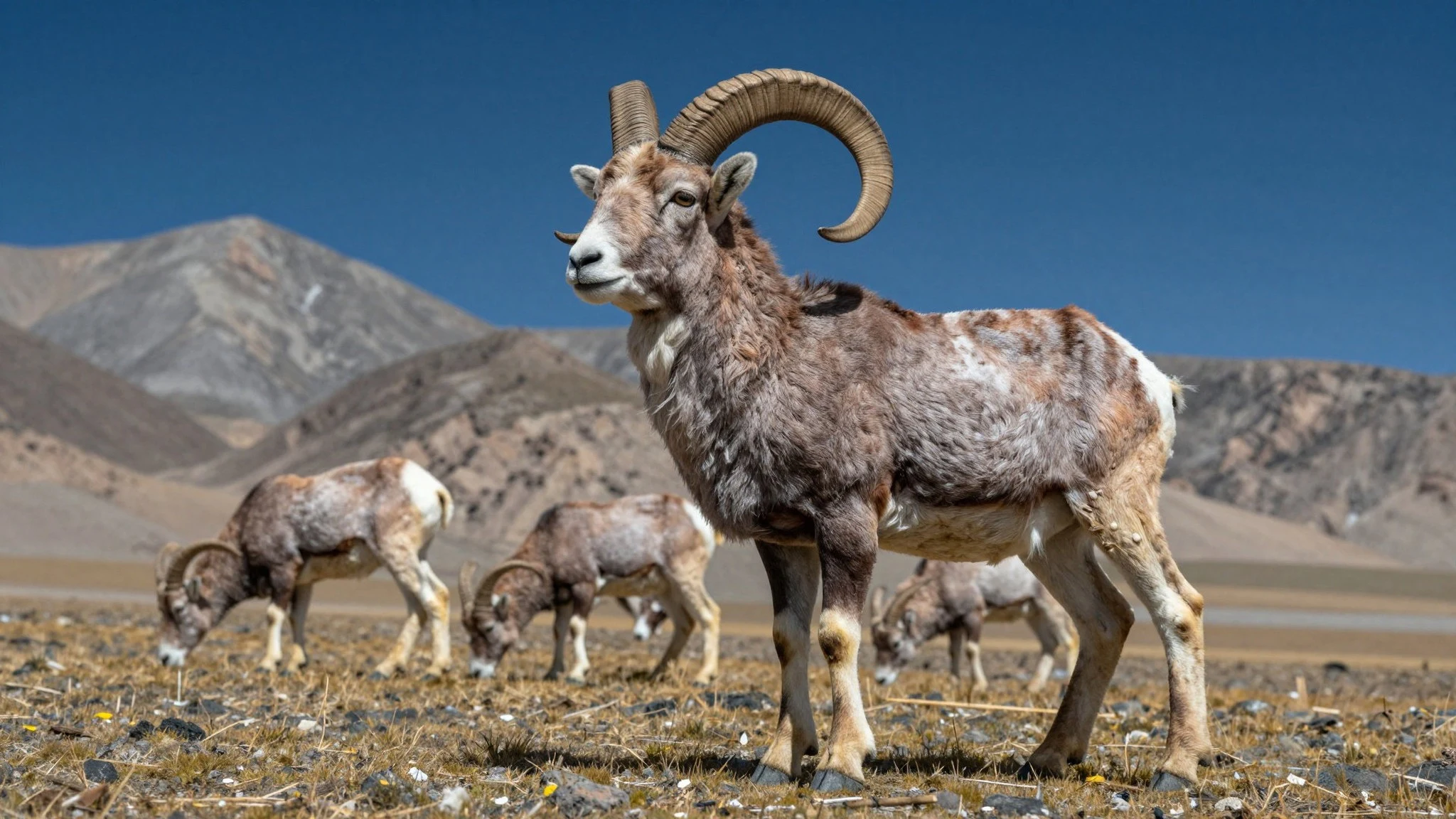
- Golden eagle (bird)
The golden eagle is a large, dark-brown bird of prey with a golden shine on the back of its neck. In the Mongolian Altai its story is closely tied to the Kazakh eagle hunters, so a local guide is the best way to meet these birds well. Young eagles show white on the tail and wings. Watch from a respectful distance, speak softly, and never feed them.