Minneriya
Minneriya, Sri Lanka
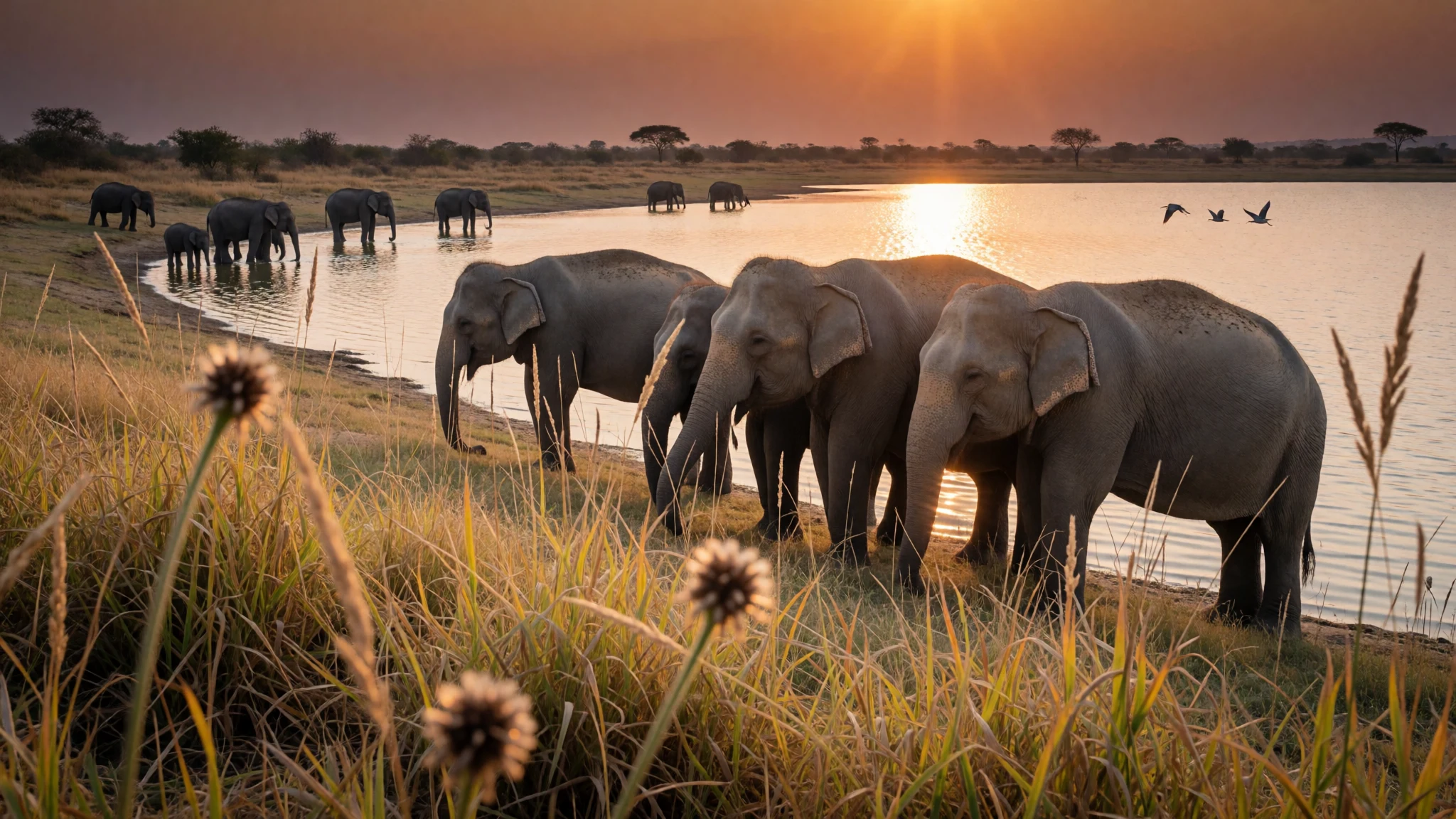
Minneriya is where wild elephants walk out of the forest to graze beside an ancient reservoir, easily watched from a jeep in the dry season.
The place
Minneriya National Park lies in Sri Lanka's North Central Province, about 182 km from Colombo by road, with the ancient sites of Sigiriya and Polonnaruwa both an easy drive away. Its heart is Minneriya tank, a large man-made reservoir that has watered this dry-zone landscape since King Mahasen had it built in the third century AD. Around the water sit scrub, open forest and grassland that turns green at the edge as the lake shrinks. The land was first protected as a wildlife sanctuary in 1938 and became a national park in 1997, mainly to safeguard the tank's catchment and the animals that rely on it. Most people come for the elephants. Herds from forests in the Matale, Polonnaruwa and Trincomalee districts move in to graze the exposed lakebed in the dry months, and between 150 and 350 are said to live here. The park also holds 24 mammal species, among them two monkeys found only in Sri Lanka, the purple-faced langur and the toque macaque, and 160 bird species. With Kaudulla and Girithale it forms one of the island's Important Bird Areas. Exploring is by jeep with a driver-guide, and the late afternoon is when the elephants are most active. Expect dust, heat and a fair number of other vehicles at the popular spots along the shore. The park's name appears in Sinhala as මින්නේරිය.
Its story
Minneriya's story starts with water. The dry zone of northern Sri Lanka gets its rain in a short monsoon season, and early kings answered that with tanks, large earth-banked reservoirs that stored the wet months for the long dry ones. Minneriya tank was built by King Mahasen in the third century AD, and it still holds water today, a rare case of a working piece of ancient engineering that wildlife has quietly adopted. As the dry season advances the lake pulls back and leaves wide grassy flats. Elephants that spend the wetter months scattered through the surrounding forests converge on that fresh grazing, which is why the shoreline becomes the stage for the park's famous scenes. The modern chapter is conservation. The area was declared a wildlife sanctuary in 1938, and in 1997 it was upgraded to a national park, with the stated aim of protecting the tank's catchment as well as the wildlife around it. That protection sits alongside a long and sometimes difficult relationship between villagers, farmers and elephants. Some animals here are known to be more wary or aggressive because of past encounters with people, a reminder that the herds are wild and the park is a shared landscape, not a stage set. Today the tank serves farmers, elephants, birds and visitors at once.
What to see
- Minneriya tank and its shoreline — Park centre
The reservoir is the reason for everything else here. In the dry season its edges pull back to leave pale mud and short grass, and the far shore looks surprisingly open and calm. Jeeps follow tracks along the water, so the shoreline is where most photographs, and most quiet pauses, happen.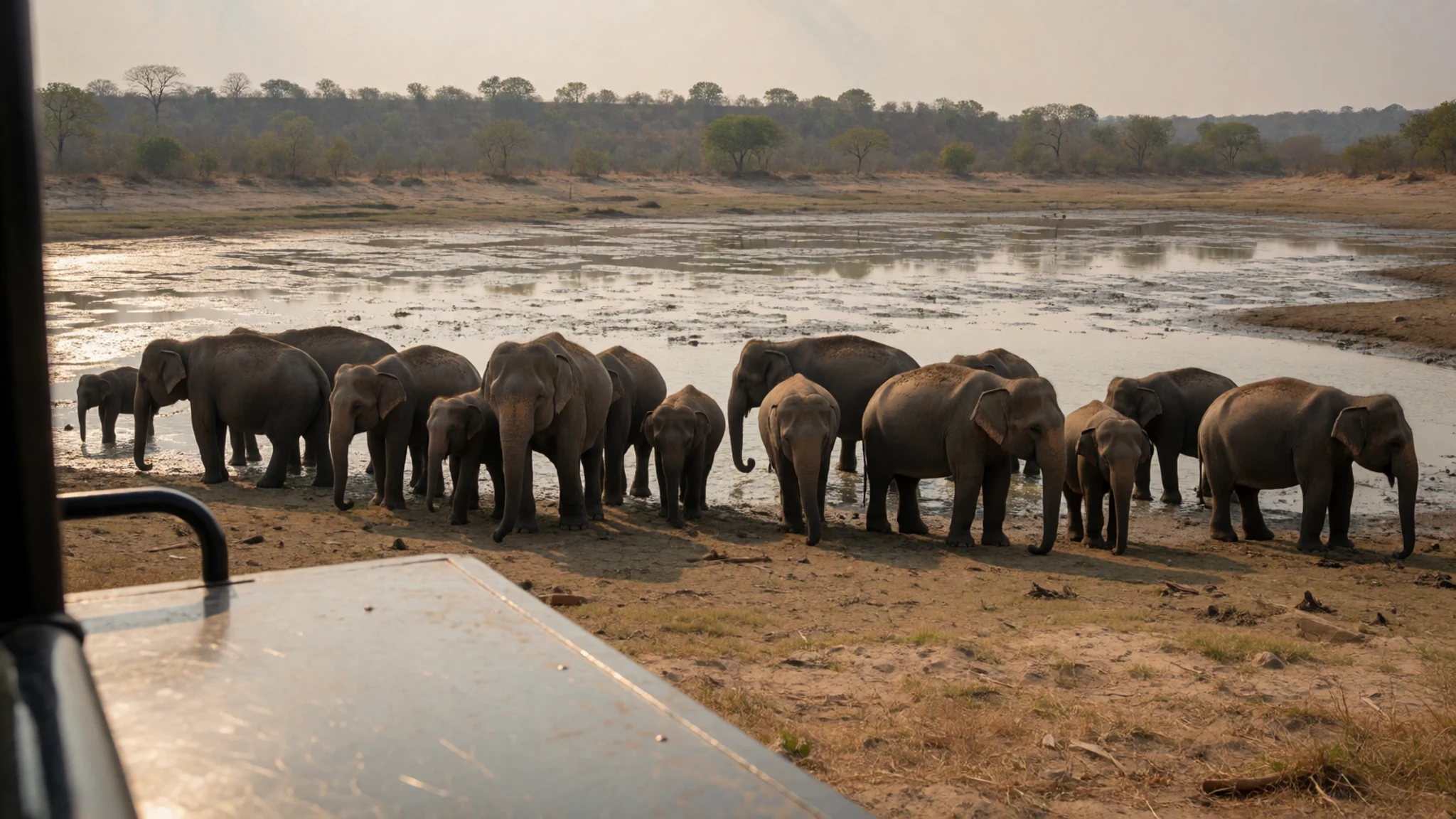
- Afternoon elephant drive — Grasslands by the tank
The classic Minneriya experience is a jeep drive in the late afternoon, when the herds come out of the trees to graze. Family groups with calves, lone bulls and sparring youngsters all appear. Drivers keep a respectful distance, and patience usually earns a closer, calmer view than rushing.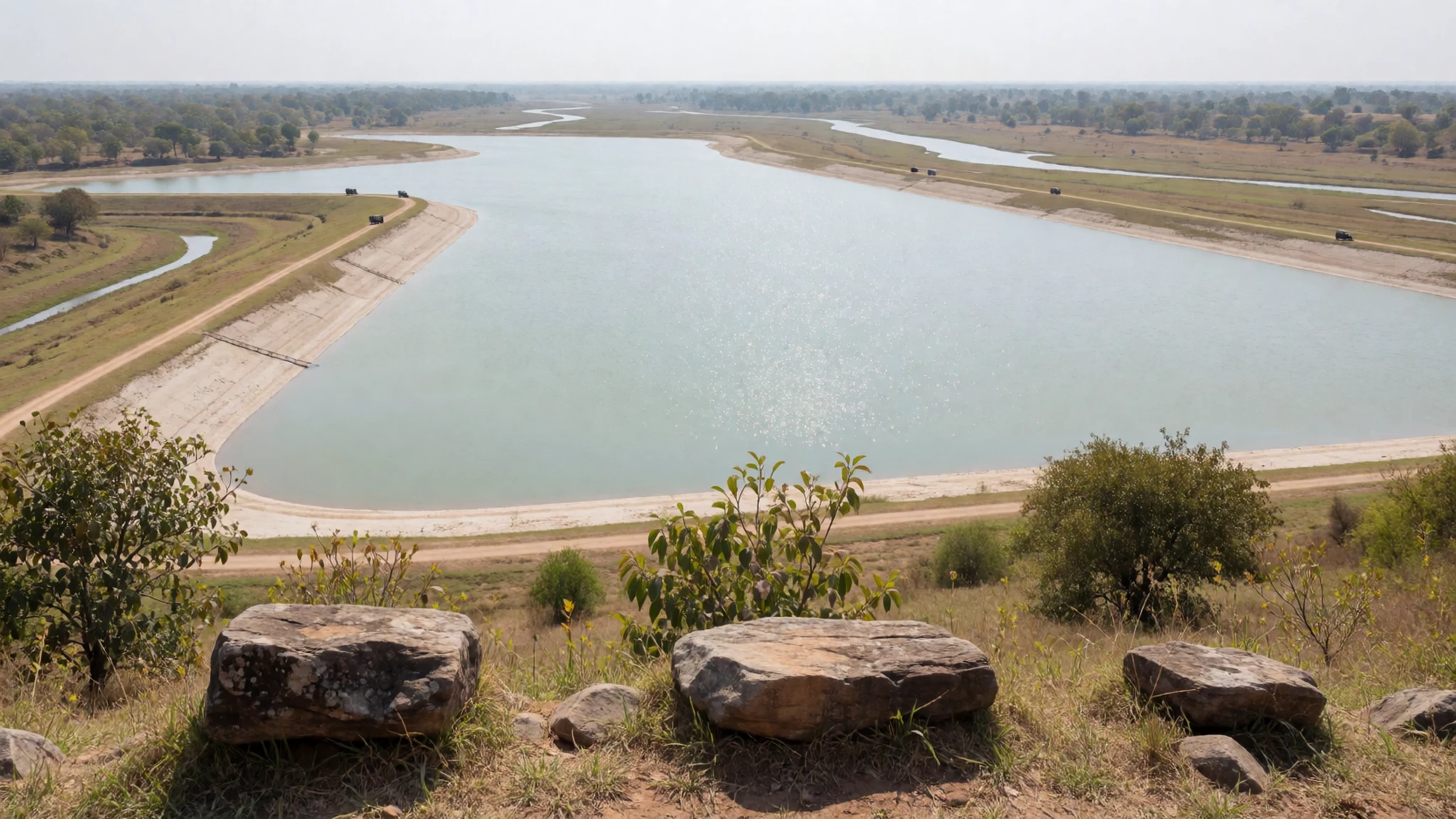
- Birdlife along the tracks — Scrub and lake edge
The park is part of a recognised Important Bird Area, and the scrub and waterside trees reward anyone who looks up. Bee-eaters perch on thin branches, waders work the shallows, and raptors circle overhead. A morning drive is quieter than the afternoon circuit and suits birders well.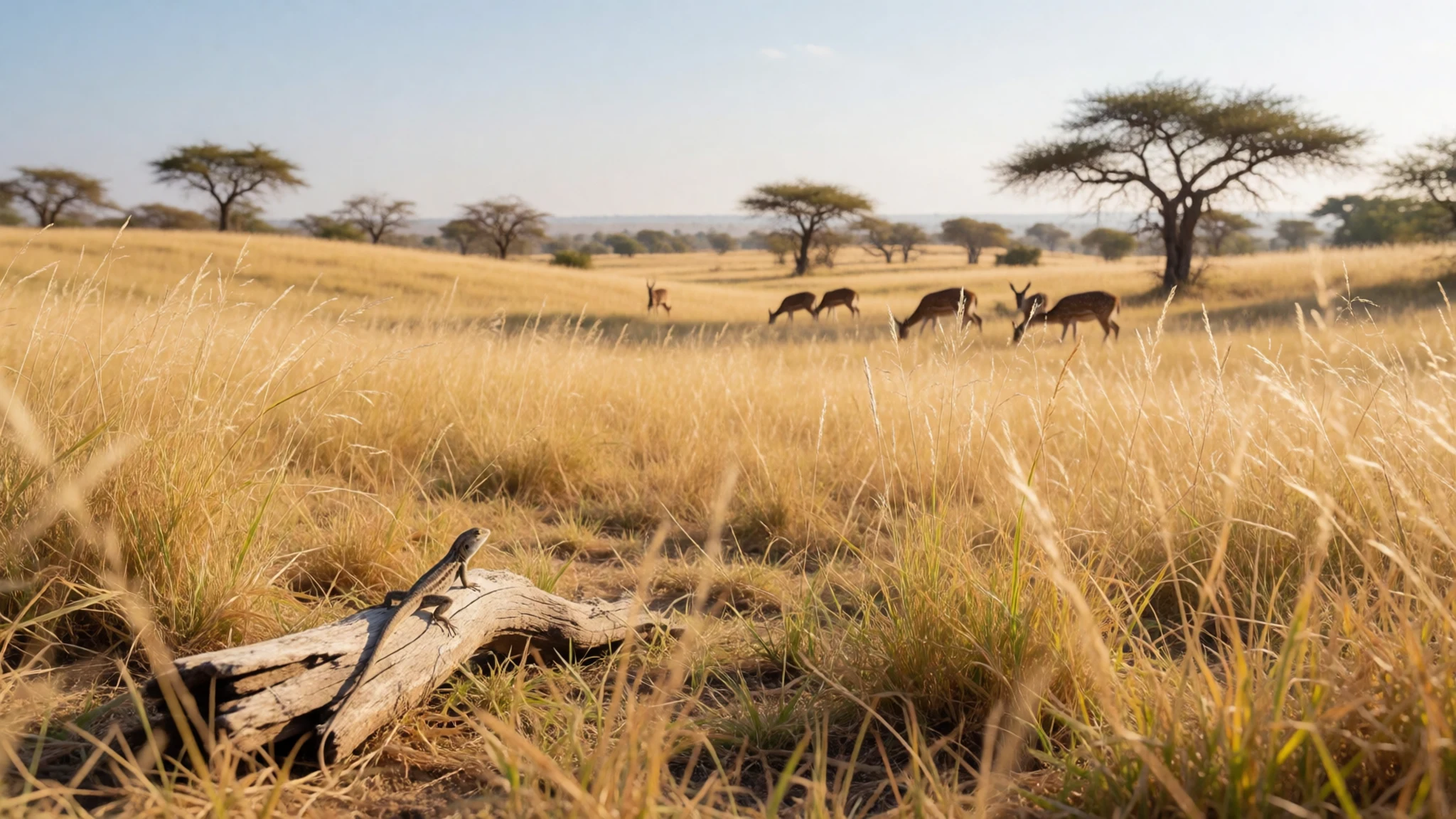
- Jeep safari routes — Park entrance tracks
Almost every visit is made by open or semi-open jeep with a local driver-guide. The tracks wind through dry forest before breaking out onto the lake flats, and the ride is bumpy and dusty. Travelling in a small group keeps vehicles from crowding sightings and makes conversation with the guide easier.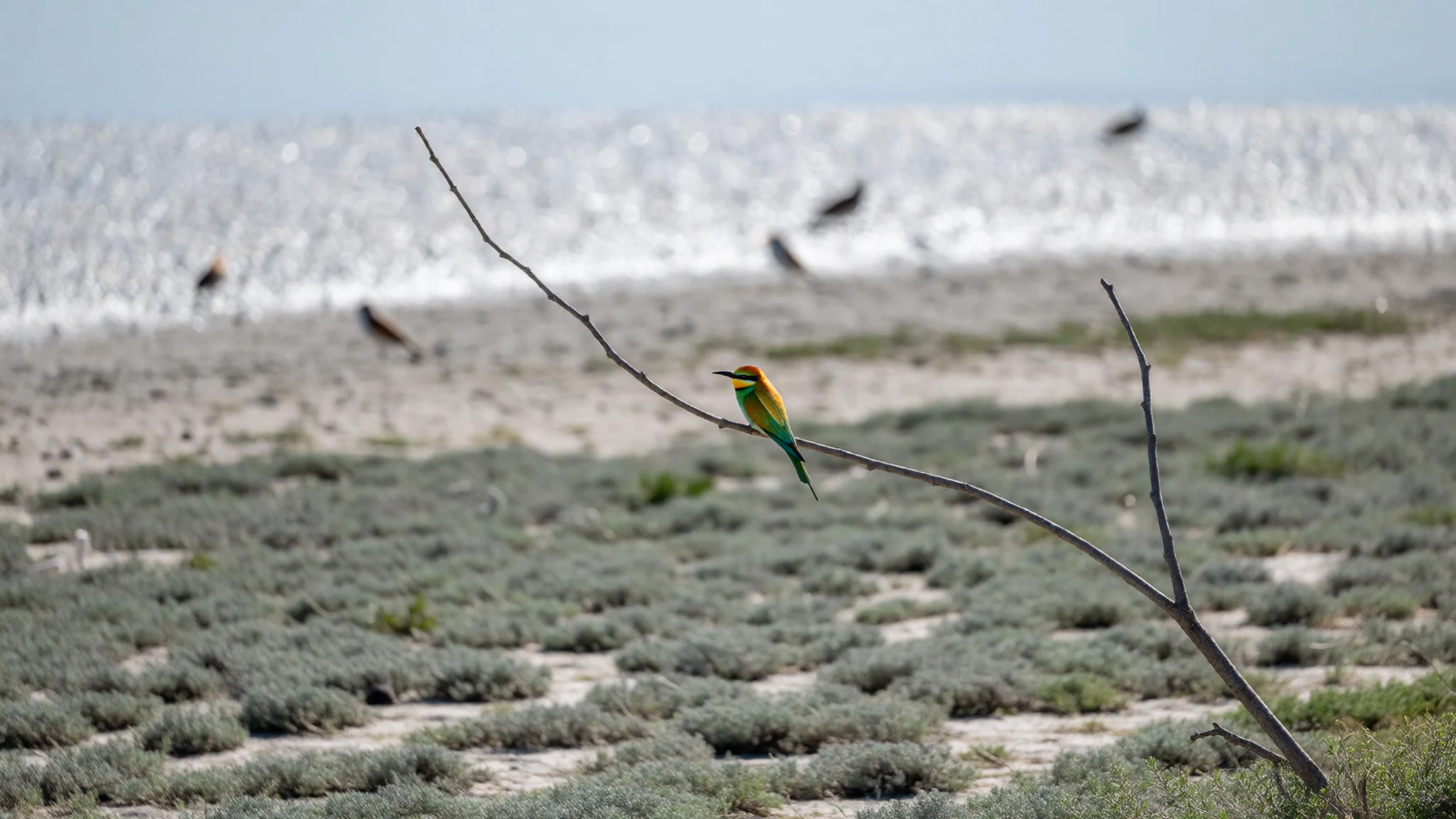
- Kaudulla National Park — North of Minneriya
A neighbouring park known as a quieter alternative for watching elephants, with its own reservoir and herds that shift between the two areas through the year. Guides will say which of the two is currently better. It makes a good second outing for anyone with more than a day.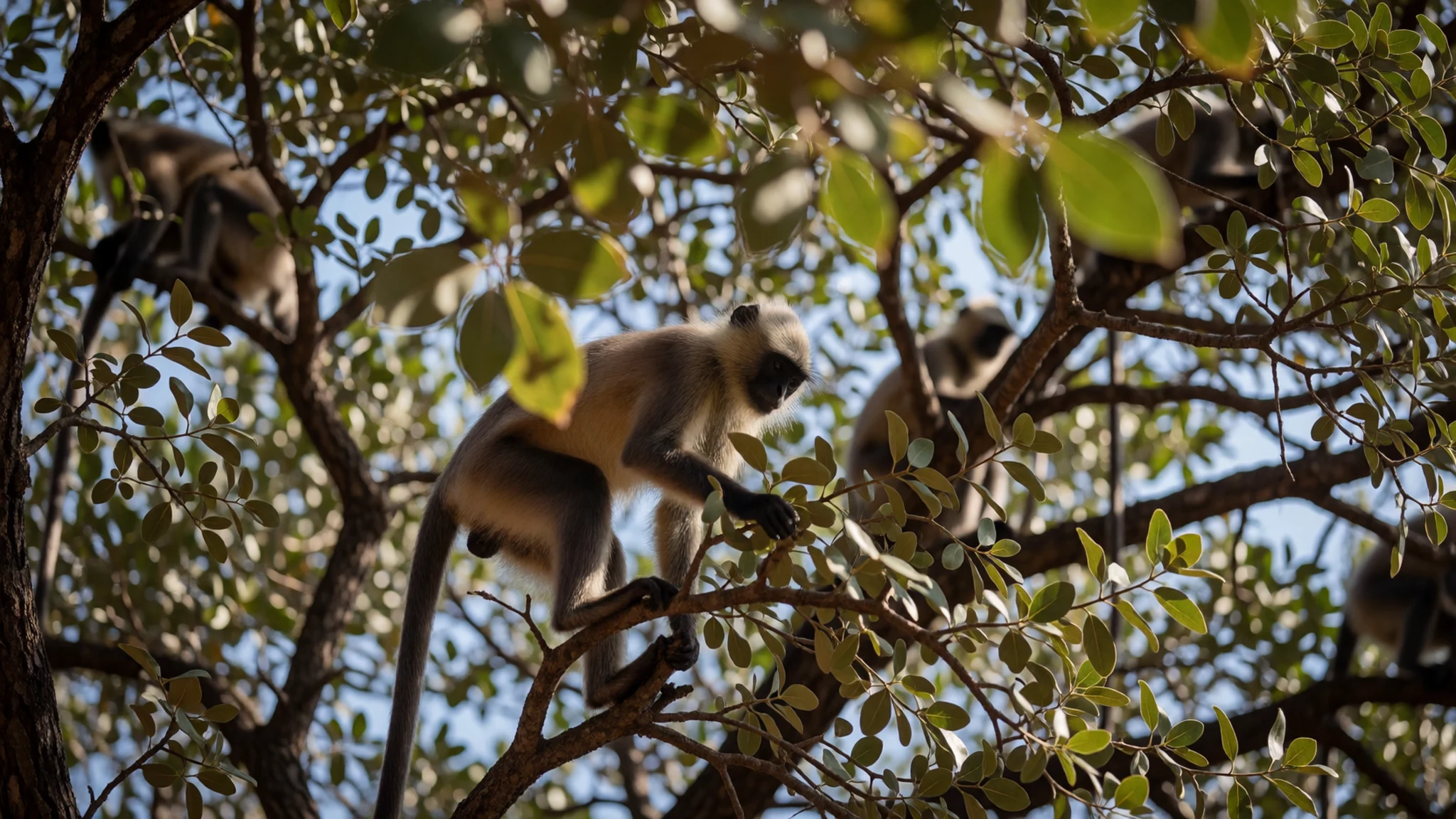
Culture
Minneriya sits in the old heartland of Sinhalese Buddhist civilisation, and the tank itself is a reminder of the kings who treated water management as a sacred and political duty. Most people in the surrounding villages are Sinhala-speaking Buddhists, and everyday life follows the temple and the farming calendar, with full-moon Poya days observed quietly across the country. Rice cultivation under the tank is still central to local livelihoods, which is part of why elephants and farmers share a tense, long-running border. Many families grow crops close to the park boundary and take real care to guard them at night. Jeep drivers and guides are mostly local, and they are the best source of stories about how the herds behave and how the lake changes through the year. Elsewhere in the area, the great ruins at Sigiriya and Polonnaruwa are active reminders of the same Buddhist heritage and are visited by pilgrims as well as tourists. Visitors who arrive with curiosity and a little patience usually find people friendly and generous with explanations, and a few words of Sinhala are warmly received. Keep your voice low and your engine off when elephants are close, and never feed, tease or crowd an animal even if a driver edges the jeep forward.
What to wear
In Minneriya and the surrounding villages, traditional dress is the sarong for men, known as a sarama, usually woven cotton in checks or plain colours and often worn with a white shirt for temple visits, weddings and Poya days. Women wear the saree, and in the Sinhalese tradition the Kandyan style, the osariya, is the formal choice for ceremonies. Fabrics are mostly handloom cotton, with silk for weddings and batik for everyday elegance. Day to day, though, most people in the area wear practical modern clothes: shirts and trousers, simple dresses, cotton skirts, and sarongs at home, with farm workers favouring light colours that cope with heat and dust. Guides and drivers tend towards muted khaki or plain shirts. Visitors should dress for a hot, dry, dusty climate and for animals: neutral greens, tans and greys rather than bright colours or white, with a long-sleeved cotton shirt and light trousers for sun and insects. A hat, sunglasses and a scarf against dust help, and closed shoes or sturdy sandals suit jeeps and uneven ground. For temples and ruins in nearby Sigiriya and Polonnaruwa, cover shoulders and knees and carry something easy to slip off, since shoes come off at sacred sites.
What to eat
- Rice and curry — Village eateries on the roads to Habarana and Polonnaruwa
The everyday meal here is a plate of rice surrounded by small vegetable, lentil and sometimes fish or chicken curries, with coconut sambol on the side. It is generous, spicy and usually served from a pot buffet in a village eatery.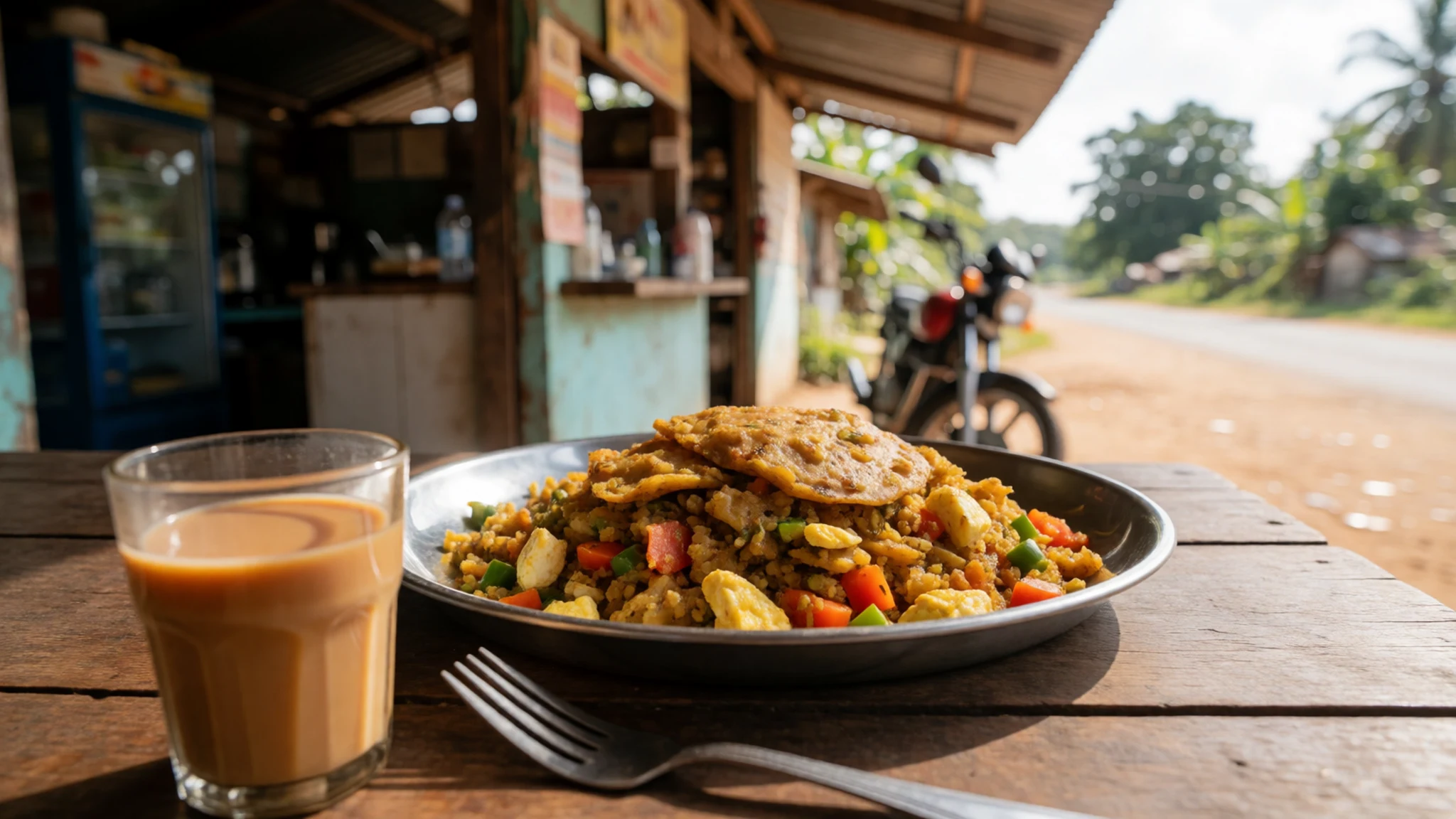
- Kottu roti — Evening roadside stalls and small town eateries
Flatbread chopped on a hot griddle with vegetables, egg and spiced gravy, announced from a distance by the rhythmic clatter of metal blades. It is a filling dinner after a dusty afternoon safari.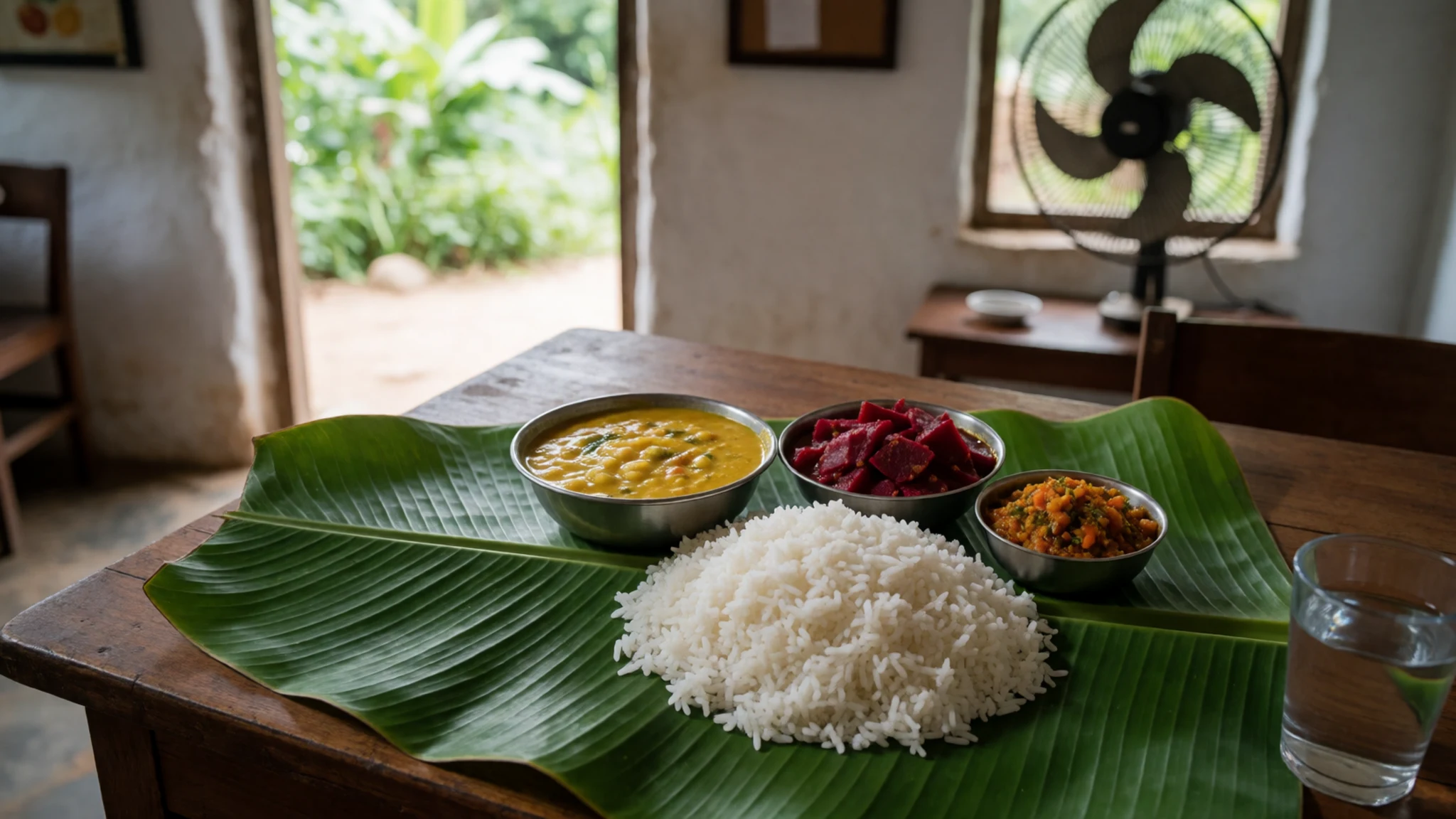
- Hoppers — Breakfast and evening stalls in nearby towns
Bowl-shaped fermented rice and coconut pancakes with crisp edges and a soft centre, often cooked with an egg in the middle. They are eaten at breakfast or supper, dipped in a hot onion relish. - Kiribath — Homestays and family-run guesthouses
Milk rice cut into diamonds, cooked with coconut milk until dense and creamy. It is served at celebrations and on the first of the month, often with a sharp chilli sambol to balance the richness. - King coconut — Roadside fruit stands near the park gate
A bright orange coconut sold chopped open with a straw, its water lightly sweet and cooling. It is the sensible drink after hours in a hot, dusty jeep.
Plan it
Best time. May to September is the dry season, with firmer tracks and elephants coming down to graze the shrinking lake; the north-eastern monsoon from October to January brings rain and muddier going.
How long. 1–2
Getting there. Fly into Bandaranaike International Airport near Colombo, then travel about 182 km by road, by hired car or bus via Habarana or Polonnaruwa. The last leg is by jeep with a driver-guide, arranged locally or through your guesthouse.
Budget. mid
Tips
- Book the late-afternoon jeep drive, when elephants are most active, and check ticket details with the Department of Wildlife Conservation rather than relying on hearsay
- Carry water, a hat and sun cream; the dry zone is hot and dusty
- Take some cash for park fees, drivers and roadside stalls, as small places may not take cards
- Pair Minneriya with Sigiriya and Polonnaruwa, which are both a short drive away
- Choose a small jeep group so sightings stay calm and unhurried
Etiquette
- Stay seated in the jeep and keep your voice low near elephants
- Never feed or approach wildlife, however calm it looks
- Cover shoulders and knees at nearby temples and remove shoes at sacred sites
Nearby
Sources
- Wikidata Q15253488 (CC0)
- Wikipedia: Minneriya National Park (rev 1376392056) (CC BY-SA 4.0)
- Wikivoyage: Minneriya National Park (rev 5103948) (CC BY-SA 4.0)
- Photo: Birds at the Minneriya-Giritale National Park, Stuart Pinkney (CC BY 2.5)
- Photo: At Minneriya National Park, Al Jazeera English (CC BY-SA 2.0)
- Photo: Minneriya national park safari, Photnart (CC BY 3.0)
- Photo: A bee-eater in Minneriya National Park, Eli Solidum (CC BY-SA 4.0)
- Photo: Minneriya Lake, shankar s. (CC BY 2.5)
- Photo: Minneriya National Park (7568371704), shankar s. (CC BY 2.5)
- Photo: Minneriya National Park (7568384480), shankar s. (CC BY 2.5)
- Photo: Minneriya National Park, Sri Lanka, Madhawa Dunuwila (CC BY-SA 4.0)


Wildlife
- Asian elephant (animal)
The Asian elephant is the biggest land animal in Asia, a grey giant with a long trunk, creased skin and broad, folded ears. At Minneriya, the great sight is herds gathering at the tank as its water draws back. Watch from a respectful distance, keep your voice low, and go with a guide who understands the herds. Never feed them. These are remarkably clever, feeling animals, and they deserve to stay wild.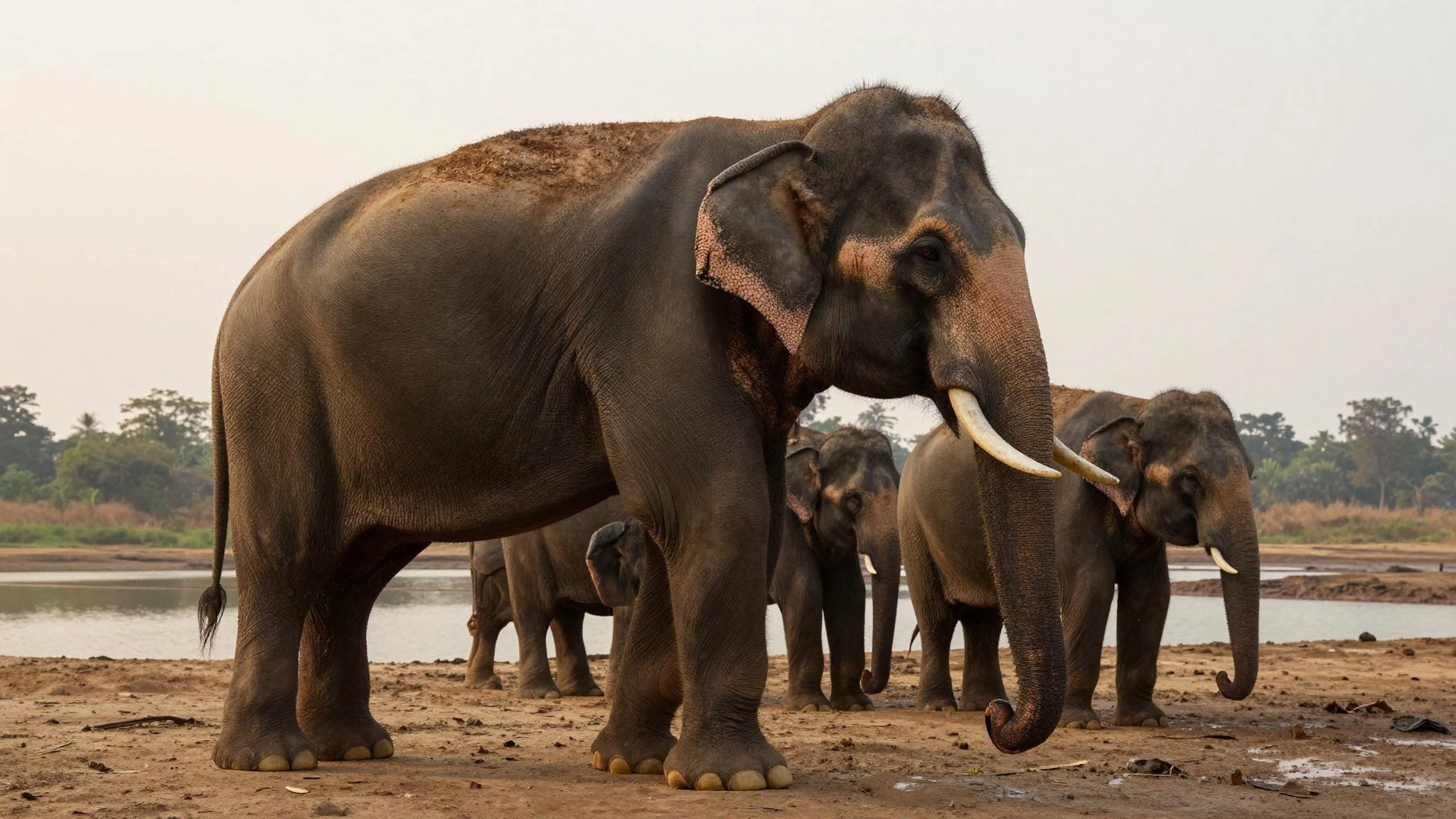
- Purple-faced langur (animal)
The purple-faced langur is a shy brown monkey with a dark face and a long tail, and it lives in the trees of Sri Lanka and nowhere else in the world. At Minneriya, look along the scrub and the edges of the woodland, where it shares its home with the toque macaque. Go with a guide, keep well back, speak softly so this timid animal stays calm, and never offer it food.