Miami Beach
Miami Beach, United States
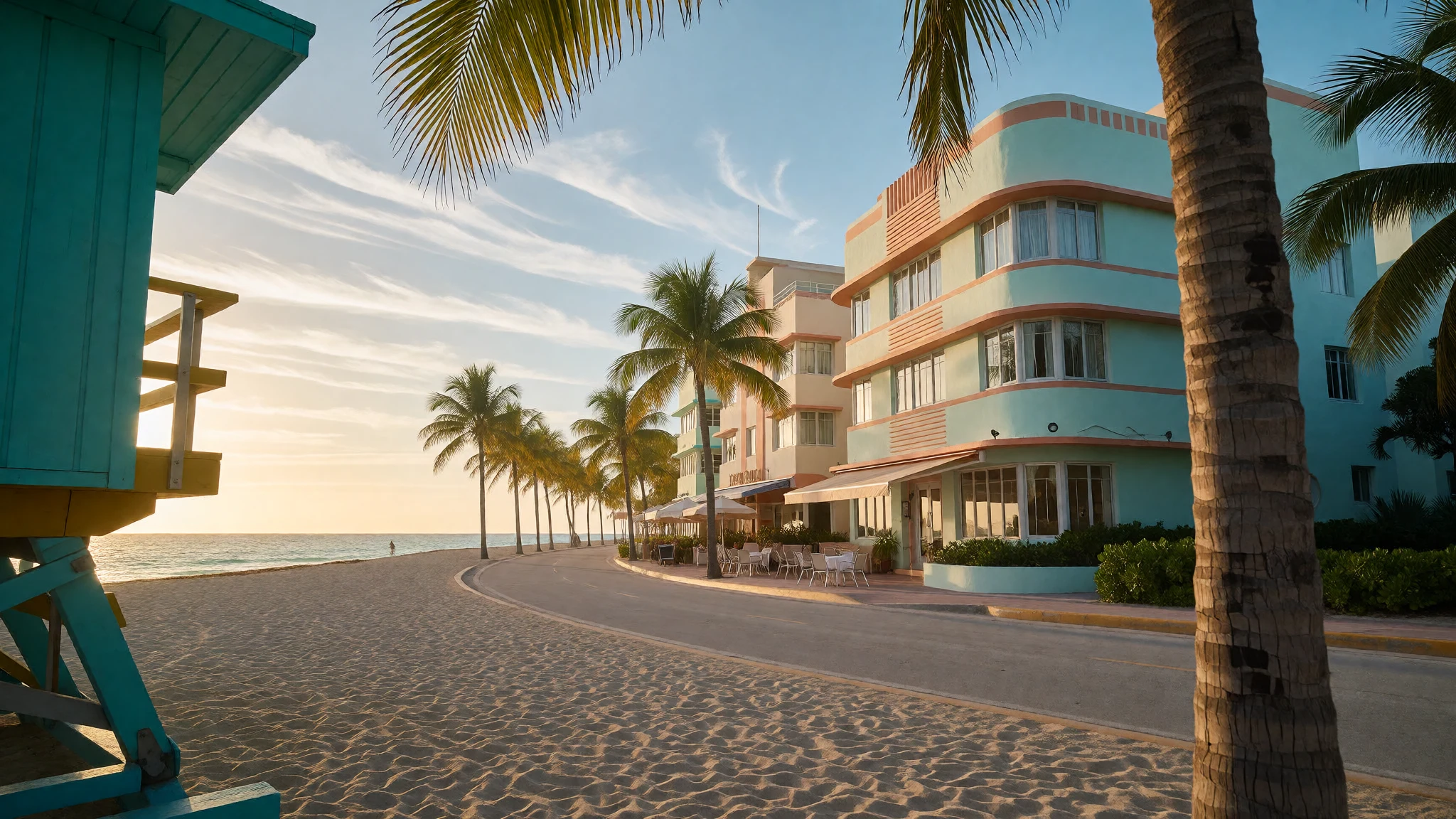
Miami Beach pairs a wide Atlantic shoreline with pastel Art Deco streets, Cuban coffee and a long, late-running nightlife, all on a thin island.
The place
Miami Beach is a resort city on barrier islands between the Atlantic Ocean and Biscayne Bay, with the mainland city of Miami across the water to the west. The land sits at an elevation of 1 m, which shapes daily life: streets that flood after heavy rain, raised roads, pumps, and a constant local conversation about rising tides. The city was founded in 1915 and has a population of 82,890, a modest figure for a place that hosts visitors for most of the year.
The island is long and narrow, and its character changes from south to north. South Beach, at the southern tip, is the dense, loud and much-photographed part: pastel Art Deco hotels, pavement cafés on Ocean Drive, lifeguard huts on a broad sweep of sand, and bars that stay open late. Mid-beach is a run of big resort hotels and apartment towers facing the sea. North Beach is calmer and more residential, with a lower skyline and an older, quieter feel. A boardwalk and promenade follow the dunes for much of the length, while the bay side has its own gentler waterfront.
Miami Beach also looks towards Latin America. Spanish is heard as often as English, coffee windows sit next to designer shops, and the local economy leans heavily on tourism. A fair warning on seasons: summers are hot, wet and sticky, and the sea is bath-warm rather than refreshing. Winter is when the weather behaves, and also when crowds and hotel prices peak.
Its story
Miami Beach was once a strip of sand, scrub and mangrove with little reason for anyone to live on it. The first buildings were practical rather than grand: a government house of refuge on the oceanfront, meant to give food and shelter to sailors wrecked on this coast. It fell out of use over time and was finally lost to a hurricane, never to be rebuilt.
Early money went into farming. A coconut plantation along the shore failed, but John Collins, one of its investors, bought out his partners and tried other crops, avocados above all. The pines along what is now Pinetree Drive helped hold the soil against erosion for his fields.
The real change came with engineering and salesmanship. Developers dredged the bay bottom to make dry land, built a causeway to the mainland, and sold the island as a winter playground. The city was founded in 1915 and grew quickly. Between the wars, hundreds of hotels and apartment blocks went up in Art Deco, Streamline Moderne and Mediterranean styles, designed to look light, sunny and modern.
In the decades after, many of those buildings decayed and the southern end became run-down. A preservation movement, led by the former interior designer Barbara Baer Capitman, argued for saving them, and the Art Deco district was eventually placed on the National Register of Historic Places. Television and film then did the rest, turning a faded corner into a world-famous backdrop.
What to see
- Ocean Drive and the Art Deco District — South Beach
Ocean Drive is the showpiece street of the Art Deco District, a row of pastel hotels with rounded corners, neon signs and café tables facing the park and beach. It is busiest in the evening. Walking it early in the morning shows the architecture without the crowds and the music.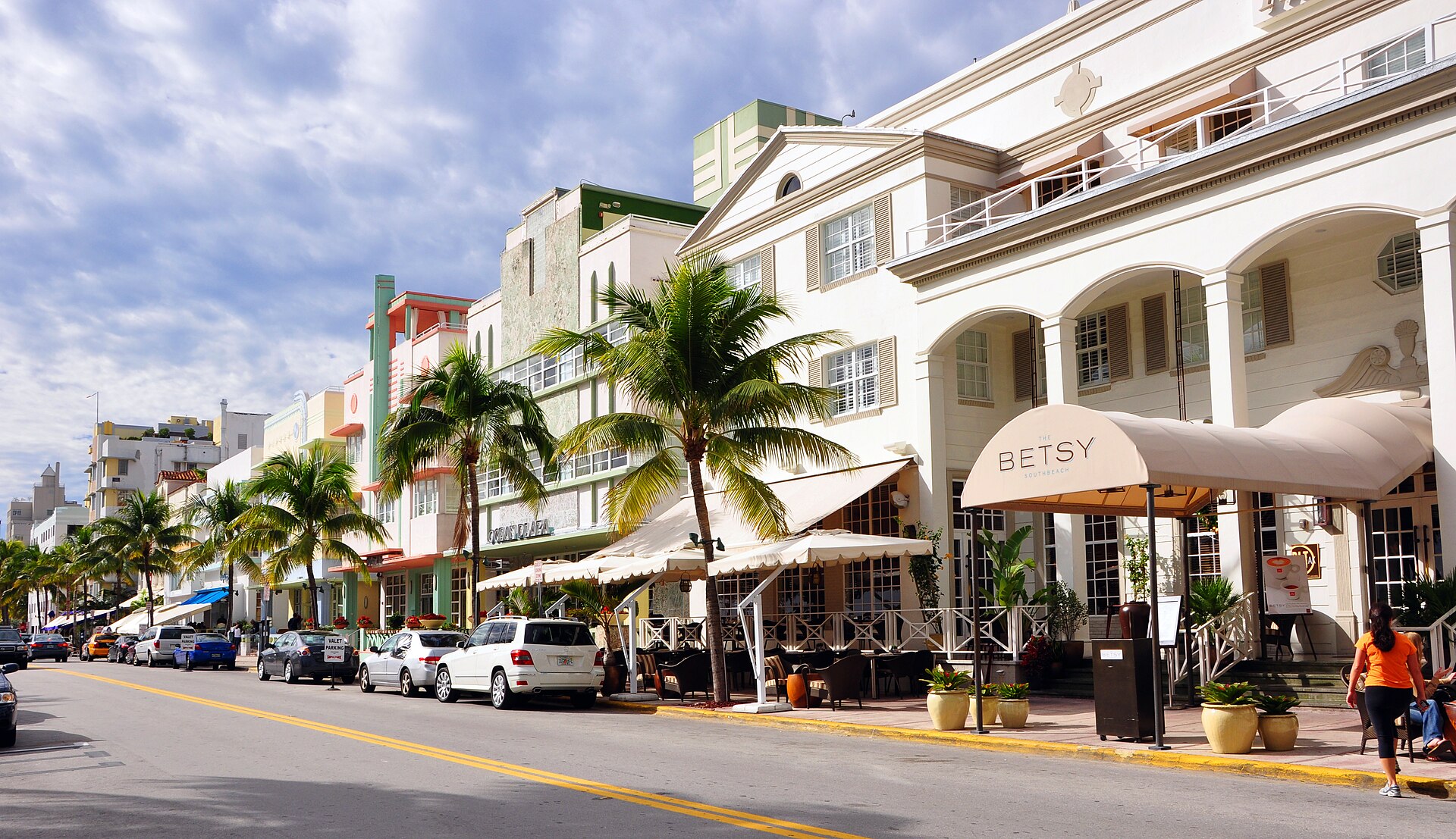
- South Beach sand and promenade — South Beach
The beach itself is wide, flat and lined with lifeguard huts in bright colours. Rows of loungers can be rented from vendors, though the sand is free to use. Swimming is easy on calm days. Midday sun is fierce, so mornings and late afternoons are far more comfortable.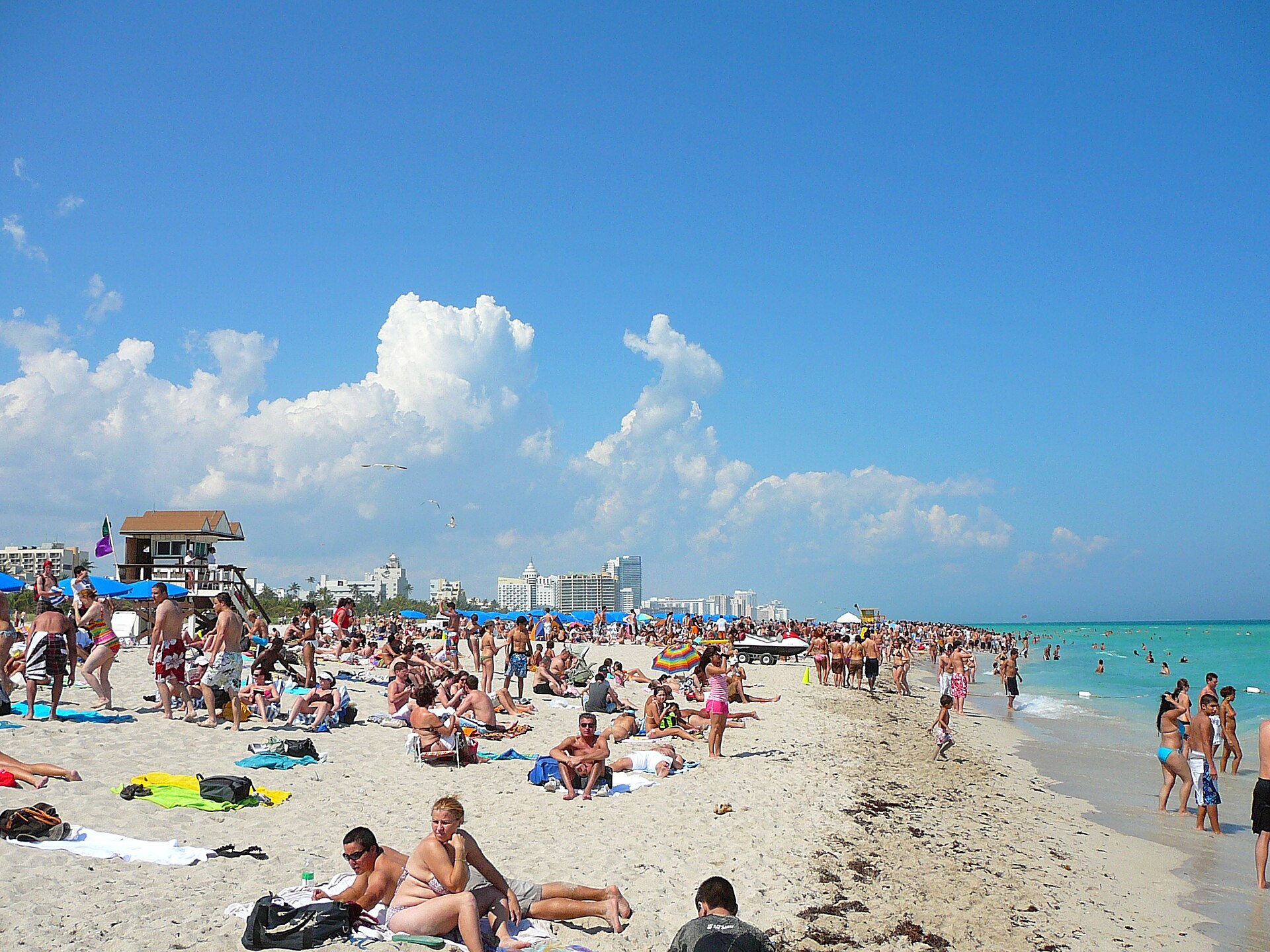
- Lincoln Road — Between South Beach and mid-beach
Lincoln Road is a pedestrian mall of shops, galleries and outdoor restaurants, running across the island from the bay side. It is good for people-watching and for a long lunch in the shade. Prices lean towards the touristy, so side streets nearby often offer better value.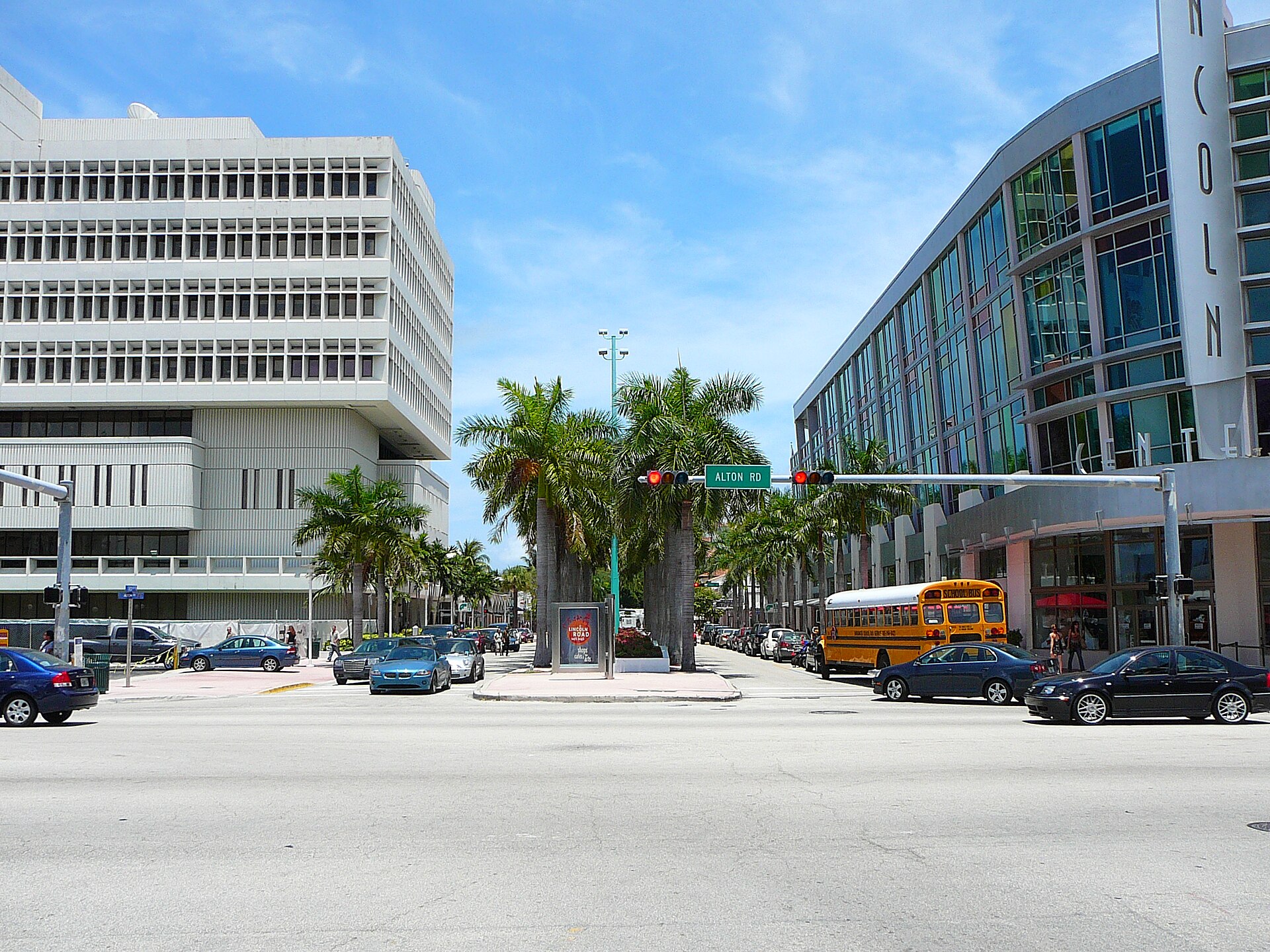
- Miami Beach Botanical Garden — Near the Convention Center, mid-beach
A small, green pocket in the middle of the city, with ponds, tropical planting and shaded paths. It makes a calm break from sun and noise, and suits a short visit on a hot afternoon. Check the official city website for opening times and any events before going.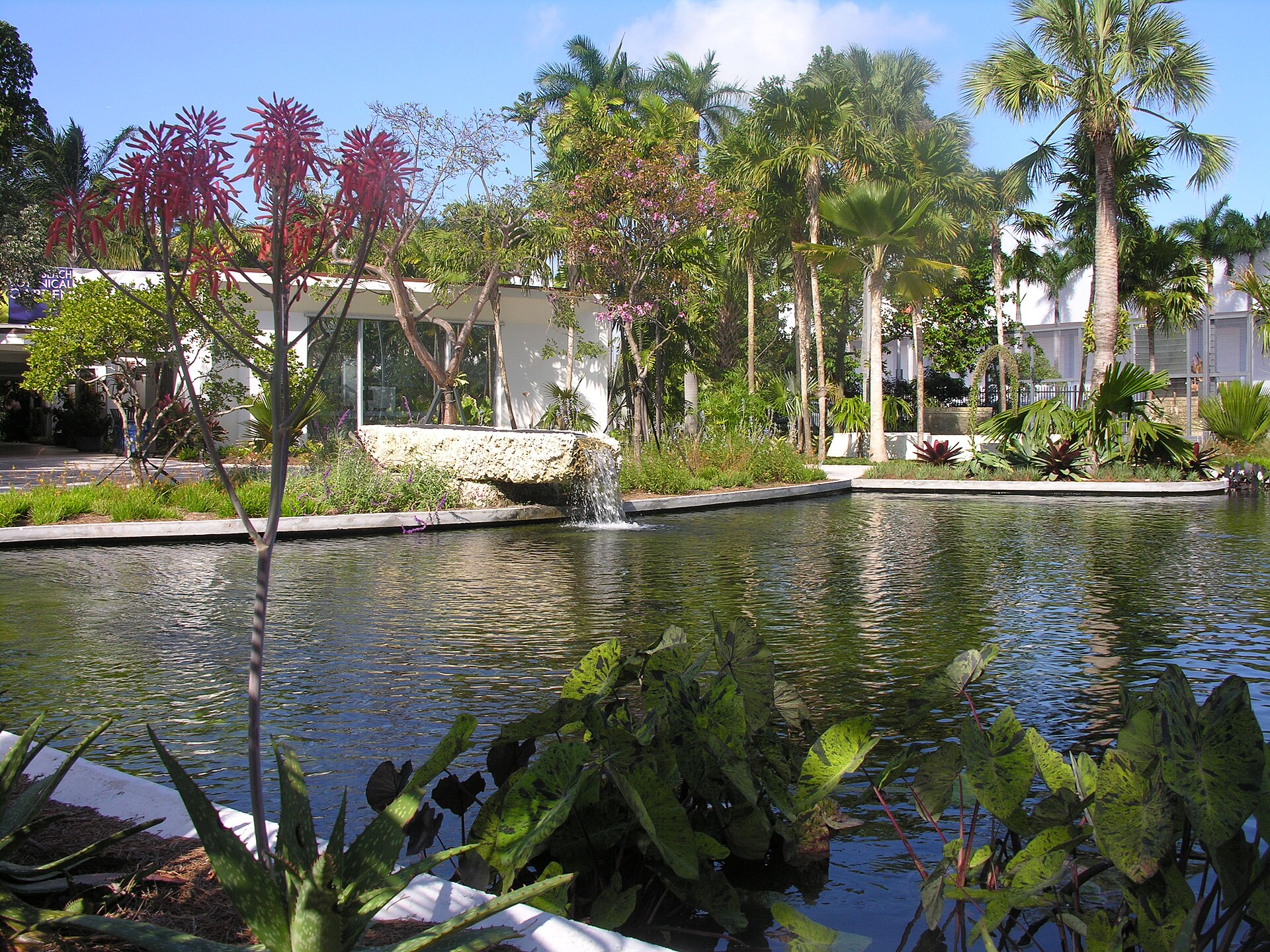
- Casa Casuarina — Ocean Drive, South Beach
A Mediterranean-style mansion on Ocean Drive, known to many visitors as a celebrity landmark and now a hotel and event venue. Even from the pavement, the carved stonework and courtyard walls show a very different side of the island's architecture from the Deco hotels nearby.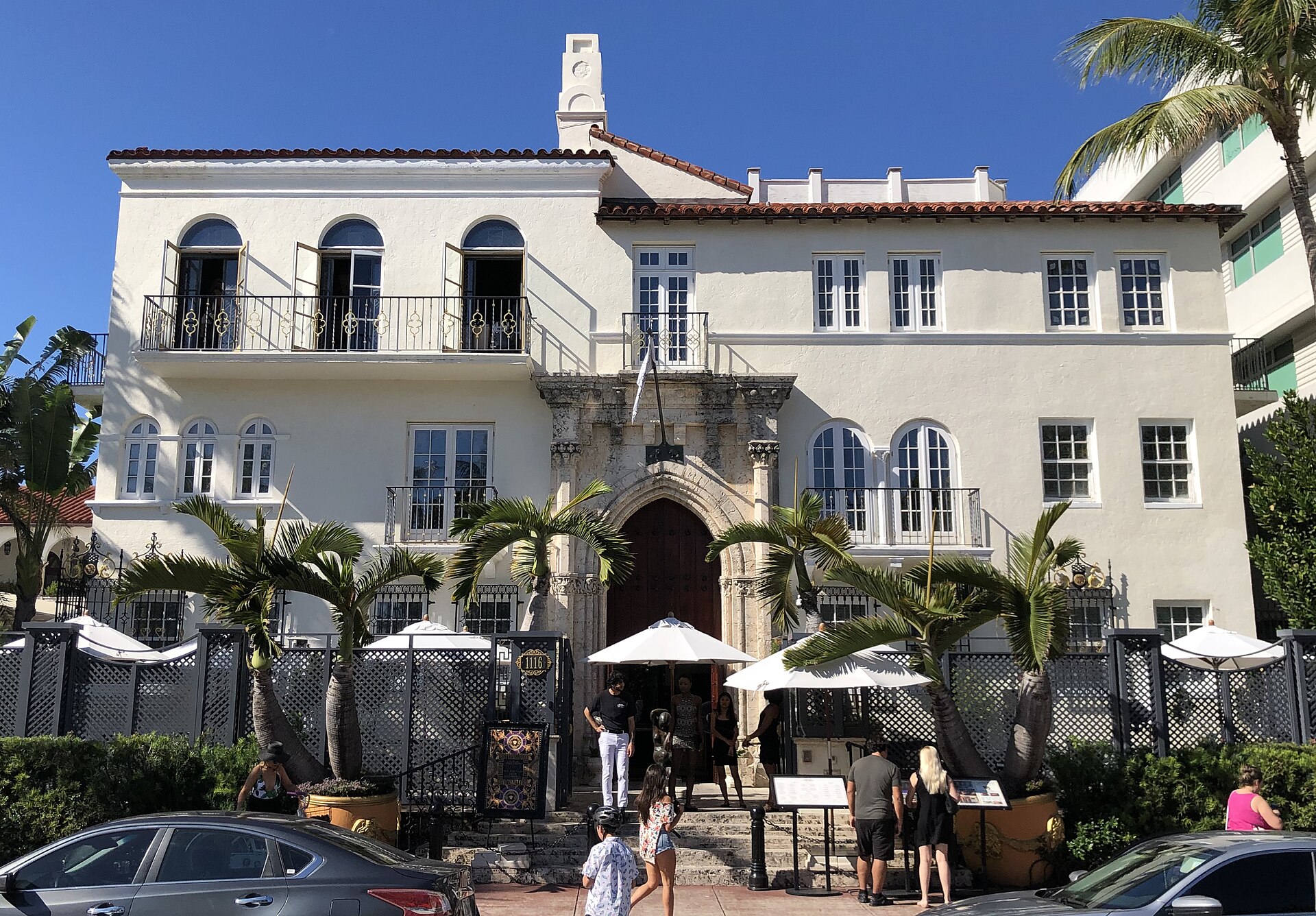
- North Beach and the northern shore — North Beach
The northern end of the island is quieter, with a lower skyline, family beaches and a more local rhythm. It suits those who want sand without the South Beach crowd. Facilities are fewer, so bring water and sun protection, and check the city website for beach access details.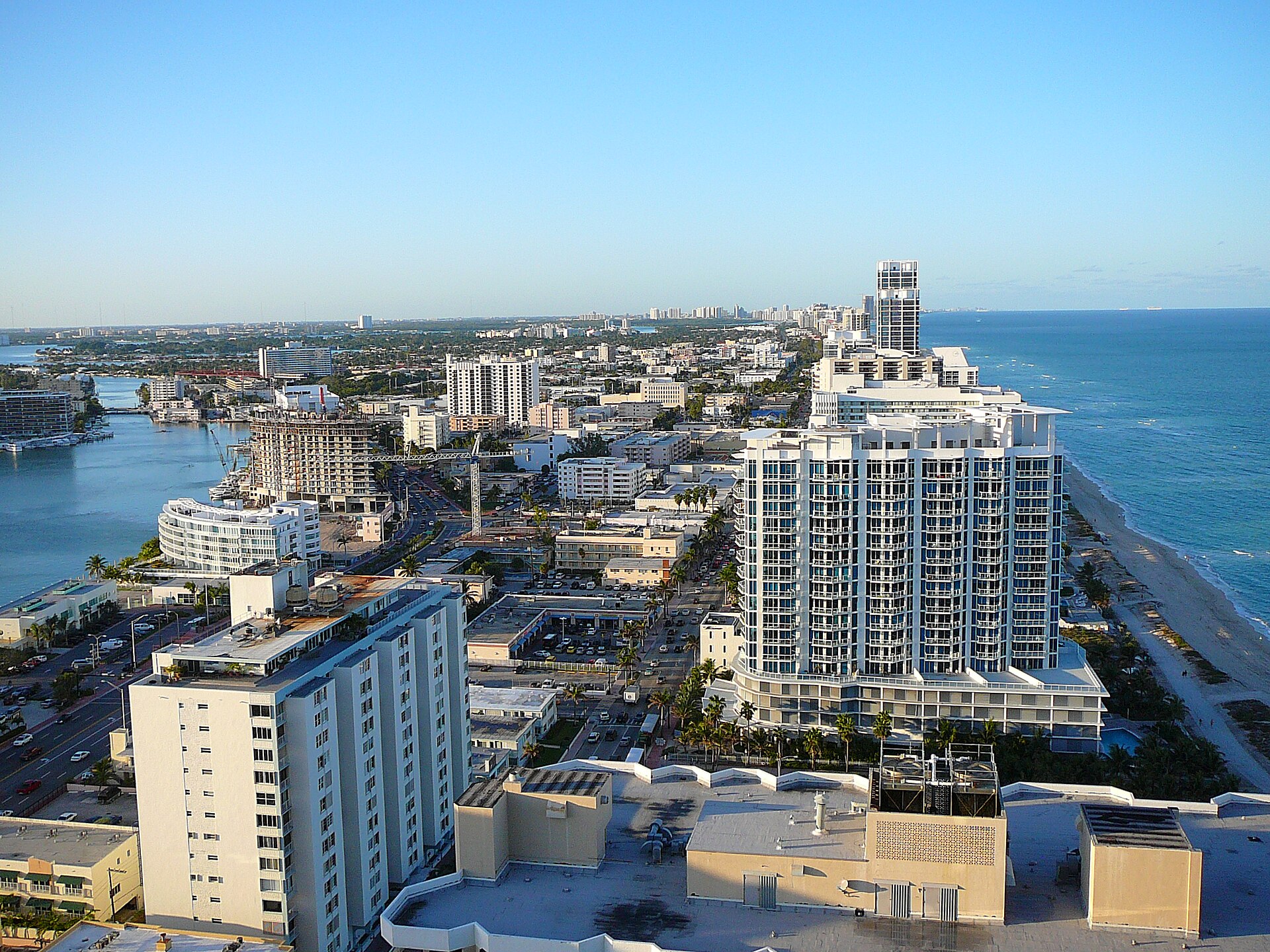
Culture
Miami Beach has a split personality. South Beach built its reputation on glamour, film sets and nightlife, and the island appeared in crime films and television dramas that turned Ocean Drive into a global image. Before that exposure, the area was neglected, with empty buildings and real crime. Today it is a wealthy commercial district, though poverty and petty crime have not vanished from nearby streets.
Latin American, and especially Cuban, culture is part of everyday life here. Spanish is common in shops and kitchens, domino games and strong coffee belong to older neighbourhood habits, and music from salsa to reggaeton drifts out of bars and cars. Art galleries and design shops along Lincoln Road add a more polished, international layer.
Beach customs are relaxed, but not lawless. Topless sunbathing by women is not officially legal, though it is tolerated on South Beach and at some hotel pools. Police are visible, especially in the evenings and during busy weekends, and alcohol rules on the sand are enforced. Nightlife starts late and runs very late, so noise is a real part of life in South Beach apartments and hotels.
Residents range from retirees and long-settled families to hospitality workers and newcomers from across the Americas, and the mix gives the island more depth than its postcard image suggests. Cover up when walking from the sand into shops and restaurants, and ask before photographing strangers on the beach.
What to wear
Miami Beach has no single traditional costume, but the guayabera is the garment closest to one. This loose, lightweight shirt in cotton or linen, with pleats and patch pockets, came from the Spanish-speaking Caribbean and is worn untucked to weddings, family dinners and warm-weather events, often in white or pale shades. Straw hats, including Panama styles, share the same tropical, practical tradition.
What people wear now is shaped by heat and display. On the sand it is swimwear, sarongs and bright cover-ups. In the evening, South Beach leans towards fitted, polished clothes: linen shirts, dresses, good sandals or clean trainers. Some clubs enforce dress codes, so smarter dress helps at the door. Residents in the quieter northern neighbourhoods dress more casually, in shorts, T-shirts and flip-flops.
Visitors should pack for sun, humidity and heavy air-conditioning. Light, breathable cotton or linen works best, along with a wide-brimmed hat, sunglasses and high-factor sunscreen. A thin layer is useful because restaurants and shops can be very cold inside. Flip-flops suit the sand, but comfortable walking shoes are better for long stretches on hot pavements. Many restaurants and shops expect a shirt and footwear, so a cover-up is wise. Summer storms arrive suddenly, so a small packable rain jacket earns its space.
What to eat
- Cuban sandwich — Cuban cafés and sandwich counters across the island
Roast pork, ham, cheese and pickles pressed flat in crisp Cuban bread. It is filling and cheap by beach standards, and the pressing gives a crunchy outside and melting centre. A good café will serve it hot, with a strong coffee on the side. - Cafecito — Walk-up coffee windows and Cuban bakeries
A small, strong, sweet espresso, usually drunk standing at a counter in a few sips. It is a social habit as much as a drink. Orders often come in shared small cups for friends, and the caffeine hit is serious. - Stone crab — Seafood restaurants, in the cooler months
Stone crab claws are served chilled with a mustard-based dipping sauce, and are a seasonal winter treat in South Florida. They are rich, sweet and usually expensive. Ask about the season and sourcing before ordering, since availability varies. - Croquetas and empanadas — Latin bakeries and café counters
Small fried snacks of ham, chicken or cheese, crisp outside and soft within. They suit a quick breakfast or a snack between beach sessions. Empanadas are baked or fried pastry parcels with savoury fillings, easy to eat on the go. - Key lime pie — Dessert counters in cafés and diners
A tart, creamy pie with a biscuit base, made with the small, sharp limes of the Florida Keys. Slices are best eaten cold. Versions vary between pale and green, but the true flavour is sharp and sweet rather than sugary. - Ceviche — Latin American seafood restaurants
Raw fish or seafood cured in lime juice with onion, chilli and herbs, a good light lunch on a hot day. Peruvian-style versions are common here. Order from places that look busy, since freshness matters more than anything else.
Plan it
Best time. November to April is the most comfortable stretch, with warm, drier weather and less of the summer humidity; hotel prices and crowds peak from November to February. Summer is hot, wet and sticky, with sudden storms, though hotels are cheaper and the beach is quieter.
How long. 3–4
Getting there. Fly to Miami International Airport, the closest, or to Fort Lauderdale's airport to the north, where fares are often lower and a shuttle or taxi covers the last leg. Local buses and taxis link the mainland with the island across the bay causeways. By car, interstate roads lead to a causeway into South Beach, but parking is limited and costly.
Budget. high
Tips
- Book hotels well ahead for winter, especially around holiday weekends and big events
- Go to the beach early or late, when the sun is gentler and the sand is quieter
- Carry water, sunscreen and a hat, as shade is limited on the sand
- Check the official city website, miamibeachfl.gov, for beach rules, events and transport updates
- Walk or hire a bicycle in South Beach rather than drive, since traffic and parking are difficult
Etiquette
- Cover up when leaving the beach for shops and restaurants
- Keep noise down late at night near residential buildings
- Ask before photographing strangers
Nearby
Sources
- Wikidata Q201516 (CC0)
- Wikipedia: Miami Beach, Florida (rev 1382832449) (CC BY-SA 4.0)
- Wikivoyage: Miami Beach (rev 5346415) (CC BY-SA 4.0)
- Photo: Miamimetroarea.jpg (Miamiboyz) (Public domain)
- Photo: Ocean drive day 2009j.JPG (chensiyuan) (CC BY-SA 1.0)
- Photo: North Beach Miami Beach.jpg (Marc Averette) (CC BY 3.0)
- Photo: Lincoln Road.jpg (CC BY 3.0)
- Photo: South Beach 20080315.jpg (Averette) (CC BY 3.0)
- Photo: Fontainebleau Miami Beach Aerial 2025.jpg (InvadingInvader) (CC BY 4.0)
- Photo: Pond at MBBG.JPG (Terra-Nova Sadowski) (CC BY 3.0)
- Photo: Casa Casuarina 2019.jpg (Vadelmavene) (CC BY-SA 4.0)


