Lalakhal
Lalakhal, Bangladesh
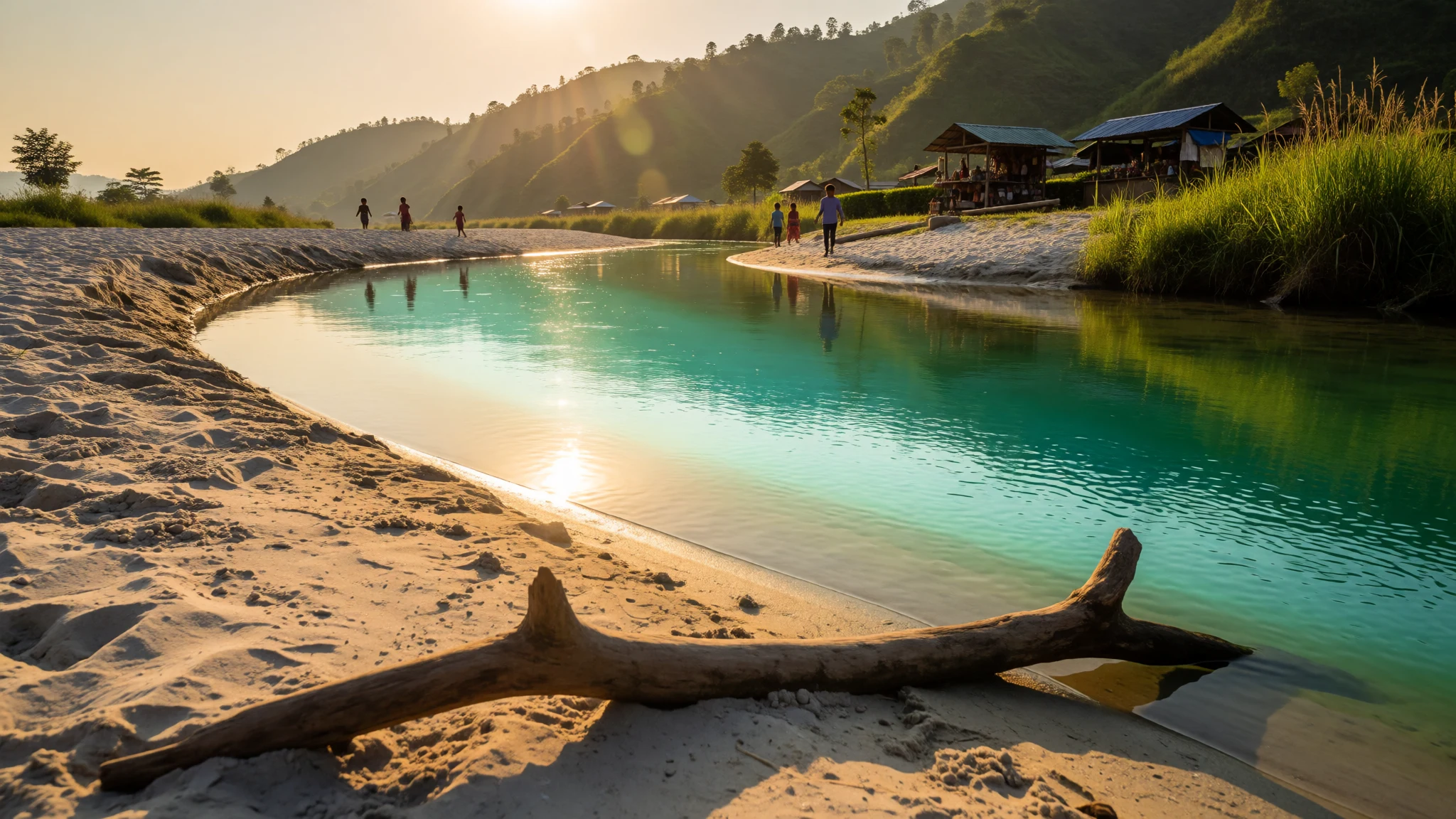
Lalakhal is a shallow stretch of Bangladesh's Sharee River where the water shifts from green to turquoise, an easy day out from Sylhet.
The place
Lalakhal sits in Jaintiapur, in Sylhet District, in the north-east of Bangladesh, close to the road that runs to the Tamabil border post. It is a broad channel of the Sharee River rather than a lake or a waterfall, and the attraction is colour. Along the bank the water moves from green to turquoise to nearly clear within a short walk, depending on depth, light and the bed beneath it. The blue tint is put down to limestone material washed into the river, and the pale sand below makes it glow on bright days. The river is shallow, so boats ride low and people paddle at the edges, though a shifting bed means that shallow is not the same as safe. The same sand that flatters the water is also dug out of it for Sylhet's building trade, so barges, heaped sand and the odd lorry are part of the scene rather than an intrusion on it. Around the channel are small tea stalls, simple eateries, boats for hire and a steady flow of day-trippers, thickest at weekends and on holidays. Mornings are calmer and the light is kinder to the colours. Lalakhal suits a few hours, not a whole itinerary, and slots naturally into a wider trip around Sylhet. Expectations are worth setting honestly: after heavy rain the water can run muddy and lose its blue, and photographs online are often taken at the best moment of the best day.
Its story
Lalakhal has little written history of its own, and its story is mostly a recent one: a working river that turned into a destination. For years this stretch of the Sharee was valued chiefly for what could be taken from it, namely sand and stone carried away for construction. Then photographs of a bright blue channel, in a country better known for broad brown delta rivers, began to circulate, and people from Sylhet and further afield started arriving for the day. The name itself is a reminder of how local the place is. Khal is the Bengali word for a channel, and Wikidata files Lalakhal as a canal, although geographers describe it as a wide section of the river. The geology is the quiet part of the tale. Limestone from the hills to the north supplies the mineral tint, and that supply has made the water what it is. The tension is the more pressing part. The extraction that feeds the local economy has been running hard in recent years, and excessive harvesting of sand and minerals now puts the river at risk of degradation. The colour that draws visitors depends on the very bed that is being dug up. Lalakhal's future therefore rests less on tourism numbers than on how much material is taken out, and who decides when to stop.
What to see
- The main channel and its colour bands — Lalakhal, Jaintiapur
The heart of Lalakhal is the wide channel itself, where green, turquoise and clear water sit side by side. Walk the bank slowly rather than staying at the first viewpoint, because the shades change with depth and with the angle of the sun. Midday light gives the strongest blue.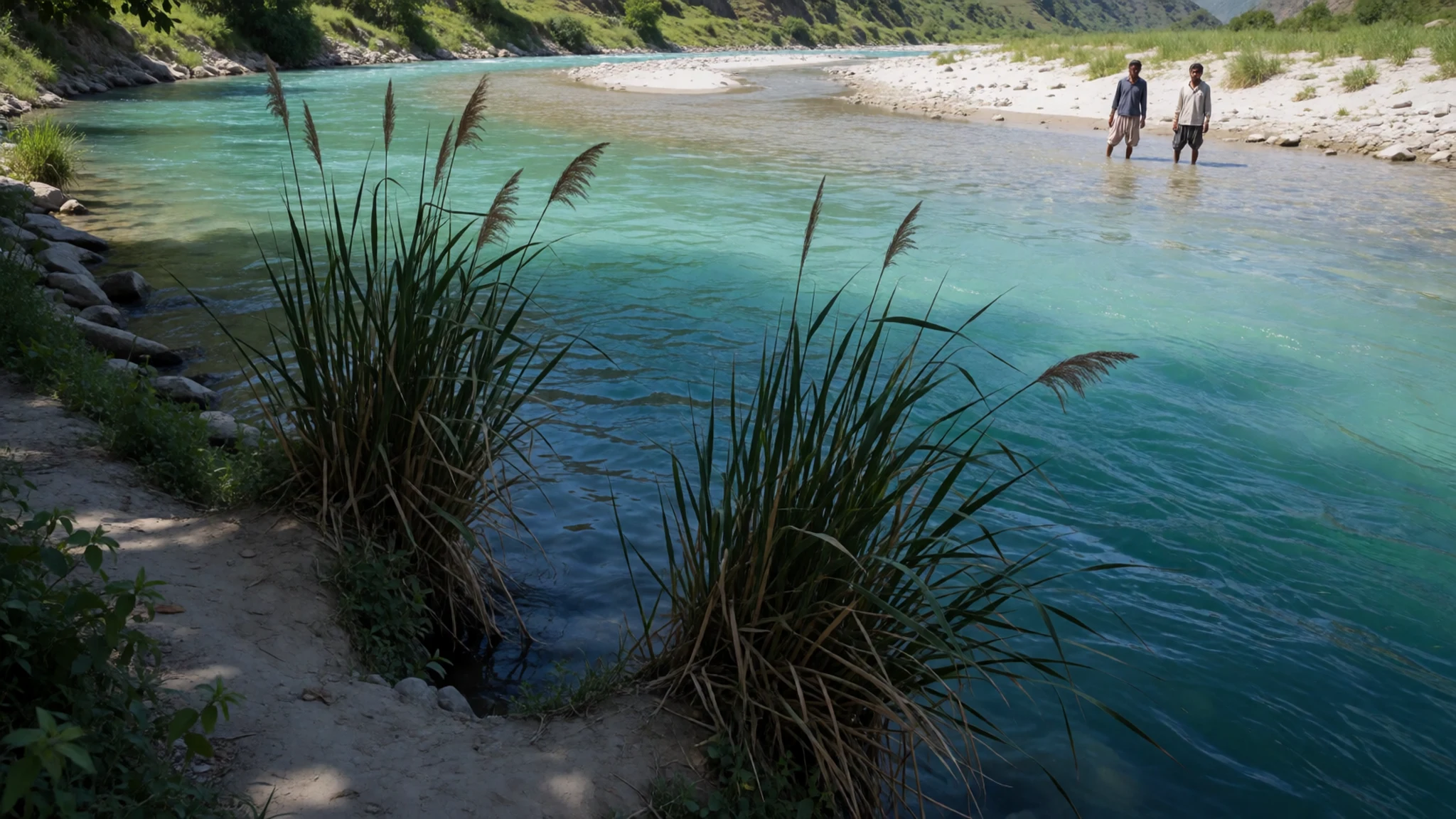
- The sandbanks at the water's edge — Lalakhal, Jaintiapur
Pale sandbanks line the shallows and are where most visitors paddle, picnic and take photographs. The sand is the reason the water looks so bright, and also the reason the river is under pressure. Footing can shift, so stay close to the edge unless the water is clearly shallow.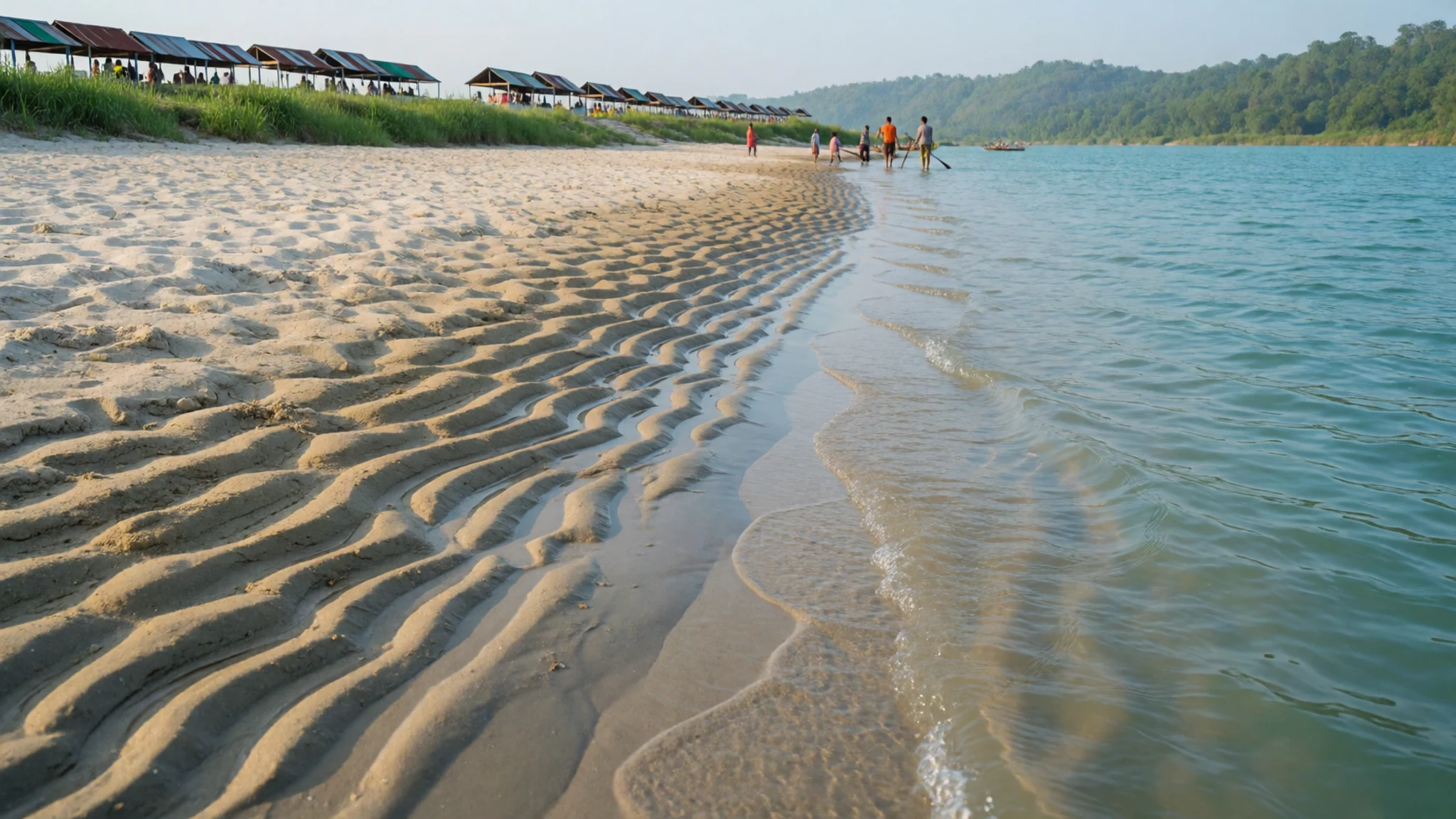
- A boat on the river — Lalakhal, Jaintiapur
Small boats are available on the water for a slow loop of the channel, which is the easiest way to see the colour change from the middle. Agree the route and the price before boarding, check the official local guidance on lifejackets, and expect queues at weekends.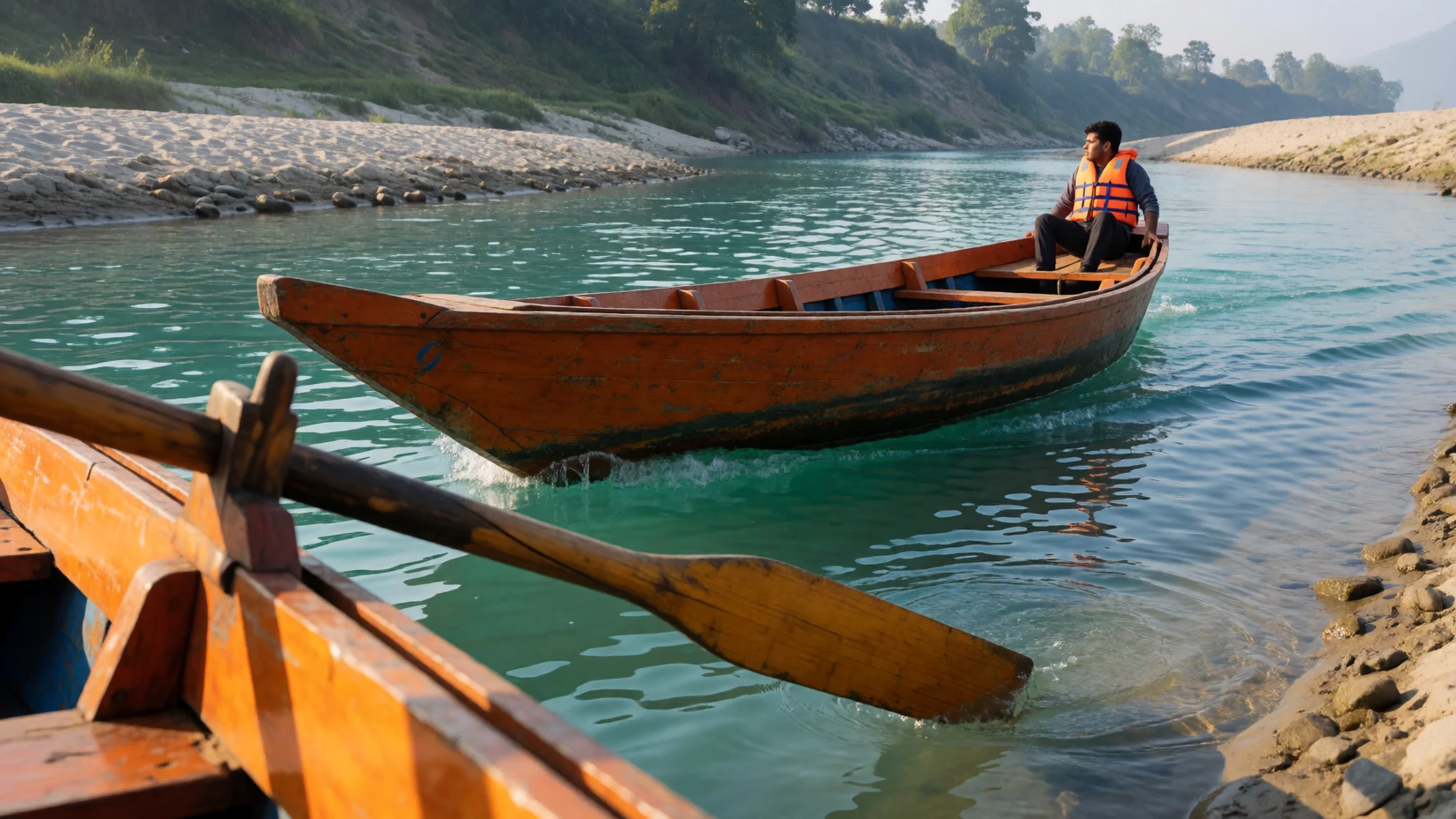
- Tea stalls and eateries along the bank — Lalakhal, Jaintiapur
A cluster of simple stalls and eateries serves tea, snacks and rice meals within sight of the water. They are modest, busy at holiday times and useful for a long sit in the shade. The photographed spot labelled as a restaurant for tourists is part of this strip.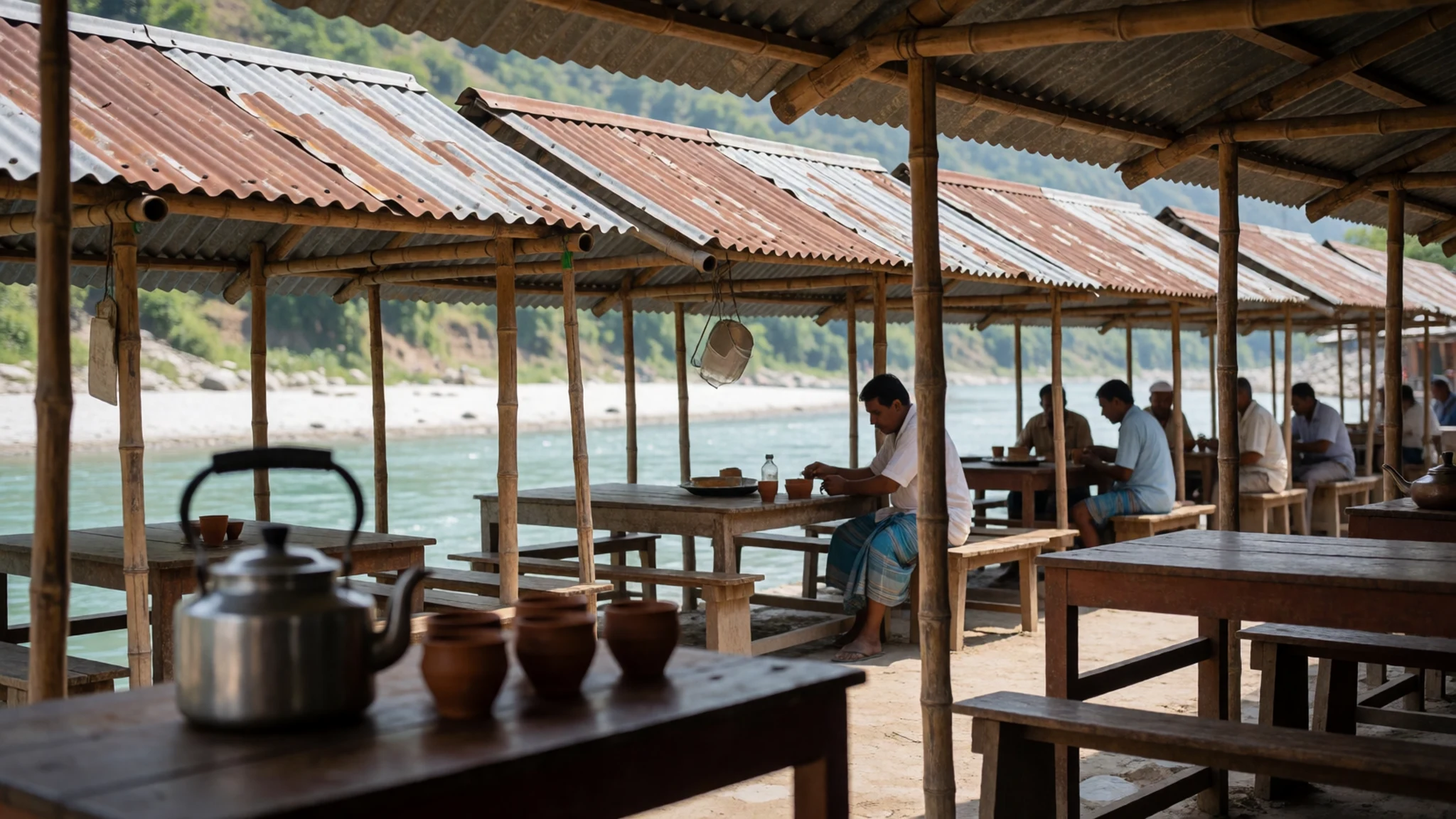
- The quieter far bank in the early morning — Lalakhal, Jaintiapur
Before the day-trippers arrive, the far side of the channel is calm, with still water and long reflections of the trees. This is the stretch to pick for photographs without crowds, and for hearing the river rather than the generators and lorries that come later.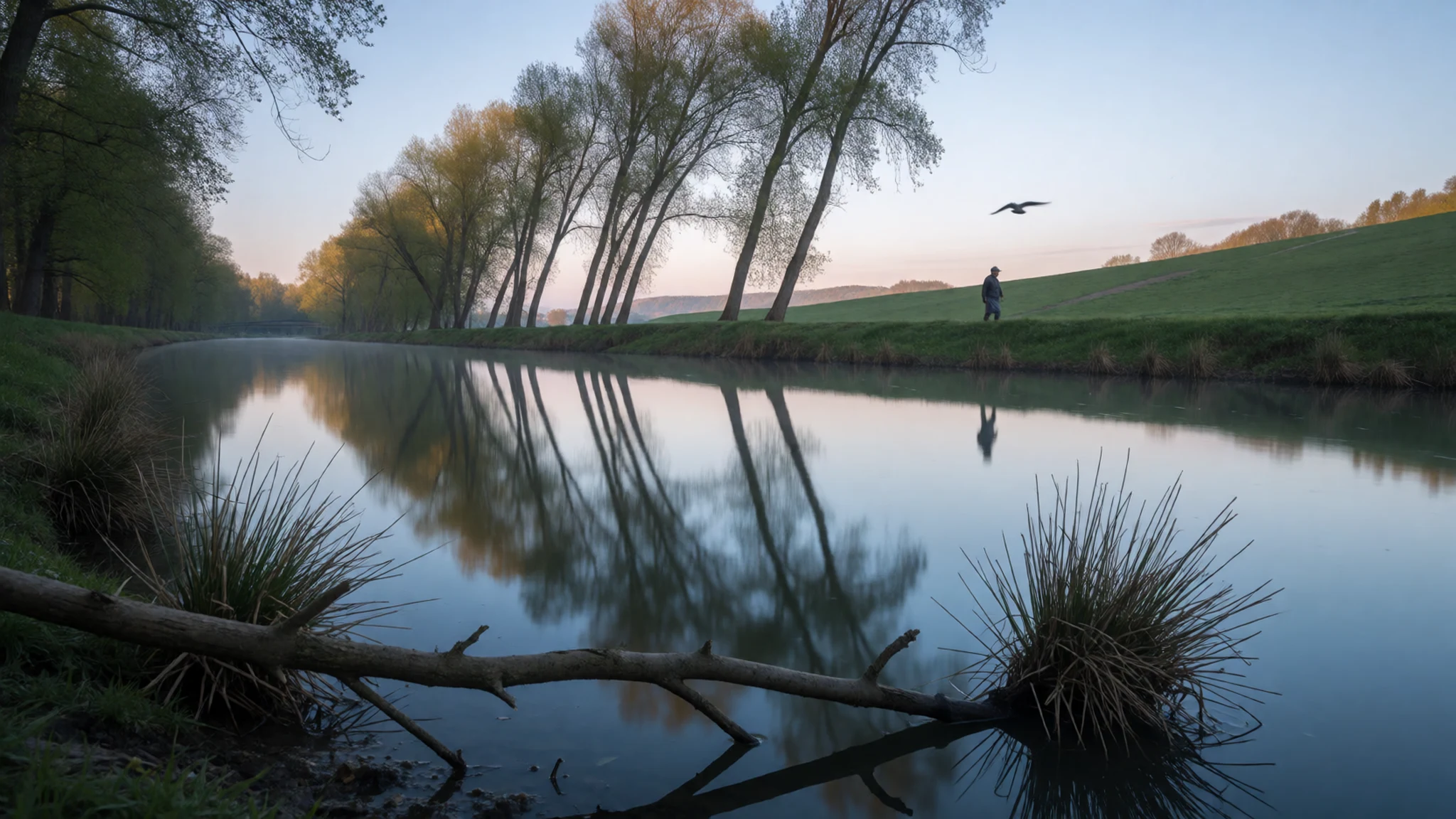
Culture
Lalakhal lies in Sylhet District, a part of Bangladesh with a strong Bengali Muslim character and, towards the nearby hills, communities with their own languages and customs. The area is a popular outing for families and groups of friends, so the atmosphere is sociable and relaxed, with picnics, loud conversation and plenty of photography. Tea is the social glue. A stop at a stall on the bank, with a plain biscuit or a hot snack, is how many people spend an hour at the water's edge. Daily life around the river is also working life. Sand is dug and moved here, boatmen earn their living from visitors, and the stalls depend on the season. Treating the place as a workplace as well as a viewpoint is the simplest way to be a good guest. Rubbish is a visible problem at busy spots, and local people and conservation-minded visitors pay attention to who leaves what behind. Language is mostly Bengali, with Sylheti, a distinct local dialect, widely spoken, and a few polite phrases in Bengali are well received. Public displays of affection and revealing clothing draw attention in a conservative setting. Ask before photographing people, take every piece of rubbish away with you, and dress modestly even when you intend to paddle.
What to wear
Lalakhal is in Sylhet District, where everyday dress follows wider Bengali custom. Traditionally, women wear the saree, in cotton for daily use and silk or fine muslin weaves such as jamdani for weddings and festivals, while men wear the lungi, a wrapped cloth, at home and the panjabi, a long cotton kurta, for prayers, festivals and formal occasions. Communities in the nearby hills have their own woven dress, worn mostly at festivals. Today most people wear practical clothes: shalwar kameez or sarees for women, shirt and trousers or a panjabi for men, and jeans and T-shirts among younger people in the towns. At the river, families often wade in their ordinary clothes instead of changing. Visitors should dress for a hot, humid, often wet climate and for a conservative setting. Light cotton or quick-dry fabrics that cover shoulders and knees work best. Women may feel more comfortable with a loose kameez and a scarf, and men are better off in long trousers than shorts. Footwear needs grip, because banks and sandbanks are wet and uneven, so sandals with straps or old trainers are better than flip-flops. Carry a lightweight rain jacket or umbrella, and a hat for the sun.
What to eat
- Shatkora beef curry — Rice-and-curry eateries in Jaintiapur and along the road to Sylhet
Shatkora is a sour, fragrant citrus grown in the Sylhet area, and its rind goes into a dark, tangy beef curry that is a regional signature. Look for it at rice-and-curry eateries in Jaintiapur and on the road back towards Sylhet city.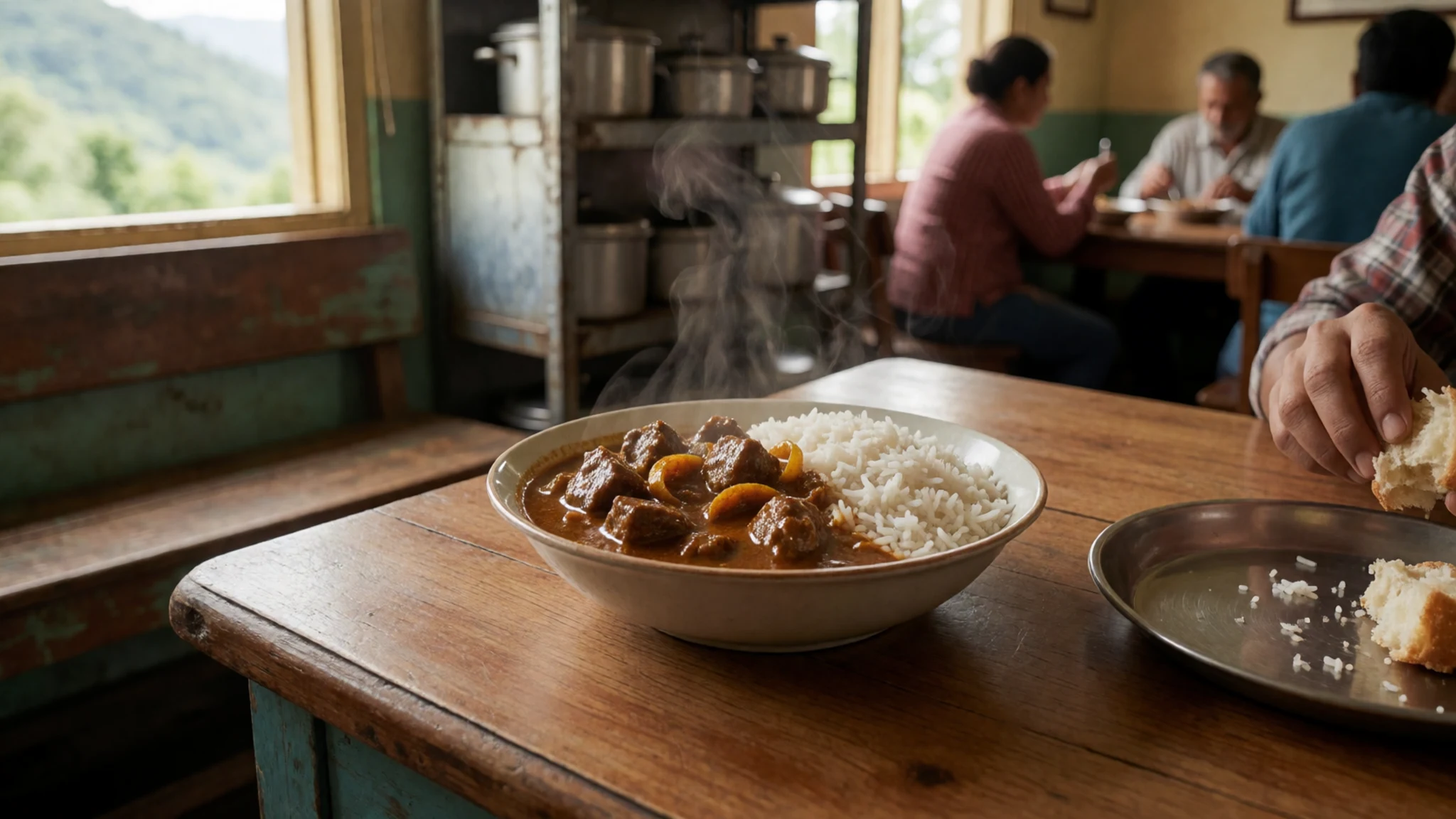
- Akhni — Local restaurants and eateries in Sylhet city and larger towns
Akhni is a spiced one-pot rice dish cooked with meat, closely tied to Sylhet cooking and often served at gatherings. It is richer than plain rice and curry, so it suits a late lunch after a morning by the water.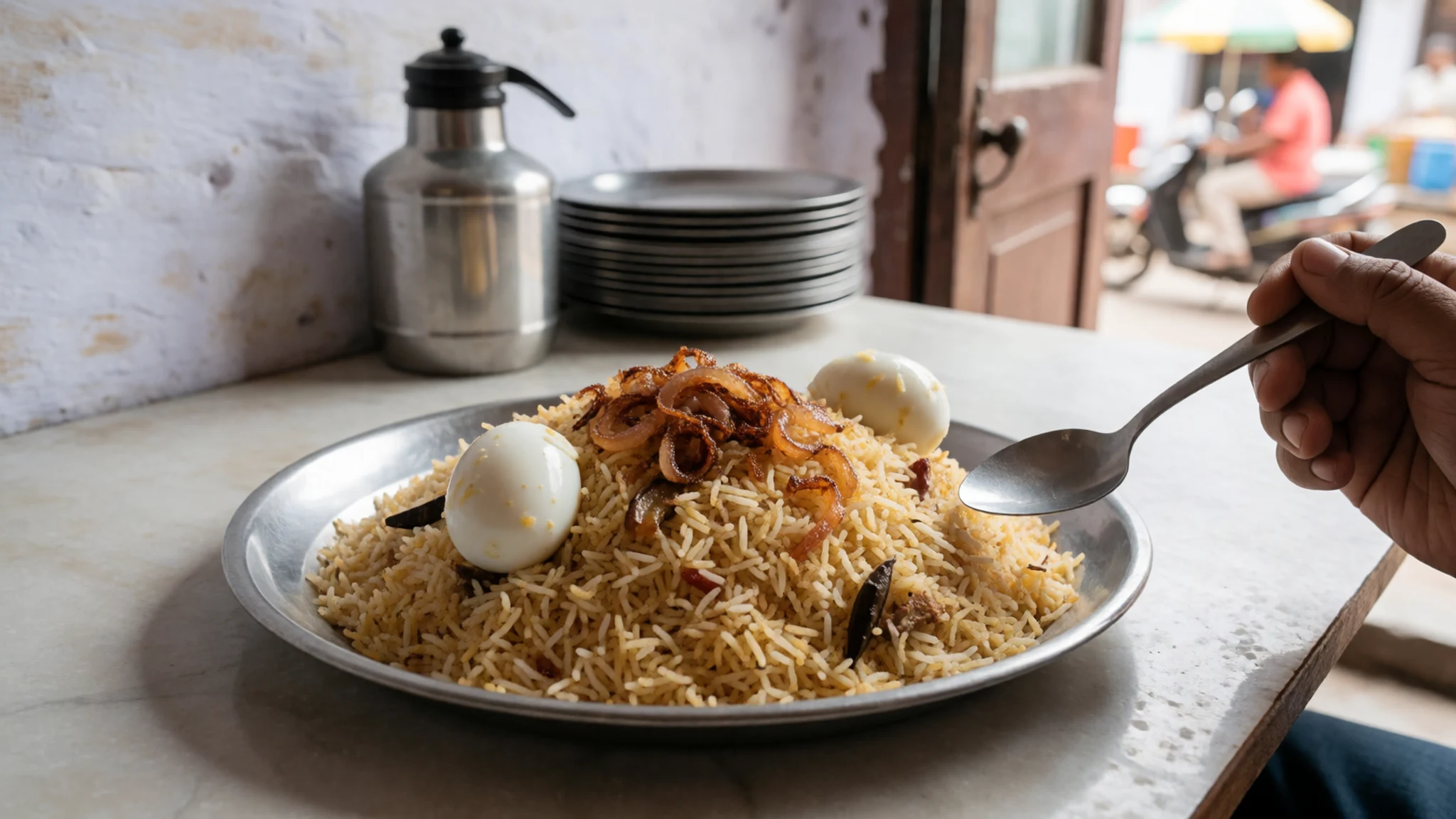
- Fried or curried local fish — Simple eateries and bazaar stalls near the river
Freshwater fish is a staple across Bangladesh, and the catch changes with the season. Ask what is fresh that day and whether it is fried, curried with mustard or cooked with vegetables. Small eateries near the river often have fish on the menu. - Singara with milk tea — Tea stalls along the bank at Lalakhal
A hot, triangular pastry filled with spiced potato, usually eaten with a glass of sweet tea, is the standard snack at the water's edge. It is cheap, filling and made fresh in small batches, so watch for the stalls with a queue. - Seasonal fruit — Roadside sellers near the Tamabil road and Jaintiapur bazaar
The hills of this region grow fruit such as pineapple and jackfruit, and sellers set up near busy roads and viewpoints when the harvest is on. It is a refreshing, low-effort stop on a humid day, and a way to try what is in season.
Plan it
Best time. November to February is the drier, cooler part of the year in Sylhet, which makes walking by the river more comfortable. The rainy months bring heavy showers and often muddier water, though some visitors report stronger colour after rain, so check recent conditions before travelling.
How long. 1
Getting there. Osmani International Airport (ZYL) serves Sylhet; from there, travel by road through Sylhet city towards Jaintiapur and along the Tamabil road to Lalakhal. Check current road and transport options locally before setting out.
Budget. low
Tips
- Go early on a weekday if possible, since weekends and holidays are crowded
- Carry cash, because stalls and boatmen may not take cards
- Bring drinking water and sun protection, as shade is limited on the sandbanks
- Check the weather and recent rain first, because muddy water hides the colour
- The Tamabil road leads to a border crossing, so carry identification and check current rules for foreign visitors
Etiquette
- Take all rubbish with you
- Ask before photographing people, especially women and families
- Dress modestly, even if you plan to paddle
Nearby
Sources
- Wikidata Q55232267 (CC0)
- Wikipedia: Lalakhal (rev 1376595706) (CC BY-SA 4.0)
- Wikivoyage: Sylhet Division (rev 5270840) (CC BY-SA 4.0)
- Lalakhal - Sylhet, Nabilsyl, via Wikimedia Commons (CC BY-SA 4.0)
- A Hotel & Restaurant for Tourist in Lalakhal, Abu Sayeed, via Wikimedia Commons (CC BY-SA 4.0)
- Beautiful LalaKhal Sylhet 3, Sharifsufian, via Wikimedia Commons (CC BY-SA 4.0)
- Beautiful LalaKhal Sylhet 4, Sharifsufian, via Wikimedia Commons (CC BY-SA 4.0)
- Beautiful LalaKhal Sylhet 6, Sharifsufian, via Wikimedia Commons (CC BY-SA 4.0)
- Beautiful LalaKhal Sylhet 7, Sharifsufian, via Wikimedia Commons (CC BY-SA 4.0)
- Beautiful LalaKhal Sylhet 8, Sharifsufian, via Wikimedia Commons (CC BY-SA 4.0)
- Beautiful LalaKhal Sylhet 2, Sharifsufian, via Wikimedia Commons (CC BY-SA 4.0)


