Kaptai Lake
Kaptai Lake, Bangladesh
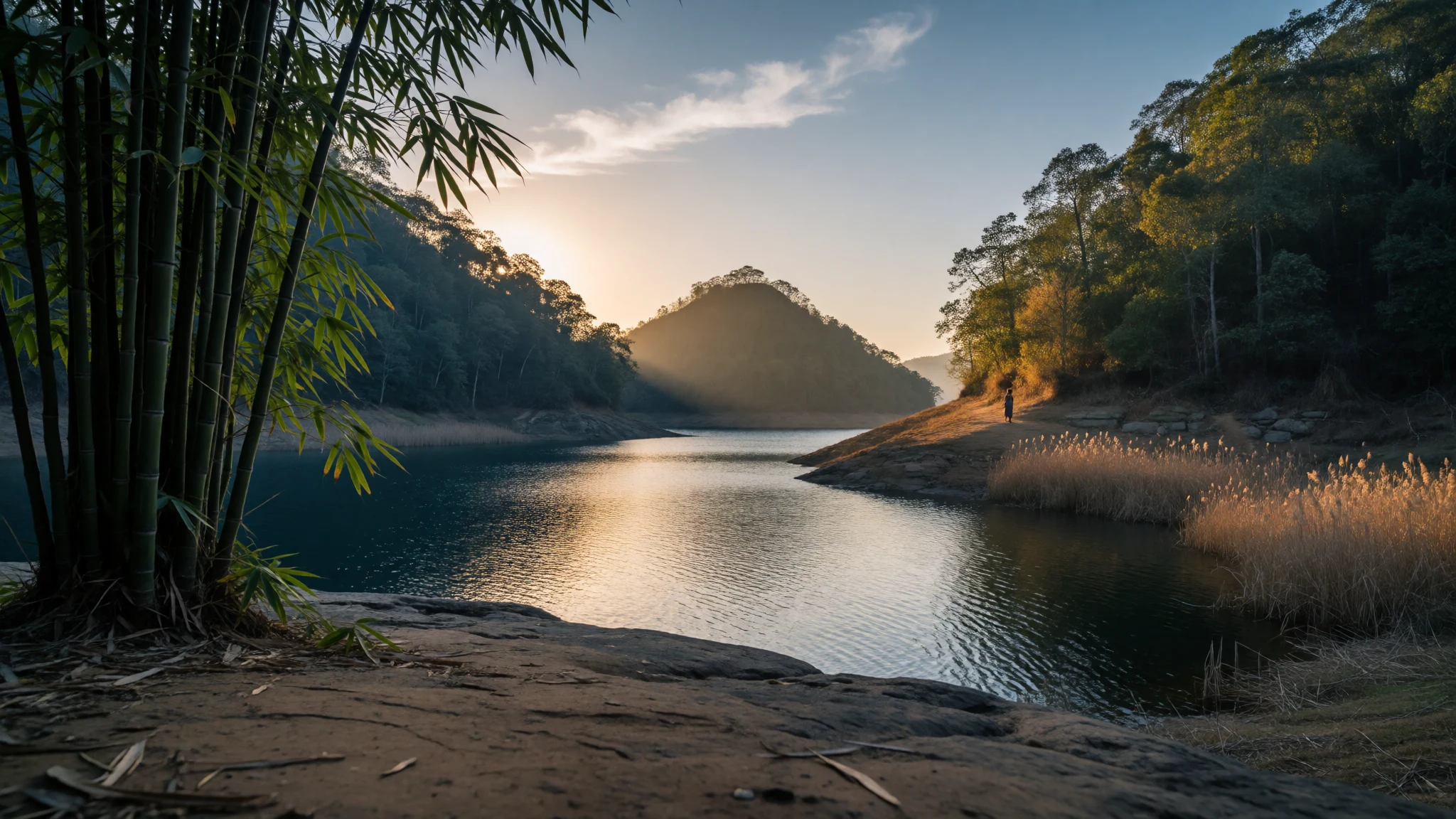
Kaptai Lake is a vast, hill-ringed reservoir in south-eastern Bangladesh, where wooden boats replace roads and hill communities live beside drowned valleys.
The place
Kaptai Lake is a reservoir in the Chittagong Hill Tracts of south-eastern Bangladesh, in Rangamati District, and local people often call it simply the lake. It exists because a dam closed off the Karnaphuli River and the water backed up into a maze of valleys, so the shoreline is long, ragged and full of coves rather than a neat oval. Forested hills drop straight to the water, and many of the small islands are old hilltops. Wikipedia describes it as the largest man-made lake in Bangladesh. The average depth is about 30 m and the deepest point about 53 m, enough for working boats to run all day without worrying about shallows. Rangamati town, on the western side, is the usual base: a hillside settlement of markets, guesthouses and jetties where the lake is the main road. Beyond it, villages of the Chakma, Marma, Tripura and other hill communities sit on slopes and spits, reached by boat far more often than by road. The landscape is green and quiet compared with the plains around Dhaka or Chattogram, and the pace follows the water. Mornings bring mist, midday brings glare and heat, and evening light turns the hills layered blue. The lake also feeds the hydropower station at Kaptai, so water levels shift with the seasons, and the monsoon months look very different from the dry winter. A visit here is about boats, viewpoints and the slow rhythm of a hill region rather than ticking off monuments.
Its story
Kaptai Lake was made, not found. Wikidata dates it to 1962, and the groundwork began a few years earlier under the government of what was then East Pakistan, which wanted hydroelectric power from the Karnaphuli River. Two engineering companies, International Engineering Company and Utah International, won the contract for the dam, which is about 54.7 m high and 670.8 m long. Once it closed the valley, the water rose behind it and swallowed the land upstream. The cost fell on the people who lived there. Around 40% of the area's arable land went under, and about 100,000 people were displaced, many of them hill families who lost their fields and homes. The palace of the Chakma king was flooded as well and still lies beneath the surface. For many families the lake is a memory of loss as much as a place of leisure, and that sits quietly behind the pretty views. The power station keeps running, and managing the water remains a live issue. In early September 2024, heavy rain around Rangamati and steady inflow from upstream pushed the lake to its danger level, and 16 sluice gates at the dam were opened to let water out into the Karnaphuli. Rising water upstream and flooding downstream were a reminder that this is a managed machine as well as a scenic lake.
What to see
- Rangamati Hanging Bridge — Rangamati town
A suspension footbridge across an arm of the lake at Rangamati, and the town's best-known landmark. It is short, so the point is the view: boats below, wooded hills beyond, and families strolling at dusk. Go in the morning or late afternoon, when the light is soft and the heat is lower.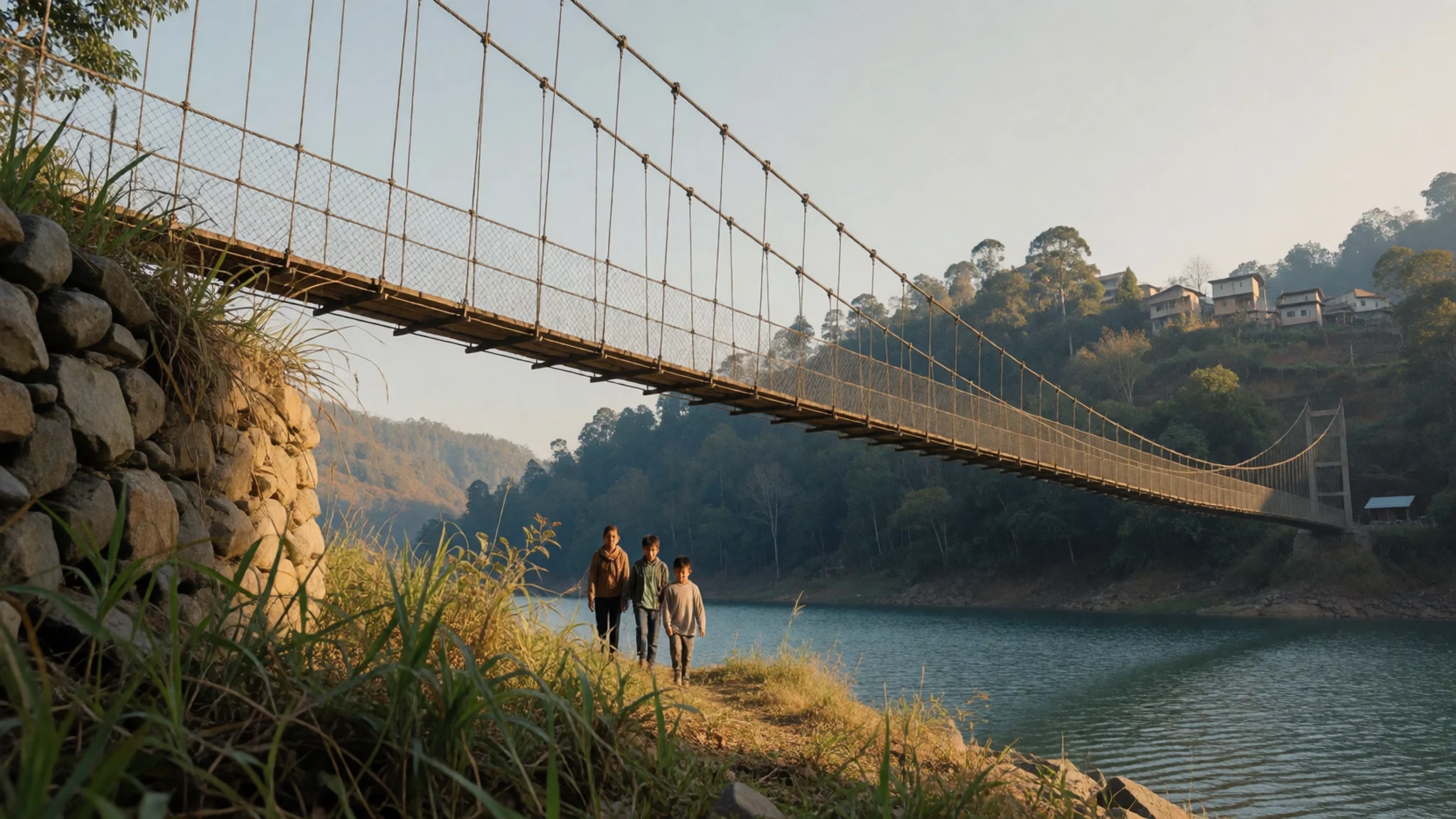
- A boat circuit of the lake — Rangamati jetties
The lake is best seen from the water. Wooden motorboats leave from the Rangamati jetties and wander between islands, coves and stilted villages, with stops at viewpoints and small shops. A half-day trip is enough for a first look; a full day reaches quieter shores. Agree the route and duration before boarding.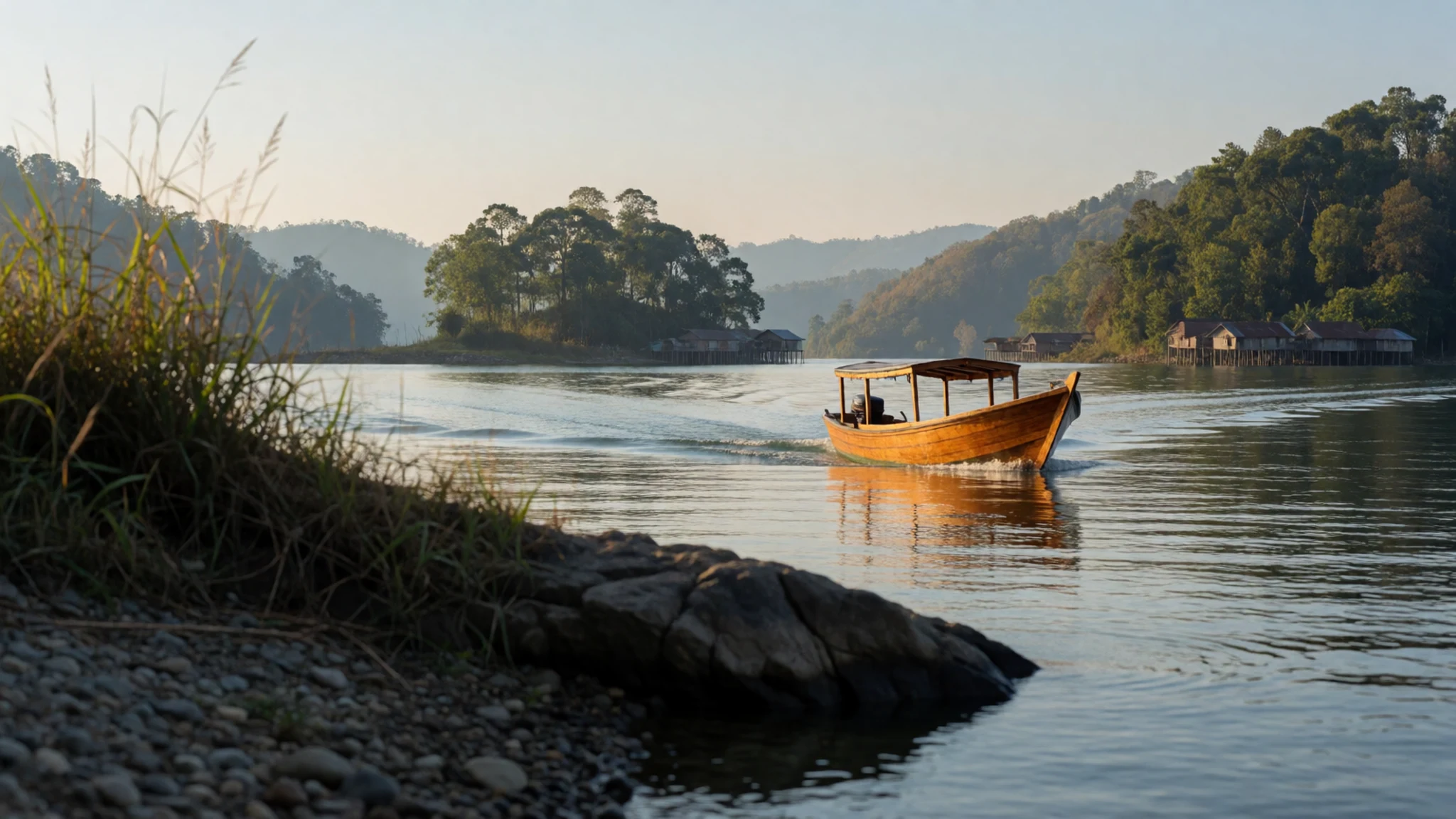
- Kaptai Dam and sluice gates — Kaptai Upazila
The dam at Kaptai is the reason the lake exists, and its sluice gates show how water is controlled when the monsoon swells the reservoir. The site is part of a working power station, so access and photography rules can change. Ask locally before heading out and treat it as a short, practical stop.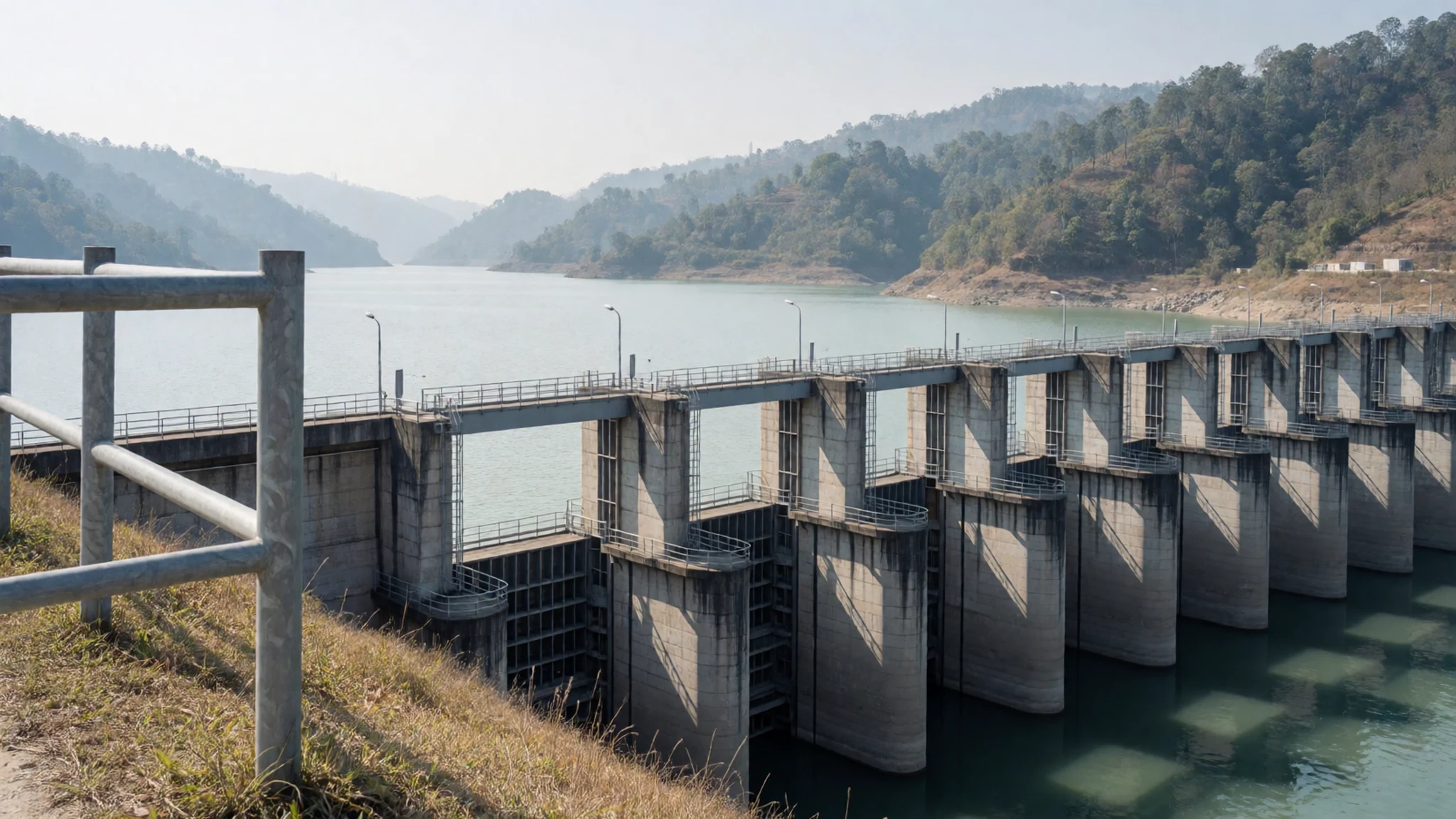
- Rajban Vihara — Rangamati district
A Buddhist monastery complex near Rangamati, active as a place of worship and learning rather than a staged attraction. Visitors can see the prayer hall, gilded images and monks going about their day. It gives useful context on the Buddhist faith of many Chakma and Marma families around the lake.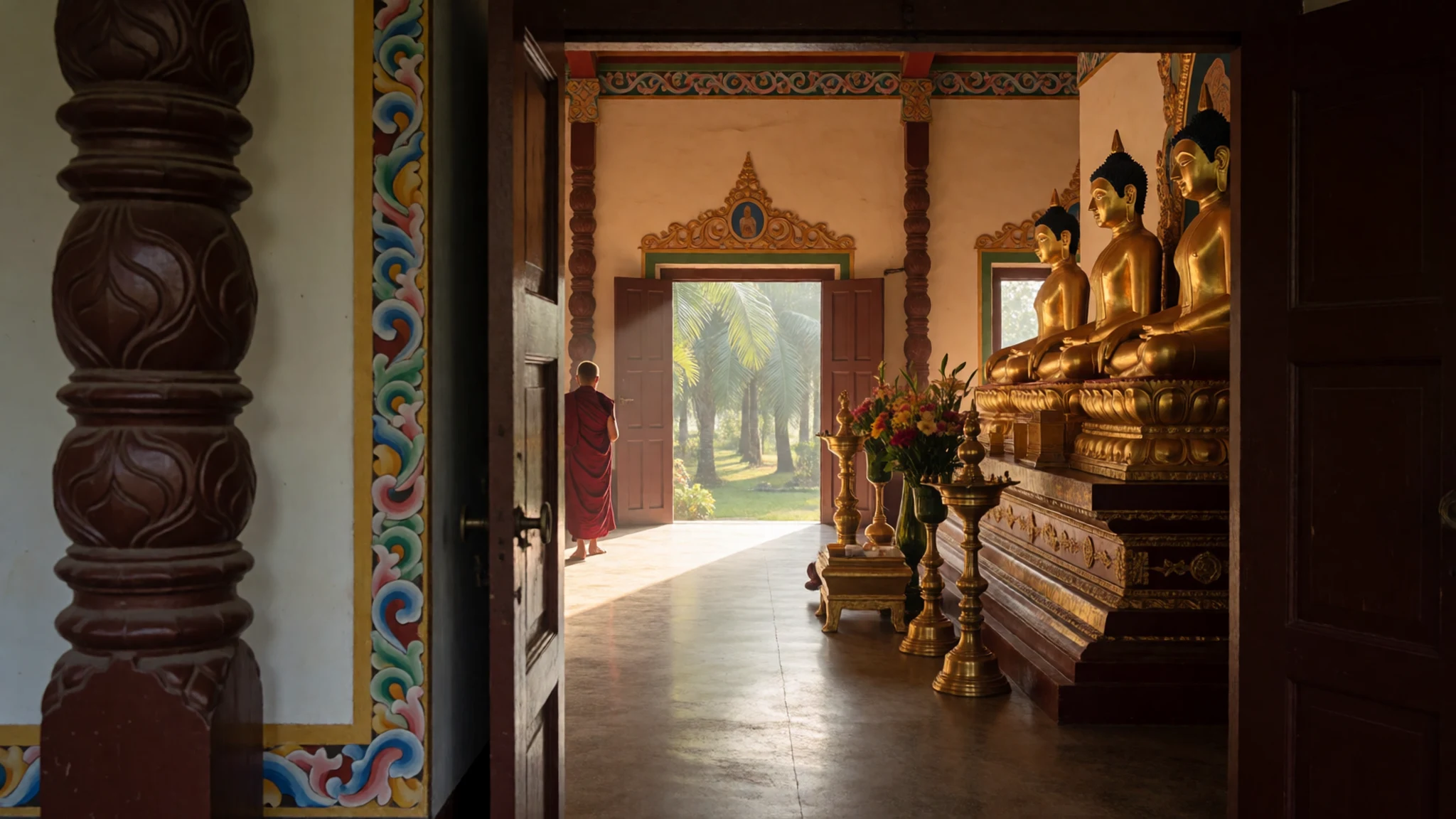
- Tribal Cultural Institute museum — Rangamati town
A small museum in Rangamati devoted to the hill peoples, with textiles, tools, ornaments and musical instruments. It is a good place to put names and patterns to the dress and crafts seen in markets. Opening days vary, so check locally before making it the centre of a plan.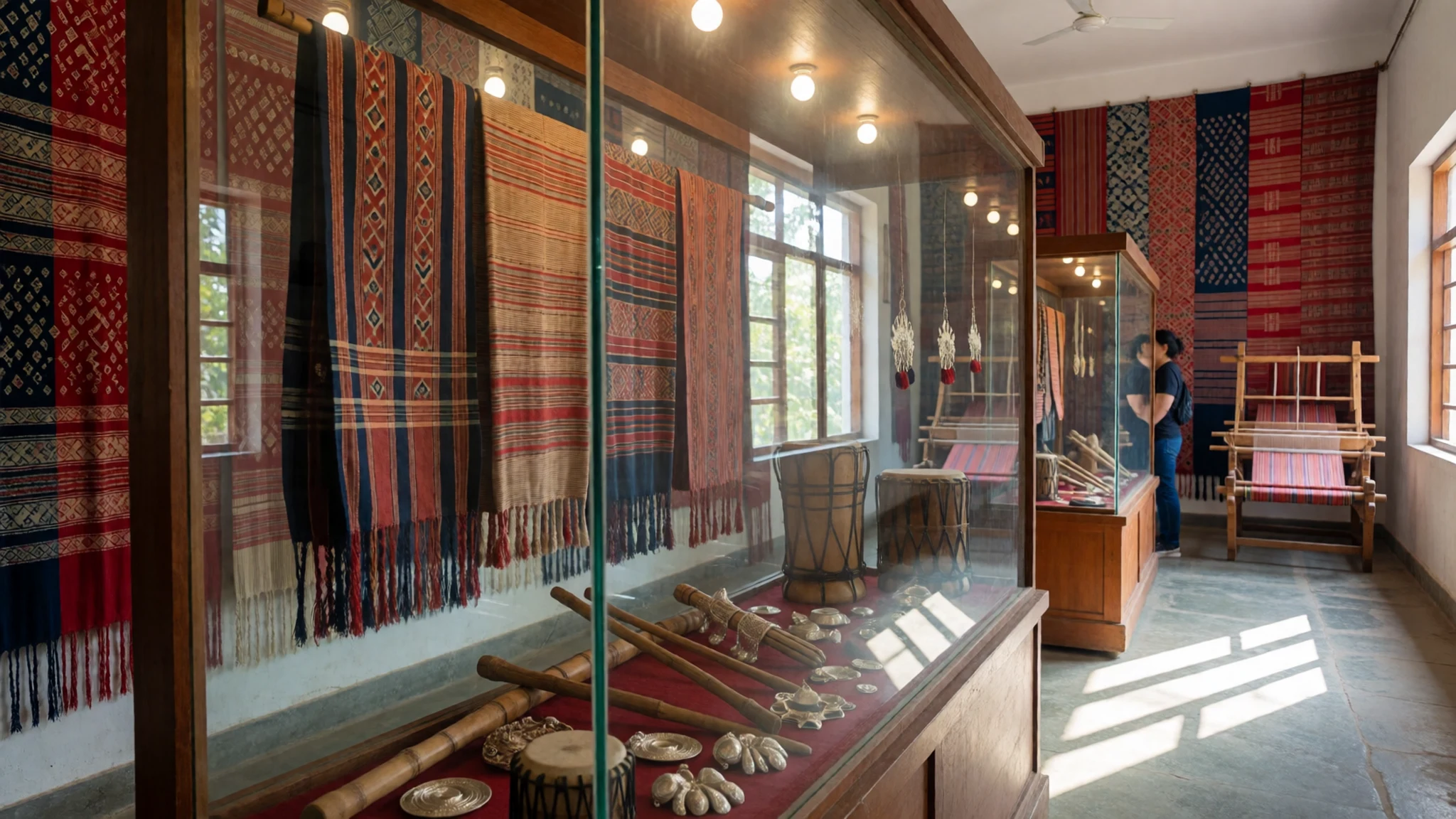
Culture
Kaptai Lake sits in the Chittagong Hill Tracts, a part of Bangladesh whose cultures differ from the Bengali-speaking plains. The hills are home to the Chakma, Marma, Tripura and other communities, each with its own language, dress and customs, and Rangamati is where many of them meet at the market. Most Chakma and Marma people follow Theravada Buddhism, so monasteries with gilded images and quiet courtyards are part of village and town life. Bengali Muslim and Hindu families also live around the lake, and the mix shows in the call to prayer drifting over the water from one shore while temple bells sound from another. The big shared moment of the year is the mid-April new year season, celebrated as Biju by the Chakma, Sangrai by the Marma and Boisuk by the Tripura, with flower offerings, water games, music and a lot of food. Rangamati gets busy around it, so rooms and boats need booking ahead. The lake's history shapes conversations too: the flooding of homes and fields is remembered in many families, and visitors who listen rather than lecture tend to hear the best stories. Handloom weaving, bamboo craft and small museums keep the heritage visible. When photographing people in villages or at monasteries, ask first, and remove shoes and cover shoulders and knees before stepping into any Buddhist temple.
What to wear
Around Kaptai Lake, traditional dress differs by community. Chakma women wear the pinon, a wraparound skirt woven in bold bands of colour, with a woven cloth called a khadi across the chest. Marma women wear a similar wrapped skirt, the thami, with a short blouse. Tripura women have their own woven cloths, often in red and white patterns. Much of this is cotton, woven on backstrap looms in homes, and it comes out most fully for the April new year festivals, weddings and temple occasions. Day to day, the picture is more mixed. Men in town wear shirts with trousers or a lungi, women in Rangamati often wear shalwar kameez or sarees, and younger people wear jeans and T-shirts; hill dress appears at the market, in villages and at ceremonies. Visitors should pack light cotton clothes that dry quickly, with long sleeves and trousers against sun and mosquitoes, plus a hat and sunglasses for the glare off the water. Shoulders and knees should be covered at monasteries, so a light scarf or shawl is useful. Footwear should be easy to slip off, but sturdy enough for wet jetties, steps and muddy village paths. In the monsoon, add a rain jacket and a waterproof bag for phones and cameras.
What to eat
- Bamboo chicken — Hill-style restaurants in Rangamati town
Chicken marinated with herbs and cooked inside a length of green bamboo, which keeps the meat moist and gives a faint smoky sweetness. It is a signature of hill cooking and is usually served with rice. Order ahead, because it takes time to prepare.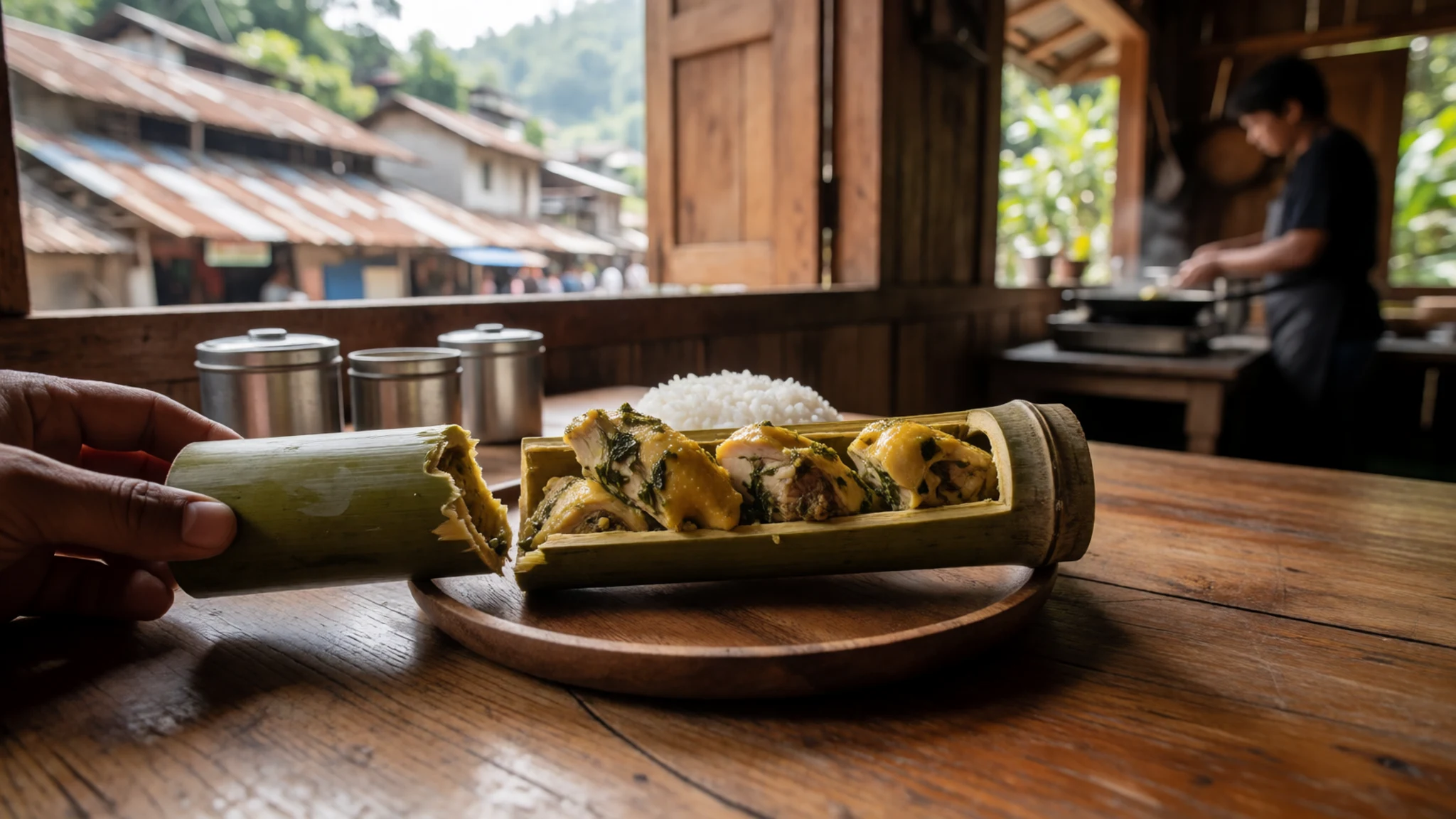
- Pajon — Home-style eateries and community meals around Rangamati
A Chakma dish of many vegetables and herbs boiled or steamed together with little oil and a touch of chilli, often with dried fish. It tastes fresh, bitter and earthy rather than rich, and shows how much hill cooking relies on foraged and farmed greens.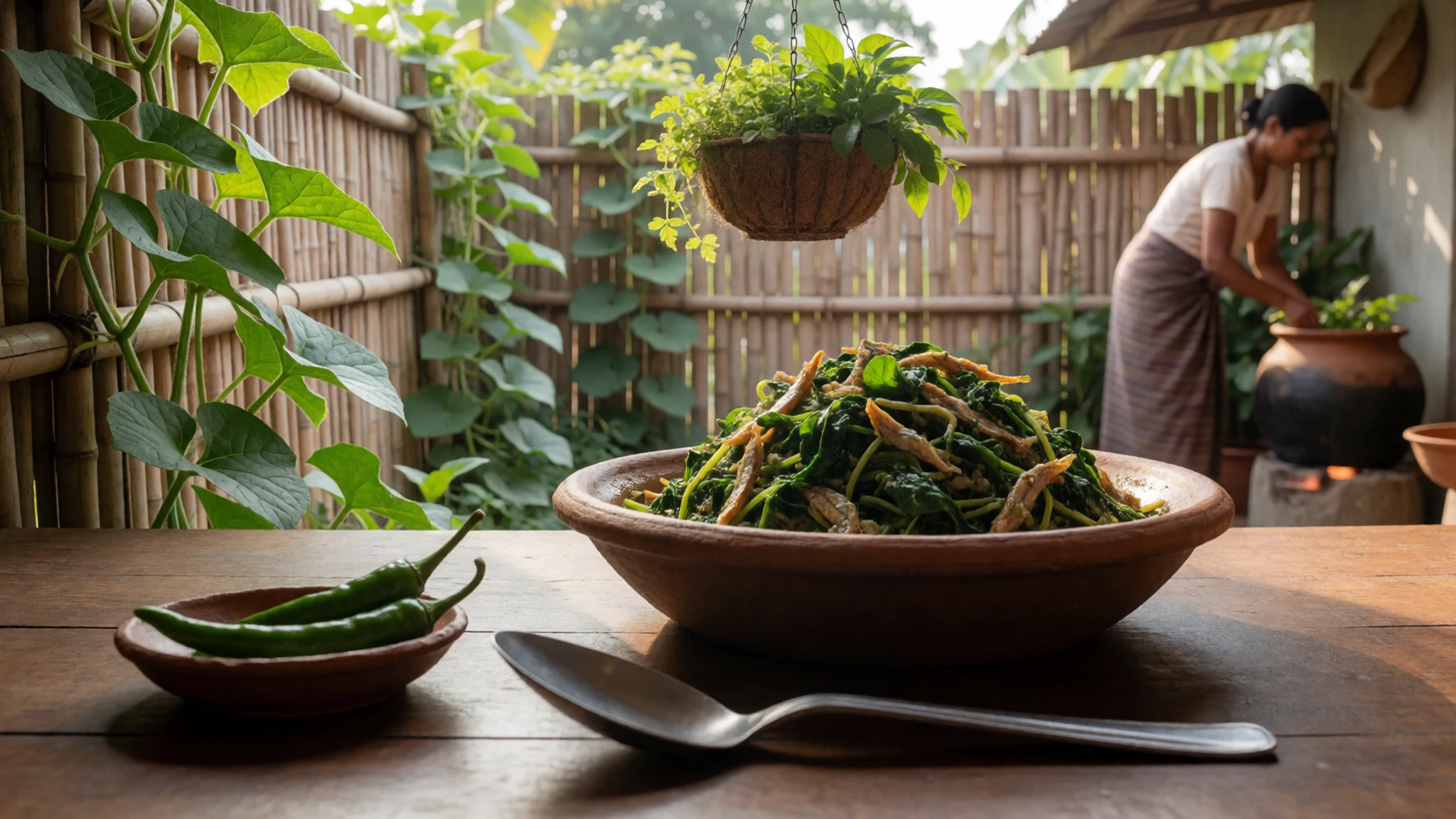
- Lake fish — Lakeside eateries and the fish market near Rangamati's jetties
Freshwater fish from the lake, usually fried or cooked in a light curry with turmeric and green chilli. Varieties change with the season and the catch. Eating it near the water, with rice and a squeeze of lime, is one of the simplest pleasures of a trip. - Bamboo shoot curry — Hill community eateries and Rangamati's main market
Young bamboo shoots, often fermented or pickled, cooked with pork, fish or vegetables. The flavour is sharp, sour and slightly funky, and it takes some getting used to. Cooks in the hills treat it as an everyday staple rather than a special dish. - Hill sticky-rice sweets — Bazaars in Rangamati and village stalls during festivals
Glutinous rice steamed or wrapped in leaves, sometimes with coconut, jaggery or sesame. They are made for festivals, especially around the new year season, and are also sold as snacks at markets. Chewy, mild and not too sweet, they travel well in a day bag.
Plan it
Best time. November to March is the best window: the weather is cooler and drier, skies are clearer and boat days are comfortable. April and May are hot and humid before the rains. June to September is the monsoon, with heavy rain, high water and a real chance of disrupted boat trips and road delays.
How long. 2–3
Getting there. The nearest major airport is Shah Amanat International in Chattogram, with flights and trains linking it to Dhaka. From Chattogram, buses and cars run to Rangamati, the lake's main base, a few hours by road. From Rangamati, boats are the way to reach the lake's shores and villages. Check current rules on permissions for travel in hill districts before you go.
Budget. low
Tips
- Agree the boat route, duration and price at the jetty before you board, and check that life jackets are on board
- Carry enough cash from Chattogram or Rangamati, as cards and mobile signal can be patchy around the lake
- Start boat trips early to enjoy cooler air and softer light, and carry plenty of drinking water, sun cream and a hat
- Book rooms ahead around the mid-April new year festivals and in the dry-season weekends, when Rangamati fills up
- Avoid boat trips in storms or heavy monsoon weather, and ask locally if the lake is rough
Etiquette
- Ask before photographing people, homes or monastery interiors
- Remove shoes and cover shoulders and knees at Buddhist temples
- Treat the history of displacement with care, and ask questions rather than assume
Nearby
Sources
- Wikidata Q10995968 (CC0)
- Wikipedia: Kaptai Lake (rev 1366035849) (CC BY-SA 4.0)
- Wikivoyage: Rangamati (CC BY-SA 4.0)
- Photo: Aronnak Holiday Cottage, Rangamati (Fahad Faisal) (CC BY-SA 4.0)
- Photo: Kaptai Lake view in Karnafuly, Rangamati (Josephite 25) (CC BY-SA 4.0)
- Photo: Hanging Bridge, Kaptai Lake (Shakhawat Hossen Shafat) (CC BY-SA 4.0)
- Photo: Wooden boat, Kaptai Lake (Moheen Reeyad) (CC BY-SA 4.0)
- Photo: Aronnak Holiday Cottage, Rangamati (Fahad Faisal) (CC BY-SA 4.0)
- Photo: View of Kaptai Lake, Rangamati (Salim Khandoker) (CC BY-SA 4.0)
- Photo: Kaptai Lake sluice gate (Hrksmp) (CC BY-SA 4.0)
- Photo: Kaptai Cantonment (Hrksmp) (CC BY-SA 4.0)


