Chittagong
Chittagong, Bangladesh
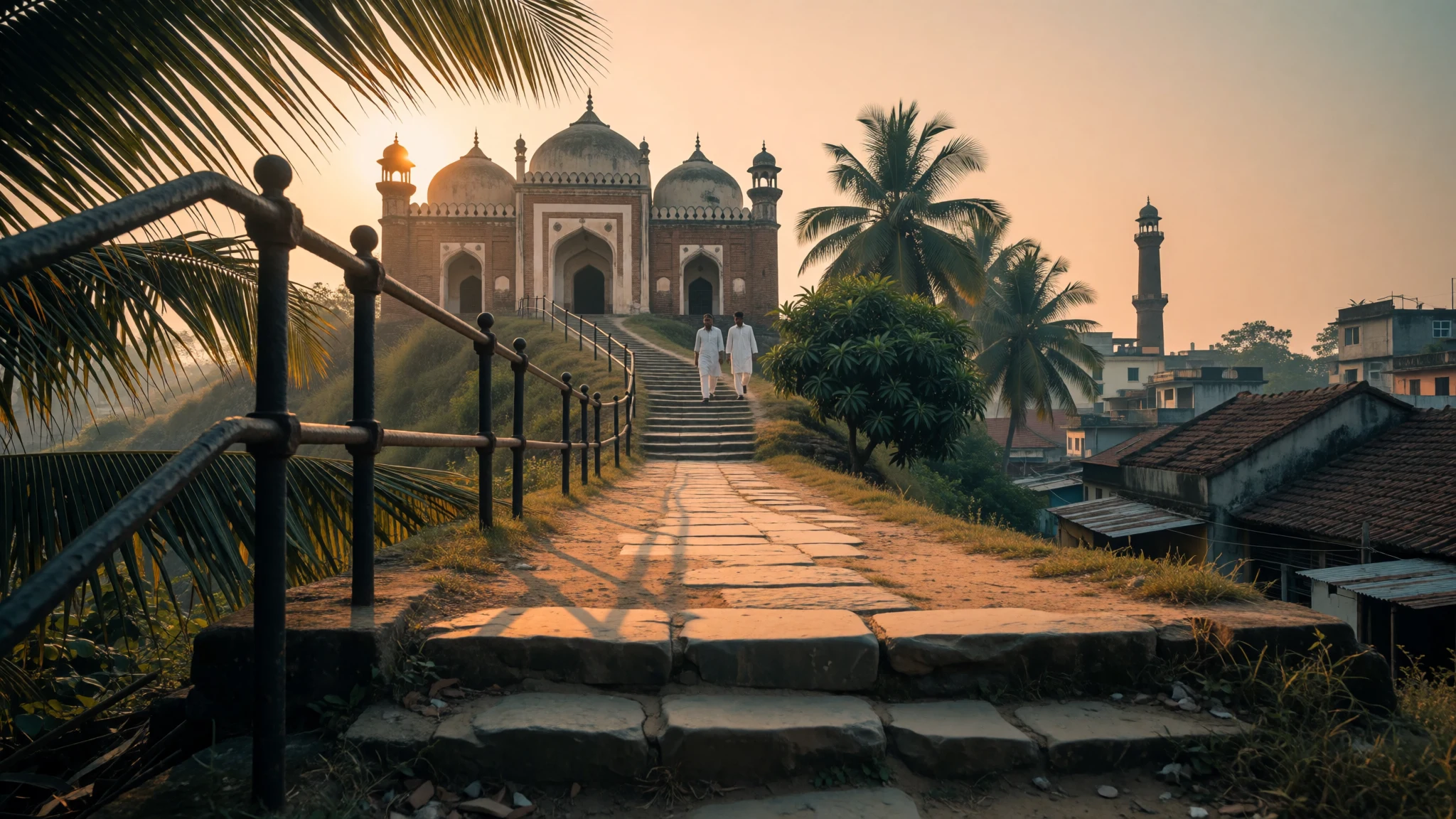
Chittagong is a working port city on the Karnaphuli, where old mosques, Buddhist monasteries, hills and a sea beach sit among container yards.
The place
Chittagong, officially Chattogram (চট্টগ্রাম), is the second city of Bangladesh, with more than 5.6 million people and a ground level only about 6 metres above the sea. It lies along the Karnaphuli River, in the narrow gap between the forested Chittagong Hill Tracts to the east and the Bay of Bengal to the west. That squeeze explains much of its character: low, dense, humid streets with small hills rising abruptly out of them, and the river and the sea never far away. The port is the busiest in the country, and the city is often called the business capital of Bangladesh. Container stacks, shipyards and warehouses fill parts of the waterfront, and goods such as tea, jute and petroleum products leave from here. This is a working city rather than a polished resort. Traffic is heavy, pavements are patchy and the air can be hazy in the dry months. Yet there are pleasant pockets: a hill-ringed lake, a long beach at Patenga where families gather at sunset, old hilltop mosques and a quiet war cemetery. Neighbourhoods have distinct feels. Agrabad is the commercial core of offices, banks and restaurants. The old city around Anderkilla is older and tighter, with lanes that climb small rises. The north holds the university areas, the zoo and more green space. Chittagonians speak their own tongue, close to Bengali but different enough that many Bengali speakers from elsewhere struggle with it. The city rewards anyone who accepts the noise, gets out early and uses it as a base for the surrounding hills and coast.
Its story
Chittagong has been a harbour for a very long time. Stone Age tools and fossils from the surrounding region point to settlement in Neolithic times, and written records of the port reach back to the 4th century BC. Ptolemy's world map marked it, and merchants on the Silk Road's southern, maritime strand knew it as a place to load and unload. Early kingdoms of the region, Samatata and Harikela among them, were followed by a succession of dynasties. In the 7th century the Chinese traveller Xuanzang wrote of a land half asleep in mist and water. Sufi missionaries settled here and helped carry Islam along this coast. Sultan Fakhruddin Mubarak Shah of Sonargaon took control in 1340, making Chittagong the sea gate of the Sultanate of Bengal, a wealthy state by the standards of the subcontinent. Ships sailed to China, Sumatra, the Maldives, Sri Lanka, the Middle East and East Africa with pearls, silk, muslin, rice, horses and even gunpowder, and local yards built vessels. Ibn Battuta stopped here in 1345, and the Venetian Niccolò de' Conti passed through around the same period. Portuguese seafarers came later, and the Portuguese Empire is among the powers tied to the city's past. The Mughals took Chittagong in 1666 and gave it the name Islamabad. Each wave of traders, soldiers and preachers left traces in the city's mosques, vocabulary and recipes, which is why a modern container port still feels layered rather than new.
What to see
- Anderkilla Shahi Jame Mosque — Anderkilla, old city
This mosque stands on a small rise in the old city and dates from the years after the Mughal takeover in 1666. It is a good place to start, since the climb gives a sense of the city's layout and its Mughal-era name. Visit outside prayer times and dress modestly. - Chittagong Buddhist Monastery — Central Chittagong
One of the holy places for Buddhists in Bangladesh, the monastery holds relics associated with the Buddha, a bronze-toned statue, a meditation hall and a library. It is calm compared with the surrounding streets. Remove shoes at the doors and keep voices low. - J M Sen Hall — Central Chittagong
Chittagong's first town hall took its foundation stone in 1916 and carries the name of Jatramohan Sen, a Bengali lawyer, politician and social activist. The auditorium is the draw for anyone interested in colonial-era civic buildings and in how the city remembers its public figures. - Chittagong War Cemetery — Hill-side garden in the city
Neat lawns and rows of headstones make this one of the most peaceful corners of Chittagong. It holds Commonwealth graves from the Second World War, when Bengal sat close to the Burma front. Allow half an hour and go in the morning, before the heat builds.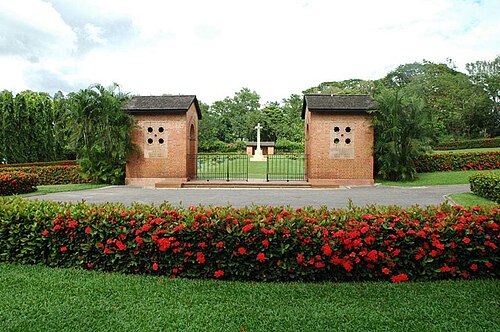
- Foy's Lake — North Chittagong, Pahartali
A reservoir lake ringed by green hills, with a leisure area beside it. It is a popular weekend outing for local families, so weekdays are quieter. The water and shade make it a welcome break from the city centre, especially in the cooler months.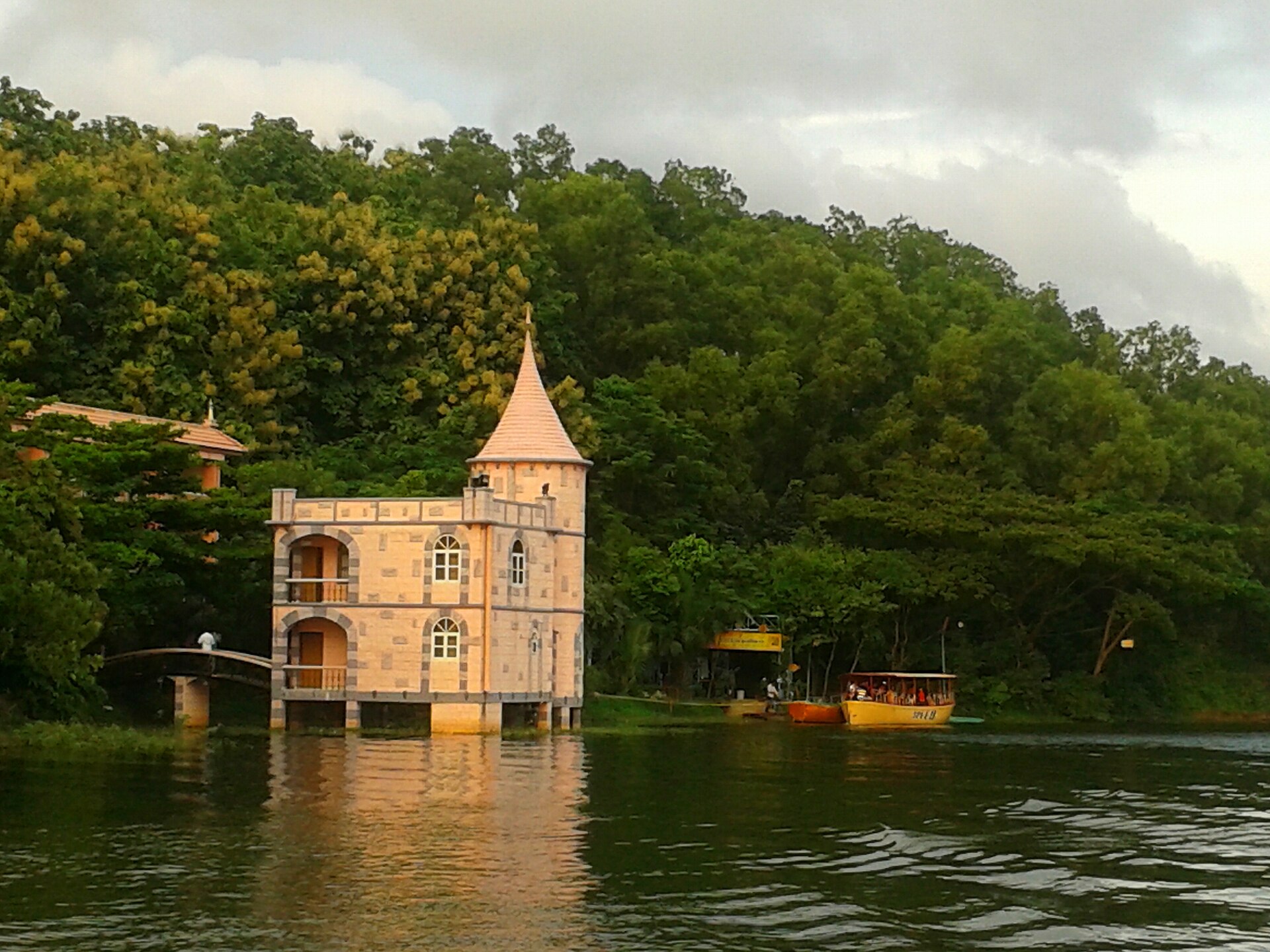
- Patenga Beach — Where the Karnaphuli meets the sea
The city's main beach lies where the river reaches the Bay of Bengal. It is better for an evening walk, snacks and watching ships wait offshore than for swimming. Sunset draws crowds, so arrive early, keep valuables close and take care with currents and tides.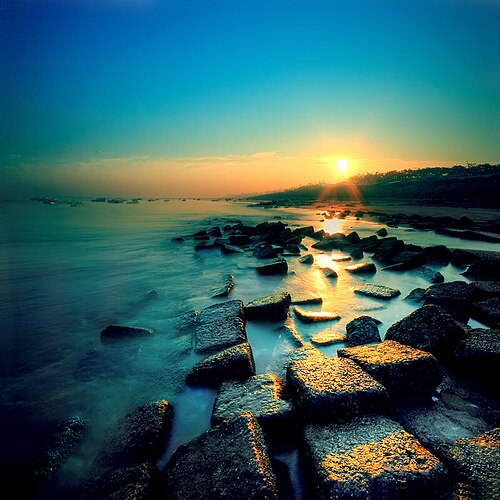
Culture
Chittagong is a port city, and centuries of arriving merchants, sailors and preachers have shaped how its people speak, eat and worship. Residents are called Chittagonians, and their language is usually classed as a Bengali dialect but is distinct enough that many linguists treat it as separate. It carries loanwords from Arabic, Persian, Portuguese and English, a record of the traders who came through. The old quarter still goes by the Mughal-era name Islamabad, recalling the city's role as an early gateway for Islam in Bengal, and mosques and shrines stand alongside Buddhist monasteries and Hindu temples. Feasts are central to social life; the Mezban, a community meal built around a hot beef curry and white rice, is the best known. Cooking here is bold, oily and heavy with chilli, and the city has a long history of cultivating pink pearls. Friday is the main day of prayer, so central streets and mosques are busiest around midday. The sea and the port shape work, trade and conversation as much as the hills do, and the mix of faiths and origins gives the city a more relaxed, plural feel than its busy streets might suggest. Visitors should dress modestly, take shoes off before entering any mosque or monastery, and ask permission before photographing people, especially women.
What to wear
In Chittagong, as across Bengal, traditional dress means the sari for women and the lungi or dhoti for many men, with the panjabi, a long cotton or silk tunic, worn for prayers, weddings and festivals. Cotton and muslin are the classic fabrics, and Pohela Boishakh, the Bengali new year, brings out red-and-white saris and bright panjabis. The hill peoples east of the city, such as the Chakma and Marma, wear their own woven wraps and skirts, made on backstrap looms in bold stripes. Day to day, office workers in Agrabad wear trousers and shirts, while many women choose shalwar kameez, saris or abayas and headscarves, and young people favour jeans and T-shirts. Dress is generally conservative outside the beach and park areas. A visitor should pack light, loose cotton that covers shoulders and knees, long sleeves for sun and mosque visits, and a scarf for women to cover the head where needed. Closed shoes or sandals that slip off easily suit a city where footwear comes off at religious sites. In the monsoon carry a light rain jacket or umbrella, as pavements flood quickly, and in the hot months a hat and sunglasses help. Avoid shorts and sleeveless tops away from the hotel pool or beach.
What to eat
- Mezbani beef — Local eateries advertising Chattogram-style Mezbani, and community feasts
The signature of Chittagong's feast tradition: beef cooked until tender in a dark, peppery gravy and eaten with plain white rice. Locals serve it at weddings and gatherings, and some eateries make it daily. Expect real heat. - Kala bhuna — Traditional beef-and-rice restaurants in the old city and Agrabad
Beef slow-cooked with mustard oil and whole spices until the sauce turns almost black and clings to the meat. It is known across Bangladesh as a Chittagong dish. Order with plain rice or paratha and a little yoghurt to cool the spice. - Shutki — Home-style eateries and bazaars selling dried fish
Sun-dried fish cooked with chillies, onion and oil, a strong-smelling local favourite. Newcomers may find it intense, but it shows how coastal people preserved the catch. Try a small portion first and eat it with rice. - Fried and grilled fish — Stalls and small restaurants near Patenga Beach
Seafood from the Bay of Bengal is fried or grilled with spices and served hot. The beach stalls are the casual option for an evening meal. Choose busy stalls where the fish is cooked fresh in front of you. - Fuchka and chotpoti — Street carts near parks, universities and busy junctions
Crisp shells filled with spiced chickpeas, potato and tamarind water, and a tangy chickpea plate topped with egg. These are the standard snacks of Bengali city life. Pick a busy cart and avoid raw salad toppings if your stomach is sensitive.
Plan it
Best time. November to February is the most comfortable time, with cooler, drier weather before the heat returns. April to May is hot and very humid, and the summer monsoon, running from April to September, peaks from June to August with heavy rain and street flooding. The Bay of Bengal also produces cyclones around the monsoon's edges, so check forecasts for April–May and October–November.
How long. 2–3
Getting there. Shah Amanat International Airport (CGP) has several daily flights from Dhaka and international links including Kolkata, Dubai, Doha, Bangkok and Kuala Lumpur. From the airport, taxis, auto-rickshaws and buses run into the city; agree the fare before getting in. Trains from Dhaka, Sylhet and other cities terminate at Chittagong Railway Station, a short ride from the old city.
Budget. low
Tips
- Start sightseeing early; midday heat and traffic slow everything down
- Carry cash for taxis, rickshaws and small eateries, as cards are not accepted everywhere
- Drink bottled water and eat at busy places; local food is oily and spicy and can upset a sensitive stomach
- Skip raw salad served with meals unless you trust the kitchen
- For city services and notices, check the city corporation website at https://ccc.gov.bd/
Etiquette
- Dress modestly and remove shoes at mosques and monasteries
- Ask before photographing people, especially women
- Avoid eating or drinking openly in public during Ramadan daylight hours
Nearby
Sources
- Wikidata Q376749 (CC0)
- Wikipedia: Chittagong (rev 1384873721) (CC BY-SA 4.0)
- Wikivoyage: Chittagong (rev 5397613) (CC BY-SA 4.0)
- Park at Chittagong, Great Hero32 (CC BY-SA 4.0)
- Chittagong War Cemetary, Hossain Toufique Iftekher (CC BY 3.0)
- Lake of Foy's Lake, Raihan Rana (CC BY-SA 4.0)
- Patenga beach, Ziaul Hoque (CC BY 2.5)
- Central Railway Building, Omar Faruk.bd (CC BY 2.5)
- Chandanpura Nachghar, Intakhab (CC BY-SA 4.0)
- Stacking Intermodal container in Port of Chittagong, Moheen Reeyad (CC BY-SA 4.0)
- Karnafully Bridge Chittagong, Mohammed Abdullah (CC BY 2.5)


