Cox's Bazar
Cox's Bazar, Bangladesh
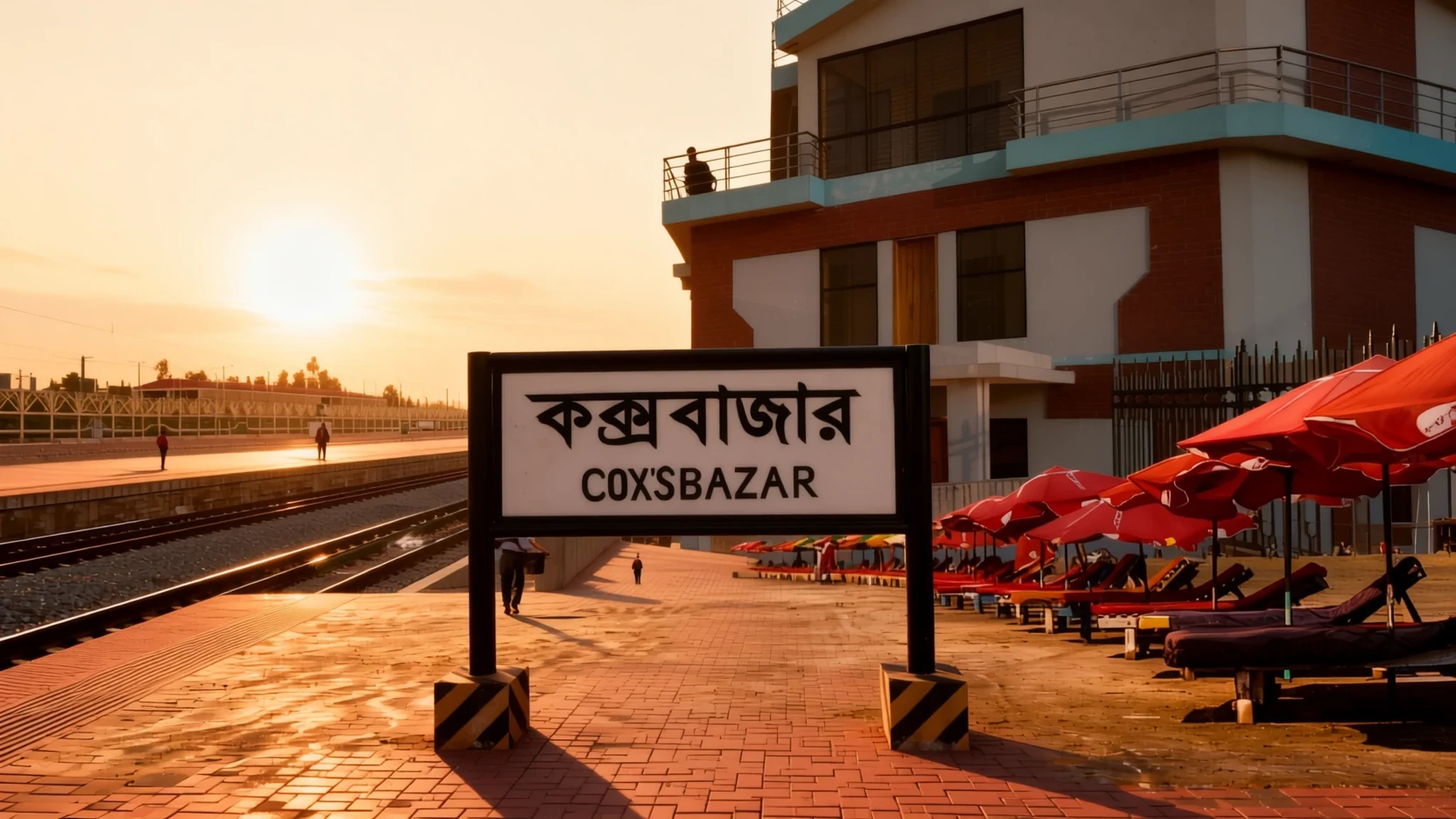
A long sandy beach, a slow fishing town and a fried-fish lunch make Cox's Bazar a good base for a relaxed coast break.
The place
Cox's Bazar is a city on the south-eastern coast of Bangladesh. It serves as the administrative centre of its district and as a fishing port, and tourism is now the main economic activity. The population is about 196,000, and the ground lies roughly 3 m above sea level, a detail that matters when cyclones bring storm surges. The town lies on a low coastal flatland that seems to jut out toward the Bay of Bengal, with a wide strip of sand and dunes running along the shore. Most of the built-up area stands on a floodplain lower than those dunes, which is why flooding remains a concern in heavy weather. The sea beach is the reason most visitors come. It has a gentle slope and runs for a remarkable stretch, making it one of the longest natural sea beaches in South East Asia. Away from the main strip, the town keeps a slower rhythm of fishing boats, markets and small eateries. A busy hotel zone lies to the south, while quieter guesthouses cluster nearer the centre. The climate follows the tropical monsoon pattern of Bangladesh, hot and very humid with heavy rain, and the coast receives an even wetter southwest monsoon.
Its story
Cox's Bazar's story begins well before the town had its present name. Through the early medieval centuries the wider Chittagong region was ruled by the kings of Arakan, and the coast passed to the Mughals later, when they took the area for themselves. A tale survives of a Mughal prince, Shah Shuja, travelling through these hills towards Arakan. He was struck by the scenery and ordered his column to halt, and his retinue of a thousand palanquins paused there for a while. The spot is still called Dulahazara, a name meaning a thousand palanquins. Later control shifted among the Tipra rulers, the Arakanese, the Portuguese and then the British. The name that now defines the town came from Hiram Cox, an East India Company official posted as superintendent of the Palonki outpost. He followed Warren Hastings in the post and took on the work of resettling Arakanese refugees in the area, helping many of them before his death left the task unfinished. A market set up in his honour took his name, and the settlement grew around it. Cox's Bazar was formally established in the nineteenth century and gained municipal status a few years later. The Indian Rebellion brought Company rule to an end, and the region passed to the British Crown.
What to see
- Cox's Bazar Sea Beach — Main beach strip, west of the town centre
The sea beach runs along the western edge of the town and is the reason most people come. Its slope is gentle, so the water stays shallow for a long way out, but the surf can be strong. Currents here are worth checking with local people before swimming. Lined with resorts, cafés and vendors selling snacks, the strip is busiest in the late afternoon, when the sun lowers over the bay and families gather to watch.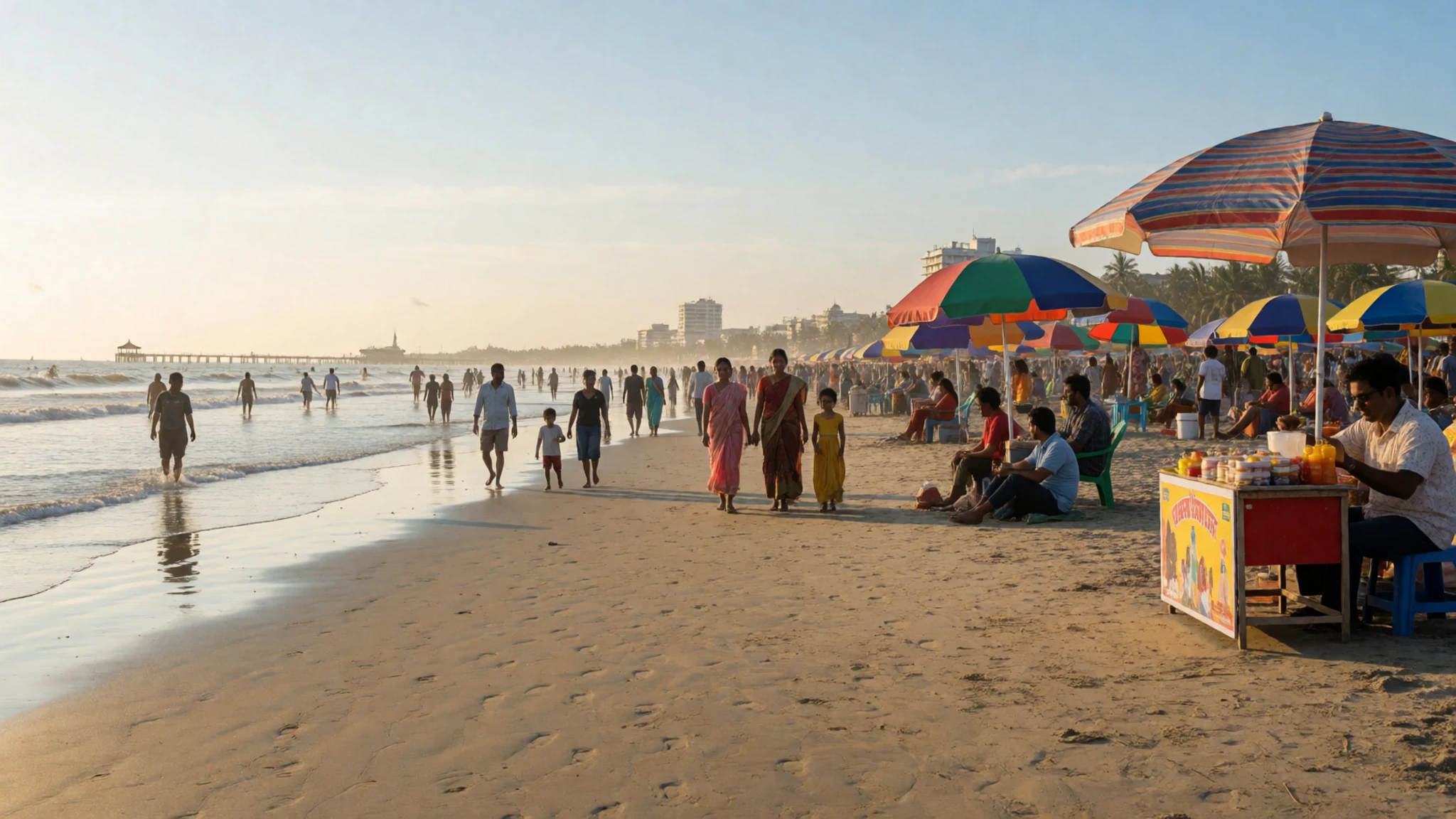
- Marine Drive to Teknaf — Coastal road south from the town, past Himchari
A long coastal road runs south from the town towards Teknaf. Often described as the world's longest marine drive, it passes hilly country and small fishing settlements before reaching the southern edge of the district. Buses and rickshaws use it, and the sea on one side with forested slopes on the other is the main reason to make the trip. A full day suits the stops best, since the views change with the light and the tide.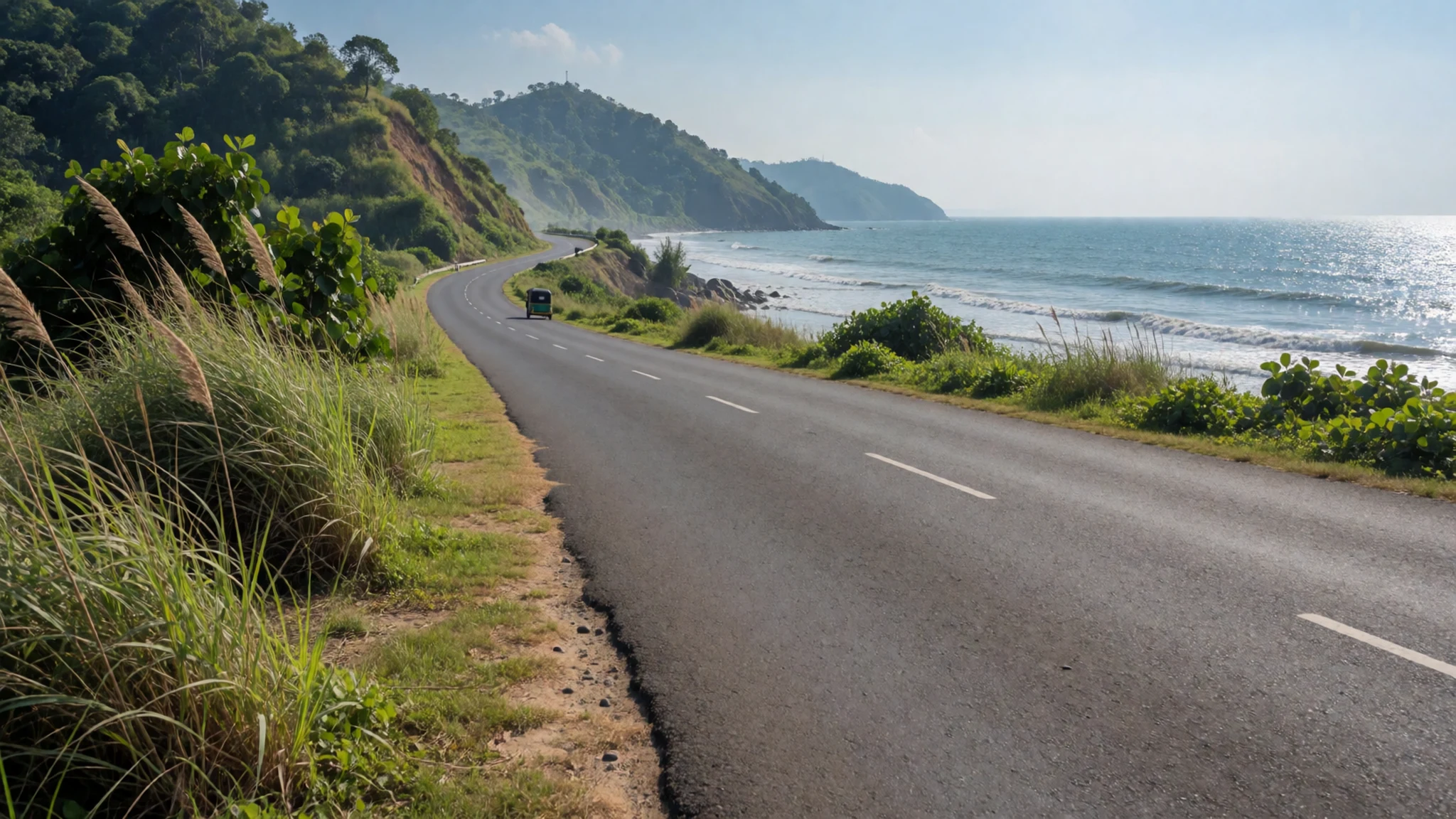
- Saint Martin's Island — Offshore, to the south-west of the mainland's southern tip
A small coral island lies some distance off the southern tip of the mainland and is reached by boat. Its beaches are fringed with coconut palms, the water is clear and the marine life is rich. There is little beyond beach life on offer, which suits people who want to rest. The island is clean and quiet. Boat services depend on the season and the weather, so check current schedules with operators and the official site before planning around them.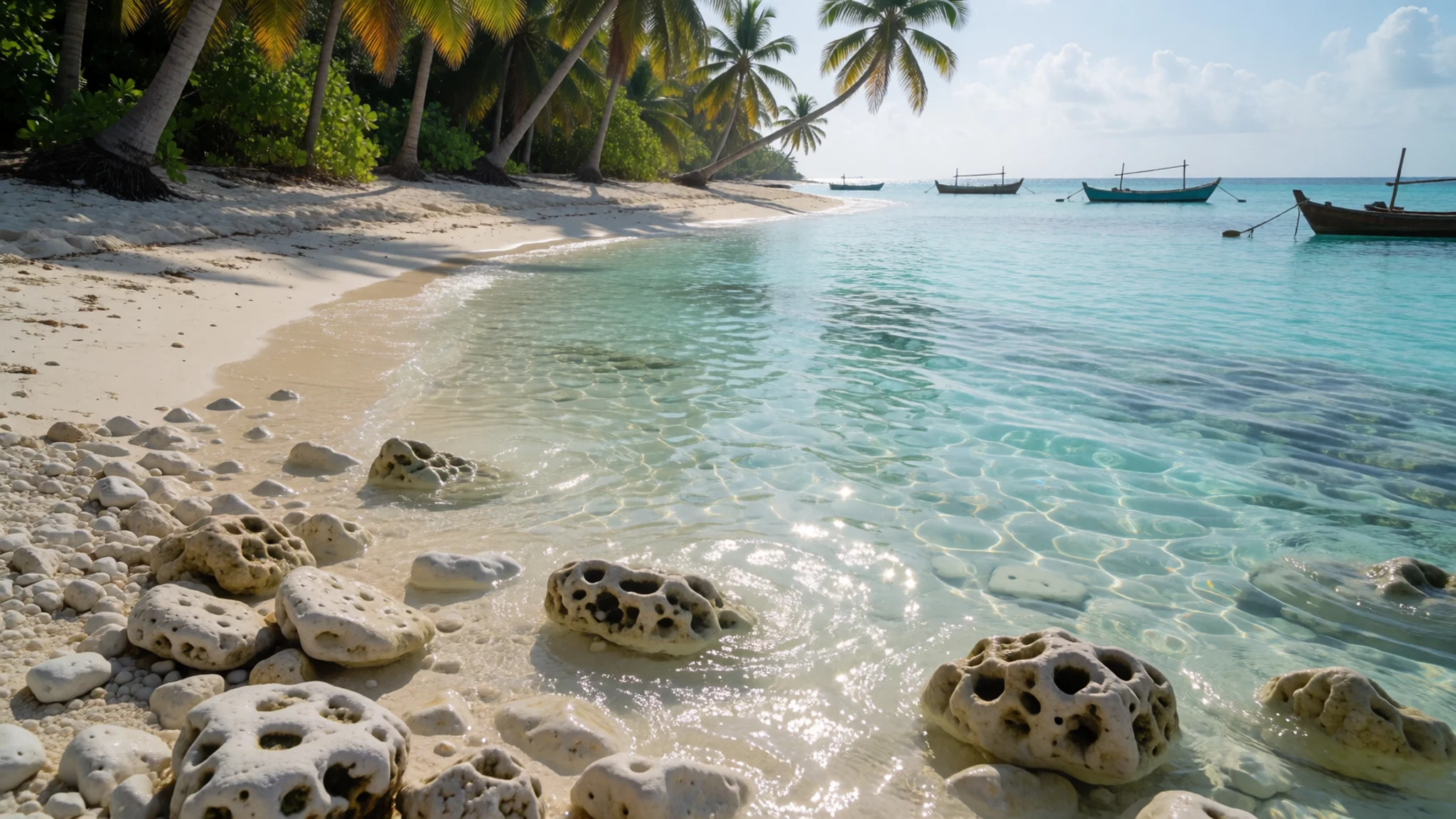
- Teknaf — Southern tip of the district, on the Naaf river
Teknaf sits at the southernmost tip of Bangladesh, on the banks of the Naaf river at the edge of the hilly region. It is a quieter and more rural place than Cox's Bazar, and visitors go for the river views and the sense of reaching the end of the country. Travel times and any permit requirements can change, so check current advice before setting out.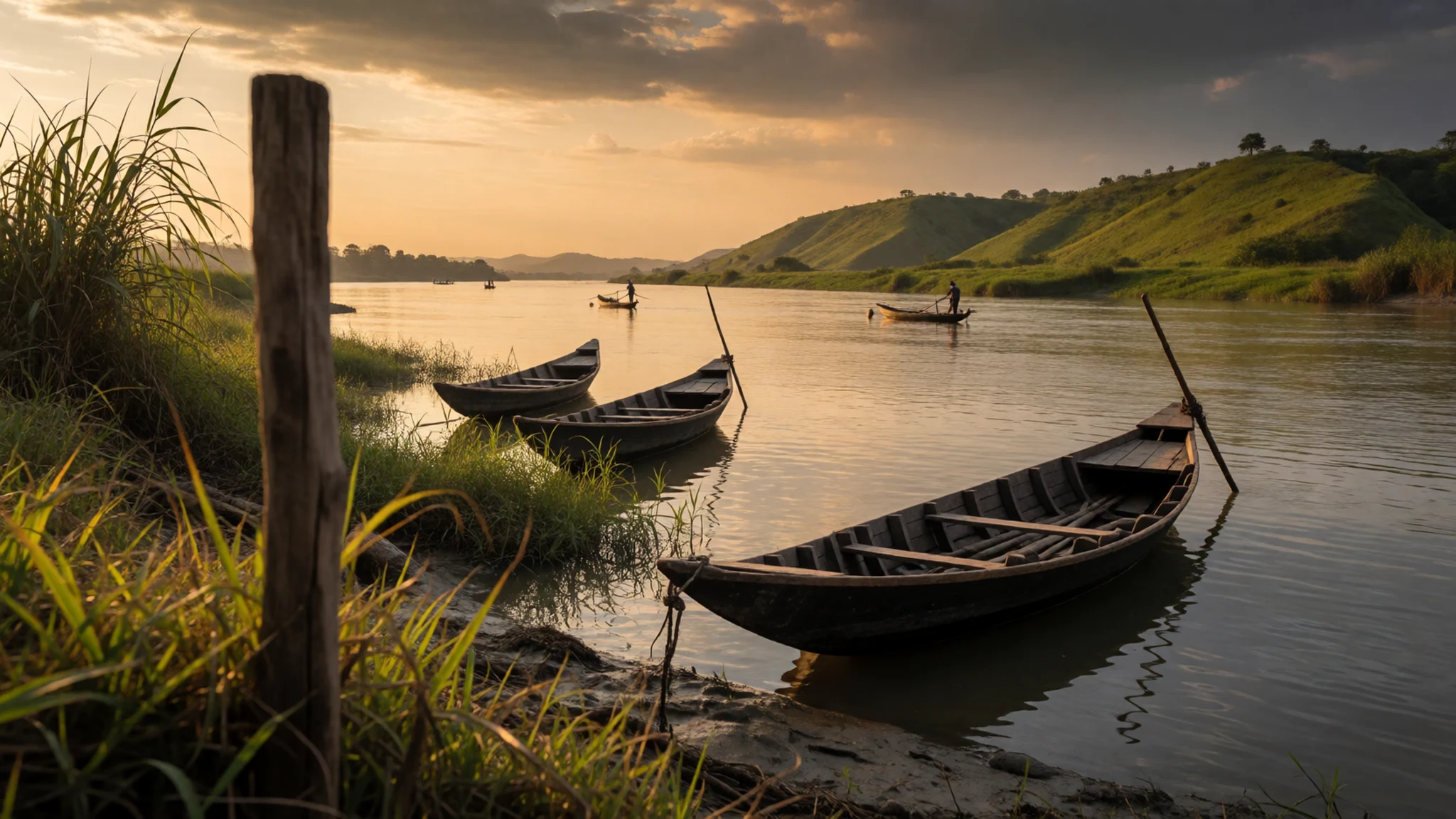
Culture
Cox's Bazar is a conservative coastal town, and the wider district includes Buddhist temples and tribal communities, each with its own customs. Daily life follows the rhythm of prayer times, and the markets and fishing harbour keep long-established routines. Bengali is the main language, and a few words of greeting go a long way with shopkeepers and boatmen. The beachfront is more relaxed than the streets behind it, yet modest dress still matters across the town. Public displays of affection are frowned upon. Photography of people, especially women and families, should be done only with clear permission, and the same courtesy applies to temples and villages. Ask before photographing anyone, especially women and families, and dress modestly once you leave the beach.
What to wear
In Cox's Bazar, traditional dress follows the wider Bengali pattern, with saris and salwar kameez worn by women and the lungi and panjabi worn by men. Cotton and silk are the usual fabrics, and handloom weaving survives in parts of the region, so patterned cloth turns up in local markets. Hill communities of the district have their own weaving traditions, with bold geometric designs and bright colours. What people wear now is a mix. Students and office workers often choose western trousers and shirts, many women wear salwar kameez for everyday wear, and saris appear at festivals and weddings. Men tend to wear shirts and lungis at home. For a visitor, lightweight cotton clothing that covers the shoulders and knees suits the heat and humidity. A light scarf is useful for mosques and villages. Sandals work on sand and in town, while sturdy closed shoes help on boat trips and the marine drive. Remove shoes before entering any mosque or temple.
What to eat
- Fried fish — Restaurants on the lanes south of Sea Beach Road
Fried fish is the town's best-known dish, and it is served at lunchtime in busy family restaurants on the lanes south of the beach. Fish is seasoned with spices and fried until crisp, then eaten with rice and a dal or a chilli-based sauce. Lunch is the busiest time, so the fish is usually freshest then.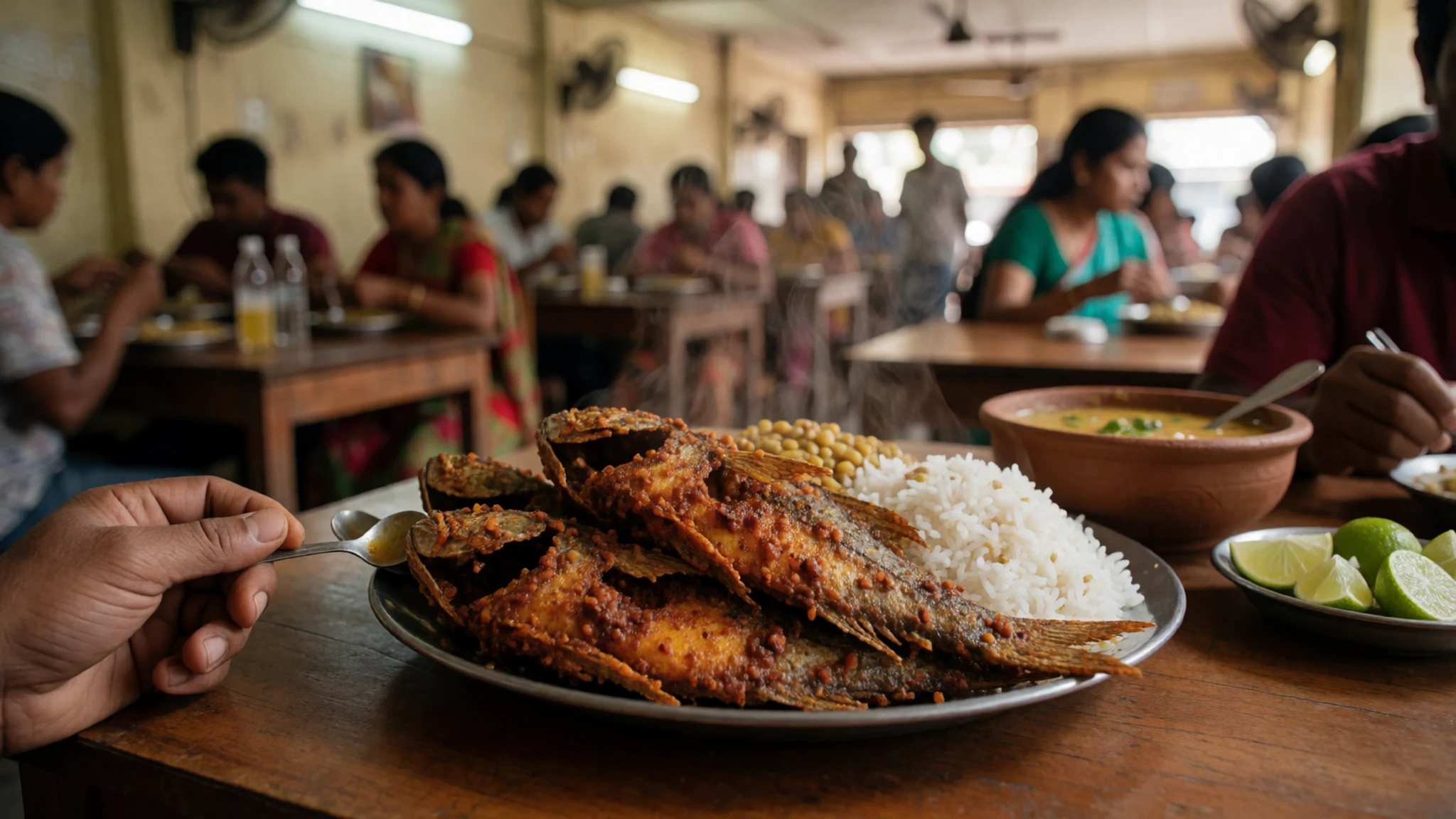
- Beachfront seafood — The sea beach strip, especially cafés with upper floors
Cafés along the beachfront serve grilled and fried seafood with rice. The view counts for as much as the cooking, so choose a table that looks out to sea. Some cafés have upper floors with wide views over the sand. Prices and opening hours change, so check at the door.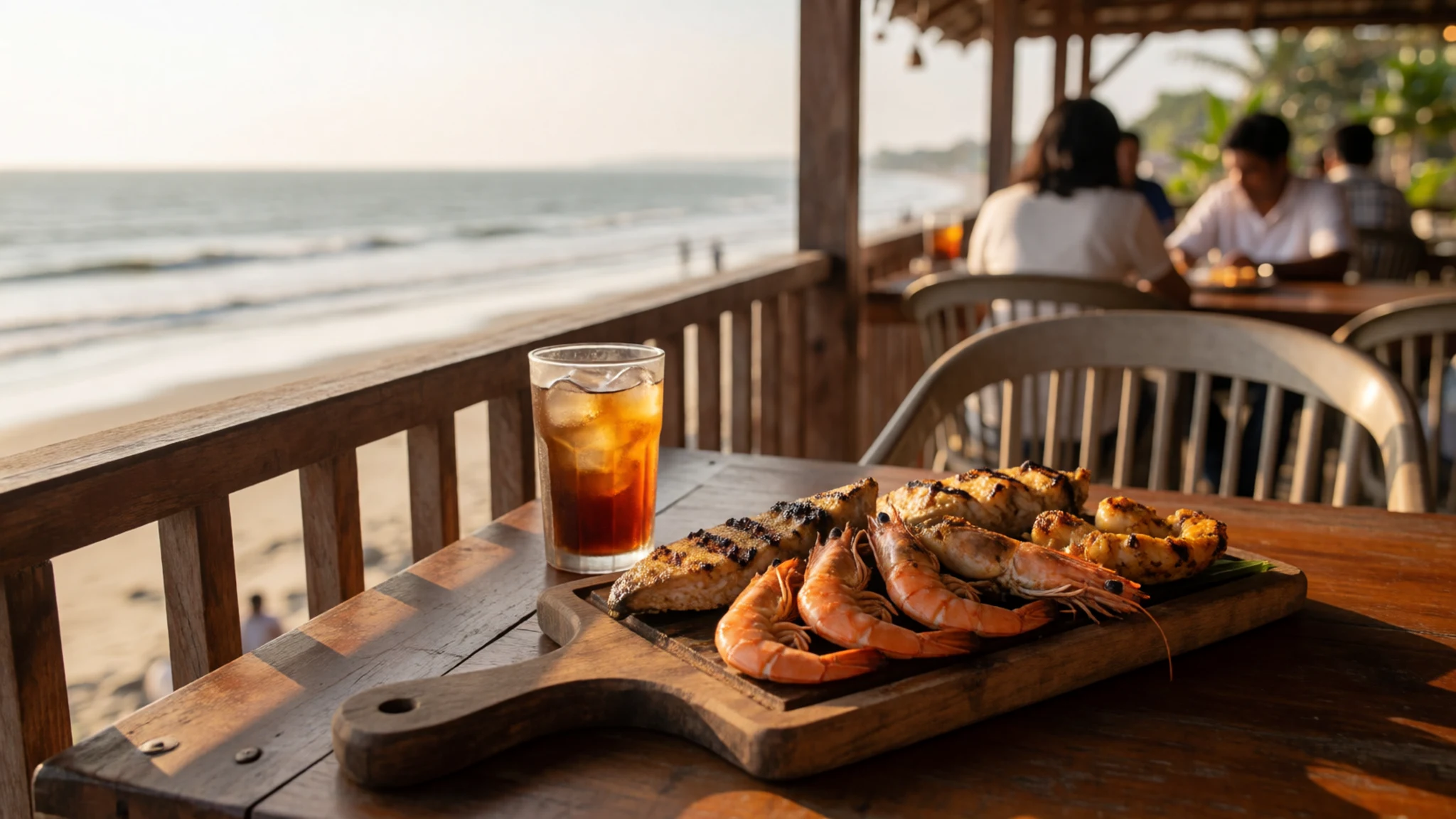
- Home-style rice and fish — Lanes around the central lake and main market
Small home-style eateries serve a plate of rice, dal, vegetables and fish from the day's catch. The seating may be plain, but the food is simple, filling and close to what local families eat at home. What is cooked each day varies. - Catch from the harbour — The fishing harbour and morning fish market
The fishing harbour sells fish straight off the boats in the early morning. Small silver fish and larger sea fish are sorted and sold at the stalls, and the scene is lively and busy. Buy from the stalls and have the catch cooked at a guesthouse, or ask a restaurant to prepare it for you.
Plan it
Best time. November to March, when the air is drier and cooler and the sea is calmer. The southwest monsoon from June to September brings heavy rain and rough seas, and the months before it are hot and humid.
How long. 2–3
Getting there. Fly from Dhaka or Chittagong, take a train from Dhaka, or travel by bus from Chittagong. The main bus terminal is some way from the centre, so a rickshaw is the usual last leg into town.
Budget. mid
Tips
- Book flights and trains early for the winter high season
- Choose the hotel zone for beachfront rooms, or the centre for budget options
- Carry cash, as small vendors and rickshaws rarely take cards
- Drink bottled water and avoid ice from unknown sources
- Check sea conditions and weather before swimming, especially in the monsoon
Etiquette
- Dress modestly outside the beach strip
- Ask before photographing people, especially women and families
- Remove shoes before entering mosques and temples
Nearby
Sources
- Wikidata Q949746 (CC0)
- Wikipedia: Cox's Bazar (rev 1381651726) (CC BY-SA 4.0)
- Wikivoyage: Cox's Bazar (rev 5400612) (CC BY-SA 4.0)
- Photo: View of Cox's Bazar (montage) (CC BY 3.0)
- Photo: A dusk at Cox's Bazar sea beach (CC BY-SA 4.0)
- Photo: view of Cox's Bazar city (CC BY 3.0)
- Photo: Cox's Bazar–Tekhnaf Marine Drive near Himchari (CC BY 3.0)
- Photo: Cox's Bazar Map (U.S. Army Map Service) (Public domain)
- Photo: Cox's Bazar panorama (CC BY 2.5)
- Photo: Cox's Bazar after sunset, Sep 2019 (CC BY-SA 4.0)
- Photo: Submarine cable landing station, Bangladesh (CC BY 3.0)


