Lake Minnetonka
Lake Minnetonka, United States
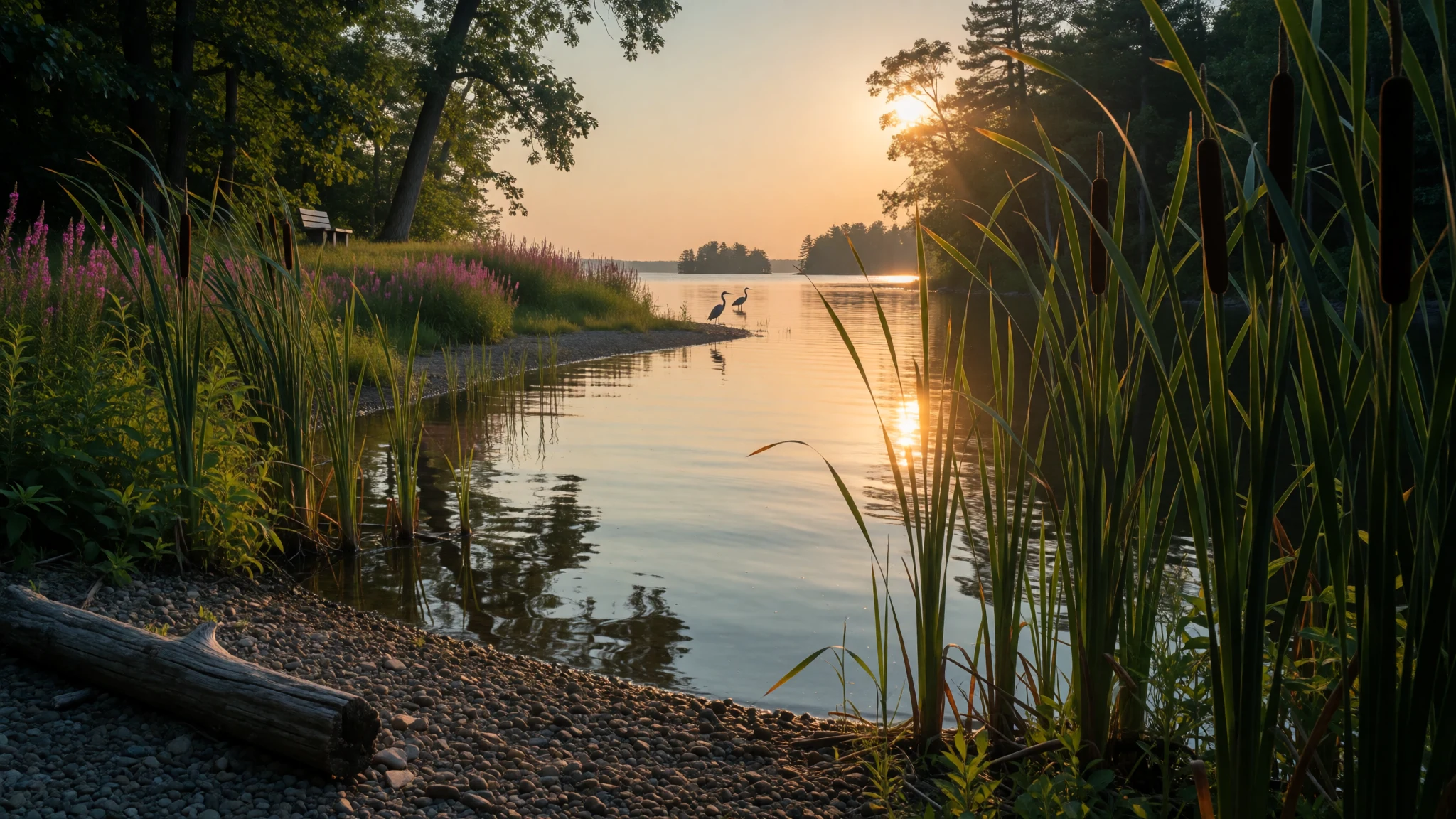
Lake Minnetonka is a maze of bays and islands west of Minneapolis, good for summer boating, waterside meals and Dakota history.
The place
Lake Minnetonka lies west of Minneapolis, Minnesota, at an elevation of 283 m, and is better understood as a tangle of linked lakes than as one sheet of water. Its Dakota name is Mní iá Tháŋka. Glacial ice scooped out the basin as it melted back about 10,000 years ago, leaving kettle holes that filled and now connect through channels and marshy necks. The outcome is a ragged shoreline with about 23 named bays and 18 islands, so the scenery shifts from stretch to stretch: a small-town harbour front here, wooded private lots and old summer houses there, quiet reed edges elsewhere. Hennepin and Carver counties share the lake, and 14 towns touch the shore, which means no single centre and no single character. Most people come in the warm months to boat, swim, sail and eat beside the water, and the lake is busiest from late May to September, especially at weekends. Winter has its own rhythm of skating and ice fishing when the surface is judged safe, though Minnesota's continental climate can bring severe cold. Public access is patchier than the size suggests, because much of the shoreline is private; visitors mostly use town parks, public landings and waterside restaurants. The drive from the city is short, which keeps car parks full in good weather. Anyone after quiet is best served by a weekday morning or the shoulder months, when the water is still and the trees are turning.
Its story
Lake Minnetonka has been lived beside for a very long time. The first people reached the area as the last ice age ended, and later communities shaped the shore with earthworks built for ceremony, burial and everyday living. When surveyors walked the lakeshore in the 1880s they plotted 524 burial mounds and earthworks, though many have since vanished under roads and houses. By the eighteenth century the lake belonged to the Mdewakanton, a Dakota community whose year followed the seasons: rice beds in autumn, winter hunting grounds, and sugar maples tapped in spring. The lake sat within that circuit alongside the Minnesota and Mississippi river valleys. Big Island served as an important sugar camp, while Spirit Knob, a point of land beside Wayzata, was an offering place of deep spiritual weight, and remains so. That way of life was shattered after the Dakota War of 1862, when the Dakota were driven out of the region. Settlers of European origin had begun arriving in the 1850s, and streetcars, railways and steamboats soon turned the shore into a holiday district that drew visitors from far beyond Minnesota. The name itself carries the older layer: Mní iá Tháŋka speaks of big water, and the modern spelling grew out of it. A visit today moves between two histories, the lively summer lake and the quieter record of the people who were here first.
What to see
- The lake from above — Whole lake
Lake Minnetonka is easiest to grasp as a map or from the air: bays, peninsulas and islands knitted together by narrow channels. An aerial view from the east shows how the water threads between wooded shores, and why the lake feels like several places rather than one. A boat trip gives the same sense at water level.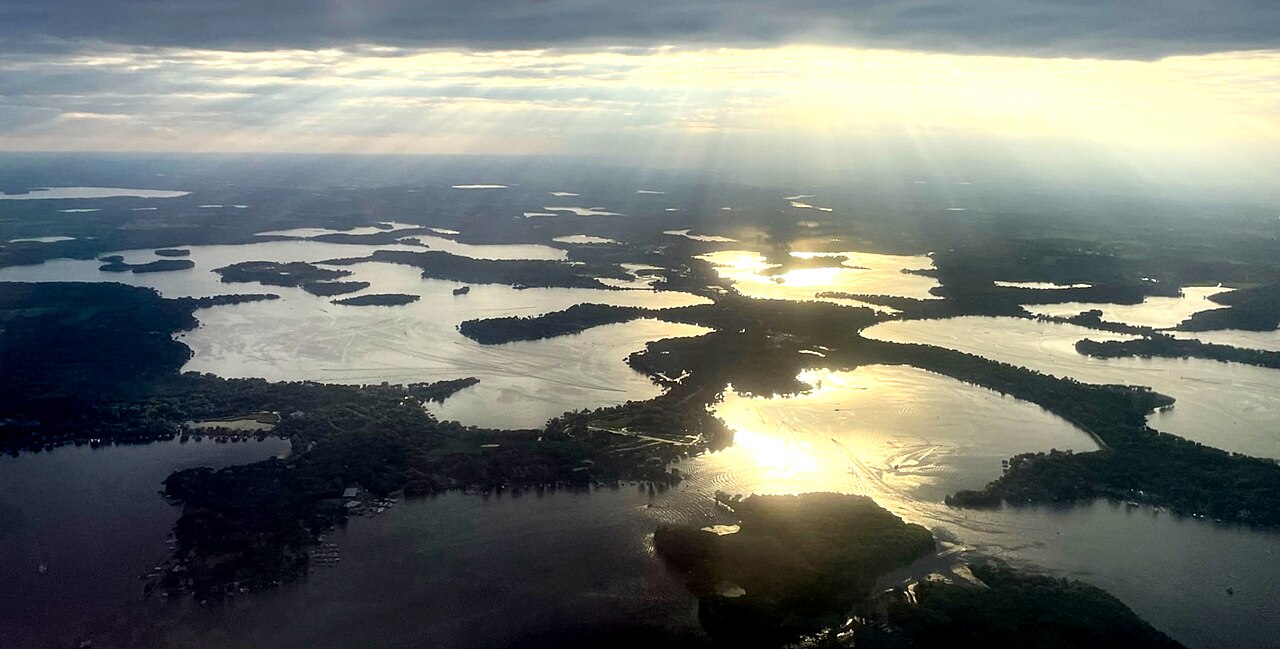
- Wayzata lakefront — Wayzata, north shore
Wayzata is the town on the north shore where the lake meets a compact harbour front of cafés, shops and waterside paths. The bay is busy with moored boats in summer. It suits a slow half day: walk the shore, watch the sailing, then eat outside if the weather allows.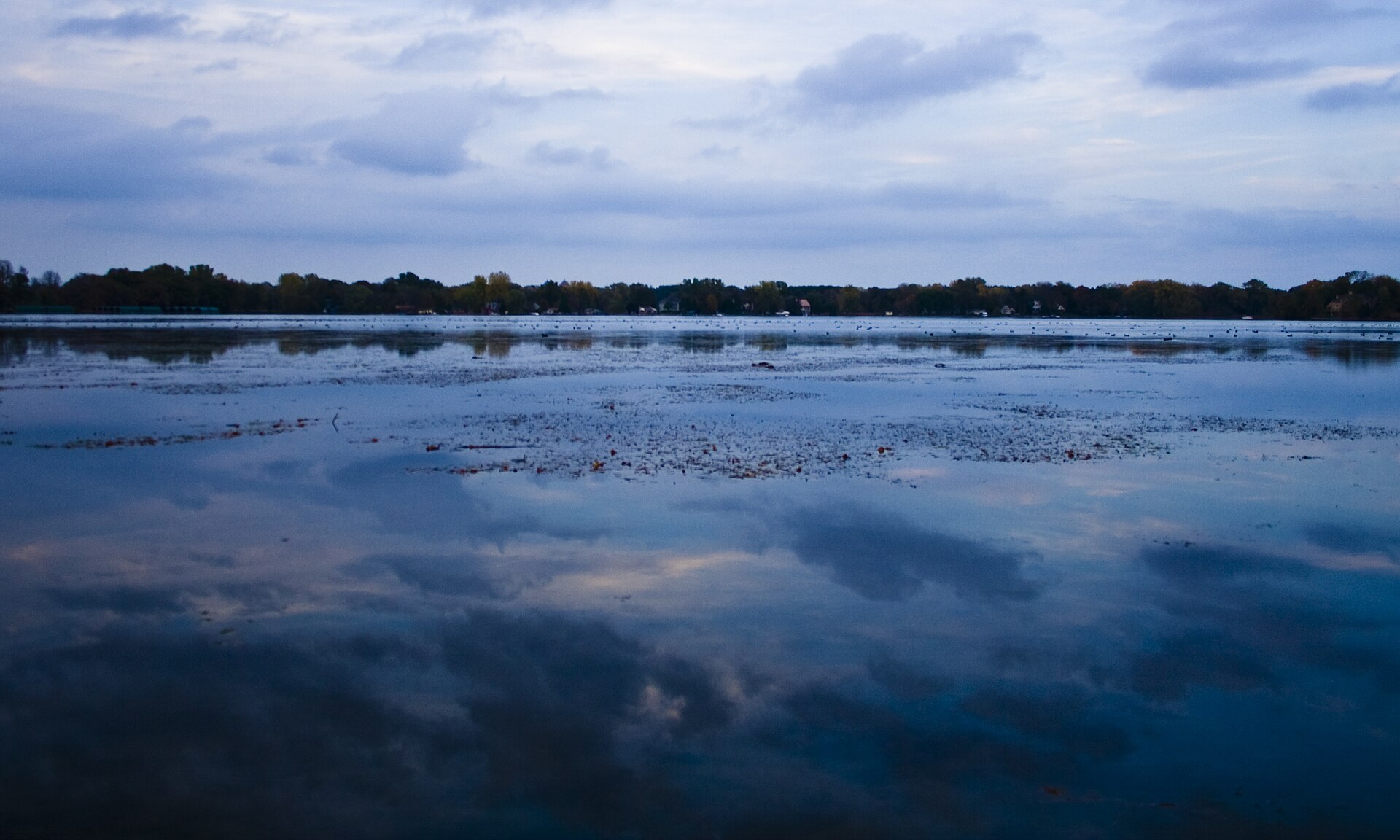
- Spirit Knob — Near Wayzata
Spirit Knob is a point of land near Wayzata that the Dakota regard as an offering place. It is a spiritual site first and a viewpoint second, so visit quietly and read any local signs. An archive photograph shows the knob rising from the water as it looked in the nineteenth century.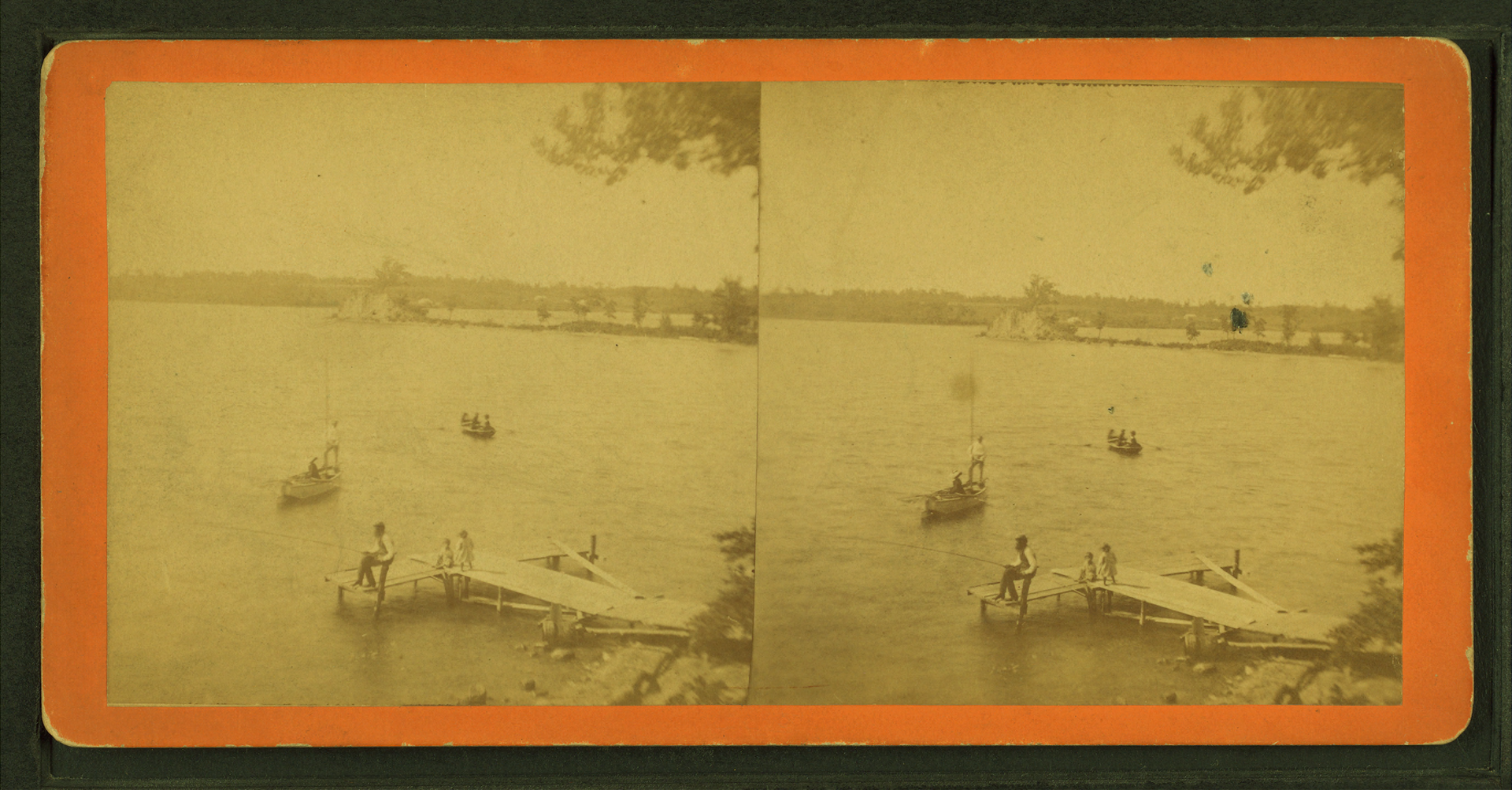
- Big Island — Central lake
Big Island, in the middle of the lake, was a Dakota maple sugar camp. It is largely residential now, so it is best appreciated from the water and through its history. A watercolour by Seth Eastman, showing a sugar camp most likely near Fort Snelling, helps picture the spring tapping season.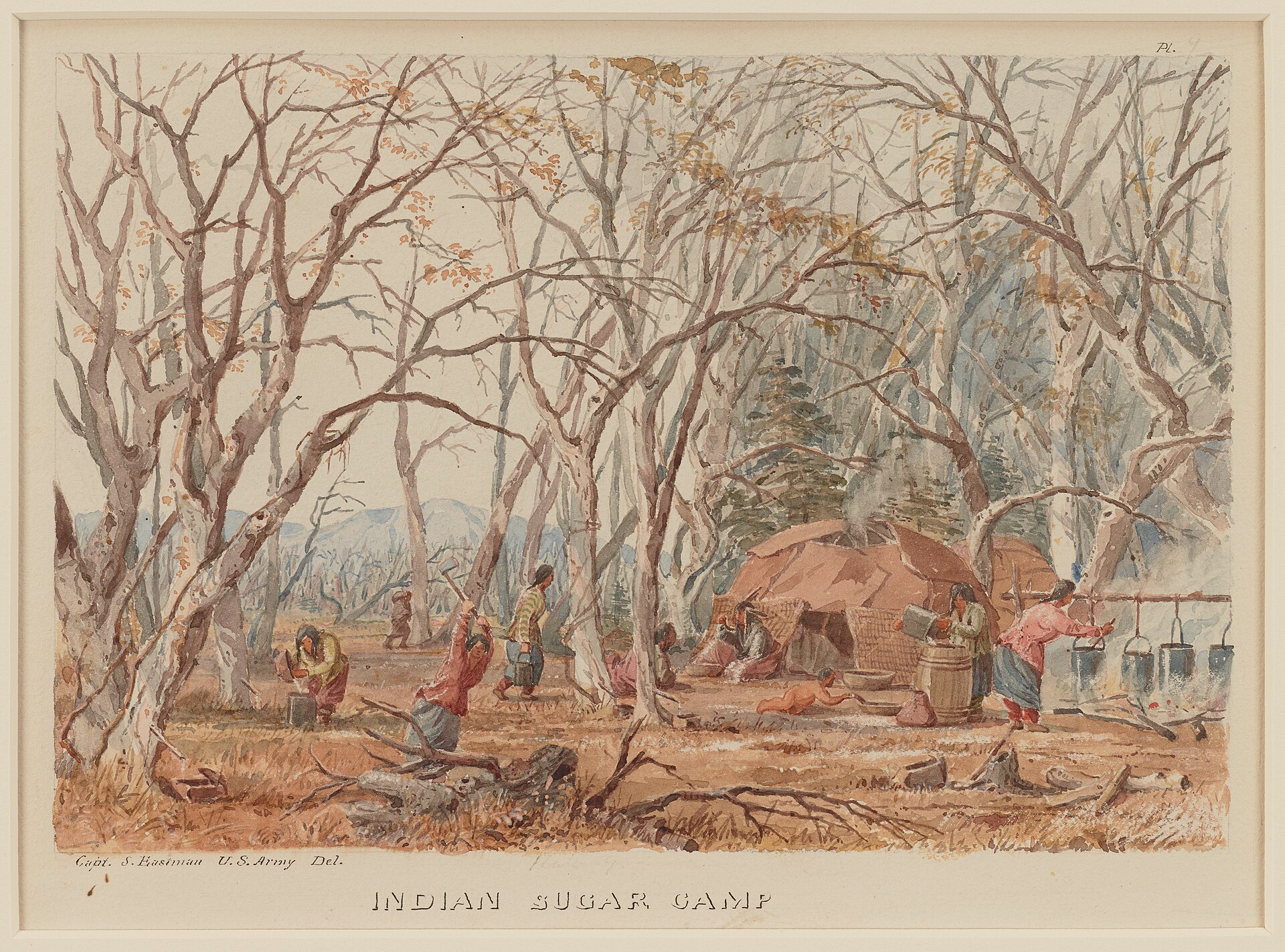
- Boating on the main lake — Main lake
Boating has been part of the lake's identity since steamboat days. An archive photograph of the Minnetonka Yacht Club dock shows passengers stepping ashore from their boats. Sailing, paddling and cruising remain the best ways to see the shoreline; check with local operators and town landings for rentals and rules.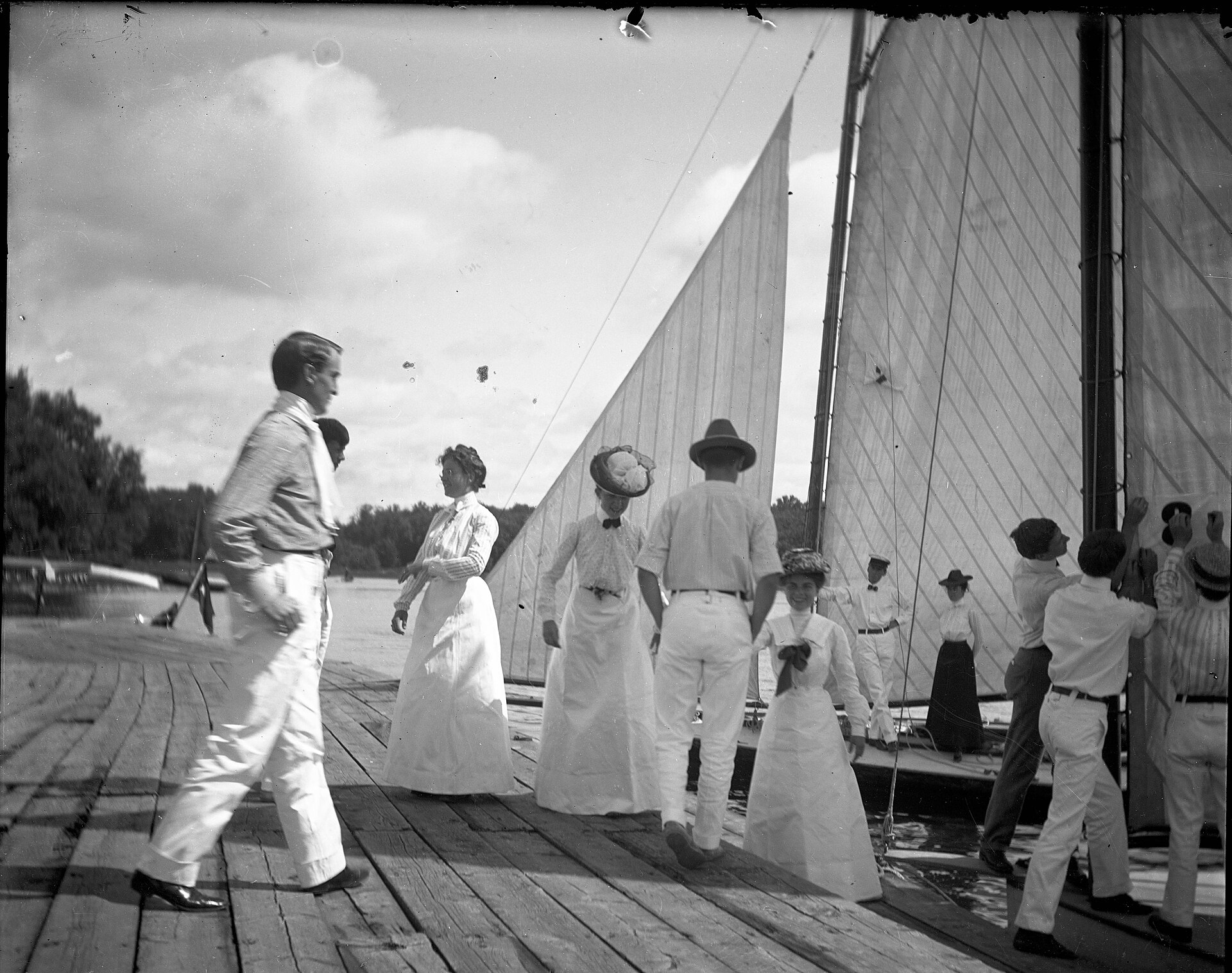
Culture
Lake Minnetonka holds two overlapping cultures: the Dakota homeland, and the summer-lake tradition that grew from nineteenth-century settlement. Dakota heritage is still alive in the region, and the lake's name, Mní iá Tháŋka, is part of it. Places such as Spirit Knob are not tourist attractions in the ordinary sense; they are sites of offering and belief, and the mounds mapped in the 1880s are burial places. Most Minnesotans treat the lake as a shared pleasure: weekends mean boats, docks, picnics and long evenings outside, and many families have returned to the same stretch of shore for generations. Scandinavian immigrant traditions are visible across the state, in church suppers, flatbreads and festivals, and the lakeside towns fit into a wider Midwestern habit of friendly, understated courtesy. Conversation is easy, small talk is welcome, and people tend to apologise before they pass you. Cold weather is a cultural fact too: winter is part of local identity rather than something to hide from, and people head out into it. It helps to read a little Dakota history before arriving and to take time over any interpretive signs. Please keep to public paths, stay off any burial mound or marked sacred site, and never take objects from them or leave anything behind.
What to wear
Lake Minnetonka has no single local costume, but its Dakota heritage includes a rich dress tradition. Historically Dakota clothing was made from tanned hides and decorated with porcupine quillwork, later with glass beads and silk ribbon once trade brought them. Ribbon shirts and ribbon skirts, beaded moccasins and finely worked leggings are still made and worn today, most often at powwows, ceremonies and family occasions rather than in daily life. Everyday dress around the lake is casual and practical. In summer that means shorts, cotton shirts, sunglasses and boat shoes or sandals, with a light jacket for evenings, since temperatures drop over the water. Waterside restaurants are mostly relaxed, though a collared shirt or smart dress suits the more formal supper clubs. Winter calls for a different wardrobe: parkas, insulated boots, hats, gloves and thermal layers. Visitors should dress in layers in every season, because Minnesota's continental climate swings between hot days and cold snaps. Pack a sun hat, sunscreen and a rain layer for summer storms, and shoes with grip for wet docks. Wear a life jacket on small boats, and bring clothes you do not mind getting wet. No special modesty rules apply at the lake itself, but dress modestly and quietly if you are invited to a Dakota ceremony or cultural event.
What to eat
- Walleye — Lakeside restaurants and supper clubs
A fine-textured white fish and the classic Minnesota lake dish, usually pan-fried or baked. Look for it on menus at lakeside restaurants and at supper clubs around the lake and across the state, most often as a main course with potatoes or a salad. - Juicy Lucy — Pubs and burger eateries in the Twin Cities and lake towns
A Minnesota cheeseburger with the cheese sealed inside the patty, so it arrives molten; let it cool before the first bite. It is a bar and neighbourhood-grill staple in the Twin Cities, and many pubs and burger places near the lake carry a version. - Lefse — Church suppers, bakeries and Scandinavian festivals
A thin potato flatbread brought by Norwegian immigrants, usually buttered, sprinkled with sugar and rolled up. Look for it at church and community suppers, bakeries and Scandinavian festivals, especially around the winter holidays. - Lutefisk — Church basement suppers in winter
Dried cod soaked in lye, then cooked until soft; it is a strong acquired taste. It turns up mostly at Christmas-season church basement suppers across Minnesota rather than in everyday restaurants, so ask locally if you want to try it. - Wild rice soup — Supper clubs, cafés and farmers' markets
Wild rice was gathered by the Dakota each autumn and remains a Minnesota staple, often served in hearty soups or alongside fish. Look for it at supper clubs, cafés and farmers' markets in the towns around the lake.
Plan it
Best time. June to September for boating, swimming and long evenings; July and August are warmest and busiest, while September is calmer with the first autumn colour. Winters are cold, and Minnesota's continental climate can bring extreme temperatures and severe storms.
How long. 2–3
Getting there. Fly into Minneapolis–Saint Paul International Airport (MSP), a Delta hub with many international flights. The lake towns lie west of the city; a hire car is the easiest last leg, and local bus options should be checked before you travel.
Budget. mid
Tips
- Book waterfront restaurants and boat hire ahead for summer weekends
- Visit on a weekday morning to avoid the heaviest crowds and parking pressure
- Much of the shoreline is private, so plan around town parks and public landings
- Bring sun protection and water, and check the forecast for sudden summer storms
- Carry a card; most places take them, but small stalls may prefer cash
Etiquette
- Stay off burial mounds and marked sacred sites such as Spirit Knob
- Wear a life jacket on small boats and follow local boating rules
- Keep to public land and do not step onto private docks or lawns
Nearby
Sources
- Wikidata Q1060288 (CC0)
- Wikipedia: Lake Minnetonka (rev 1381250136) (CC BY-SA 4.0)
- Wikivoyage: Minnesota (rev 5411264) (CC BY-SA 4.0)
- Lake Minnetonka aerial photo, Tyler Vigen (CC BY-SA 4.0)
- Watercolour of an Indian Sugar Camp, Seth Eastman (Public domain)
- Spirit Knob on Lake Minnetonka, B. F. Upton (Public domain)
- Dock Scene at the Minnetonka Yacht Club, Edward A. Bromley (Public domain)
- Wayzata bay photo, Tony Webster (CC BY 3.0)
- Wayzata waterfront car photo (cropped), Bobak Ha'Eri (CC BY 3.0)
- Wayzata waterfront car photo, Bobak Ha'Eri (CC BY 3.0)
- Al and Alma's Supper Club, Tony Webster (CC BY 2.5)


