Lake Matano
Lake Matano, Indonesia
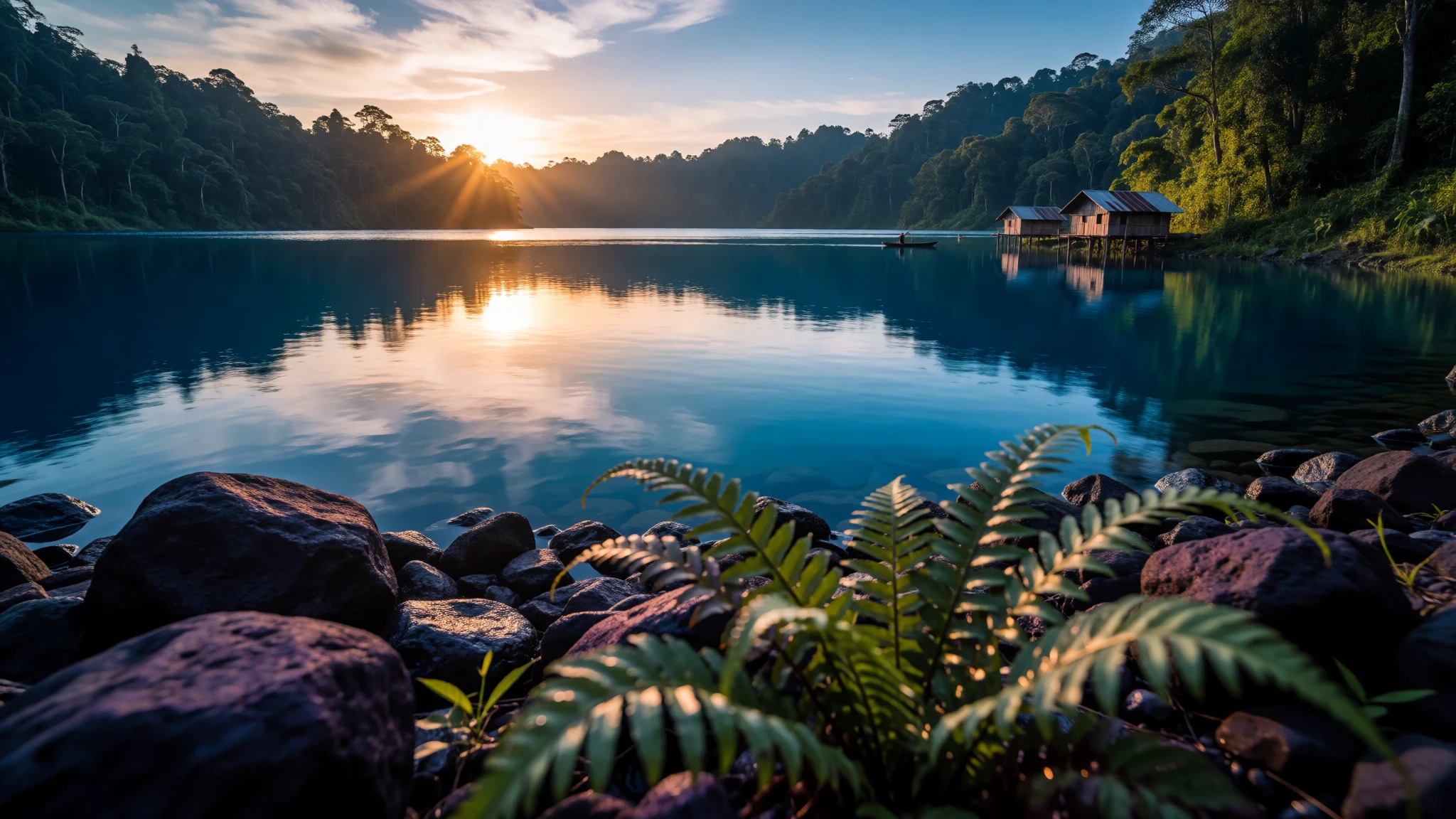
Lake Matano is a clear, deep Sulawesi lake ringed by forested hills, home to wildlife found nowhere else.
The place
Lake Matano lies in the Luwu Timur district of South Sulawesi, in the island's forested interior and a long way from the beach resorts most people picture when they think of Indonesia. It is a freshwater lake in a steep-sided basin, and from a plane it reads as a dark blue patch among green hills, with a neighbouring lake, Towuti, close by to the south. At the water's edge the lake is clear enough to see rocks and fish below the surface, and early mornings are often calm and glassy.
The main settlement on the shore is Sorowako, a town that grew around the nickel industry in the surrounding hills. That gives the lake a double character: fishing boats, wooden jetties and small family eateries on one hand, company housing, offices and well-kept roads on the other. Services are better than the remoteness suggests, yet this is not a polished resort area, and visitors should expect to organise things informally.
The shoreline is mostly forest and rock rather than sand, so the pleasures are swimming from a jetty or platform, paddling, watching birds and simply sitting by the water. The climate is hot and humid, with rain that can arrive without much warning and insects that appear at dusk. Boats are the natural way to see the quieter edges, and local operators around Sorowako can arrange trips on the day. Matano rewards slow travel and a little curiosity about why a lake in the middle of an island should hold wildlife of its own.
Its story
Lake Matano has a story that is written mostly in water, rock and living things rather than in monuments. The lake fills a deep basin in the tectonically restless middle of Sulawesi, and it belongs to a small chain of neighbouring lakes in the same region, Towuti among them. Over a very long time these lakes have stayed largely separate from the island's rivers and seas, and that isolation is what makes them interesting to biologists.
Several kinds of fish, freshwater shrimp, crabs and snails are known only from this group of lakes, with each lake holding its own mix of residents. Museum collections of preserved snails show how much has been catalogued, and researchers say a good deal remains to be described. Scientists also study the lake's unusual chemistry, rich in metals washed down from the surrounding rocks, as a rough stand-in for conditions in ancient oceans.
Those same rocks explain the town. The hills around Sorowako carry nickel-bearing soils, and mining later drew workers from across Indonesia to the lakeshore, reshaping its population and economy. Local communities had fished and farmed here long before that.
Today the lake faces pressures that conservationists discuss openly: introduced fish that can crowd out native species, run-off from cleared land, and building along the shore. Travelling with local boatmen and guides is one small way of giving residents a practical reason to look after the water.
What to see
- Sorowako lakeshore and jetties — Sorowako, western shore
Sorowako is the practical base for the lake, with jetties, eateries and boat operators close together. Walk the shore at first light, when the water is still and fishermen are heading out, then return at sunset for cooler air. It is a working town, so respect private company land and posted signs.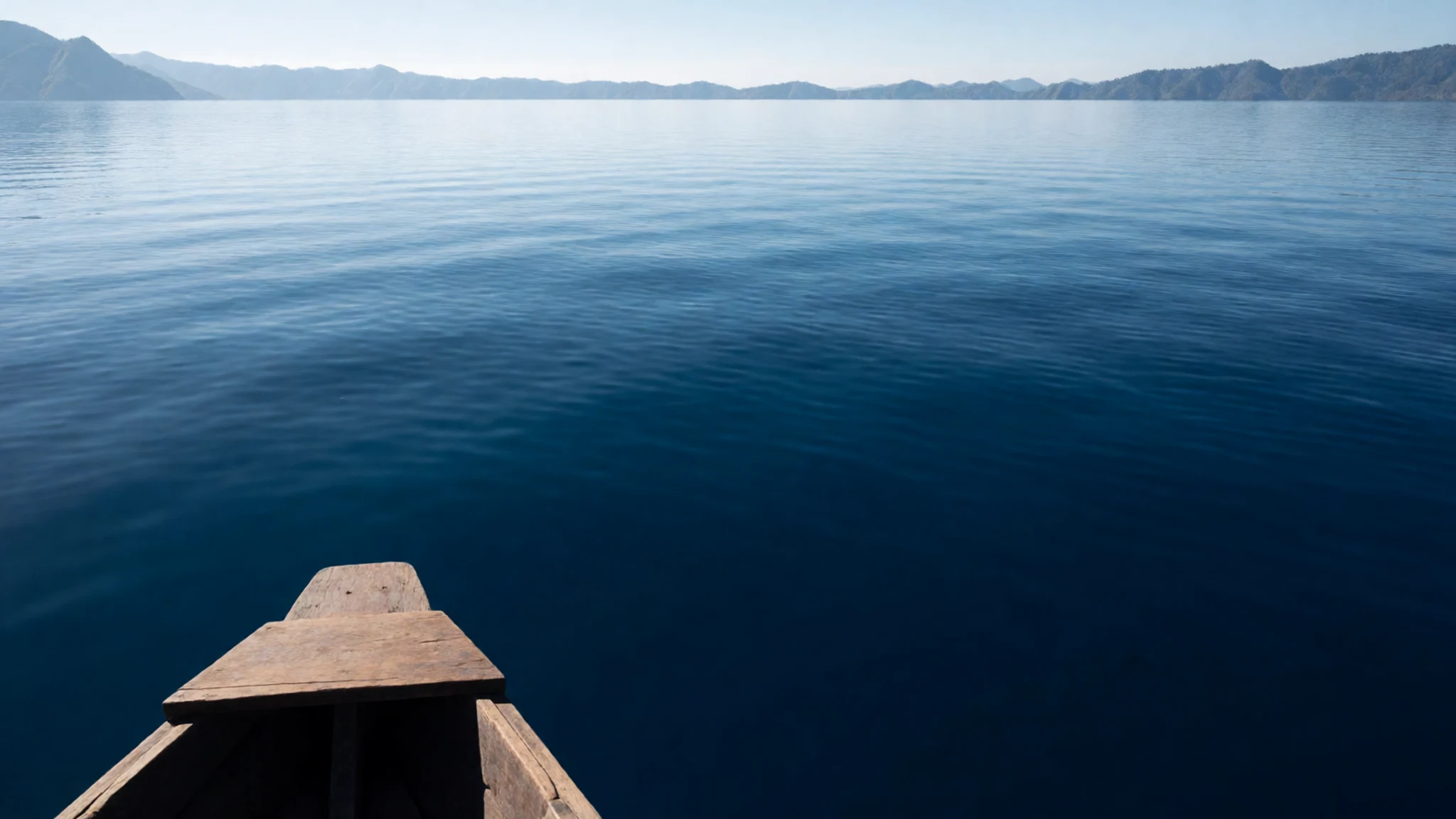
- A boat trip on Lake Matano — Open water off Sorowako
A small boat is the best way to grasp the size of the lake and to reach shores with no road. Ask the boatman about routes, safe swimming spots and the weather, agree the plan before leaving, and wear a life jacket whenever one is offered. Mornings are usually calmer than afternoons.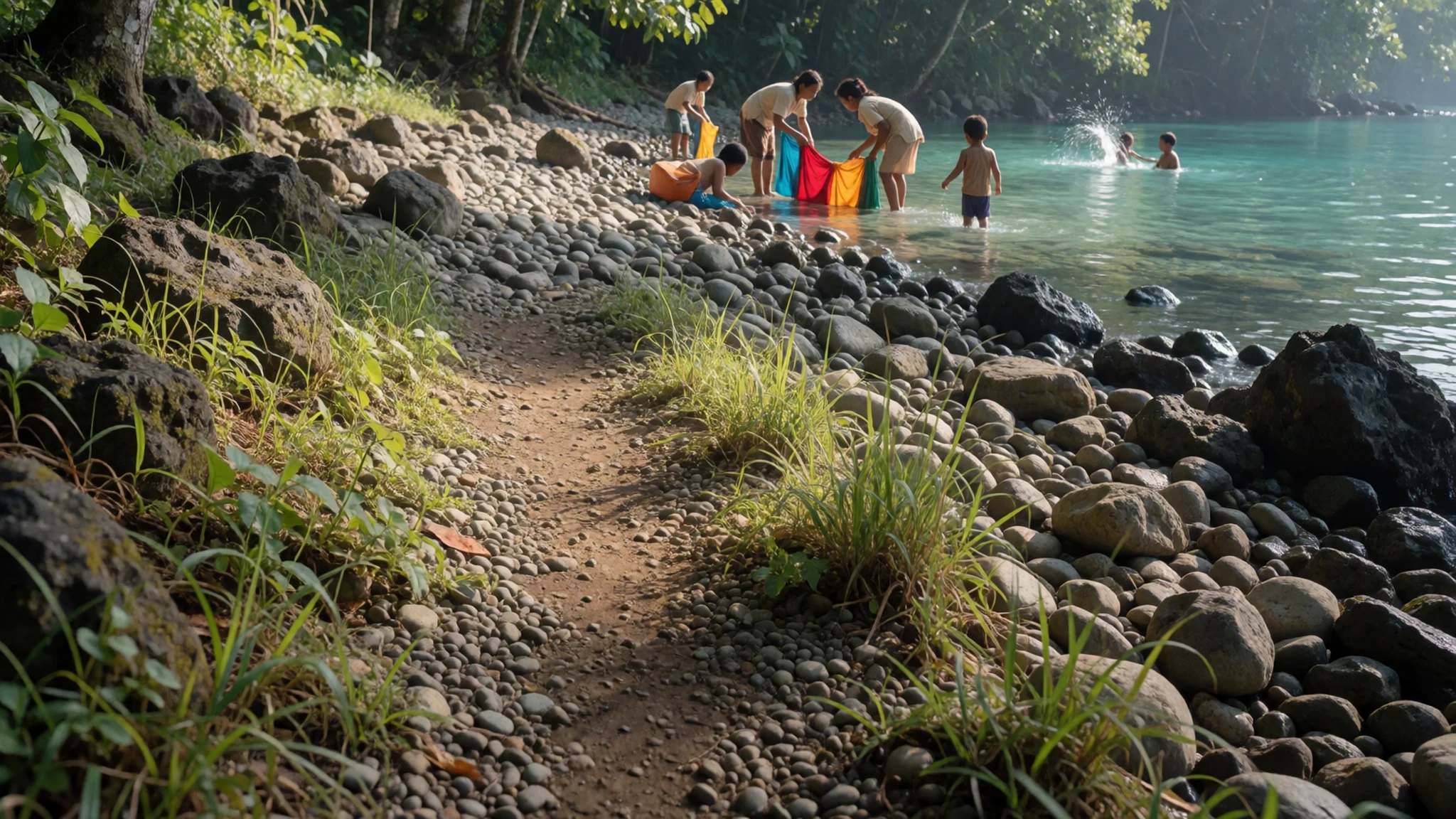
- Lake Towuti — South of Matano, Luwu Timur
Lake Towuti is Matano's larger neighbour in the same chain of lakes, set among forested hills with scattered villages. Reaching it takes more time and rougher tracks, so treat it as a separate outing with a local driver. Ask in Sorowako about current road and boat conditions before committing.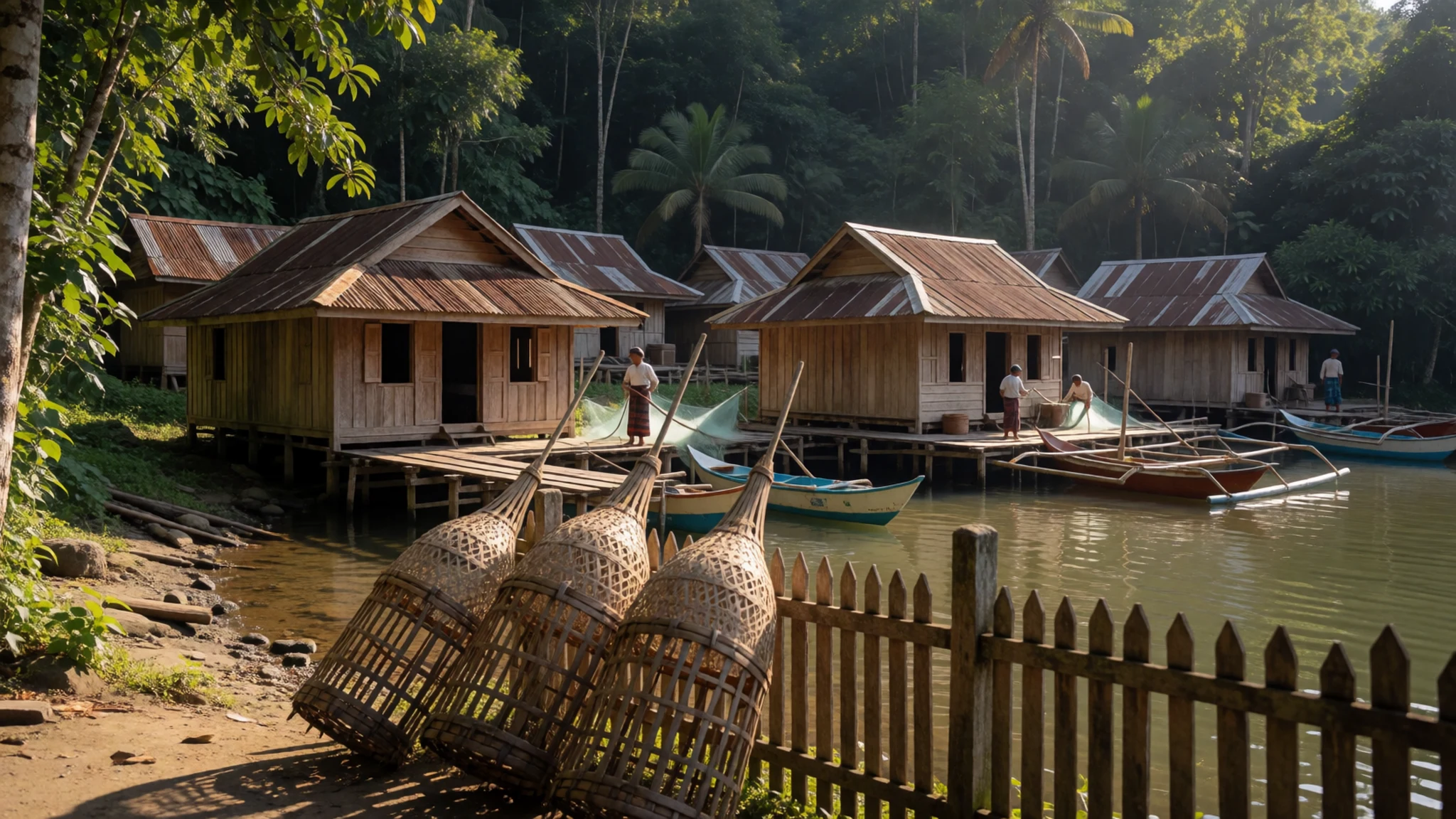
- The lake's own wildlife — Rocky shallows along the shore
Matano's snails, shrimp and small fish are found only in this group of lakes, though most are tiny and easy to miss. Look into clear shallows from a jetty, move slowly, and never collect shells or animals. A local guide who knows the shoreline can point out what lives where.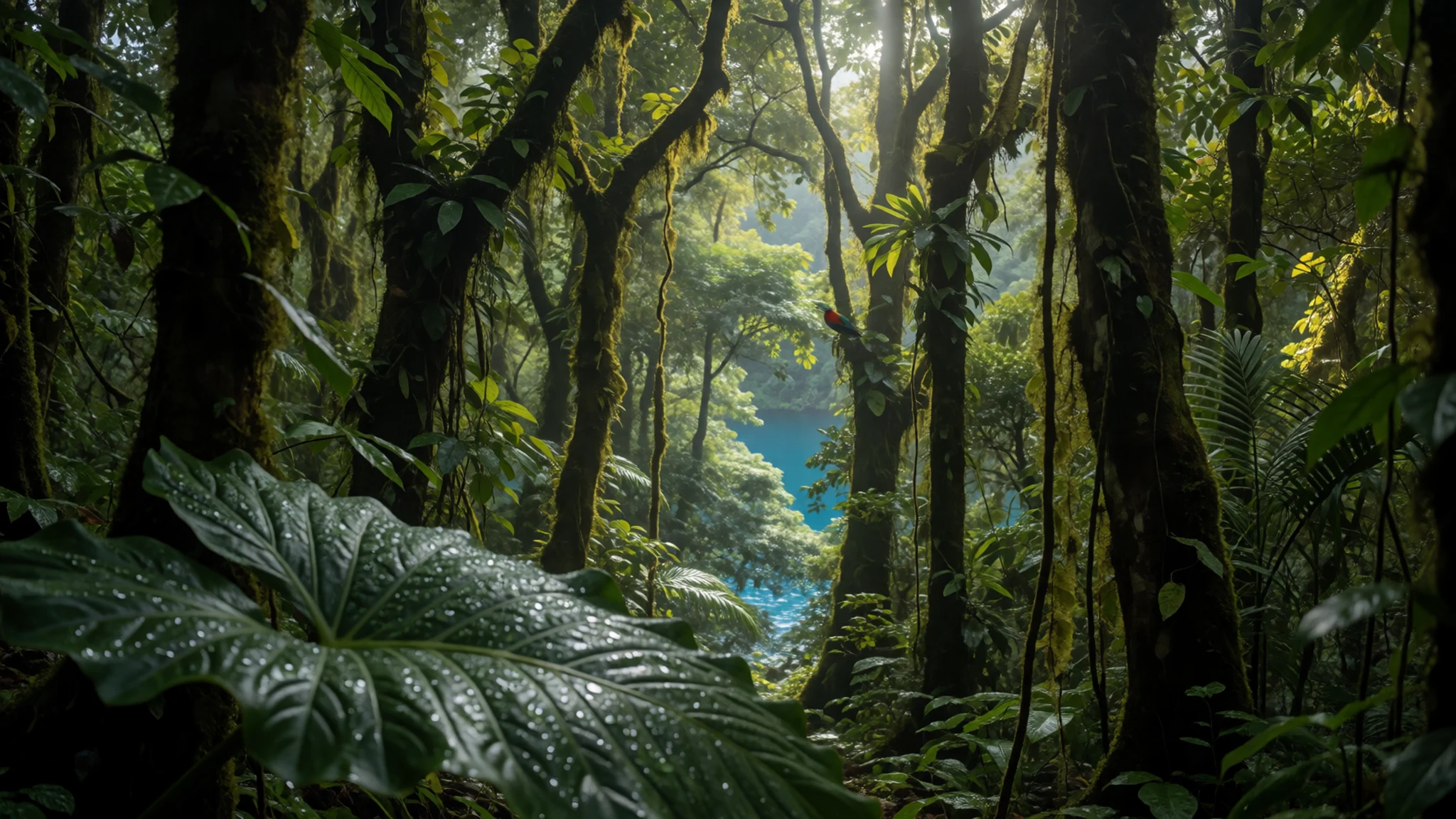
- Forest edge and birdwatching — Hills around the lake
The wooded slopes around Lake Matano hold birds and butterflies typical of Sulawesi's lowland forest, best watched in the cool first hours of the day. Walk with a local guide, carry water and rain cover, and keep to established paths, since some land belongs to the mining company and access can be restricted.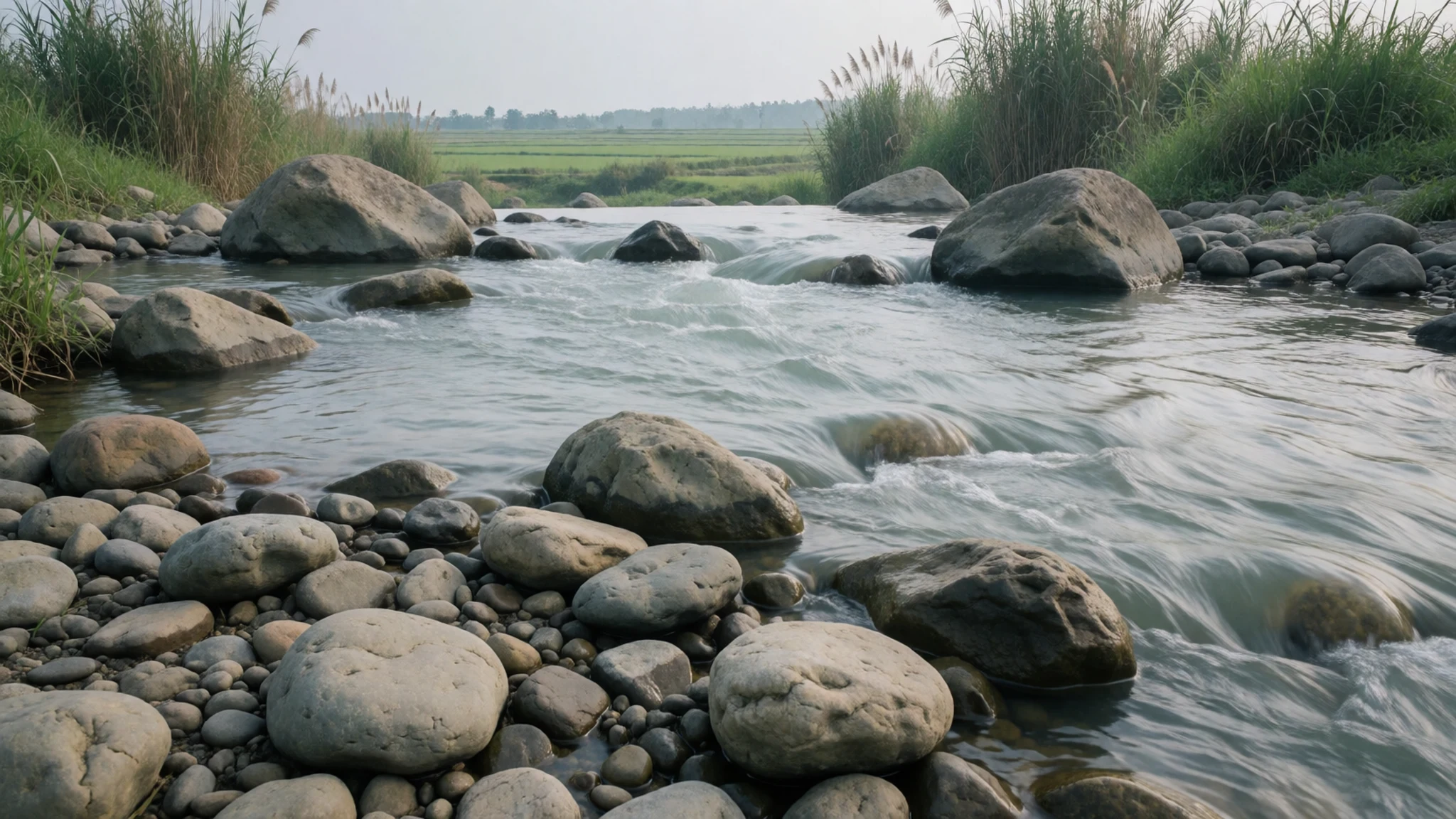
Culture
Lake Matano sits in a part of South Sulawesi where many communities meet. People of the Luwu area share the shores with families who came from Bugis, Makassar, Toraja and other regions, many drawn by work in the mining town of Sorowako. Most residents are Muslim, with sizeable Christian communities, so the call to prayer and church bells both mark the day. Indonesian is spoken everywhere, and regional languages can be heard in homes and markets.
Hospitality is taken seriously. A guest is likely to be offered tea or coffee and something sweet, and refusing outright can sound curt; accepting a sip and saying thanks is polite. Handshakes are common, often followed by a hand touched to the chest. Use the right hand for giving and receiving. Meals are unhurried, and talk about family, work and where a visitor has come from is the usual way to begin a conversation.
The lake is part of daily life: people fish, wash and gather at the shore at dusk. Some spots carry local spiritual associations, so ask a boatman or host before landing at unfamiliar places. During Ramadan, eating or drinking openly in daylight in villages is best avoided.
Ask before photographing people, especially women and children, and dress modestly in villages and near any mosque or church.
What to wear
Traditional dress around Lake Matano follows the wider South Sulawesi pattern. Women of Bugis and Makassar background wear the baju bodo, a loose, short-sleeved blouse in light, often translucent cloth, with a woven silk sarong known as lipa' sabbe, usually for weddings, ceremonies and festivals. Men wear a sarong with a jacket and a black songkok cap on formal occasions. Silk and cotton sarongs in checks and bright colours are the textiles to look for, and markets in larger regional towns sell them.
Everyday clothes are far more practical. In Sorowako and the lakeside villages most people wear T-shirts, long trousers or knee-length skirts, and many women wear a headscarf. Mine and company staff wear work uniforms and boots, and rain jackets are common.
Visitors should pack for heat, humidity and rain: light, quick-drying cotton or synthetic tops, long trousers or skirts, and a thin waterproof. Cover shoulders and knees in villages and when entering a mosque or church; women may be asked to cover their hair at a mosque. Swimwear is fine at the water, but add a T-shirt and shorts or a sarong when walking through settlements. Sandals with grip suit wet jetties, and sturdy shoes suit forest paths. A hat, sunscreen and insect repellent are worth carrying.
What to eat
- Ikan bakar — Lakeside eateries and evening stalls in Sorowako
Fish grilled over charcoal or coconut husk and served with rice, lime and a fiery sambal. Look for it at simple lakeside eateries and evening stalls, and ask what the fish is and where it was caught.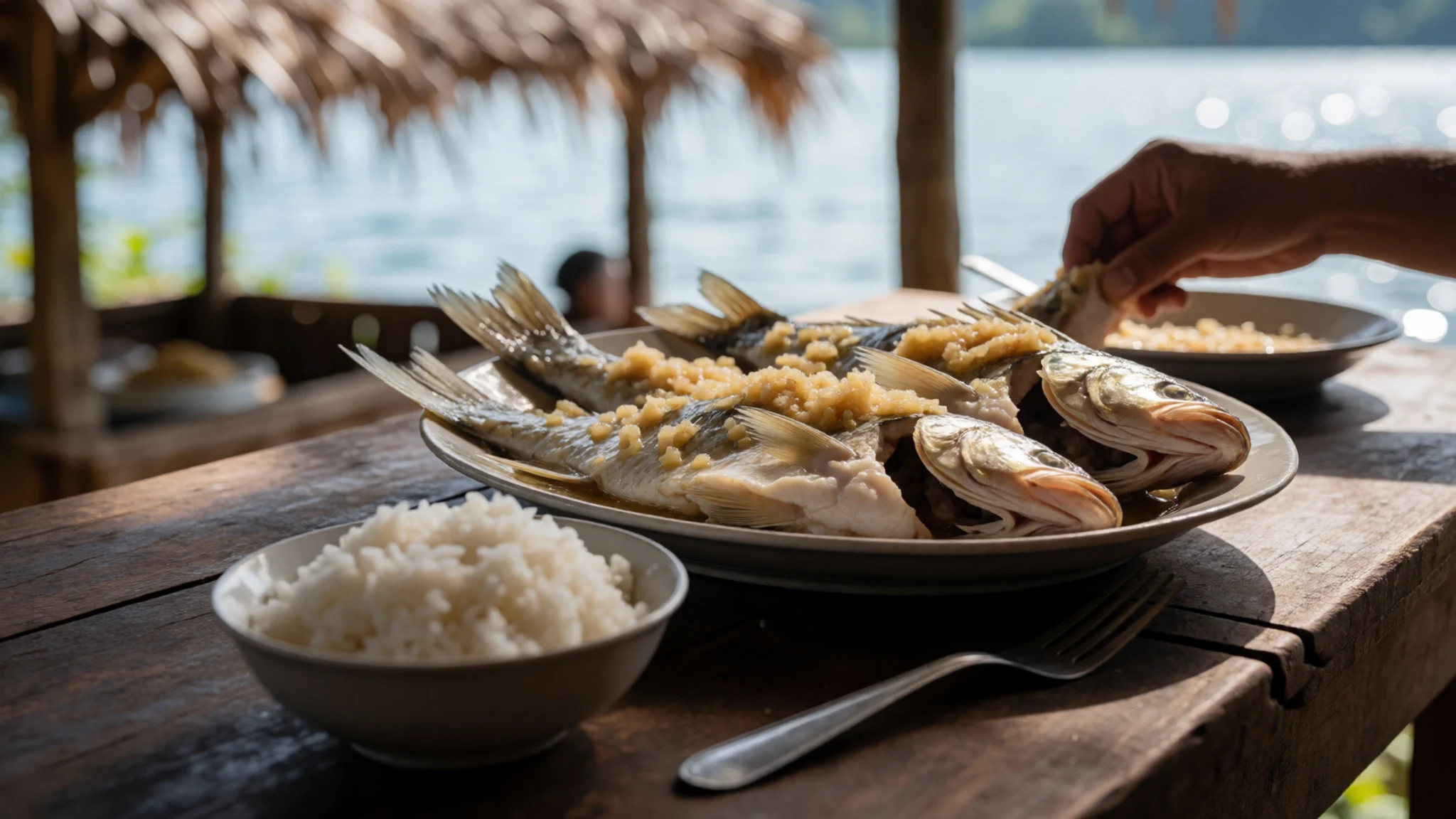
- Kapurung — Local eateries in Sorowako and nearby towns
A Luwu speciality of sticky sago pellets in a sour, savoury broth with fish, vegetables and herbs. It is eaten warm, and each cook varies the vegetables. Look for it in local eateries serving Luwu food.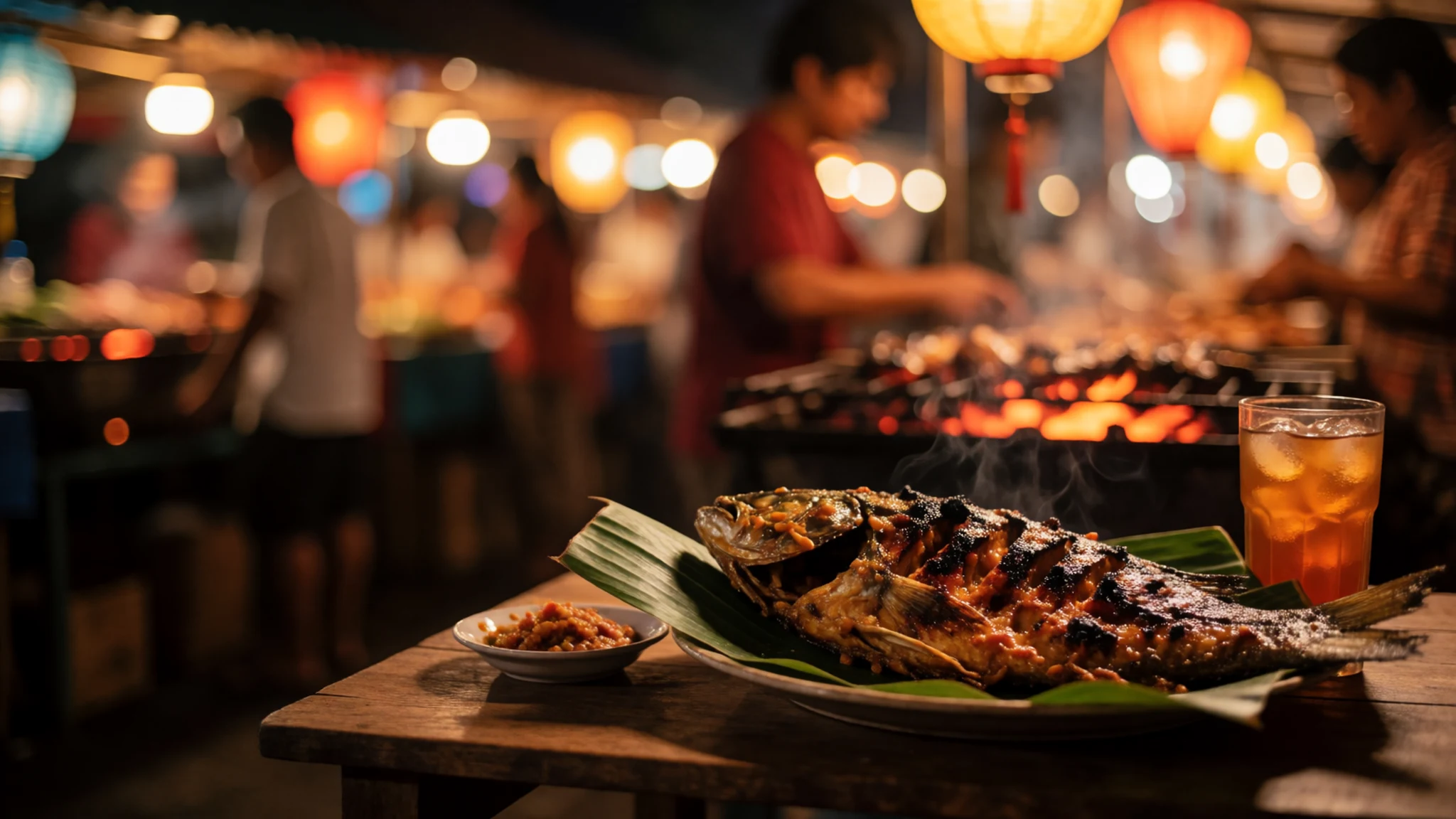
- Coto Makassar — Soup eateries and market stalls
A rich beef soup thickened with ground peanuts and eaten with ketupat rice cakes. It is a South Sulawesi favourite for breakfast or lunch and turns up in family-run soup eateries across the region. - Pisang epe — Roadside carts in the town centre
Banana pressed flat, grilled and brushed with palm sugar syrup, sometimes finished with cheese or chocolate in modern versions. It is a sweet evening snack, easy to find after a day on the water. - Barongko — Morning market and snack stalls
A soft steamed banana custard wrapped in banana leaf, a traditional Bugis sweet. Gentle, not too sugary, and good with coffee. Ask for it at the market or a local snack stall in the morning.
Plan it
Best time. September–November tends to be a more settled spell, but rain can fall in any month in this part of Sulawesi and the pattern differs from the rest of the island, so check a recent local forecast before booking. Mornings are the calmest and clearest part of any day; the climate is hot and humid year-round.
How long. 2–3
Getting there. Fly to Makassar (Sultan Hasanuddin International Airport), then continue to Sorowako by road, which is a long day's journey, or by a connecting flight if one is running; check with airlines and local operators. The last leg is a short road or boat transfer to the shore.
Budget. low
Tips
- Arrange boats and guides in Sorowako or through your lodging, and agree the route before leaving the jetty
- Bring enough cash from a larger town, as card use is limited and cash machines can be unreliable
- Start boat trips and walks early, since mornings are calmer and afternoon storms are common
- Drink bottled or boiled water, and carry insect repellent and rain cover
- Book lodging ahead, as options are limited and mining business can fill rooms
Etiquette
- Ask before photographing people, especially women and children
- Dress modestly in villages and cover shoulders and knees near mosques and churches
- Do not collect shells or animals from the lake, and ask before landing at unfamiliar spots
Nearby
Sources
- Wikidata — Lake Matano (CC0)
- Wikipedia — Lake Matano (CC BY-SA 4.0)
- Wikivoyage — Sulawesi (CC BY-SA 4.0)
- Wikimedia Commons — Lake Matano photographs (CC BY-SA 4.0 / CC BY 4.0)