Lake Clark
Lake Clark, United States
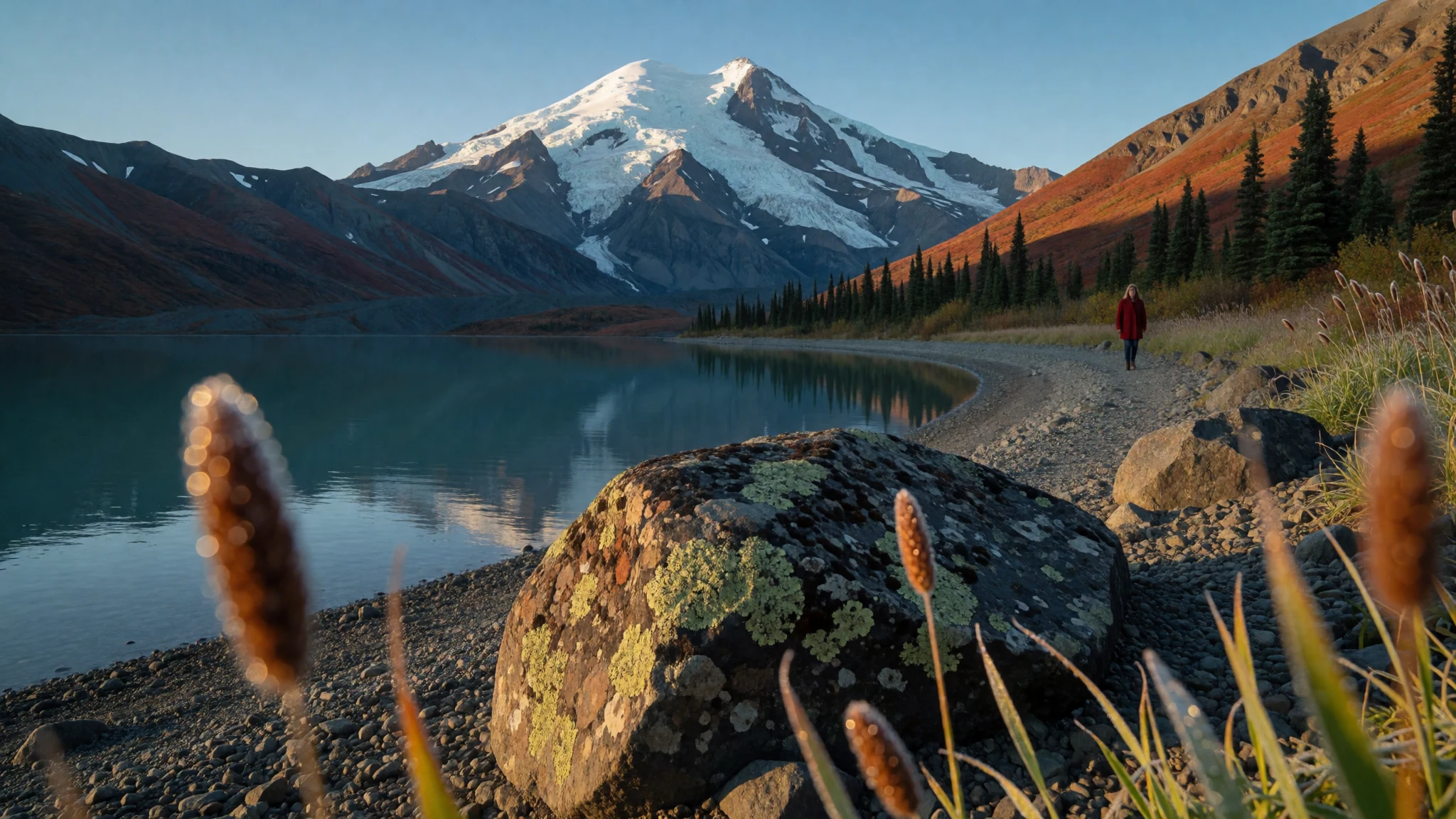
Lake Clark offers bears, salmon rivers, glaciers and two volcanoes in one roadless corner of Alaska, reached only by small plane or boat.
The place
Lake Clark National Park and Preserve lies in southwest Alaska, about 160 km southwest of Anchorage, yet it feels far removed because no road reaches it. Everything arrives by small aircraft, usually a floatplane, or by boat along the coast when weather and tides allow. The main settled spot is Port Alsworth on the shore of Lake Clark itself, and a handful of Dena'ina communities lie just outside the boundary.
What makes the park unusual is how many landscapes it packs together. On the Cook Inlet side there is coastal rainforest, with tidal flats where bears graze on sedges. Inland the land rises through alpine tundra to glaciers and long glacial lakes. Two volcanoes, Iliamna and Redoubt, stand on the eastern edge, and Redoubt is active. Its eruptions in 1989 and 2009 sent ash over southcentral Alaska and disrupted flights.
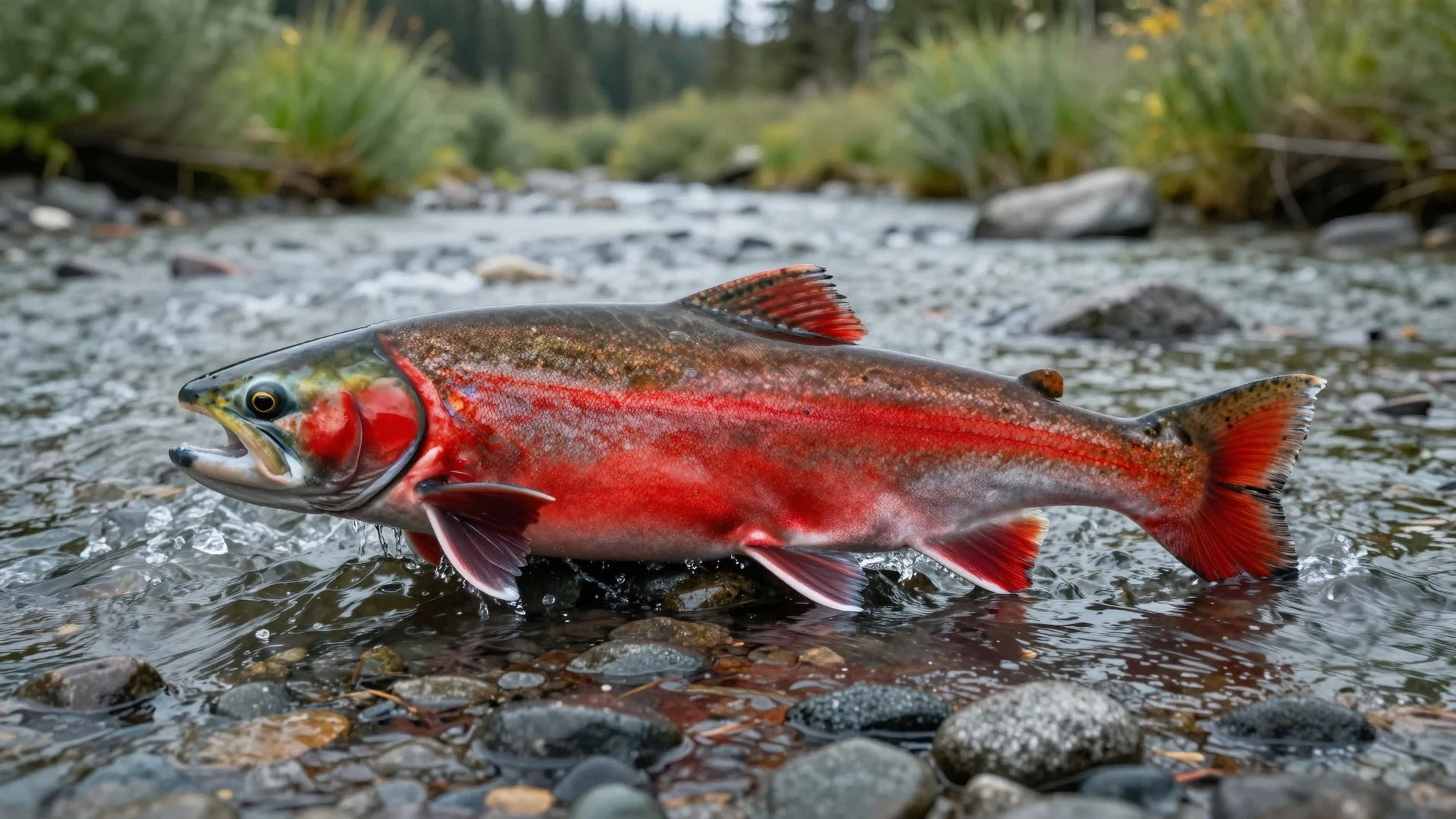
Water is the thread running through all of it. Rivers and lakes here feed the Bristol Bay salmon fishery, and sockeye salmon carry nutrients upstream each summer, supporting bears, birds and the local economy. The Kijik River and Silver Salmon Creek are the best-known places to watch brown bears feeding on the run.
The park allows fishing, and sport hunting is permitted in the preserve. Kayaking, rafting, hiking, bird-watching and camping are the usual pursuits, and winter visitors can ice fish. Activity is not heavily organised: there are no fixed runways, no park roads and no crowds of the kind found at the road-accessible parks further south. Founded as a national monument in 1978, the park is managed by the National Park Service, whose site at nps.gov/lacl is the place to check current conditions.
Its story
Lake Clark has a long human history, and most of it is told through the Dena'ina and the peoples who came before them. Archaeologists have traced a succession of cultures around Bristol Bay, from Paleo-Arctic hunters some 10,000 years ago through later Archaic, small-tool, Norton and Thule traditions. The Dena'ina, a northern Athabaskan people, live in the region today. Kijik, on the lake's shore, is the park's main archaeological site. Dena'ina lived there until the early twentieth century, and it is now a National Historic Landmark district.
Outsiders arrived late. Captain James Cook surveyed Cook Inlet in 1778, and Russian traders followed in the decades after. During the nineteenth century Kijik was the major settlement, with a population in the low hundreds. By the 1890s American traders had reached the area and found a Dena'ina population sharply reduced by diseases brought from elsewhere.
The twentieth century brought aircraft. The first floatplane touched down on Lake Clark in 1930, and in 1942 Leon "Babe" Alsworth Sr. began an air taxi service to what became Port Alsworth. Before the park existed, the region held only scattered cabins and people who valued solitude. The best known belonged to Richard Proenneke, whose life at Twin Lakes was filmed and released as Alone in the Wilderness in 2003.
President Jimmy Carter proclaimed the area a national monument under the Antiquities Act on 1 December 1978. In 1980 it became a national park and preserve under the Alaska National Interest Lands Conservation Act.
What to see
- Lake Clark — Port Alsworth and the lake shore
The park's namesake lake is a long glacial body of water with Port Alsworth on its shore and mountains crowding the far side. Most visitors land here by floatplane. The lake makes a good base for kayaking, fishing and short hikes, and the light on calm evenings is worth waiting for.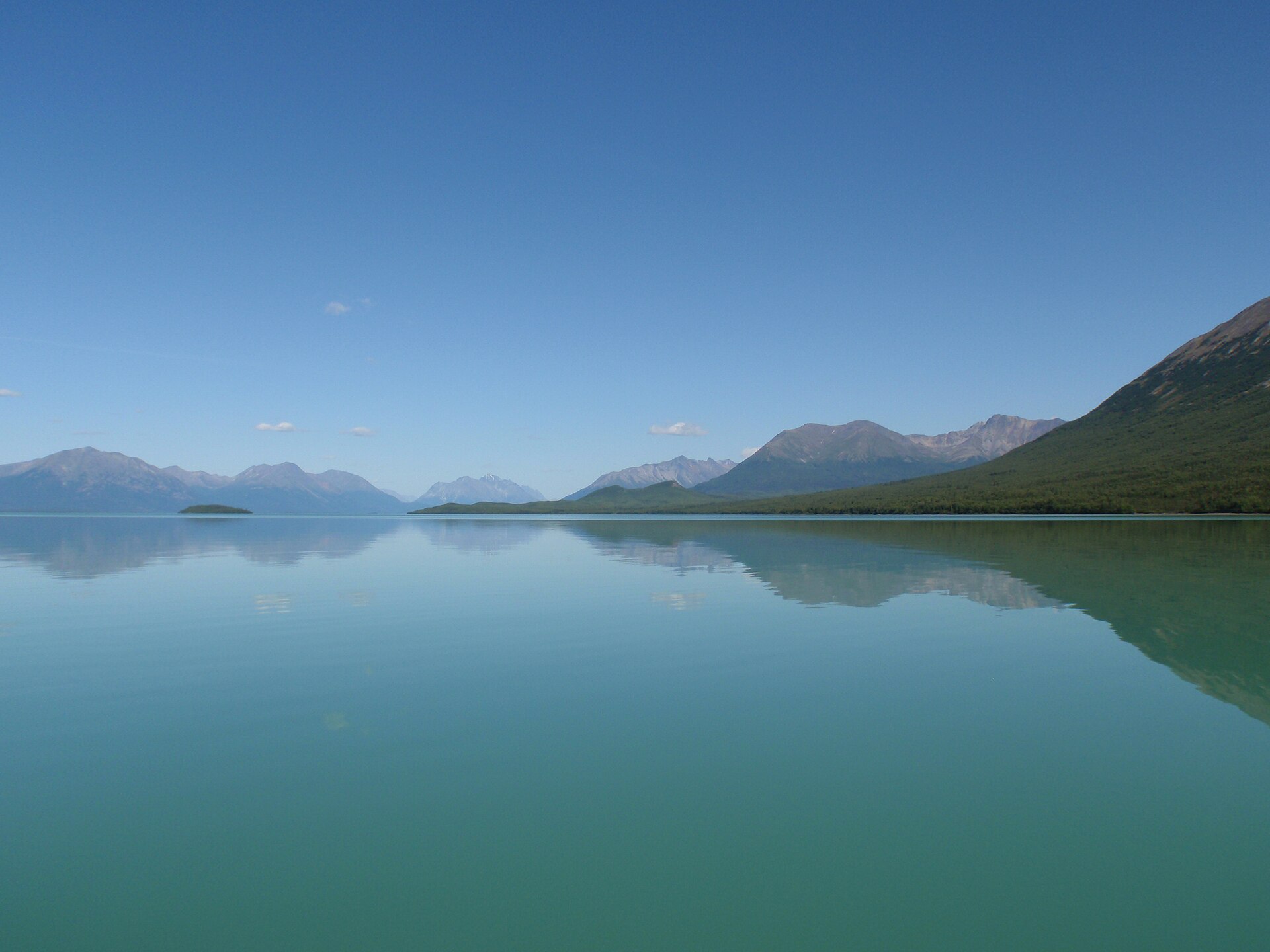
- Iliamna Volcano — Eastern edge of the park, near Cook Inlet
Iliamna is an active volcano about 10,016 feet high and draped in glaciers, so it shows fire and ice together. Ice flows from its flanks across broad outwash plains and braided rivers. Most people see it from the air, on a clear day, on the way into the park.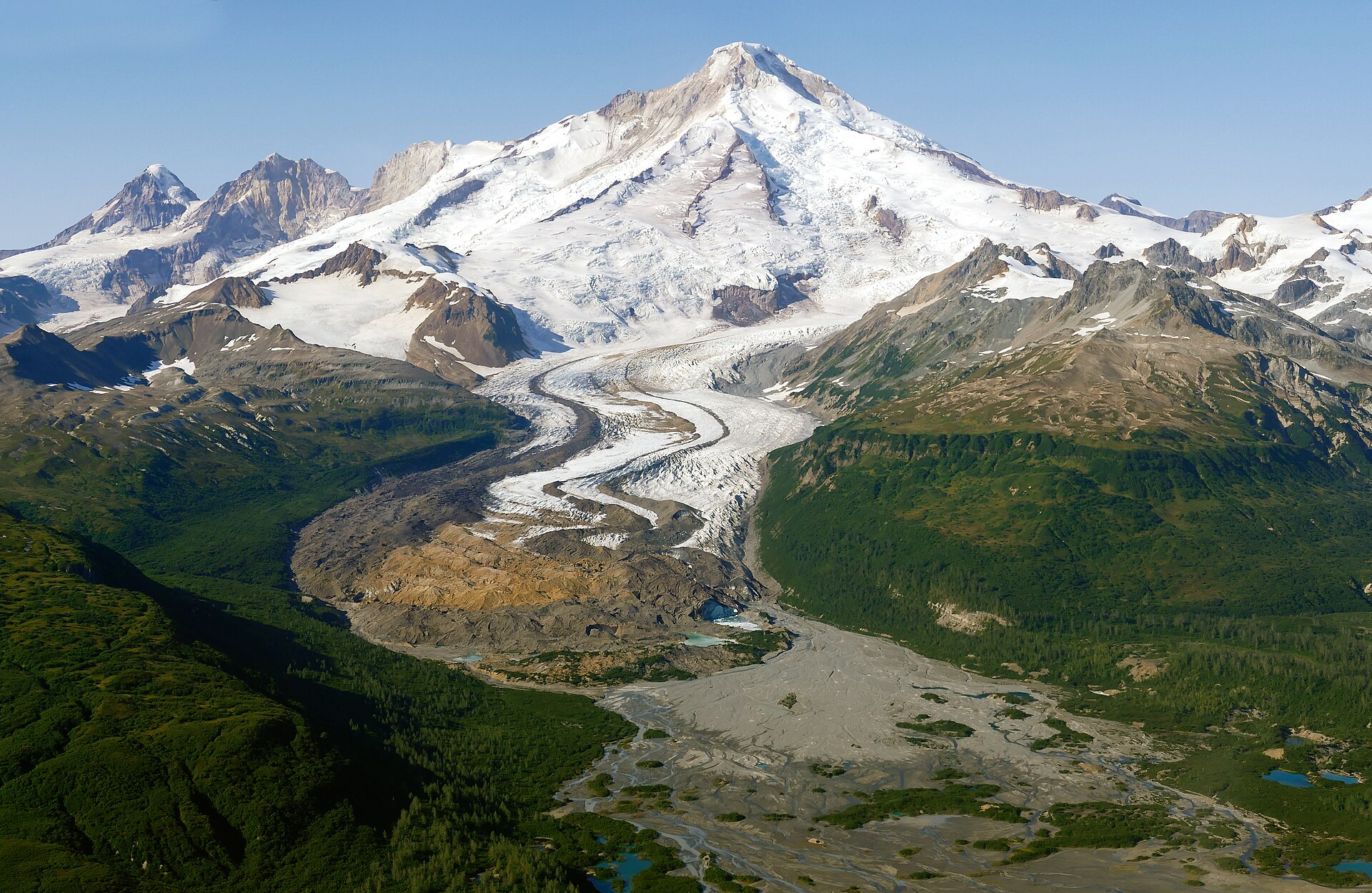
- Redoubt Volcano — Cook Inlet side of the park
Redoubt rises almost from sea level and is an active stratovolcano. Its eruptions in 1989 and 2009 spread ash across southcentral Alaska, including Anchorage, and interrupted air travel. It is a reminder that this landscape is still being built, and that flight plans here can change.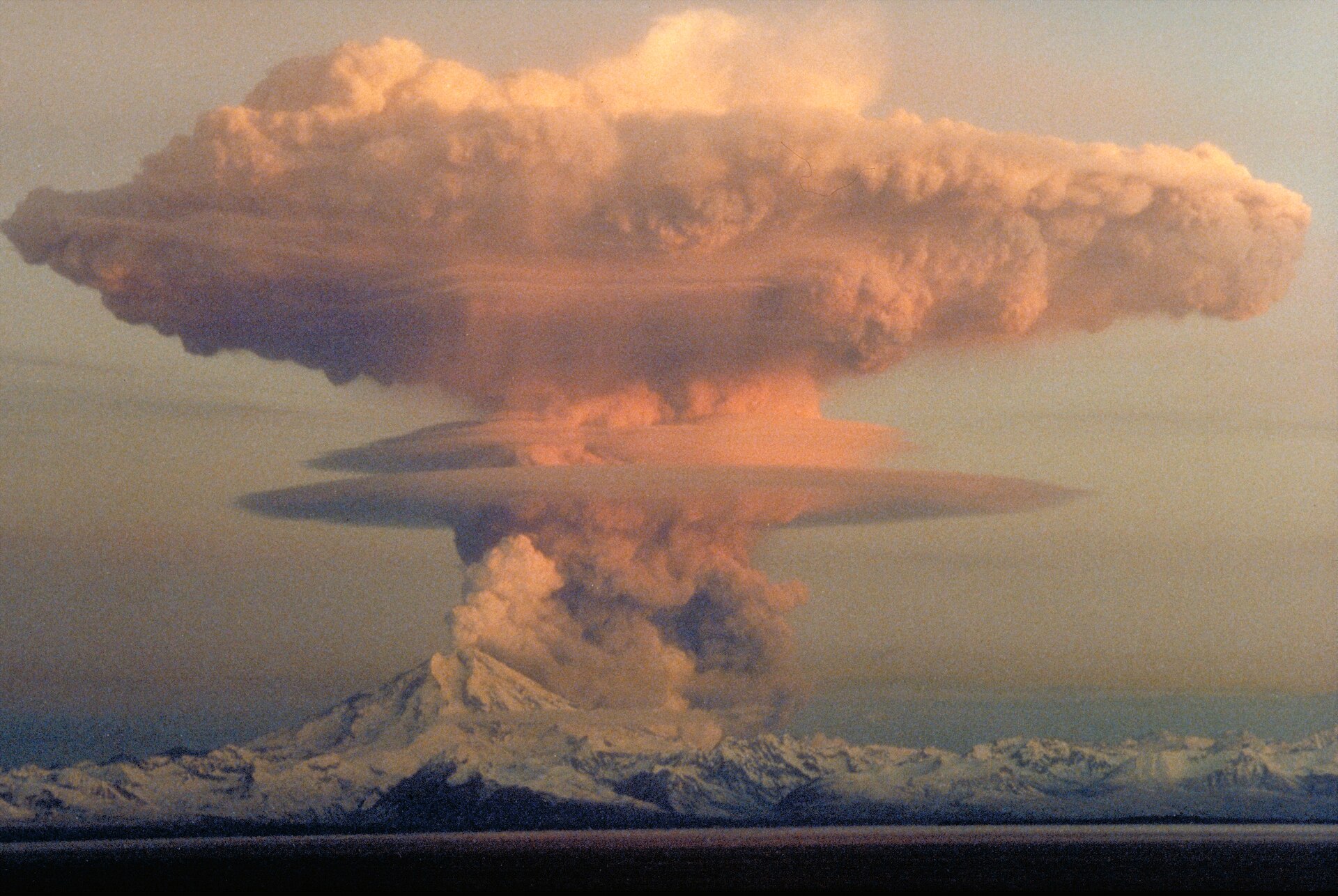
- Richard L. Proenneke's cabin — Twin Lakes, inland part of the park
Richard Proenneke built this cabin at Twin Lakes by hand, using tools and tricks he devised himself, and lived there for decades. It is a modest log structure, but it draws people who have seen the film about his life. The setting and the workmanship are the attraction. - Bear viewing at Silver Salmon Creek and the Kijik River — Coast of Cook Inlet and the Kijik River
Large numbers of brown bears gather where sockeye salmon spawn, at Silver Salmon Creek on the coast and along the Kijik River. Watching is a regular activity here, usually with a guide and from a respectful distance. Bears on the beach are as likely to be digging for clams or grazing as fishing.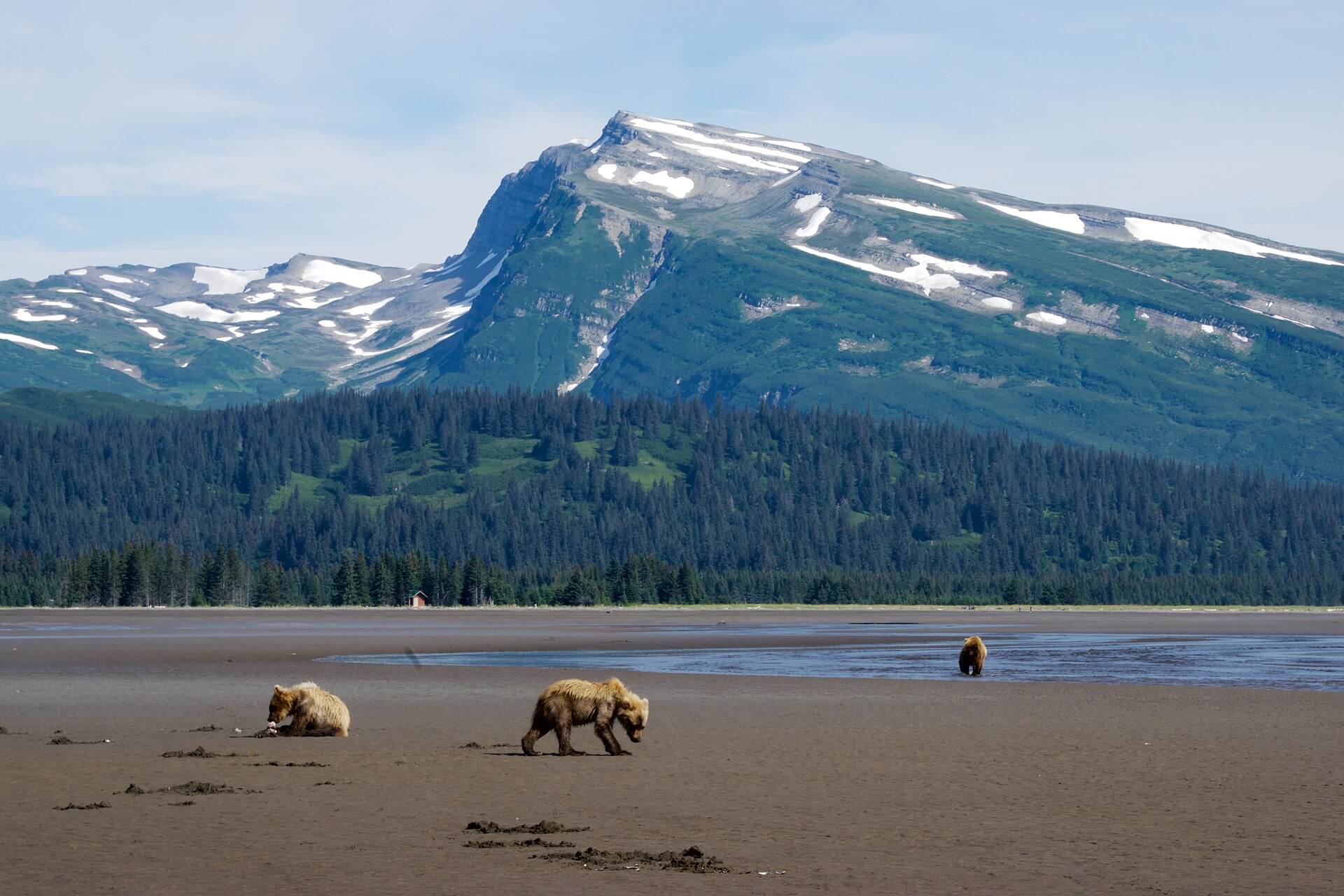
Culture
Lake Clark's culture is shaped by two things: the Dena'ina, who have lived here for many generations, and the habit of self-reliance that comes with a place no road reaches. Dena'ina communities such as Nondalton, Lime Village, Iliamna, Newhalen and Pedro Bay lie near the park, and most local residents are Dena'ina. Salmon is central to their year, both as food and as the basis of the wider regional economy.
The archaeological site at Kijik shows how deep this connection goes. It was the main Dena'ina settlement of the nineteenth century, and it is protected as a historic landmark. Visitors who come for bears and scenery are walking through a homeland, not an empty wilderness.
The second thread is solitude. For much of the twentieth century the area held few people, and those who stayed tended to be independent and resourceful. Richard Proenneke's cabin at Twin Lakes is the best-known symbol of that outlook, and Port Alsworth still revolves around bush pilots and air taxis. Weather decides schedules, and flights are delayed or rerouted without much fuss. Residents are used to it, and visitors are expected to be flexible.
Because there are no fixed runways or park services, a lot depends on cooperation: pilots, lodge hosts, rangers and neighbours all rely on each other. Backcountry hikers are asked to fill in a free registration form, which helps rangers if something goes wrong.
When passing through Port Alsworth or a nearby village, ask permission before photographing residents or their homes, fish racks and boats, and treat them as private property rather than scenery.
What to wear
Lake Clark's traditional dress belongs to the Dena'ina, who historically made clothing from tanned animal skins and furs suited to a subarctic climate. Athabaskan peoples are also known for decorating clothing with beadwork, and such pieces are mostly worn today for celebrations, gatherings and cultural events rather than every day. If you see them, it is polite to admire rather than touch.
Everyday dress in Port Alsworth and the nearby villages is practical outdoor wear: fleece, waterproof jackets, rubber boots, caps and sturdy work trousers. Weather is cool even in summer, rain is frequent in every season, and many people work with boats, aircraft or fish. Nobody dresses up, and clothes that are clean but weathered are the norm.
Visitors should plan for a subarctic climate with cool summers and rain at any time of year. Pack layers: a thermal base, a warm fleece or light down jacket, and a proper waterproof shell with waterproof trousers. Sturdy waterproof boots matter more than anything else, since routes cross wet tundra, gravel bars and stream edges. If you plan to fish or wade, check with your guide whether waders are provided. A hat, gloves and a head net or repellent for insects are worth packing. Small aircraft have strict baggage limits, so soft bags and light, quick-drying fabrics work better than heavy hard cases. No dress code applies, as there are no formal religious sites to enter.
What to eat
- Grilled sockeye salmon — Lodge dining rooms in Port Alsworth and at fishing camps
Sockeye is the fish that defines this region, and it appears on lodge menus and camp cookouts through the summer. It is usually grilled or baked simply, with lemon and butter. The flesh is deep red and rich, and it tastes best eaten close to the river. - Smoked salmon — Lodges, village homes and community events near the park
Smoking is a long-standing way of preserving the summer run. Smoked strips and fillets are served with crackers, or kept as trail food. Local families make their own, so ask at a lodge or a village gathering whether any is for sale before assuming it is. - Dried salmon strips — Dena'ina villages such as Nondalton, by invitation or local arrangement
Dried fish is a traditional Dena'ina food, chewy and salty, and easy to carry. It suits a long day of hiking or paddling. Because it is made by families rather than factories, availability varies, so treat it as a gift if offered. - Sourdough pancakes — Breakfast tables at lodges and cabins
Sourdough is an old Alaskan habit, and many lodges serve pancakes made from a long-kept starter. They arrive thick and slightly tangy, often with wild berries or syrup, and make a sensible breakfast before an early flight or a long walk. - Wild berries — Tundra trails in late summer, and lodge kitchens
Blueberries, cranberries and other tundra berries ripen in late summer and are picked by hand. They end up in jam, pancakes and desserts, or are simply eaten off the bush on a hike. Quantity depends on the year and the weather. - Freshly caught fish cooked at camp — Backcountry camps and lakeside cabins
Anglers who catch and keep fish within the park's rules often cook them the same evening over a stove or fire. The taste is hard to match. Check current regulations and bag limits on the park's official site before fishing.
Plan it
Best time. June to September, when summers are cool rather than warm, daylight is long and the rivers hold salmon and the bears that follow them. Winters are very cold and snowy, though ice fishing is possible, and rain can fall in any season, so plan for wet weather even in summer.
How long. 3–5
Getting there. Almost everyone arrives by air. Small aircraft, usually floatplanes, fly from Anchorage to Port Alsworth on Lake Clark, with other landings possible on lakes and beaches. No road reaches the park, and the coast can be approached by boat when weather and tides allow. Check the official site at https://nps.gov/lacl for current guidance.
Budget. high
Tips
- Book flights and lodges well in advance, as seats and beds are limited and bear-viewing season fills up first
- Allow spare days in your itinerary, because weather often delays small aircraft
- Pack light in soft bags to meet small-aircraft baggage limits
- Carry waterproof layers and sturdy waterproof boots whatever the forecast says
- If heading into the backcountry, fill in the free registration form so rangers know your plans
Etiquette
- Keep a respectful distance from bears and follow your guide's instructions at all times
- Ask permission before photographing residents or private property in Port Alsworth and nearby villages
- Check fishing and hunting rules on the official site before you cast a line, as they differ between park and preserve
Nearby
Sources
- Wikidata Q712296 (CC0)
- Wikipedia: Lake Clark National Park and Preserve (rev 1372856446) (CC BY-SA 4.0)
- Wikivoyage: Lake Clark National Park and Preserve (rev 5390910) (CC BY-SA 4.0)
- Photo 01-lake-clark-map.png (National Park Service) (Public domain)
- Photo 02-lake-clark-geologic-map.png (Wilson et al.) (Public domain)
- Photo 03-mtredoubtedit1.jpg (R. Clucas) (Public domain)
- Photo 04-iliamna-volcano.jpg (Lake Clark National Park & Preserve) (Public domain)
- Photo 05-2018-lacl-place-names (National Park Service) (Public domain)
- Photo 06-kijik-fish-nps1.jpg (Dan Young, National Park Service) (Public domain)
- Photo 07-lake-clark-national-park-and-preserve-32852214567.jpg (National Park Service) (Public domain)
- Photo 08-lake-clark.jpg (Ryjil Christianson) (CC BY 3.0)


Wildlife
- Brown bear (animal)
The brown bear is a big, shaggy bear with a muscly hump on its shoulders and wide paws made for digging, its coat anything from cream to dark brown. At Lake Clark, the Kijik River and Silver Salmon Creek are well-loved spots for watching bears fish as the salmon swim upstream. Watch from a respectful distance, keep quiet, and go with a local guide who knows the bears' habits. Never feed them, for a bear that learns to expect food is a bear in trouble.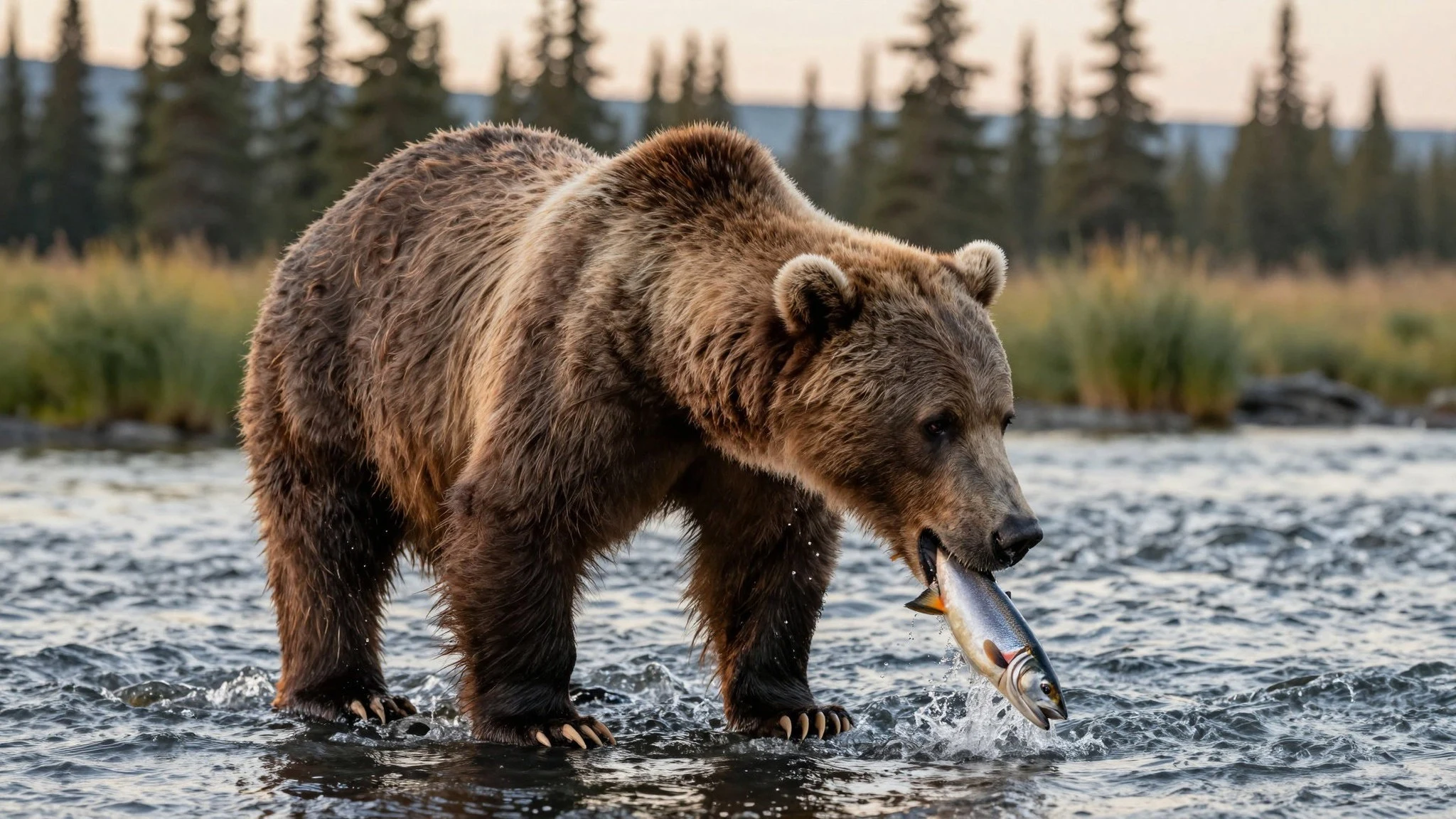
- Sockeye salmon (animal)
The sockeye is a Pacific salmon that turns bright red when it spawns, a fish that swims home to breed. Each summer, sockeye travel up the rivers and lakes around Lake Clark, carrying nutrients that nourish bears, birds and local livelihoods, and they help sustain the Bristol Bay fishery. Watch quietly from the bank and keep your distance, so the fish and any bears nearby are left undisturbed. A guide can show you good spots. Never feed wildlife.