La Parguera
La Parguera, United States
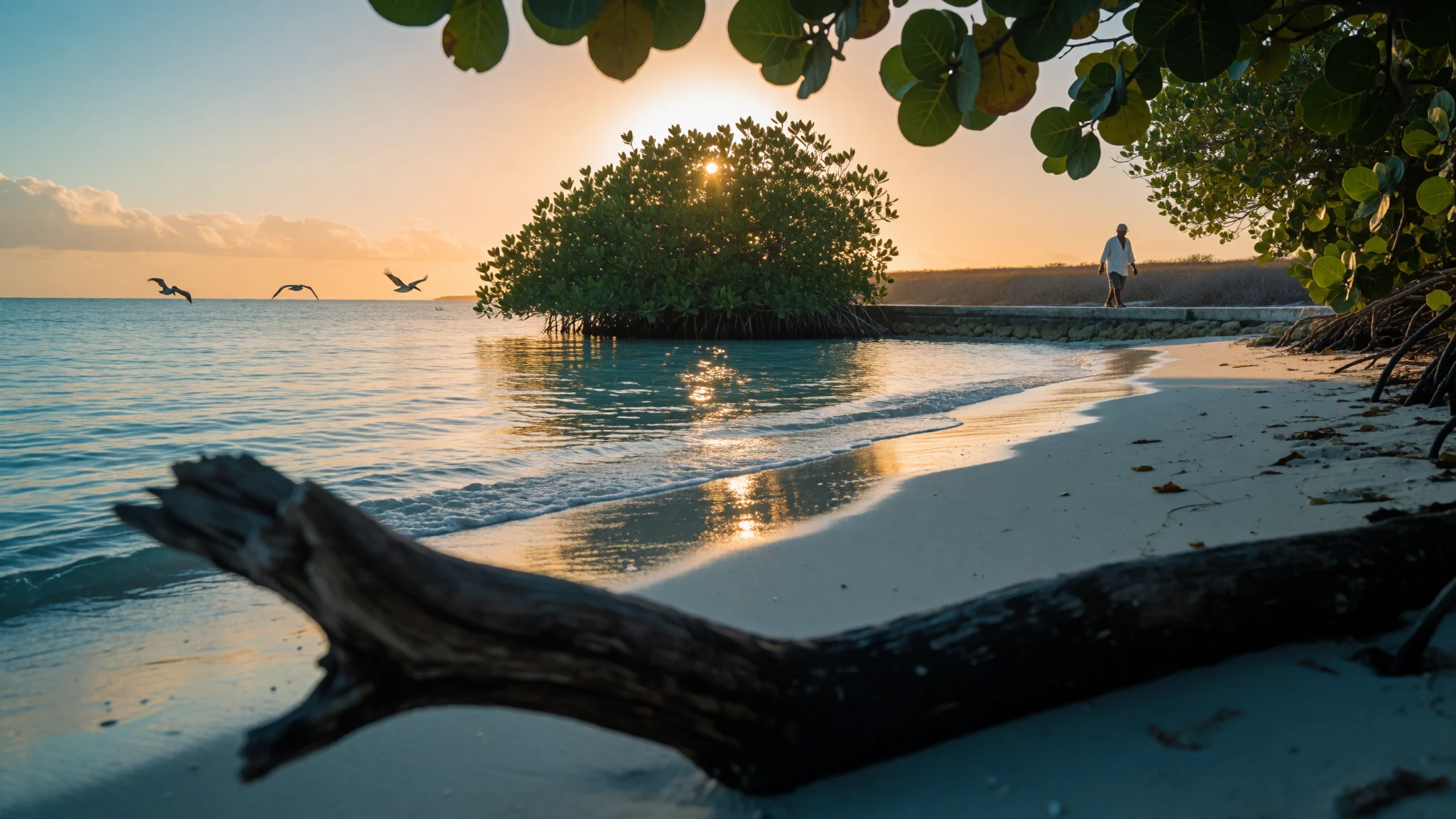
La Parguera is a small Puerto Rican fishing village where boats glide over water that sparkles green and white after dark.
The place
La Parguera is a community in the municipality of Lajas, on the Caribbean coast of south-western Puerto Rico, with a recorded population of 973. It is one of the barrios of Lajas, a town set in the Lajas Valley between San Germán, Cabo Rojo and Guánica. The landscape is dry, flat and sunlit rather than lush, a contrast with the rainier north of the island that surprises many first-time arrivals. The village faces a scatter of mangrove keys and low islets, and daily life still turns on the water: small boats tied up behind houses, fish on the day's menu, a waterfront where families wander in the evening. Weekends fill with Puerto Rican visitors, and the mood is closer to an easy seaside town than a polished resort. Nothing here is grand. The charm lies in the ordinary rhythm of a fishing settlement that happens to sit beside a famous night-time sight, a bay whose water lights up when stirred. Isla Magueyes, home to a university marine station, lies just offshore, and the wetland refuge of Laguna Cartagena is close by in the same municipality. Mayagüez lies to the north, and the surf towns of Rincón, Isabela and Aguadilla can be linked into the same trip. Heat is constant, shade is limited, and the sea breeze at dusk is the real reward of the day.
Its story
La Parguera belongs to Lajas, a town founded in 1883 by Teodoro Jácome Pagán, a Xueta, which is the name for a descendant of Mallorcan Jewish families. Some Jácome families later took the Castilian surname Santiago. Their story is a reminder that Catalan-speaking Jews from Mallorca numbered among the early settlers of Puerto Rico's south, a thread of history that rarely comes up on the bay tours. In 1898 Spain handed the island to the United States after the Spanish–American War, which is why this Caribbean village is filed under the United States today. Through the following century the valley around Lajas leaned on farming, pineapples above all, while La Parguera slowly became a weekend destination for its glowing water. The comedian Henry LaFont founded the Parador La Parguera, one of the places that helped shape that reputation. Local lore adds colour. People from the El Combate community in Boquerón are nicknamed mata con hacha, 'those who kill with axes', after a tale of a fight over the salt flats with their neighbours in Lajas, who answered by throwing stones and so became tira piedras. More recently, Hurricane Maria tore the roofs off hundreds of homes in Lajas and brought the town's pineapple industry to an end. The origin of the coloured lights has inspired many legends, while the scientific explanation, tiny dinoflagellates, is quieter but just as strange.
What to see
- Bahía Fosforescente — Offshore from the village waterfront
The bay off La Parguera is the reason most people come. Tiny dinoflagellates in the water give off a flash of light when disturbed, so a boat's wake draws green and white sparks. Tours run after dark in small boats. The effect is faintest under a bright moon, so check the lunar calendar before booking.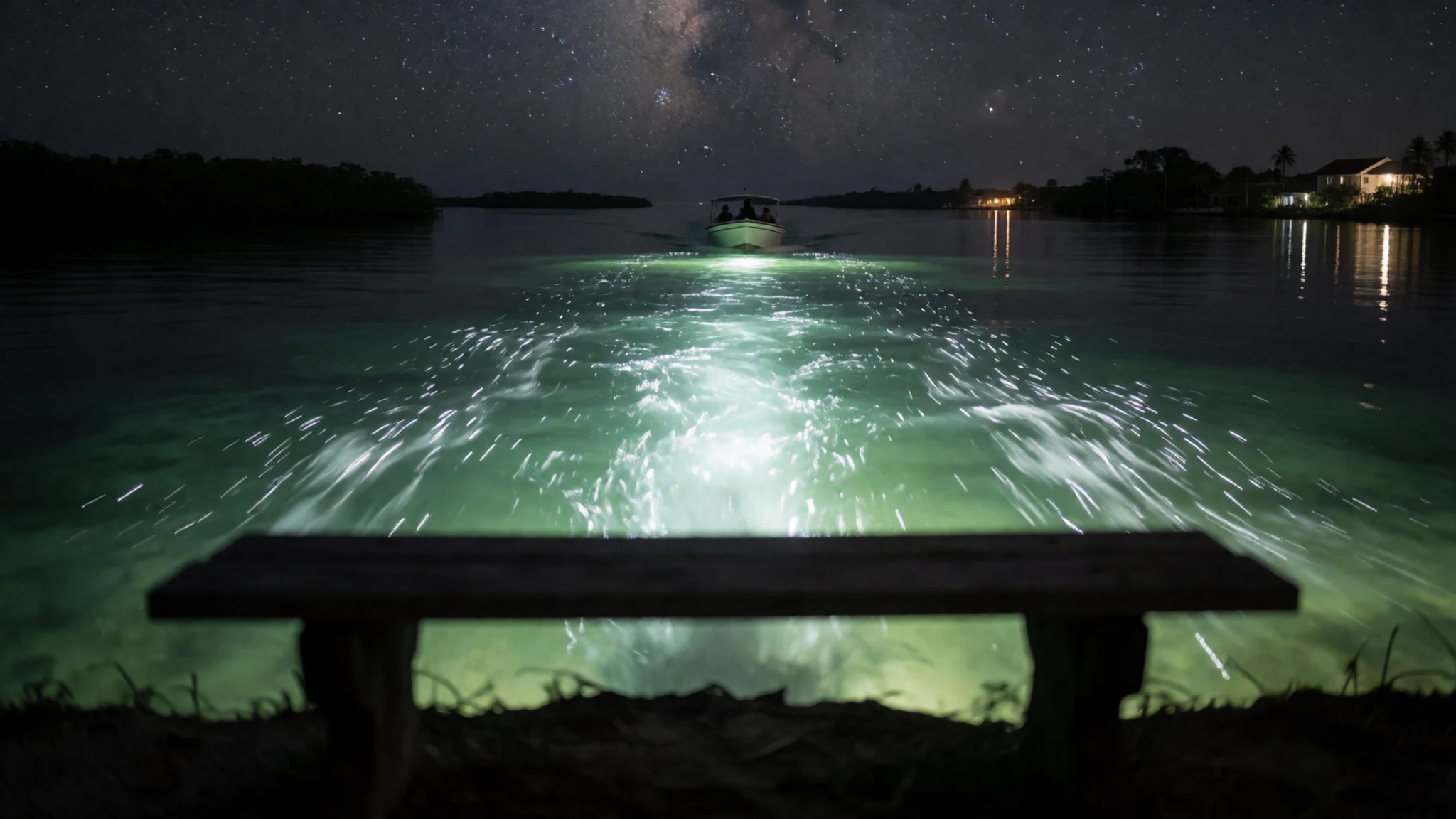
- Isla Magueyes — Just offshore, opposite the village
Isla Magueyes lies just off the waterfront and hosts the University of Puerto Rico's marine station. It is a working research site rather than a visitor attraction, but it is a pleasant sight from the water, with boats moored along its mangrove-fringed edge. Check access with the university before planning a landing.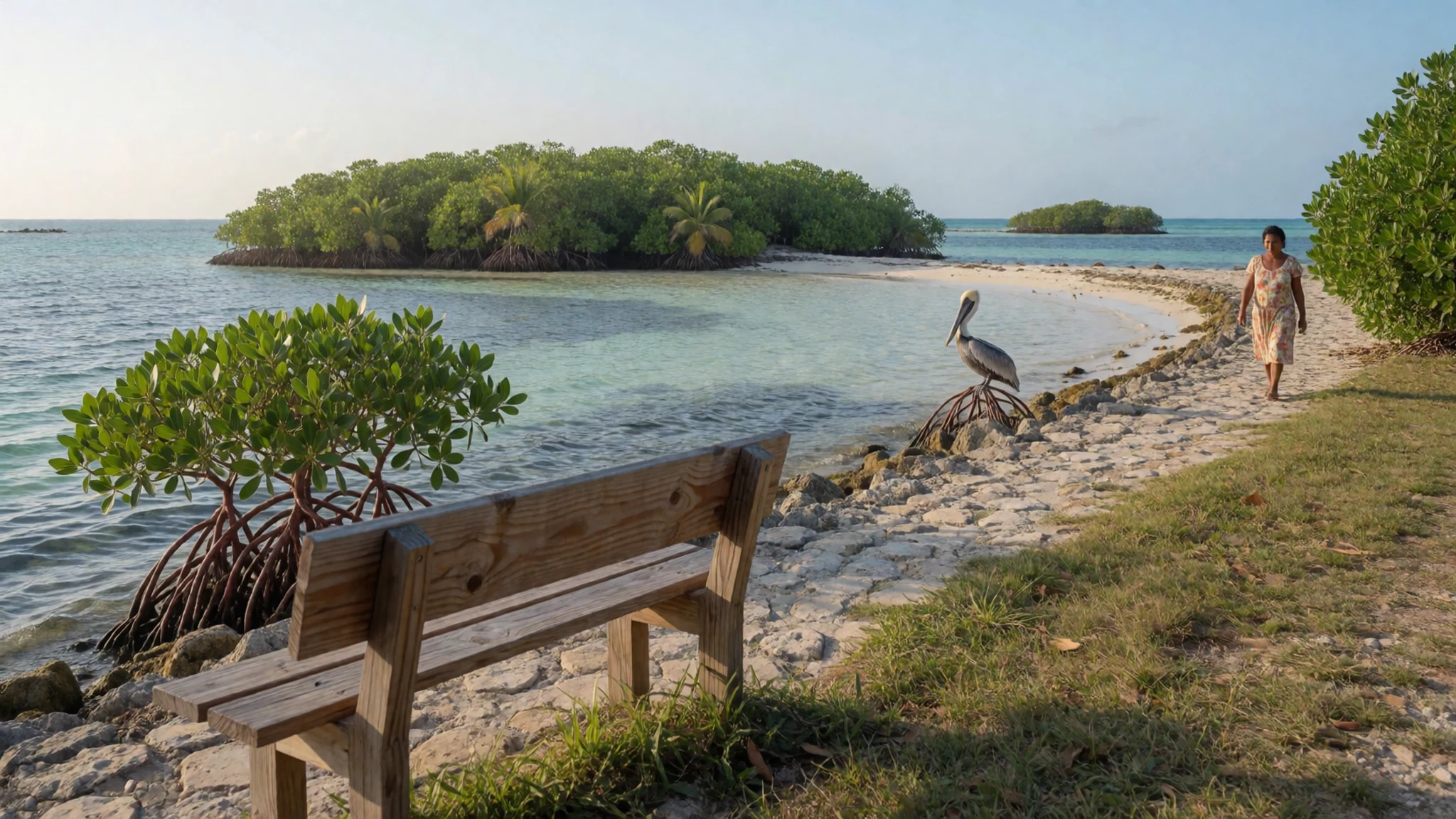
- The mangrove keys — Sea south of the village
The keys and islets scattered off La Parguera are best seen on a daytime boat trip, when the water is shallow and bright. Ask operators whether a swim or snorkel stop is included. Go early, before the sun is high and the wind picks up, and carry water and a hat.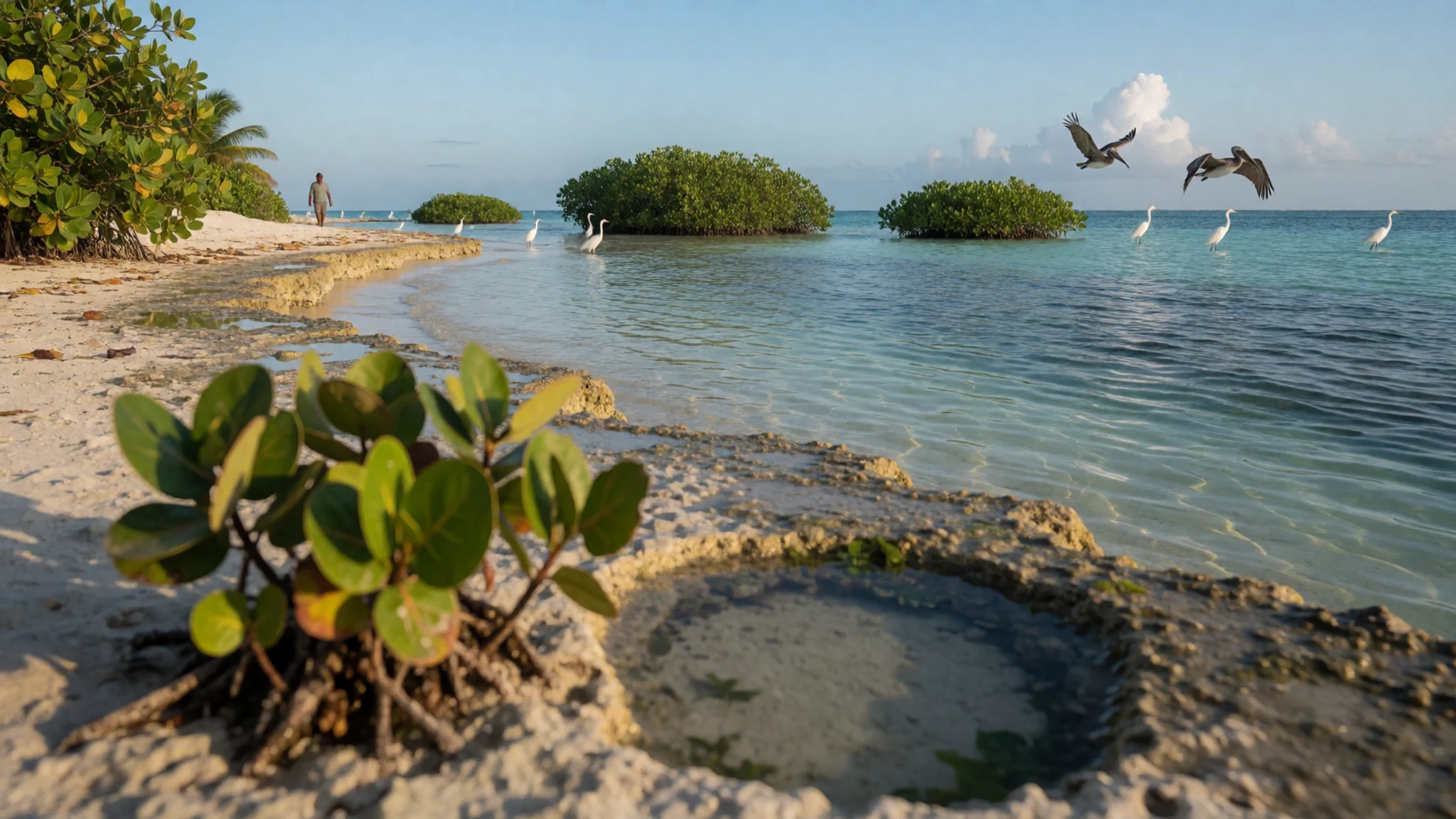
- Waterfront houses — La Parguera village centre
The streets of La Parguera are lined with low, brightly painted houses, many with a dock or boat at the back. A slow walk along the waterfront in late afternoon shows the village as locals live in it: neighbours chatting on porches, fishing gear drying, and the evening crowd starting to gather before the night tours.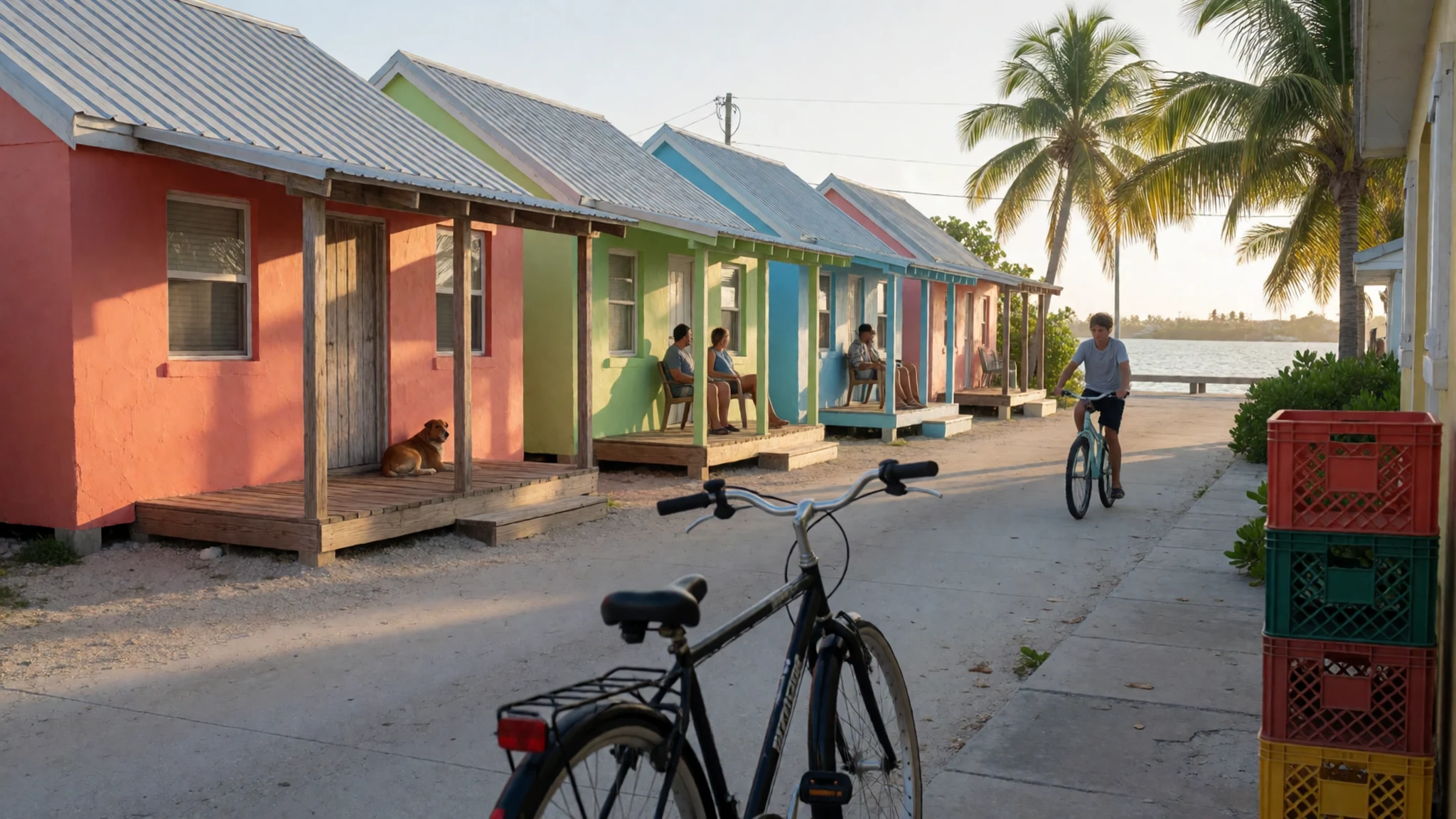
- Laguna Cartagena refuge — Lajas Valley, inland from La Parguera
Laguna Cartagena National Wildlife Refuge lies in the same municipality, inland from the coast. It protects a wetland in the valley and offers a quieter contrast to the busy waterfront. Check the refuge's current access and visiting arrangements before setting out, as facilities and opening can change.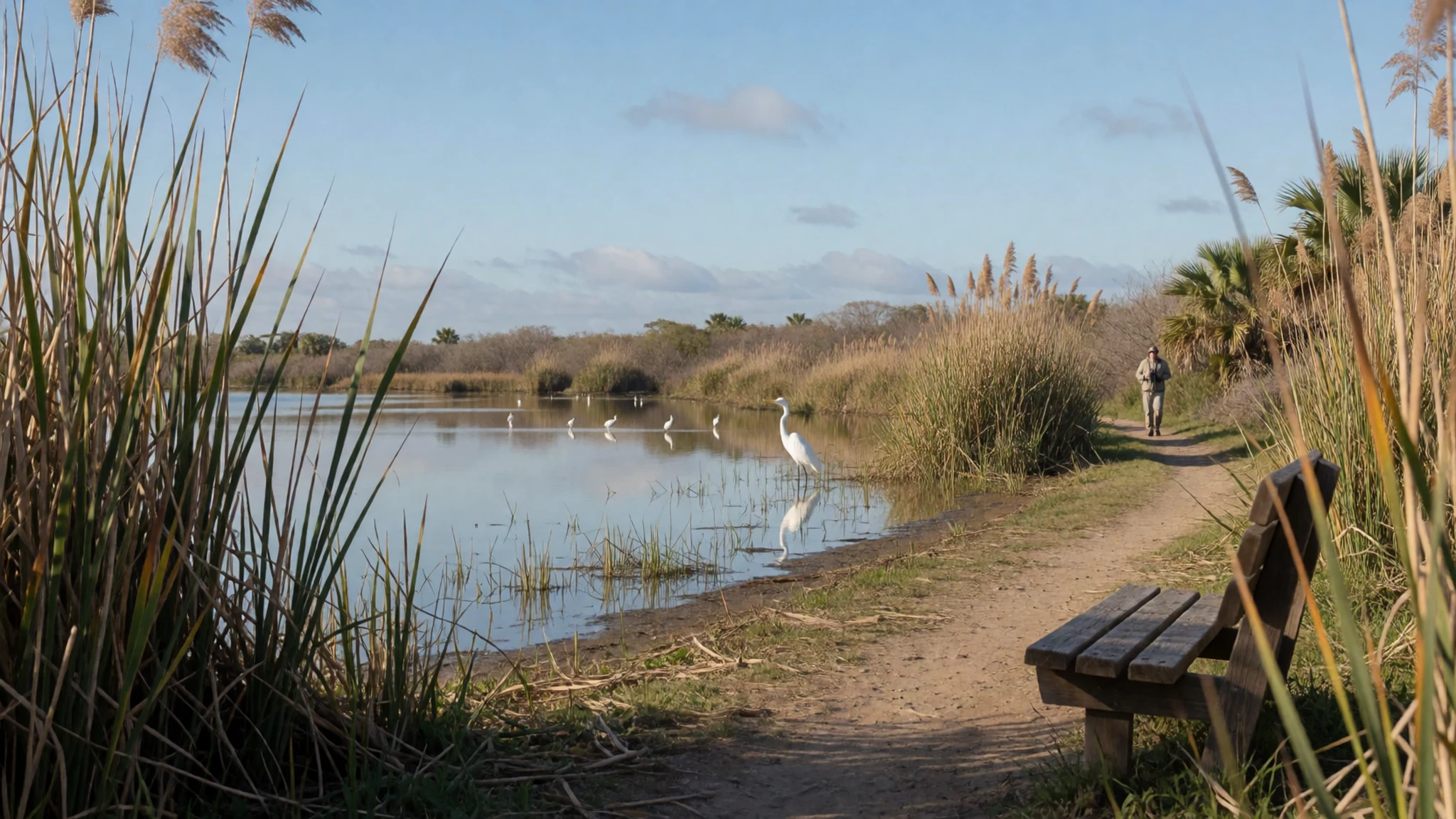
- Cabo Rojo lighthouse — Cabo Rojo, west of La Parguera
The historic lighthouse at Cabo Rojo is about 20 minutes away by road, an easy half-day add-on. The coast there is dry and scrubby, with open sea views and little shade. Go in the morning for cooler light, bring water, and check locally for current access.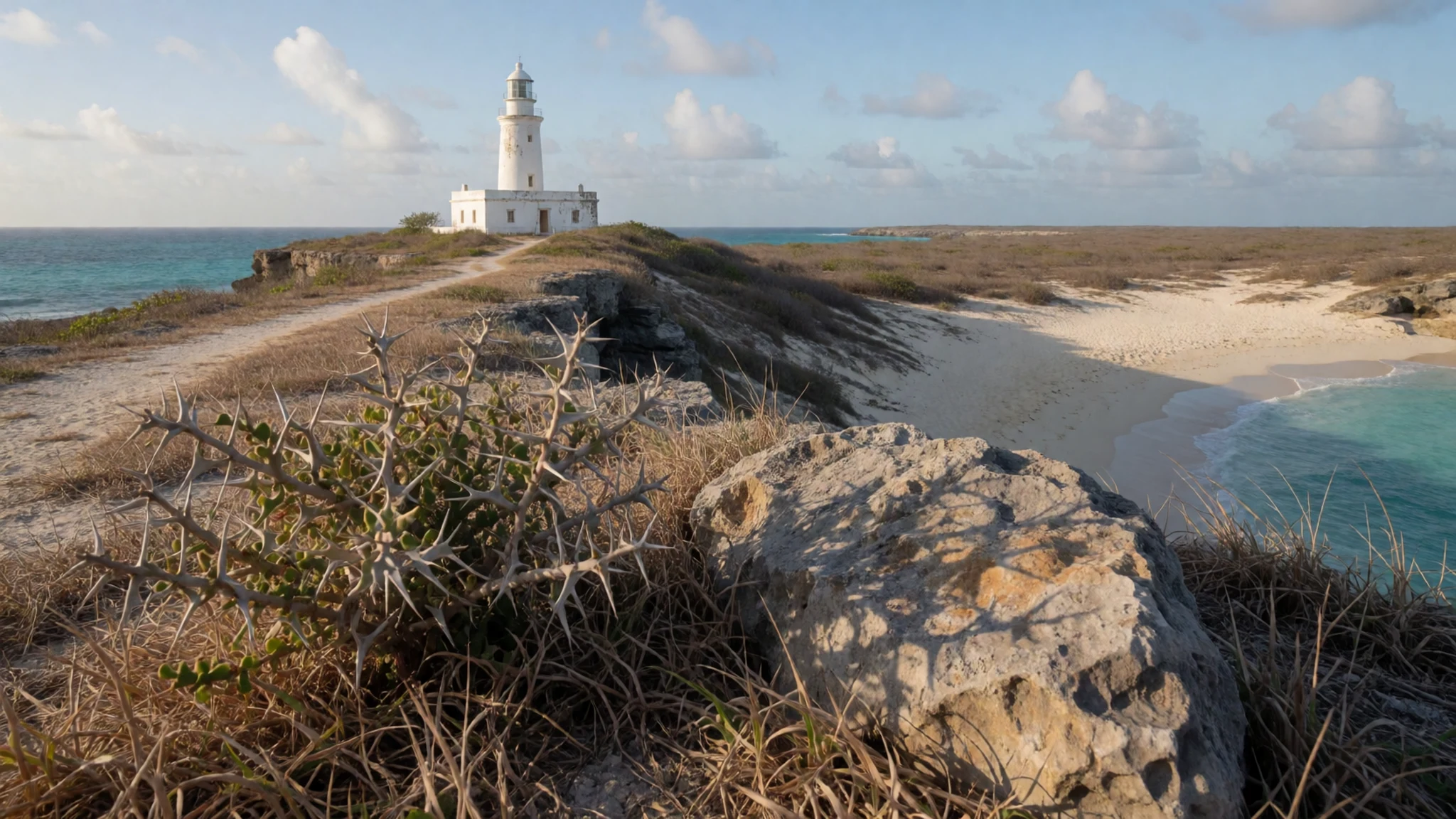
Culture
La Parguera's social life follows the calendar of Lajas, the municipality it belongs to, and the rhythms of the water. A major religious occasion is the patron saint festival in February, the Fiestas Patronales de Nuestra Señora de la Candelaria, with parades, games, craft stalls, rides, regional food and live music. Other dates through the year include a kite festival in February or March, a blue marlin fishing festival in May, the Pineapple Festival (Festival de la Piña Paradisíaca) in May or June, the Fiesta de San Pedro in June, a national agricultural fair in the valley in June or July, and a Christmas parade and artisans' fair in December. Fishing and farming flavour all of it. Spanish is the everyday language, English is understood in the tourist trade, and a greeting before a request is expected. Weekends are loud and sociable, with music drifting from cars and boats and families eating late into the evening. Hurricanes are part of local memory, and people speak of them plainly rather than dramatically. Boat captains are often lifelong residents of the village and enjoy sharing stories if asked politely. On a night boat, keep torches and phone screens off and follow the captain's instructions, since stray light dims the glow for everyone aboard.
What to wear
Traditional dress in La Parguera and the wider Puerto Rican countryside draws on the jíbaro, the rural farmer: a white or pale cotton shirt, light trousers and a woven straw hat called a pava, worn at festivals, folk music nights and patron saint celebrations. The guayabera, a loose shirt with pleats and pockets, is a related garment still seen at formal occasions. Festival dresses for women often use cotton and lace, and mundillo, a bobbin lace, is a Puerto Rican craft. Day to day, people dress for the heat: shorts, T-shirts, vest tops, flip-flops, and swimwear under a cover-up in a beach town. Fishermen favour long sleeves, caps and sturdy sandals. Dress is relaxed, though people tidy up for church and for evening outings. Visitors should wear light, breathable cotton or linen, a hat and sunglasses, and strong sun protection, since shade is scarce on boats. A thin long-sleeved layer helps against the breeze on the water at night. Sandals with a good grip suit boat decks and rocky edges, and closed shoes are worth packing for any mangrove walk. Cover shoulders and knees when stepping into a church in Lajas.
What to eat
- Whole fried fish (pescado frito) — Waterfront eateries along the village promenade
A whole local fish fried crisp and served with tostones and a squeeze of lime. Seafront eateries in La Parguera cook what the boats brought in, so ask what is fresh that day and eat it while it is hot.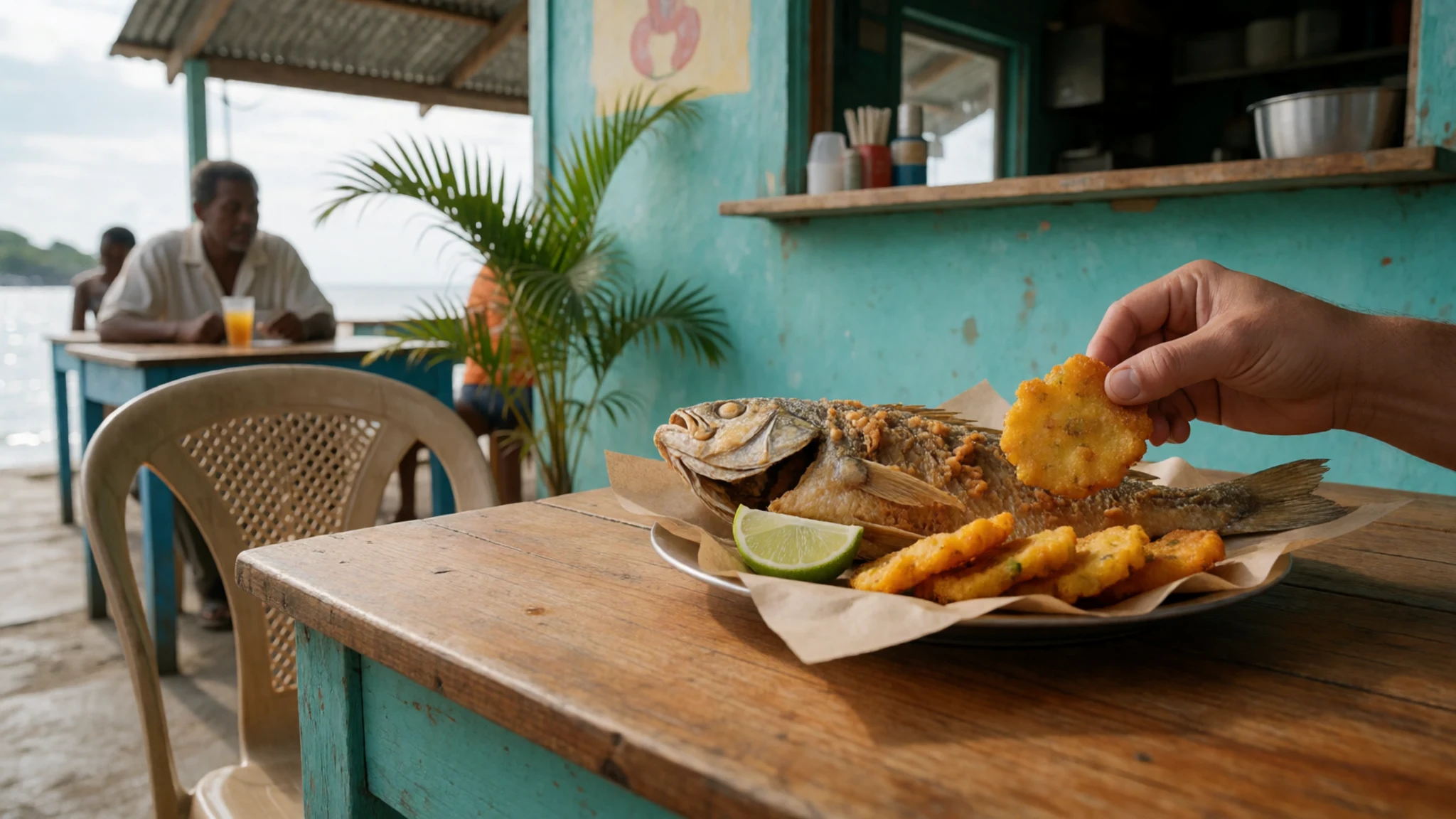
- Tostones — Almost any seafront eatery or snack kiosk
Slices of green plantain fried twice, flattened in between, then salted. They arrive as a side with fish or meat, often with garlic sauce for dipping. Crisp outside, starchy within, they are the standard companion to a seafood plate.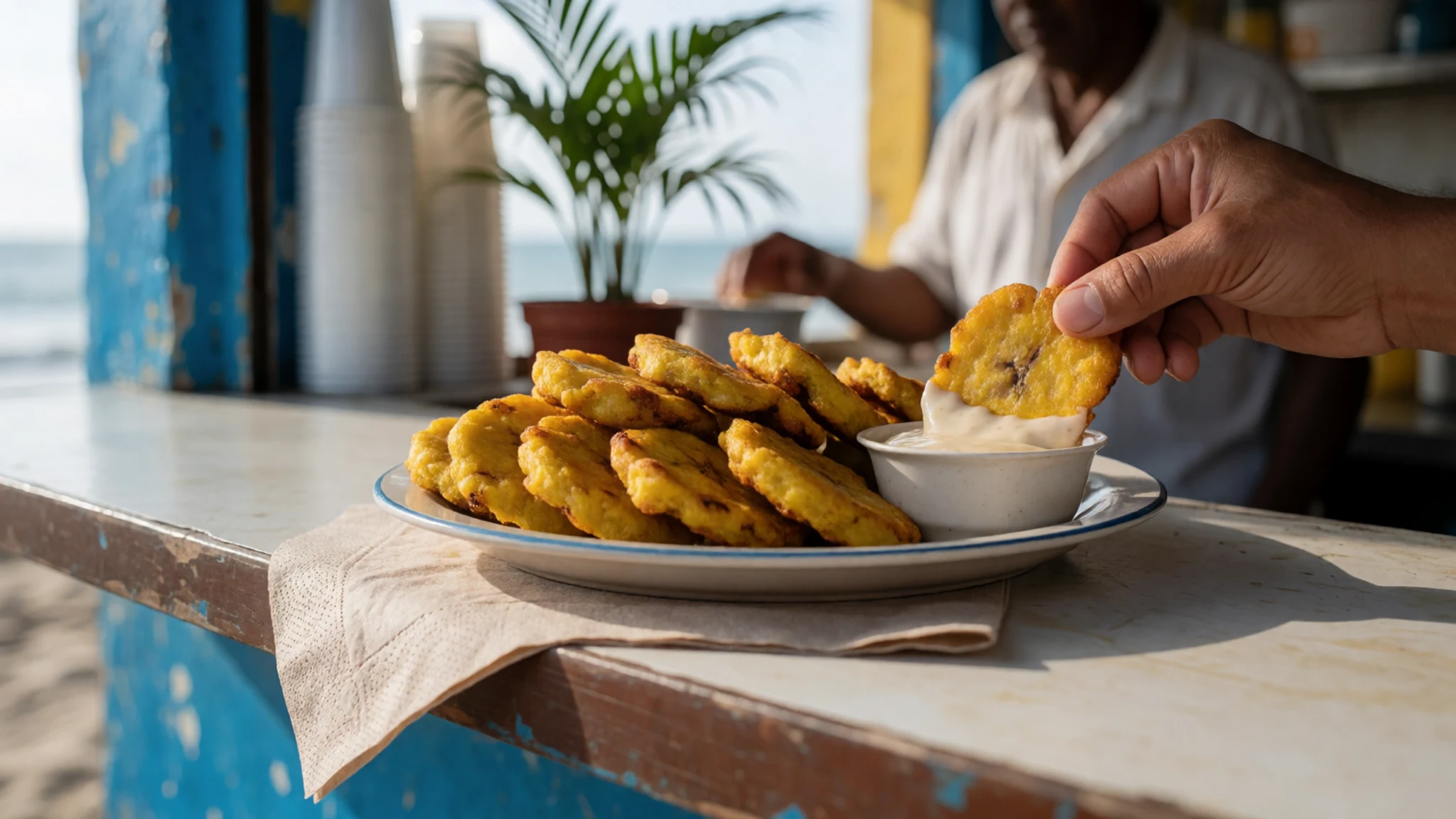
- Mofongo — Restaurants in La Parguera and the centre of Lajas
Fried green plantain mashed with garlic and pork crackling into a dense mound, often topped or stuffed with seafood in a coastal village. It is filling and savoury, so share a portion if you plan to eat again later. - Alcapurrias — Roadside kiosks and festival stalls in Lajas
Fritters made from grated green banana and starchy root, shaped around a filling of seasoned meat or crab and deep fried. Eaten with the fingers, they are a typical snack at roadside stands and during festival days. - Piragua — Street carts near the plaza and waterfront
Shaved ice packed into a paper cone and drenched in fruit syrup, a cooling street treat in the heat. Flavours vary by cart, and many vendors still scrape the ice by hand.
Plan it
Best time. December to April is the drier, more comfortable stretch for boat trips. Bioluminescence is best on dark, moonless nights whatever the month. June to November is hurricane season, with heavier rain and hot, humid days.
How long. 1–2
Getting there. Fly into San Juan, then drive south-west across the island; La Parguera lies on the Caribbean coast south of Mayagüez. The last leg is on local roads through Lajas, and a car is the practical way to reach the village.
Budget. mid
Tips
- Book night boat tours ahead for weekends and holidays, when the village is busiest
- Pick a dark, moonless night for the strongest glow
- Carry some cash for small eateries and kiosks, and check what card payment is accepted
- Bring water, sun cream and insect repellent, as shade is scarce and evenings can be buggy
- Check the official sites of tour operators and the wildlife refuge for current hours and access
Etiquette
- Keep torches and phone lights off on the bay at night
- Greet people before asking for help or directions
- Take litter back to shore, especially on boats and keys
Nearby
Sources
- Wikidata Q1833442 (CC0)
- Wikipedia: La Parguera (rev 1378379077) (CC BY-SA 4.0)
- Wikivoyage: La Parguera (rev 5214149) (CC BY-SA 4.0)
- Photo: A boat at La Parguera (Maryamarce) (CC BY-SA 4.0)
- Photo: Bioluminescent tour at La Parguera (Clembore Memotech) (CC BY-SA 2.0)
- Photo: Bioluminescent tour house and boat (Clembore Memotech) (CC BY-SA 2.0)
- Photo: Casa en La Parguera (ladymiel67) (CC BY-SA 2.5)
- Photo: Cayos de La Parguera (Les amp; Omy) (CC BY 3.0)
- Photo: Flag seen at bioluminescent tour (Clembore Memotech) (CC BY-SA 2.0)
- Photo: Flora and fauna in La Parguera (Ricardo Mangual) (CC BY 2.5)
- Photo: Guánica mangroves (Ricardo's Photography) (CC BY 2.5)


