Kel-Suu
Kel-Suu, Kyrgyzstan
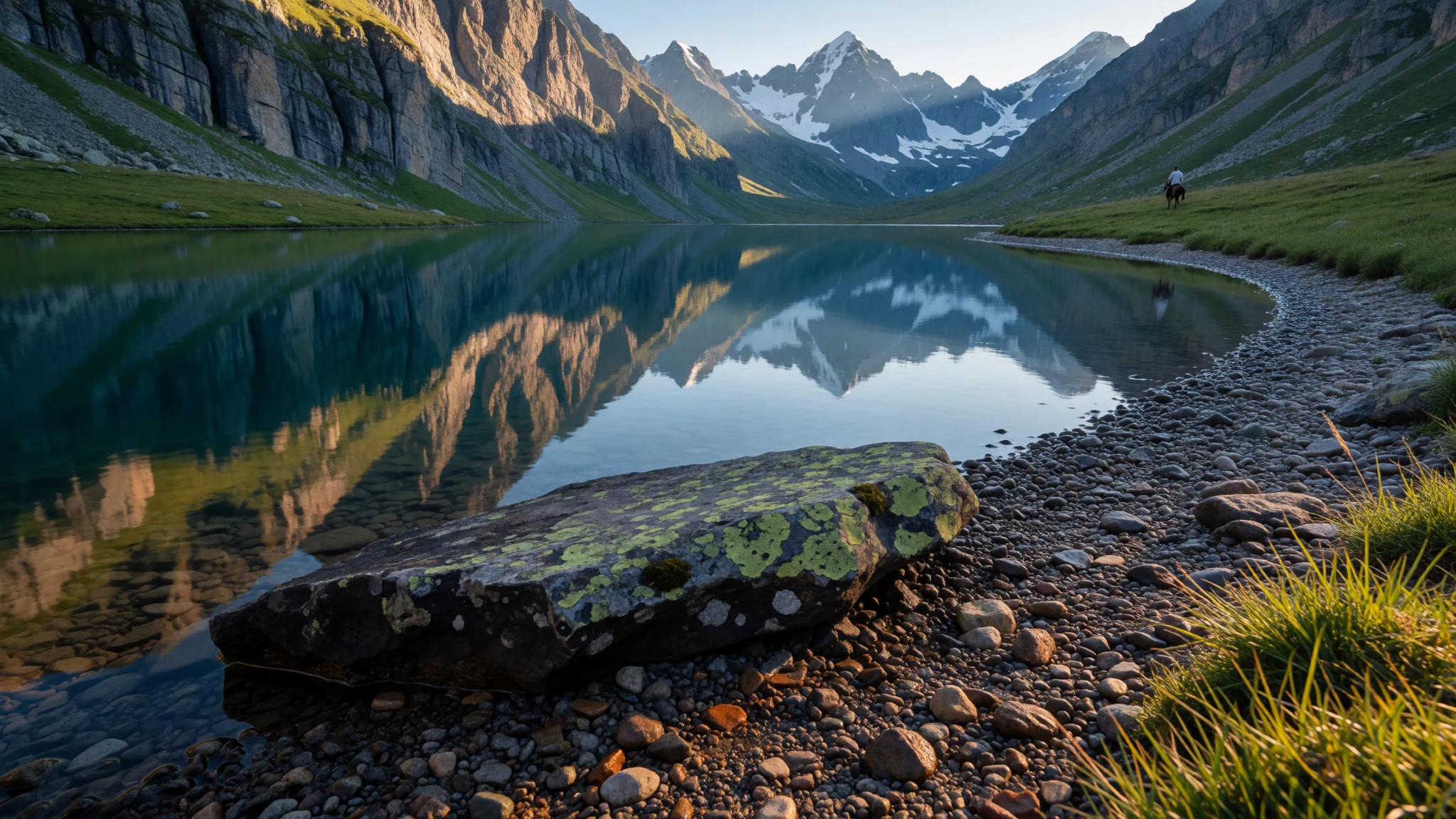
Kel-Suu is a remote, five-kilometre lake high in the Tian Shan, reached only by a long journey, and quiet in a way few places are.
The place
Kel-Suu, labelled Köl-Suu in the Wikidata record, is an alpine lake in At-Bashy District of Naryn Region, in southeastern Kyrgyzstan. It lies at 3514 m in the Kakshaal Too range, part of the central Tian Shan, and stretches about 5 km along its valley. The Kurumduk river both feeds it and drains it, and that stream is a small link in a chain: it joins the Kökkyya, which in turn joins the Kakshaal.
The setting is high, bare and exposed. There are no trees at this altitude, only rock walls, scree, rough grass and a great deal of sky. The water changes colour with the light and the hour, from milky green to steel grey, and the surrounding slopes make it look smaller or larger depending on where one stands. Weather can turn within an hour, with wind, cold rain or snow possible even in the warm months, and the thin air makes every climb feel steeper than it looks.
The lake is far from towns, shops and clinics. Most visitors arrive on a multi-day trip with a vehicle and a local guide rather than on their own. Because the valley lies close to Kyrgyzstan's frontier, permit rules may apply, and a local operator will know the current position. Phone signal should not be counted on. Anyone going should plan for self-sufficiency, warm layers and a flexible schedule, since the rewards of the place are space and silence rather than facilities.
Its story
Kel-Suu has an odd habit that sets it apart from most lakes: it can disappear. The river that leaves it does not begin as a visible outflow. Instead, the water gushes out from between soil and rocks below the lake, as if it were seeping through the mountain itself. This suggests an underground route for part of the lake's drainage, and it helps explain why the water level is not always dependable.
In 2019 the lake emptied completely. That event drew comparisons with Merzbacher Lake, another Kyrgyz lake known for dramatic changes. For a place that looks so settled in photographs, with still water and a long, even shoreline, it is a reminder that mountain lakes are restless things. They depend on snowmelt, rainfall, ground conditions and the hidden channels beneath them.
The lake also sits in a landscape shaped by long human use of high pastures, where herding families have traditionally moved with the seasons, though the sources available here say little about the lake's own history, so no neat tale of founding or legend is told. What can be said is that the Kurumduk, the Kökkyya and the Kakshaal form a small family of rivers carrying meltwater out of the Kakshaal Too. A traveller who understands that, and who knows the lake may be fuller or lower than on a photograph, will have the right expectations: this is a living, changing piece of the Tian Shan rather than a fixed postcard, and its mood depends on the year as much as on the day.
What to see
- The lake shore — Kel-Suu, At-Bashy District
The main reason to come is the shoreline itself, which runs about 5 km along the valley floor. Walk a stretch of it slowly and watch how the colour of the water changes with the angle of the light. Mornings are usually calmer, and wind often builds later in the day.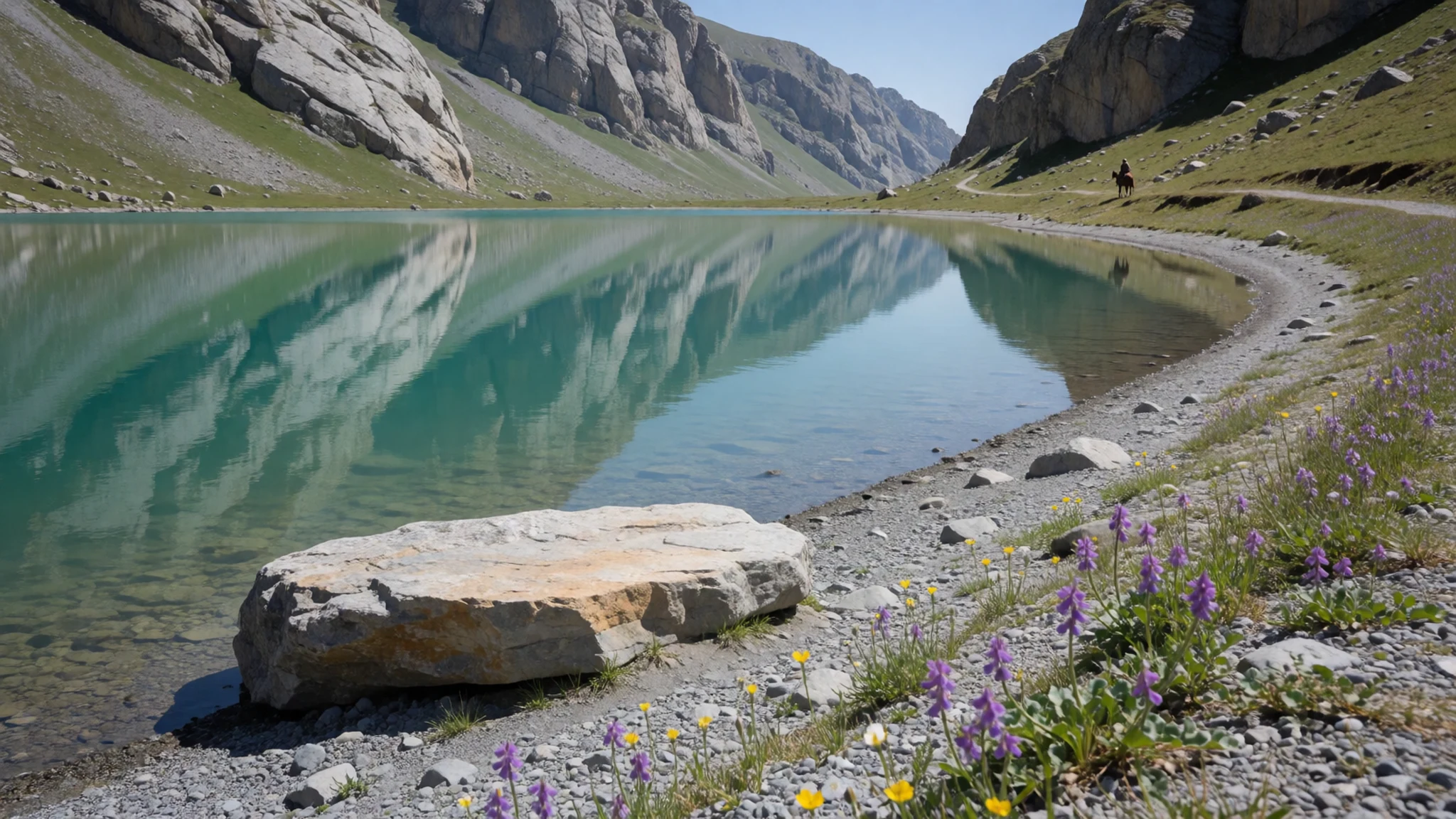
- The valley and surrounding ridges — Kakshaal Too range
The Kakshaal Too ridges frame the lake with bare rock and scree, and a short climb above the water gives a wider view of the valley. Go up gradually because of the altitude, and turn back if cloud closes in. The slopes can be loose underfoot.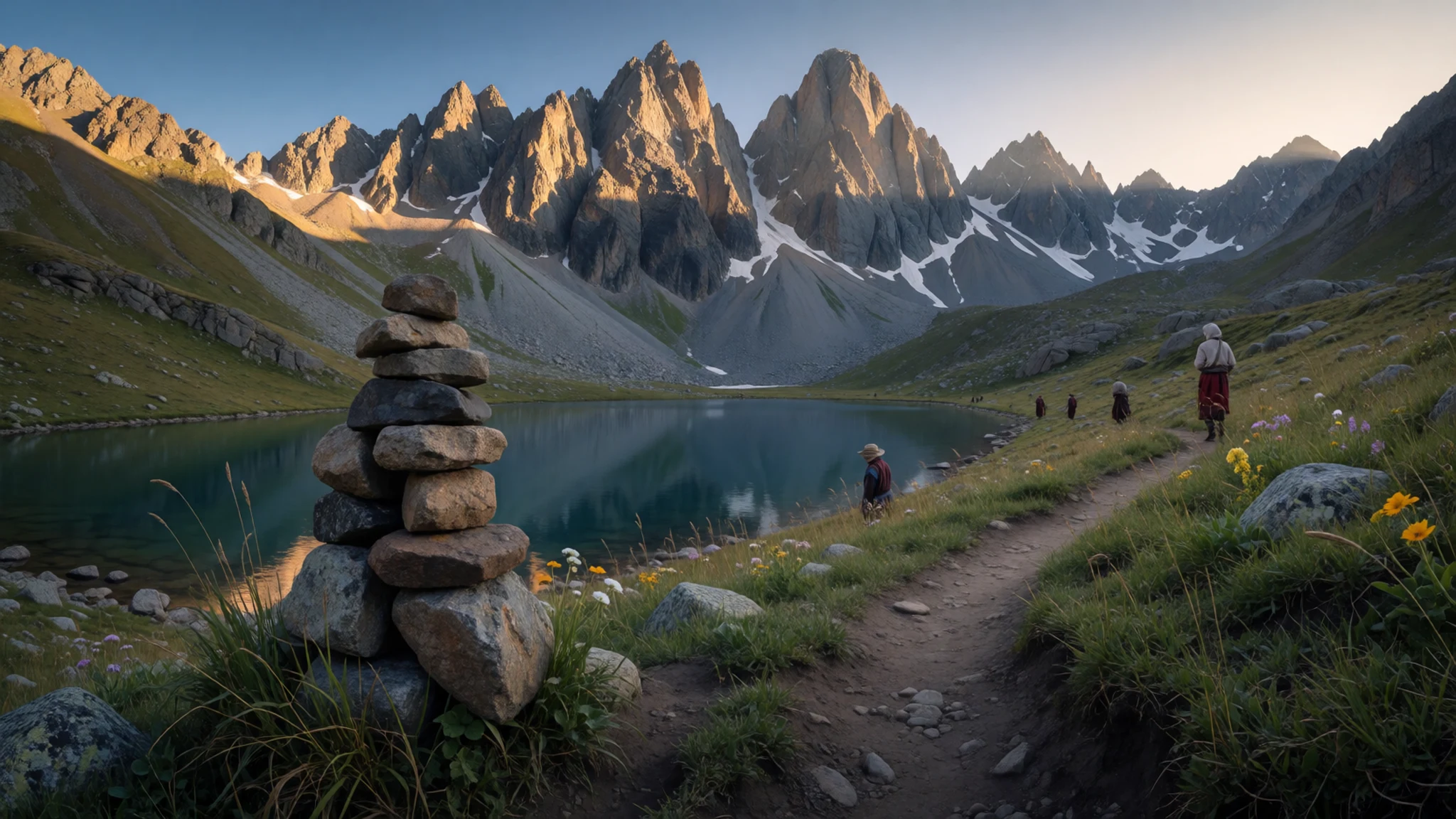
- Where the river leaves the lake — Kurumduk river, below the lake
Below the lake, the draining river begins where water emerges between soil and rocks rather than from an open channel. It is a quiet, curious spot and a good place to understand how this lake works. Stay on firm ground, since the edges can be soft and wet.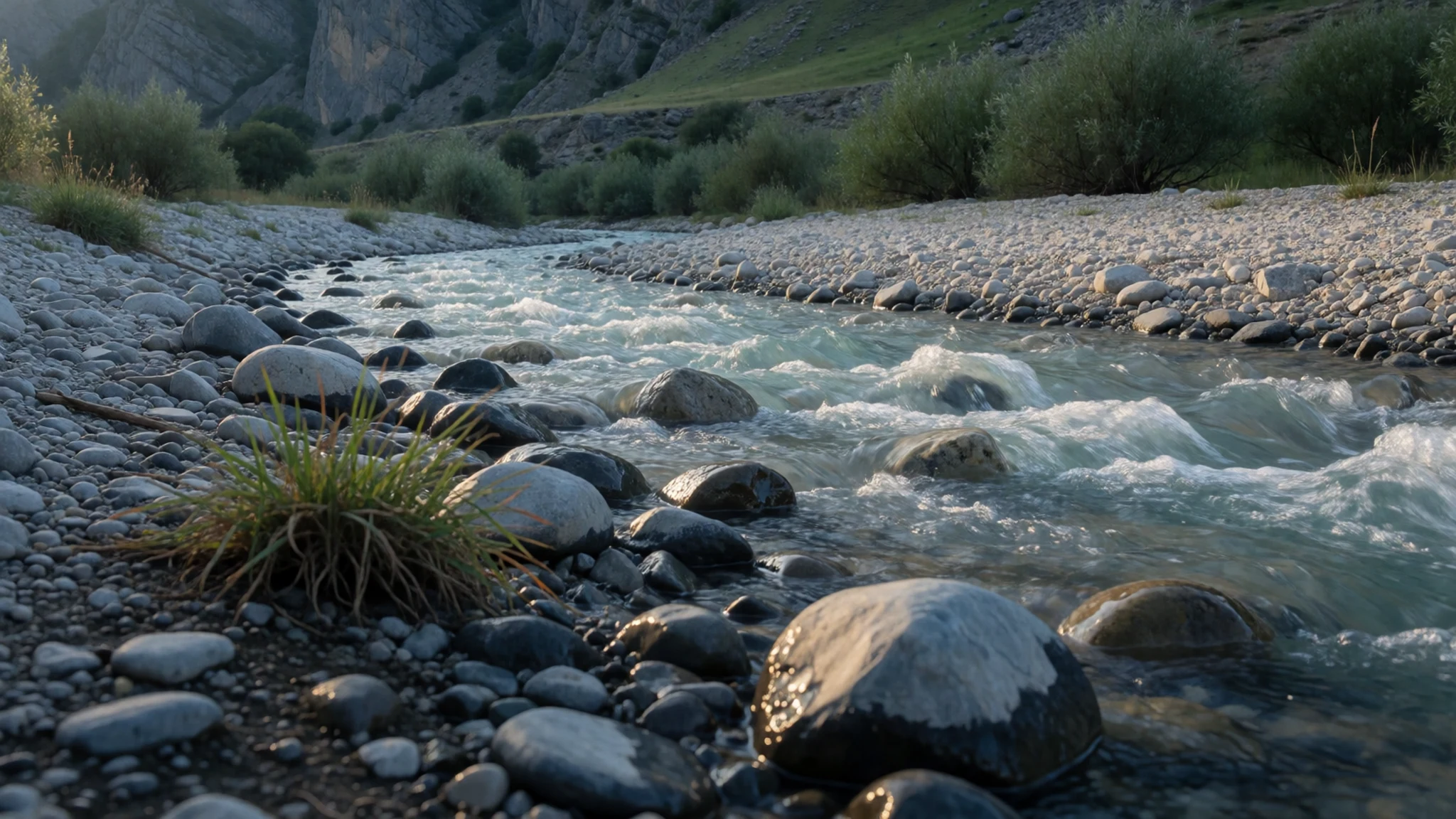
- The Kurumduk valley approach — Approach route, Naryn Region
The journey in is part of the visit. The track follows river valleys through open mountain country, and stopping now and then lets the scale of the Tian Shan settle in. Wildlife and herders may be seen from the vehicle, and a local driver will know which crossings are safe.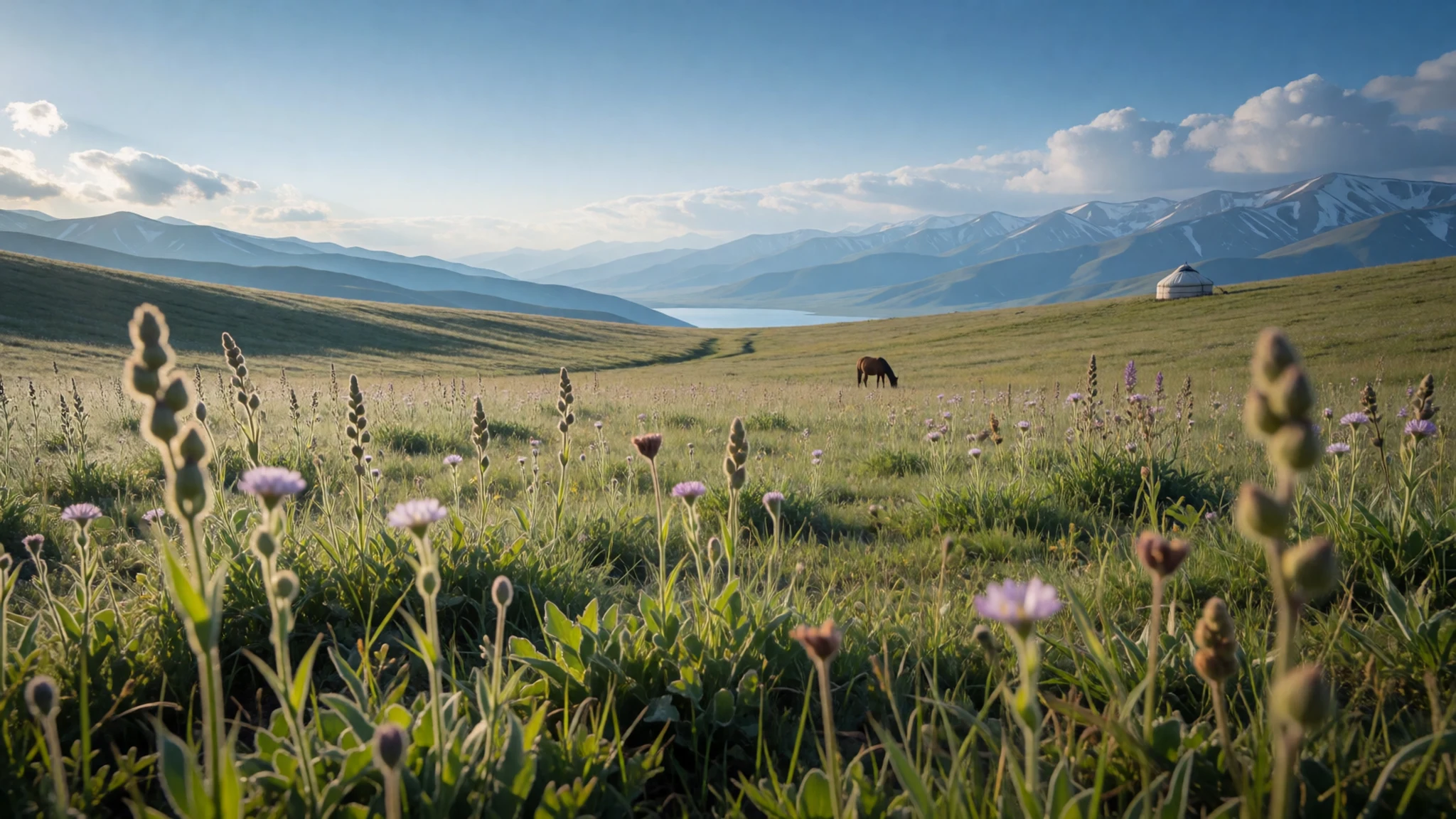
- Evening and night sky — Lake shore
With no town for many kilometres, the dark here is deep, and clear nights can be full of stars. It is also cold at 3514 m, so bring proper layers if camping or staying nearby. A calm, clear evening by the water is among the quieter experiences in this part of Kyrgyzstan.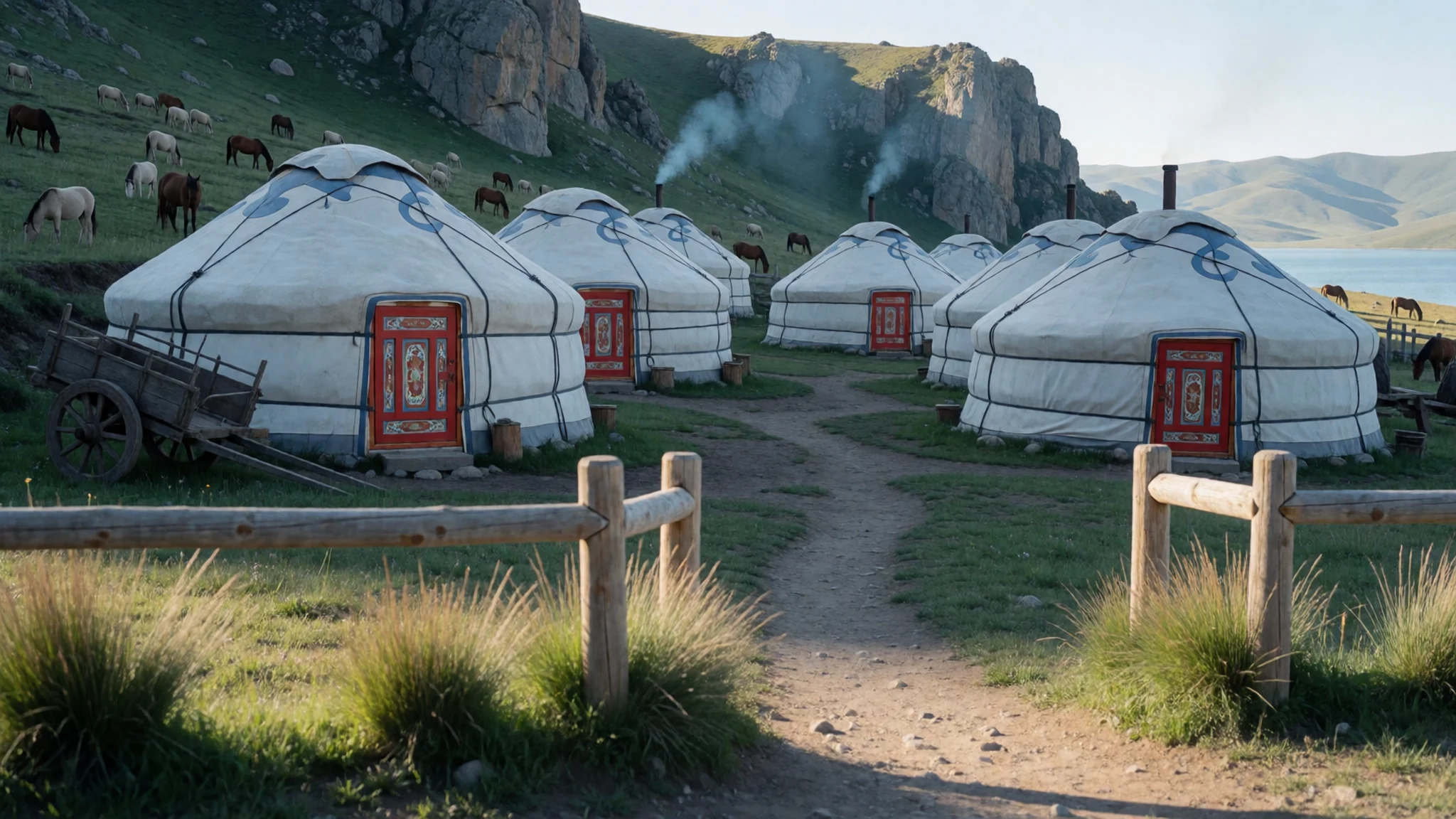
Culture
Kel-Suu lies in a part of Kyrgyzstan where life has long followed the rhythm of livestock and seasons. Families traditionally take sheep, goats, horses and cattle up to high summer pastures, known as jailoo, and live in felt-covered yurts or simple shelters until autumn sends them down. The country's culture of hospitality is strong in these places: a visitor who arrives at a yurt may be offered tea, bread and fermented mare's milk, called kymyz, and refusing everything outright can seem cold.
Horses matter a great deal. They are used for work, for travel and for games, and a rider is treated with respect. Kyrgyz is the national language and Russian is widely understood; a few words of greeting go a long way, and a smile and patience do the rest where language fails. Most people in the region are Muslim, although practice in the mountains is relaxed and mixed with older customs around nature, ancestors and sacred places.
The lake itself is a quiet place, and the local approach is to enjoy it without disturbing it. Take rubbish away, do not wash in or pollute the water, and keep to existing tracks where possible. Ask before photographing herders, families or their animals, and do not enter a yurt or sit down at a meal until invited to, removing your shoes at the door when you do.
What to wear
Kel-Suu is a long way from any fashion scene, and the clothes that matter here are the ones that work in the mountains. Traditional Kyrgyz dress draws on felt, wool and leather. The tall white felt hat, the ak kalpak, with its dark trim, is the best-known piece and is still worn on ceremonial occasions. Felt is also made into rugs, called shyrdak, and coats, and sheepskin and leather boots keep herders warm in the cold.
In daily life, people in the region wear practical modern clothes: jackets, trousers, sturdy boots, headscarves for many women, and often a wool jumper or padded coat over everything. Herders may wear a mix of old and new, with a traditional hat alongside a sports jacket. Town clothes are more varied, but the high pastures are about warmth and utility rather than style.
A visitor should dress for cold, wind and sun, all in one day. Wear layers: a thermal base, a fleece or light down jacket, and a waterproof shell. Add a warm hat, gloves and sun protection, since the sun is strong at altitude. Footwear should be broken-in walking boots with good grip for loose rock. For visits to families and yurts, modest clothing is polite: covered shoulders and knees for everyone, and a scarf is useful for women who wish to be more formal. Pack spare socks, as feet get wet easily near streams.
What to eat
- Beshbarmak — A family home or yurt, or a homely eatery in At-Bashy or Naryn
The national dish: boiled meat, usually mutton or horse, served over flat noodles with an onion broth. It is eaten at celebrations and when guests arrive. In the mountains it is most likely to appear as part of a family welcome rather than on a menu.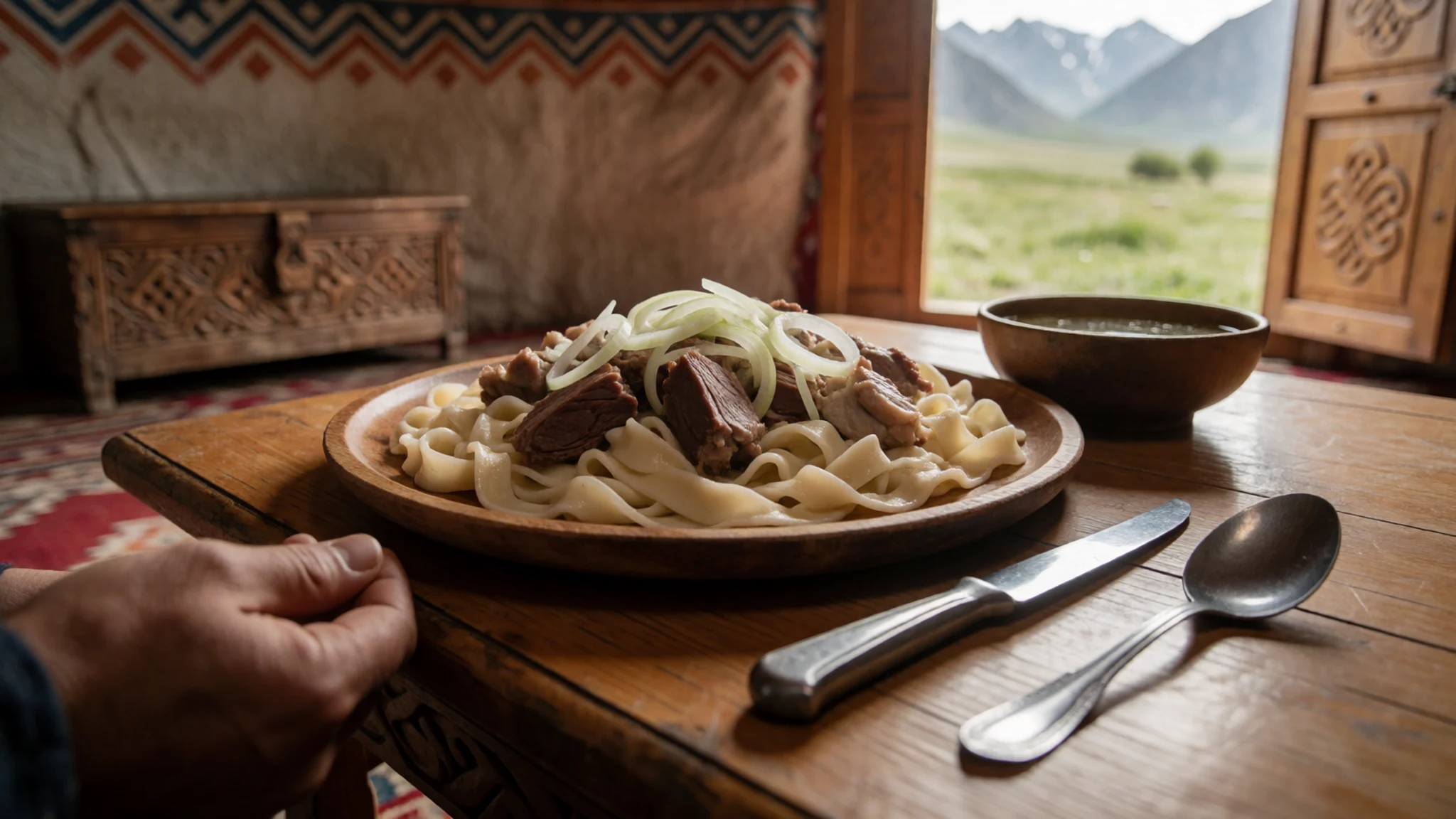
- Lagman — Roadside eateries and small town cafés along the approach
A bowl of hand-pulled noodles in a savoury sauce of meat and vegetables. It is filling, warming and widely available, making it an easy choice after a cold day outdoors. Versions vary between soupy and dry.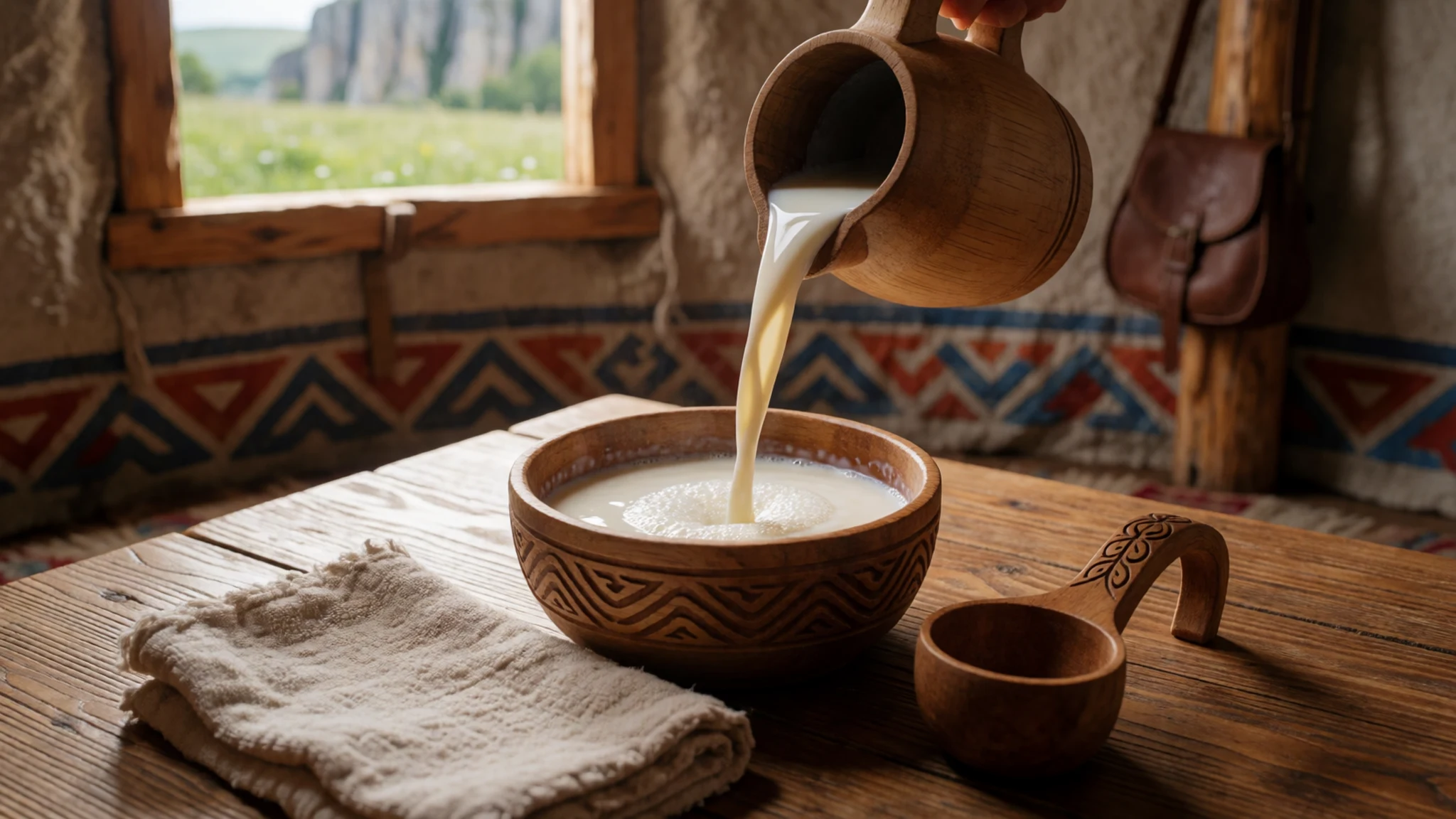
- Boorsok — A host's table in a yurt, or a bakery in a market town
Fried dough pieces, golden and slightly chewy, served with tea at nearly every gathering. They are easy to pack and taste good in a cold wind. Often made fresh by hosts and offered in a bowl at the table. - Kymyz — Summer pasture camps and yurts, in season
Fermented mare's milk, sour, lightly fizzy and an acquired taste. It is a traditional summer drink on the high pastures. Taking a polite sip is welcome, and it is fine to decline more after that. - Samsa — Bazaars and roadside stalls in towns such as At-Bashy
Baked pastry parcels filled with minced meat and onion, with a flaky crust. They are sold hot and are good for lunch on the road. Look for those baked fresh rather than those left sitting.
Plan it
Best time. July to September, when the high valleys are most likely to be accessible and the weather is mildest. Even then nights are cold at 3514 m, and snow or storms are possible. Winter and early spring are generally not suited to ordinary visits.
How long. 3–4
Getting there. Fly to Bishkek, then travel overland towards Naryn Region and At-Bashy District, a long drive that most people break with a night on the way. The last stretch to the lake is on rough mountain tracks, usually in a 4x4 with a local driver. Check current routes with a local operator.
Budget. mid
Tips
- Book a local guide and vehicle well ahead, as services are few
- Ask your operator about permits, since the lake is near the frontier
- Spend a night or two at lower altitude first to acclimatise
- Carry cash, as cards and cash machines are unlikely to be available
- Bring all food, water treatment and spare warm layers; signal is unreliable
Etiquette
- Ask before photographing herders, families or animals
- Take all rubbish away and keep to existing tracks
- Remove shoes before entering a yurt and wait to be invited to sit
Nearby
Sources
- Wikidata Q13642455 (CC0)
- Wikipedia, Köl-Suu (rev 1366069009) (CC BY-SA 4.0)
- Кель-Суу — Калачев Сергей (CC BY 3.0)
- Photograph of Kol-Suu — Eventyrlys (CC BY-SA 4.0)
- Relief map of Kyrgyzstan — NordNordWest / Виктор_В (CC BY 3.0)
- Relief Location map of Asia — Uwe Dedering (CC BY 3.0)
- Kel-Suu lake — Mamatkazy (CC0 1.0)
- Кель-Суу (1) — Калачев Сергей (CC BY 3.0)
- Кель-Суу (2) — Калачев Сергей (CC BY 3.0)
- Кель-Суу (4) — Калачев Сергей (CC BY 3.0)
- Wikivoyage (CC BY-SA 4.0)


