Kalpitiya
Kalpitiya, Sri Lanka
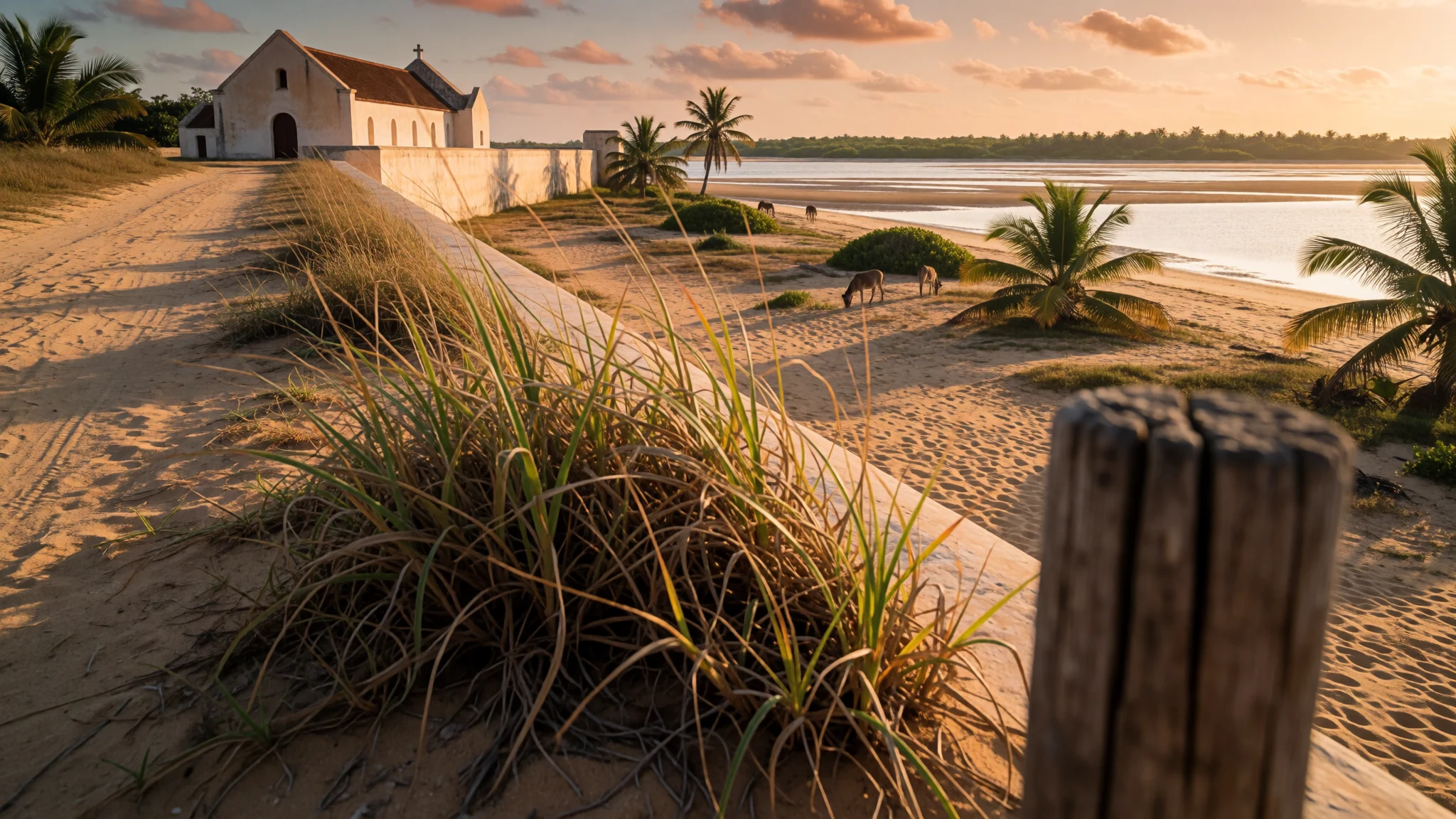
Kalpitiya is a long sandy peninsula of empty beaches, lagoon winds and dolphin-filled seas, still more fishing town than resort.
The place
Kalpitiya is a coastal town in the western part of Puttalam District, in Sri Lanka's North Western Province, with about 65,000 people. The name also covers the whole peninsula around it, a narrow sandy strip some 50 km long with the open Indian Ocean on one side and a broad, shallow lagoon on the other. Scattered across the lagoon are fourteen islands, some little more than sandbanks, reached by local boat.
The peninsula sits on the edge of Sri Lanka's dry zone, which explains its look. It is greener than a desert coast would be, but far drier than the island's wet south, and the main rainy month is usually November, with showers that seldom last all day. Palms, scrub, salt pans, mangrove creeks and pale dunes follow one another along the single main road, and fishing and farming villages sit between them.
Tourism here is young. Kite camps, small beach resorts and guesthouses have appeared, but the peninsula has none of the crowds or strip development of the better-known beach towns further south. That is much of the appeal, and also the catch: services are simple, distances between places are long, shops and eateries thin out away from the town, and the heat is steady for most of the year.
Offshore, the water is a marine sanctuary with reefs, mangroves, salt marshes and shallow nursery grounds for fish and crustaceans. Spinner and bottlenose dolphins, whales, sea turtles and the rarely seen dugong are all recorded in these waters. Visitors tend to arrive for the sea and the wind, then stay for the quiet.
Its story
Kalpitiya has been a place of coastal trade for a very long time, and the records that survive link the peninsula with seafaring commerce and a fair amount of smuggling. A sheltered lagoon, a long sandy shore and a position facing the mainland made it useful to anyone wanting to move goods without much attention.
The Portuguese took control in the early 17th century. The Dutch followed, and in time pushed the Portuguese out of this stretch of coast, as they did elsewhere on the island. For the Dutch, the northern end of the peninsula became a garrison and naval outpost, a way of controlling the flow of supplies and trade towards the mainland.
Two buildings carry that period into the present. The Dutch-era fort, which absorbed an earlier Portuguese church into its walls, is still in use by the Sri Lanka Navy, so access is limited and the outside is what most people see. A Dutch church also survives in the town, a plain and well-kept reminder of the colonial years.
The Portuguese legacy lives on differently a little way south at Talawila. There, an old church dedicated to St Anne draws thousands of Catholic pilgrims every year around St Anne's Day on 26 July. A tiny village swells into a crowded, devout gathering, with families camping nearby. It is the clearest sign that the colonial centuries left more than stone: a living faith, and a coastline whose communities are still shaped by it.
What to see
- Dutch fort and Dutch church — Kalpitiya town
In Kalpitiya town, the fort was built by the Dutch around an older Portuguese church and is still used by the navy, so expect to look from outside rather than wander. The nearby Dutch Reformed church is easier to visit, simple and calm, and worth a short stop for its interior.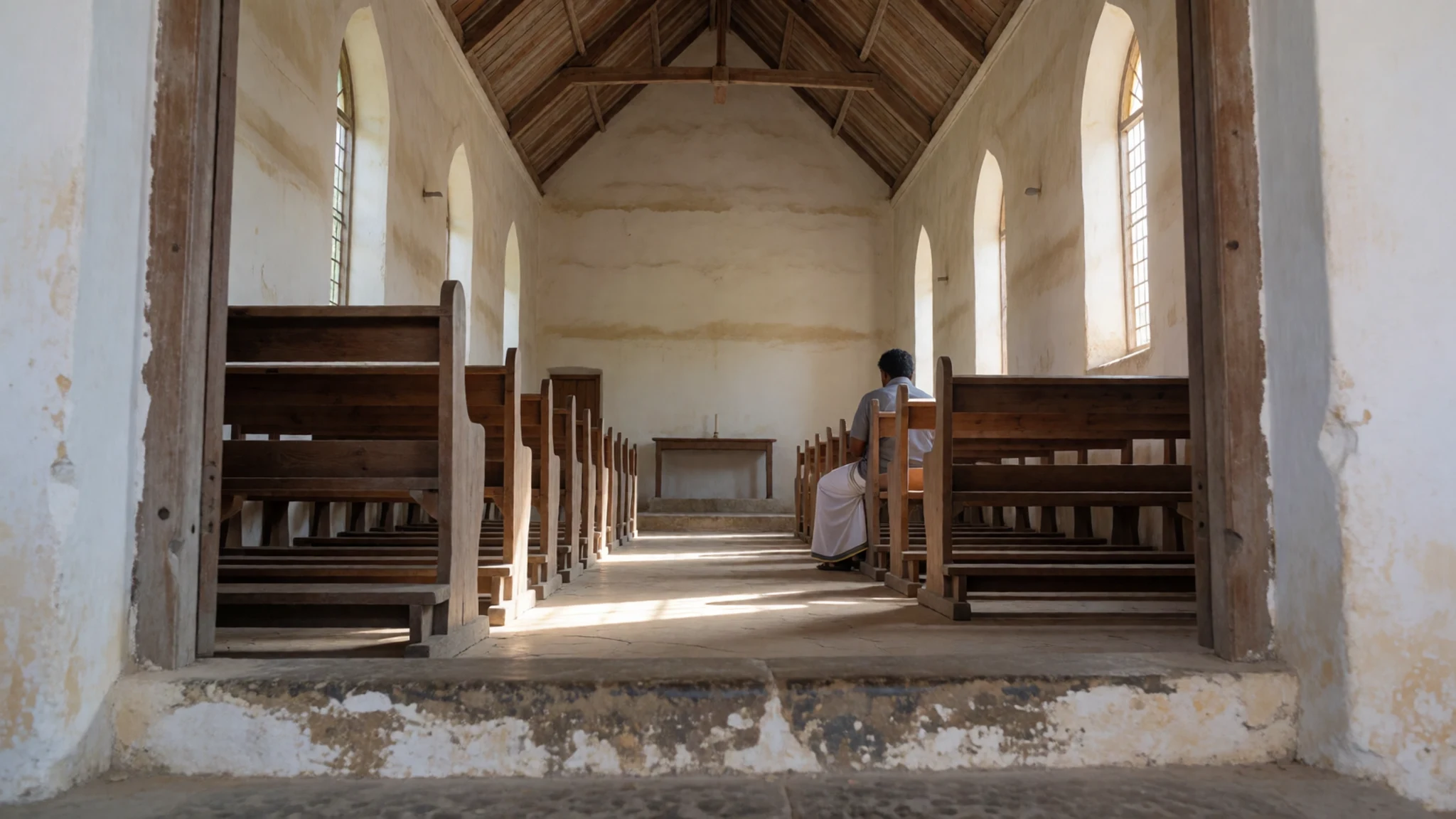
- Dolphin and whale boat trips — Alankuda
Boats leave from the Alankuda coast and head west into open water. Dolphins are seen in large groups, and the sea is a marine sanctuary. Trips run only in the calm months from November to April, with whales most likely in November or around March and April. Go early, when the water is flattest.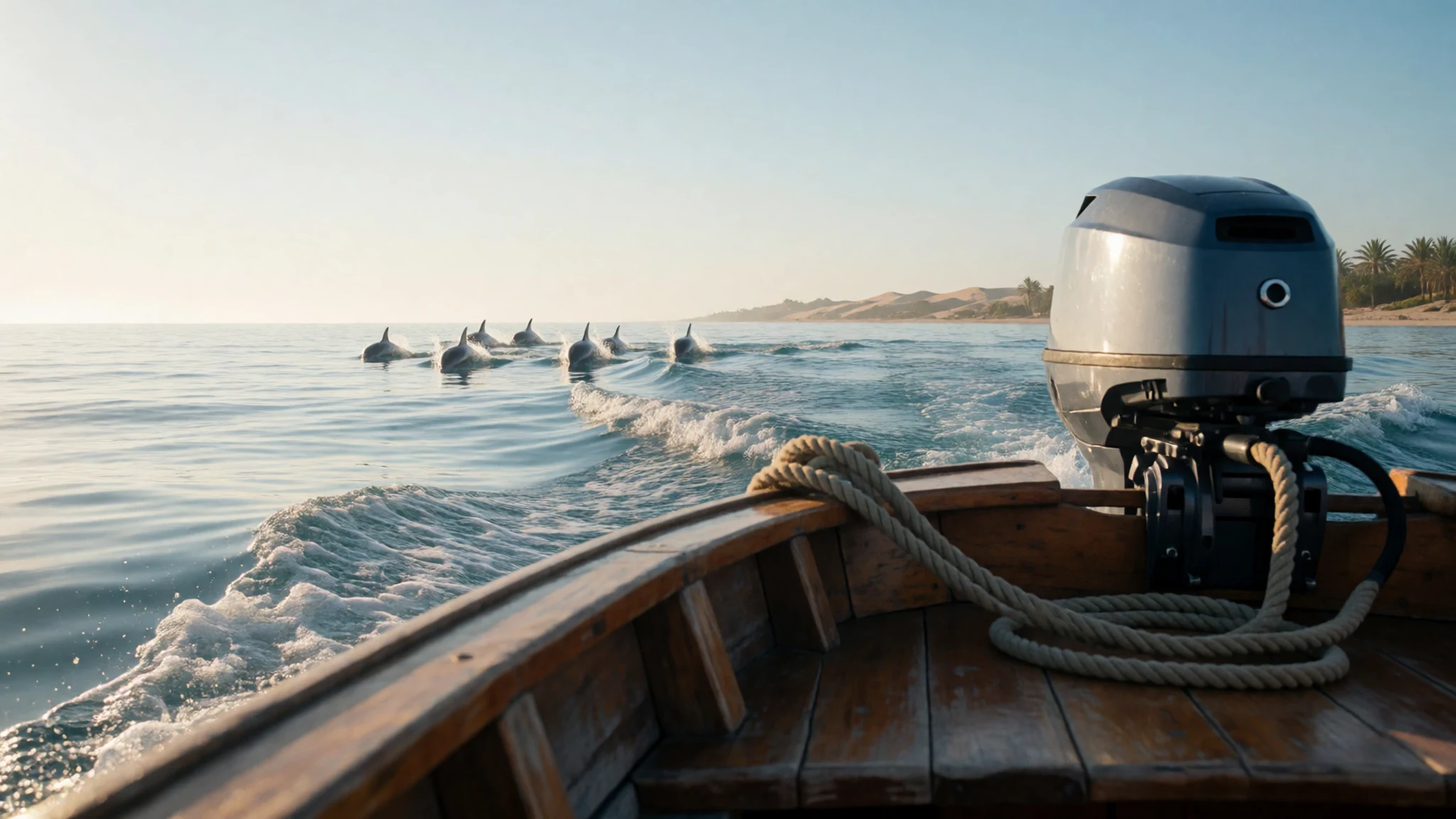
- Kitesurfing lagoons — Lagoon side of the peninsula
The shallow lagoon behind the peninsula gives wide, flat water for learning and a little chop further out. The windy season runs from May to September. Several kite schools operate along the coast, and reaching the more remote kite spots needs a boat, so ask a school about transfers.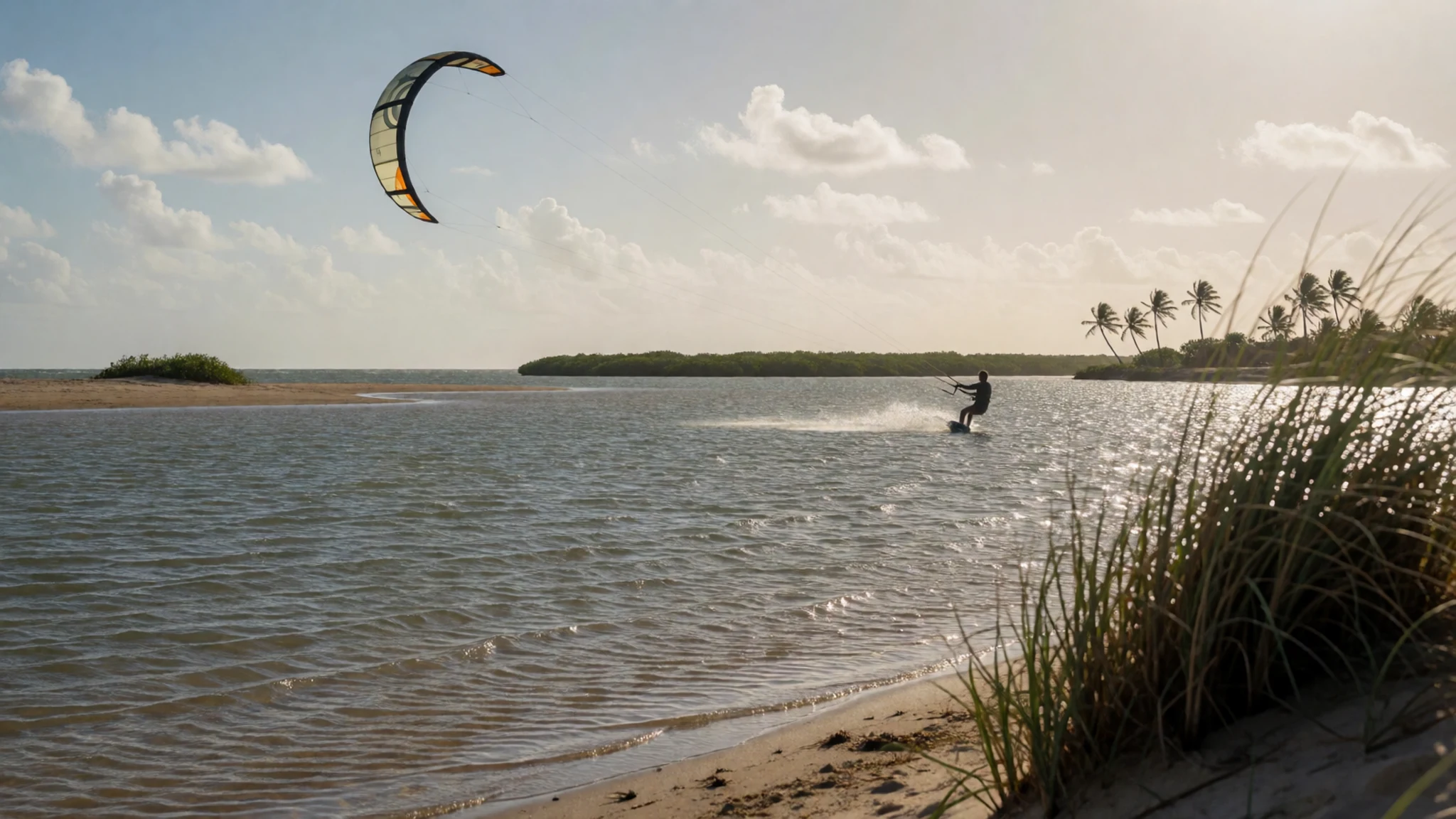
- Alankuda dunes and island shores — Alankuda and the lagoon islands
Sand dunes rise behind the beach around Alankuda, bare and shifting, with a very different feel from the palm-lined villages inland. Low islands in the lagoon, such as Baththalangunduwa, are mostly sand and are lovely at dusk when the sky turns pink.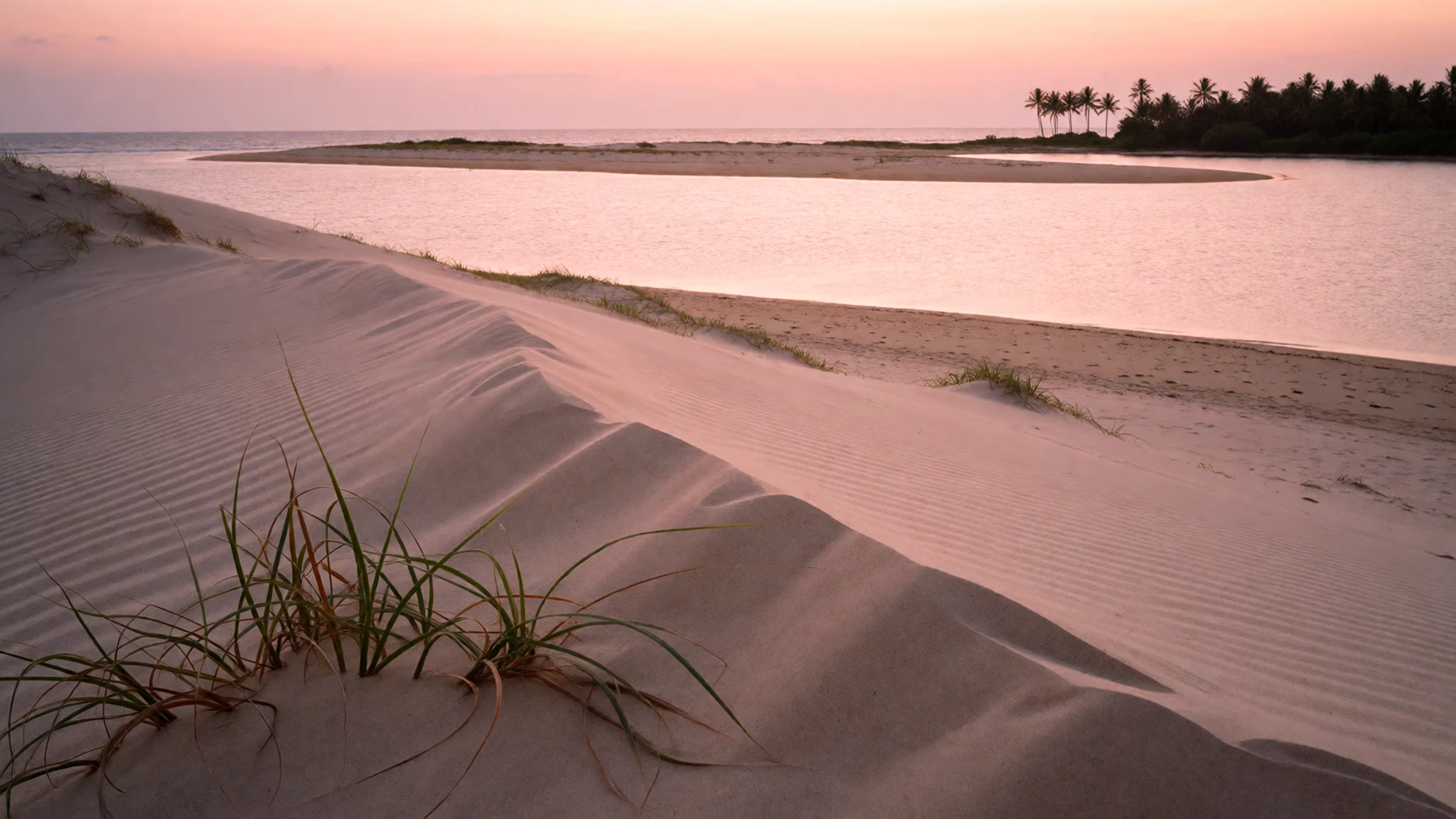
- Salt pans — Around Kalpitiya town
Flat salt pans near the town are worked by hand and by simple channels, their shallow water turning white as it dries. They are best in clear light and make a good, quiet photo stop. Keep to tracks and check with workers before stepping near the pans.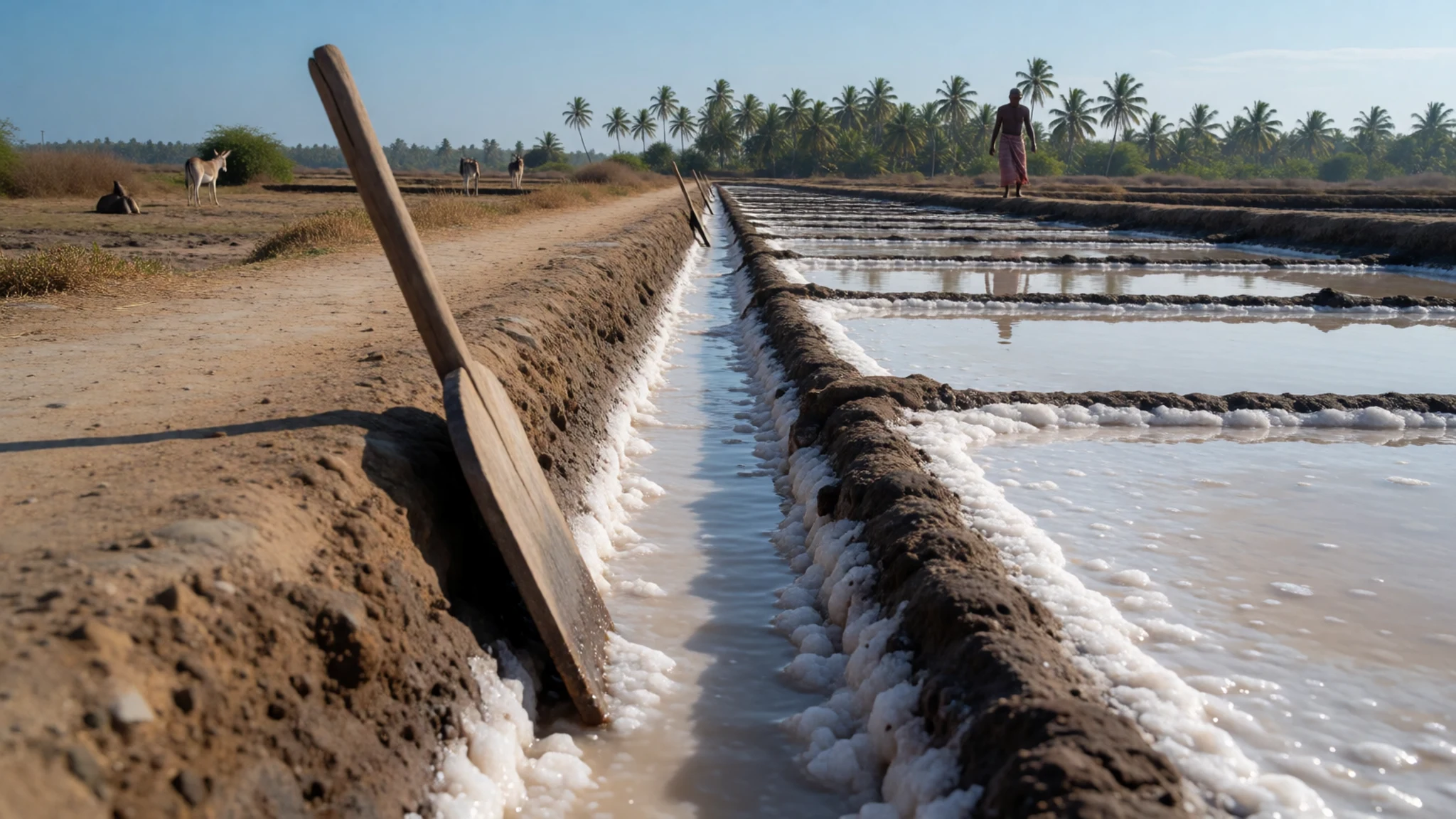
- Mangroves, birds and wild donkeys — Lagoon and mangrove creeks
Boat trips through the lagoon's mangroves are slow and shaded, good for birdwatching and for seeing how the creeks work as nurseries for fish. Roaming wild donkeys are a common sight on the peninsula's roads and scrubland, so drive carefully, especially at dusk.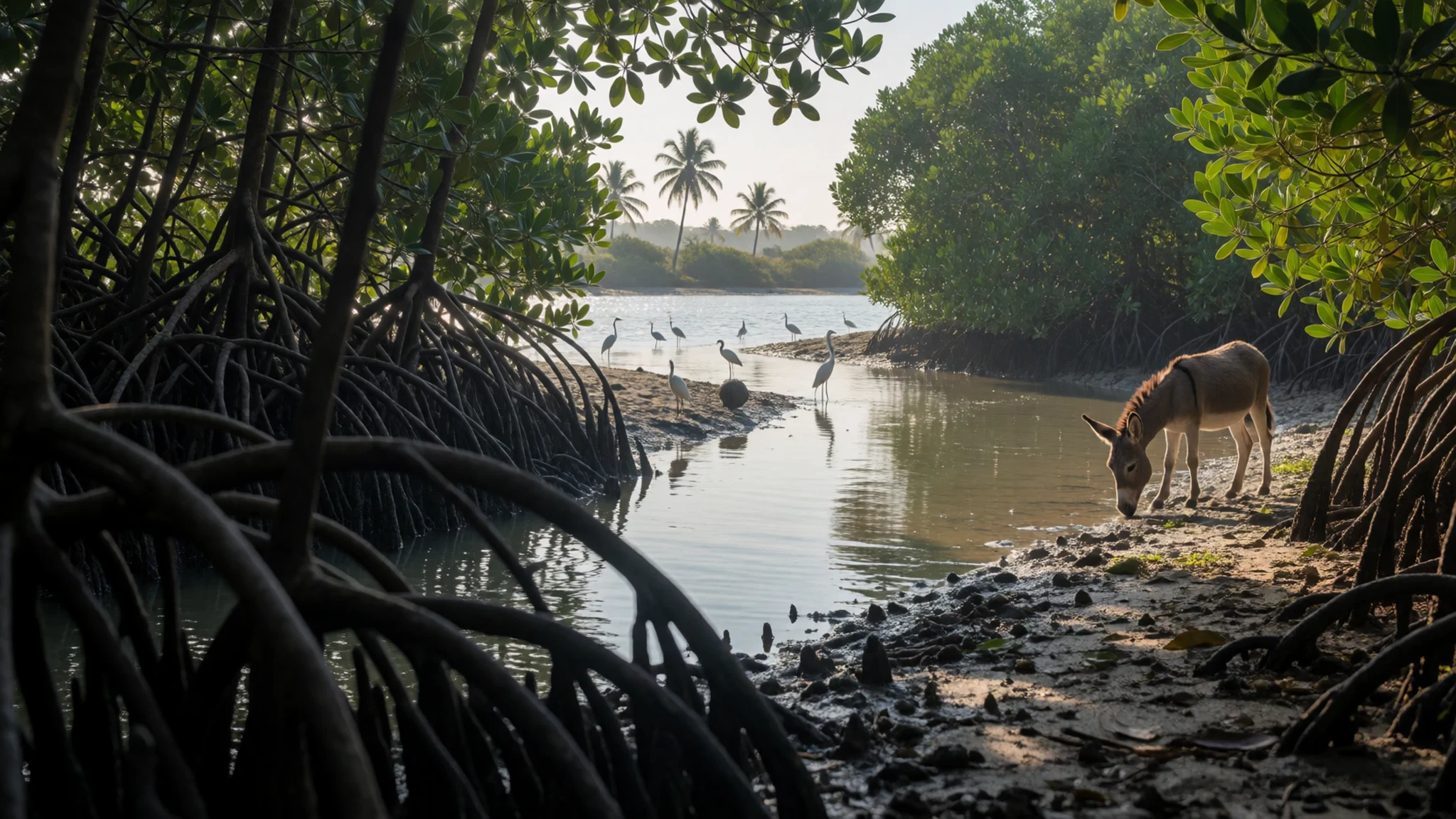
Culture
Kalpitiya is a working fishing and farming coast, and its culture is shaped by the sea, by a mix of Sinhala, Tamil and Muslim communities, and by a strong Catholic tradition that goes back to the Portuguese. Place names appear in both Sinhala and Tamil, and church, mosque and temple all sit within a short drive of each other.
Life follows the boats. Fishermen launch before dawn, and catches are sorted and sold on the beach by mid-morning, with the lagoon side given over to smaller crafts and nets. In the dry months, salt is raked from shallow pans near the town, and the work has changed little in form for generations. Many families rely on both fishing and farming, and tourism is still only a modest addition.
Religion is visible and unhurried. Each July the church at Talawila fills with pilgrims for St Anne's Day, and for a few days the quiet village becomes crowded and festive. Outside that festival, services and prayer calls mark ordinary days. Visitors are generally met with curiosity and friendliness rather than sales pressure, which is a good reason to stay modest in return.
Alcohol is not part of everyday village life. Bars exist mainly inside resorts, and the few shops that sell drink close in the evening.
Ask before photographing fishermen, women at work or anyone at prayer, and cover shoulders and knees before entering a church or mosque.
What to wear
Kalpitiya has no single regional costume, so traditional dress follows the communities who live here. Older Sinhala and Tamil men often wear the sarong, a wrapped cotton cloth, while women wear cotton saris or the long skirt and blouse common on the island. For weddings and festivals, silk and richly woven saris appear, and Catholic families dress formally for church. Many Muslim women wear a loose robe and headscarf, and plain handloom cotton and printed batik are familiar fabrics across Sri Lanka.
On an ordinary day in Kalpitiya, people dress for heat, salt and work. Fishermen wear shorts or sarongs and light shirts, often wrapped round the head against the sun. Women in the villages favour light cotton dresses or a simple sari. Younger people in town wear jeans or shorts with T-shirts, while kite and dive staff look much like surfers anywhere.
Visitors should plan for strong sun, wind and sand. Loose cotton or linen, a wide hat, sunglasses and reef-safe sun protection are all useful. Swimwear and beach clothes belong at the beach and resorts, but in villages, the town and any place of worship, cover shoulders and knees. Bring a light layer for windy boat rides and evenings. Sandals are fine on the beach, but closed shoes help on dune walks, around salt pans and on rough jetties. A scarf is handy for dusty roads and quick visits to a mosque or church.
What to eat
- Egg roti and coconut roti — Roadside stalls and corner shops across Kalpitiya town and the peninsula
Street roti is the everyday snack on the peninsula. Egg roti is folded around a cooked egg and spice, while coconut roti is a plain, slightly sweet flatbread. Both are cooked fresh and eaten hot, usually with a hot sambol or curry.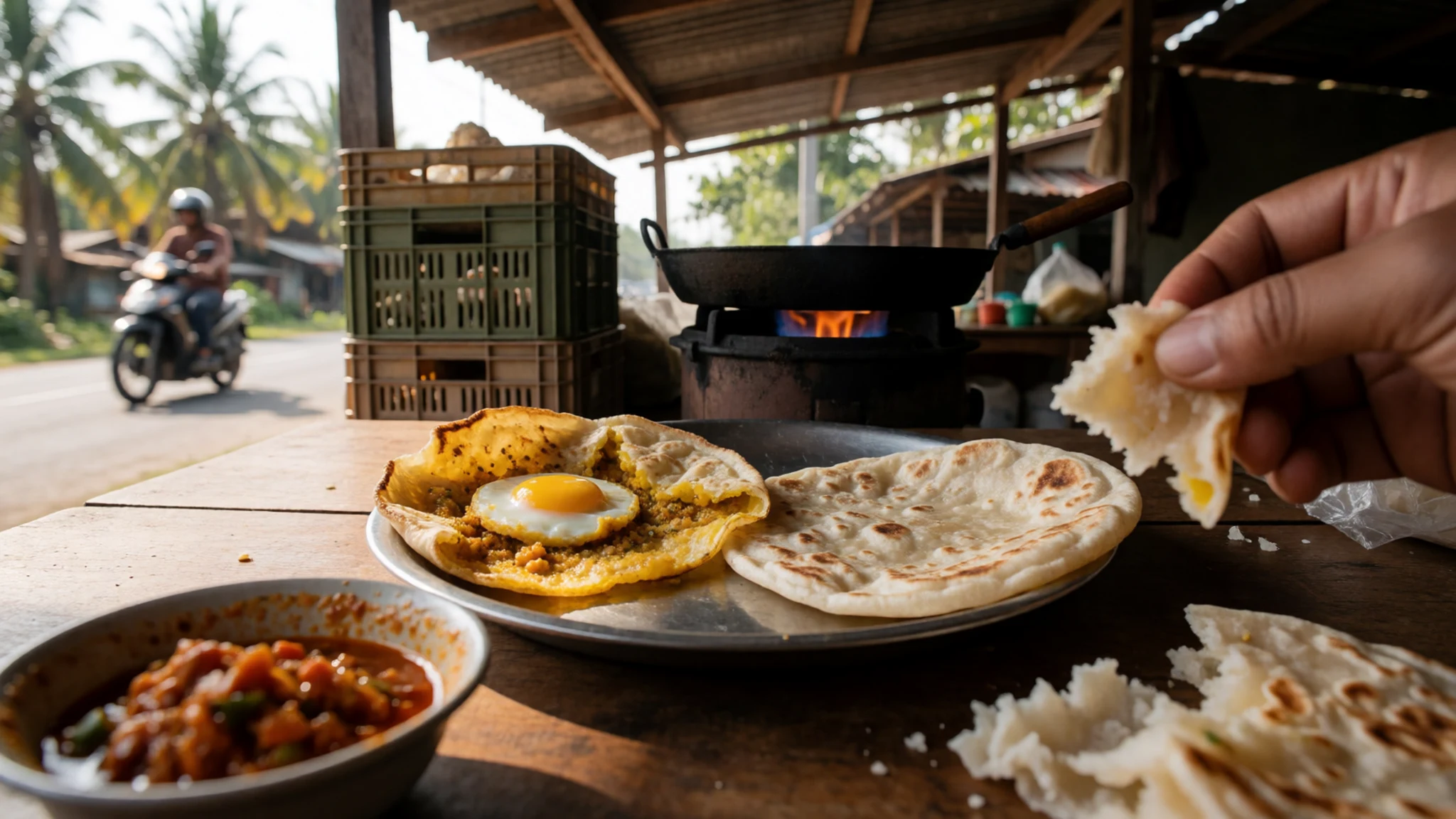
- Fresh fish curry — Simple local eateries near the fishing beaches
With the sea and the lagoon on either side, fish curry is the obvious order. It is typically cooked with tamarind and chilli, and served with rice and vegetable curries. The catch of the day changes by season, so ask what came in.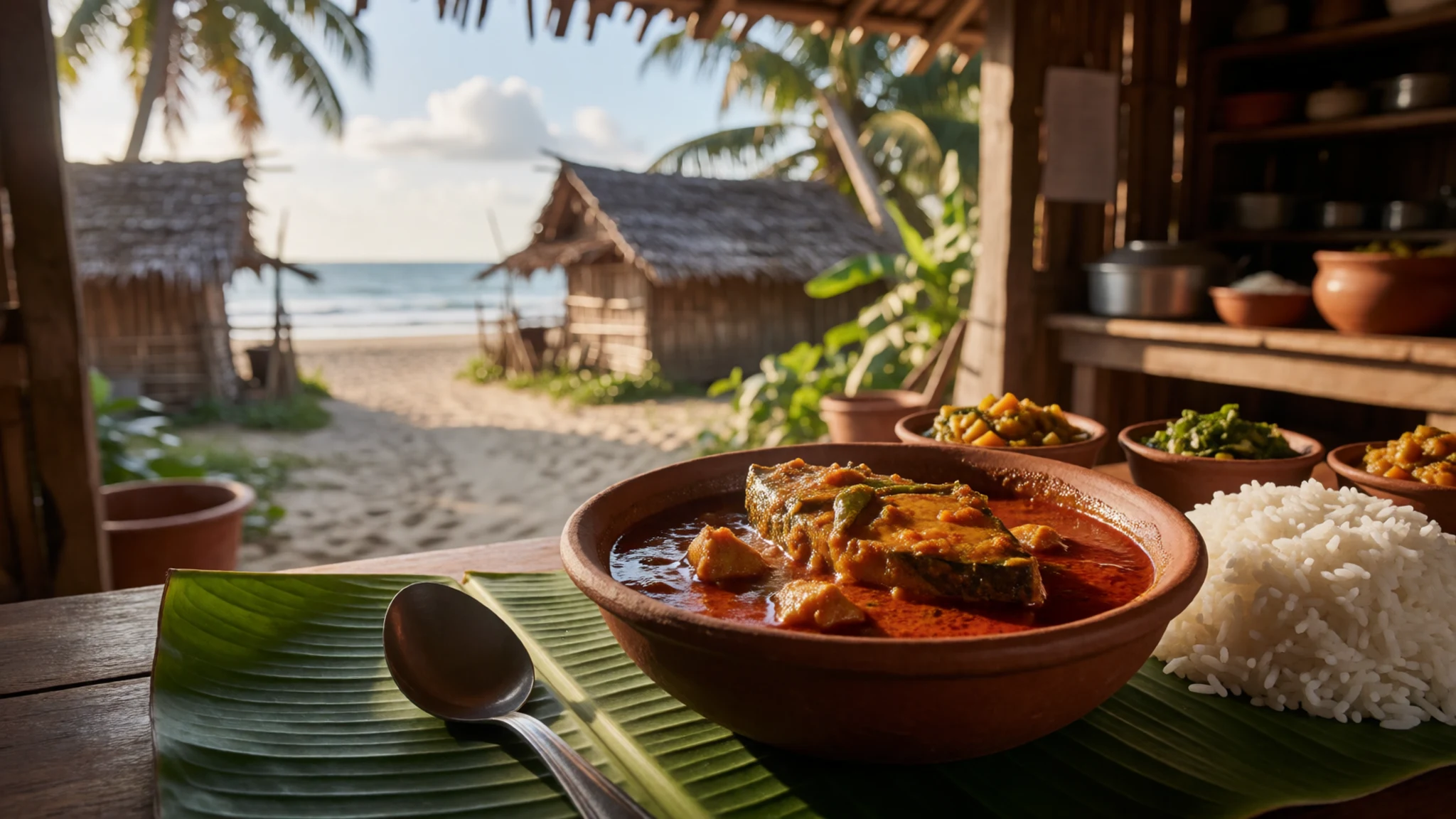
- Prawns and lagoon crab — Small seafood eateries on the lagoon side and beach resorts
The shallow lagoon supports prawns and crabs, which turn up grilled, devilled or in a thick spiced curry. They are usually priced by weight and can be a treat, so confirm the portion and the cost before ordering. - Rice and curry — Local lunch eateries in Kalpitiya town
A plate of rice with several small curries, often dhal, a vegetable, a coconut sambol and perhaps fish or chicken, is the standard midday meal. Local eateries serve it in a fairly set way, and it is among the cheapest and most filling choices. - Hoppers and string hoppers — Morning stalls and guesthouse breakfasts
Breakfast often means hoppers, bowl-shaped pancakes crisp at the edges, or string hoppers, steamed nests of rice noodles. Both come with coconut sambol, dhal or a mild curry, and are best in the morning before the stalls close.
Plan it
Best time. December–April is the main beach season, with calm seas that suit diving, snorkelling and dolphin trips, and whales most likely in November or March–April. May–September is windier and cooler, which is when kitesurfers come. November is usually the one wet month, though rain rarely lasts all day.
How long. 2–4
Getting there. Fly into Bandaranaike International Airport near Negombo, then go by road to Kalpitiya, about two and a half hours by car or taxi. By rail, take the train from Colombo to Puttalam, about four hours, then a tuk-tuk or taxi down the peninsula. Buses run to Kalpitiya from Colombo Fort and Negombo, but there is no direct bus from Puttalam, so check current timetables locally.
Budget. mid
Tips
- Book kite schools, boat trips and beach stays ahead for December–April and the windy months, and confirm what each includes
- Go on dolphin boats early in the morning, when the sea is calmest and the light is gentler
- Carry cash, as cards are not accepted at many village eateries, shops and boat operators
- Bring sun protection and plenty of drinking water, since shade is scarce on beaches and dunes
- Shops that sell alcohol close early in the evening, so buy in advance if you want any
Etiquette
- Cover shoulders and knees in villages and at churches and mosques
- Ask before photographing people, especially fishermen and women at work
- Keep clear of the fort grounds, which are in naval use
Nearby
Sources
- Wikidata Q14220105 (CC0)
- Wikipedia: Kalpitiya (rev 1381706073) (CC BY-SA 4.0)
- Wikivoyage: Kalpitiya (rev 5406175) (CC BY-SA 4.0)
- Photo: Dutch Reformed Church, Kalpitiya — Torbenbrinker (CC BY-SA 4.0)
- Photo: Dutch Reformed Church interior — Torbenbrinker (CC BY-SA 4.0)
- Photo: Main Street, Kalpitiya — Torbenbrinker (CC BY-SA 4.0)
- Photo: Salt production near Kalpitiya — Torbenbrinker (CC BY-SA 4.0)
- Photo: Evening at Baththalangunduwa island — Lalith nawarathna1 (CC BY-SA 4.0)
- Photo: KALPITIYA (panoramio) — AM.FALEEL@YAHOO.COM (CC BY 3.0)
- Photo: Sunset — Thilini liyanage (CC BY-SA 4.0)
- Photo: Kalpitiya Beach — Raiyans (CC BY-SA 4.0)


Wildlife
- Spinner dolphin (animal)
The spinner dolphin is a small, playful dolphin that leaps from the sea and twirls in the air like a spinning top. Kalpitiya's waters are home to these dolphins, alongside bottlenose dolphins, whales and sea turtles. To watch them well, go with a trained local guide, keep your boat at a respectful distance, stay as quiet as you can, and let the dolphins decide how near to come. Never chase them, and never feed them.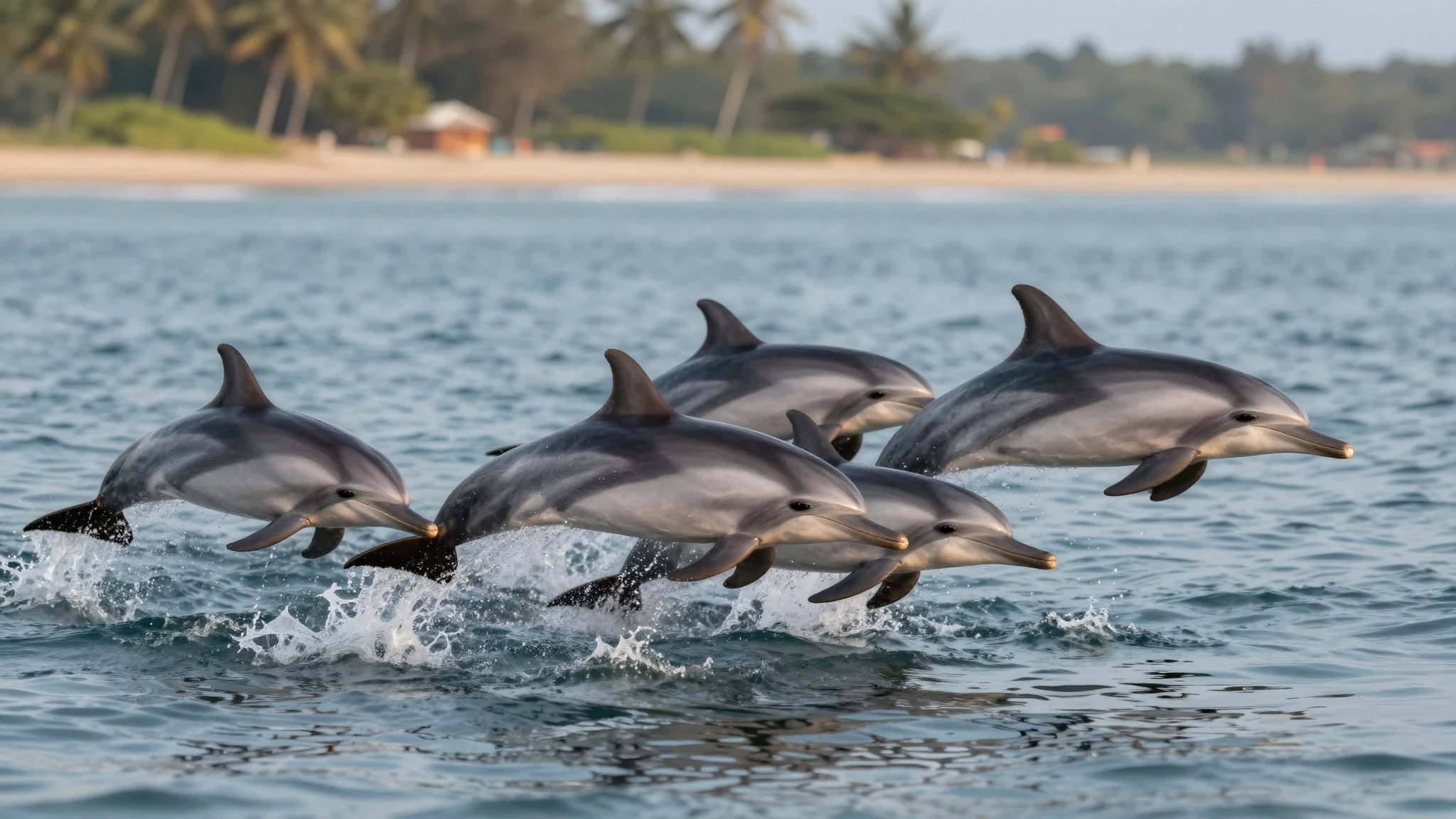
- Dugong (animal)
The dugong is a gentle sea mammal, a distant cousin of the manatee, and the only one of its family still alive today. It has been recorded in Kalpitiya's waters, but it is rarely seen, so treat any sighting as a rare gift rather than something to expect. If you are lucky, stay quiet, keep well back, and let an experienced guide steer the boat. Never feed it or try to touch it; simply watch, then let it go on its way.