Jingdezhen
Jingdezhen, People's Republic of China
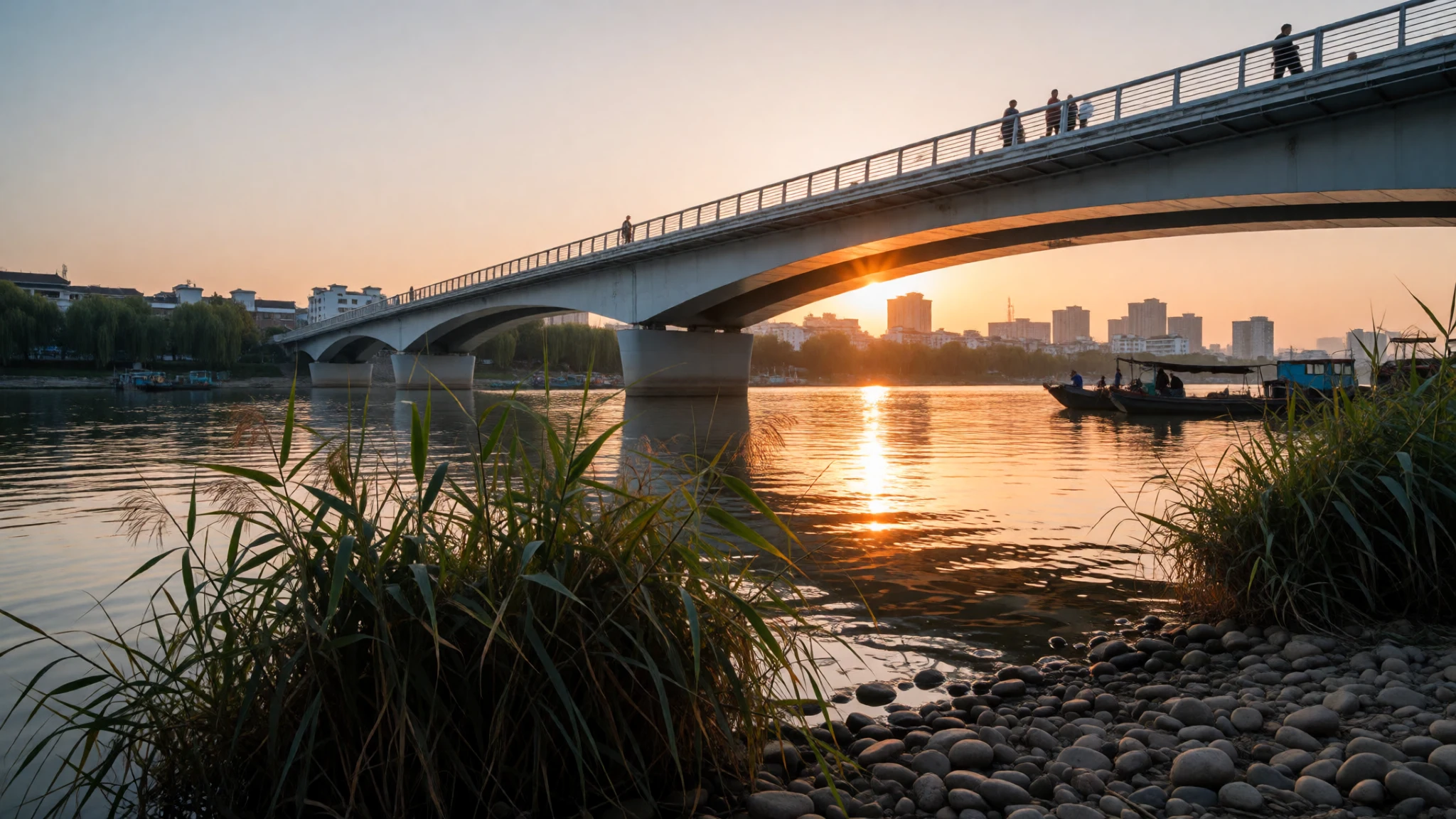
Visit this legendary city to discover the origins of world-class porcelain and explore a living community of contemporary ceramic artists.
The place
Jingdezhen is a major urban hub in eastern Jiangxi province, widely regarded as the porcelain capital of the world. The city is defined by its deep relationship with clay and fire, having produced high-quality ceramics for a millennium. Its geography is characterised by the Poyang Lake Plain, with the urban core sitting at a low elevation while the surrounding prefecture reaches higher peaks. The local earth provided the essential kaolin clay and petuntse that allowed artisans to perfect hard-paste porcelain, a discovery that set a global standard for luxury pottery.
Walking through the city reveals a unique blend of heavy industrial heritage and avant-garde art. Red-brick factories and towering coal chimneys from the era of mass production have been repurposed into galleries and studios. There is a palpable energy here, driven by a mix of traditional masters and young creators from across the globe who move here to experiment with glaze and form. The atmosphere is often hazy and humid, especially in the summer, and the streets are filled with the sight of raw clay and finished white porcelain. It is a place where the boundary between a workshop and a living room often disappears, making the entire city feel like one vast, open-air studio.
Its story
The story of Jingdezhen is written in the layers of its soil. While the area was once part of the Chu State during the Spring and Autumn period, its identity shifted as it became a centre for ceramic production during the Han dynasty. The settlement evolved through various names, including Changnan and Fuliang, before taking its current name in the Song dynasty under the reign of Emperor Zhenzong. It was during this era that the city's porcelain gained widespread fame for its purity and craftsmanship.
By the Ming and Qing dynasties, the town had grown into one of the four most important commercial and industrial centres in China. It served as the primary source of porcelain for the imperial court and for export to far-off lands. However, this prosperity was not without interruption. During the Taiping Rebellion in the mid-19th century, a catastrophic wave of destruction saw thousands of kilns burned to the ground. The city's resilience was proven when the kilns were rebuilt and production resumed shortly after the conflict. In the mid-20th century, the city was upgraded to a prefecture-level city, yet it kept the word zhen—meaning town—in its name. This linguistic quirk serves as a permanent nod to its history as a specialized craft town, ensuring that its identity as a maker's sanctuary remains central even as it grows into a modern city.
What to see
- Taoxichuan Ceramic Art Avenue — City centre
This former industrial zone has been transformed into a vibrant arts district. Visitors can wander through red-brick buildings that now house modern galleries, cozy coffee shops, and active studios where artists work in public view, blending the city's factory past with its creative future.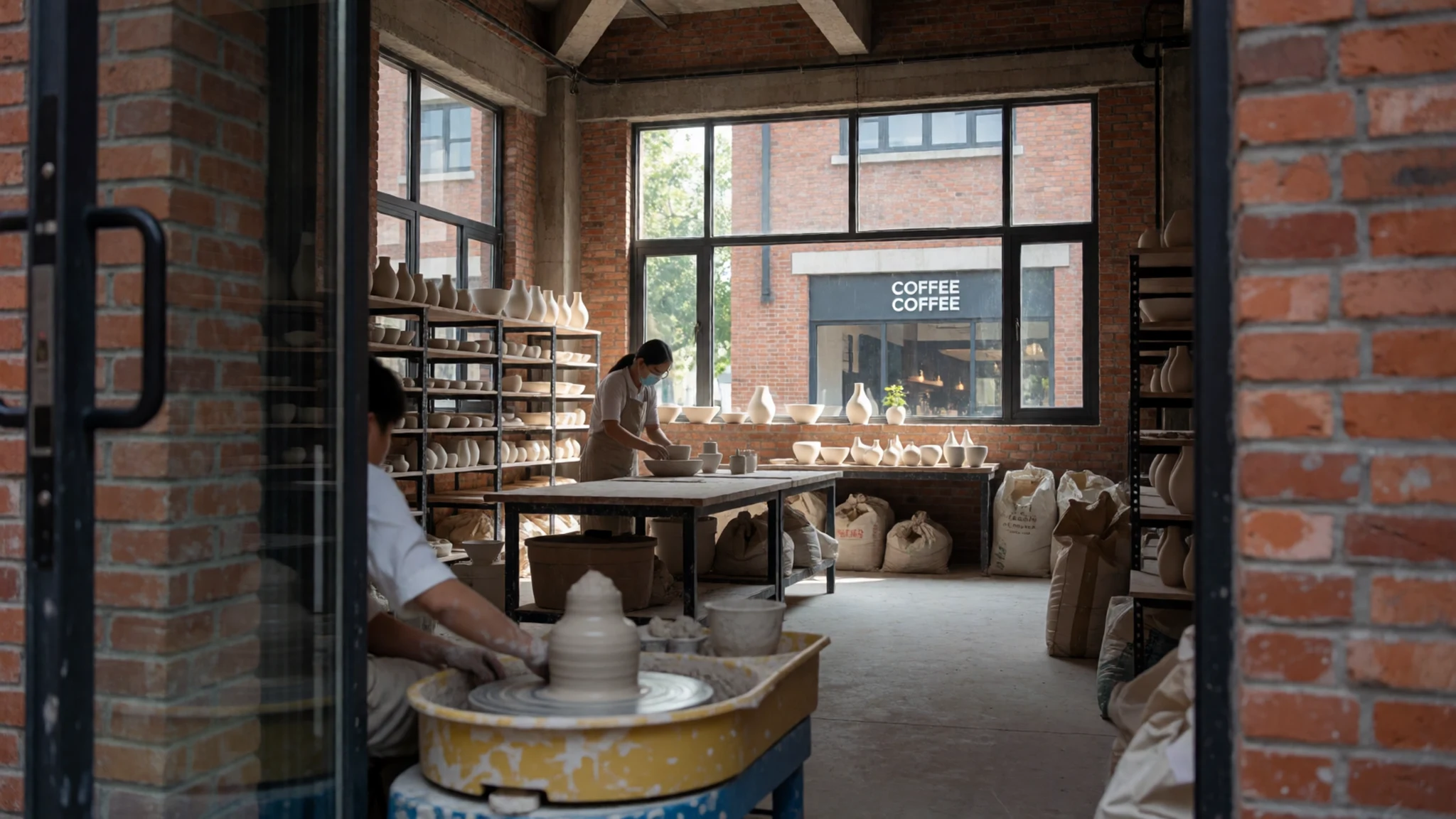
- Sanbao Village — Fuliang County
A tranquil escape where the architecture itself is an exhibit. The village is home to numerous private museums and artist homestays, with ceramic elements integrated into the walls and gates of almost every house, offering a glimpse into a rural artistic lifestyle.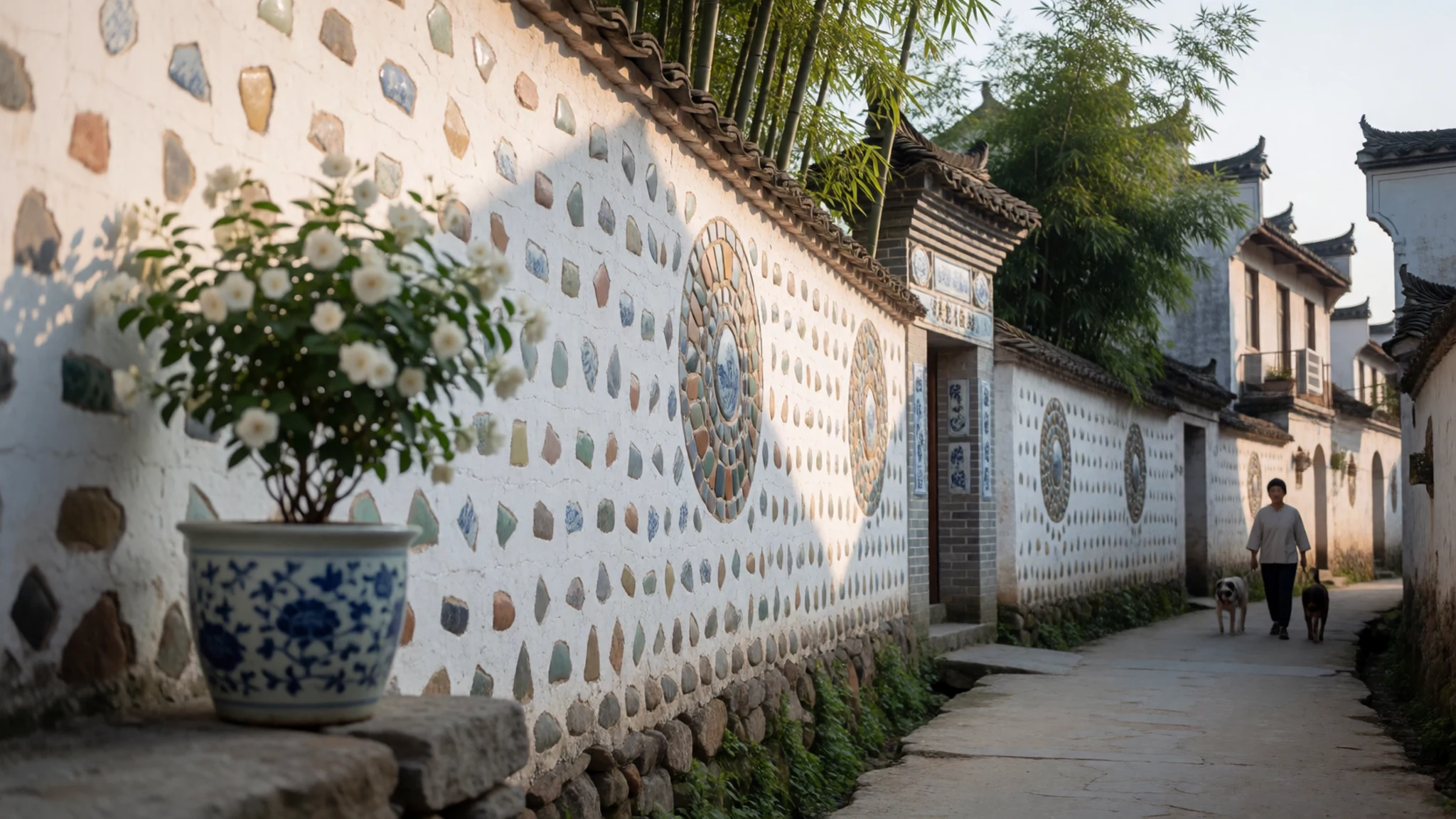
- Ancient Kiln Folk Customs Museum — City centre
This site preserves the traditional firing methods of the city. It showcases the historic kilns and the folklore associated with the pottery trade, allowing visitors to see the transition from raw kaolin clay to the finished, translucent white porcelain the city is famous for.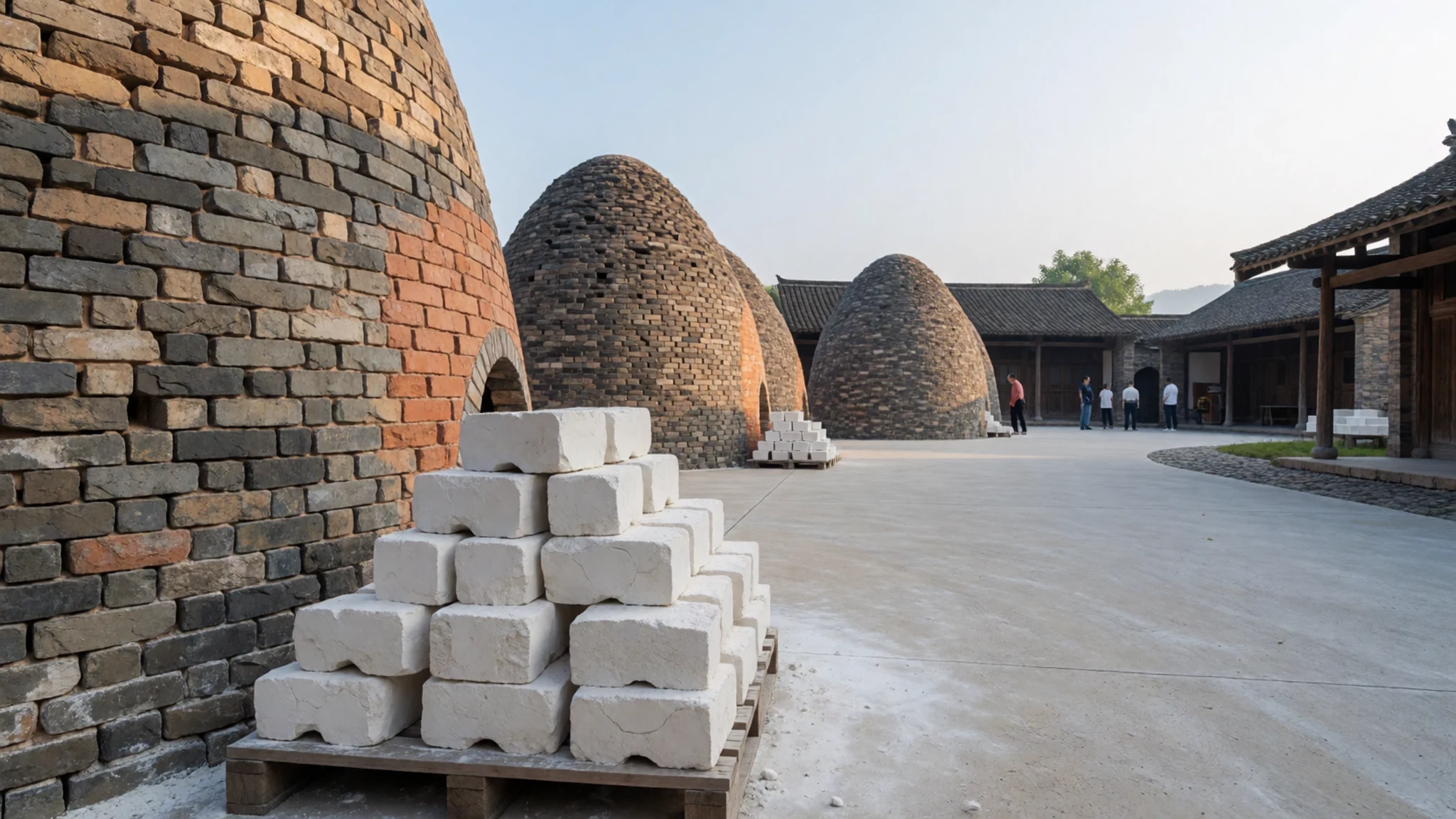
- Imperial Kiln National Archaeological Remains Park — City centre
An expansive archaeological site that reveals the scale of production for the Chinese emperors. The park protects the remnants of the massive kilns and workshops used to create the most precise and lavish pieces of porcelain for the royal court.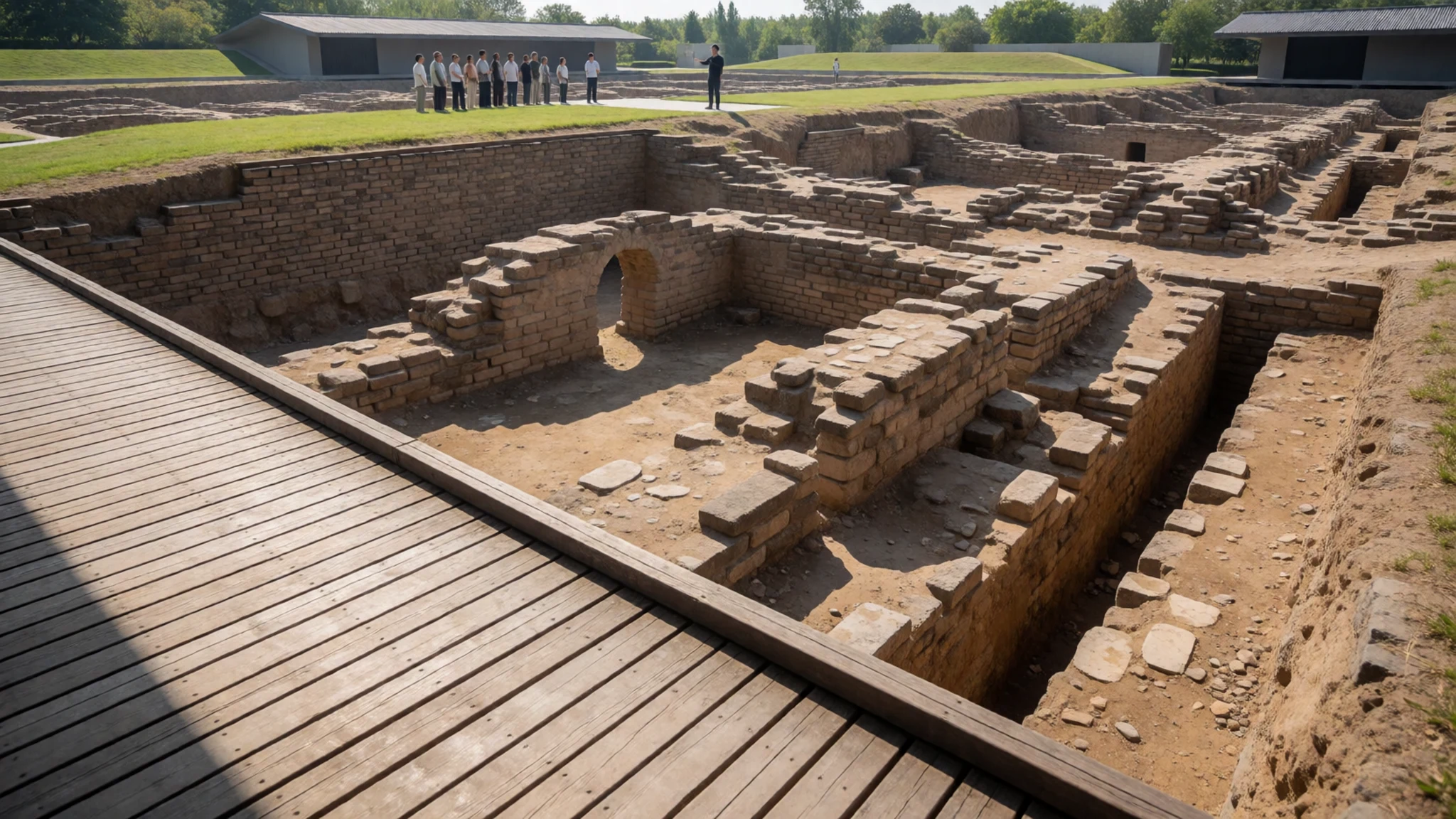
- Yaoli Ancient Town — Fuliang County
Known as the source of porcelain, this historic town is nestled among forests and tea plantations. It offers a slower pace of life with traditional architecture and a deep connection to the early mining of materials used in ceramic production.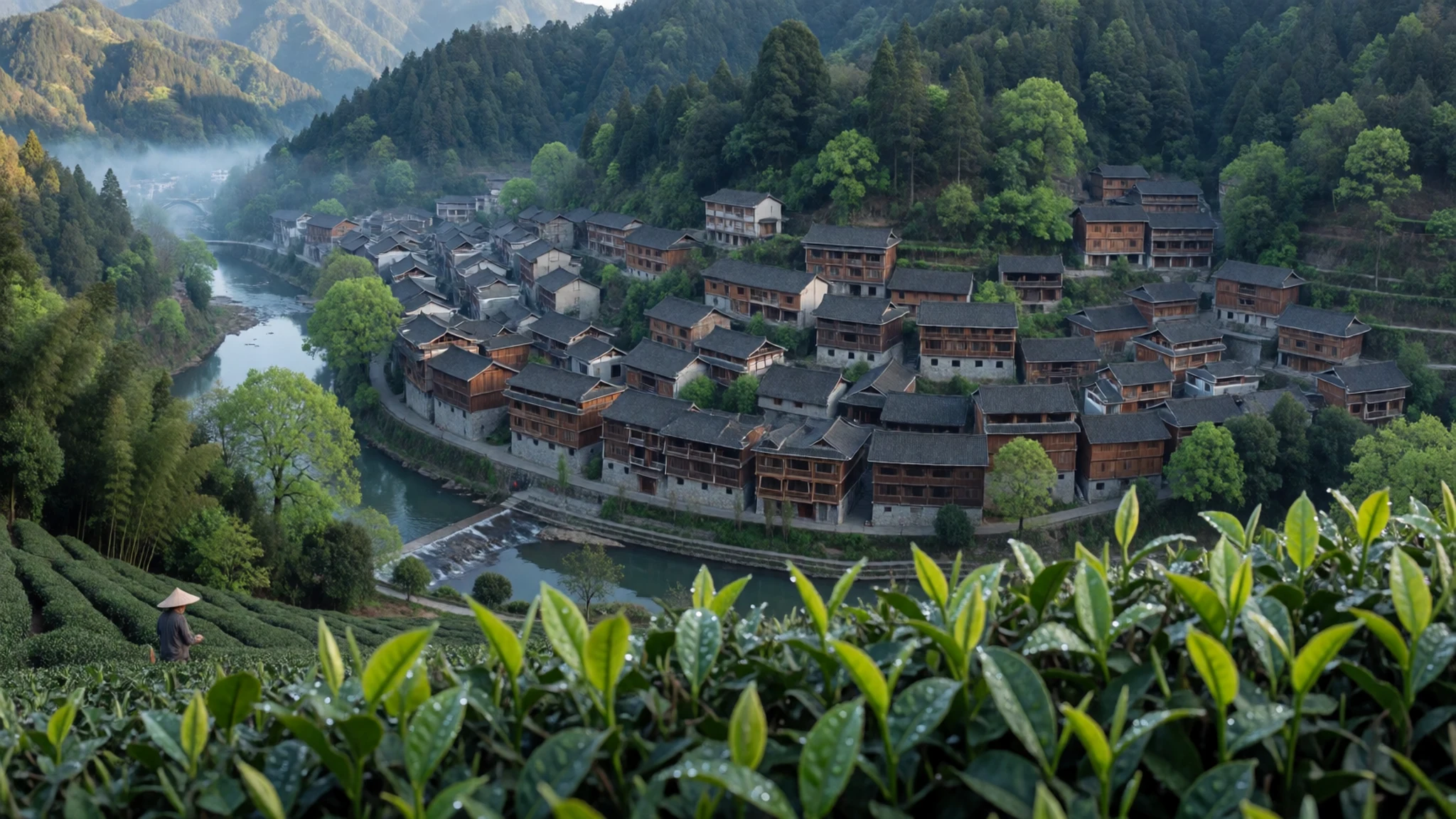
Culture
Culture in Jingdezhen revolves entirely around the alchemy of clay and fire. There is a profound respect for the 'master' and the apprenticeship system, yet this exists alongside a rebellious, modern art scene. The city's identity is not just in the finished vases in museums, but in the grit of the studios and the smoke of the kilns. For residents, porcelain is a language of status, history, and daily utility. The social life often centres on the exchange of techniques and the discovery of new glazes. This obsessive dedication to craft creates a community that is welcoming to outsiders, provided they share a genuine curiosity for the process of creation. There is a slow-living philosophy here, where the time it takes for a piece to dry or fire is respected as a natural law.
When visiting artist studios, always ask for permission before touching any unfired pieces, as they are extremely fragile.
What to wear
Historically, the people of Jingdezhen wore simple, durable cotton garments suited for the heat of the kilns and the mess of the clay pits. While there is no single 'porcelain dress', the influence of the craft is seen in the preference for clean lines and subtle, pale colours reminiscent of white porcelain. Today, the local population wears a mix of standard Chinese urban fashion—casual trousers and t-shirts—and the more eclectic, bohemian styles adopted by the resident artist community, who often wear oversized linen clothing and aprons stained with oxide and slip.
Visitors should dress for a humid subtropical climate. Light, breathable fabrics are essential for the hot summers, while a sturdy jacket is needed for the cold snaps of winter. Comfortable, closed-toe walking shoes are a must for navigating the uneven paths of Sanbao Village and the industrial floors of the art districts. Modesty is generally expected, though the artistic nature of the city makes it more lenient than traditional religious sites.
What to eat
- Late-night snacks — Lele da paidang
A variety of spicy street foods and chicken feet served in a retro-style setting, perfect for those exploring the city's nightlife and creative energy after dark.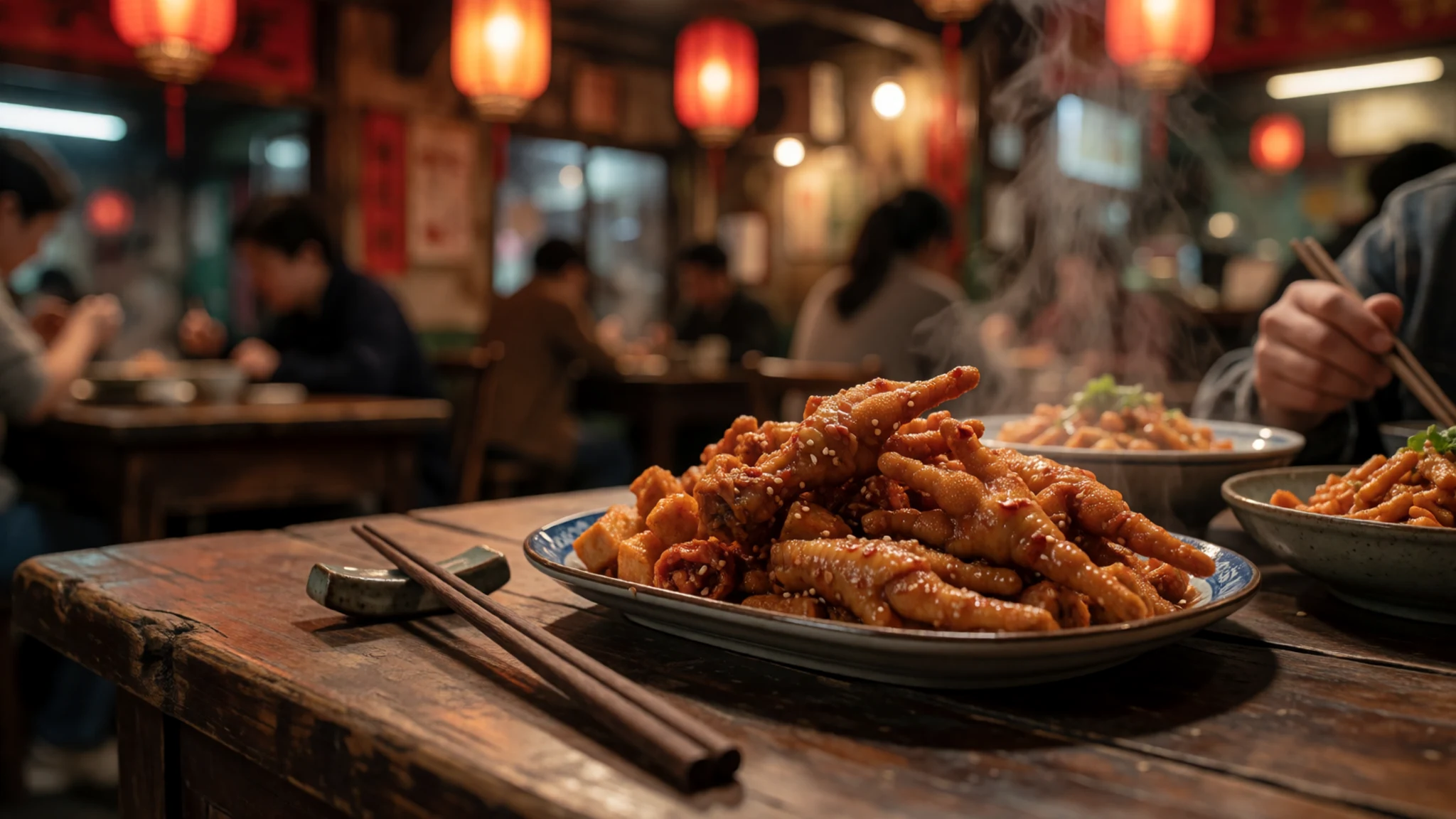
- Local Tea — Yaoli Ancient Town
Fragrant brews sourced from the surrounding forests, often served in hand-crafted local porcelain cups that highlight the tea's colour and clarity.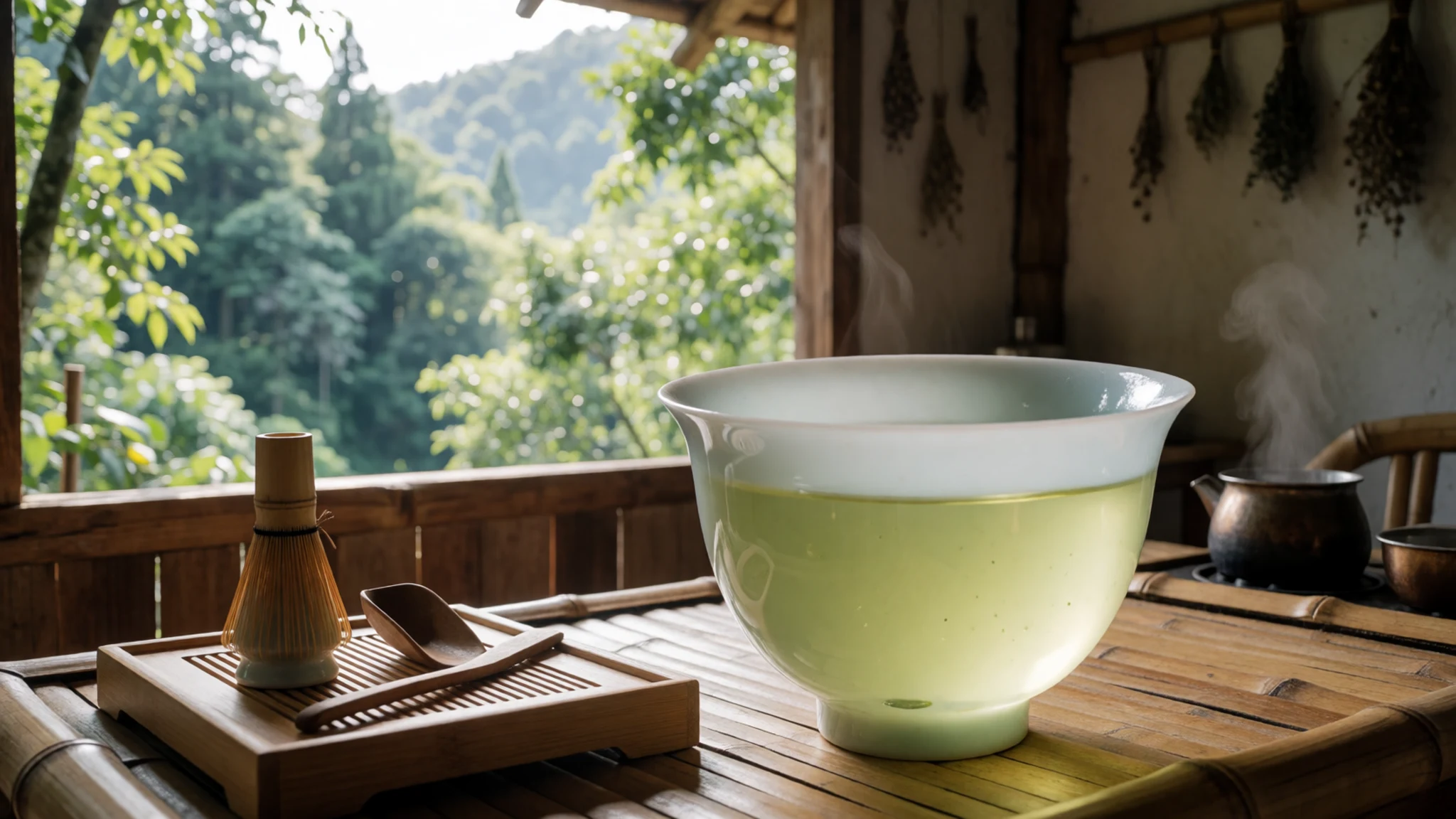
- Jiangxi Home-style Cooking — local eateries in the city centre
Hearty, spicy dishes featuring local vegetables and meats, reflecting the bold and pungent flavours typical of the Jiangxi province's culinary traditions. - Seasonal Fruits — morning markets
Fresh, sun-ripened fruits sold by vendors, varying with the monsoon seasons and the local agricultural cycle of the Poyang Lake Plain.
Plan it
Best time. March–April and October–November are ideal to avoid the extreme heat and humidity; summer is very hot and June is particularly rainy.
How long. 3–4
Getting there. Fly into the nearest airport or take a train from Shanghai or Beijing; high-speed trains to Wuyuan provide a convenient connection via a short final leg.
Budget. mid
Tips
- Carry cash for small studio purchases
- Visit Sanbao Village early in the morning to avoid crowds
- Use a translation app for communicating with local artisans
- Wear breathable clothing during the humid summer months
- Check the official city website for museum opening hours
Etiquette
- Avoid touching unfinished pottery
- Keep noise levels down in residential artist villages
- Ask before photographing people in their workshops
Nearby
Sources
- Wikidata Q34405 (CC0)
- Wikipedia (CC BY-SA 4.0)
- Wikivoyage (CC BY-SA 4.0)