Jeti-Ögüz
Jeti-Ögüz, Kyrgyzstan
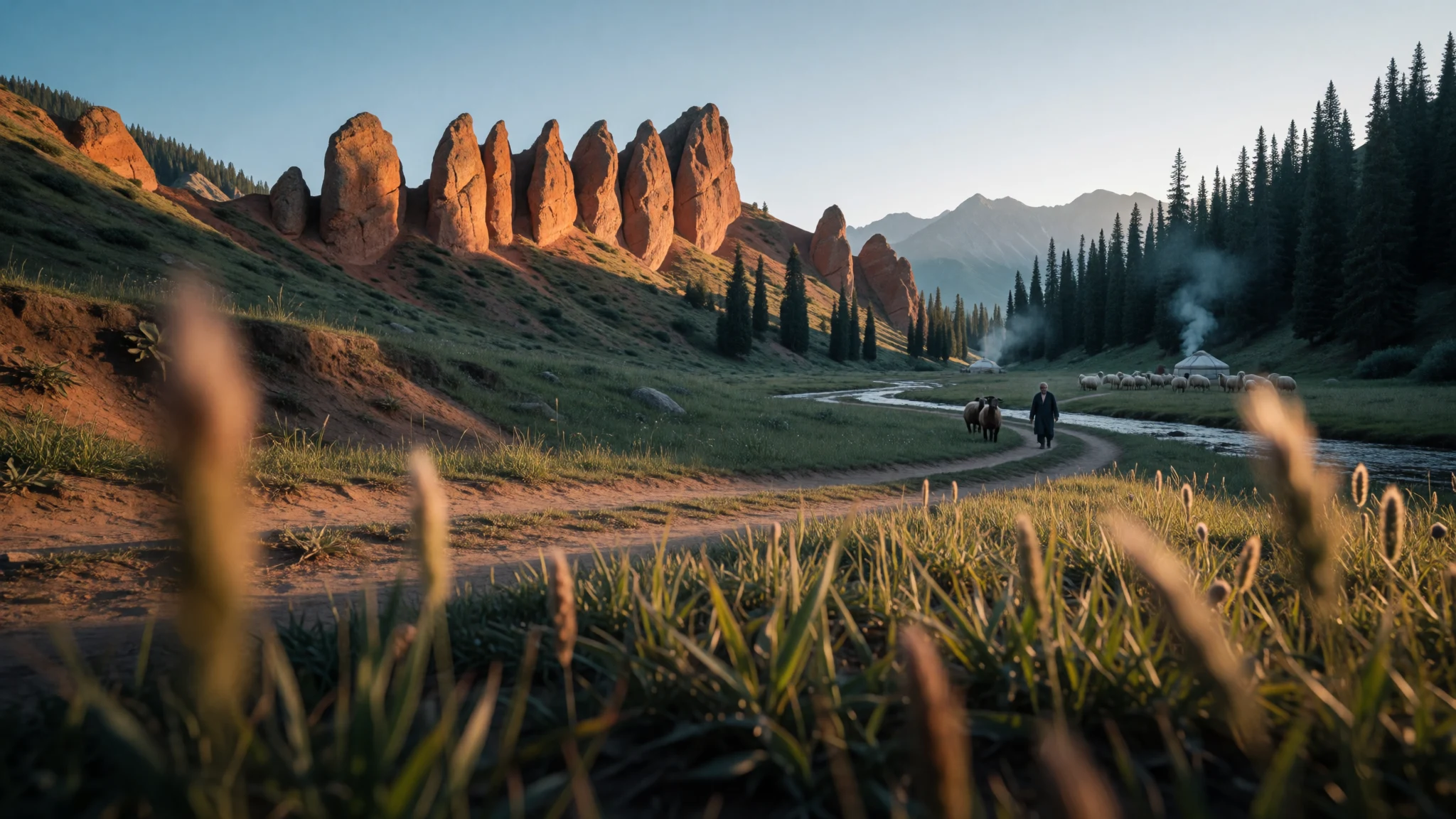
Jeti-Ögüz offers red cliffs, pine valleys and warm summer pastures in the Tian Shan, a short ride from Issyk Kul's shore.
The place
Jeti-Ögüz sits in the Issyk Kul region of north-eastern Kyrgyzstan, and the name is slippery because it covers so many things. In Kyrgyz it means "seven bulls", and it is attached to a rock formation, a resort beside it, a village nearby, a river, a game reserve and the district that contains them all. Asking for directions or booking a bed goes more smoothly once it is clear which of these is meant. Most visitors stay at the resort, which Wikidata classes simply as a resort, and walk out from there into a valley of conifers, meadow and streams. The Tian Shan fills the skyline. That range runs far across Central Asia, and along much of its length it carries the borders between China and the Central Asian states. To the north, the shimmering surface of Issyk Kul lake appears between the hills, and the lake and the mountains together make up most of what draws travellers to this part of Kyrgyzstan. Getting around is easier here than in much of the country. Shared minibuses called marshrutkas, shared taxis and hitched lifts all work along the lake roads, and Karakol and Cholpon-Ata serve as the usual towns for supplies and onward travel. The place suits slow days: a walk, a soak, a long meal. Summer is when everything is open and busy, while winter is quiet, cold and mostly closed.
Its story
Jeti-Ögüz carries its history in a legend and in its buildings. The legend explains the name. The rocks form a ragged red line of humps, and one telling says they are seven bulls turned to stone. A second formation nearby is told as the remains of a broken heart, left behind by a tale of a khan, a beautiful wife and two rivals who fought over her. Locals repeat these stories without fuss, and the details shift from one storyteller to the next, which is half their charm. The valley's other layer is the sanatorium habit. During the Soviet period, mountain and lakeside places across the region were developed as health resorts, where workers were sent to rest, take the air and bathe in warm water. The resort and sanatorium buildings at Jeti-Ögüz belong to that tradition, and some still look like it, with plain blocks, long corridors and gardens laid out for strolling. Older than all of this is the pastoral rhythm of the Kyrgyz. For generations, families have driven their animals up to high summer pastures and come down again before winter. Yurts still appear along side roads in the warm months, and some now cater for visitors. The sanatorium blocks, the legends and the seasonal yurts sit side by side, so the place feels layered rather than polished, and it rewards anyone who asks local people about the stories they grew up with.
What to see
- Jeti-Ögüz Rocks — Jeti-Ögüz District, Issyk Kul Province
The rock formation is the reason for the name: a red, serrated ridge that reads as a row of bulls from the right angle. Go early or late, when the light warms the colour and tour groups thin out. A walk along the base, with the valley opening behind, is enough.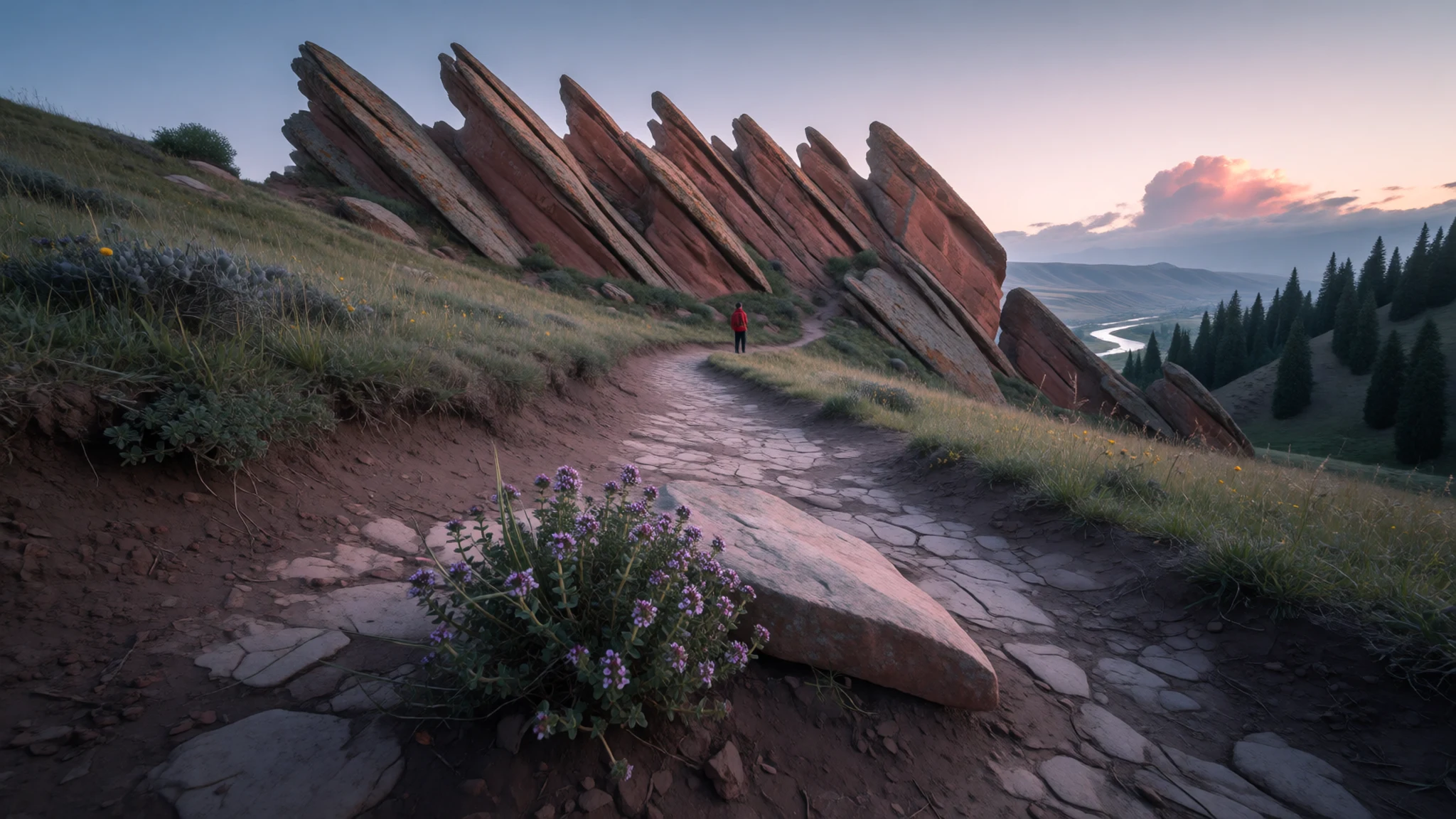
- Jeti-Ögüz resort — Jeti-Ögüz valley, near the rocks
The resort is the practical heart of the valley, with guesthouses, cafés and trailheads gathered around a bus stop. It is useful for orientation, a hot meal and an early start. Expect busy weekends in high summer, and a much calmer feel on weekdays or in the shoulder months.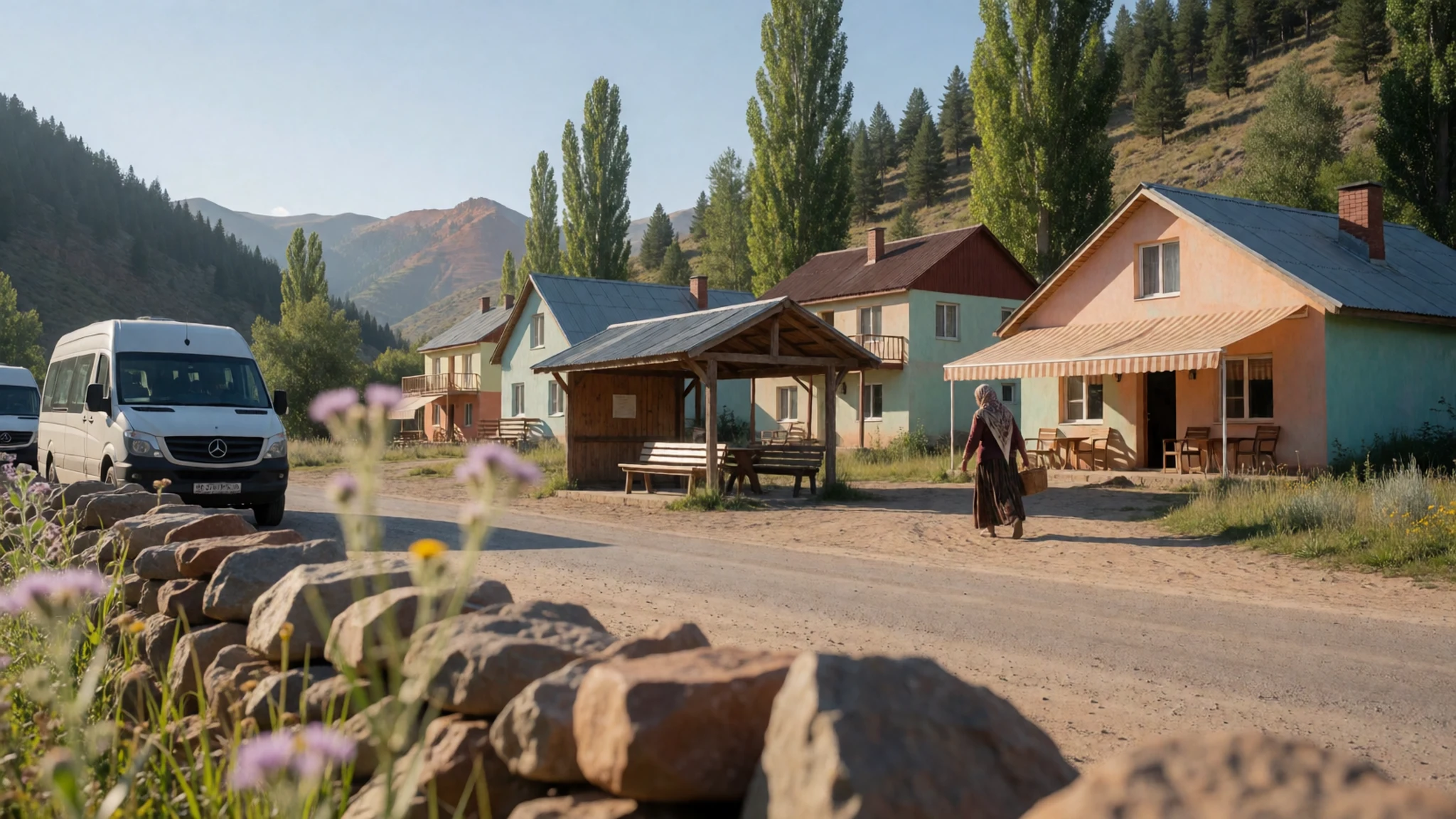
- Jeti-Ögüz Sanatorium — Jeti-Ögüz resort area
The sanatorium building is a reminder of the era when mountain valleys became rest cures for workers. It is worth a look from outside for its architecture, which is plain, functional and slightly faded. Check locally about visiting hours and whether any part is open to non-guests.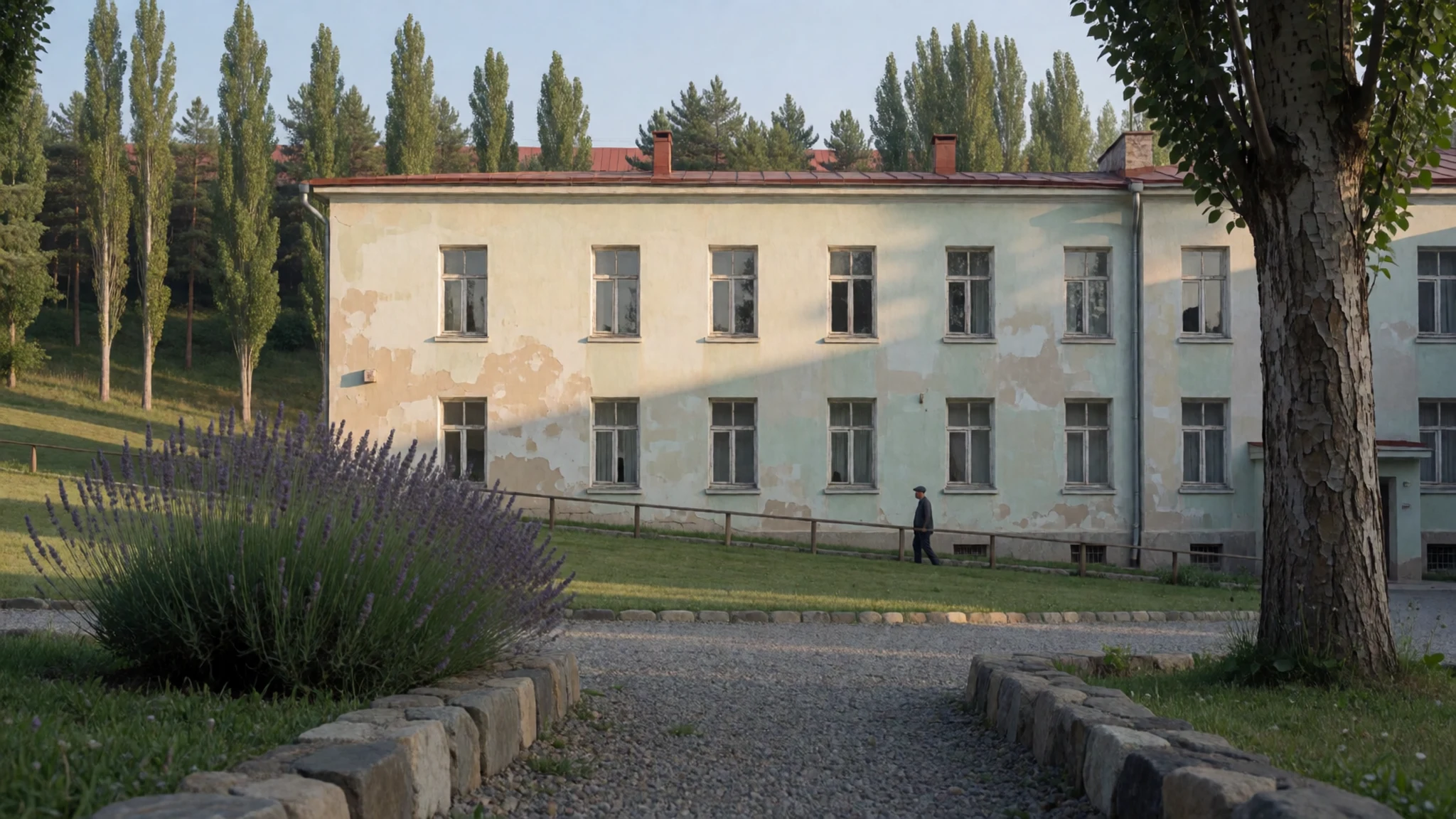
- Kadji Sai hot springs — South shore of Issyk Kul
Kadji Sai, on the lake's southern side, is the name usually given for a soak in warm spring water after a day of walking. A few more springs are scattered around Tong District. Facilities range from simple to basic, so bring a towel, flip-flops and a plastic bag for wet clothes.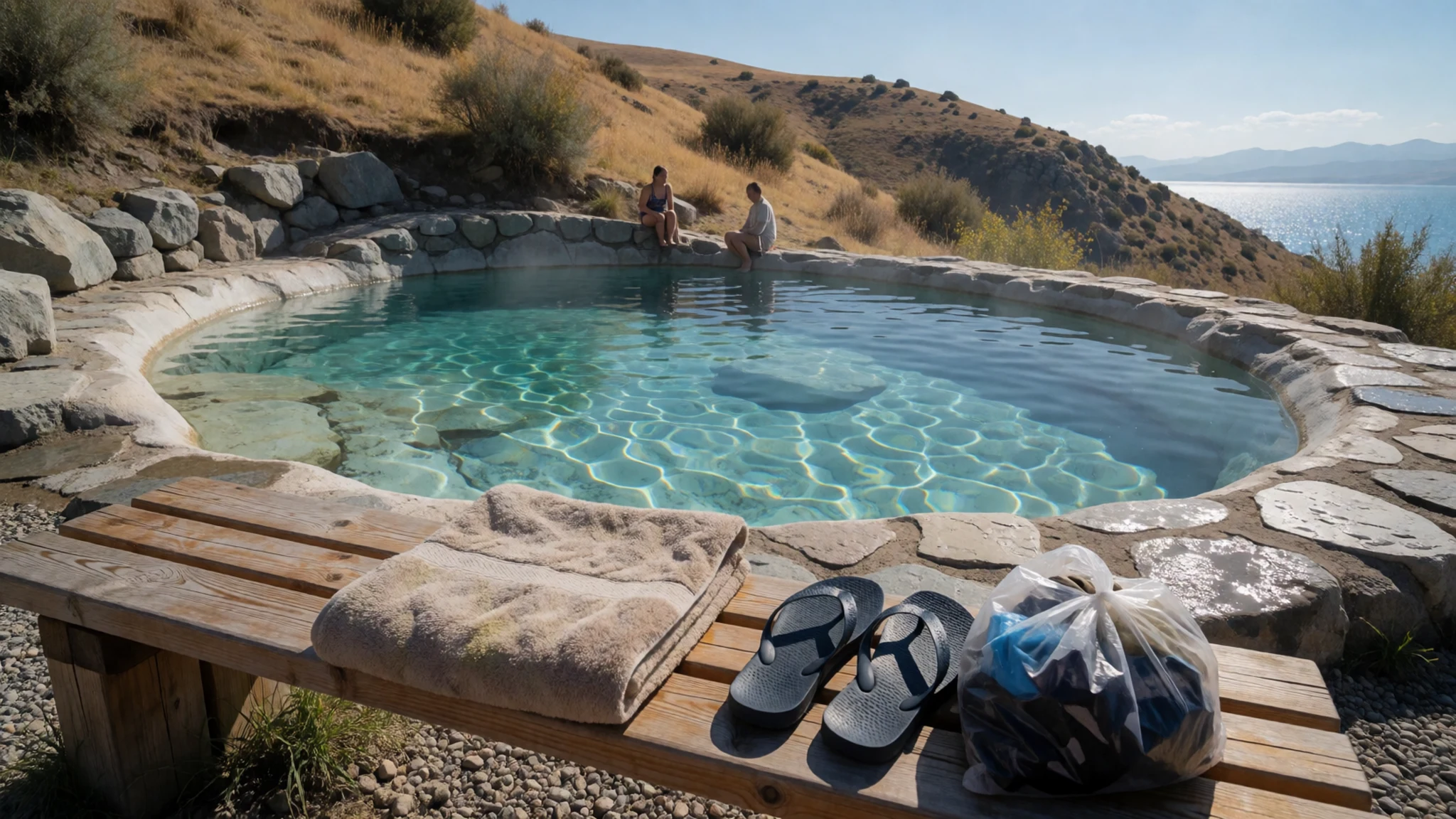
- Grigorievskoe Trail — Valley north of Issyk Kul
Grigorievskoe is a long valley walk in the hills north of the lake, set back from the shore. The route follows a gorge, and a small entrance fee is sometimes asked, though not reliably. It is a long day return on foot, so start early, carry water and tell someone your plan.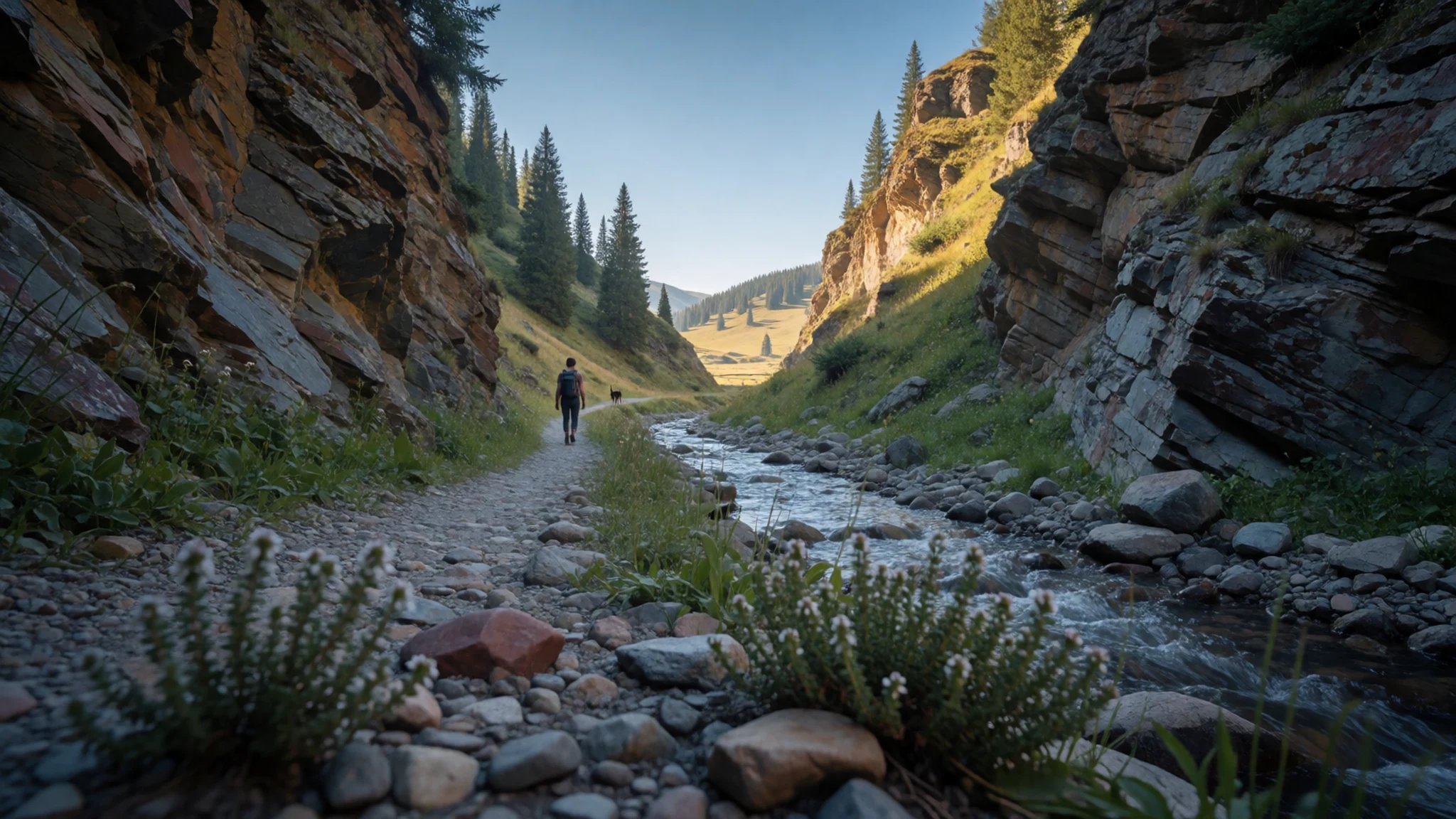
- Salt lakes near Tamga and Tong — Tong District and Tamga village
Salt lakes lie in Tong District and near Tamga village, on the southern side of Issyk Kul. They make an easy side trip by car or shared taxi, with open shoreline views and few people. There is little shade, so bring a hat and water, and ask locally about access.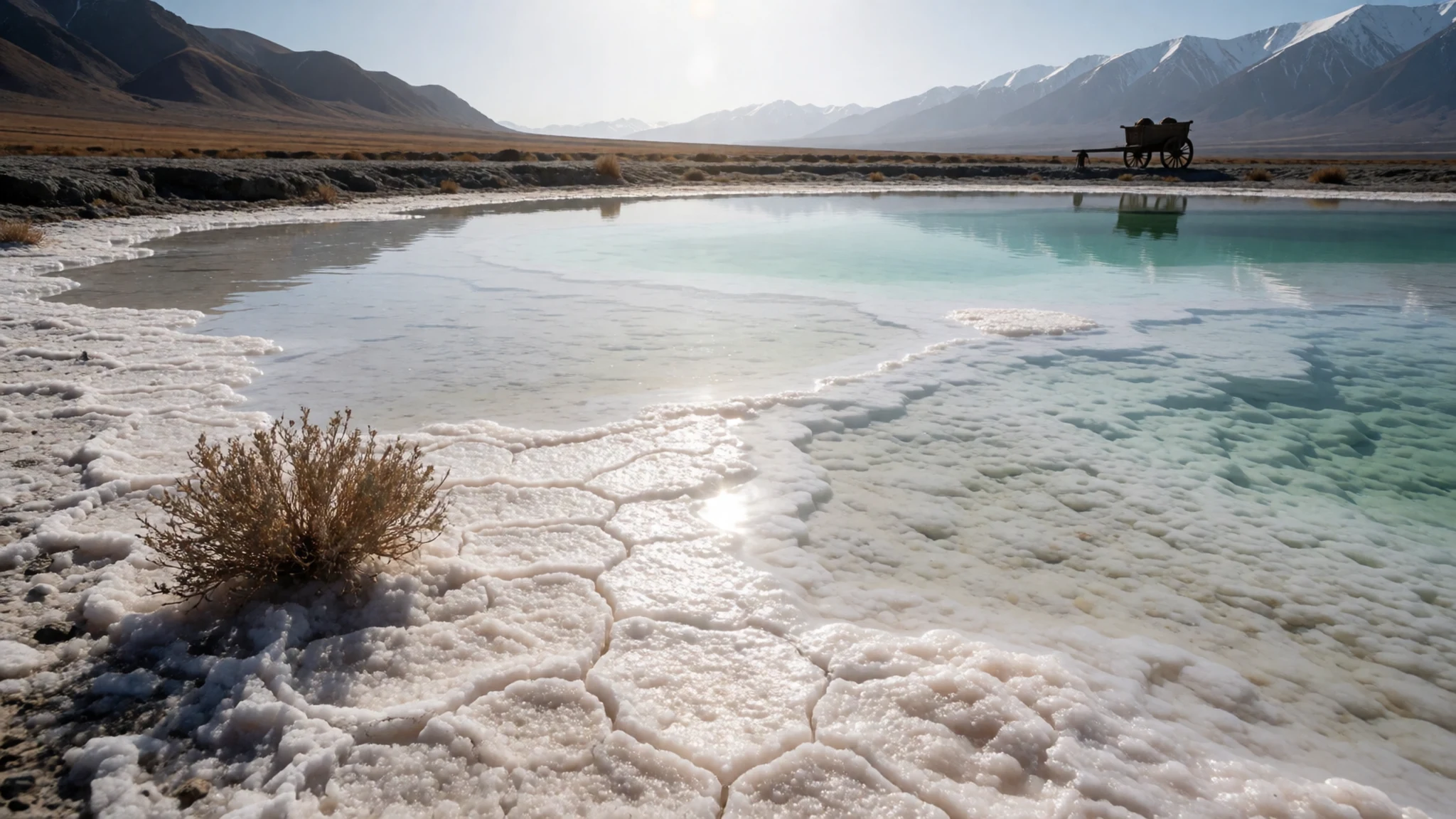
Culture
Jeti-Ögüz belongs to a Kyrgyz culture shaped by herding, horses and the seasonal move between valleys and high pastures. Families traditionally spent summers in felt-covered yurts on upland grass, and some of that life continues in the warm months, with yurt camps along the side roads of the Issyk Kul region catering for visitors. Hospitality is central. A guest is usually offered tea, bread and something sweet almost at once, and refusing everything outright can come across as cold. Meals are shared from the middle of the table, and a toast or a few words of thanks are normal. Fermented mare's milk, kymyz, is a summer drink that many visitors try once out of politeness and some come to like. The population is predominantly Muslim, but religious practice here tends to be relaxed, and families are generally easy-going with foreigners. Storytelling and song hold a respected place, and the epic tradition of Manas is a source of national pride, so showing interest in it goes down well. Local legends attached to the rocks are told with humour and affection, and travellers who ask about them often get a longer conversation than they planned. Mountain weather changes quickly, which is part of why neighbours help each other so readily. When invited into a yurt or home, take off your shoes at the door and avoid stepping on the threshold.
What to wear
Traditional Kyrgyz dress in the Jeti-Ögüz area draws on the herding life: felt, wool, sheepskin and embroidered velvet. Men's best-known piece is the ak-kalpak, a tall white felt hat with black trim, worn at festivals, weddings and official occasions. A padded coat called a chapan and leather riding boots were once everyday wear for horsemen. Women's festive dress includes long velvet or brocade dresses and the elechek, a decorated headdress, though these now appear mostly at celebrations and cultural shows. Felt remains the signature textile, and it also turns up in rugs and wall hangings in yurts. Day to day, people wear what most of the region wears now: jeans, trainers, sports jackets, fleeces and practical boots, with shirts and plain dresses in town and at gatherings. Older villagers are likelier to wear traditional touches, such as a headscarf or a felt hat. For visitors, layers matter most. Mountain mornings and evenings are cool even in summer, afternoons can be sunny, and rain can arrive quickly. Bring sturdy walking shoes with a good grip for rocky paths, a sun hat, sunglasses and a waterproof layer. Villages are conservative, so shorts and tops that cover the shoulders are fine for walking, but swimwear is better kept for the lake shore and hot springs.
What to eat
- Beshbarmak — Family feasts and yurt camps in summer
Beshbarmak is the national dish: boiled meat served over flat noodles with an onion broth. It is made for guests and celebrations, so it is easiest to find at yurt camps and guesthouses that cook for groups. Ask ahead, because it takes time to prepare.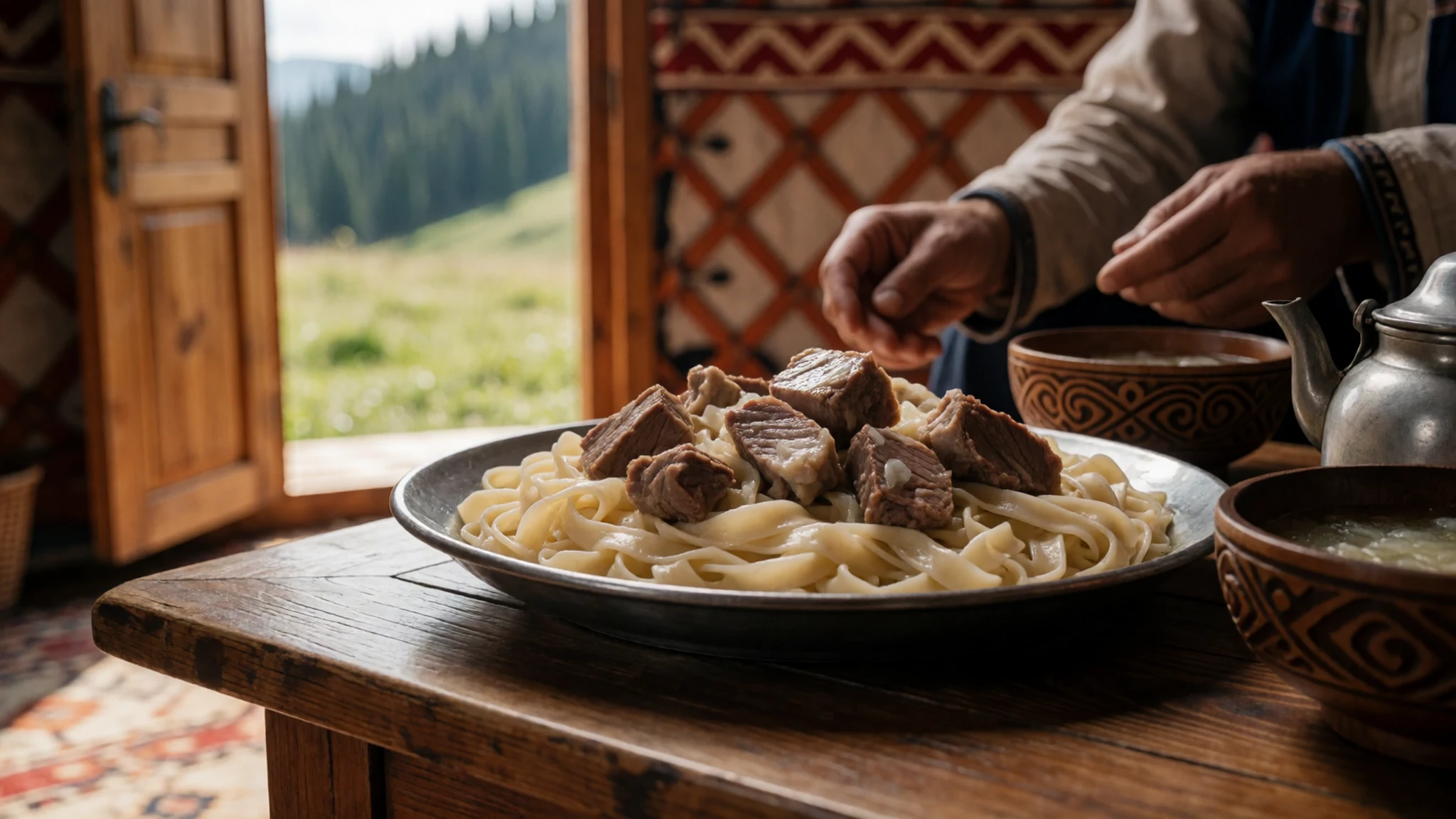
- Lagman — Village cafés and roadside eateries along the lake road
Lagman is a bowl of hand-pulled noodles in a meat and vegetable sauce, sometimes served as a soup. It is a reliable, filling lunch after a walk, and most roadside cafés and small town eateries have a version of their own.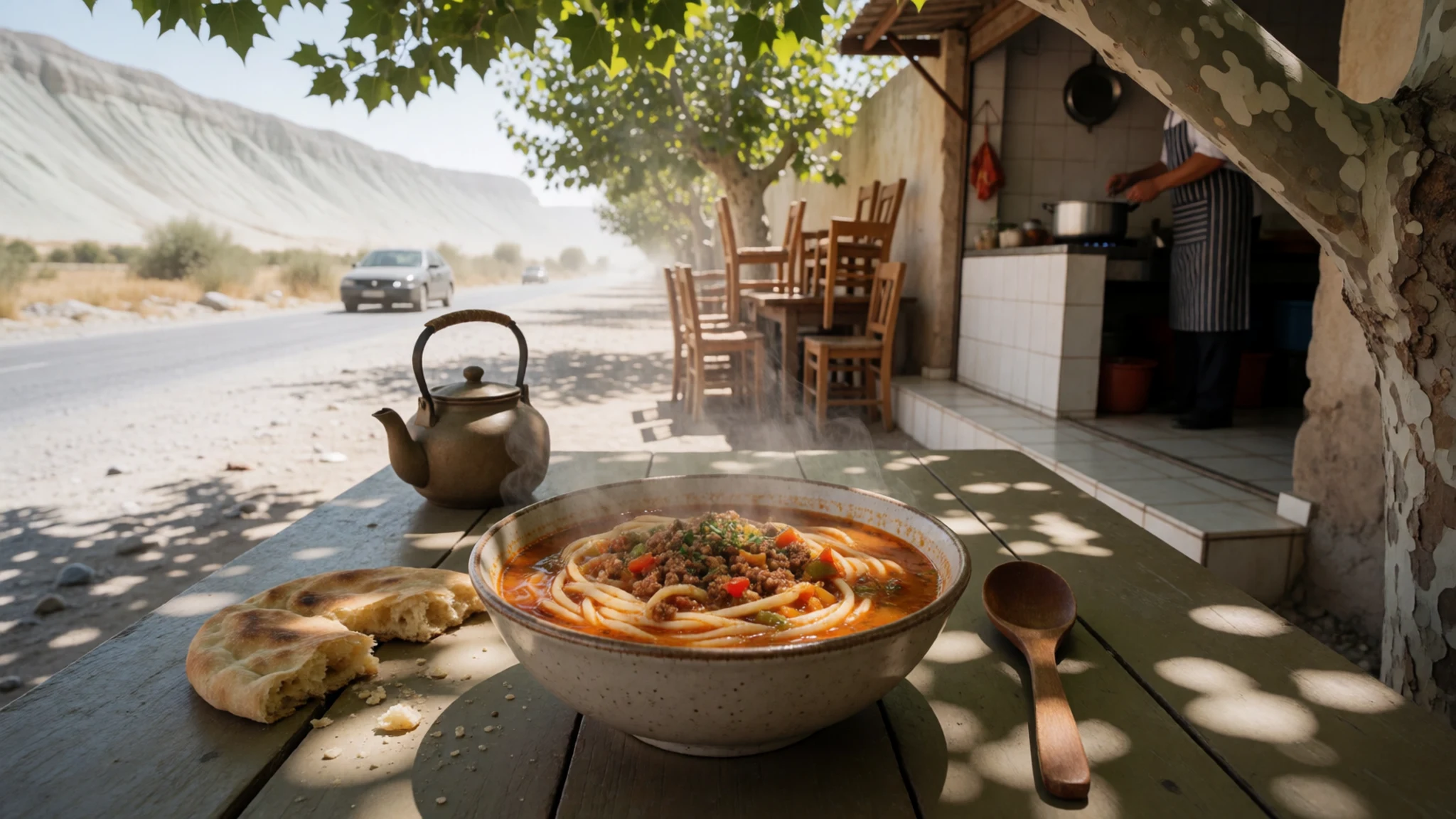
- Boorsok — Bakeries and roadside stalls
Boorsok are small pieces of fried dough, golden and slightly crisp, served at tea and put out for guests. Stalls along the roads sell them in bags, and they make a handy snack for trails, though they are best eaten fresh. - Kymyz — Roadside stalls and yurt camps in summer
Kymyz is fermented mare's milk, lightly fizzy and sour, and a summer staple. Roadside sellers and yurt camps pour it into bowls. It is an acquired taste, and a small sip is enough to be polite if it is not to your liking. - Shashlik — Grill stalls and outdoor eateries around the resort and lake towns
Shashlik is meat grilled on skewers over charcoal, usually served with onions, flatbread and a simple salad. Grill stalls and outdoor eateries near the resort and in the lake towns cook it fresh. Order while the coals are hot.
Plan it
Best time. June to September is the easiest window, when valley roads are open, yurt camps and guesthouses are running and hiking is straightforward. Mountain weather can still turn cold and wet at short notice, so pack layers. Winter is cold and quiet, with many seasonal places closed.
How long. 2–3
Getting there. Fly to Bishkek, then continue east by marshrutka or shared taxi along the Issyk Kul road towards Karakol. Jeti-Ögüz is reached by a side road from the main lake highway, so ask the driver to drop you at the turning or arrange a final taxi from Karakol.
Budget. low
Tips
- Book guesthouses ahead for July and August, and for weekends year-round
- Start walks early, since afternoon weather in the mountains can change quickly
- Carry cash, as cards may not work at small shops, stalls and yurt camps
- Bring water and snacks on any gorge walk, because supplies are limited on the trail
- Ask locally about hot spring access and hours, and check the official site where there is one
Etiquette
- Take off your shoes when entering a yurt or home
- Ask before photographing people, especially older villagers and children
- Take litter away with you from trails, camp sites and the lake shore
Nearby
Sources
- Wikidata Q2504374 (CC0)
- Wikipedia: Jeti-Ögüz (rev 1245380090) (CC BY-SA 4.0)
- Wikivoyage: Issyk Kul and the Tian Shan (rev 5240492) (CC BY-SA 4.0)
- Astra at Djeti Oguz, Peretz Partensky (CC BY-SA 2.0)
- Beehive at the Jeti-Ögüz resort 2, Adam Harangozó (CC BY-SA 4.0)
- Beehive at the Jeti-Ögüz resort, Adam Harangozó (CC BY-SA 4.0)
- Bus stop at the Jeti-Ögüz Resort, Adam Harangozó (CC BY-SA 4.0)
- Jeti-Ögüz Resort 2, Adam Harangozó (CC BY-SA 4.0)
- Jeti-Ögüz Resort, Adam Harangozó (CC BY-SA 4.0)
- Jeti-Ögüz Sanatorium 3, Adam Harangozó (CC BY-SA 4.0)
- Jeti-Ögüz, Kyrgyzstan, Bgag (CC0 1.0)


