Janjanbureh
Janjanbureh, The Gambia
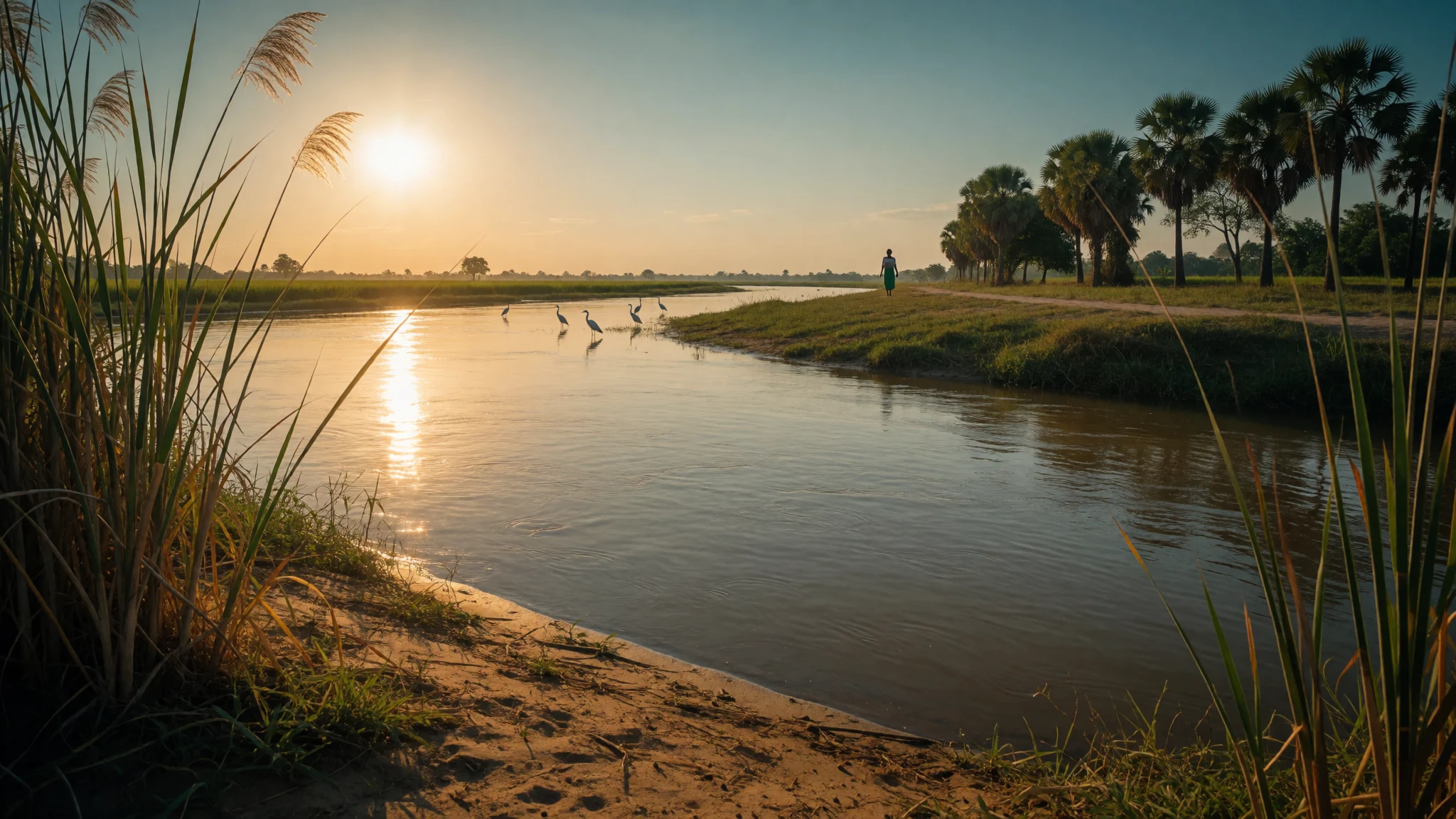
Janjanbureh is a quiet river island in the middle of The Gambia, where life follows the water rather than the beach-resort calendar.
The place
Janjanbureh is the capital of the Central River region of The Gambia, and it sits on MacCarthy Island, a river island in the middle of the Gambia River. Until 1995 the town was better known as Georgetown and the whole region was called MacCarthy Island Division, so older maps and older residents may use either name. Central River is the largest of the country's five regions and spreads along both banks of the river, far upstream from the coast and its beach resorts. The landscape is flat. Alluvial soil suits rice, peanuts are the main cash crop, and in places the river edge turns to swamp before it meets farmland. Side channels called boloons wind away from the main stream. The country is a thin strip built around one river, and here that shape is easy to see: the river is the water supply, the transport route and the reason most settlements exist. The largest settlement in the region is Bansang, not Janjanbureh itself. The weather is warm and mostly dry, with a rainy season from June to November. Compared with the coast, tourist infrastructure is light: simple lodges and eco camps rather than large resorts, long distances between places, and a pace set by the river and the farming year. It suits people who want to watch river life rather than tick off sights.
Its story
Janjanbureh's story is tied to the river that shaped it. The Gambia River runs west from Guinea through the whole country, and long before roads it was the main way to move people and goods inland. The town's older name, Georgetown, belongs to the period of British rule, when the Gambia Protectorate was divided into five administrative areas in the early 20th century. One of those was MacCarthy Island Division, named for the island where the town stands, and that name lasted until 1995, when the division became Central River. Georgetown has since given way to Janjanbureh as the name in everyday official use, though both still turn up on signs, maps and in conversation. The layering of names is a small reminder of how many hands have drawn lines across this stretch of river. Nearer the coast, the old trading station on Kunta Kinteh Island, reached by boat or by road and pirogue via Juffureh and Albreda, tells the harder part of the river's history, the slave trade that Alex Haley's Roots made widely known. Janjanbureh is a different kind of place: an administrative and market centre in farming country. Anyone wanting detail on local history is best served by asking residents and local guides, who will know far more than a short reading can carry.
What to see
- The River Gambia from the island — MacCarthy Island
The main sight in Janjanbureh is the wide river itself. From the island's edge the view upstream shows low banks and a broad sweep of open sky, and early morning and late afternoon give the softest light. Look for birdlife along the margins. Dry-season mornings are clearest, and few other visitors share the view.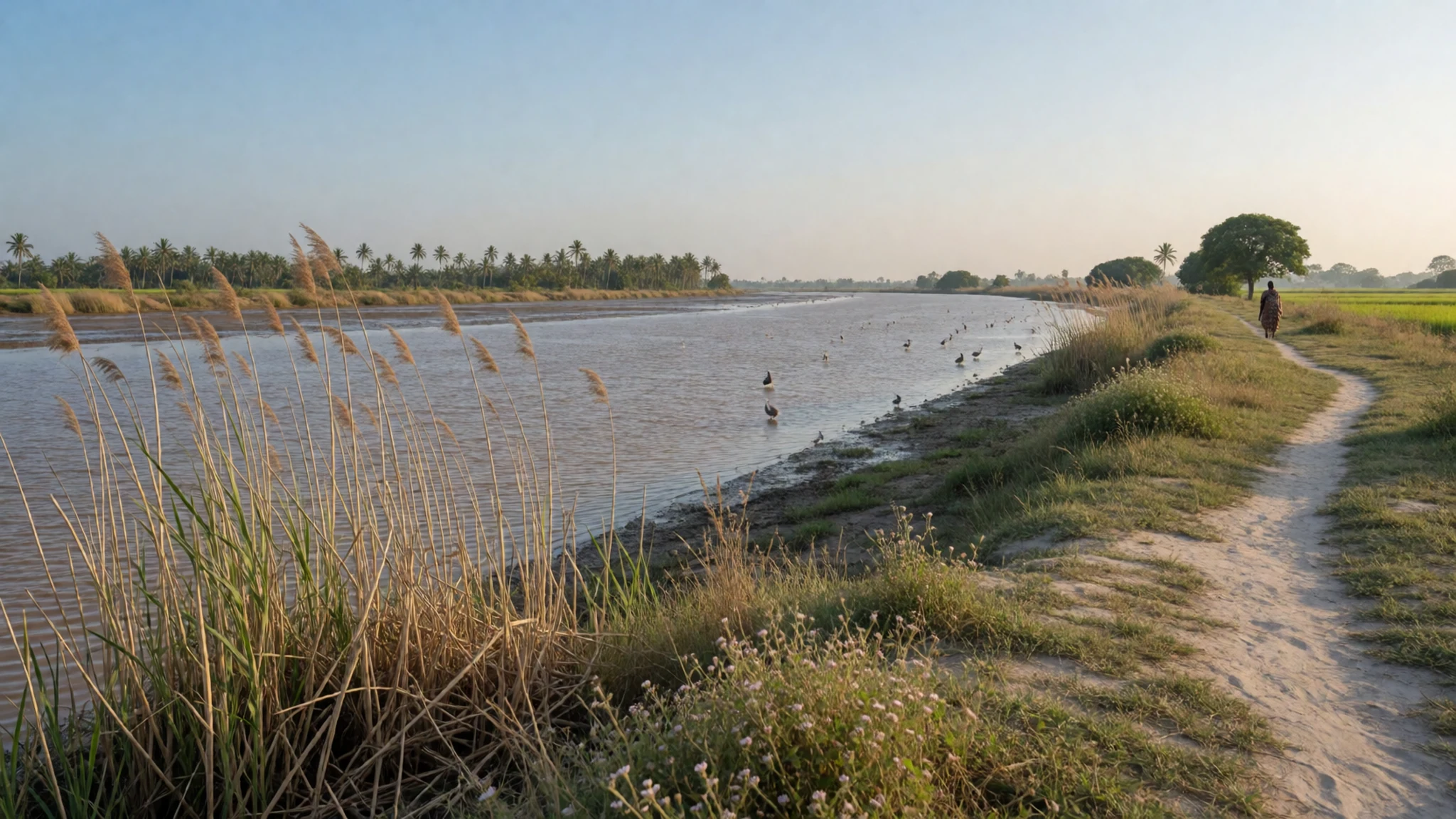
- MacCarthy Island on foot — Janjanbureh town
The island is small enough to explore by walking, which is the best way to see the town as its residents do. Expect everyday scenes rather than set-piece monuments: river landings, school groups, small shops and traders, and the traces of the former Georgetown in street names and older buildings. Greet people as you pass.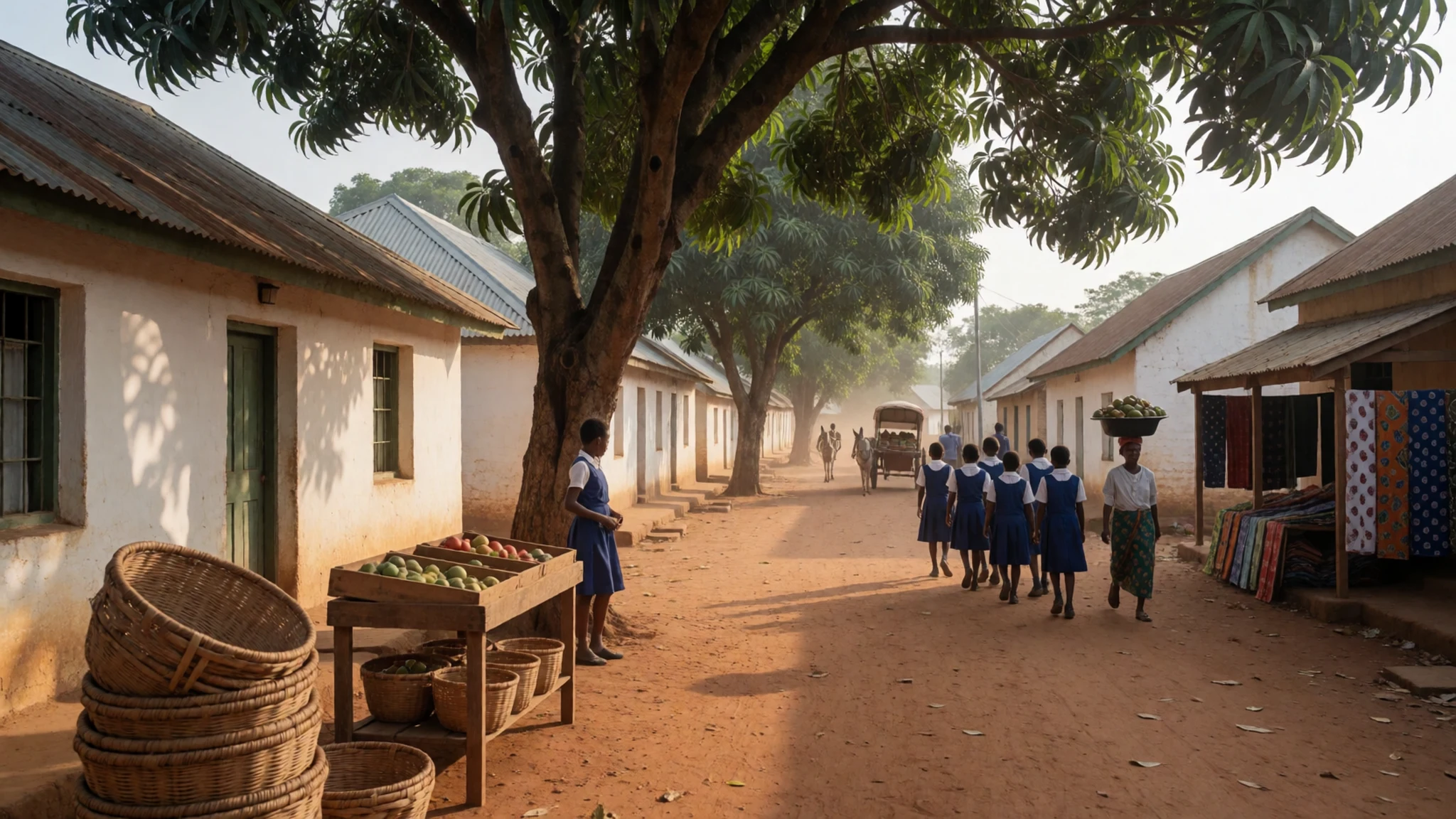
- Boloons and river channels by boat — Around MacCarthy Island
Boloons are the creeks that branch off the Gambia River, and a local boat or pirogue is the way to see them. They are quieter than the main stream, with reeds, mud banks and wading birds. Agree the route and the price with the boatman before setting off, and carry water and a hat.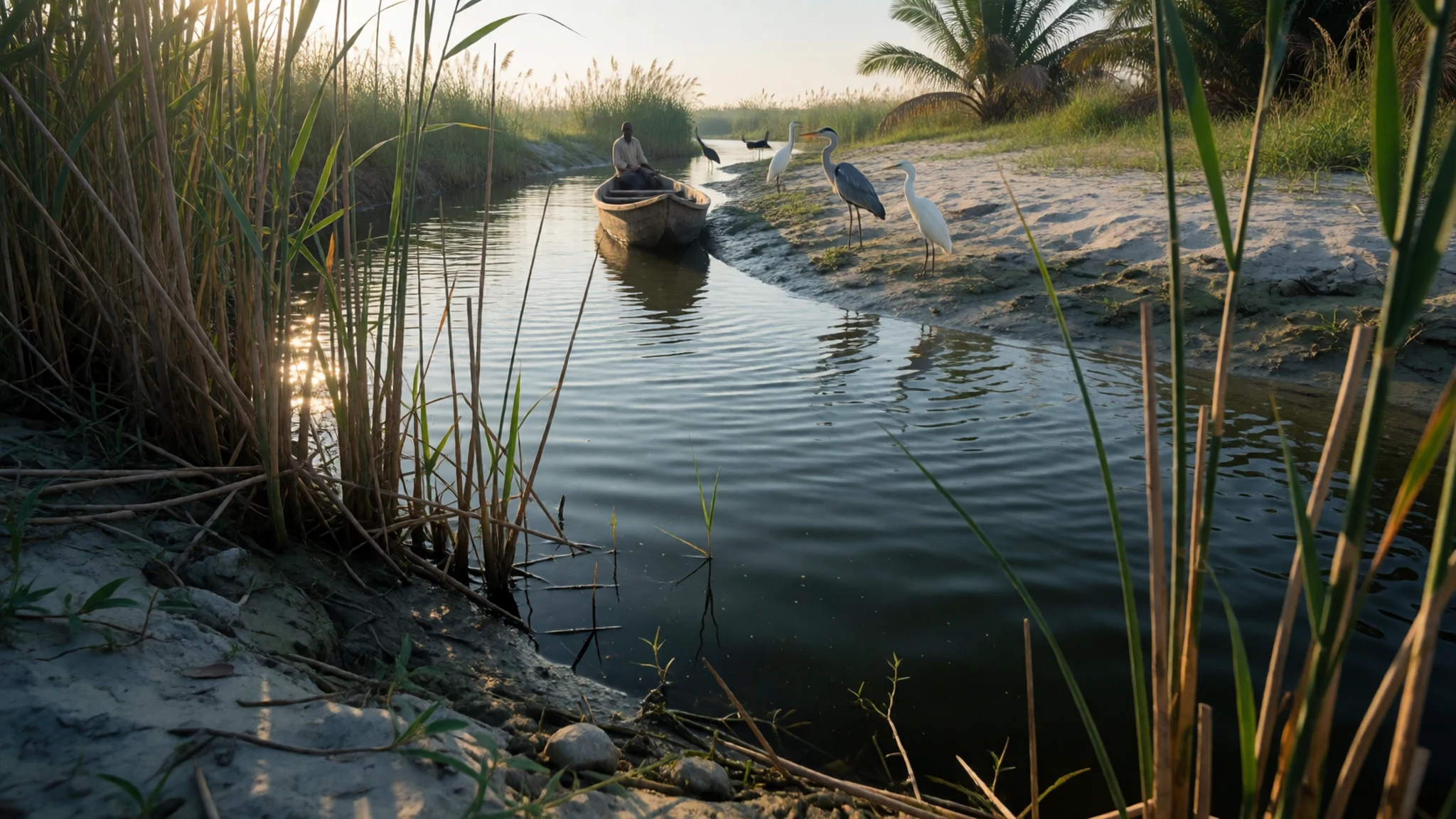
- Bansang — Upstream along the river, Central River region
Bansang is the largest settlement in the Central River region, and a good place to see a working market town rather than a tourist stop. Come for ordinary commerce: produce, cloth, grain and everyday goods. Mornings are usually busiest, and a local guide or driver helps with introductions, languages and finding the right stalls.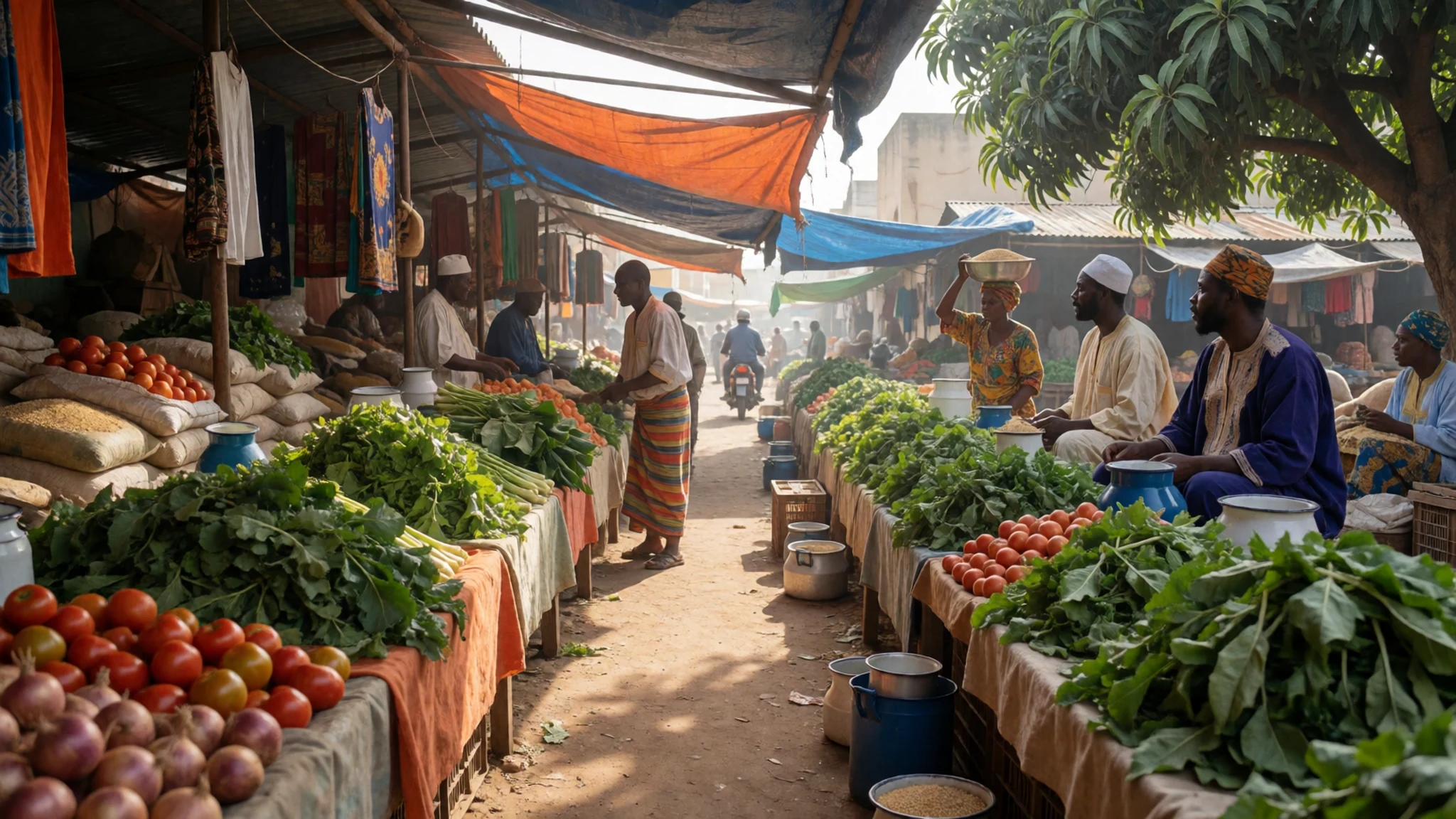
- Rice and peanut country — Both banks of the river, Central River region
Beyond the river edge, the region is farmland. Rice grows on the alluvial soil near the water, and peanuts, the main cash crop, fill the drier fields. The best time to see activity is the rainy season for green fields, or the dry months for harvest and easier travel. Ask permission before walking into any field.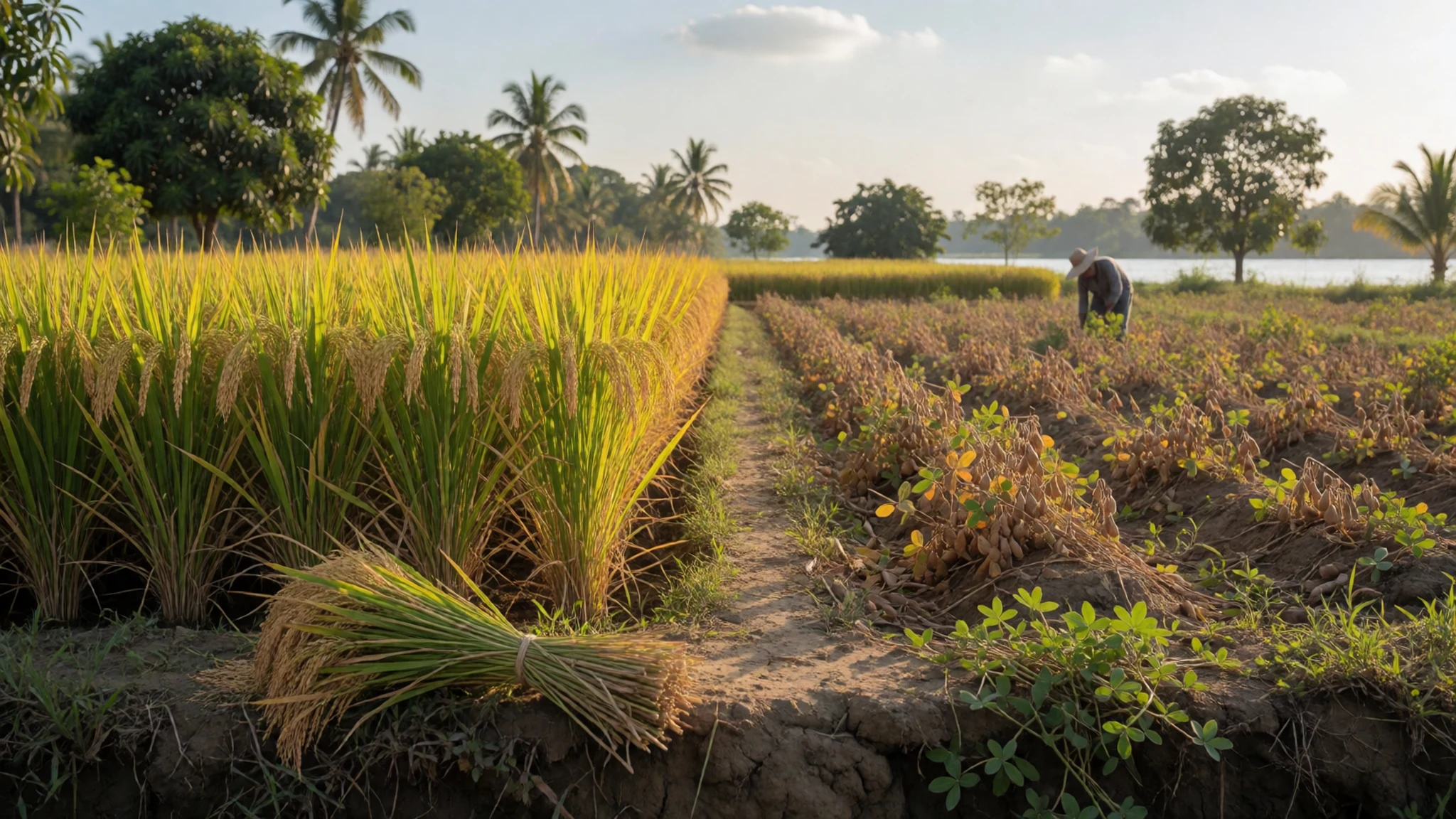
Culture
Janjanbureh is a small, closely knit town where the rhythm of daily life matters more than any one attraction, and manners count for a lot. Greetings are important: a proper hello, a question about the family and the day, and a little patience before getting to the point, will make most conversations easier. The population is largely Muslim, so prayer times, Fridays and the fasting month shape how the day runs, and some food stalls and shops open and close accordingly. English is the official language, but many people speak local languages first, and a few words of greeting learned in advance are warmly received. Hospitality is real, and visitors may be invited to share a meal or tea. Accept at least a taste. Be aware that in places where visitors are rare, people who offer directions or help may expect a small payment, and it is kinder to settle this politely than to leave it unspoken. Some Gambians hold beliefs about being photographed, particularly by strangers, so cameras need care. Fishing landings, markets and women at work are all places where a lens can cause offence if used carelessly. Always ask before photographing anyone, and accept a refusal with a smile.
What to wear
In Janjanbureh, as across The Gambia, traditional dress is bright, loose and made for heat. Women wear long wrapper skirts or full-length gowns with matching head ties, often cut from printed cotton, locally dyed or batik-patterned cloth, and tie-dye is a familiar craft. Men wear the boubou, a wide flowing robe with embroidered neckline, usually in cotton or lighter blends, along with matching trousers. These outfits come out for Friday prayers, weddings, naming ceremonies and festivals. In daily life people mix tradition with practical modern clothes: T-shirts, jeans, football shirts, school uniforms and plain cotton dresses, with a wrapper or shawl added for modesty. Tailors are everywhere, and having a garment made from market cloth is a common way for visitors to take home something useful. A visitor should dress for heat and for a largely Muslim community. Light, loose cotton or linen is best, with shoulders and knees covered in the town and in villages. Bring a sun hat, sunglasses and strong sunscreen for boat trips, and wear sturdy closed shoes or sandals with grip for muddy river banks and uneven paths. A light scarf is handy for dust, sun and visiting mosques or homes.
What to eat
- Benachin (jollof rice) — Small local eateries and family compounds in town
A one-pot rice dish cooked with onions, tomato and spices, with meat, fish or vegetables stirred through. It is the Gambian staple for gatherings and family meals, and it is the dish most visitors meet first.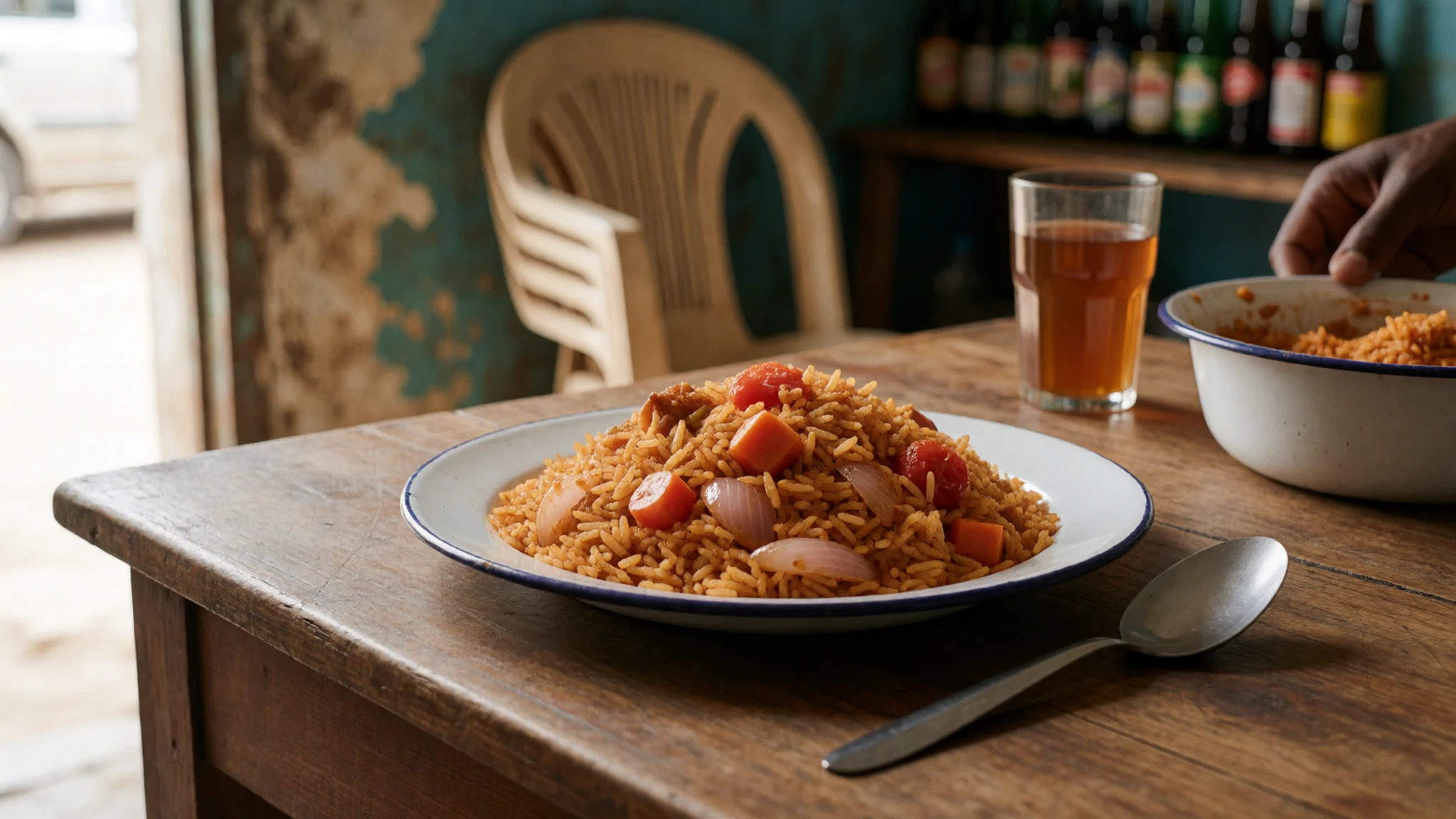
- Chicken yassa — Local eateries and market-side food stalls
Chicken cooked slowly with plenty of onion, black pepper and lemon or lime, served over rice. The sauce is sharp, sweet and peppery at once, and the dish suits anyone who prefers lighter flavours.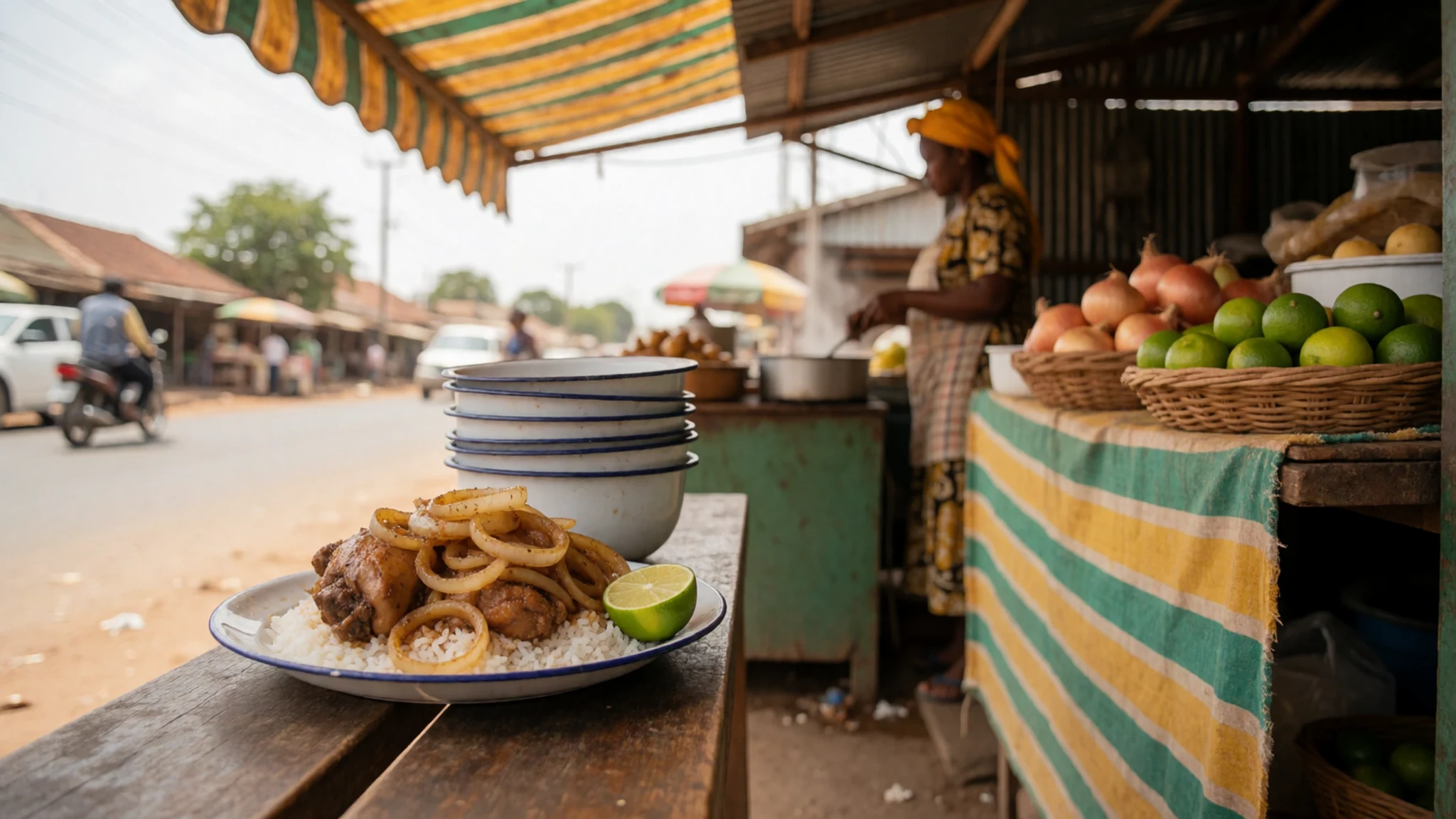
- Domoda — Home-style eateries and family kitchens
A rich stew of meat in a peanut sauce, served with rice. Peanuts are the main cash crop of the country, and this is the dish that shows why. It is filling, warm and mild. - River fish — Near the river landings and in simple riverside eateries
The Gambia's cooking is built around fish, and the river here supplies it. Look for fish grilled or stewed and served with rice or bread, and ask what was landed that morning. - Baobab juice — Market stalls and small shops
A pale, tangy drink made from the fruit of the baobab tree, usually sweetened and chilled. It is refreshing in the heat and a good alternative to fizzy drinks, and bottled or home-made versions are common. - Palm wine — Villages in the countryside, through a guide or host
Fermented sap tapped from palm trees, lightly sweet and slightly fizzy, and drunk locally. It is more likely to turn up on a rural tour than on a menu, and it is best tried only with a trusted local host.
Plan it
Best time. November to March, when the weather is warm and dry and travel by road and boat is easiest. June to November is the rainy season, when roads can be difficult, the countryside is green and rain interrupts boat trips.
How long. 2–3
Getting there. Banjul International Airport (BJL) is the only international airport in The Gambia. From there Janjanbureh is a long road journey inland along the river, by shared transport or a hired driver. Check current road conditions locally, and check entry rules with the Gambia Immigration Department before you travel.
Budget. low
Tips
- Carry cash in small notes, as cards and cash machines are scarce away from the coast
- Take plenty of drinking water and sun protection for river trips
- Start journeys early, as distances are long and transport can be slow
- Agree prices for boats, guides and drivers before setting off
- Be wary of friendly strangers who claim to know you from your lodge, as this is a common scam
Etiquette
- Ask before photographing anyone, and accept a refusal
- Dress modestly, with shoulders and knees covered, in town and villages
- Greet people properly before asking for directions or help
Nearby
Sources
- Wikidata Q824431 (CC0)
- Wikipedia: Central River Division (rev 1378528384) (CC BY-SA 4.0)
- Wikivoyage: Gambia (rev 5425327) (CC BY-SA 4.0)
- Wmtribe2015, View upstream of the River Gambia near Janjanbureh Island, January 2019, via Wikimedia Commons (CC BY-SA 4.0)
- Rarelibra, Map of the districts of Central River division, via Wikimedia Commons (Public domain)

