Kiang West National Park
Kiang West National Park, The Gambia
Kiang West National Park shows The Gambia's quiet side: savanna, mangrove creeks and hundreds of bird species, far from the beach resorts.
The place
Kiang West National Park lies on the south bank of the Gambia River, in the Lower River region of The Gambia, inland from the coast and well away from the capital, Banjul. The river forms its northern edge. Three creeks, known as bolons, cut through the interior and divide it into sections: the Jarin, the Jali and the Nganingkoi. Nobody lives inside the park, though villages stand just beyond its boundary and shape how it is reached and used.
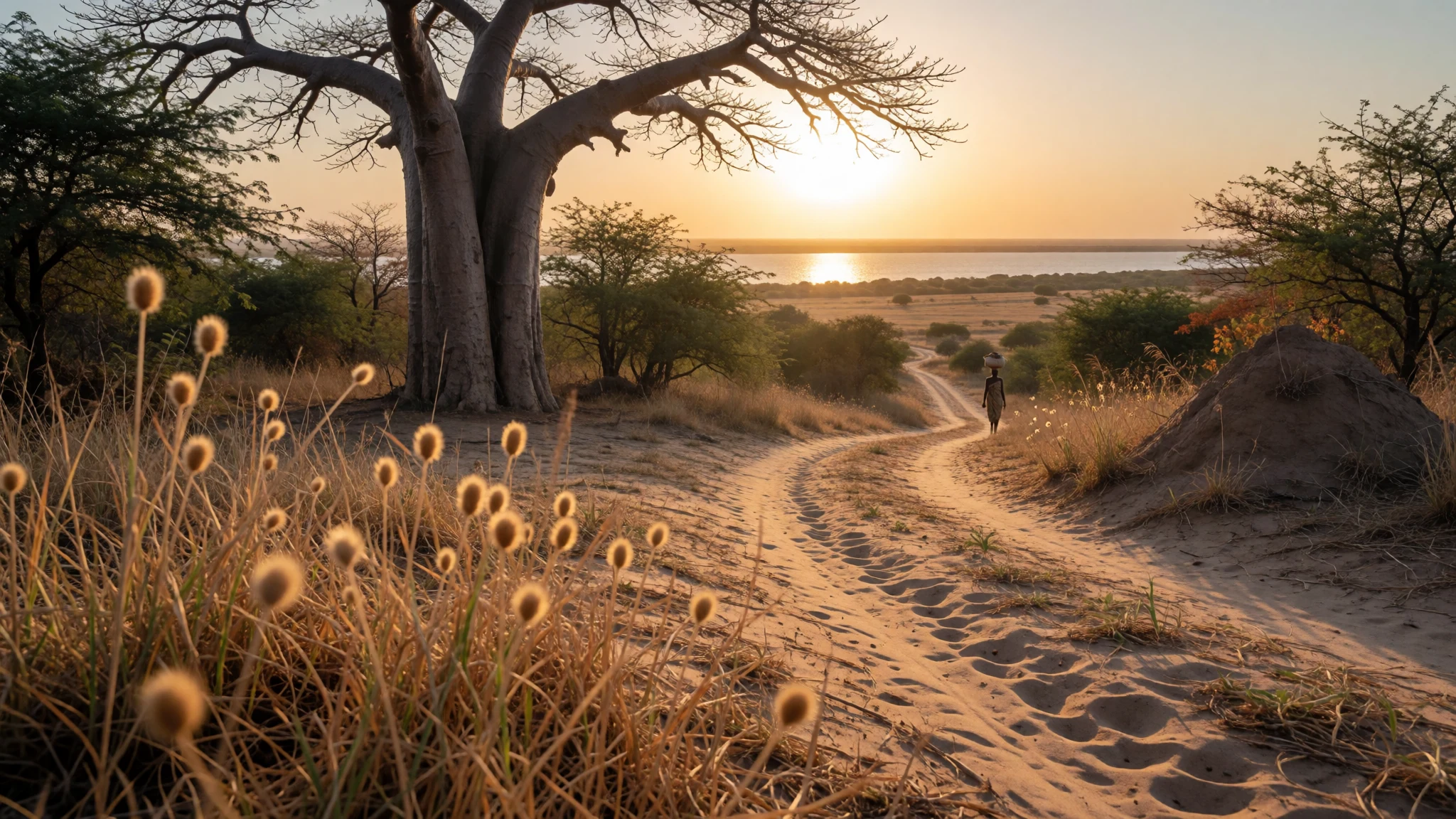
Most of the ground is a low plateau. The vegetation is mainly Guinea savanna and dry deciduous woodland, with tidal flats and mangrove-lined creeks where the land meets the water. Baobabs, red acacia and silk-cotton trees stand among the grasses, and this mix of open ground, woodland and water is why so many kinds of animal can live here.
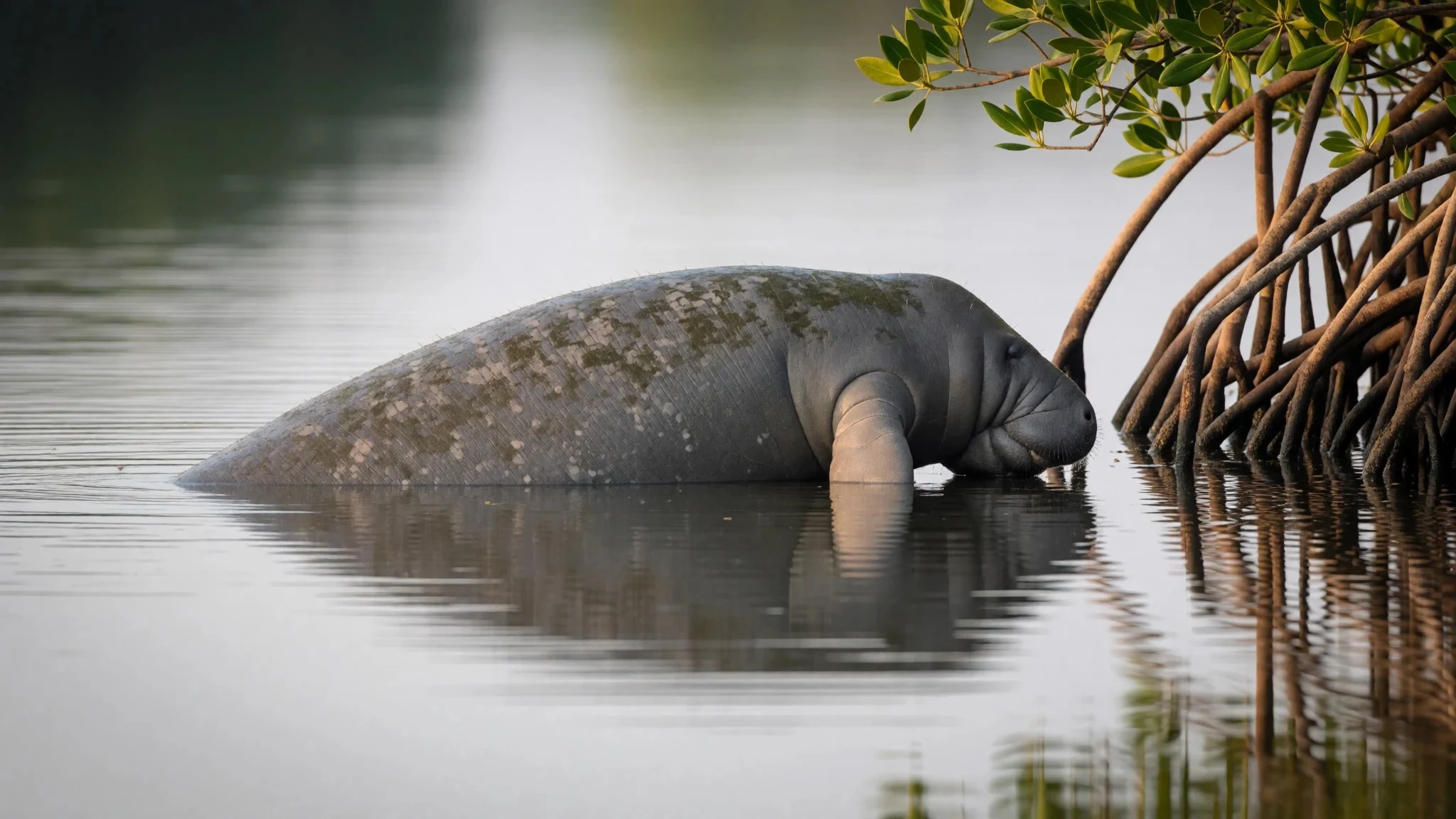
The wildlife is the reason to come. Leopard, serval, caracal, spotted hyena, warthog and bushbuck are all recorded, though most are shy and seldom seen. The Jarin bolon sometimes brings West African manatees and humpback dolphins into view. Reptiles include Nile monitors, pythons and crocodiles. Birds are the easiest reward, with more than 300 species recorded, which is over half of the Gambian list.
This is not a polished reserve. It receives few visitors, facilities are basic, and anyone coming should expect to be largely self-reliant. The park was declared in 1987 and is run by the Department of Parks and Wildlife Management. The quiet is part of the appeal, and so is the rough edge.
Its story
Kiang West National Park was declared in 1987, and its history since then is more about quiet persistence than grand development. Its conservation value rests on one plain fact: individuals of most of the mammal species that remain in The Gambia are found here. In a small country with long-settled land along the river, an unpopulated block of savanna, woodland and creek works as a refuge, and the Department of Parks and Wildlife Management has the job of keeping it that way.
Tourism has been slow to arrive. Visitor infrastructure is underdeveloped, and photographs of the Kolongding entrance show facilities that have not been well maintained. Travellers have mostly leaned on Tendaba, a village nearby whose riverside camp of chalets has been taking guests since the 1970s and is still the most established base for trips into the park.
The villages around the boundary matter to the story as much as the animals do. People farm, fish and gather what they need just outside the park, so the line between protected and used land is lived with every day, not a wall. How well that boundary holds depends on goodwill between rangers and neighbours as much as on patrols.
In recent years the park has been gaining a name among birdwatchers, which may be its most realistic route to steady income. Tubabkollon Point, on the river in the northeast, is a favoured place for watching wildlife. For now Kiang West remains uncrowded, a little rough, and honest about it.
What to see
- Tubabkollon Point — Northeast of the park, on the Gambia River
Tubabkollon Point is a sandy stretch beside the Gambia River in the northeast of Kiang West National Park, and the spot most often suggested for watching wildlife. River birds work the shoreline and the open view makes movement easier to spot. Go early, carry water, and ask a local guide how to reach it.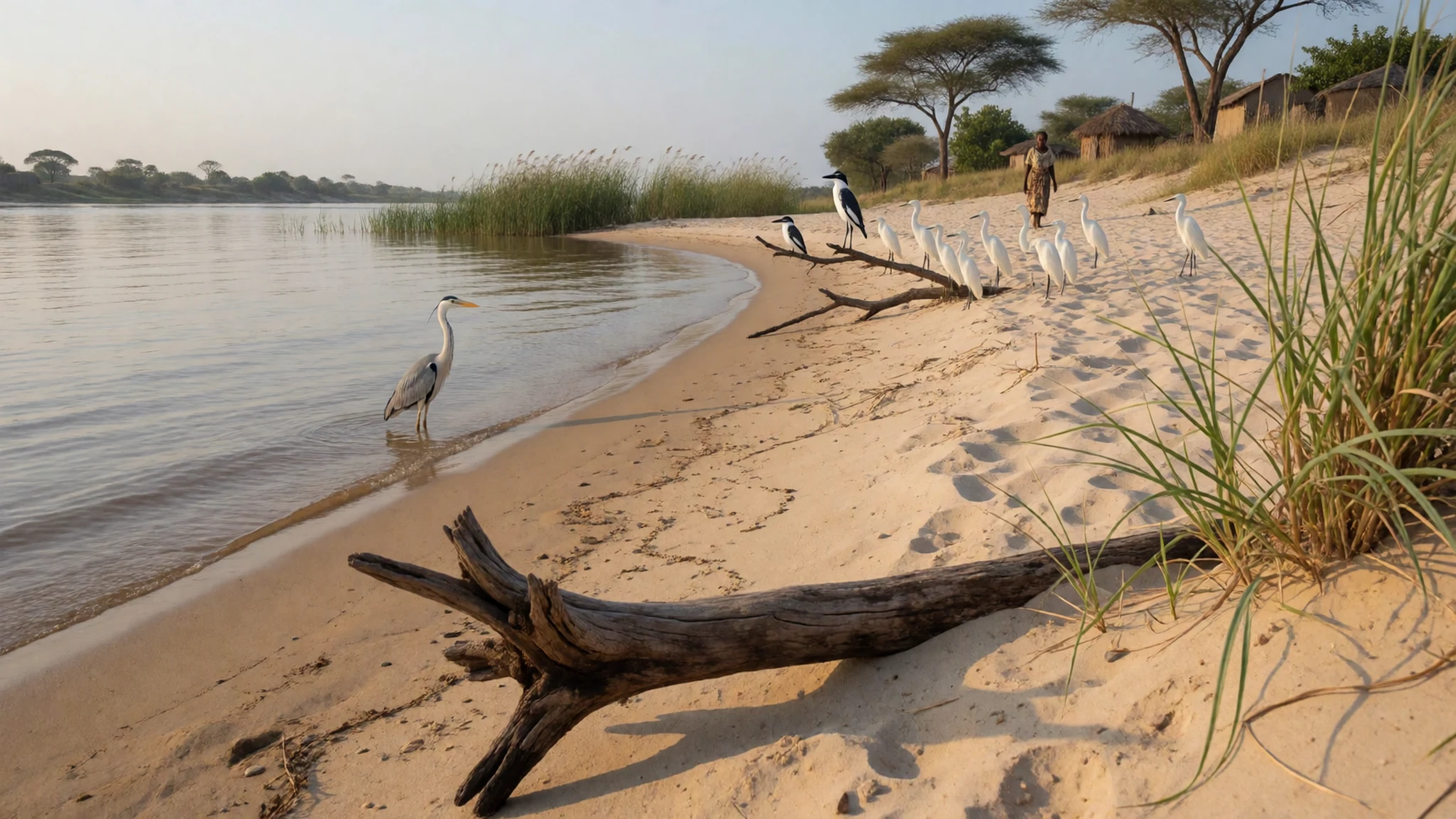
- The Jarin bolon — Park interior, Lower River region
The Jarin bolon is one of three tidal creeks that divide Kiang West National Park into sections. Mangroves line its edges, and West African manatees and humpback dolphins are sometimes seen in its waters. Sightings are never promised, so treat them as a bonus and watch the birds meanwhile.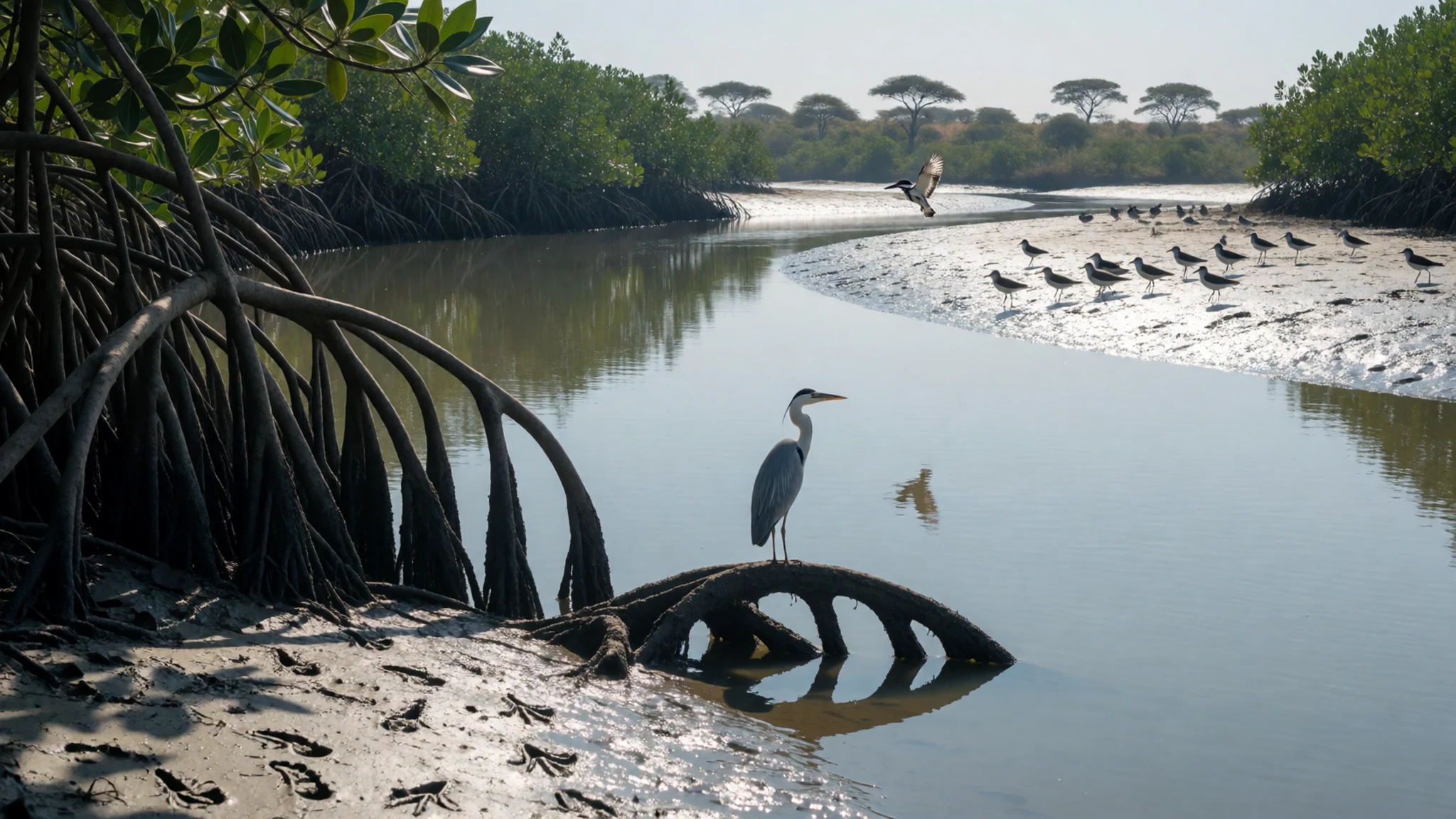
- Kolongding entrance — Park boundary, Kiang West District
The Kolongding entrance is one of the gateways into Kiang West National Park. Do not expect a visitor centre: photographs show basic, tired facilities. It is still the place to sort out permission and a guide, and to get a first sense of how lightly visited this park is.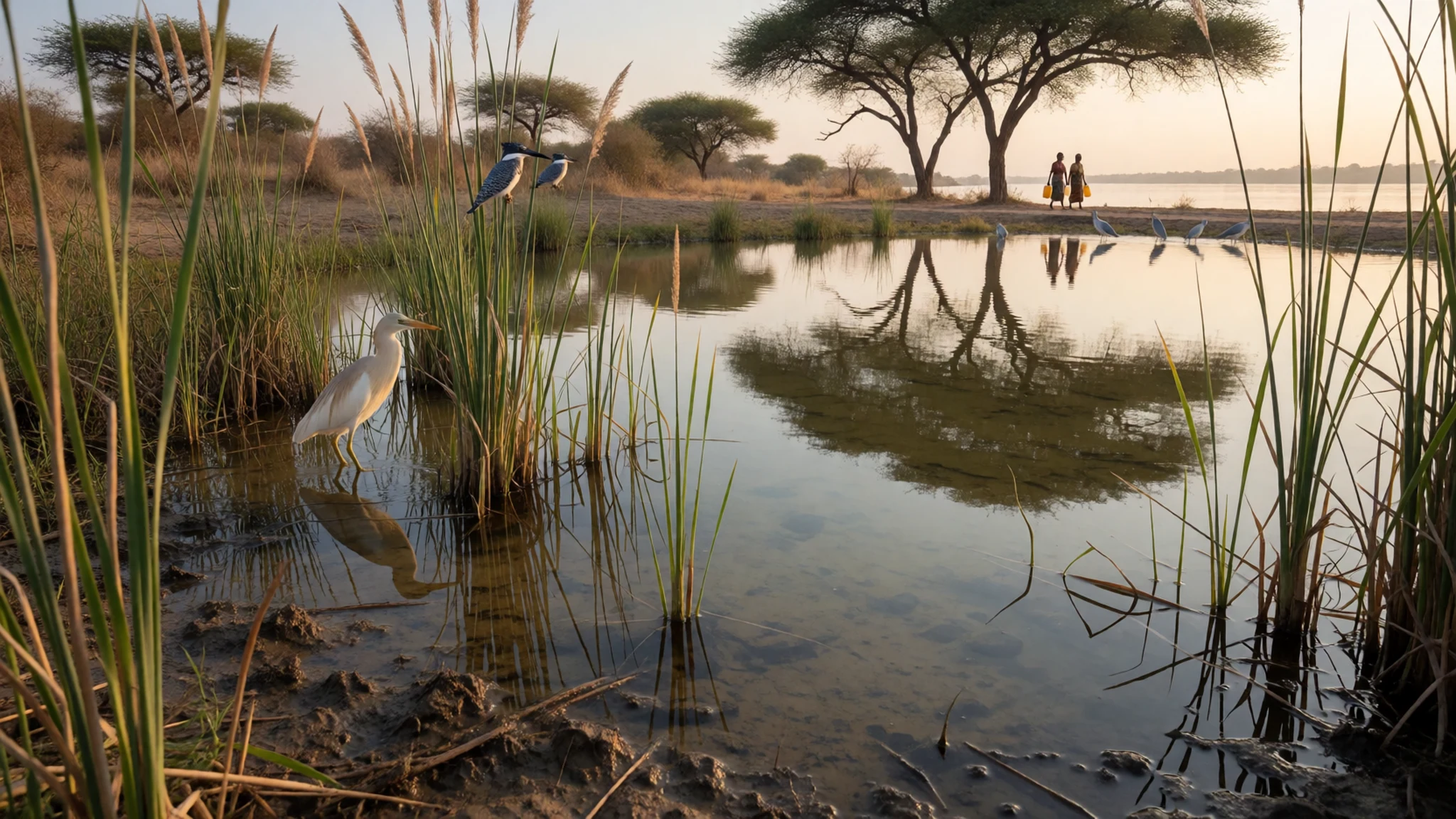
- Woodland and mahogany — Park interior
Away from the river, Kiang West National Park is dry deciduous woodland where tall trees, including grown mahogany, give welcome shade. Baobabs and silk-cotton trees also stand here. Walking with a guide is the best way to hear forest birds, spot tracks and read the signs of animals you will probably not see.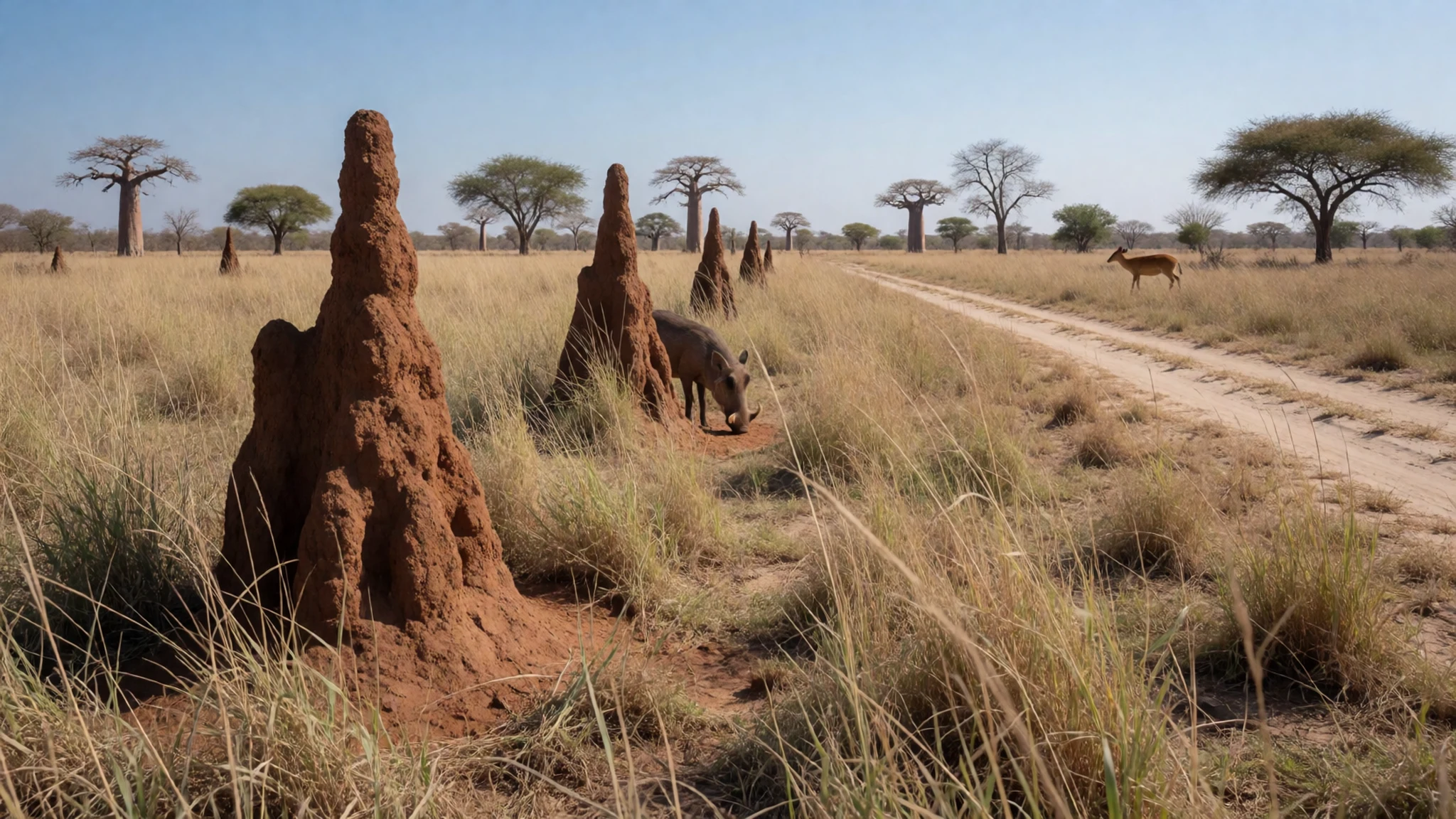
- Termite mounds on the savanna — Savanna plateau
Large ant-hills, built by termites, rise from the grassy plateau of Kiang West National Park and make good landmarks for a walk. They are a reminder of how much activity happens at ground level here. Keep a respectful distance, and watch where you step, since snakes live in the park.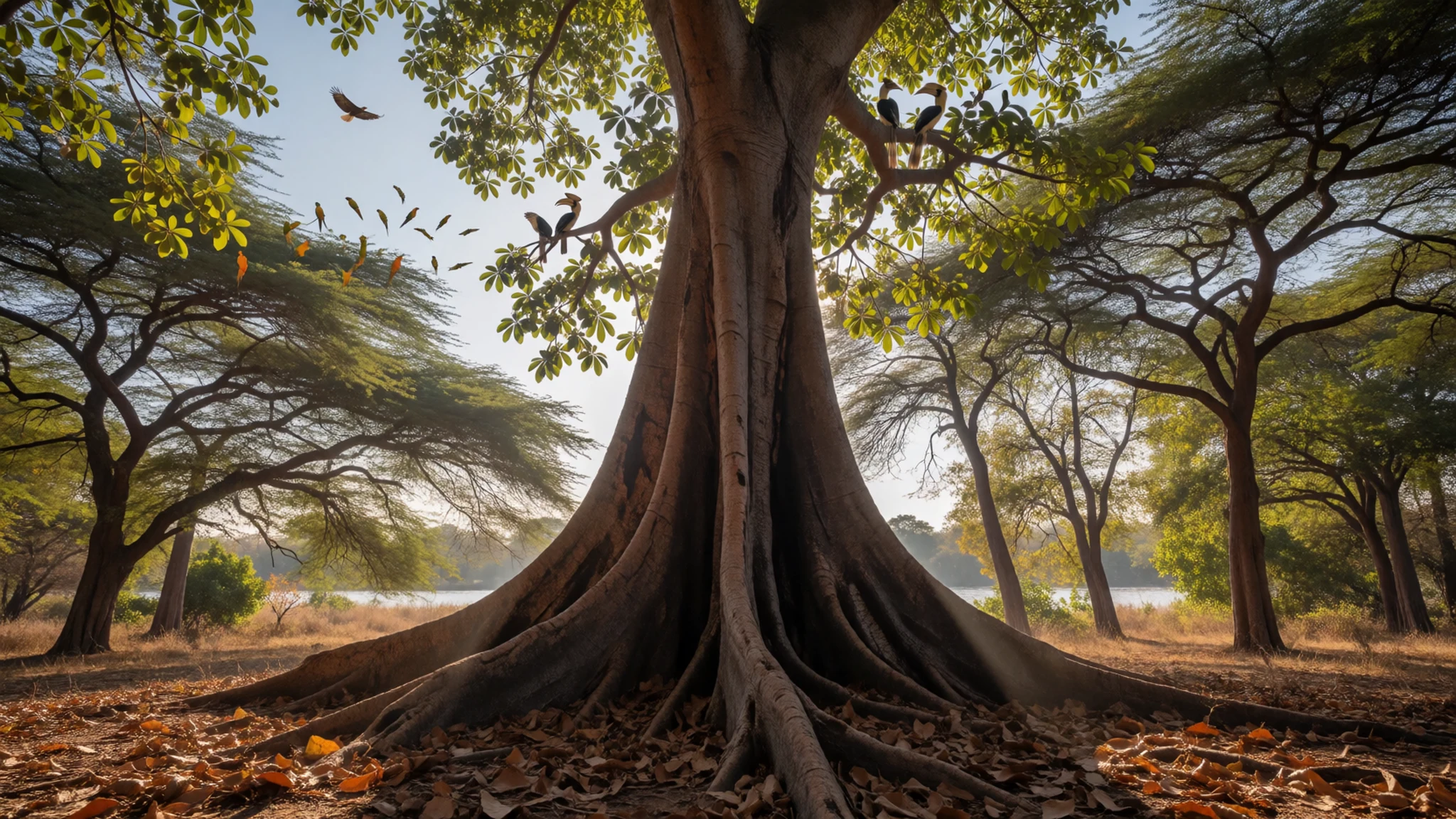
- Riverside ponds — River edge of the park
Ponds and pools near the river in Kiang West National Park draw birds and other animals, and their still surface makes a calm place to sit with binoculars. Early morning and late afternoon are the cooler, livelier hours. Bring insect repellent, and wait quietly rather than moving about.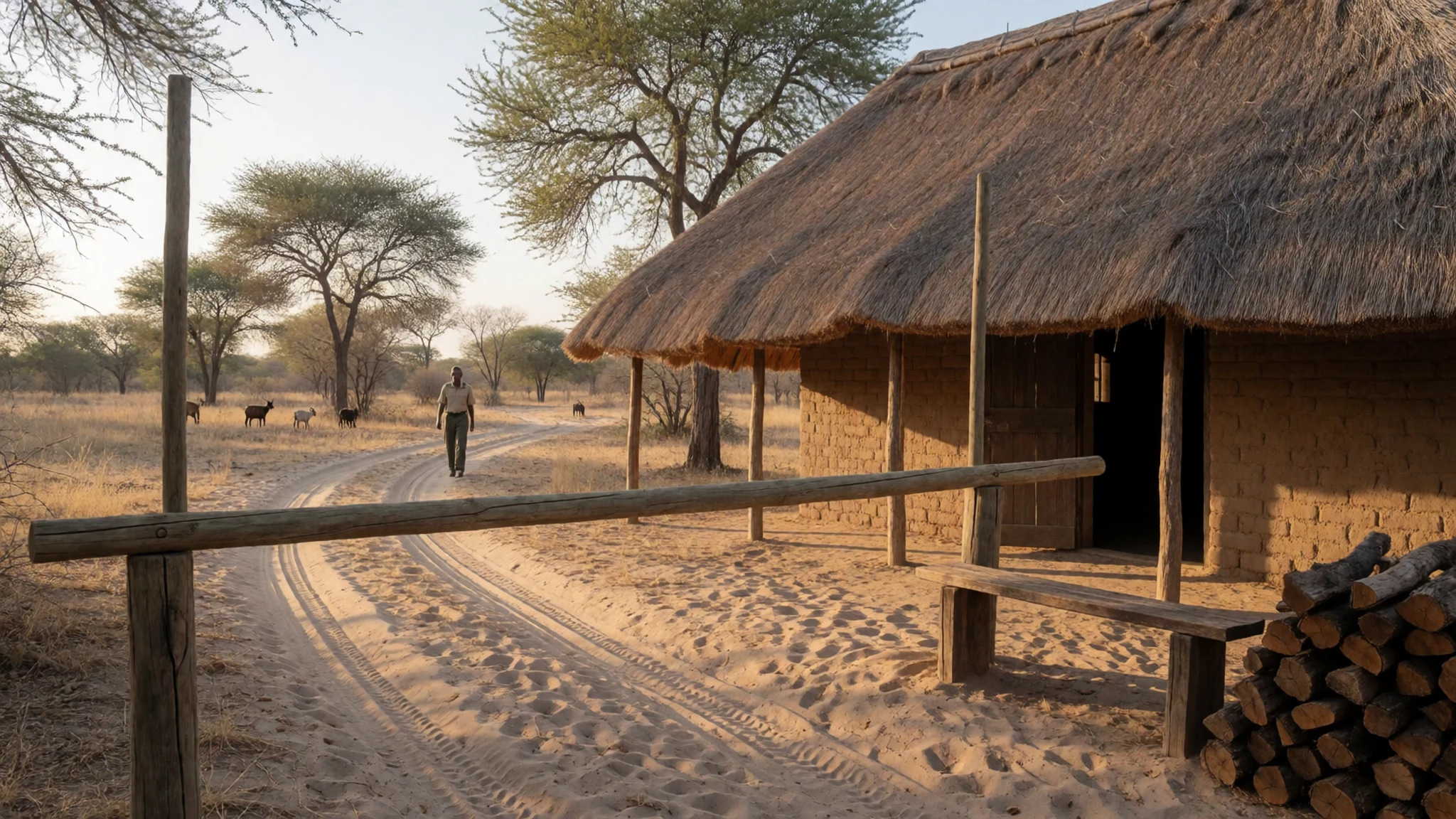
Culture
Kiang West National Park sits in a rural part of The Gambia where daily life is shaped by farming, fishing and the river, and the villages just outside the boundary are where a visit becomes a human experience as well as a wildlife one. The Gambia is home to several ethnic groups, among them Mandinka, Wolof, Fula and Jola, and many people speak more than one language. Islam is the main faith, which colours greetings, dress and the rhythm of the day, including the call to prayer and the quiet around Friday midday.
Greetings are not rushed. A handshake, a question about family and health, and a patient reply are the normal opening to any conversation, and skipping them reads as cold. Hospitality is a point of pride, so an invitation to sit, drink tea or share a meal is common, and accepting a little of what is offered is polite. Guides and drivers from Tendaba and neighbouring villages are the natural bridge, and hiring locally keeps the value of the park visible to the people who live beside it.
Drumming and storytelling are part of village life; if invited to watch, ask before filming or joining in.
Always ask permission before photographing anyone in the villages around the park, and use your right hand when greeting people or giving and accepting food.
What to wear
Traditional dress around Kiang West National Park follows patterns common across The Gambia. Men wear the boubou, a long, wide-sleeved robe, often over matching trousers, while women wear a kaftan or a wrapped skirt with a fitted top and a head tie. Cotton is the everyday material, and for weddings, festivals and Fridays people choose richer cloth: factory wax prints in bold colour, and tie-dyed or indigo-dyed fabric.
Day to day, rural people mix tradition with practicality: loose cotton shirts, long skirts or wraps, football shirts, sandals and flip-flops, and headscarves for many women. Smarter boubou and head ties come out for prayers, ceremonies and visits to town.
For a visit, think of heat, sun, insects and snakes. Light, long-sleeved cotton or linen shirts and long trousers in muted greens, tans and greys suit wildlife watching and help keep off mosquitoes. A wide-brimmed hat and sunglasses are useful. Wear closed shoes or light boots with socks in grass and woodland, and keep sandals for camp. In villages, cover shoulders and knees, and a light scarf is handy for women. Leave military-style camouflage clothing at home, as it can attract unwanted attention.
What to eat
- Domoda — Village compounds and simple eateries around Tendaba
A thick peanut stew of beef, chicken or fish with pumpkin or sweet potato, served over rice. It is a staple of Gambian homes, rich, savoury and filling after a long morning of walking in the park.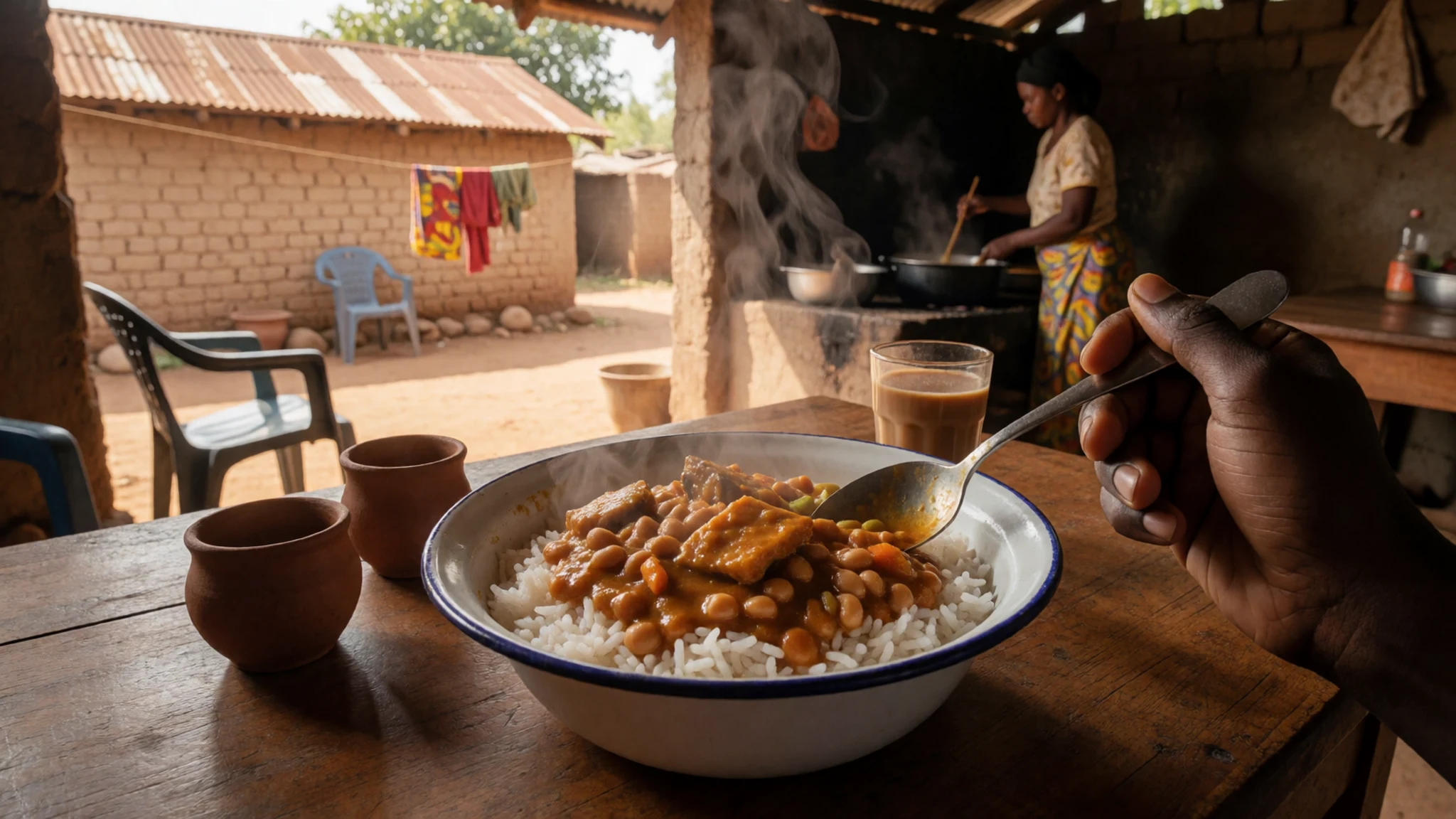
- Benachin — Family-run eateries and camp restaurants near the park
The name is often explained as 'one pot': rice cooked with tomato, onion, vegetables and fish or meat until everything is tinted red and flavoured through. Portions are generous and meant to be shared from one bowl.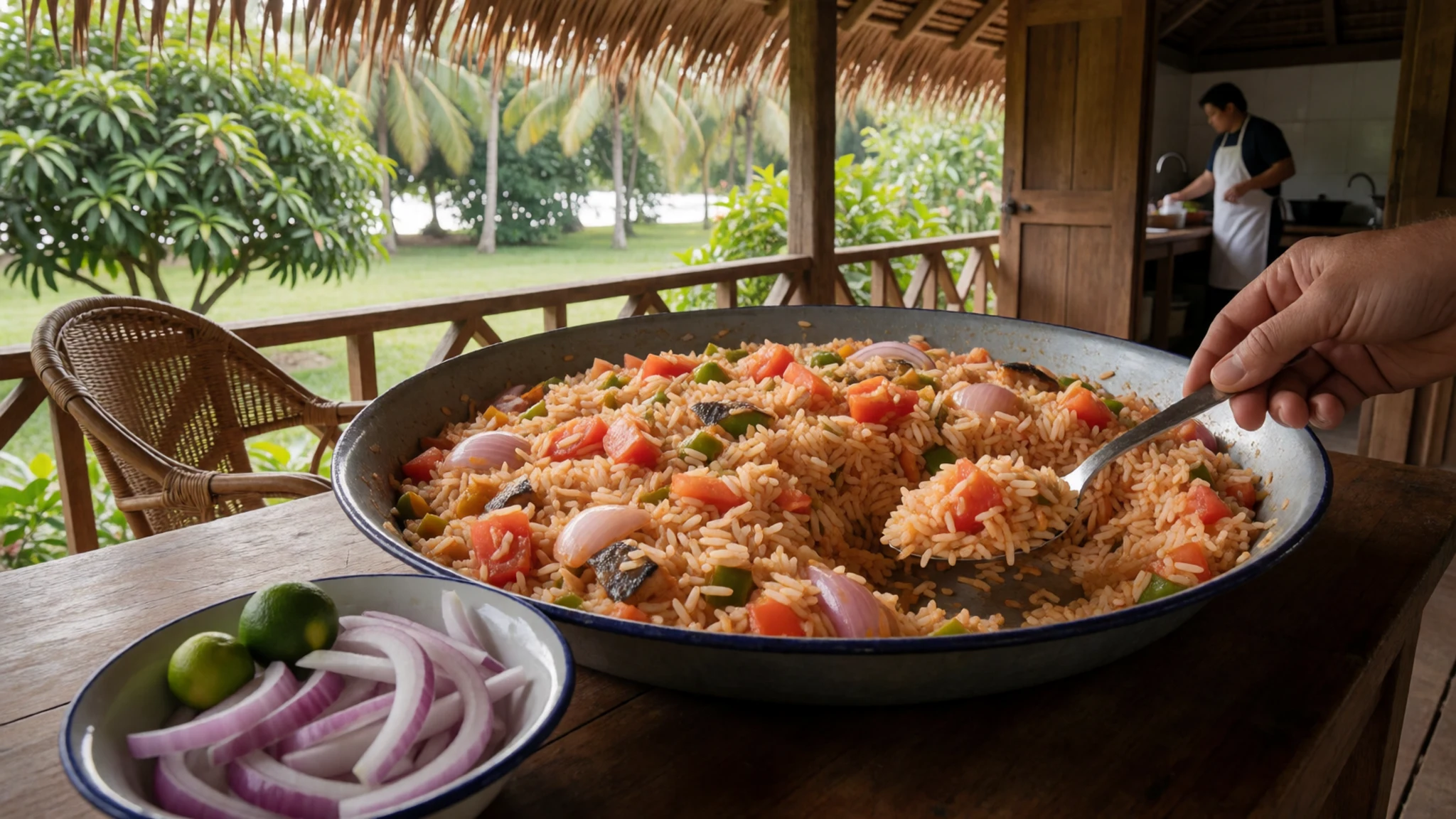
- Chicken or fish yassa — Roadside eateries and camp kitchens in Tendaba
Grilled chicken or fish smothered in a tangy sauce of onions and lemon, with mustard and pepper, served over rice. It is sharp, juicy and a good choice if the heat has dulled your appetite. - Supakanja — Home-style eateries in villages along the south bank
An okra stew cooked with palm oil, smoked or fresh fish and meat, usually eaten with rice. It has a thick, slightly slippery texture and a deep savoury flavour that locals value highly. - Grilled river fish — Riverside landing places and the camp at Tendaba
Fresh fish from the Gambia River, cooked over charcoal with onion, pepper and lemon, then eaten with bread or rice. Fish are simple, quick to cook and often caught the same day.
Plan it
Best time. November to January, which is the period recommended for visiting Kiang West National Park. These months are the more comfortable time for walking and watching wildlife, while the rains bring heat, mud and thick vegetation.
How long. 2–3
Getting there. Fly into the main airport near Banjul, then travel by road along the south bank of the Gambia River to Tendaba, the usual base. The park headquarters at Dumbuto is a short drive from Tendaba; a vehicle and local guide are best arranged in advance through your camp.
Budget. mid
Tips
- Base yourself at Tendaba, where the established camp has chalets, and arrange a guide and transport there
- Carry cash and enough drinking water, since facilities near the park are basic and cards are unlikely to work
- Start early in the morning, when the air is cooler and birds and animals are most active
- Watch where you step in grass and woodland, as snakes are present in the park
- Confirm entry arrangements with the Department of Parks and Wildlife Management before travelling
Etiquette
- Ask before photographing people in villages around the park
- Greet people properly before asking for anything, and use your right hand for giving and receiving
- Keep quiet and keep your distance from wildlife, and take all rubbish with you
Nearby
Sources
- Wikidata Q1740765 (CC0)
- Wikipedia: Kiang West National Park (rev 1362780165) (CC BY-SA 4.0)
- Wikivoyage: Kiang West National Park (rev 4772089) (CC BY-SA 4.0)
- Photo: A pond by the river in Kiang West National Park (Bjørn Christian Tørrissen) (CC BY 3.0)
- Photo: The Kolongding entrance (Bjørn Christian Tørrissen) (CC BY 3.0)
- Photo: Im Kiang West National Park (uploader Atamari, photographer KG) (CC BY-SA 2.5)
- Photo: Ant-hill in Kiang West National Park (Ikiwaner) (CC BY 3.0)
- Photo: A dead tree in Kiang West National Park (Ikiwaner) (CC BY 3.0)
- Photo: A grown-up mahogany tree in Kiang West National Park (Ikiwaner) (CC BY 3.0)
- Photo: Kiang West headquarter (banner) (Ikiwaner) (CC BY 3.0)
- Photo: Kiang West headquarter (Ikiwaner) (CC BY 3.0)


Wildlife
- Leopard (animal)
The leopard is a big, slender cat with a golden coat patterned in dark rosettes, like paw-prints scattered over sunshine. It is recorded in Kiang West National Park, but it is shy and rarely seen, so count any glimpse as a gift. No time of day or season is promised, so be patient. Go with a local guide, keep a respectful distance, speak softly and stay still. Never feed it or try to lure it.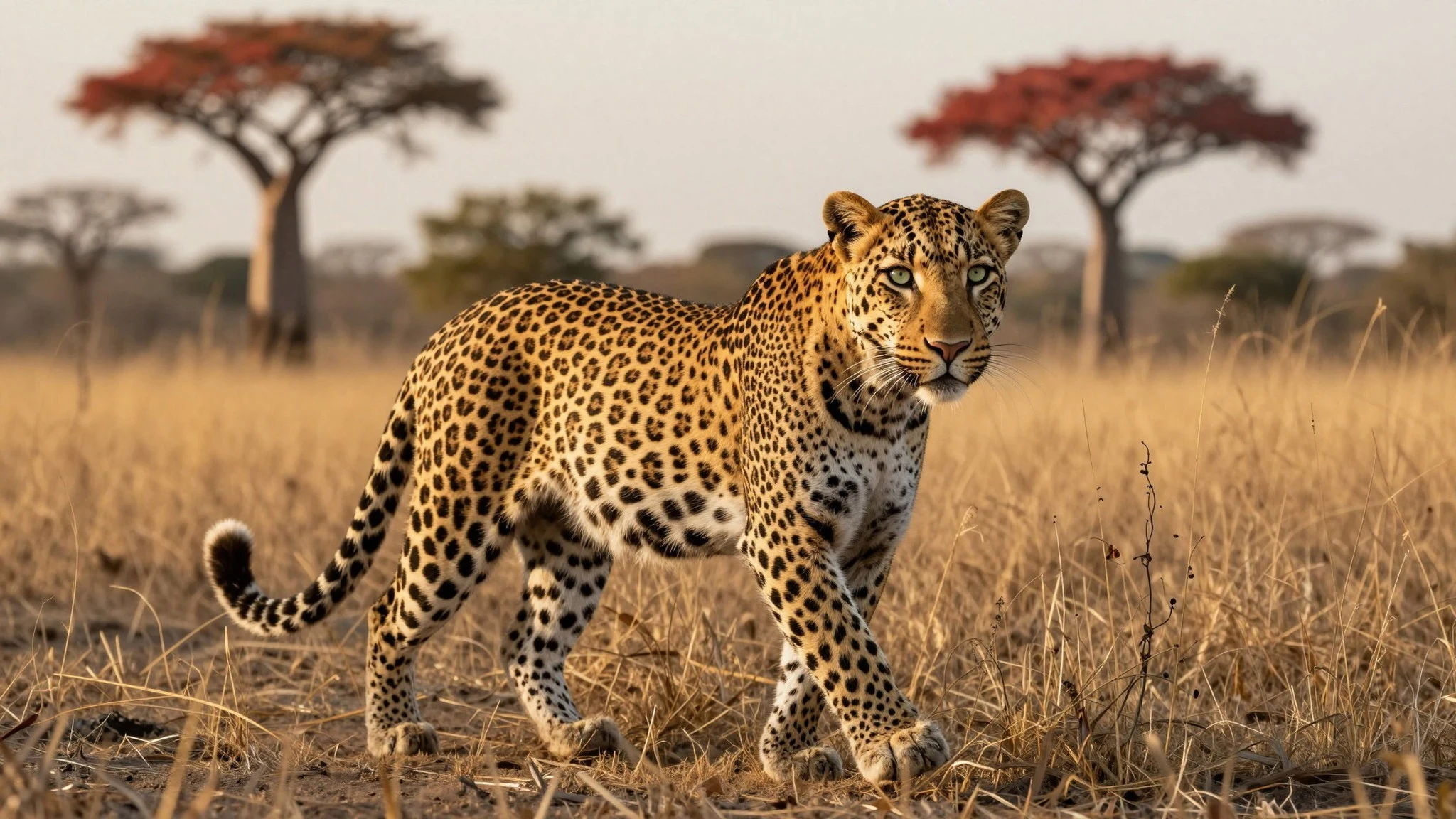
- West african manatee (animal)
The West African manatee is a water-dwelling cousin of the dugong, and the only manatee found in the Old World. In Kiang West National Park, the Jarin bolon sometimes brings manatees into view, along with humpback dolphins, though no particular season or hour is promised. Go with a guide, keep very quiet and stay well back, so the animal can surface calmly. Watch from a distance and never feed it.