Abuko Nature Reserve
Abuko Nature Reserve, The Gambia
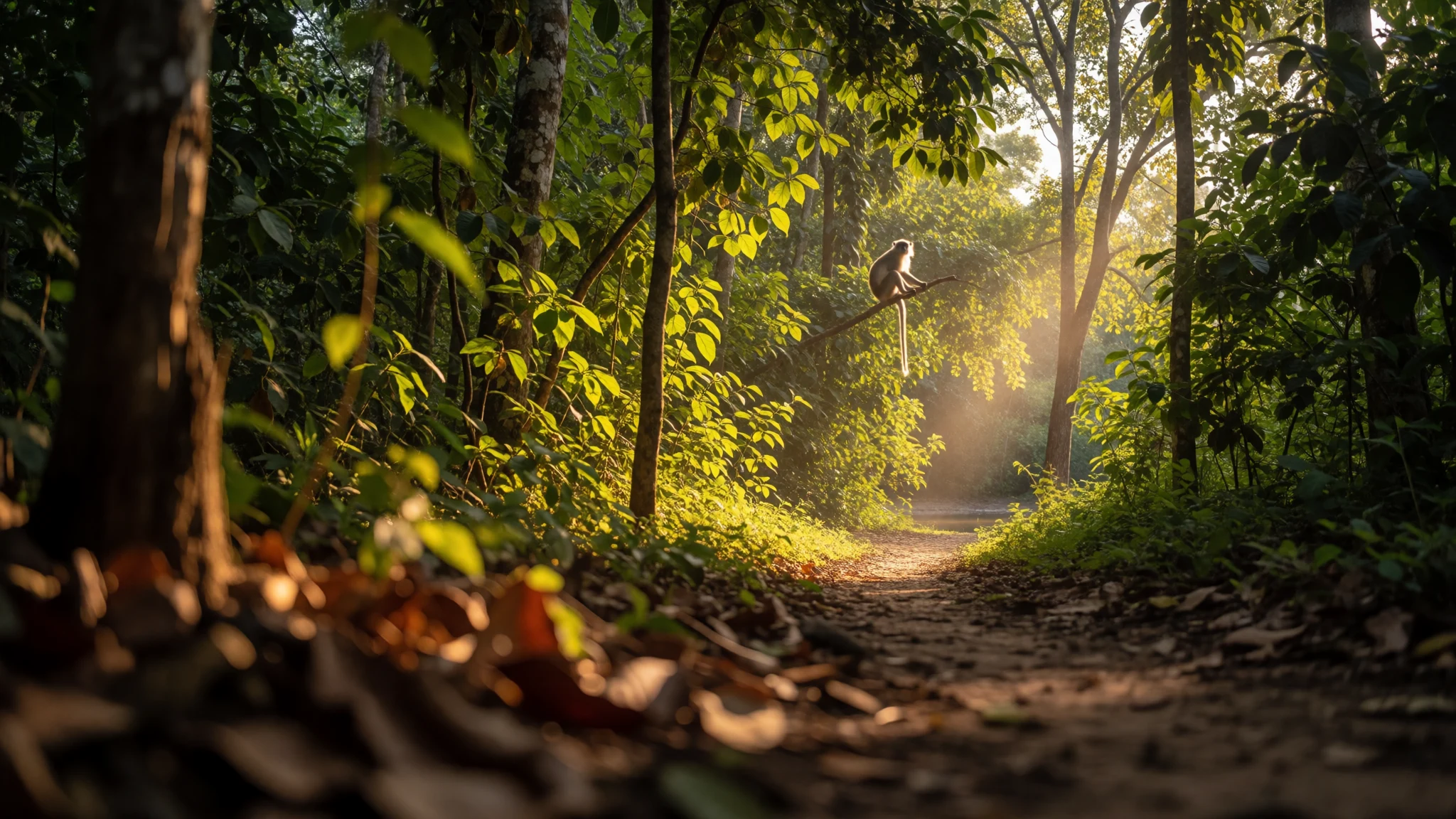
Abuko Nature Reserve is a compact, bird-and-wildlife stop that’s easy to slot into a coastal Gambian trip.
The place
Abuko Nature Reserve (often referred to as Abuko National Park) is a protected area south of the town of Abuko in The Gambia. It’s popular with visitors because it feels manageable: forest and water sit close together, so you can spend a few hours and still come away with monkeys overhead, birds calling from the canopy, and the occasional flash of something larger at the water’s edge.
The setting is shaped by The Gambia’s geography. The country runs as a long, low flood plain flanked by some modest hills, and in this part of the region the landscape stays fairly flat. That matters for wildlife viewing: paths pass through dense vegetation and then open out to water, so animal activity can be concentrated where birds drink and primates forage.
Climate-wise, Abuko is straightforward but humid. The hot, rainy season runs roughly from June to November, and the drier, cooler months run from November to May. In the reserve itself, heat and humidity tend to make the middle of the day feel slow-going, so mornings and late afternoons are when people usually get more movement and better light.
If the idea is “wildlife without a big expedition”, Abuko fits. It’s also known as The Gambia’s first designated wildlife reserve, and that conservation history shows in how focused the experience is: you’re there to look closely, not just to drive past a landscape.
Its story
Abuko’s story starts with water control. Long before “nature reserve” was a tourist term, the Lamin Stream that runs through the area was fenced in 1916 to create a water collection point. That small change encouraged more wildlife and plant growth around the enclosure, turning a local resource into a living habitat.
A key shift came in the late 1960s. Eddie Brewer, a wildlife officer, and his daughter, Stella Marsden, acknowledged the forest's conservation value after their visit. Brewer then pressed for formal protection, and in 1968 the relevant wildlife department was established at the reserve. From there, Abuko’s role became clearer: it wasn’t just a place where animals happened to live, but a managed area meant to safeguard those species and habitats.
Travel-style wildlife viewing today can look effortless, but the conservation idea behind Abuko is the opposite of accidental. The reserve’s protected status grew out of the practical realities of an ecosystem: water, shade, and food sources that support monkeys, crocodiles, and large numbers of birds. In other words, Abuko’s wildlife isn’t there because visitors arrived—it’s there because people once decided the place deserved protection, then followed through.
What to see
- Monkey sightings — Paths near the forest edge
Abuko Nature Reserve in The Gambia is a good place to watch monkeys close up as they move along the forest edge and into clearer patches. Expect quick, curious behaviour—pause, watch the canopy, and you’ll usually spot them before they notice you.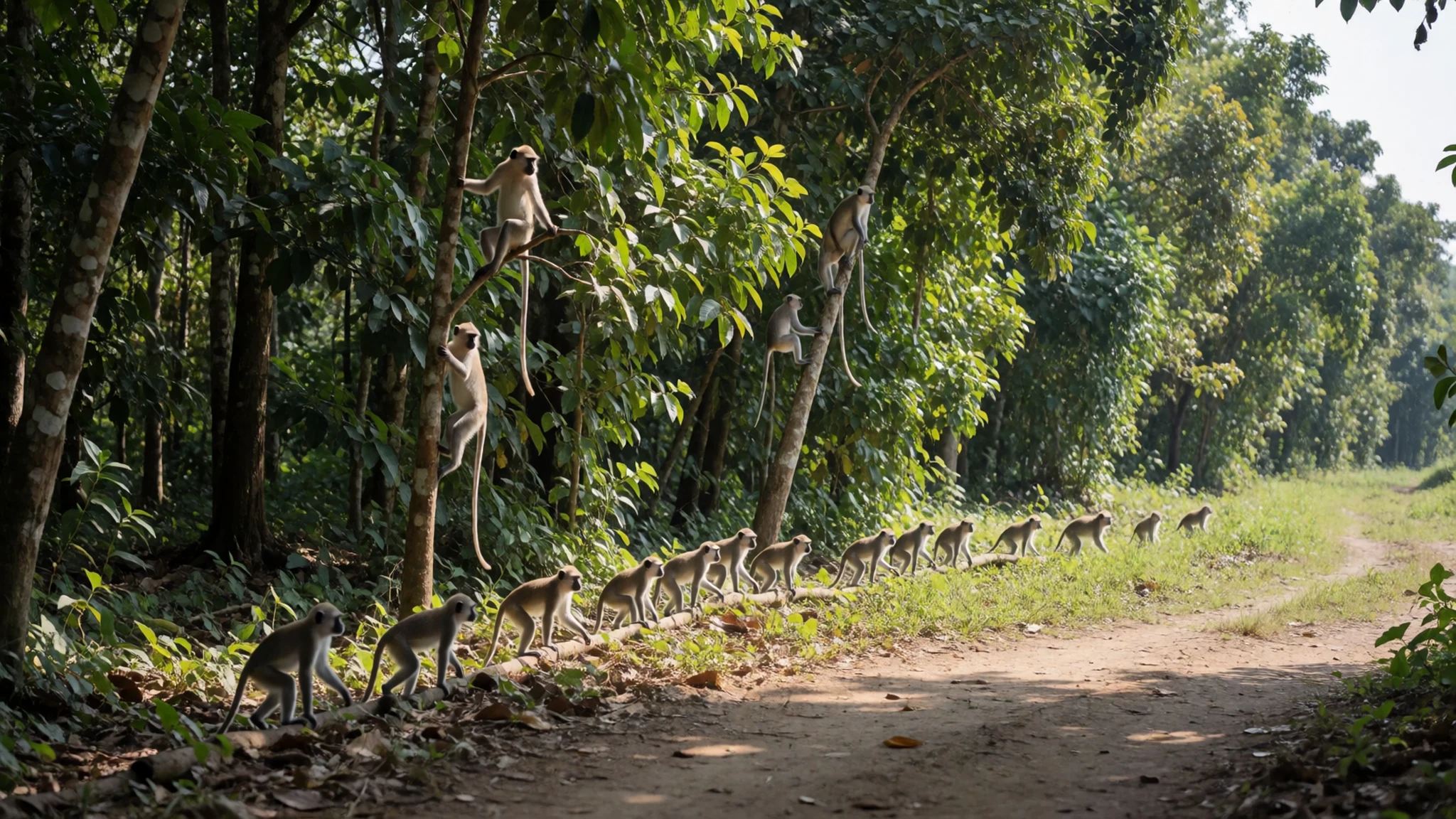
- Crocodiles at water — Near reserve water
Abuko Nature Reserve in The Gambia also has crocodiles. Keep an eye on the waterline from safe viewing points, because sightings are often sudden: a ripple, a slow head turn, then quiet again as the day heats up.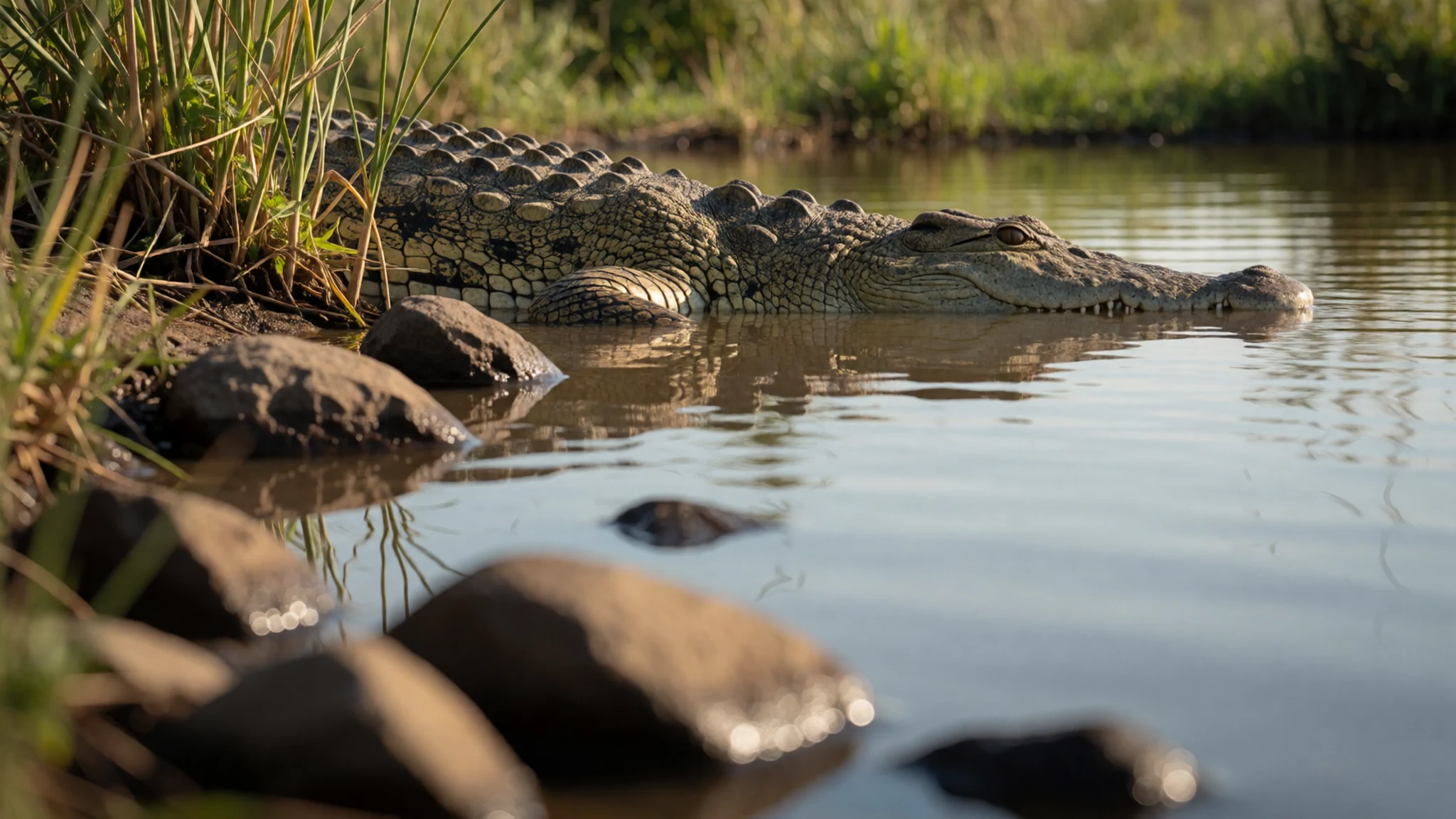
- Birdlife in the woodland — Woodland and water margins
Abuko Nature Reserve in The Gambia is known for birdwatching, with lots of activity in the woodland and around water. Sit quietly for a while and scan rather than chase movement—calls and flashes in the leaves usually give them away first.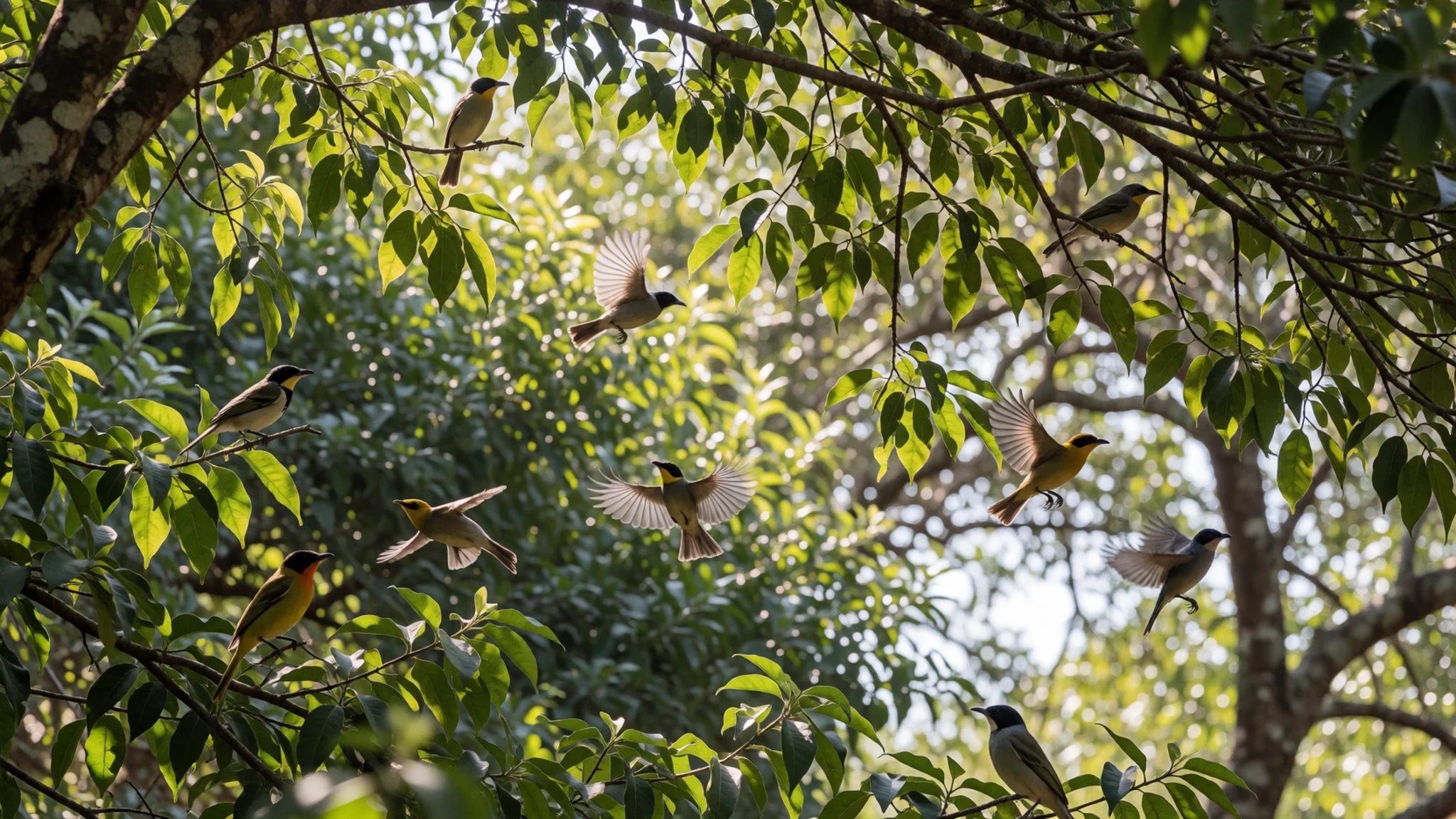
- Lamin Stream heritage landscape — Along the Lamin Stream area
Abuko Nature Reserve sits around the Lamin Stream, and you can feel how water shapes the habitat. The fenced-stream history is part of why the reserve holds onto life so well: look for lush pockets where birds and mammals concentrate.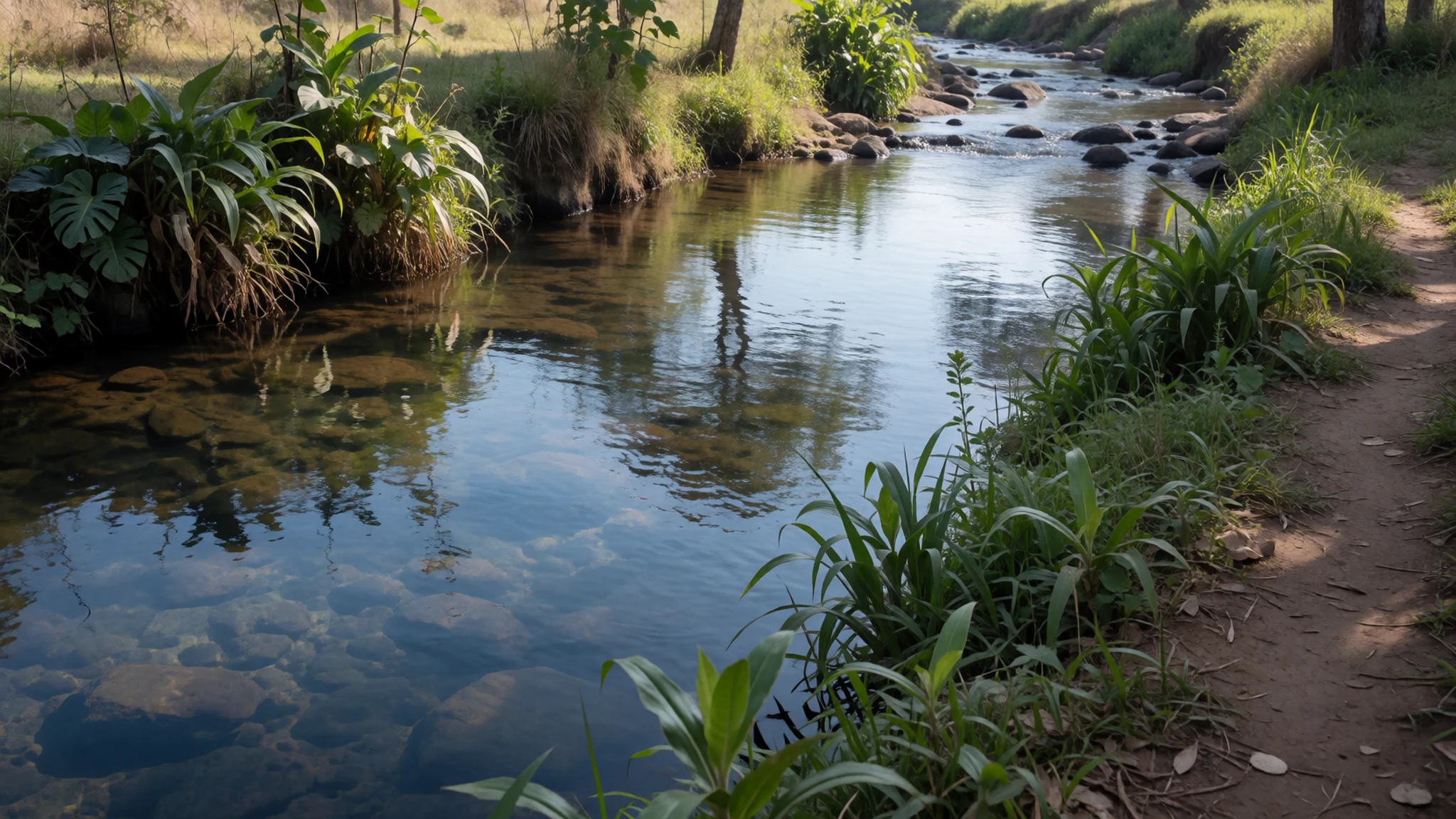
- Seasonal lake-and-flora views — Lake and surrounding vegetation
Abuko Nature Reserve in The Gambia can look different depending on season. When vegetation is at its freshest, the reserve feels like a wall of green, with water offering a calmer foreground for photos and a clear place to spot wildlife approaching to drink.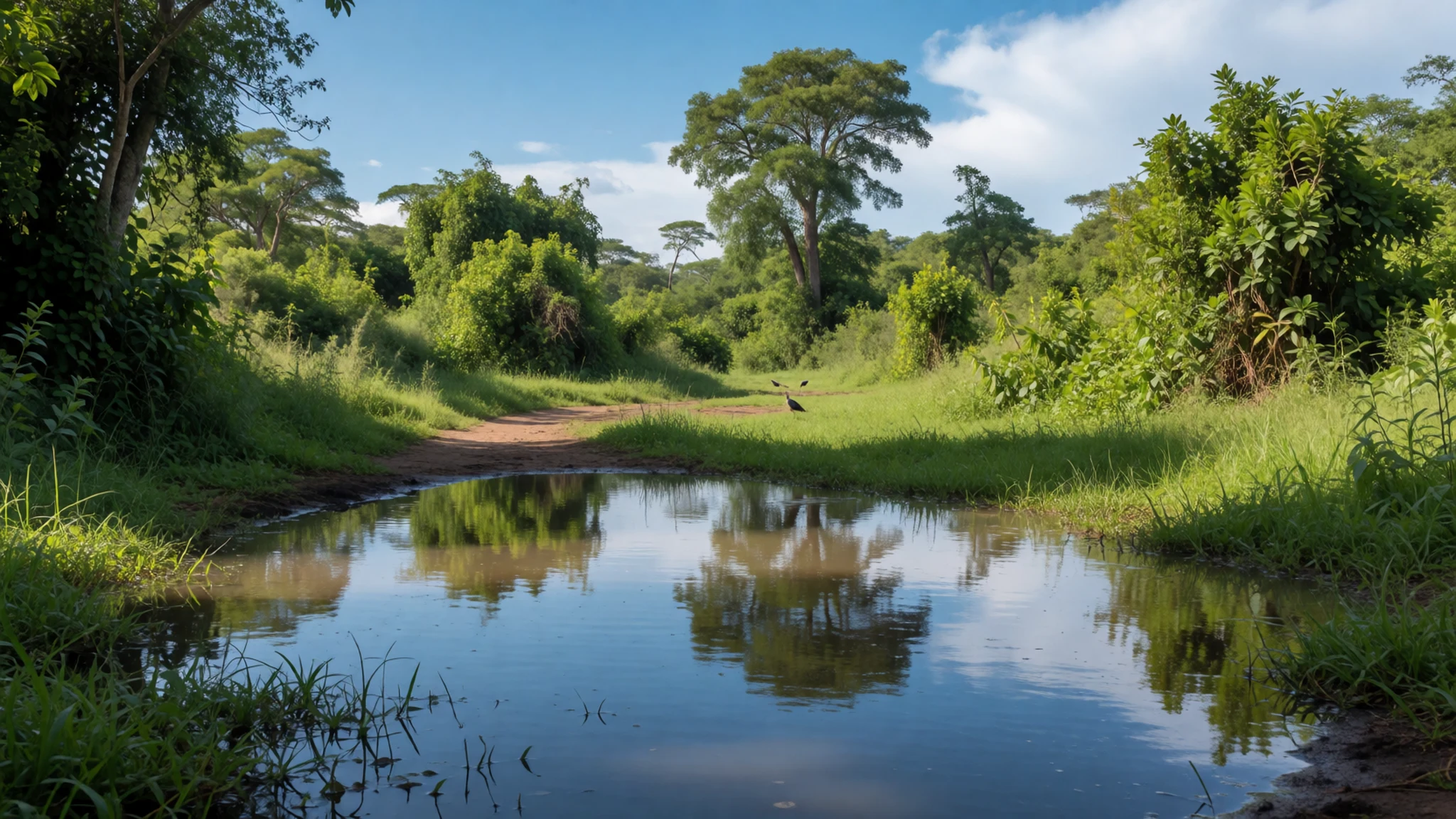
Culture
Abuko Nature Reserve in The Gambia is a wildlife experience, but the social side still matters. In this country, a simple habit can make the difference between a relaxed encounter and an awkward one: always ask before taking a photo of anyone. Some people have beliefs about having their picture taken, especially when the camera comes from a stranger.
Within a reserve, that means you may see locals and guides passing information between sightings, and you might also notice communities near the visitor areas. The atmosphere is usually friendly, but it’s best to treat photography as something to request rather than something to assume.
Crowd levels at Abuko tend to be far less intense than big city landmarks, yet wildlife encounters can still cause a mini bottleneck when people gather at the same viewing point. Keep your position respectful, don’t block paths, and avoid shouting to “call in” animals—noise travels through the trees and can make the environment feel unsettled.
If someone declines a photo, take it as a boundary and move on; conservation doesn’t require intrusive moments to be memorable. Visitor etiquette is part of how Abuko stays welcoming for everyone.
What to wear
Abuko Nature Reserve in The Gambia is hot and humid in the warmer, rainy months, so clothing needs to work in strong sun and in sudden weather. Traditional wear in The Gambia includes styles influenced by West African textiles—wide, flowing garments and patterned fabrics worn for daily life and ceremonies. Visitors don’t need to dress in local attire to fit in, but knowing what to expect helps: colourful prints and lightweight layers are common.
What people actually wear now ranges from everyday casual clothes to smart outfits for evening. In reserve areas, guides and visitors usually lean practical: breathable tops, light trousers or knee-length skirts, and something to cover up when the sun is harsh.
For visiting Abuko, wear lightweight, loose clothing that you’re comfortable getting dusty (paths can be uneven), plus a cap or sun hat and sunglasses. Closed-toe shoes are a good idea because reserve paths can be slippery after rain, and you may be walking for stretches while waiting for animals. If you plan to spend time outdoors during cooler, drier months, bring a thin layer for early morning, when it can feel less humid than midday.
What to eat
- Benachin / Jollof rice — Local markets and neighbourhood eateries
Look for Benachin or Jollof rice as a hearty, rice-based dish flavoured with onions, spices, and tomatoes or tomato paste, typically served with meat, fish or vegetables. You’ll find it at everyday local food spots and markets.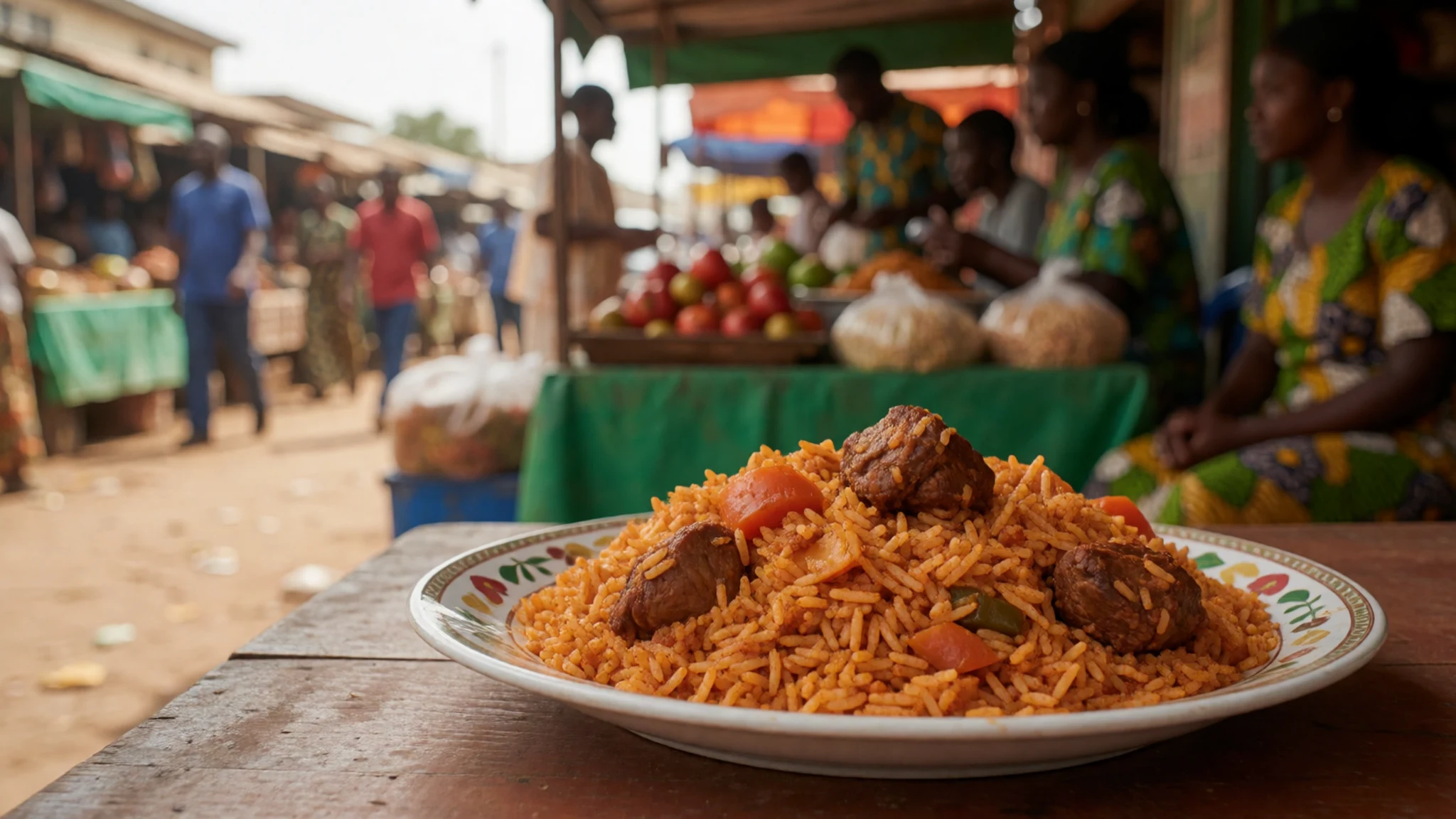
- Chicken Yassa — Casual eateries and roadside food stops
Chicken Yassa is built around chicken cooked with onion and black pepper, finished with lime or lemon. It’s a filling choice when you want something bright and tangy after a long walk in reserve heat.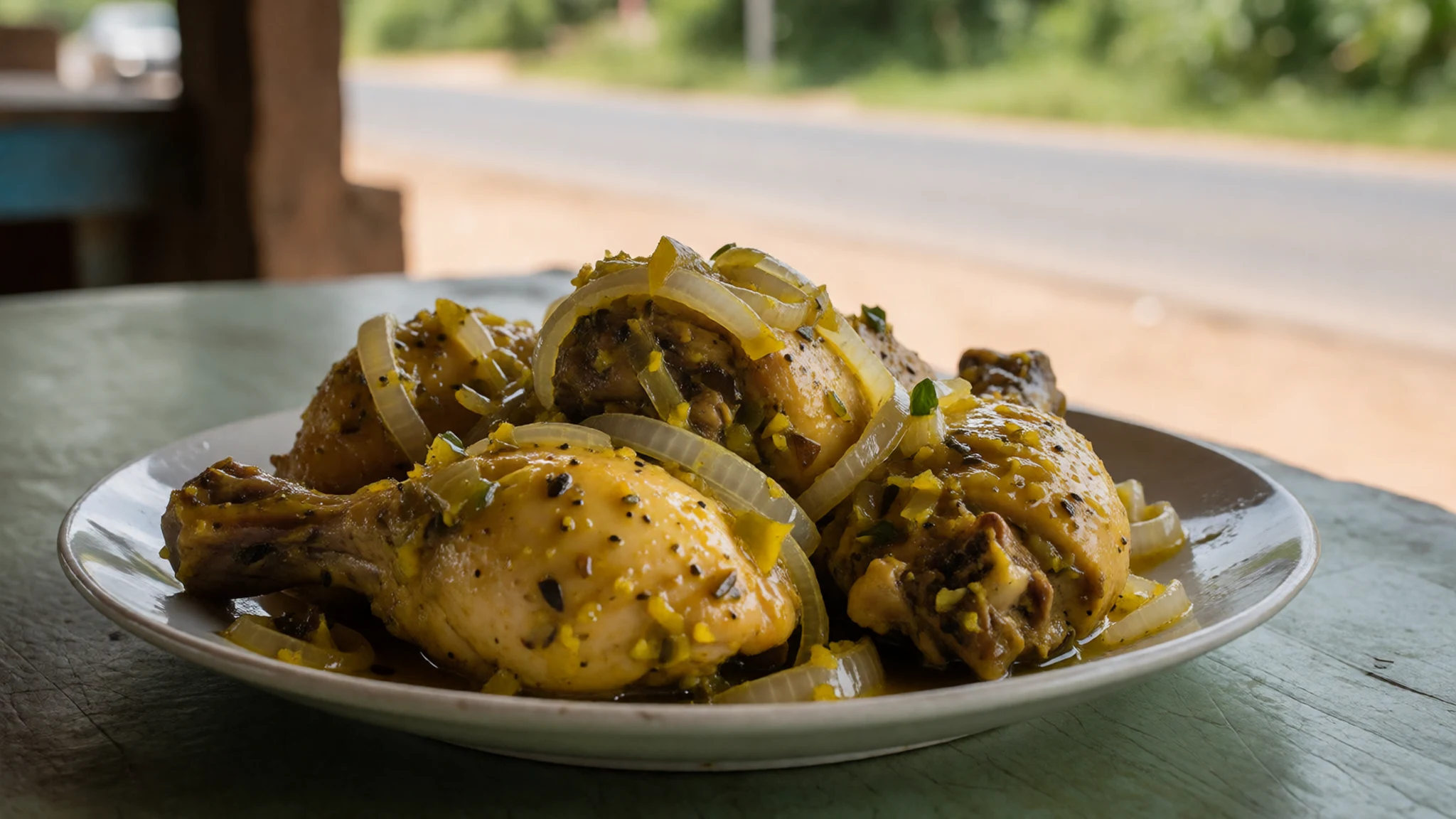
- Domoda — Meal-serving restaurants and local canteens
Domoda is a meat stew served with rice, thickened with a peanut-butter sauce. The flavours sit deep and comforting, and it’s especially satisfying when the weather feels cooler in the drier season. - Julbrew beer — Tourist areas along the coastal strip
Gambia’s own lager beer, Julbrew, is commonly sold in bottles and can also be found on draught in tourist areas along the Atlantic coast. It’s an easy “after the day’s out” drink. - Palm wine — Rural tour settings outside the coastal strip
Palm wine is made from fermented palm tree juice and is used like a traditional alcoholic drink. Visitors sometimes get the chance to try it on tours that go beyond the coast into more rural areas. - Baobab juice — Market stalls and drink counters
Baobab juice is a local drink that captures flavours associated with West African baobabs. It’s often offered as a refreshing option when you’re walking around in warmer weather.
Plan it
Best time. November–May for cooler, drier weather; March–April and October–November are especially pleasant for day walks, while June–November is the hot, rainy stretch when humidity is higher.
How long. 2–3
Getting there. Fly into Banjul (BJL), then travel by road to the Abuko area; the final leg is the drive from the coastal region to the reserve near Abuko/Lamin.
Budget. mid
Tips
- Plan the reserve visit for cooler parts of the day to stay comfortable while scanning for wildlife.
- Bring water and sun protection, because even in the drier season, outdoor time adds up quickly.
- If travelling during the rainy season, expect wetter paths and more humidity—pack for quick changes.
- Carry some cash for small purchases around local areas near visitor points.
Etiquette
- Always ask before photographing anyone you meet in and around Abuko.
- Don’t block narrow paths or crowd viewing points when animals appear—give space for others to see too.
- Be mindful that sudden loud noise can send wildlife quiet.
Nearby
Sources
- Wikidata Q335818 (CC0)
- Wikipedia (rev 1362689092) — Abuko Nature Reserve (CC BY-SA 4.0)
- Wikivoyage (rev 5425327) — Gambia (CC BY-SA 4.0)
- Photo photos/01-gambia-abuko-001.jpg (CC BY 3.0)
- Photo photos/02-gambia-abuko-004.jpg (CC BY 3.0)
- Photo photos/03-abuko-monkey.jpg (CC BY 3.0)
- Photo photos/04-abuko-nature-reserve-gambia-december-2013.jpg (CC BY 3.0)
- Photo photos/05-gambia-463327022.jpg (CC BY 2.5)
- Photo photos/06-gambia-463327432.jpg (CC BY 2.5)
- Photo photos/07-gambia02abukolaminlodge009-5400619082.jpg (CC BY 2.5)
- Photo photos/08-gambia02abukolaminlodge014-5400624656.jpg (CC BY 2.5)


