Tanji Bird Reserve
Tanji Bird Reserve, The Gambia
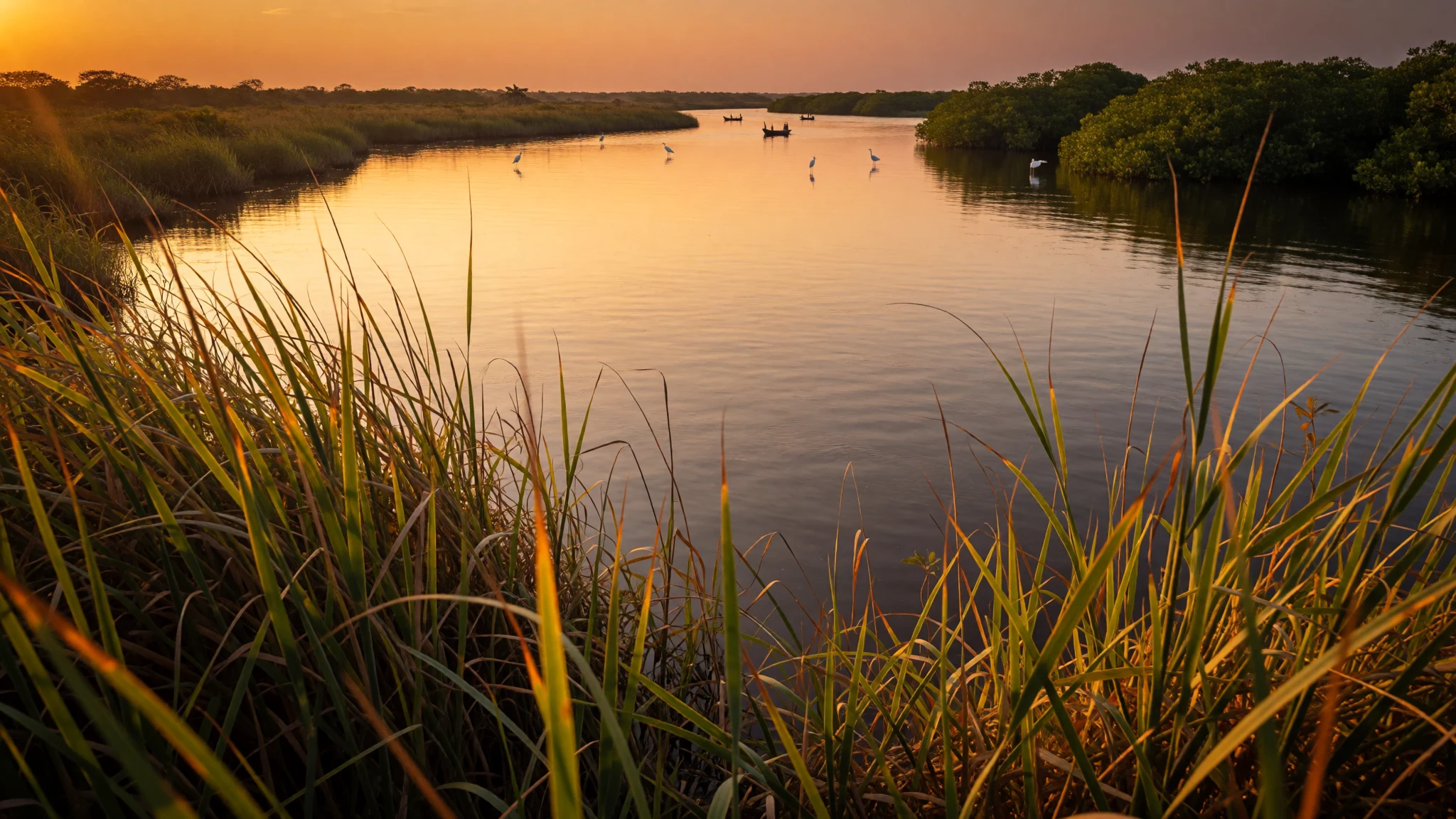
Tanji Bird Reserve is a watery bird haven near Tanji, combining river scenery and the chance to spot species up close.
The place
Tanji Bird Reserve sits in The Gambia and is set up specifically for birds, backed by protected habitat rather than grand landmarks. Established in 1993, it’s often called by other names too—Karinti, the Tanji River Reserve, or the Tanji National Park—so you may see signage or local directions using any of those labels.
The reserve lies just north of the fishing village of Tanji, and it folds in the Karinti River. That river-and-lagoon feel is the point: wetlands, mangrove-like edges in places, and quiet stretches of water where birds can feed and shelter. It also reaches toward the Atlantic coastline, with parts sitting around roughly 1.5 km from the shore, which helps explain the mix of habitats you’ll notice on a walk.
In the water itself are the Bijol Islands (also known as Kajonyi Islands). These are The Gambia’s only offshore islands, and they’re joined together at low tide, which can make the scenery feel like it changes hour by hour. The reserve also incorporates areas such as the Bald Cape and Bijol Islands, so it’s not just one uniform landscape.
The wider region is shaped by The Gambia’s flood plain, with low hills nearby—so even when the day is bright, there’s a sense of flat, open space around you. The climate runs tropical: a hot, rainy spell from June to November and a cooler, drier period from November to May. Drought has also become a growing concern, with rainfall dropping in recent decades, so the reserve’s water levels can vary and affect what birds show themselves.
Its story
Tanji Bird Reserve has the sort of atmosphere that doesn’t come from “big sights”, but from patient observation. You arrive expecting birds and, more often than not, you start by noticing the water first—the way it reflects the sky and the way the edges of the reserve soften into greenery. Then, bit by bit, the birds start to feel like part of the landscape rather than something you chase.
The reserve’s identity is tied to the river system around Tanji and the protected wet patches that sit close to the Atlantic. That’s what makes the Bijol Islands such a compelling feature: because the two islands can be joined at low tide, the coast feels dynamic, not fixed. In practical terms, this also means the “best views” aren’t always the same across the day—timing influences what’s exposed, where birds congregate, and how easy it is to reach certain vantage points.
Because the area is managed for wildlife, your experience tends to be shaped by conditions: the season, the water levels, and how dry or wet it has been recently. In the hotter, rainy months (June to November), you may find more greenery and a different soundscape, but also humid heat and more changeable weather. In the drier, cooler months (November to May), the air is often more comfortable for long pauses and slow scanning.
A bird reserve is also a reminder that “protected” doesn’t mean “untouched”. Expect small practicalities—careful paths, guides who know where birds linger, and the need to keep quiet. If someone says “Karinti” or “Tanji River Reserve”, that’s not confusion; it’s part of how this place is spoken about on the ground.
What to see
- Karinti River edges — Tanji north of the village
Follow the reserve’s river-linked sections for frequent bird activity. Look for feeders and watchers at the waterline and the quieter margins where vegetation meets open water. Early visits often feel calmer before the hottest part of the day.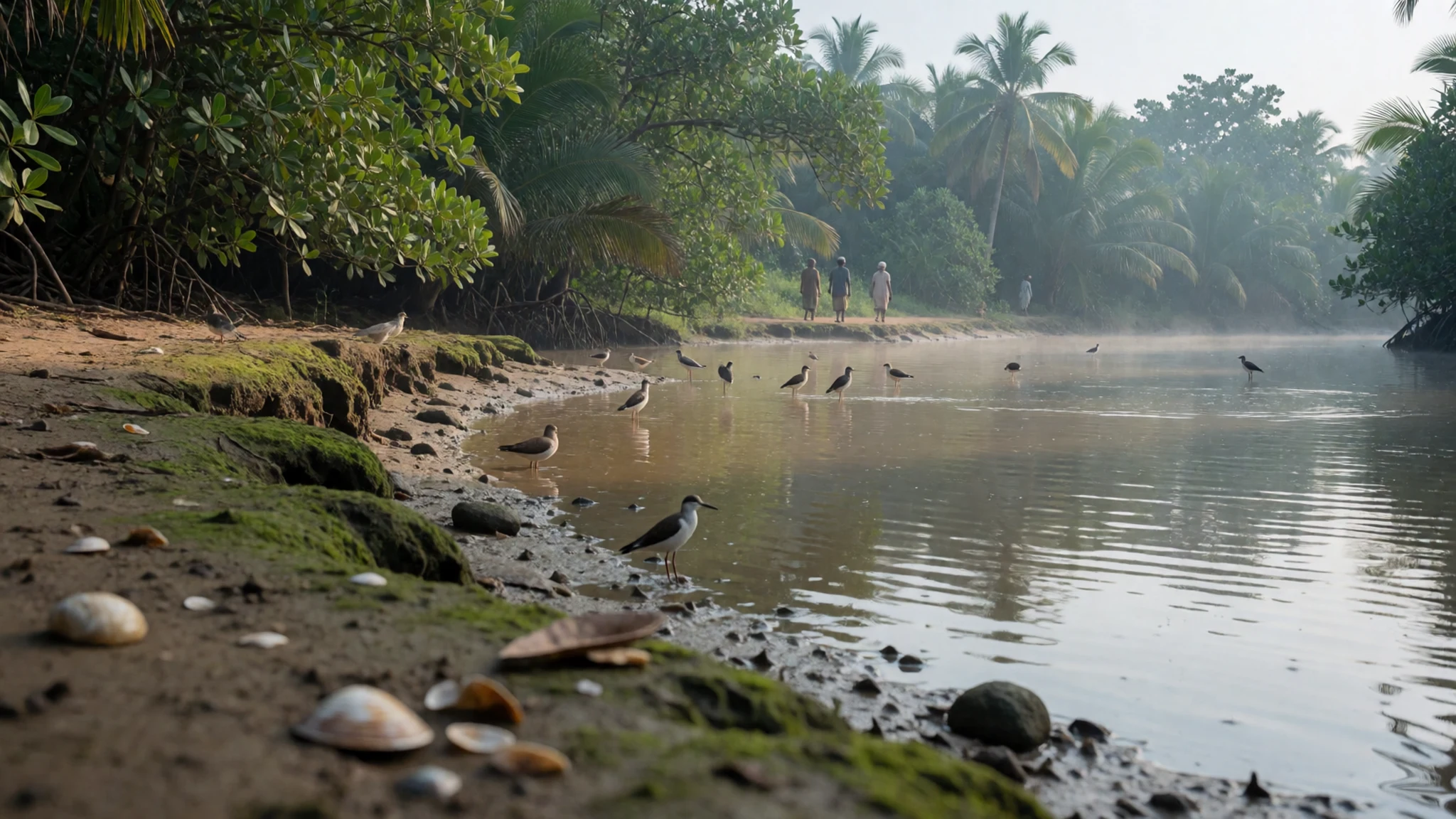
- Bijol Islands (Kajonyi Islands) — Near the Atlantic-side waters
The reserve includes the Bijol Islands, known as The Gambia’s only offshore islands. Because the two islands join at low tide, you may see different outlines and access conditions depending on when you go, which also affects bird movement.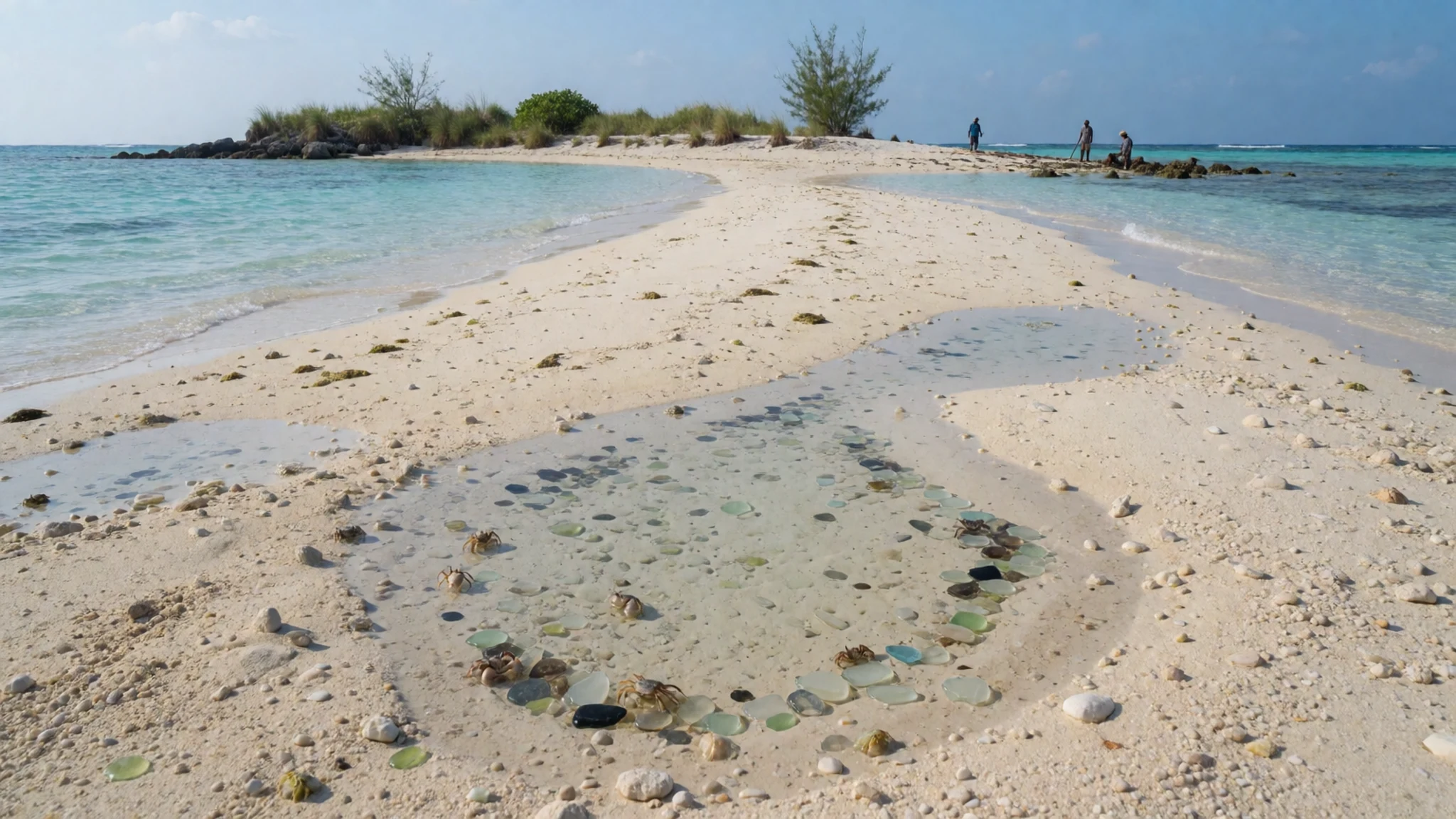
- Birdlife spotting — Throughout the reserve paths
Expect birdwatching to be the main event rather than scenery “stops”. Scan slowly through edges of water and scrub. A juvenile yellow-billed shrike is one example of the kinds of species you might come across here.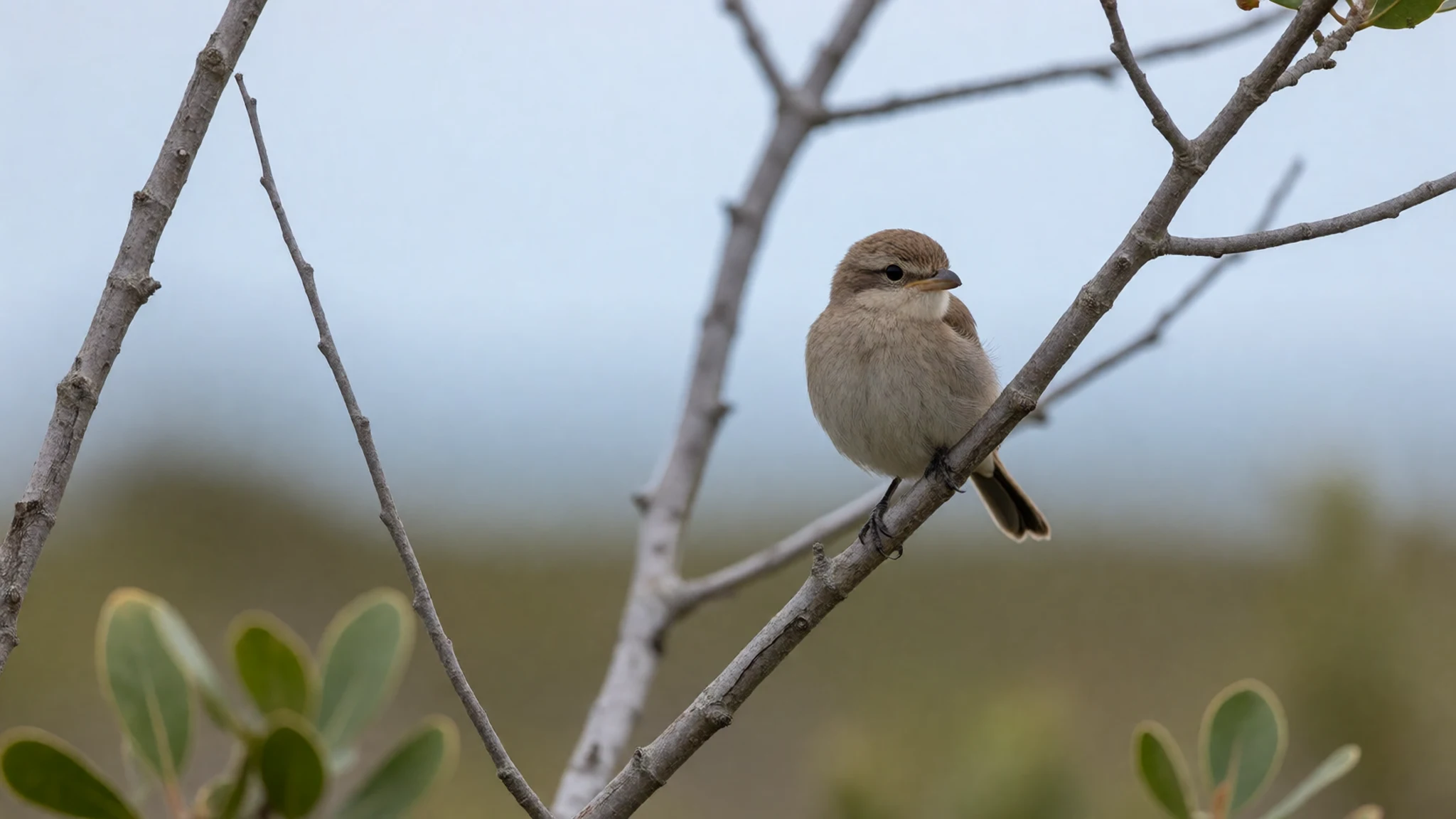
- Bald Cape area — Reserve coastal-adjacent section
The reserve incorporates the Bald Cape zone, adding a slightly different feel to the overall walk. It’s a useful area to visit when you want a change from river-adjacent views and for catching birds that prefer more open, exposed sightlines.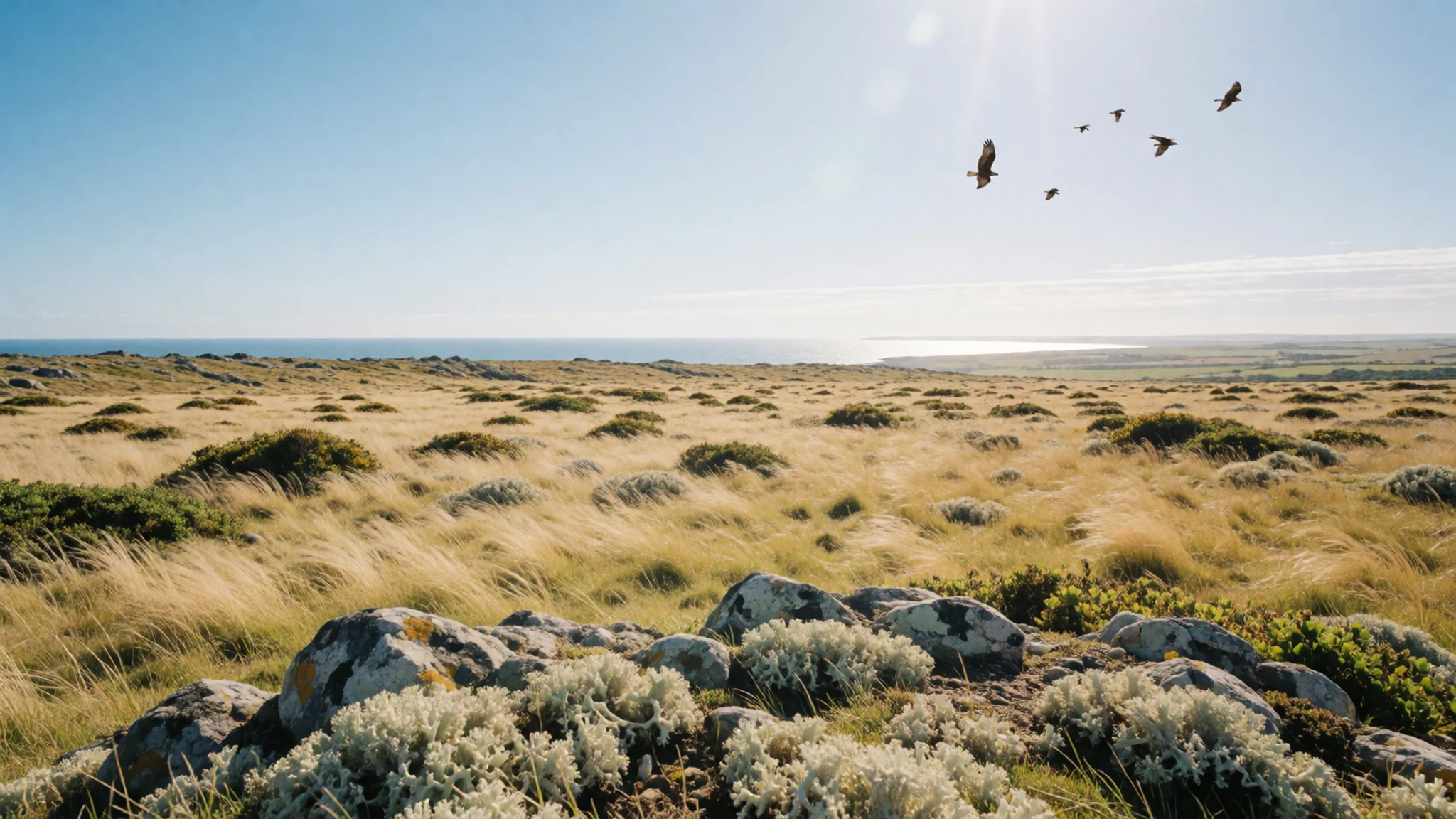
Culture
Tanji Bird Reserve is a wildlife space in The Gambia, and the local culture you’ll notice is mostly about how people interact with each other and with visitors. With birds, it’s easy to get “camera excited”, but the respectful norm here is straightforward: ask before you take a photo of anyone. Some Gambians hold particular beliefs about having their picture taken, especially when the photographer is a stranger.
That “ask first” habit matters even outside formal boundaries—at the gate, when you meet guides, or when you share a path with local workers and residents who live around the reserve. If someone declines, treat it as the end of the conversation and keep moving quietly. If they agree, it still helps to avoid blocking people while framing shots, and to check quickly if they’re comfortable with how close you are.
Also remember this is a reserve; sound and behaviour affect both wildlife and people. Keep voices low, give birds space, and follow any instructions from staff about where to stand or walk. The best bird photographs usually come from patience, not sudden moves or crowding.
Visitor etiquette: Ask permission before photographing anyone, even casually.
What to wear
Tanji Bird Reserve is a coastal-leaning, tropical bird area, so clothing is about heat management and practical movement. There isn’t one “required dress”, but the overall vibe is modest and comfortable.
For traditional dress, in The Gambia you’ll see a lot of light, patterned clothing—often made for warm weather and movement. Visitors usually won’t need to wear something traditional, but it’s good to notice the kinds of materials locals favour: breathable fabrics that cope with humidity and sun.
In day-to-day life and around tourism areas, many people wear casual, lightweight clothes—think airy shirts, breathable trousers or long skirts—plus simple footwear. For a bird reserve, wear clothes that can handle humidity, mosquito risk (especially during the rainy season), and occasional muddy patches near water.
What to bring as a visitor: lightweight long sleeves or a long, breathable layer for sun; long trousers if vegetation is thick; and closed-toe shoes or sturdy sandals with grip for uneven ground. A hat and sunglasses help, and a light rain layer is useful if visiting during the hot rainy season (June to November). If you plan to spend time waiting for birds, moisture-wicking tops and a spare dry layer can make the afternoon far more comfortable.
What to eat
- Benachin (jollof rice-style rice dishes) — Local eateries around Tanji and the coastal strip
Benachin or jollof rice is a traditional West African rice dish mixed with onions, spices and tomatoes or tomato paste. It’s typically served with meat, fish, or vegetables, and you can find it through many local eateries and food spots around Tanji and wider coastal areas.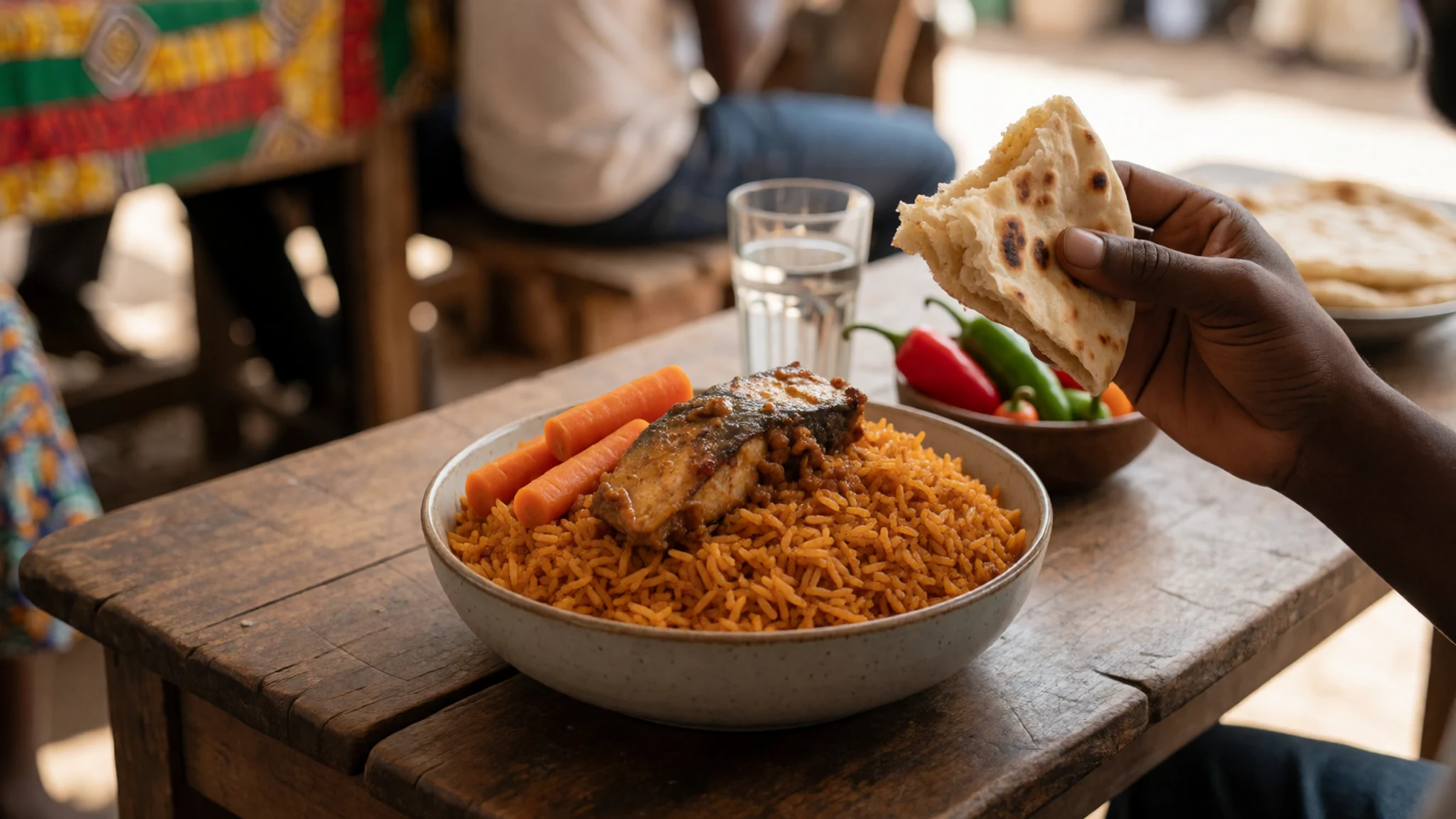
- Chicken yassa — Neighbourhood restaurants and casual eateries
Chicken yassa is a flavourful chicken dish cooked with onion and black pepper, finished with lime or lemon. You’ll usually see it on menus at small restaurants and casual food places serving Gambian-leaning meals.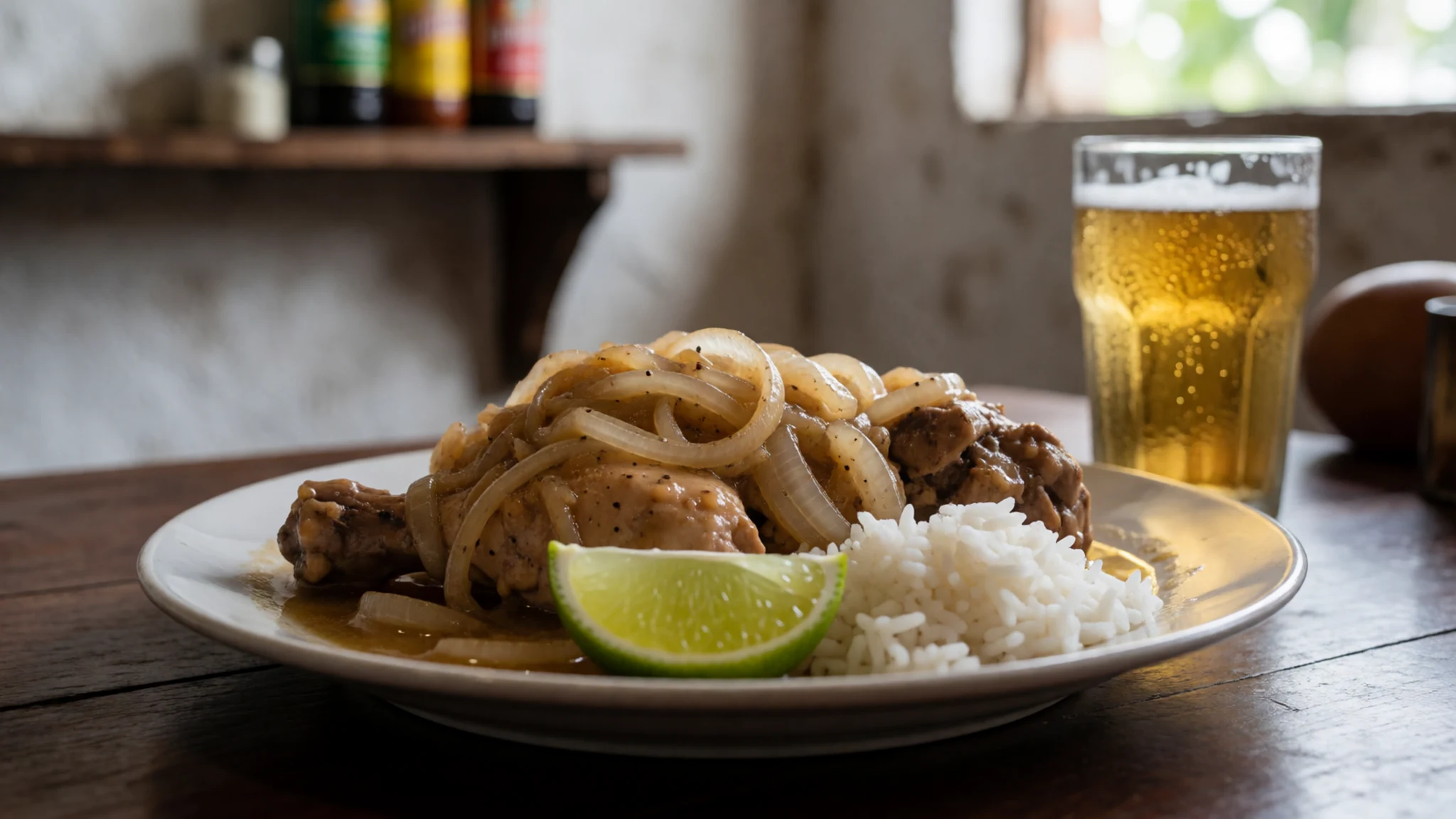
- Domoda (peanut stew with rice) — Local restaurants serving rice and stew
Domoda is a hearty meat stew served with rice, with a peanut butter sauce that thickens and brings richness. It’s the kind of dish that works well after time outside, and you’ll find it at many places that do rice-and-stew combinations. - Peanut-based snacks and roasted peanuts — Street snack points and markets
Peanuts are a major crop, so they show up constantly—from roasted snacks to ingredients in sauces. Look for snack stands and simple roadside stops where you can grab something light between walks. - Palm wine and baobab juice — Tour areas and drink stalls in coastal towns
Palm wine is a fermented juice taken from palm trees, and baobab juice is another popular local drink. You may come across them during tours or at drink stalls in tourist areas, depending on what’s being served that day.
Plan it
Best time. November–May for the cooler, drier season when walks feel easier; October and November also fit the birdwatching sweet spot. June–November can be hot and rainy, which can make conditions humid.
How long. 2–3
Getting there. Fly into Banjul (BJL), then take the road to Tanji. The last leg is a drive from the wider Banjul area to the fishing village area, with a short approach into the reserve zone.
Budget. mid
Tips
- Ask at the start about the current water level around the river sections, since bird activity changes with conditions
- Carry water and a hat for long still scanning sessions in warmer months
- Plan for quieter morning hours for calmer wildlife viewing
- Use a local guide if available—bird reserves work best with on-the-ground knowledge
- Keep your camera ready, but move slowly and avoid crowding any person or path
Etiquette
- Always ask before photographing anyone, even if they are simply standing near the path
- Keep noise low so wildlife isn’t disturbed and so other visitors aren’t overwhelmed
- Follow any guidance about where it’s safe to stand near water and viewing points
Nearby
Sources
- Wikidata Q980234 (CC0)
- Wikipedia (rev 1340226875) — Tanji Bird Reserve (CC BY-SA 4.0)
- Wikivoyage (rev 5425327) — Gambia (CC BY-SA 4.0)
- Photo photos/01-gambia-064-from-kg.jpg (CC BY-SA 2.5)
- Photo photos/02-yellow-billed-shrike-corvinella-corvina-corvina.jpg (CC BY-SA 4.0)

