Sanyang Beach
Sanyang Beach, The Gambia
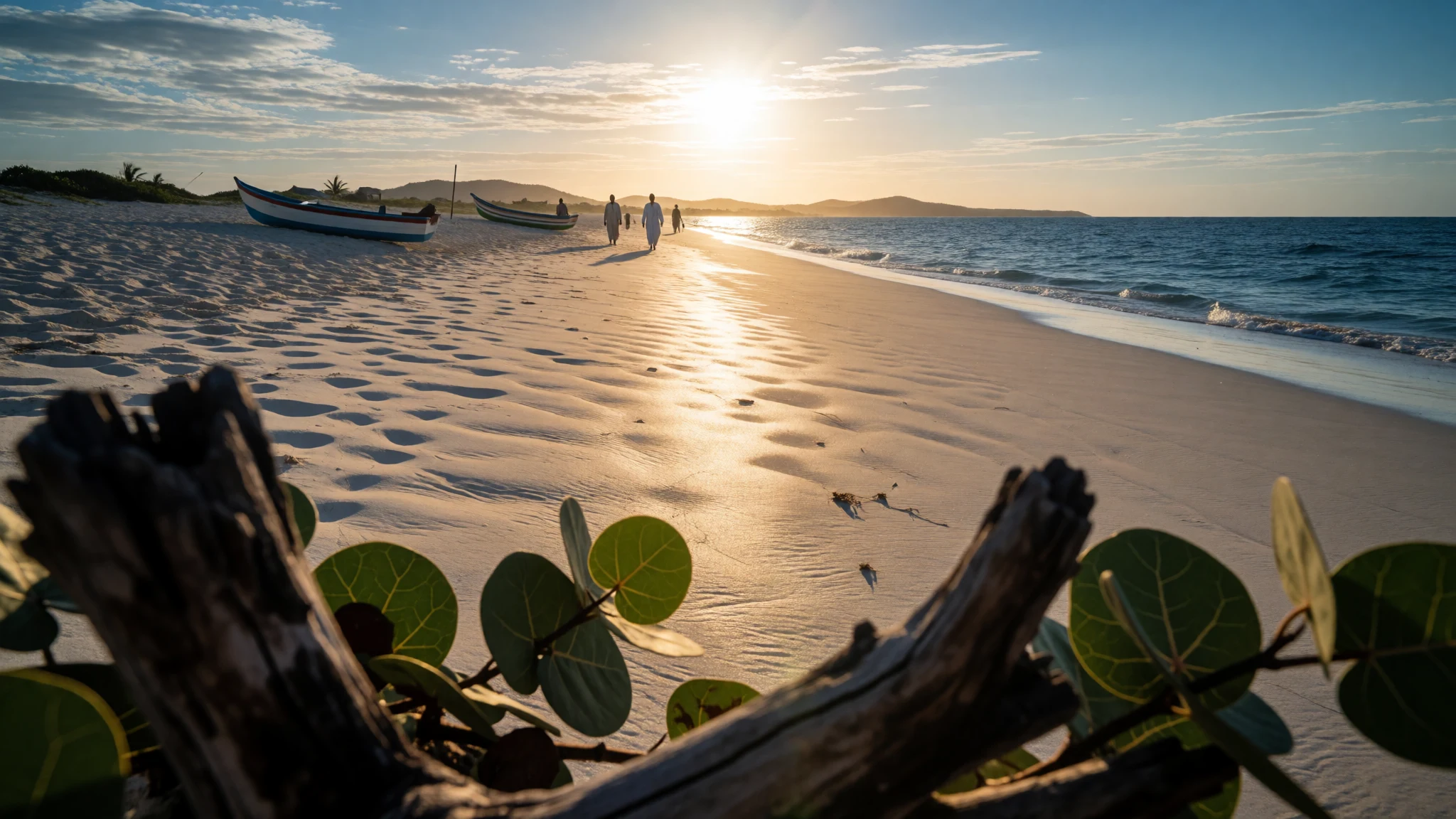
Sanyang Beach is a long, easy stretch of Atlantic sand where the day’s rhythm is sun, shade, and casual sea breezes.
The place
Sanyang Beach sits on The Gambia’s Atlantic coast, just north of Gunjur, and it feels more laid-back than the busiest resort strips. The shoreline is wide enough for slow walks, and the sea tends to bring that “nothing to hurry for” mood—until the heat and sun remind everyone to pace themselves.
The wider country sits on a flood plain flanked by low hills, so the coastline and beach days are influenced by tropical weather. From roughly June to November, conditions are hot and rainy; outside that window, the air usually cools and dries in the run from November to May. In practice, that means the beach is most comfortable in the drier, cooler stretch, with clearer days and fewer wet interruptions.
Sanyang Beach is also a handy base for exploring beyond the sand. Regular public transport runs from Serekunda and Brikama, and private taxis are commonly arranged for day trips. That matters because beach time is rarely the whole itinerary—people mix it with birding, mangrove walks, and a day or two up the river.
Crowds are usually what you’d expect for a coast: busier around peak holiday periods, calmer when travellers are elsewhere or when the sun is too strong for long stretches. Plan for the practical stuff—water, sun protection, and times of day when the light is good but the heat is still manageable. If you want a beach day that doesn’t feel like a queue, Sanyang delivers that relaxed, lived-in coastal feel.
Its story
Sanyang Beach works best as a “build the day” place rather than a checklist. Mornings can feel bright and energetic: people start with a dip, then drift into shade, and the beach becomes a place to socialise as much as to swim. As the day warms up, the coastline shifts from playful to practical—more people take short strolls, drink something cold, and head back to their patch of shade.
This is also the kind of beach where the surrounding area shapes the experience. The Gambia’s climate swings between a hot, rainy season and a cooler, drier one, so the beach mood changes with the season. During the drier months, you tend to get longer, more comfortable windows for sun and walking. During wetter months, showers can pass quickly, but the air feels heavier, and the day can move at the mercy of the weather.
One reason travellers like Sanyang is that it’s rarely “just a beach”. The region has wildlife reserves, forest parks, and culture spots not far inland, so you can combine sea time with a different kind of outing—birds, monkeys, mangroves, and the small-town rhythm of local life. That mix keeps it interesting even if you stay for several days.
And on a beach, the small interactions matter: greeting people, asking before photographing anyone, and keeping things respectful. The best Sanyang days are the ones where the itinerary stays flexible—where you follow the weather and the tide, rather than forcing a schedule onto the coastline.
What to see
- Sanyang Beach shoreline — Sanyang (near Gunjur), Atlantic coast
Sanyang Beach, north of Gunjur, is an Atlantic-side stretch where you can walk, swim, and watch how the tide edits the sand. Go early or late for easier temperatures and calmer light.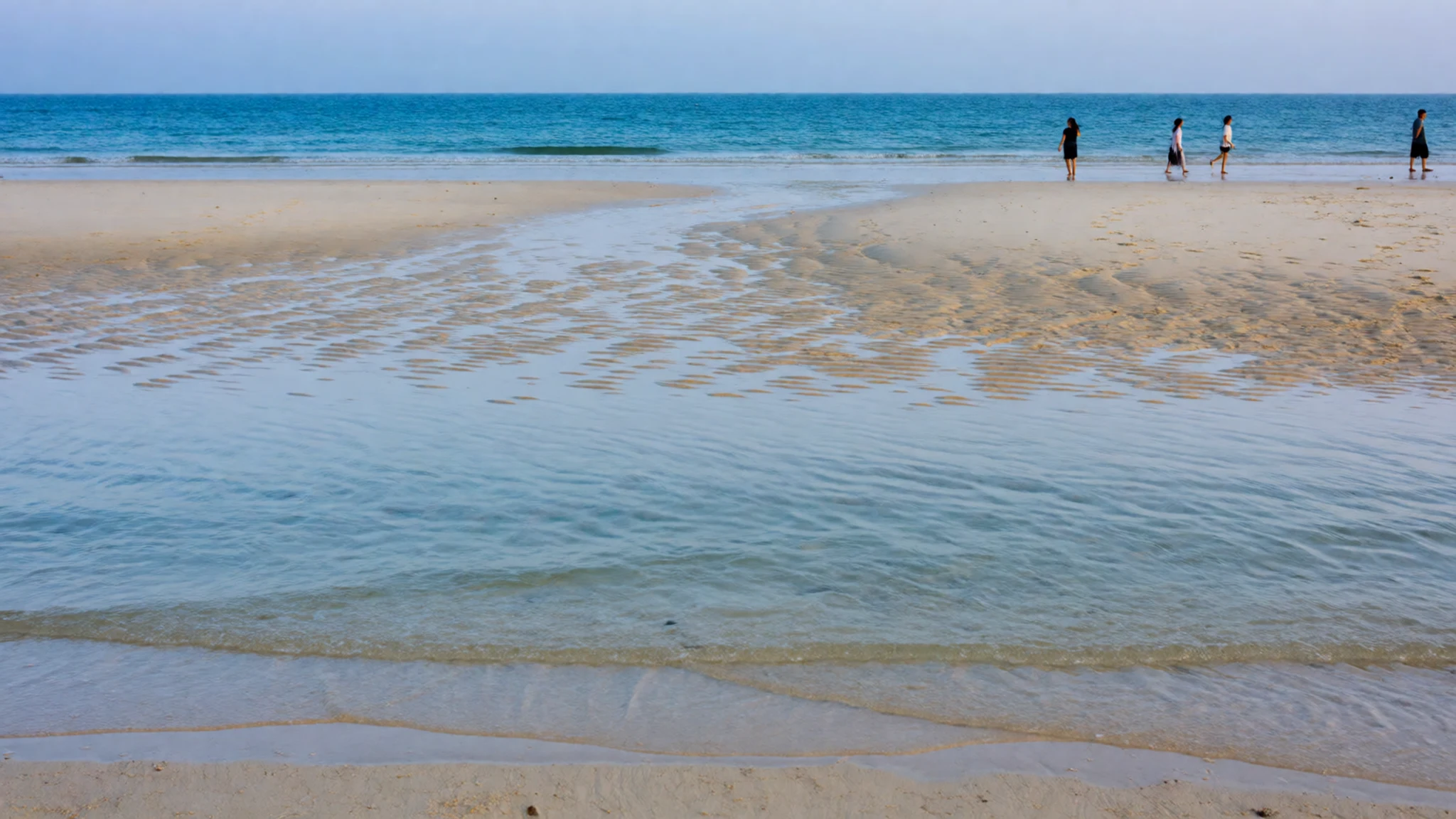
- Evening light and sunset strolls — Along the beachfront near Sanyang
Sanyang Beach turns softer in the evening, when the heat eases and the coastline becomes a simple place to wander. The waterline and sky colour make quick photos without needing a fixed viewpoint.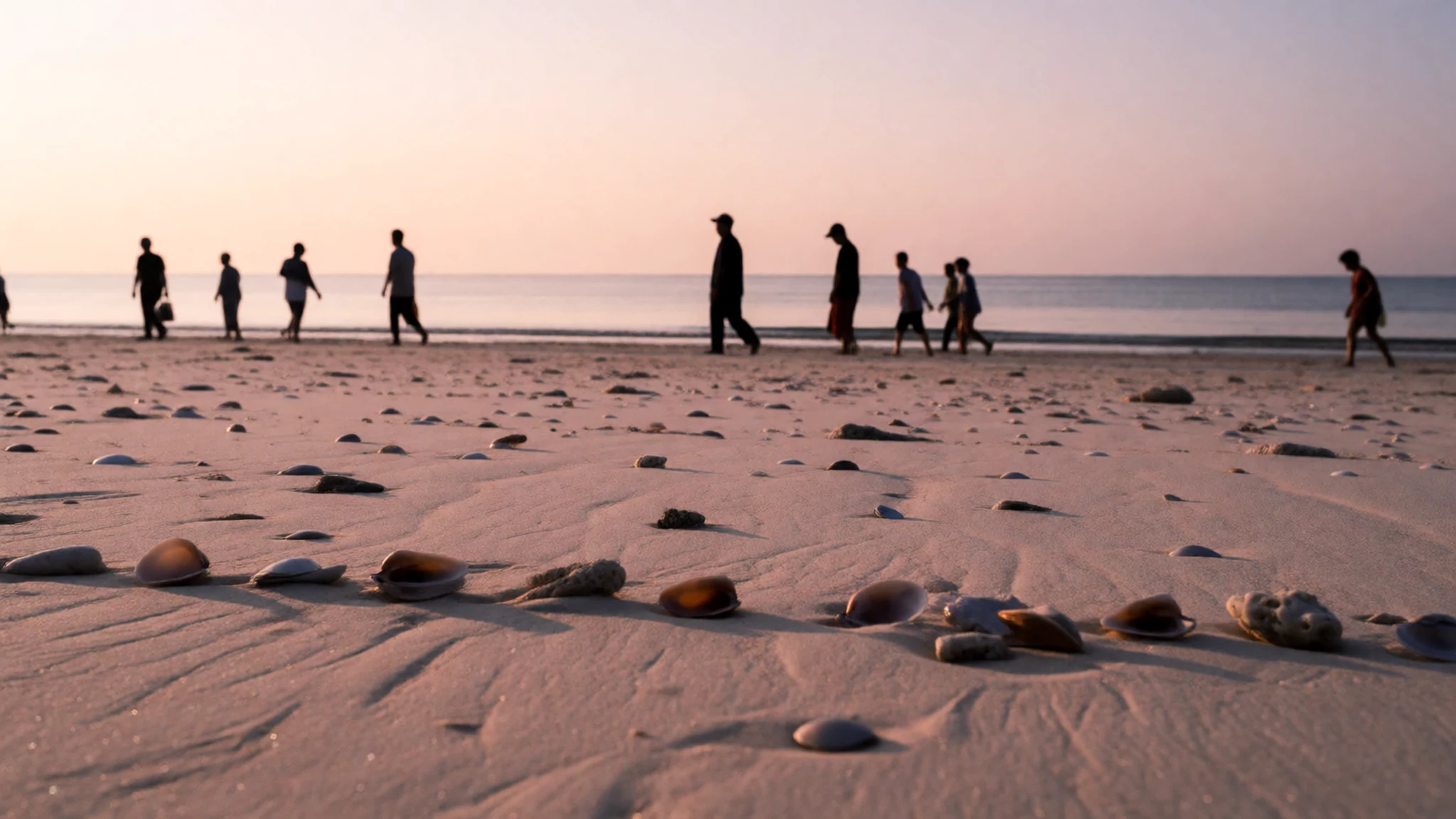
- Day-trip energy from nearby towns — Sanyang access routes from Serekunda and Brikama
Sanyang Beach links nicely with trips inland, because public transport leaves from Serekunda and Brikama, and taxis can be arranged. That makes a “sand morning, inland afternoon” rhythm realistic.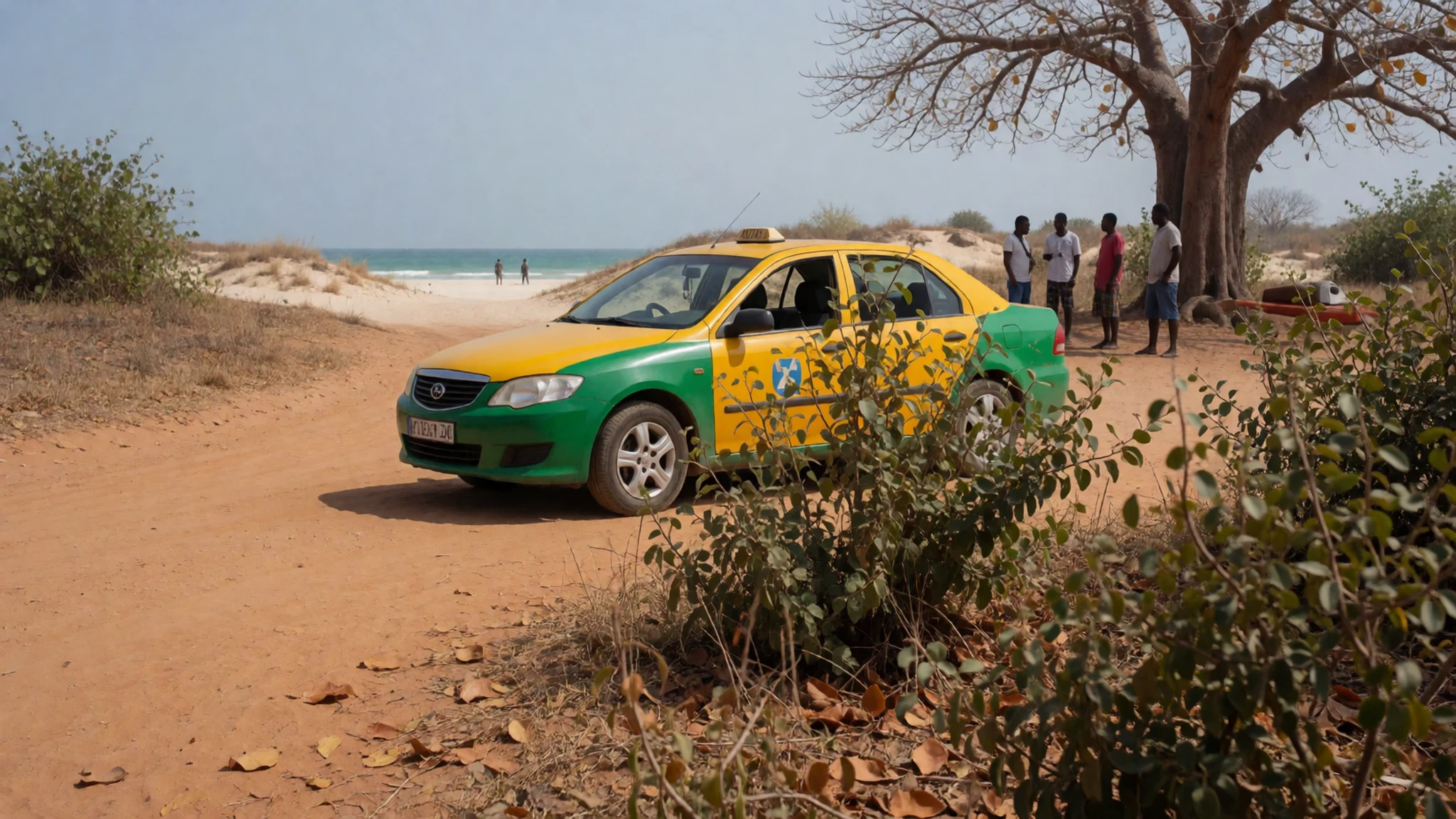
- Coastal swims and breezy breaks — Sanyang Beach bathing area
On bright days, the Atlantic breeze gives brief relief, and the beach becomes an easy place to take repeated breaks—swim, dry off, drink water, then repeat. Keep an eye on how rough the sea feels.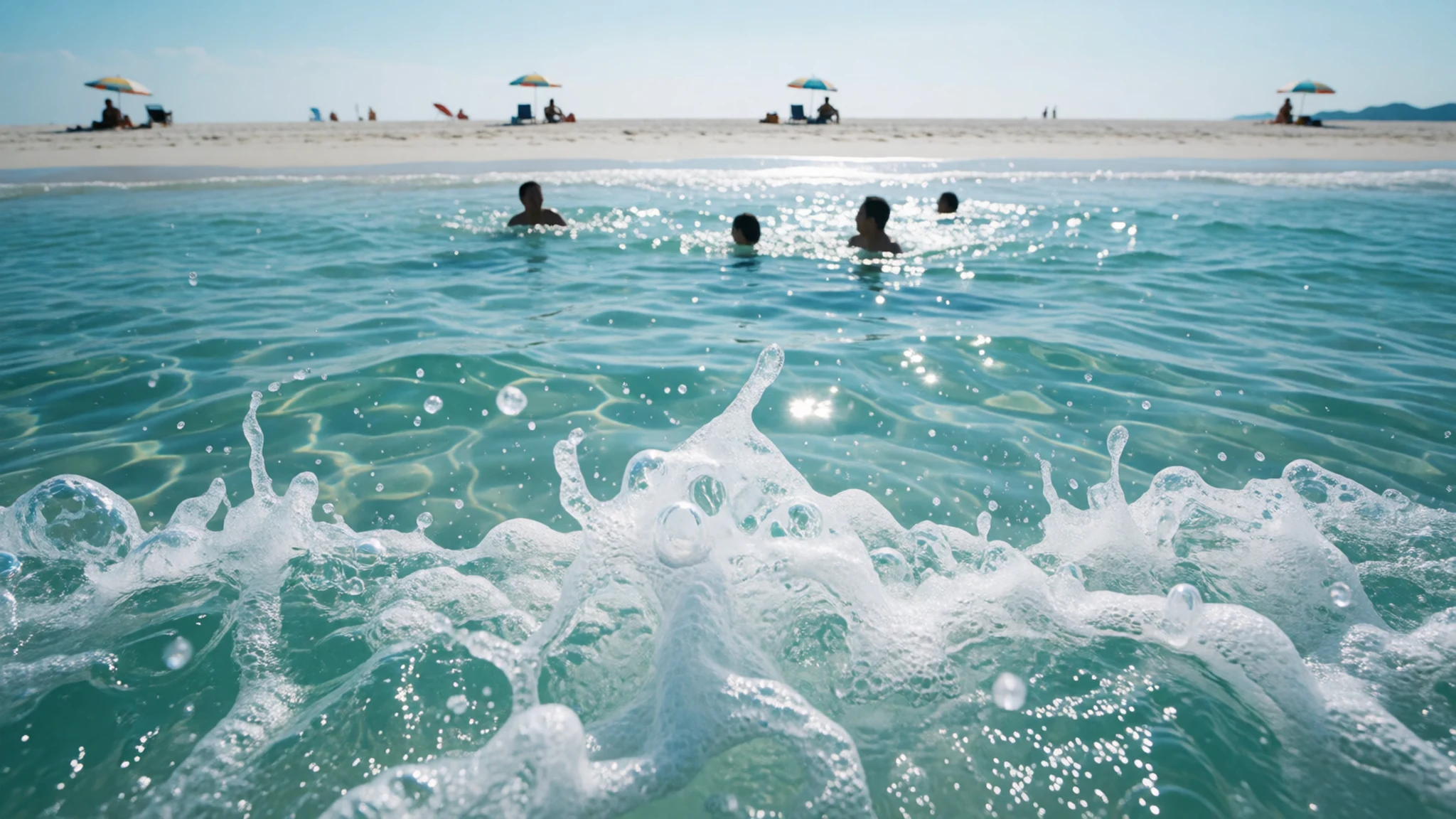
- Beach resorts and seasonal colour — Coastal strip near Sanyang
In the Christmas season, beach resorts along the coast often feel livelier, with festive holiday observances and colourful masquerade-style parades. Even if you stay casual, you’ll notice the extra energy.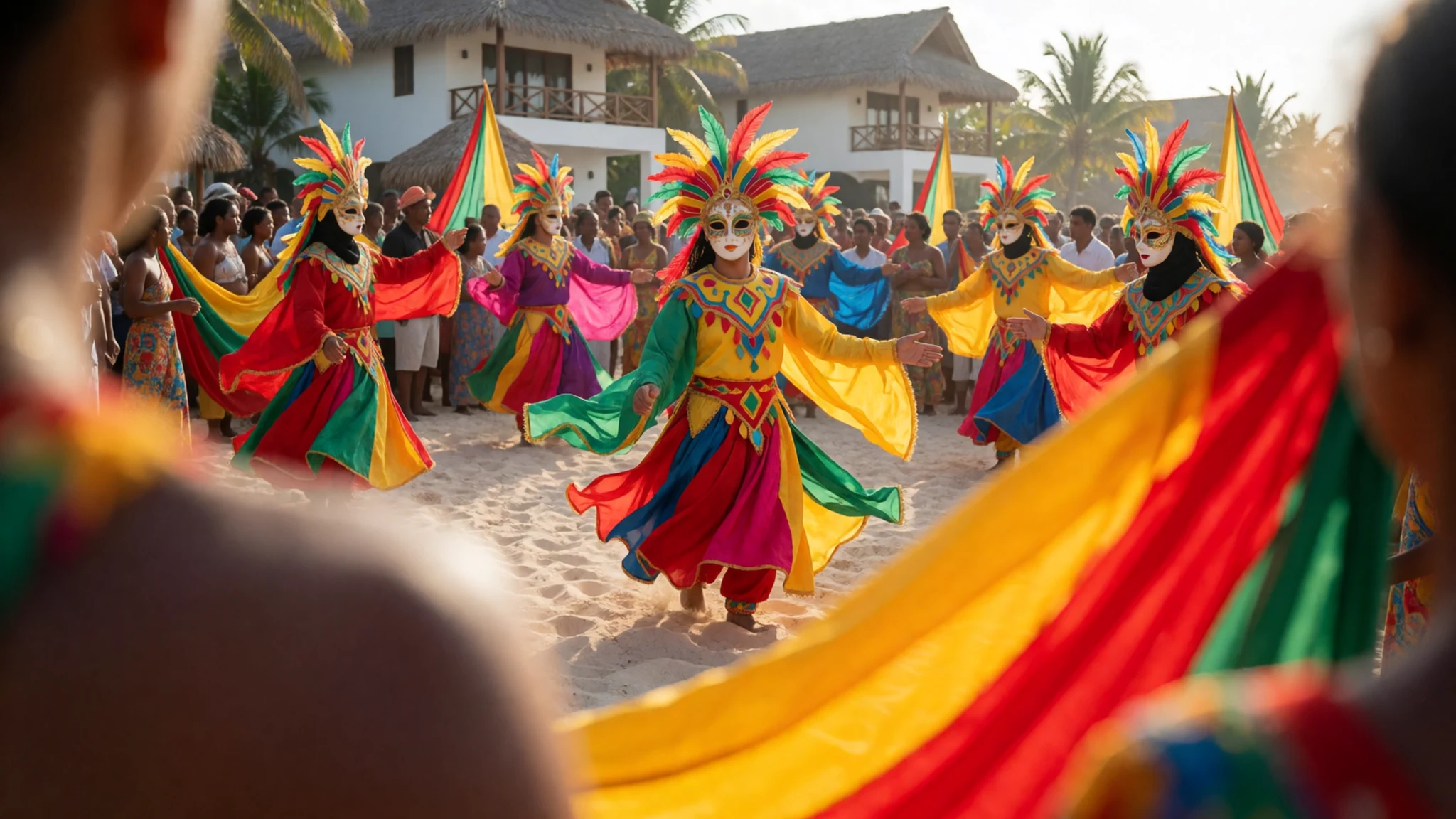
- Quiet moments away from the busiest patches — Wider shoreline around Sanyang Beach
Sanyang’s charm is that it’s easy to find a calmer strip along the sand rather than fighting for space. Move a short distance, settle down, and the beach feels far more “your own” than you’d expect.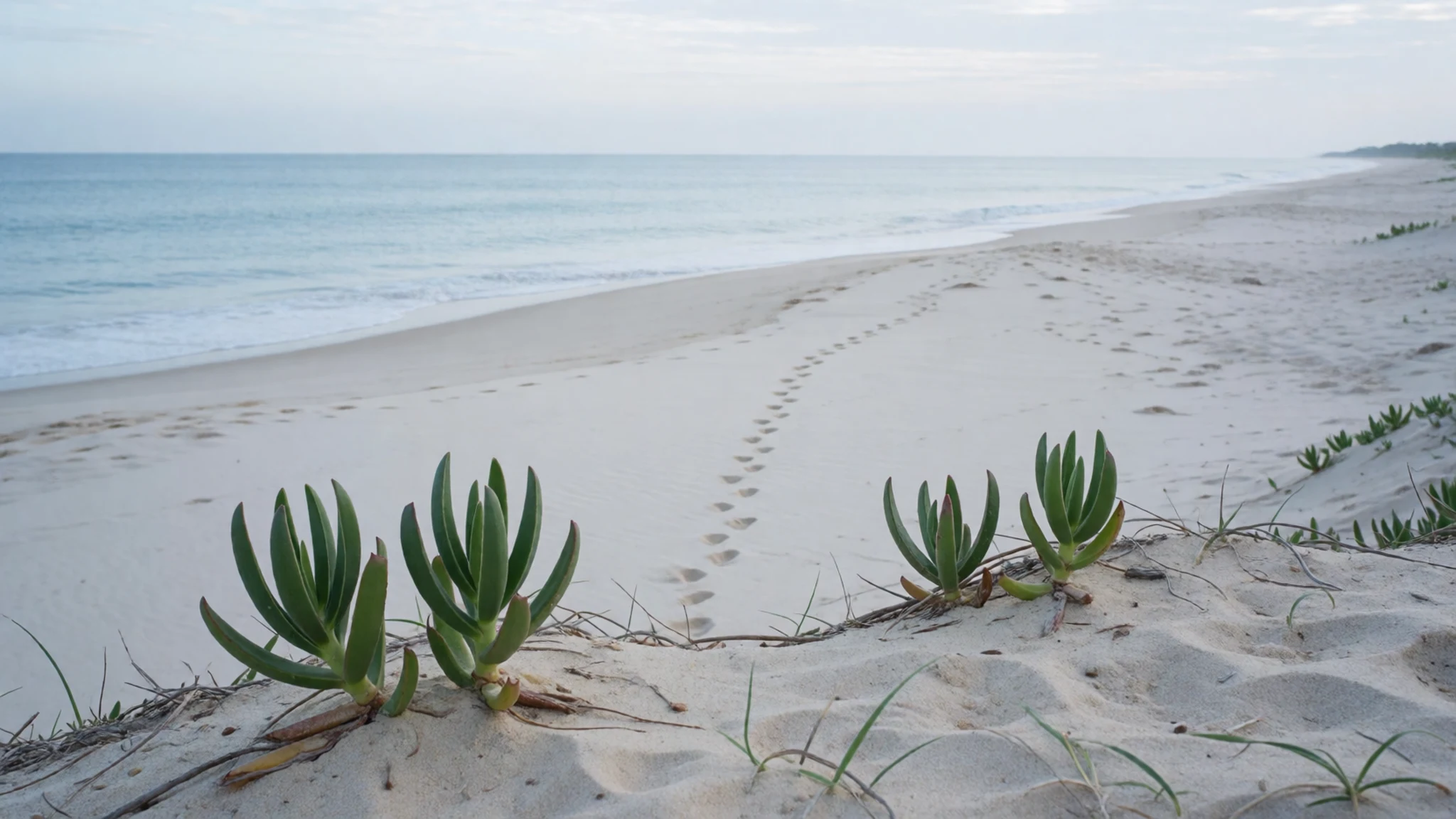
Culture
Sanyang Beach is part of The Gambia’s broader coastal culture, where people are used to visitors—but still expect basic respect. One of the most important habits is photographing etiquette: visitors should not assume they can take pictures of anyone just because they’re nearby or smiling.
Outside the beach, daily life across The Gambia often sits close to the Atlantic and the river system, and that rhythm influences how coastal people interact with travellers. Expect conversations to start quickly, especially around resorts and transport connections. Sometimes you’ll be offered help or directions; it’s sensible to keep your plans firm and your boundaries clear, because not every “friendly” interaction is purely altruistic.
If you join a day trip from the beach, you’ll likely encounter guides and small craft-selling moments. The good approach is simple: ask questions first, agree on how a photo should work, and avoid turning every interaction into a transaction that makes people uncomfortable.
Please always ask for permission before photographing anyone.
What to wear
At Sanyang Beach, dress is mostly practical and relaxed. Traditional Gambian clothing varies by community, but you’ll often see flowing garments made to handle warm weather—light, breathable fabrics in vivid colours for everyday life and celebrations. In more formal settings, people may wear coordinated outfit sets with rich textiles, and at events you’ll notice careful finishing around necklines and hems.
Now, what many visitors wear most often is what you’d expect for a coastal day: airy tops, shorts or long skirts, and a cover-up for moving between beach and nearby eateries. If you’re visiting inland sites or joining tours beyond the sand, a slightly more modest option helps—think clothing that covers shoulders and knees.
For a visitor, pack for sun and for uneven surfaces. A hat, sunglasses, and sunscreen are as essential as a spare layer for breezier evenings. Flip-flops are common for the beach, but for trips that involve walking on paths, sturdier sandals or closed-toe shoes feel safer. If rain is part of your season, consider a light rain layer; weather can swing quickly in the tropical wet months.
What to eat
- Benachin / Jollof rice — Coastal eateries and local lunchtime spots around the beach strip
Benachin or jollof rice is a rice dish mixed with onions, spices, tomatoes or tomato paste, plus meat, fish or vegetables. You’ll often find it at casual eateries and coastal food spots where rice is the default comfort meal.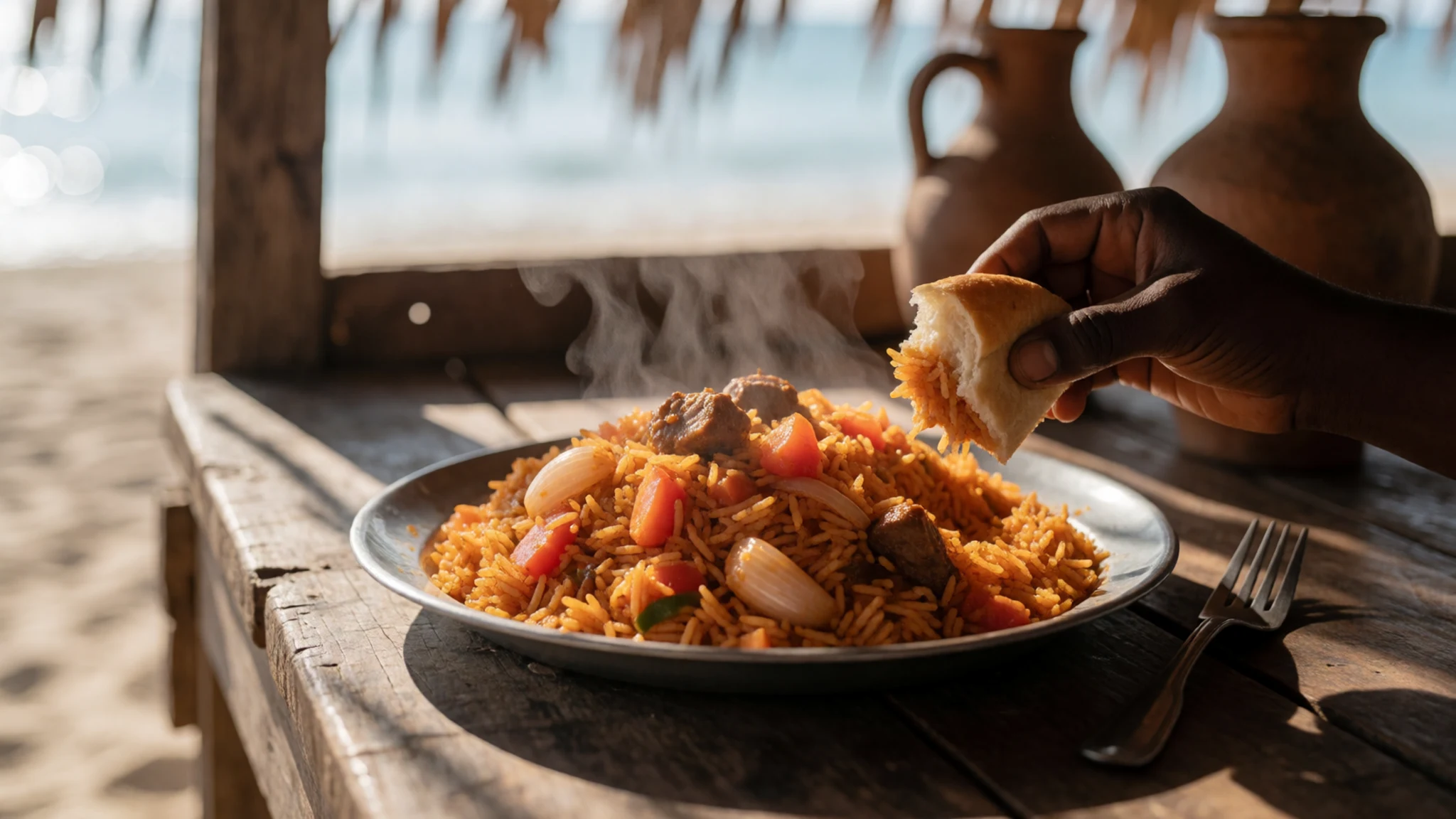
- Chicken yassa — Restaurant-style menus in tourist areas along the coastal strip
Chicken yassa centres on chicken cooked with onions, black pepper, and citrus—lime or lemon—giving it a sharp, tangy edge. It’s a reliable pick when you want something flavour-forward without needing a complicated order.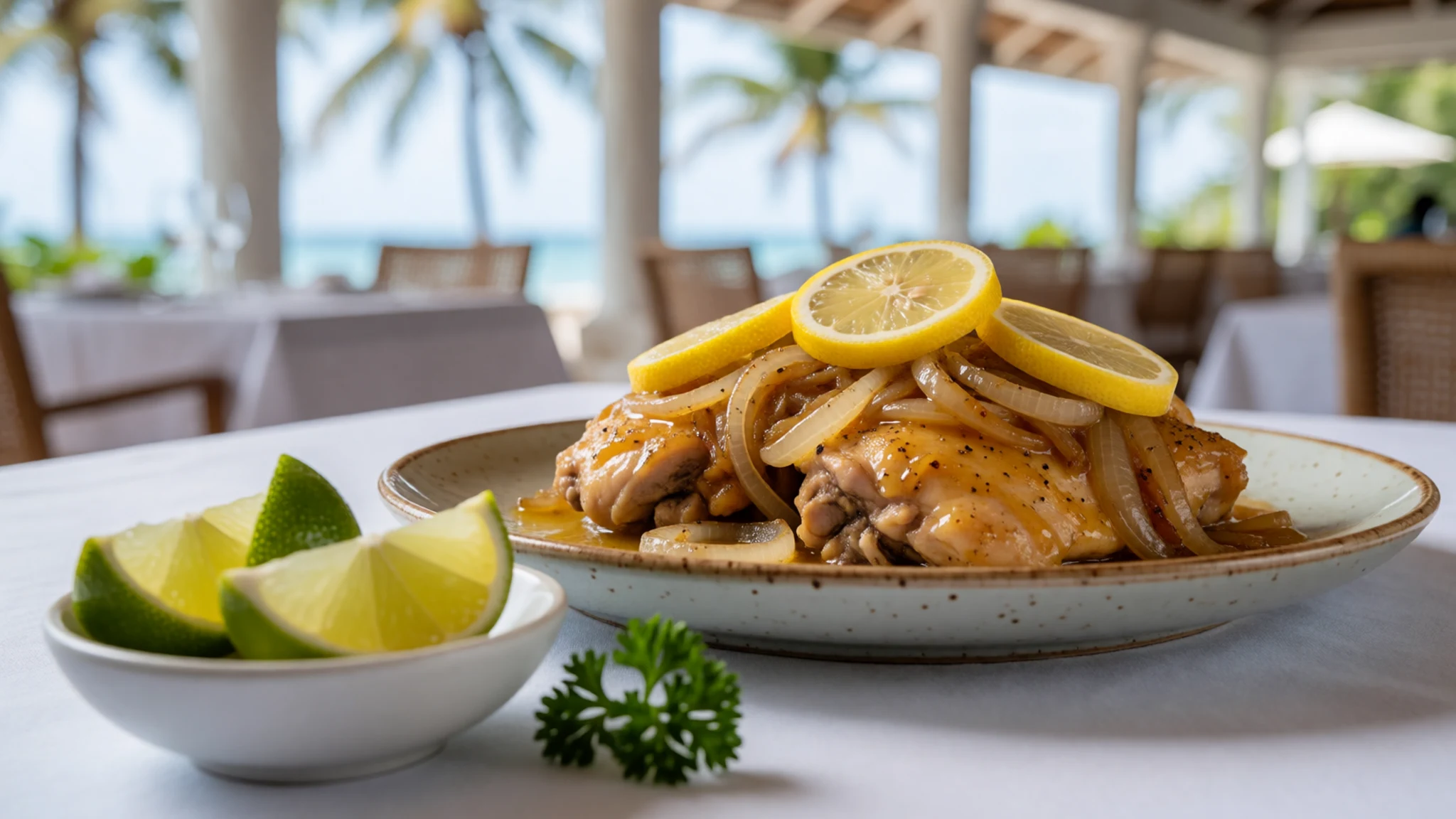
- Domoda — Local restaurants and guesthouse dining areas near Sanyang
Domoda is a meat stew served with rice and a peanut butter sauce. The peanuts make it rich and filling, and it’s the sort of dish that feels especially good after a hot beach day. - Julbrew lager — Bars and eateries in the coastal strip’s tourist areas
Julbrew is Gambia’s own lager beer, sold in bottles and also commonly available on draught. It’s a straightforward “cold, after-sun” choice, best enjoyed responsibly in places where alcohol is clearly offered. - Palm wine — On rural tours and cultural excursions beyond the coast
Palm wine is collected from palm trees and fermented, often enjoyed as a local drink in rural or tour-led contexts. If you’re offered a chance to try it, it’s usually through community or excursion connections rather than a typical beach menu. - Baobab juice — Drink stands and casual food spots along the coast
Baobab juice is made from baobab fruit, and it tends to show up where local juices and refreshing drinks are sold for hot afternoons. It’s a handy non-alcoholic option if you want something cooling.
Plan it
Best time. November–May for the cooler, drier stretch; June–November can be hot and rainy, so expect more weather swings and more humidity.
How long. 2–3
Getting there. Fly into Banjul (BJL), then use road transport to reach Sanyang—typically via taxis for the last leg from the coastal towns.
Budget. mid
Tips
- If aiming for the beach, start early or go late when heat feels easier.
- Plan one inland outing on a drier day, since tropical showers can change your schedule.
- Carry enough cash for smaller purchases and casual spots along the coast.
- Bring water and sun protection; beach days can tire quickly in hot weather.
- Keep your plans flexible around rainfall during the hot, rainy season.
Etiquette
- Ask before taking photos of anyone you encounter around the beach.
- If people invite you to help or directions, keep your expectations clear and stick to your chosen plan.
Nearby
Sources
- Wikidata Q1418746 — Sanyang Beach (CC0)
- Wikivoyage (rev 5425327) — Gambia (CC BY-SA 4.0)
- Photo photos/01-sanyang-0001.jpg (CC BY 2.5)
- Photo photos/02-sanyang-beach-2345385652.jpg (CC BY 2.5)
- Photo photos/03-sanyang-beach.jpg (CC BY-SA 4.0)
- Wikipedia (CC BY-SA 4.0)


