Hulunbuir Grassland
Hulunbuir Grassland, People's Republic of China
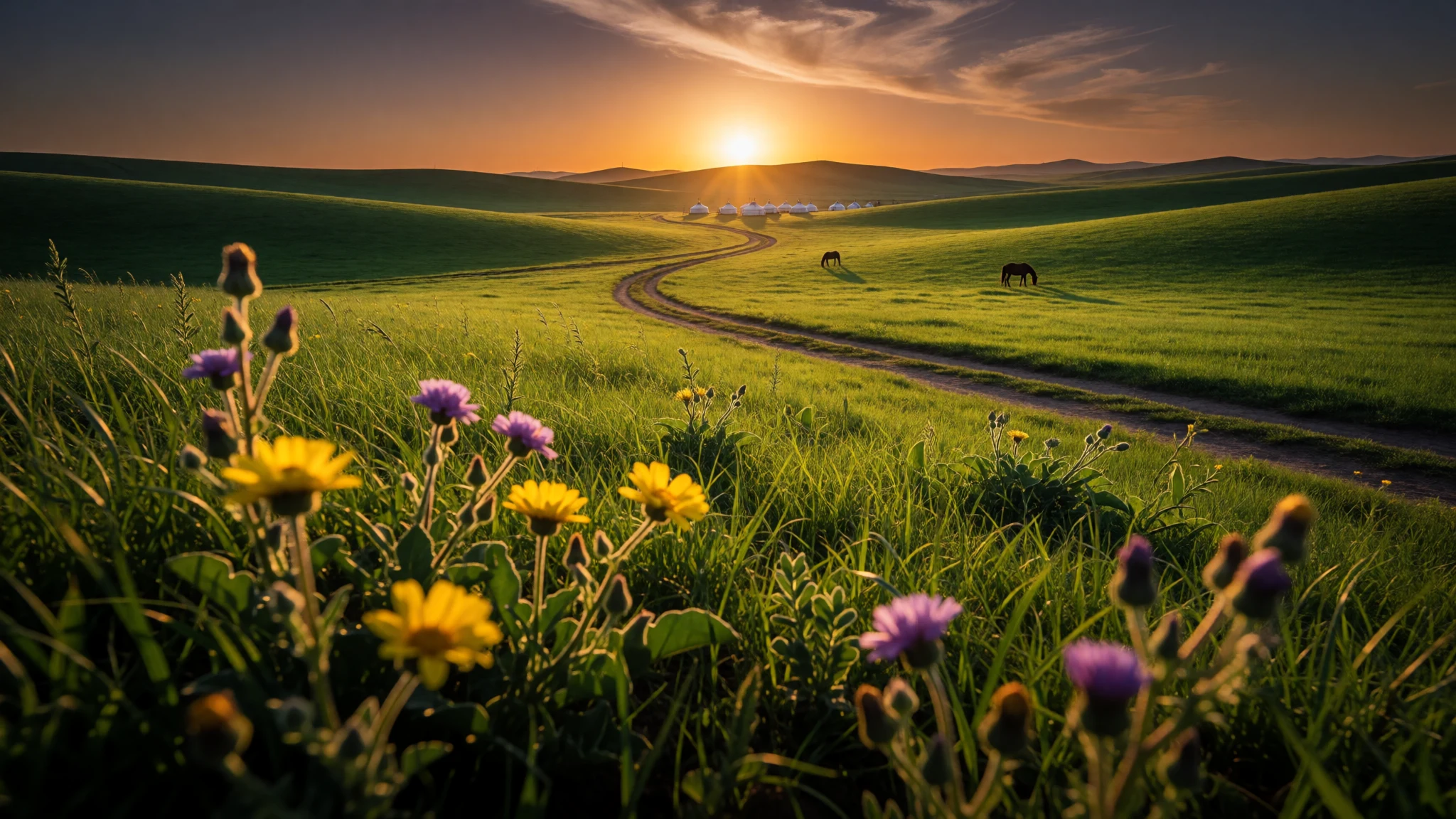
Experience the vast, rolling greenery of the high steppes and the unique blend of Mongolian and Chinese frontier cultures.
The place
Hulunbuir is a prefecture-level city in the northeastern reaches of Inner Mongolia, China, renowned for its immense, undulating grasslands. The landscape is defined by the high steppes and the Hulun and Buir lakes, with the Khingan range adding rugged verticality to the horizon. Its administrative heart is the Hailar District, which serves as the primary urban hub for those exploring the region. Positioned at a strategic crossroads, the area borders Russia to the north and west, and Mongolia to the south and west, creating a melting pot of influences. This geopolitical position is reflected in the linguistic diversity of the region, where Mandarin Chinese coexists with Mongolian dialects like Khorchin and Buryat, as well as Daur, Oroqen, and Solon languages. The climate is a rigorous humid continental system. Winters are severe, dry, and prolonged, dominated by the Siberian High, while summers are short but warm and wet, influenced by the East Asian monsoon. Despite the temperature swings, the region is remarkably sunny throughout the year. The vastness of the grasslands creates a sense of isolation and peace, though the urban centres provide a sharp contrast with their modern infrastructure. The interplay between the wild, open plains and the settled districts of Hailar makes the area a study in contrasts, blending nomadic heritage with the administrative structure of a modern Chinese city.
Its story
The history of Hulunbuir is a complex narrative of border shifts and imperial ambitions. During the Qing dynasty, the region was administered as part of Heilongjiang province. A pivotal moment occurred with the Treaty of Aigun in 1858, which redefined the border between China and Russia, resulting in significant territorial losses for Heilongjiang. The arrival of the Chinese Eastern Railway in 1901 further integrated the region, linking it to the rest of northeast China and the Russian Far East. The early twentieth century was particularly volatile. In 1912, the Barga Mongol people expelled Chinese administration and declared the independence of Barga, initially pledging allegiance to the Bogdo Khan of Mongolia. This led to a delicate diplomatic arrangement in 1915 between the Russian Empire and the Republic of China, where Hulunbuir was designated as a special region under the central government of China, though Russia maintained substantial practical control over the local economy and daily administration. This fragile peace ended in 1929 when the Soviet Union invaded. Later, during the Japanese occupation of China, the area was absorbed into the puppet state of Manchukuo, a regime not recognised by the Chinese government. These layers of Russian, Mongolian, and Chinese influence have left an indelible mark on the architecture, language, and social fabric of the region, evolving from a contested frontier into a key administrative division of Inner Mongolia.
What to see
- Genghis Khan Monument — Hulunbuir Grasslands
A striking tribute to the founder of the Mongol Empire. While not the actual burial site of the great leader, the monument serves as a powerful shrine and a place of remembrance within Ordos Prefecture. - Manzhouli — Manzhouli City
A unique border town where Russian and Chinese cultures collide. The architecture is notably European in style, and the town serves as a fascinating gateway for those travelling between China and Russia, offering a distinct atmosphere from the inland steppes. - Hailar District — Hailar
The urban centre and administrative heart of the region. It provides a comfortable base for travellers, with central squares and markets that showcase the daily life and commercial energy of this high-latitude Chinese city. - Zhalatu Plains — Old Barag Banner
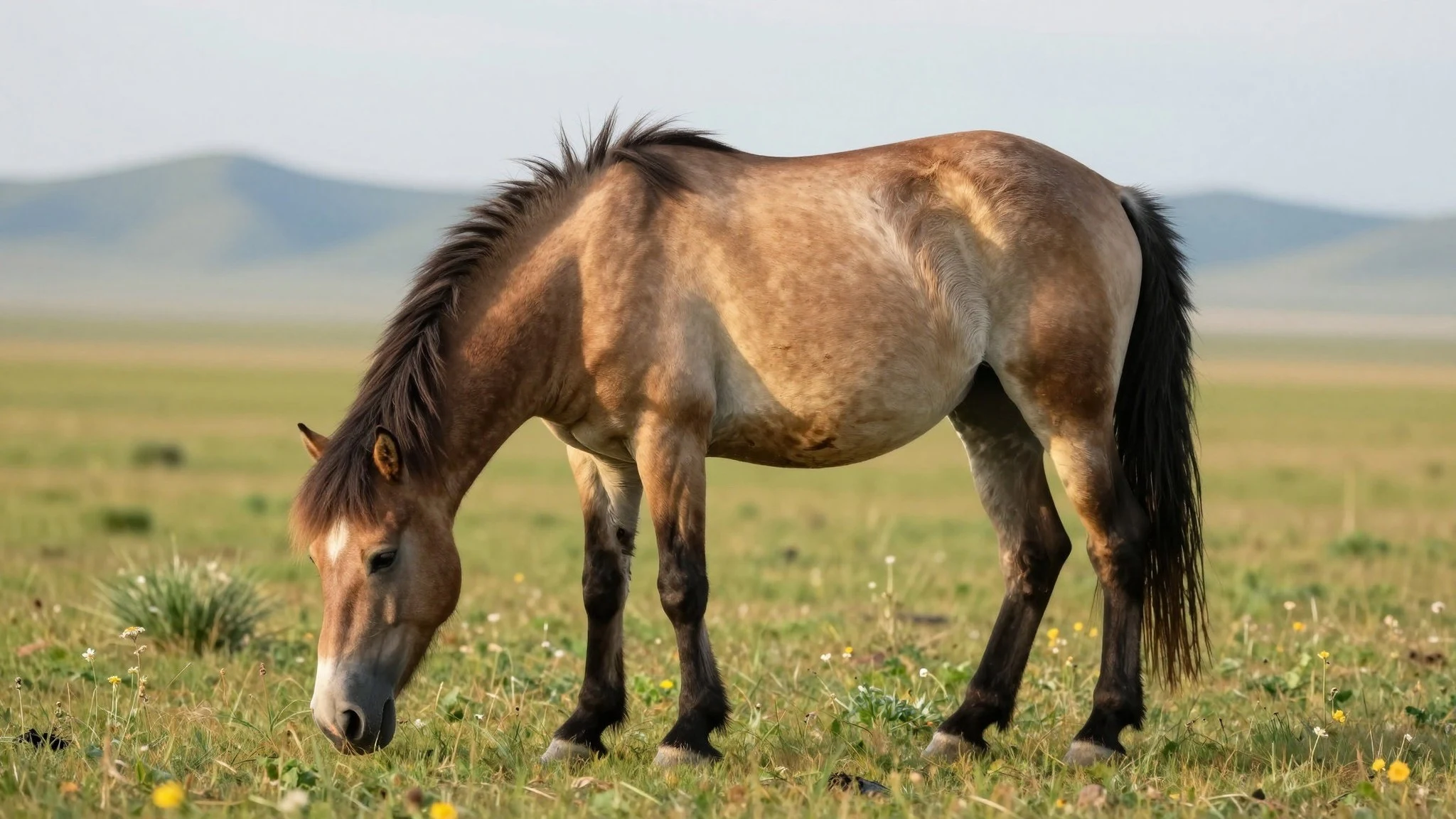
The quintessential image of the Hulunbuir landscape, where wild horses graze across an endless sea of green. It is an ideal spot for experiencing the scale of the grasslands and the rhythms of nomadic life. - Moridakga Forest Road — Moridakga
A scenic transition from the open grasslands into the dense, mysterious forests of the Khingan range. The road winds through ancient trees, offering a cool, shaded contrast to the sun-drenched plains of the steppe.
Culture
Hulunbuir is a region of deep cultural synthesis, where the traditions of the Mongolian people are woven into the broader fabric of the People's Republic of China. The legacy of nomadic life remains visible in the relationship between the people and the land, particularly in the rearing of livestock and the use of traditional dwellings. There is a strong pride in the linguistic diversity of the area, with several Mongolic and Tungusic languages still spoken. Visitors will find a society that values hospitality and a connection to the open air. However, it is important to navigate the regional identity with sensitivity. Because of the complex political history of the borderlands, treating Inner Mongolia as a separate entity from China or as a part of the sovereign state of Mongolia can be seen as a political statement. Respecting the administrative reality of the region is key to smooth interactions. Please avoid referring to Inner Mongolia as part of the Republic of Mongolia.
What to wear
Traditional dress in Hulunbuir is centred on the Deel, a long, caftan-like robe made of heavy wool or silk, designed to protect the wearer from the extreme continental climate. These garments are often fastened with a sash and adorned with intricate embroidery, worn traditionally during festivals and cultural ceremonies. In modern daily life, residents of Hailar and Manzhouli wear contemporary global fashion, though heavy coats and sturdy boots are universal during the brutal winters. For visitors, the key is layering. Even in the warm summer months, the wind on the open grassland can be chilling, and temperatures drop rapidly at night. Durable, waterproof hiking boots are essential for the terrain, as the grass can be damp and the ground uneven. Modesty is generally appreciated in rural areas, so avoid overly revealing clothing when visiting nomadic camps. A wide-brimmed hat and high-SPF sunscreen are non-negotiable for the high-altitude sun.
What to eat
- Roasted Lamb — local grassland eateries
The cornerstone of the local diet, lamb is roasted with a potent blend of spices to create a deep, smoky flavour. It is typically served as a hearty main course in grassland eateries. - Mongolian Milk Tea — hotel breakfast rooms
A salty, creamy tea brewed with milk and butter, providing essential warmth and energy. It is frequently served as a welcoming drink during breakfast in local hotels. - Mongolian Hotpot — speciality hotpot restaurants
A savoury meat-based stew cooked in a traditional pot. Unlike the spicy versions found in central China, this version focuses on a rich, clear broth that highlights the meat's natural taste. - Traditional Dairy Produce — nomadic camps and markets
Fresh yoghurt, cheeses, and milk products are staples of the nomadic diet, often served as snacks or sides to balance the richness of the meat dishes.
Plan it
Best time. July to August for the wettest and warmest weather; winters are severe and best avoided unless seeking snow.
How long. 4–6
Getting there. Fly into Hailar Dongshan Airport (HLD) or Manzhouli Airport (NZH), usually via a domestic transfer in a major Chinese city; rail links available from Harbin.
Budget. mid
Tips
- Book grassland tours in advance during the peak summer months
- Carry plenty of cash for rural areas where cards are not accepted
- Prepare for extreme temperature drops between day and night
- Use a high-quality sunscreen as the steppe sun is very strong
- Keep a flexible schedule to account for long driving distances
Etiquette
- Do not treat Inner Mongolia as a separate country from China
- Ask permission before photographing people in traditional dress
- Accept offerings of milk tea with both hands as a sign of respect
Nearby
Sources
- Wikidata Q571033 (CC0)
- Wikipedia (CC BY-SA 4.0)
- Wikivoyage (CC BY-SA 4.0)
Wildlife
- Wild horse (animal)
Przewalski's horse is a rare wild horse, once lost from the wild altogether and now brought back, like a story with a happy ending. It is also called the takhi, and carries the name of a Russian explorer. In Hulunbuir, wild horses are pictured grazing across the green Zhalatu Plains, the very image of the grassland. Watch from a respectful distance, stay quiet and calm, go with a local guide, and never feed them; wild animals should stay wild.