Huaqing Pool
Huaqing Pool, People's Republic of China
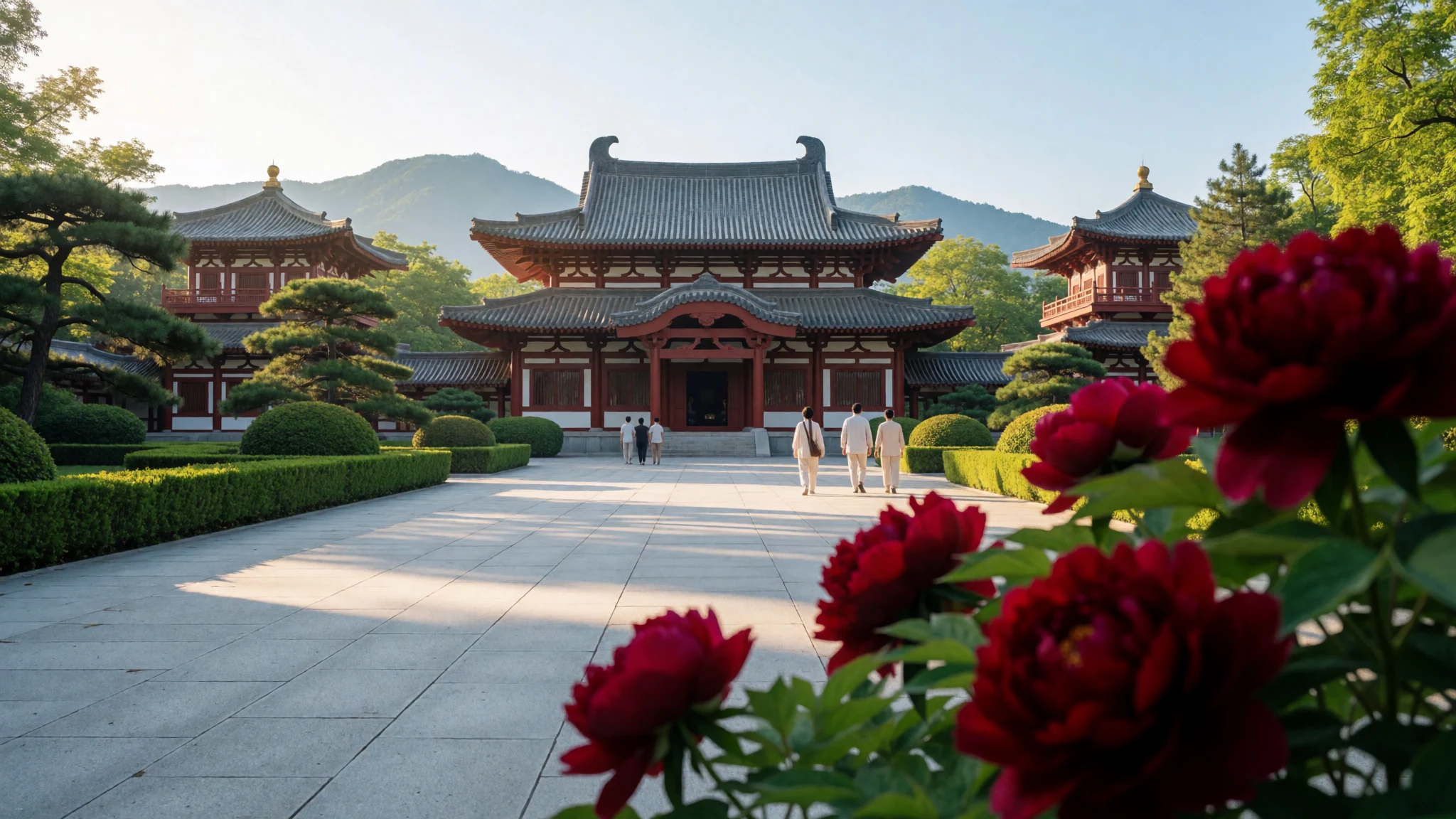
Visit for the intersection of geothermal luxury, Tang dynasty romance, and the high-stakes political drama of the 20th century.
The place
Huaqing Pool, also known as Huaqing Palace, is a sprawling complex of imperial gardens and geothermal springs tucked away at the northern foot of Mount Li. Located about 25 kilometres east of the city centre of Xi'an, the site offers a serene escape from the urban rush, though it is a major destination that draws significant crowds. The experience is defined by the contrast between the steaming, mineral-rich waters and the meticulously groomed gardens that surround them. Walking through the grounds, one feels the weight of centuries of imperial preference; this was not just a bath, but a sanctuary for the most powerful figures in Chinese history. The layout is designed to evoke the grandeur of the Tang dynasty, with ornate pavilions and sweeping courtyards that frame the natural springs. Visitors often find the heat of the Shaanxi summer oppressive here, as the open courtyards offer little shade, making the morning hours the most pleasant time to explore. While much of the current architecture is a reconstruction of former glories, the springs themselves are timeless, providing a physical link to the ancient rulers who sought solace in these waters. The cost of entry is standard for a major national attraction, and the site is well-maintained, though the sheer volume of tour groups can occasionally dampen the tranquil atmosphere the gardens strive to create.
Its story
The story of Huaqing Pool is as deep as its geothermal vents, stretching back nearly three millennia. It began as a site of luxury for the Zhou dynasty, later expanded by the first emperor of the Qin and the rulers of the Han. However, the site is most romantically tied to the Tang dynasty. Here, Emperor Xuanzong spent lavishly to create a palace of pleasure, and it was in these waters that he conducted his legendary romance with his consort, Yang Guifei. This affair became the stuff of epic poetry, most notably in the works of Bai Juyi, who described the pale skin of the consort being washed by the smooth spring waters. This era of decadence ended abruptly during the An Lushan Rebellion, which left the palace in ruins and the romance in tragedy. Fast forward to the modern era, and the pool transitioned from a place of love to a place of political upheaval. In 1936, the site became the setting for the Xi'an Incident. In a dramatic turn of events, General Chiang Kai-shek was detained by his own generals at the palace, a move that forced a fragile alliance between the Nationalists and the Communists to fight against the invasion of Imperial Japan. From imperial bathing to revolutionary kidnapping, the grounds of Huaqing Pool have witnessed the turning points of Chinese civilisation, making it a place where geology and geopolitics collide.
What to see
- The Imperial Hot Springs — Central Garden Area
The heart of Huaqing Pool, these steaming geothermal pools are where emperors once bathed. The mineral-rich water is clear and warm, surrounded by carefully manicured greenery and stone walkways that allow you to appreciate the natural heat of the earth.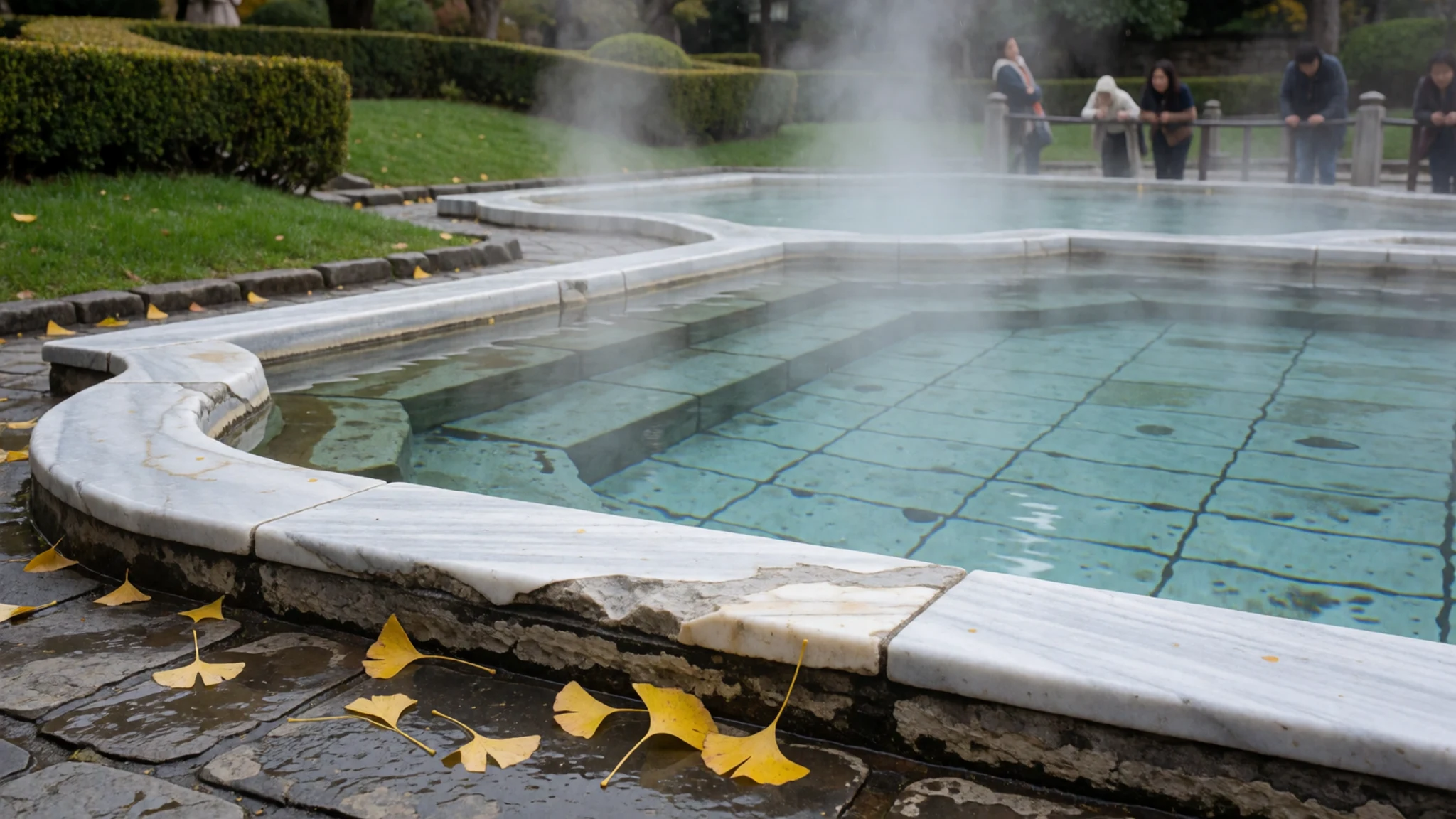
- Yang Guifei's Bathing Area — Southern Palace Section
A focused area dedicated to the Tang dynasty consort. It features evocative statues and reconstructions of the baths used by Yang Guifei, providing a romanticised glimpse into the luxurious life of the imperial court and the poetry inspired by it.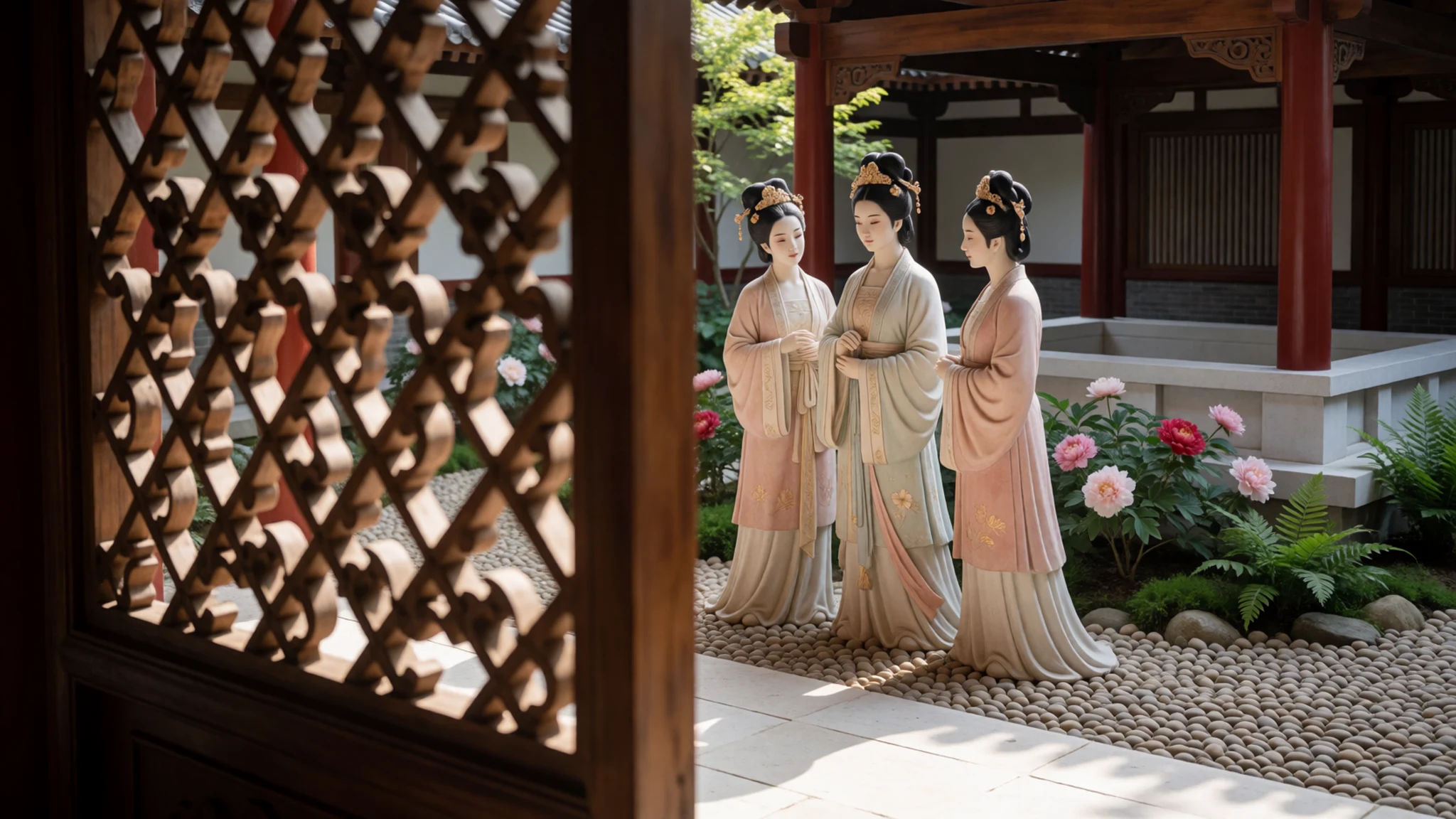
- Mount Li Foothills — Northern Perimeter
The backdrop to the entire complex, these hills provide a dramatic natural frame to the palace. Walking the lower slopes offers a different perspective of the springs and a sense of the strategic isolation the emperors desired.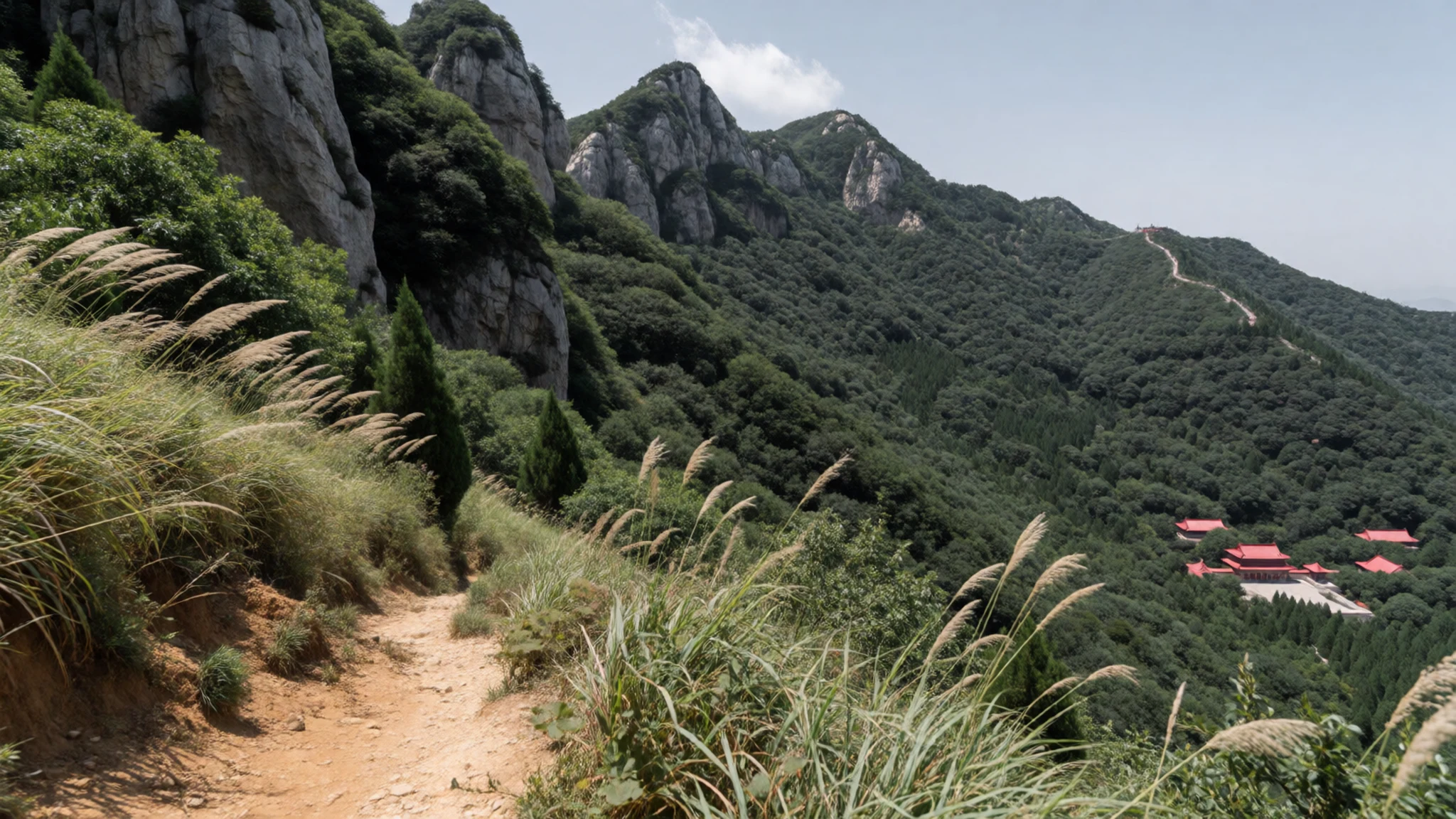
- Xi'an Incident Memorial — Palace Courtyards
A sobering contrast to the romantic gardens, this area commemorates the 1936 kidnapping of Chiang Kai-shek. It includes exhibits and markers that explain the political tension and the subsequent shift in China's fight against Imperial Japan.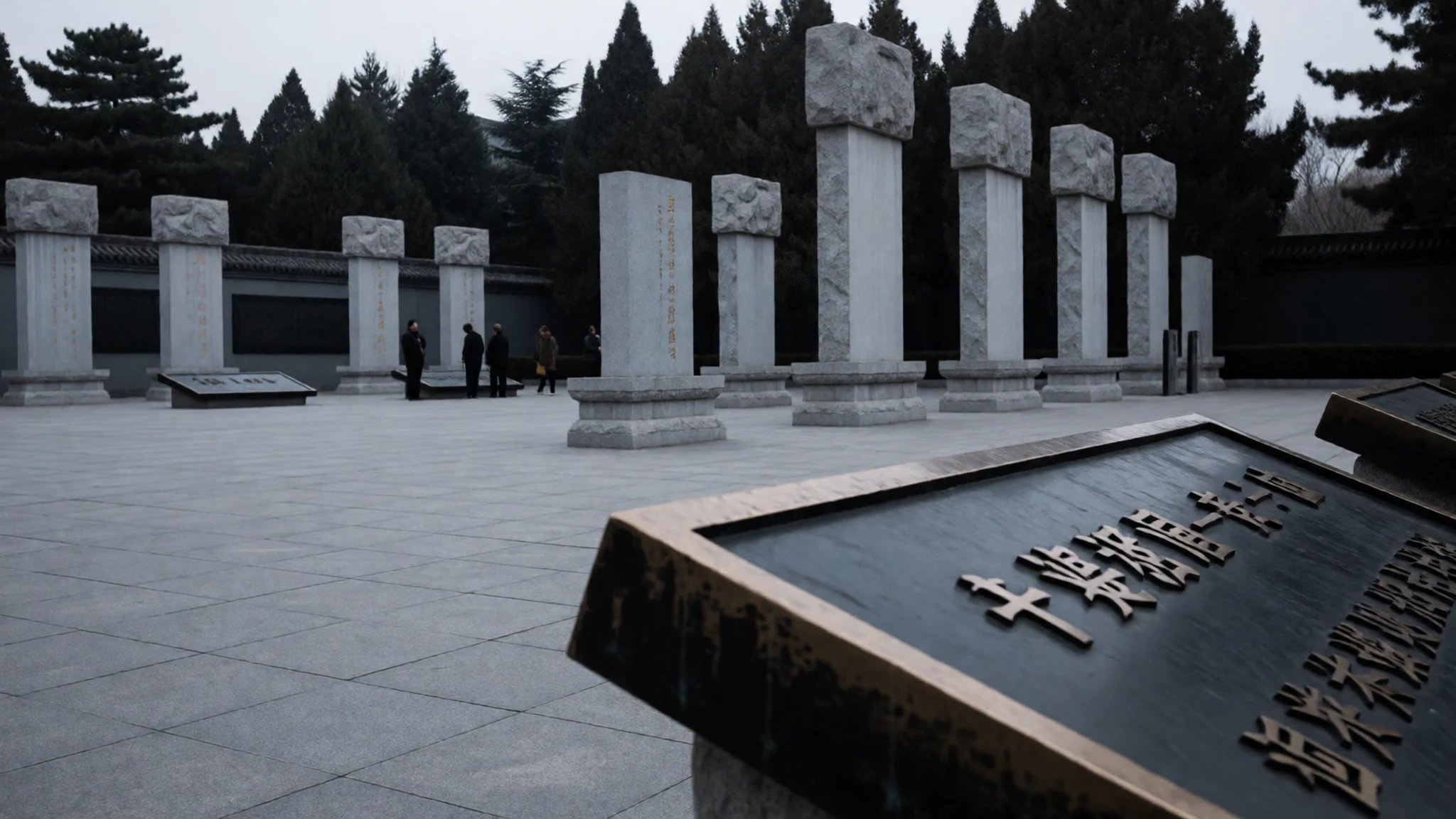
- The Tang Dynasty Pavilions — Central Axis
Ornate structures with sweeping eaves and intricate woodwork that recreate the architectural style of the Tang era. These buildings house galleries and offer shaded resting spots while you admire the symmetry of the imperial layout.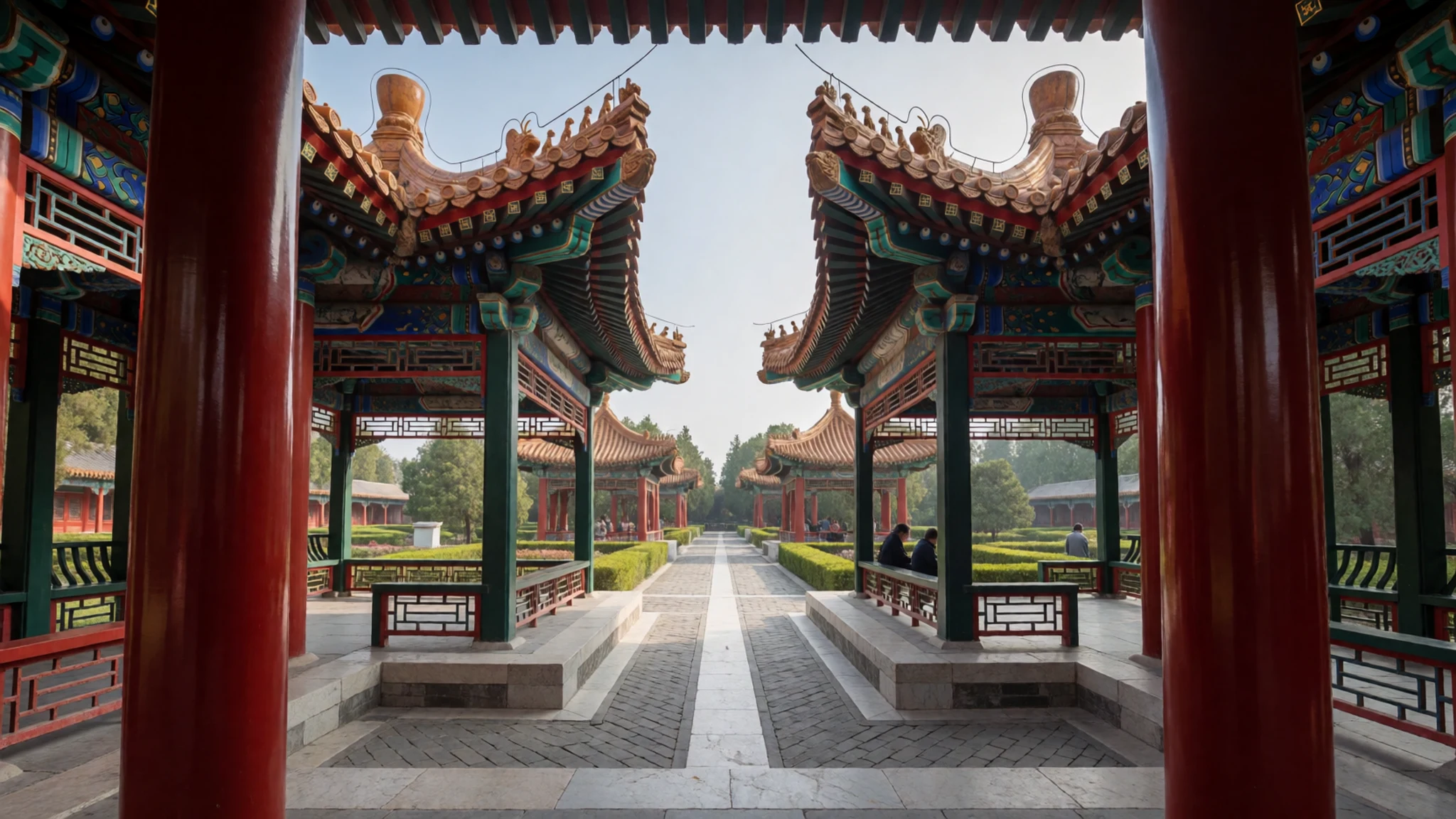
- The Lotus Pond — Eastern Gardens
A tranquil water feature that complements the hot springs. During the summer, the blooming lotus flowers provide a burst of colour and a quiet spot for reflection away from the main tourist thoroughfares.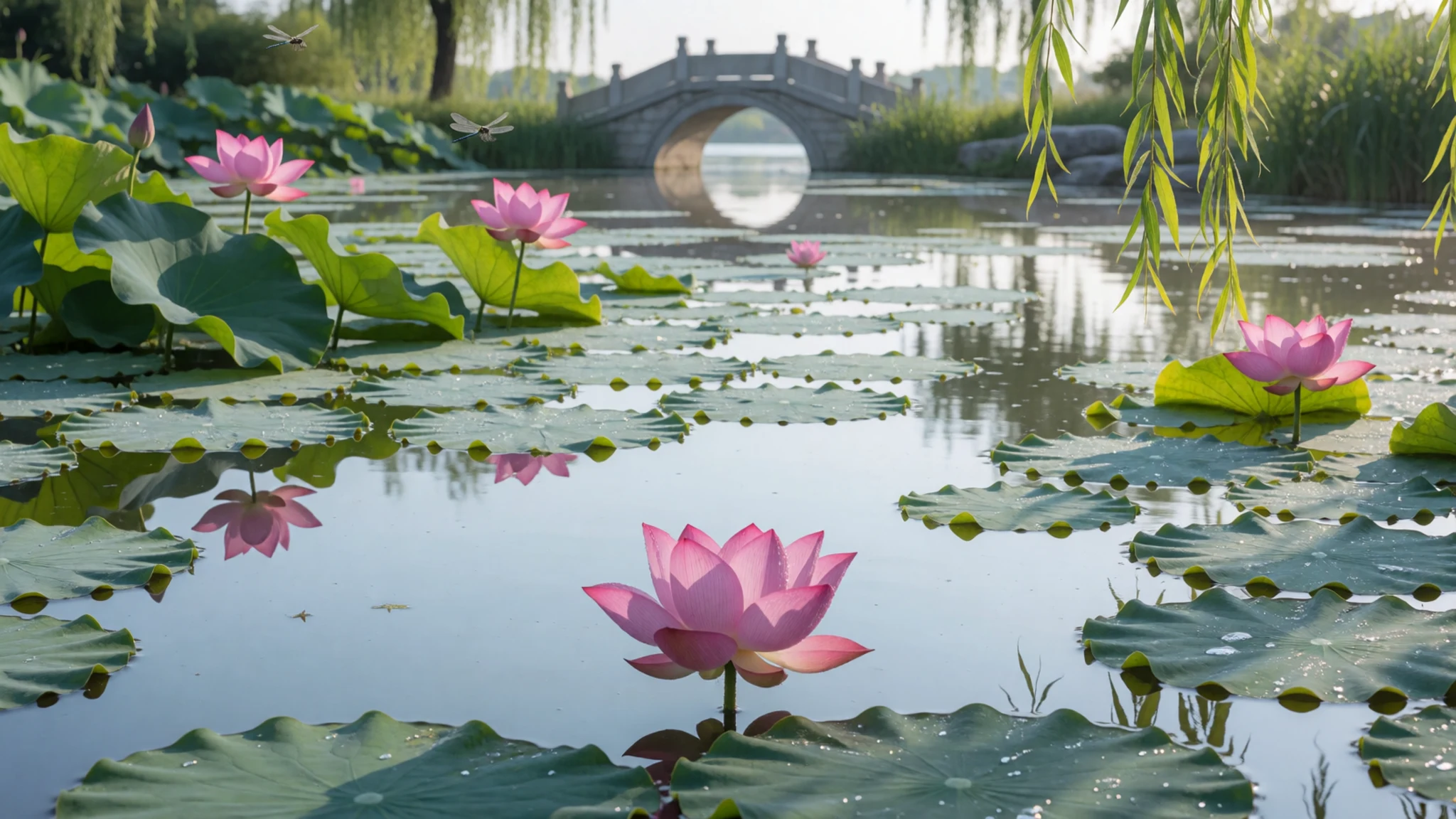
Culture
The culture surrounding Huaqing Pool is a blend of imperial nostalgia and national pride. In China, the site is viewed not just as a tourist attraction, but as a symbol of the Tang dynasty's cultural peak—an era of openness, art, and extreme luxury. There is a deep respect for the poetry and calligraphy associated with the site, and you will often see locals reciting verses near the pools. The contrast between the 'soft' history of the romance and the 'hard' history of the 1936 political crisis reflects the complexity of the Chinese identity, where beauty and struggle often coexist. Visitors will notice a strong emphasis on the 'correct' way to view the site, with guided tours often highlighting the moral lessons of the emperors' excesses. The atmosphere is generally respectful, though the crowds can make it feel more like a theme park than a sanctuary. When visiting, remember that this is a site of historical significance; please keep your voice low and avoid leaning on the ancient stone railings.
What to wear
Fashion at Huaqing Pool is a bridge between the ancient and the modern. Traditionally, the site is associated with the Tang dynasty's opulent dress—flowing silk robes, wide sleeves, and intricate embroidery made from heavy brocades and fine satins. These garments were designed to signal status and grace, echoing the fluidity of the hot springs. Today, you will see many visitors, especially young women, wearing 'Hanfu' (traditional Han clothing) for photoshoots, bringing the Tang aesthetic back to life in the gardens. However, the vast majority of people wear practical, modern attire: lightweight trousers, breathable t-shirts, and comfortable sneakers for the extensive walking. For a visitor, the key is versatility. Shaanxi weather can be unpredictable; bring a light jacket for the spring or autumn and a wide-brimmed hat for the summer. Since the terrain consists of stone plazas and gravel paths, supportive footwear is essential. While there are no strict religious modesty codes, dressing neatly is appreciated in these imperial grounds.
What to eat
- Yangrou Paomo — Traditional restaurants in the city centre
A hearty mutton stew where you manually break flatbread into small pieces before it is simmered in a rich, savory broth. Best found at established eateries like Lao Sun Jia.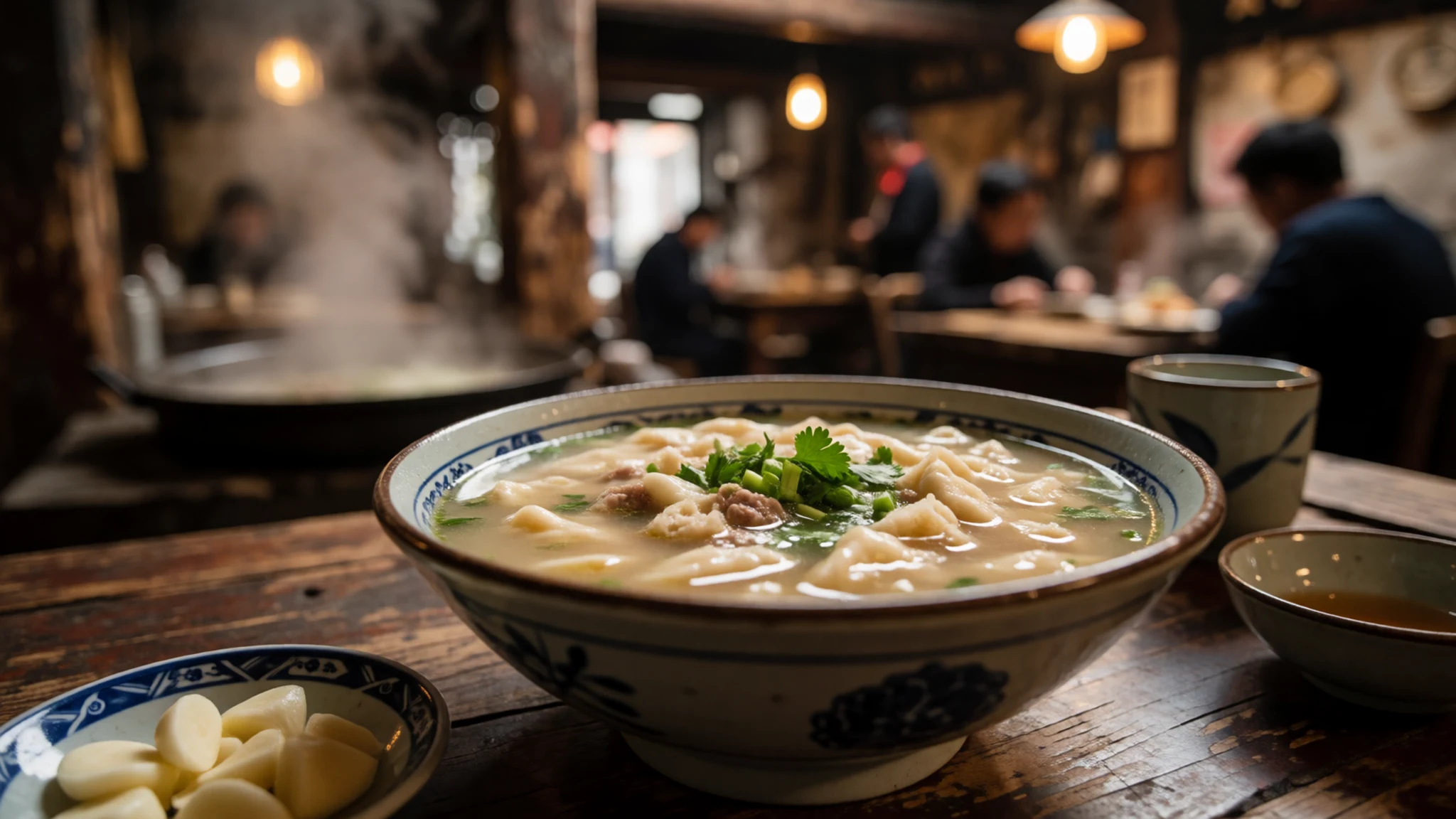
- Hand-pulled Noodles — Local noodle shops across Xi'an
Thick, chewy wheat noodles stretched by hand and served with various meats and vegetables in a pungent broth. Look for these at local shops like Liuxiang Noodle Restaurant.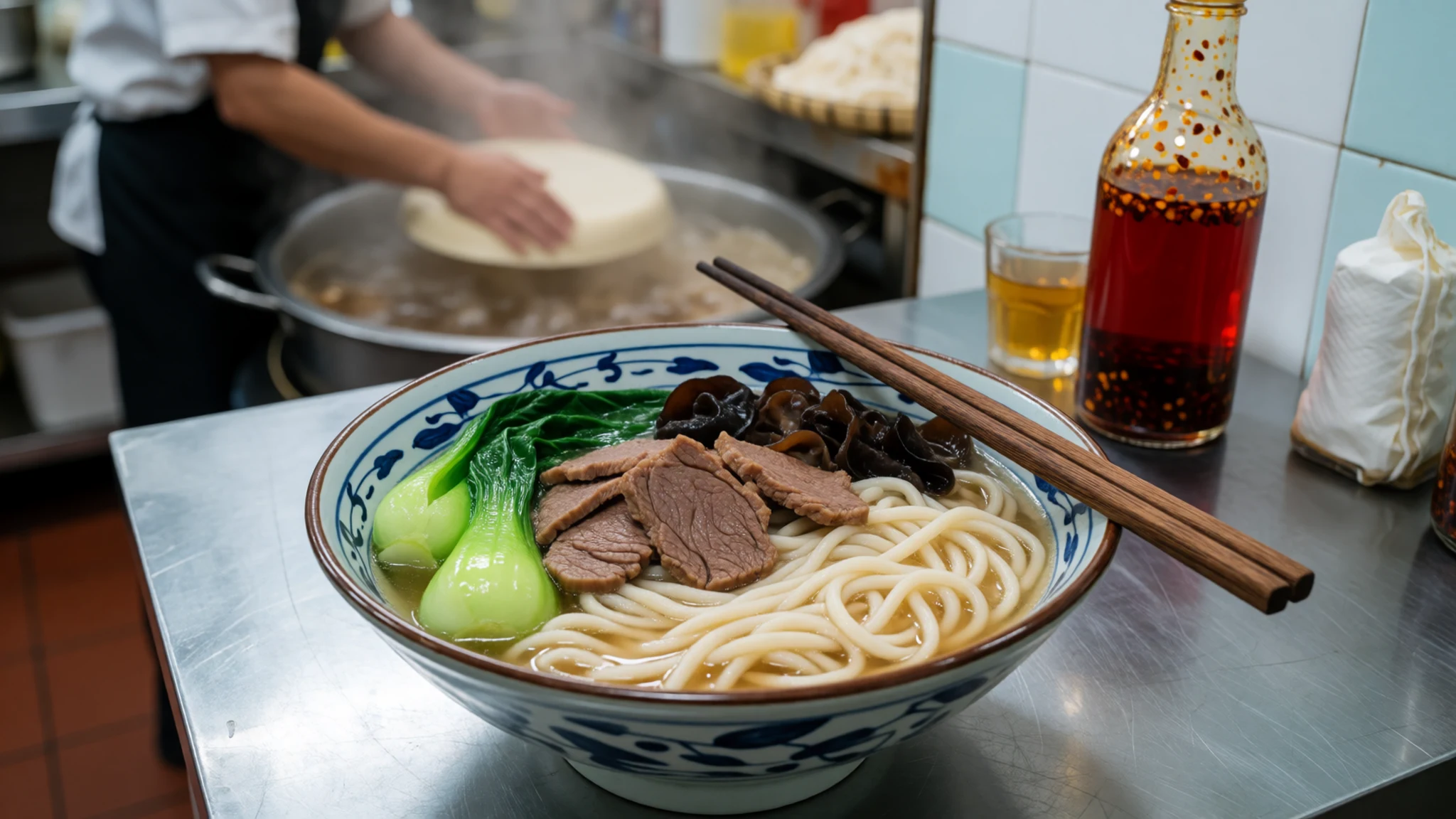
- Jiaozi — Specialised dumpling houses
Classic Chinese dumplings with various meat or vegetable fillings, steamed or boiled. Wen Xin Jiaozi Guan is a popular spot for these simple, fresh treats. - Guotie and Baozi — Small local eateries and side streets
Pan-fried potstickers and fluffy steamed buns with secret-recipe fillings, providing a perfect savory snack. Try these at small, family-run spots like Li Ming's. - Night Market Snacks — Yong Xing Fang or Nanliu Alley night markets
A dizzying array of grilled meats, spicy tofu, and sweet desserts served on skewers or in bowls. The energy is electric at the Yong Xing Fang market.
Plan it
Best time. March–April for blossoms and milder weather, or October–November for the autumn colours; avoid the humid heat of August.
How long. 1
Getting there. Fly into Xi'an, then take a taxi or the airport bus to the city centre; from there, a taxi or private car is the easiest way to reach the pool, located about 25 kilometres east of the city.
Budget. mid
Tips
- Arrive as early as possible to beat the massive tour groups
- Carry a bottle of water as the garden walks can be long and hot
- Bring a portable power bank for your phone since you'll be taking many photos
- Use a reputable taxi app or official airport transport to avoid illegal touts
- Check the official site for any temporary closures of specific pavilions
Etiquette
- Avoid shouting or playing loud music in the garden areas
- Do not step over the ropes or enter restricted bathing areas
- Respect the queues at the entry gates and museum exhibits
Nearby
Sources
- Wikidata Q4133842 (CC0)
- Wikipedia (CC BY-SA 4.0)
- Wikivoyage (CC BY-SA 4.0)