Homer
Homer, United States
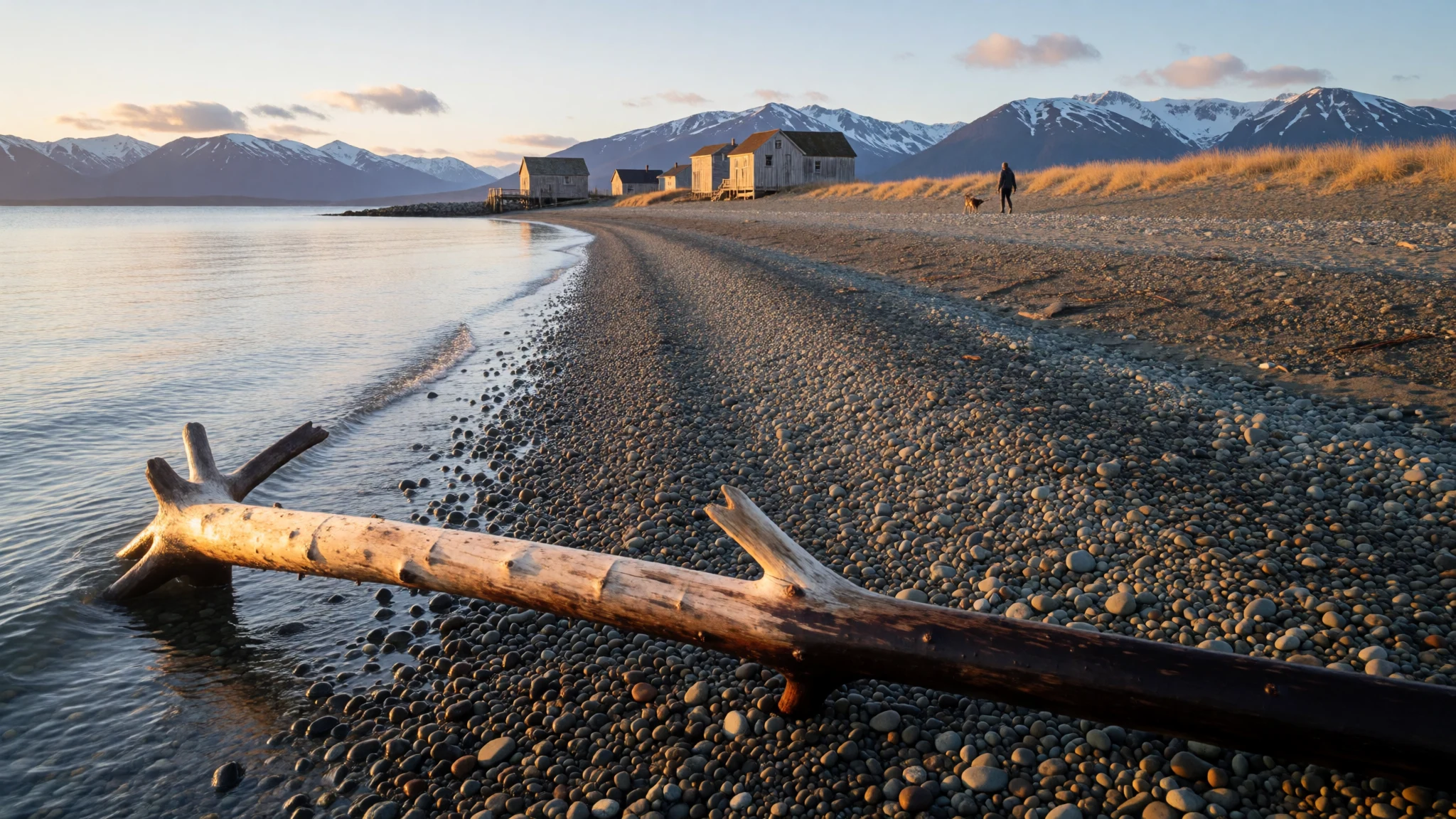
Homer is an Alaskan fishing town at the end of the road, where a gravel spit runs out into a bay ringed by mountains.
The place
Homer sits on the northern shore of Kachemak Bay, on the south-western side of the Kenai Peninsula in Alaska, and had a population of 5,522 at the last count. Its Dena'ina name is Tuggeght. The town is a mix of fishing boats, galleries, bakeries and weathered wooden buildings, and the Sterling Highway is the only road in, which is why Homer calls itself the end of the road. Its defining feature is the Homer Spit, a narrow gravel bar that reaches far out across the bay and carries the harbour, seafood shacks, campsites and charter offices. On clear days the far side of the water is a wall of mountains and glaciers. The older streets and downtown sit behind a tidal slough, with views over the bay from the bluffs above. The town stands only 29 metres above sea level, so the weather comes straight off the water. The climate is gentler than the latitude suggests. Winters are long and snowy but not fiercely cold, with January highs just under freezing, and snow falls mainly between November and March. Summers are mild rather than hot, and the evenings stay light late. Homer built its name on halibut, and sport fishing, commercial boats and tourism still drive the economy. Summer brings a busy harbour and full campsites. Outside the season the town is quieter, more local and often wet and windy, and many Spit businesses shut for the winter.
Its story
Archaeological digs suggest that Alutiiq people camped around the Homer area, including on the Spit, although their villages lay across Kachemak Bay. People have lived in the wider region for thousands of years. The modern town grew from industry. Coal was found here late in the nineteenth century, and a company built a dock, a mine, a railway and a small town to move it. Coal remained the backbone of the local economy until the Second World War. Homer takes its name from Homer Pennock, a promoter for a gold-mining company, who arrived on the Spit in the final years of that century and put up living quarters for his crew. The gold never paid, but the name stuck. Another early settlement, Miller's Landing, began with Charles Miller, a homesteader and railway employee who wintered company horses on the beach grasses and built a landing where supply barges from Seldovia could unload. It was a separate place on paper until the city absorbed it early this century, though locals always counted it as Homer. The great shock came in March 1964, when the Good Friday earthquake dropped much of the coastline and the Spit. Little vegetation survived on the Spit afterwards, and the city itself dates to that year. Commercial fishing took hold in the early twentieth century, and today halibut and salmon, both sport and commercial, plus tourism, carry the town. Homer has also co-hosted the Arctic Winter Games.
What to see
- Homer Spit — Into Kachemak Bay, south of town
The Spit is a gravel bar thrust into the bay, lined with the harbour, fish shacks, camping and boat charters. It is open all year, but many shops near the far end close in mid September and return in spring, so check ahead in the off-season.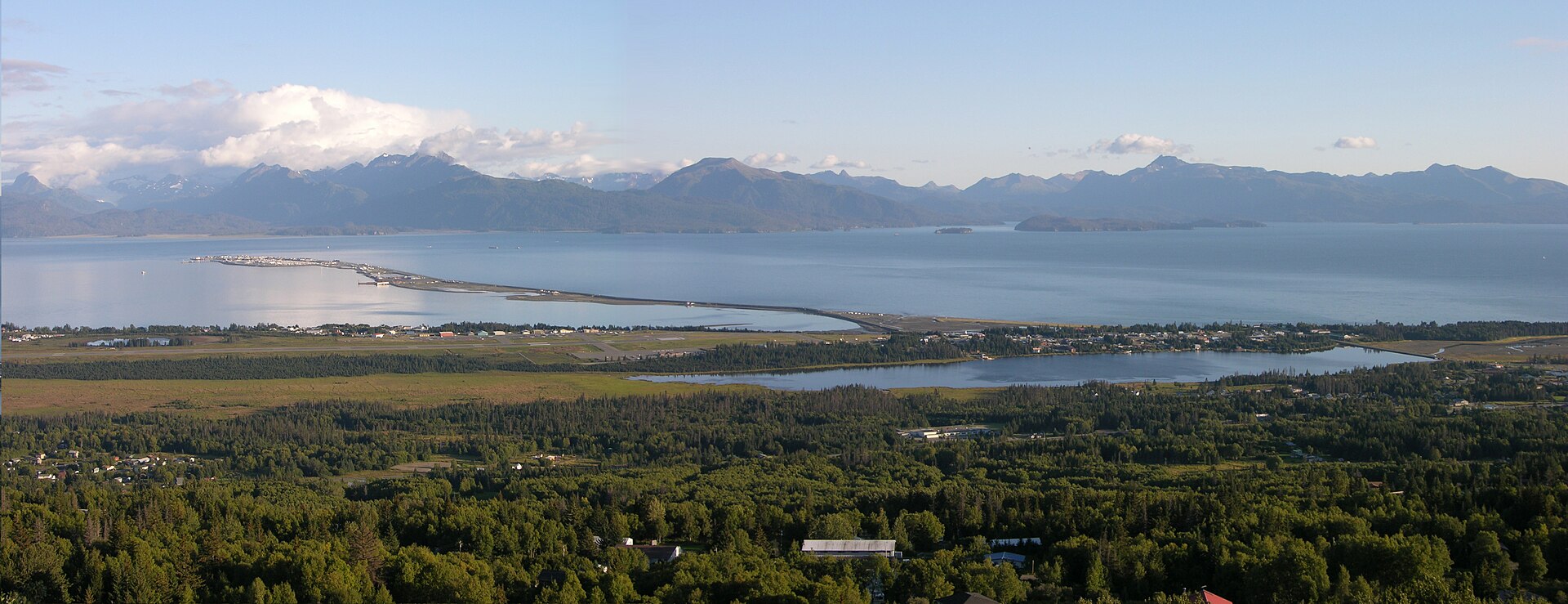
- Skyline Drive — Hillside above town
This road along the ridge above town gives a view down onto the Spit and across the bay, and it is where many postcard photographs are taken. Drive up East Hill Road, turn left onto Skyline Drive and stop at the signed viewpoint pull-out. It is open all year, and clear mornings and evenings suit the light. - Homestead Trail — Trailhead on Roger's Loop Road
A network of walking paths that lets visitors see Homer's backcountry without first boarding a boat or a small plane. From the trailhead there are several short loops, plus a longer climb for wider views. Wear waterproofs, watch for muddy sections and carry water on any longer route.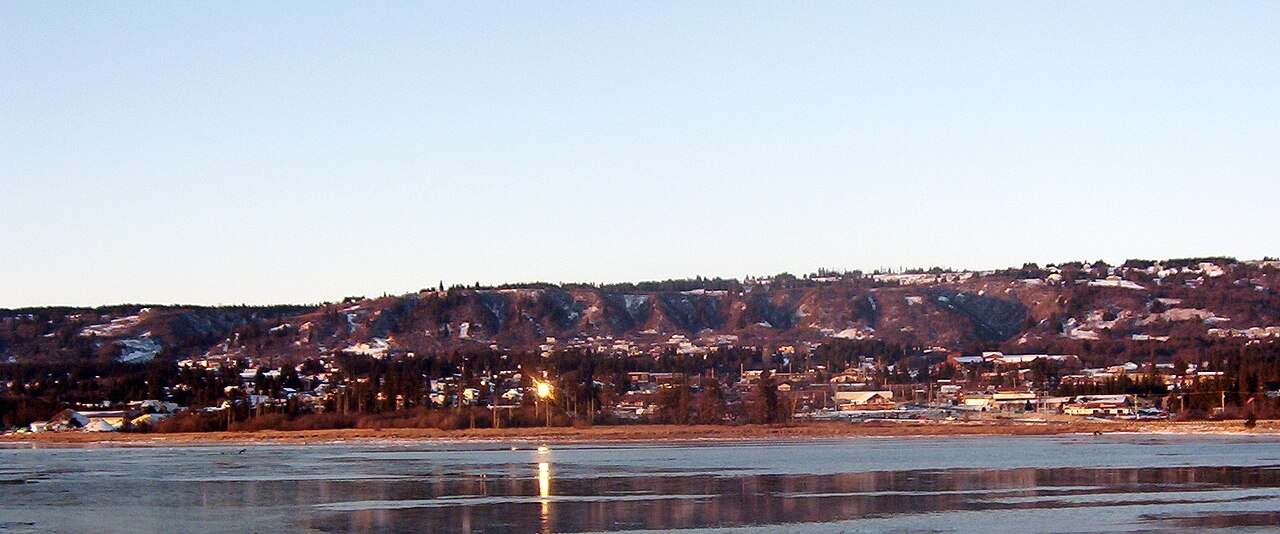
- Pratt Museum — Near the town centre
The Pratt is a natural history museum for the Kenai Peninsula and a good first stop on a wet day. Indoor exhibits cover art, natural history, Native cultures, homesteading, fishing and marine ecology. It helps put the boats and bay outside into context. Check the official site for opening times. - Trails End Horse Adventures — Hills north-east of town
A horseback ride down the switchbacks of the hillside, led by a local guide with his dog. It is a slower, quieter way to take in the bay and its mountains than the harbour. Book ahead through the operator, and ask about sizes and any weather cancellations.
Culture
Homer's culture is shaped by water, work and the people who chose to settle at the end of the road. The Dena'ina and Alutiiq peoples knew this coast long before the coal miners and homesteaders came, and Native heritage is part of the story told at the local museum. The settlers who followed were miners, railway workers and homesteaders, and their self-reliant streak survives in a town that likes its handmade goods, its folk music, its small galleries and its sense of humour. Fishing sets the calendar. Boats leave early, catches are cleaned on the docks, and conversation on the Spit tends to revolve around tides, weather and what is running. Art, writing and craft have a long local following, and bakeries, bookshops and studios cluster in the older streets. The community is small, with a population of 5,522, so visitors are noticed and a friendly greeting is normal. Nicknames reflect the town's character: the end of the road, and a capital of halibut fishing. Daily life depends on the sea, so respect for the water, the wildlife and working boats is part of local manners. Bears and moose share the area, and residents take wildlife safety seriously. Evenings in summer are social and outdoors, and winters turn the town inward and quiet. On the Spit, ask before photographing people at work, and keep clear of fishing gear, cleaning tables and boat ramps, where working crews have priority.
What to wear
Traditional Alaska Native dress around Kachemak Bay, among the Dena'ina and Alutiiq, was historically made from animal skins, fur and sometimes fish skin, sewn for warmth and protection against rain and sea spray, and decorated with beadwork and carefully chosen trims. Such clothing is now mostly seen at cultural events, in museums and in the work of local artists. The garment most visitors will see in everyday life is the kuspuk, a loose pullover with a hood or collar, often in bright cotton prints, worn by many Alaskans at celebrations and at work. Day to day, people in Homer dress for weather and work: waterproof jackets, fleece, wool hats, sturdy boots and, around the harbour, rubber boots known as Xtratufs. Clothes are practical, often worn in, and rarely formal, even for a nice evening meal. A visitor should pack in layers. Summer is mild but changeable, and wind off the bay makes the Spit feel cooler than the town. Bring a proper waterproof jacket, a warm mid-layer, a hat and light gloves even in summer. Winter needs insulated boots, a heavy coat and traction for icy paths. Sturdy, grippy footwear suits trails and wet docks. There is no particular dress code at religious or cultural sites, though modest, practical clothing is always welcome. Sunglasses and sun protection are worth carrying on clear days.
What to eat
- Fresh halibut — Fish-and-chip counters and seafood shacks along the Spit boardwalk
Halibut is the fish Homer is known for, usually served fried in batter with chips or grilled. The boardwalk shacks serve it quickly and simply, often to be eaten outdoors by the water. Some places also sell fish on a stick. - Wood-fired pizza — Pizza restaurants in town and on the Spit, some with water views
Wood-fired pizza is a local favourite, with hand-shaped bases and toppings that sometimes include local seafood. Several places also pour local beer, and a few sell enormous single slices, making this an easy, filling meal after a day outside. - Alaskan seafood chowder and salmon — Harbour-side restaurants and seafood counters
Salmon, grilled or smoked, and creamy seafood chowder are staples at the harbour. They are the sort of dishes that suit the climate, hot and filling after a cold, windy day. Ask what has been landed recently. - Bakery breakfasts and pastries — Neighbourhood bakeries in the town centre
Homer's bakeries offer breakfast, lunch and baked goods, which matters in a town where not every place serves breakfast. Look for fresh bread, sweet rolls and pastries, ideal for packing before a hike or boat trip. - Pork larb and Thai dishes — Small Asian eateries in the main part of town
Alongside seafood, Homer has a small scene of Thai and Vietnamese cooking. Pork larb, a minced meat salad with herbs and lime, has a good local reputation, and noodle soups make a warming option in cooler weather.
Plan it
Best time. June to September is the main season, with mild weather and long evenings that suit fishing, boat trips and hiking. Winters are long and snowy, with snow mainly from November to March and January highs just below freezing, so the town is quieter and many Spit businesses close.
How long. 3–4
Getting there. Fly from Anchorage to Homer on a scheduled regional service, or drive south and west to the end of the Sterling Highway, the only road in. A regular van service links Anchorage and Homer, and the Alaska Marine Highway ferry also stops here. Cruise ships dock at the Deep Water Dock, with shuttles and taxis into town.
Budget. high
Tips
- Book accommodation well ahead for the summer season, as rooms and campsites fill early
- Check that Spit shops and restaurants are open if visiting outside summer, since many close for the winter
- Carry layers and a waterproof jacket in every month, because wind and rain arrive quickly off the bay
- Reserve fishing charters, boat trips and flights early, and confirm weather cancellation policies
- Check the official city website for local notices and updates before travelling
Etiquette
- Give working fishing crews, gear and boat ramps priority on the Spit
- Ask before photographing people, especially at work on the docks
- Keep a safe distance from bears and moose, and never feed wildlife
Nearby
Sources
- Wikidata Q79441 (CC0)
- Wikipedia: Homer, Alaska (rev 1384683015) (CC BY-SA 4.0)
- Wikivoyage: Homer (rev 5430170) (CC BY-SA 4.0)
- Photo: Downtown Homer from Beluga Slough (Beeblebrox) (CC BY 3.0)
- Photo: Location of Homer in Kenai Peninsula Borough (Fireop) (CC BY 4.0)
- Photo: Homer Alaska Spit Panorama (Derek Ramsey) (CC BY-SA 1.0)
- Photo: Landing Fields, Alaska, Homer through Hot Springs (NARA) (Public domain)
- Photo: Coal Point Park (Just Step Sideways) (CC BY-SA 4.0)
- Photo: Homer Brewing Company (Beeblebrox) (CC BY 3.0)
- Photo: Old town Homer from Beluga Slough (Beeblebrox) (CC BY 3.0)
- Photo: Kachemak Bay Campus (Beeblebrox) (CC BY 3.0)


Wildlife
- Brown bear (animal)
The brown bear is a big, shaggy bear with a coat from cream to deep brown and a muscly hump on its shoulders for digging. Bears share the Homer countryside with moose, so ask local people or a guide where and when sightings are likely. Residents take wildlife safety seriously, and you should too: watch from a long way off, keep quiet, go with a guide if you can, and never feed a bear.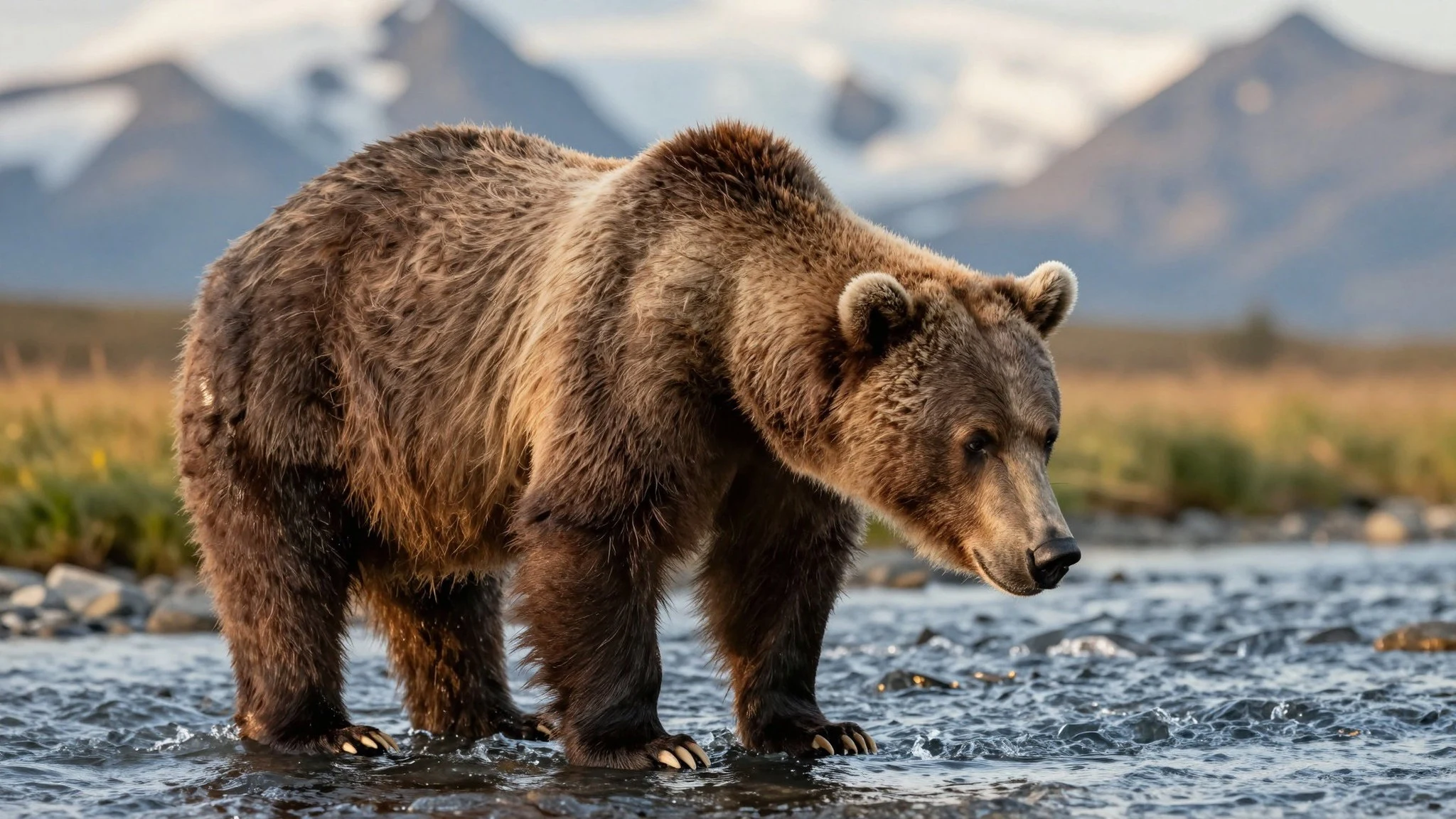
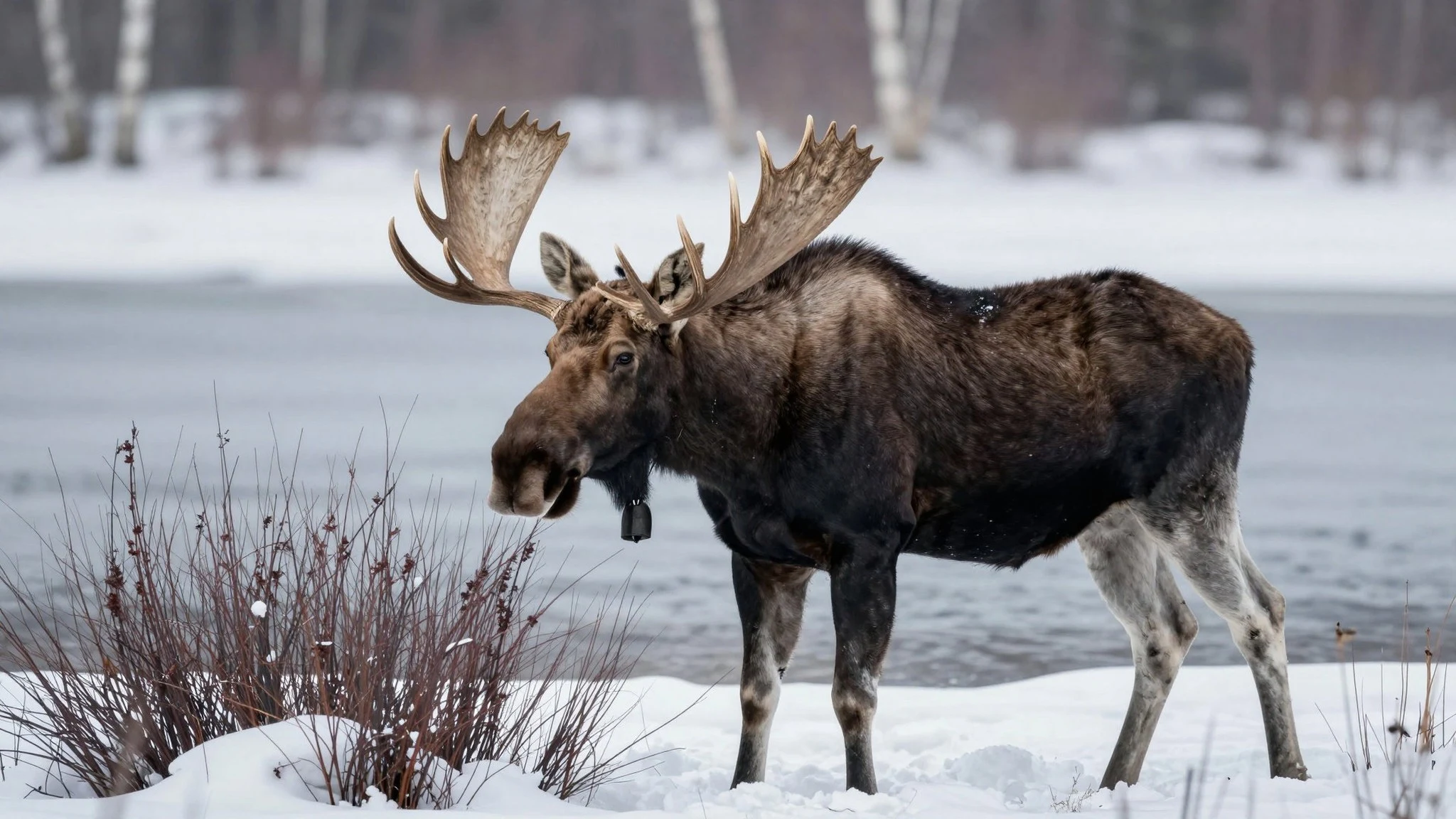
- Moose (animal)
The moose is the tallest, heaviest kind of deer, a gentle-looking giant whose males wear broad, flat antlers. It shares the Homer area with bears, so ask local people or a guide where and when one might appear. Residents take wildlife safety seriously, and you should too: keep a respectful distance, stay quiet and calm, go with a guide if possible, and never feed a moose, however placid it looks.