Hohhot
Hohhot, People's Republic of China
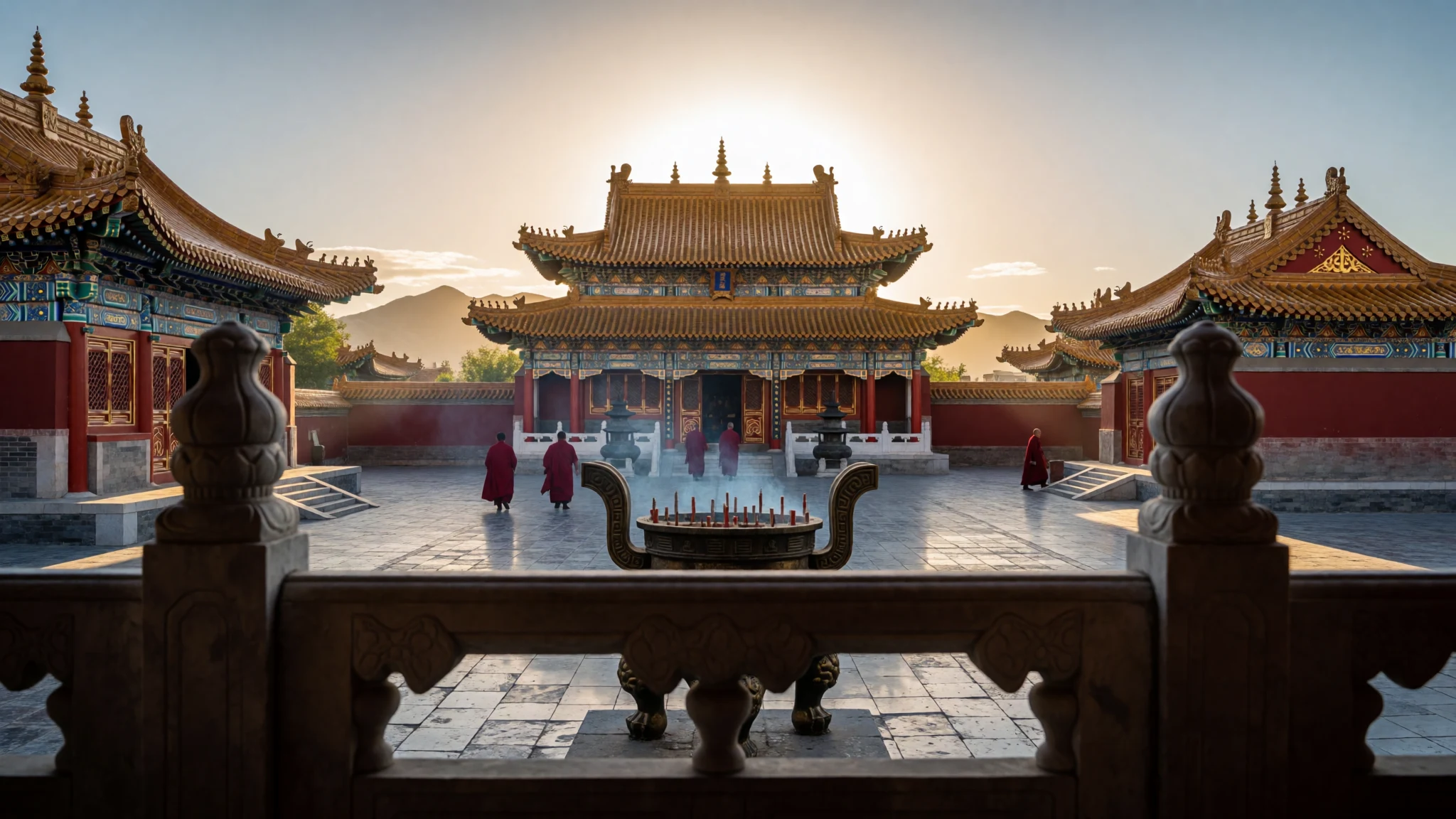
Experience a unique blend of Mongolian nomadic heritage and Chinese urbanity in the gateway to the great northern grasslands.
The place
Hohhot, the capital of Inner Mongolia, is a city of striking contrasts. Known as the 'Blue City' in Mongolian—a colour representing the eternal sky and purity—it sits at a crossroads of culture and geography. The city is cradled between the Daqing Shan mountains to the north and the Hetao Plateau to the south, creating a landscape where urban sprawl meets rugged highland terrain. With a population of about 3.4 million, it serves as the administrative and economic heart of the region, yet it retains a frontier spirit that distinguishes it from the coastal metropolises of eastern China.
The atmosphere here is shaped by its semi-arid climate. Winters are famously punishing—dry, biting, and long—while summers are somewhat humid and warm, though the spring is often defined by fierce, dust-laden winds. Walking through the city, one notices a bilingual environment; street signs and transport announcements appear in both Chinese and Mongolian, reflecting the region's autonomous status. It is a place where wide, modern boulevards coexist with traditional Buddhist monasteries and Islamic architecture, offering a glimpse into the diverse ethnic tapestry of the northern borderlands. For the traveller, Hohhot is less a destination for checklists and more a base for exploring the vast Mongolian steppes and the deep history of the Silk Road's northern reaches.
Its story
The story of Hohhot is inextricably linked to the tension and trade between settled agriculturalists and nomadic warriors. Long before the current city was founded in 1580, the area was part of the Yunzhong Commandery, a critical military frontier for the Han dynasty. This was a land of forts and cavalry, where Chinese generals launched campaigns against the Xiongnu to secure the northern borders. The region saw waves of migration and retreat, with populations fluctuating wildly as nomadic tribes pushed south and imperial armies pushed back.
Later, the area became a focal point for the Tuoba people, who established the Dai empire and later the state of Wei. The city's evolution reflects the broader history of Inner Mongolia, moving from a series of military outposts to a flourishing centre of trade and religion. The influence of Tibetan Buddhism grew significantly, leading to the construction of massive monasteries that served as both spiritual hubs and political power centres. This fusion of influences—Han Chinese administration, Mongolian nomadic leadership, and Tibetan spiritualism—created a unique social fabric. Over the centuries, the city transformed from a frontier garrison into a cosmopolitan hub, bridging the gap between the imperial courts of the south and the endless grasslands of the north.
What to see
- Da Zhao Temple
This Buddhist monastery is the city's oldest, established shortly before the city's formal founding. It is most famous for its precious silver statue of Sakyamuni Buddha, standing about 2.5 metres tall, and serves as a centre for spiritual practice and traditional Mongolian Buddhist art.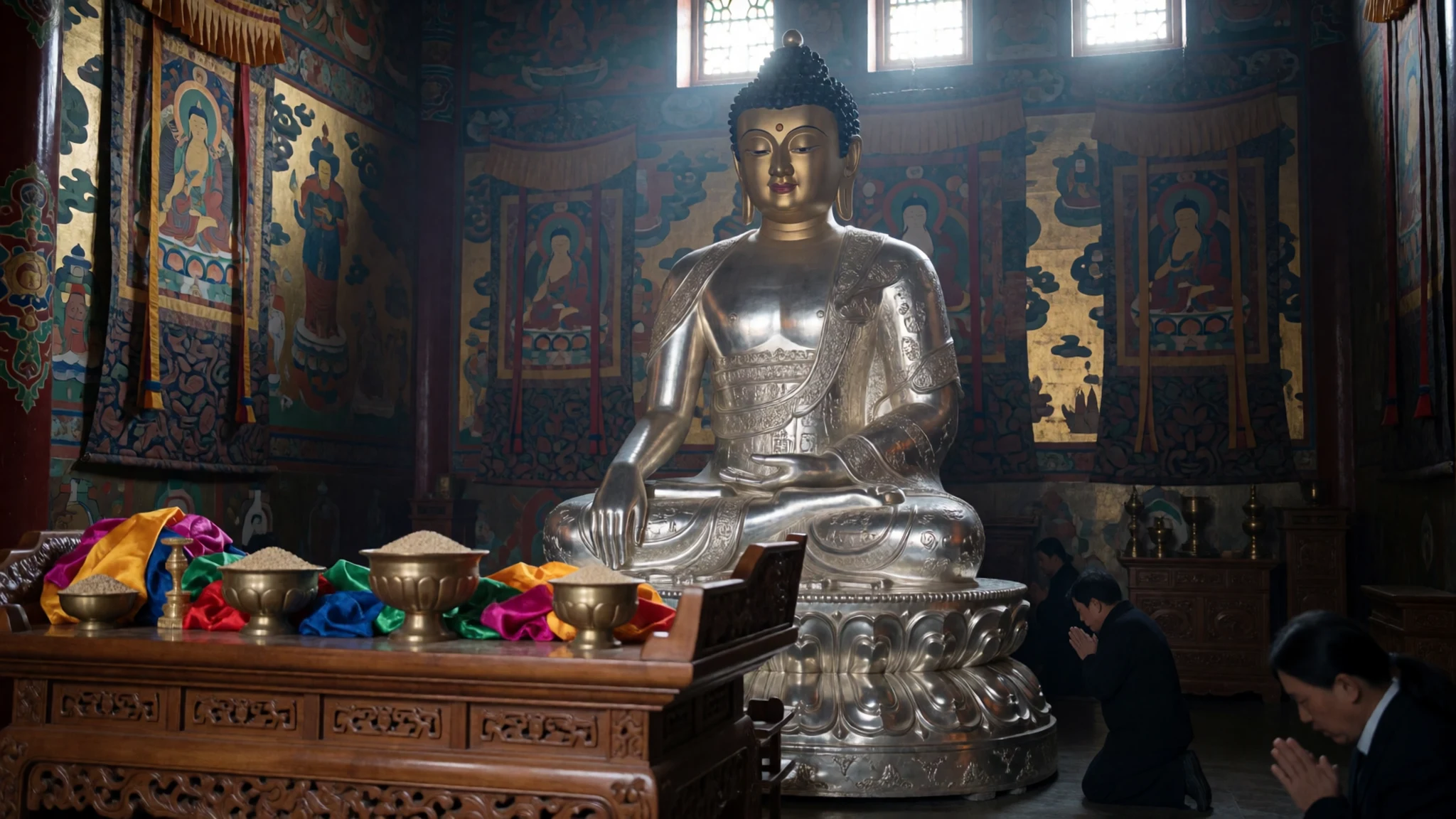
- Inner Mongolia Museum
A comprehensive institution covering the region's natural history from the Stone Age to the present. Visitors can explore exhibits on dinosaurs, minerals, and the nomadic lifestyle, as well as a section dedicated to the region's contributions to space exploration.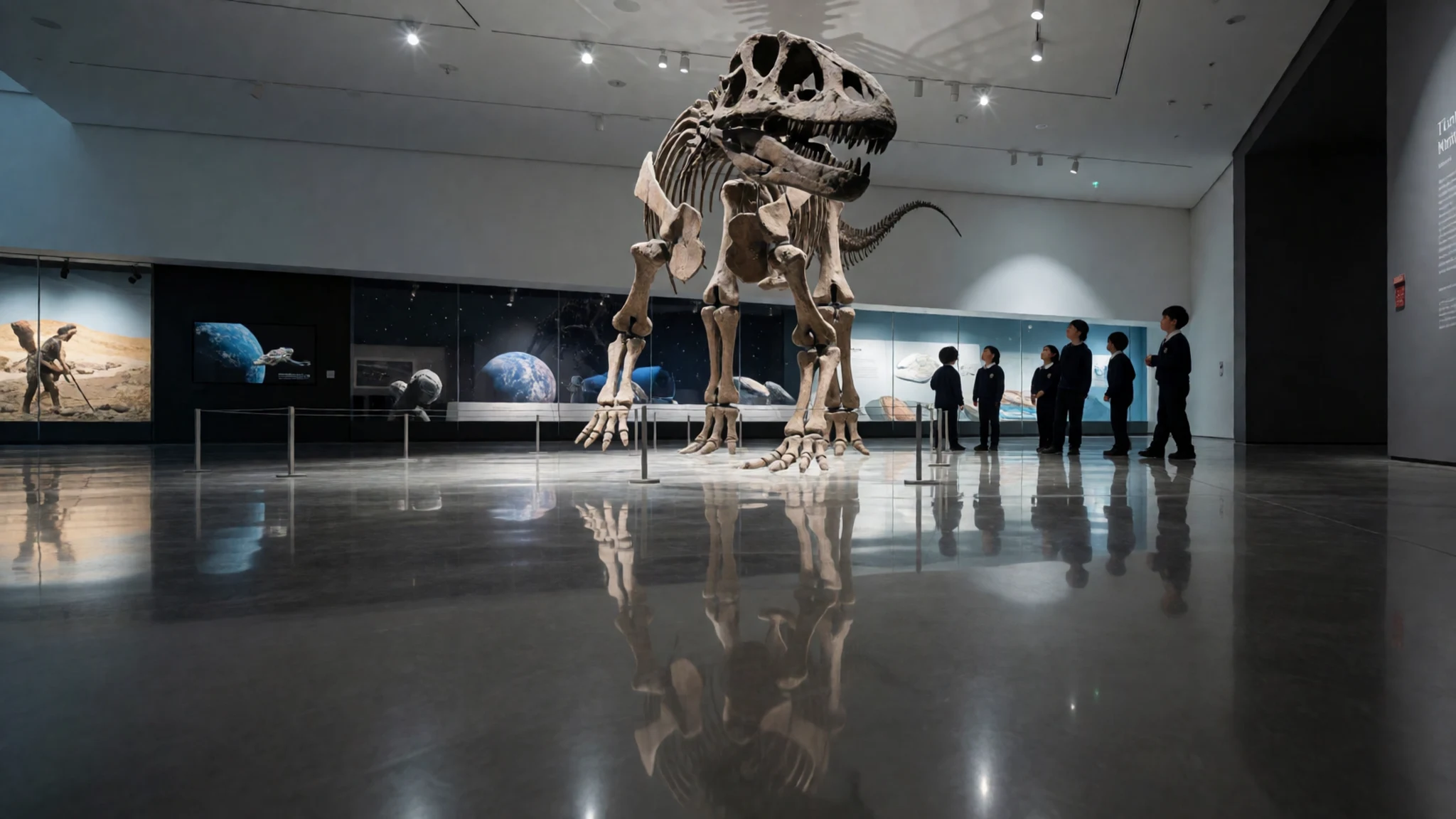
- Temple of the Five Pagodas
Built in an Indian style, this temple is renowned for its intricate interior. It houses 1,500 carved figures of Buddha and a fascinating engraved Mongolian star chart, blending astronomy with spiritual devotion in a unique architectural form.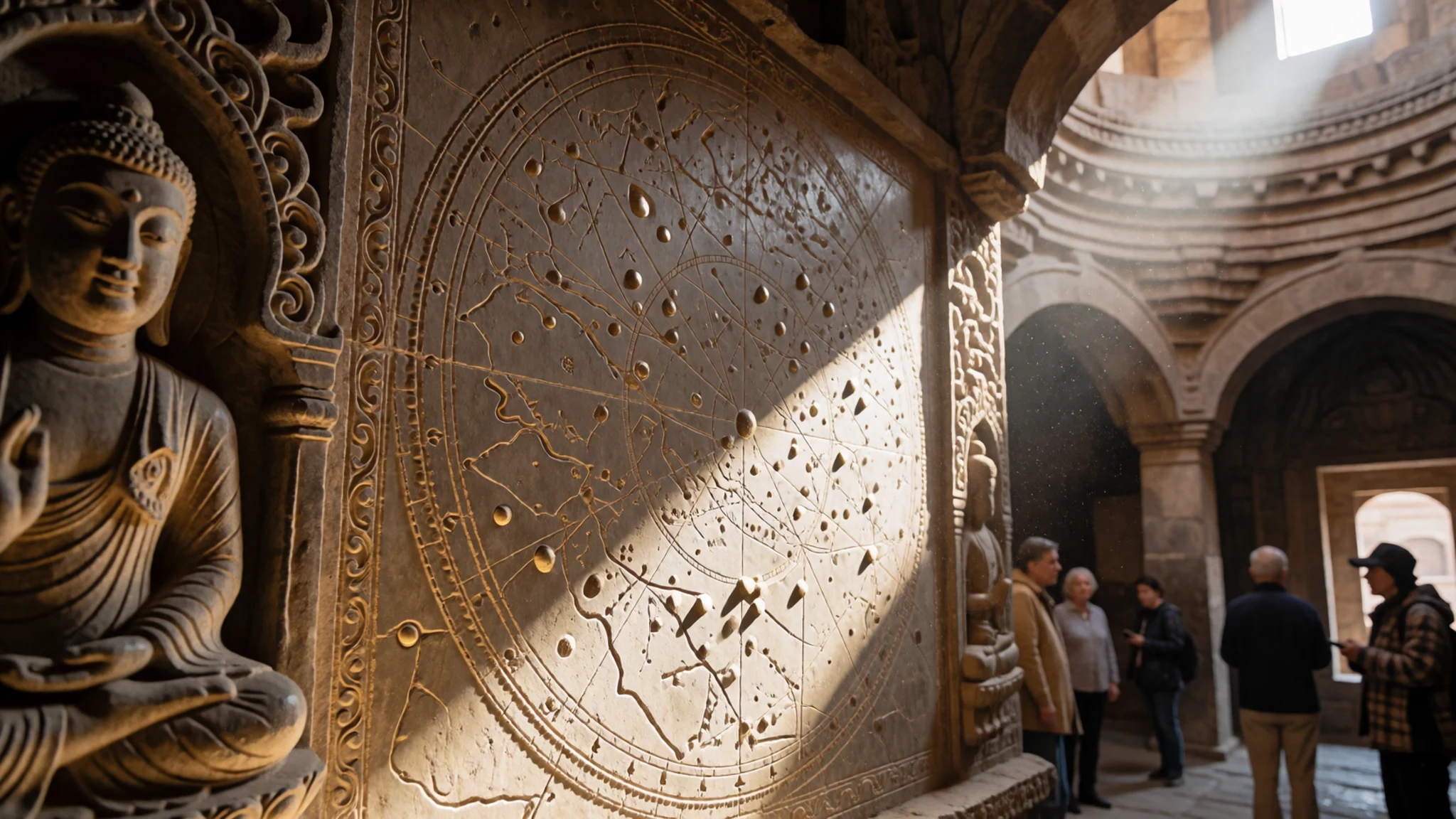
- Tomb of Princess Zhaojun
A site of great historical legend, this is the resting place of the Han princess who married a Xiongnu chief to foster peace. The site celebrates her diplomacy and the cultural exchange she facilitated between the two distant worlds.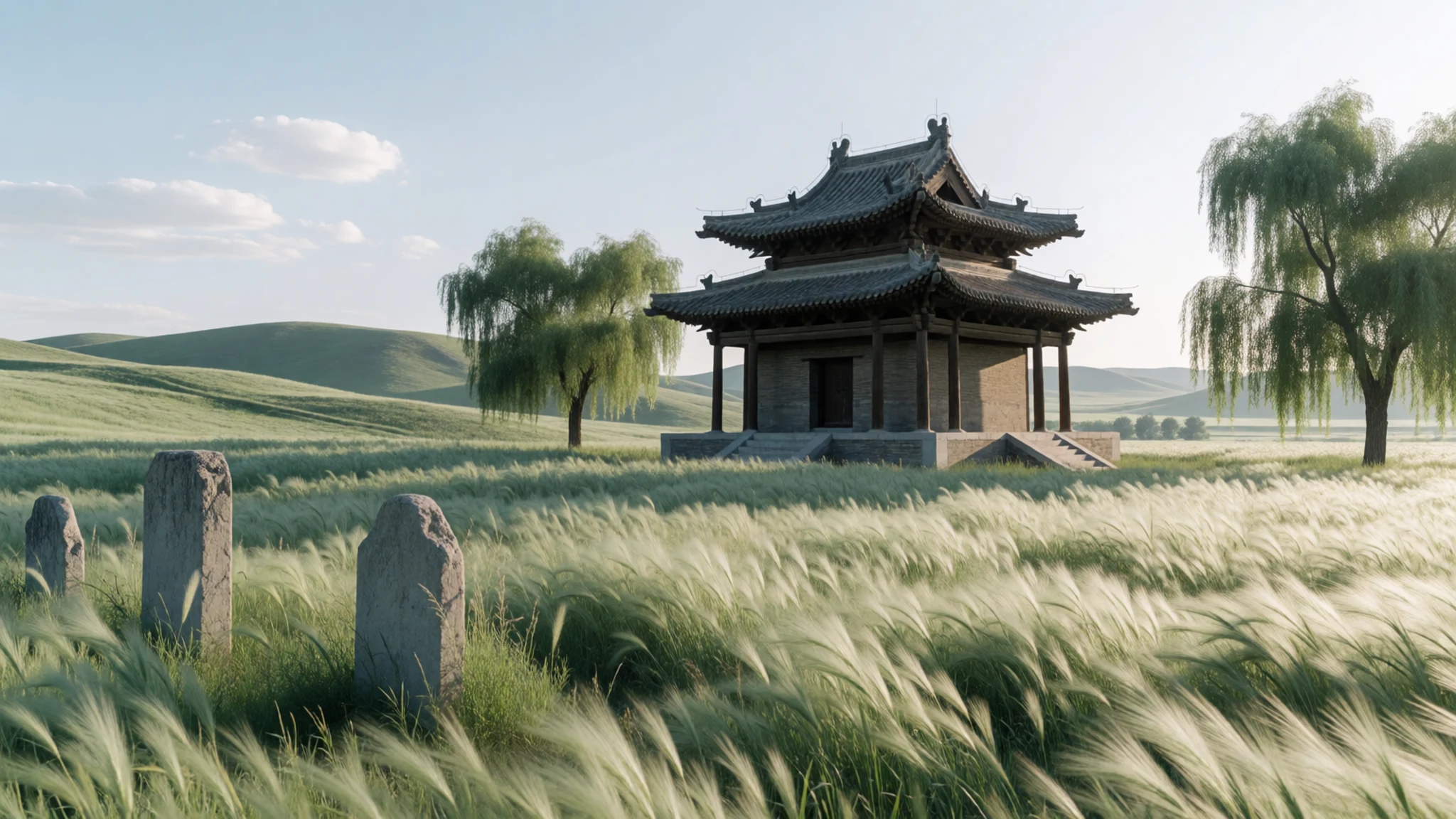
- Great Mosque of Hohhot
Established in the late 17th century, this is the city's largest mosque. It is built in a traditional Chinese architectural style, making it a visually striking example of how Islamic faith integrated with local aesthetics.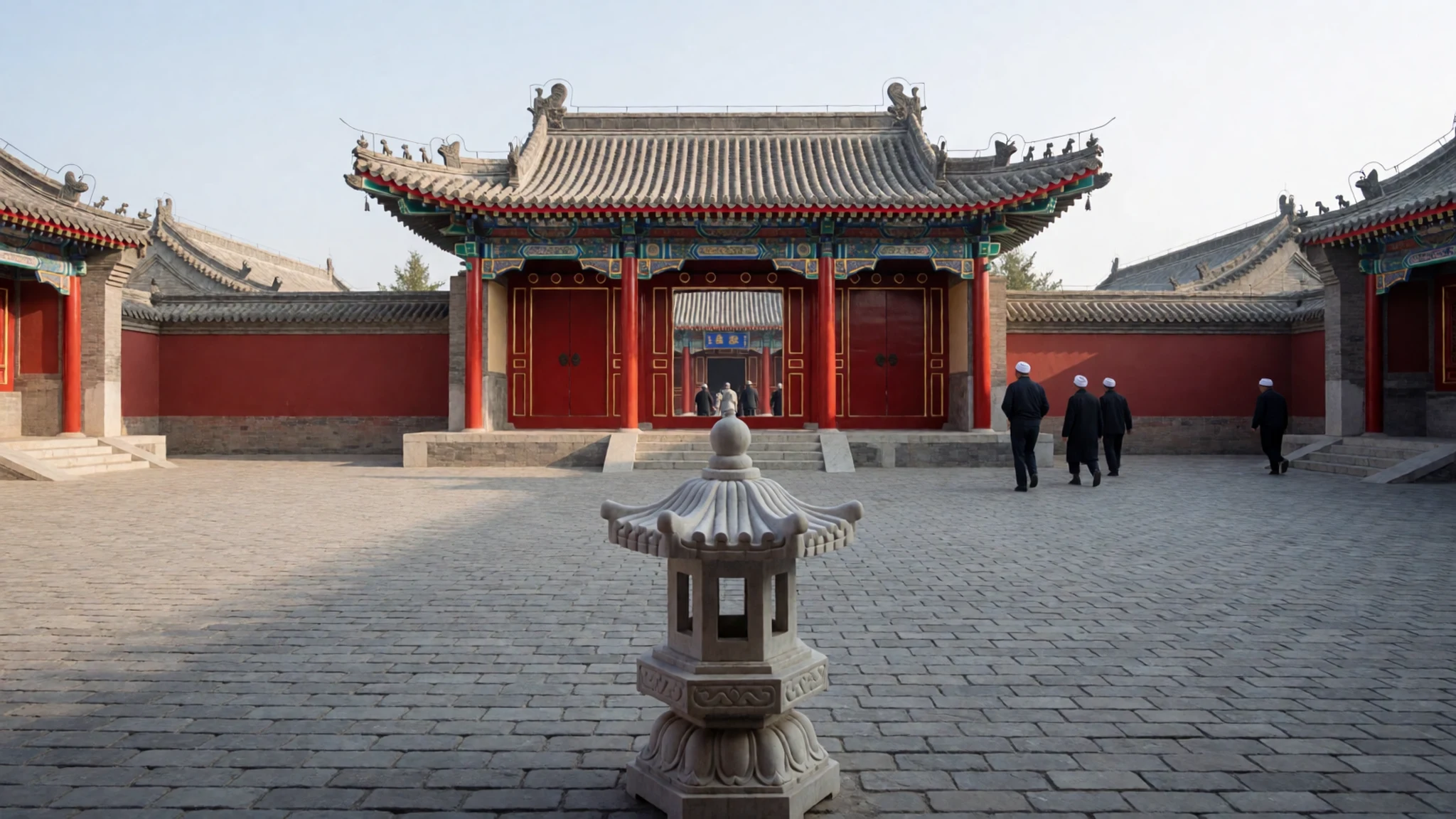
Culture
Culture in Hohhot is a vivid hybrid of Han Chinese and Mongolian influences. The city's identity is proudly pluralistic, evident in the architecture of the old town. Along Tongdao Road, for instance, buildings are adorned with a mix of Islamic and Mongol designs, reflecting the diverse ethnic groups that have called the city home. Language is a key cultural marker; while Mandarin is the lingua franca, older residents often speak a local dialect related to the Jin language of Shanxi, which can be challenging even for other Chinese speakers to understand.
Religion plays a central role in daily life, with a visible coexistence of Buddhism and Islam. In recent years, there has been a concerted effort to revive Mongol-themed architecture and public art, ensuring that the city's nomadic roots are not swallowed by modern urbanisation. This creates a street scene where high-rise apartments stand beside traditional yurts and monasteries, and where the rhythm of life is still occasionally tuned to the needs of the grasslands. When visiting religious sites, please dress modestly and avoid speaking loudly in prayer halls.
What to wear
Traditional Mongolian dress in Hohhot is defined by the 'deel', a long, caftan-like robe made of silk or cotton in summer and heavy wool or sheepskin in winter. These garments are cinched with a sash and are designed for the harsh elements of the steppe, providing warmth and versatility for riding. Intricate embroidery and bold colours often signal social status or regional origin.
In daily modern life, residents mostly wear contemporary global fashion—denim, t-shirts, and tailored business wear in the city centre. However, it is common to see traditional elements integrated into festive wear or worn by older generations in ethnic neighbourhoods.
For visitors, the most important factor is the weather. Because of the semi-arid climate and high elevation, layering is essential. In spring and autumn, a wind-resistant jacket is a necessity to combat the strong gusts. In winter, heavy thermal gear and insulated boots are required. For visiting temples or mosques, modest attire that covers the shoulders and knees is respectful and recommended.
What to eat
- Ice-Boiled Mutton — specialist mutton restaurants
A local speciality where mutton is cooked using a unique heating method involving ice to maintain a specific temperature and texture.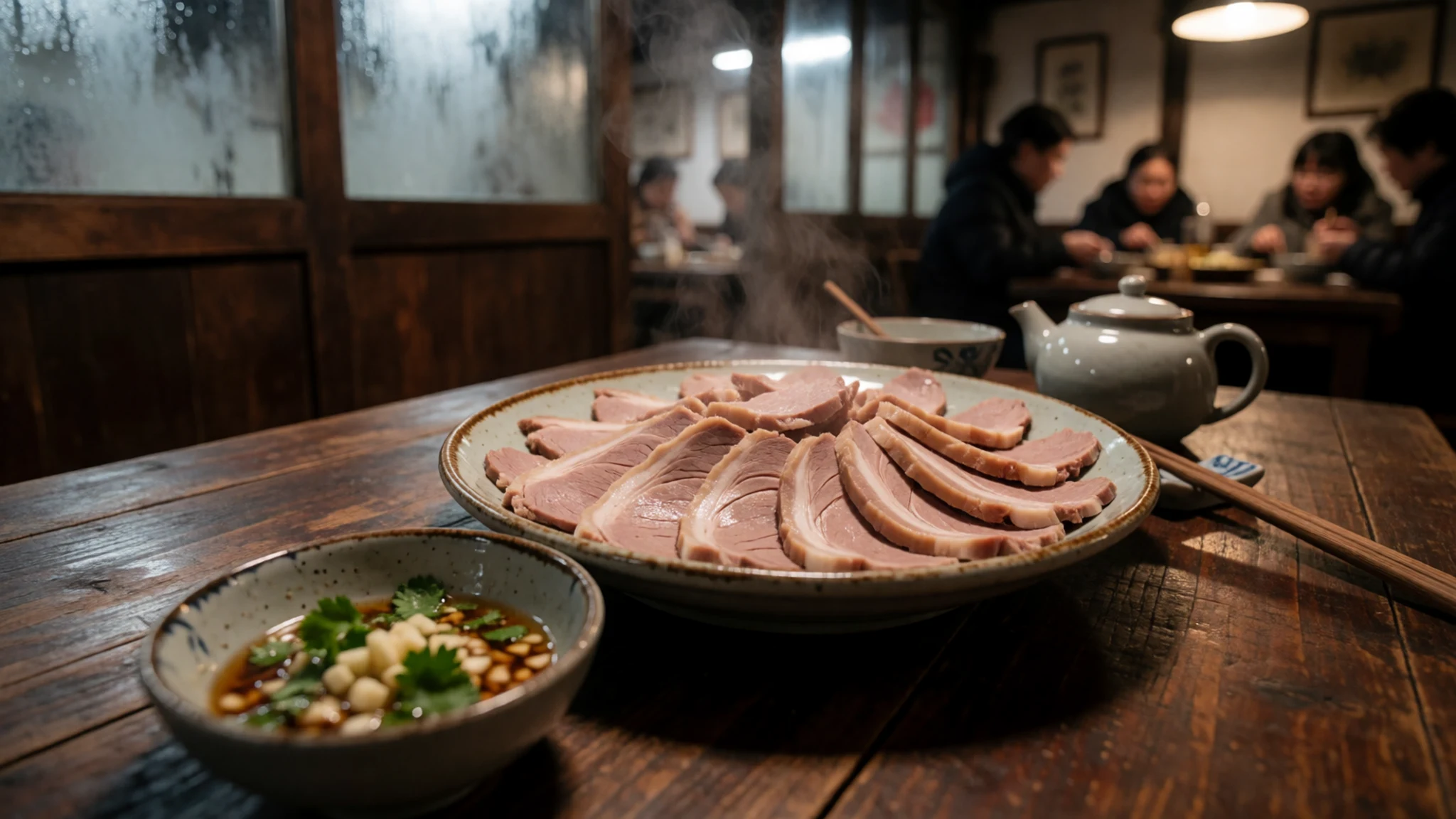
- Mongolian Stew — private yurts near the race track
Hearty, meat-heavy dishes often served in traditional settings, reflecting the nomadic diet of the grasslands.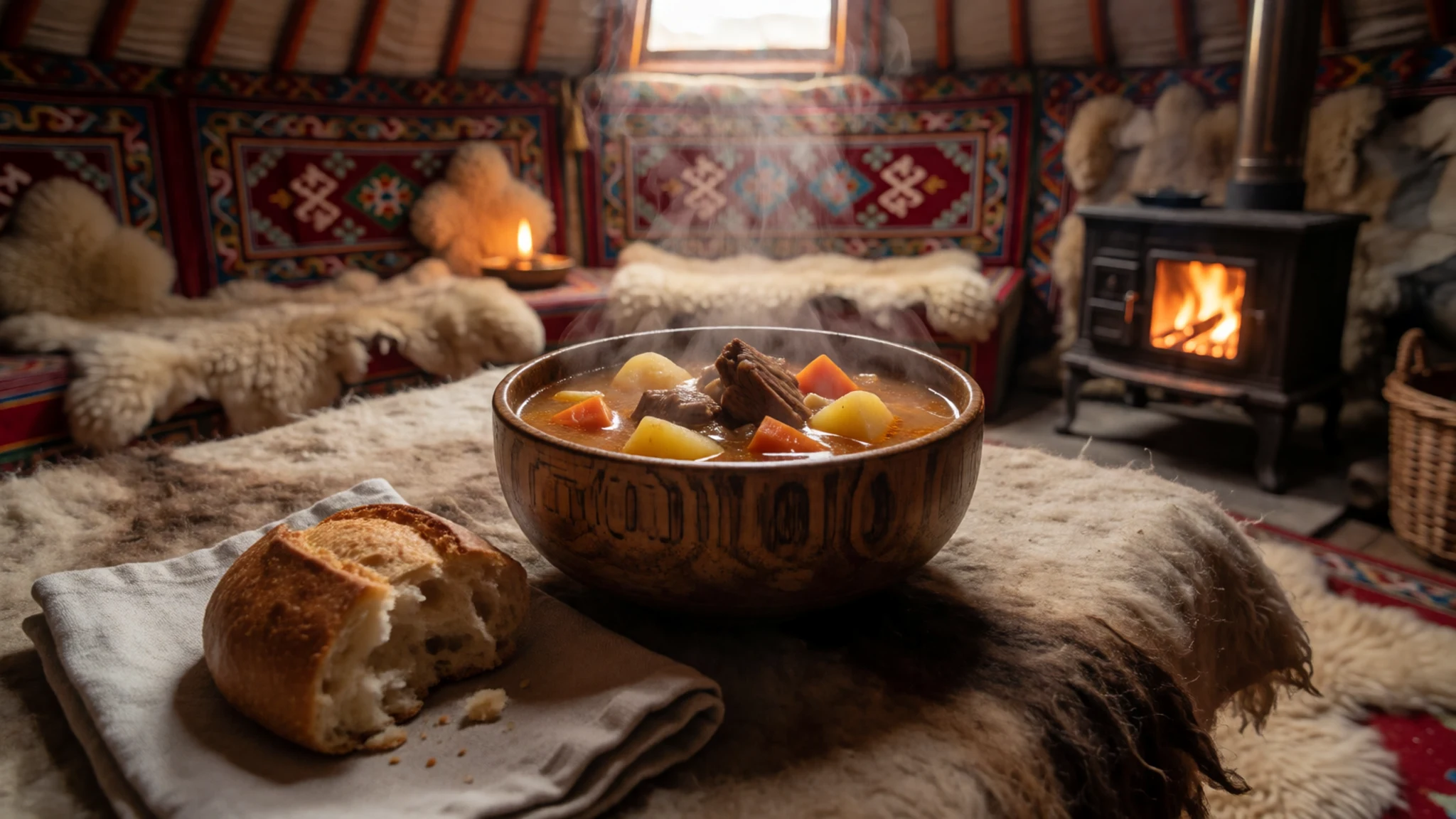
- Northwestern Chinese Cuisine — Xi Bei chain stores
A variety of spicy and savoury dishes featuring hand-pulled noodles and grilled meats characteristic of the region. - Seafood Hotpot — Fengwei Huoguo
A popular urban favourite where fresh seafood is simmered in a communal pot, drawing large crowds every evening. - Tibetan Cuisine — Tibetan food bars
Specialised dishes and teas from the plateau, often served in intimate, atmospheric settings with traditional decor.
Plan it
Best time. April–May and September–October are ideal to avoid the extreme cold of winter and the humidity of July and August.
How long. 2–3
Getting there. Fly into Hohhot airport or take a high-speed train from Beijing (about 2.5 hours) to Hohhot or Hohhot East station.
Budget. mid
Tips
- Carry a heavy windbreaker even in shoulder seasons
- Prepare for very dry air; bring moisturiser and lip balm
- Use a translation app for the local dialect
- Cash is still useful for small market stalls
- Stay in a yurt for a traditional experience
Etiquette
- Do not touch Buddhist statues or relics
- Dress modestly when entering mosques
- Ask permission before photographing people in traditional dress
Nearby
Sources
- Wikidata Q535534 (CC0)
- Wikipedia (CC BY-SA 4.0)
- Wikivoyage (CC BY-SA 4.0)