Hagåtña
Hagåtña, United States
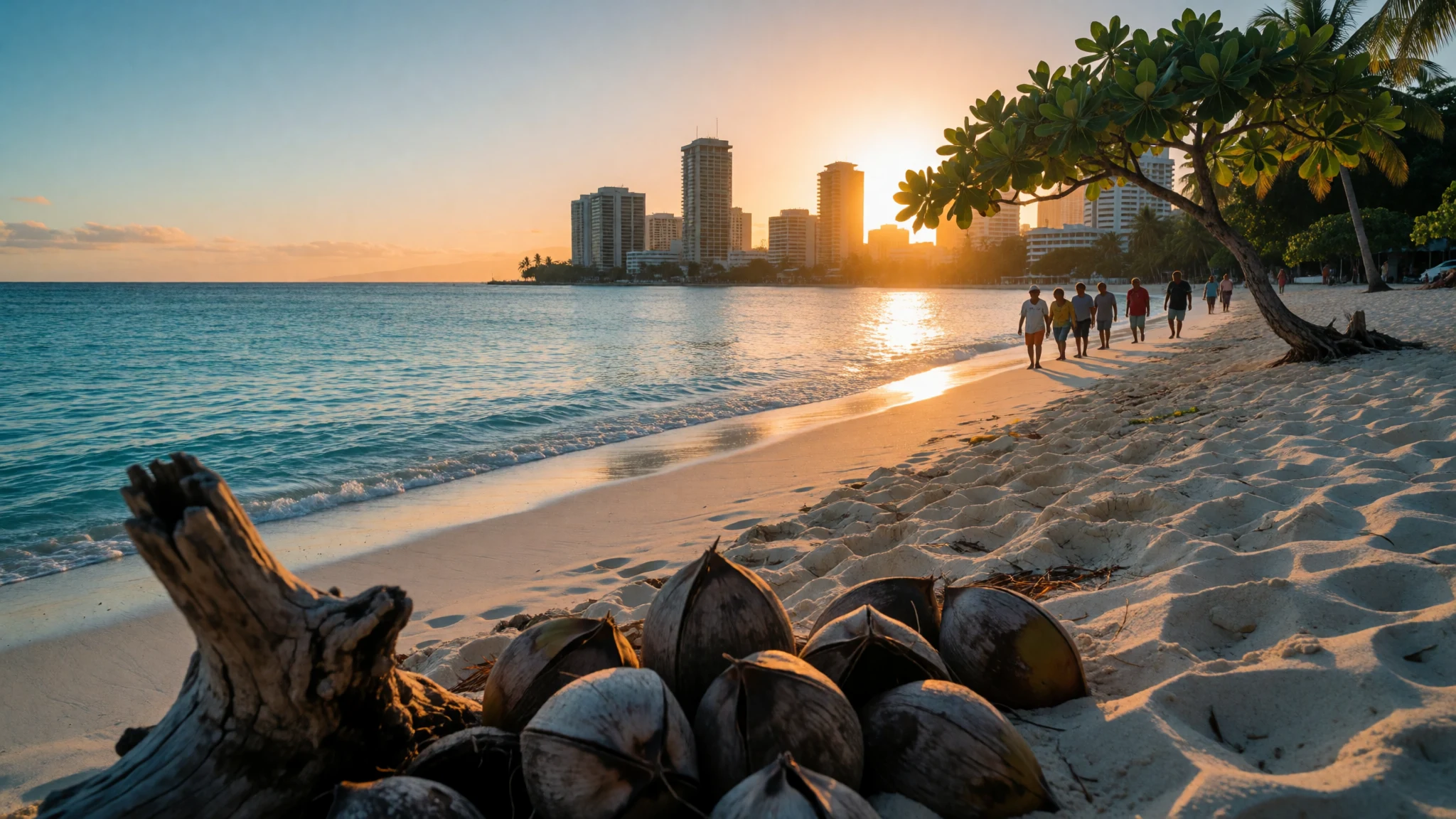
Hagåtña is Guam's small, walkable capital, where Spanish ruins, Chamorro tradition and a modern grid of offices and cafés sit within a few blocks.
The place
Hagåtña, once spelled Agana or Agaña, is the capital of Guam, a United States territory in the western Pacific. It sits on the island's west coast, where the Hagåtña River reaches the sea. The 2020 census counted 943 residents, so it feels more like a small town centre than a capital, and the whole core can be walked in an afternoon. Agana Bay's sandy beaches mark the northern edge, the river and its wetlands close off the east, and a cliff rises to the south, with the neighbouring village of Agana Heights on top. Unusually for Guam, the centre is laid out in city blocks, with a few office towers, shops and small eateries along the grid. Anigua, the western part, is mostly housing. For a long stretch of history this was where most of the island's people lived. That has changed: today it is among the smallest of Guam's 19 villages by both area and population, yet government offices and businesses still draw crowds on weekdays. Evenings and weekends are quiet, and most tourists spend their time at resort beaches elsewhere on the island, so Hagåtña rarely feels crowded. Heat and humidity are constant, which makes early morning the best time to walk. It is also the westernmost territorial or state capital in the United States, measured by direction of travel.
Its story
Hagåtña was an important Chamorro settlement long before Spanish ships arrived, and its later history reads as a series of colonial layers. In 1668 the priest San Vitores led the first Spanish mission to Guam. A local chief, Kepuha, converted and gave land in the village, where the island's first church was built; the present Dulce Nombre de Maria Cathedral-Basilica descends from it. Many Chamorro people remember the mission as the start of conquest as much as of faith, since conversion was often pressed on people who had not chosen it. The long conflict that followed, known as the Spanish-Chamorro Wars, devastated the island's population, and survivors from Guam and the wider Mariana Islands were forced to resettle in and around Hagåtña, where they could be controlled. Some of the Spanish town survives as ruins around the Plaza de España, beside the cathedral. The remains of the governor's palace stand there, nearer the Department of Education than the church. After the war of 1898, Spain handed Guam to the United States, and Hagåtña stayed the seat of government under a naval administration. During the Second World War the Japanese military occupied the island, and the town was badly damaged before the occupation ended. It was later rebuilt on a modern grid, which is why little of the old street pattern remains.
What to see
- Fort Santa Agueda — Hilltop above the town centre
A short climb leads to the ruins of a Spanish fort built around the turn of the nineteenth century. It served as a signal station until shortly before the Second World War, then became a gun position under Japanese occupation. The real reward is the view over Hagåtña's roofs and Agana Bay, best in the morning.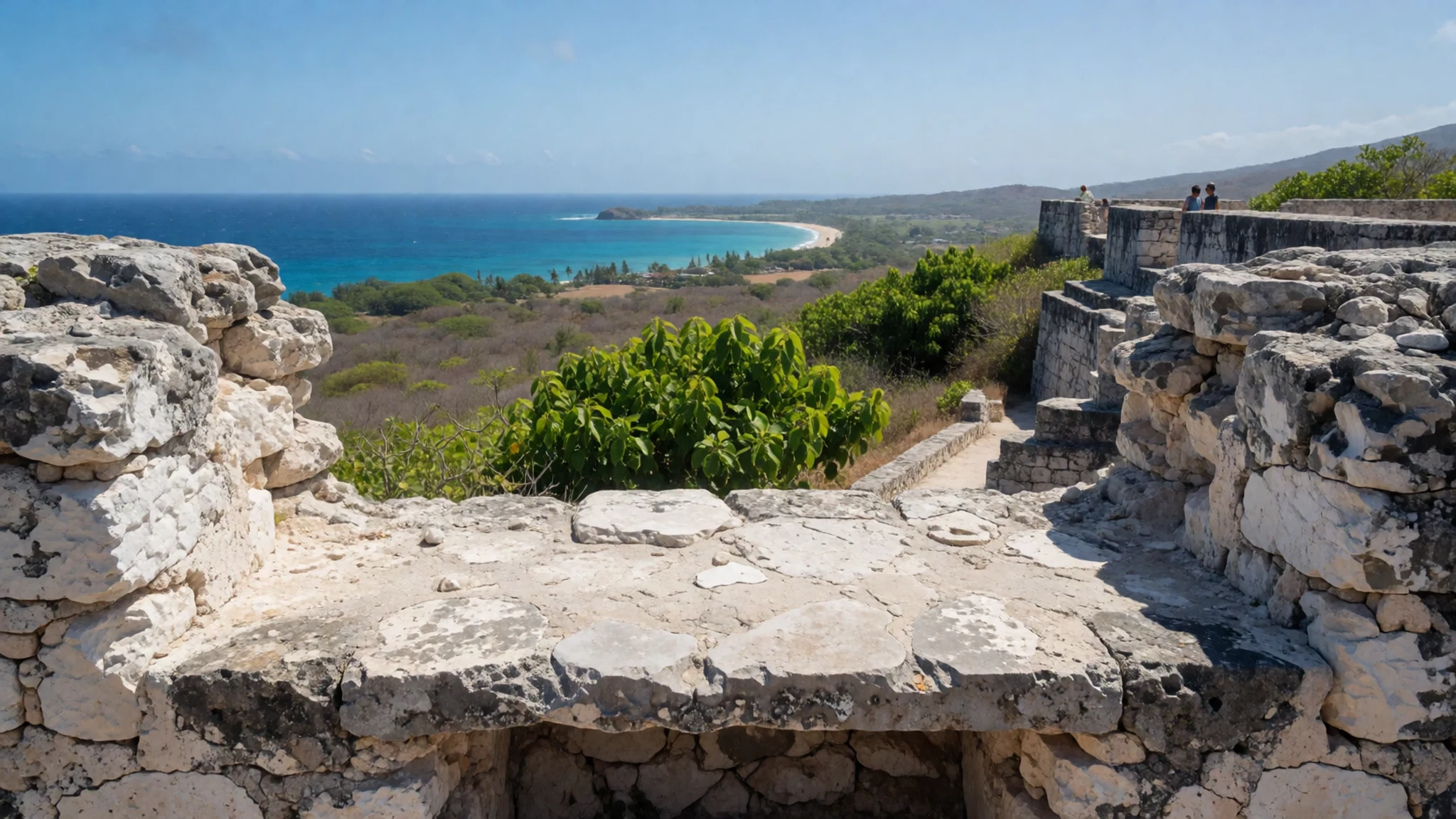
- Plaza de España and the cathedral-basilica — Town centre
The plaza holds the broken walls of the Spanish governor's palace, set in lawns beside the cathedral-basilica of the Archdiocese of Agaña. It is the clearest place in town to read the island's Spanish chapter. Allow time to sit in the shade and visit the church itself, outside service times.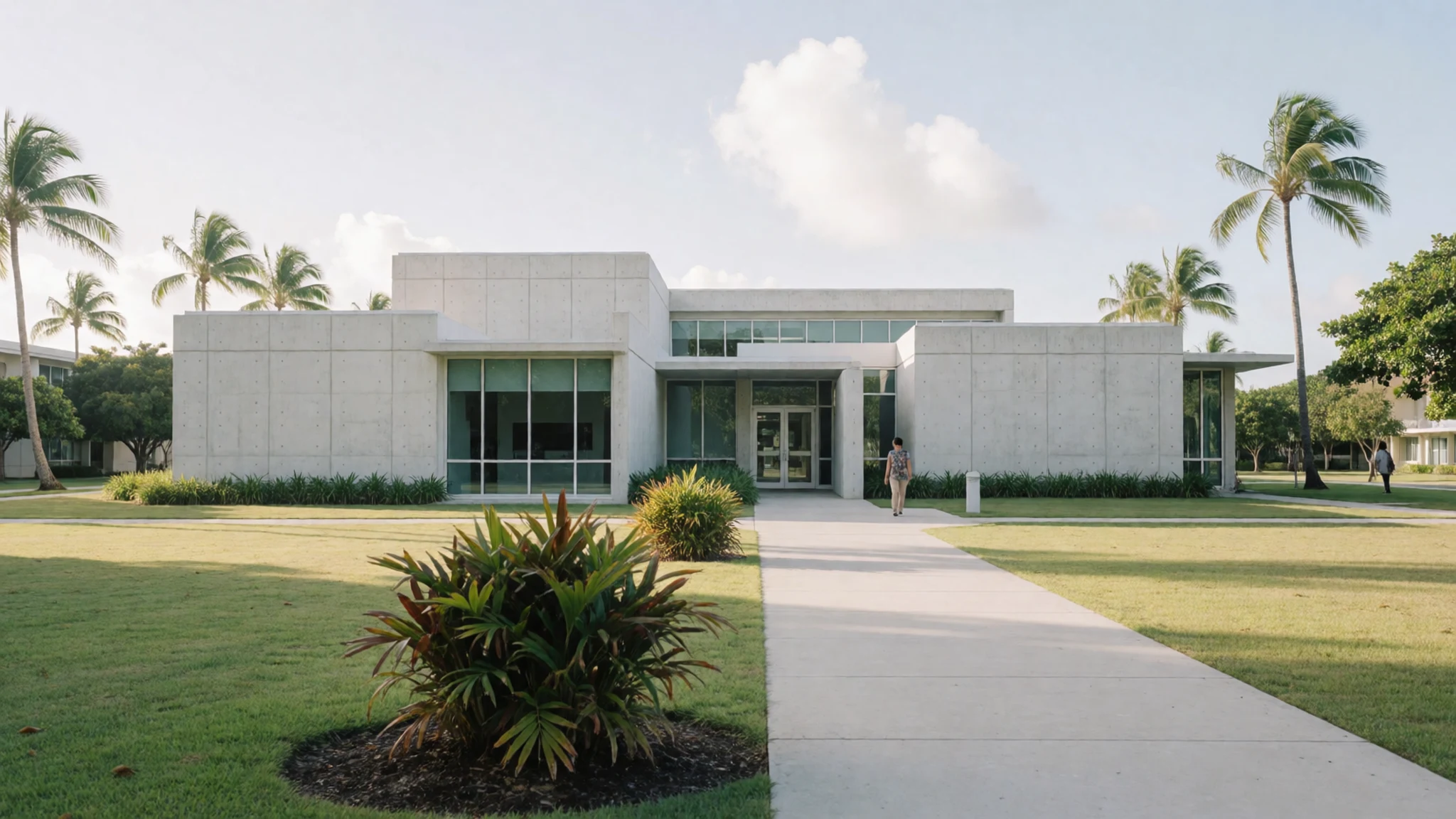
- Guam Museum — Town centre
The museum covers the history of Guam, from its Chamorro roots through Spanish and American rule, and it is a sensible first stop before walking the town. A café and gift shop are on site. Check the official site for opening times and any entry charge before going.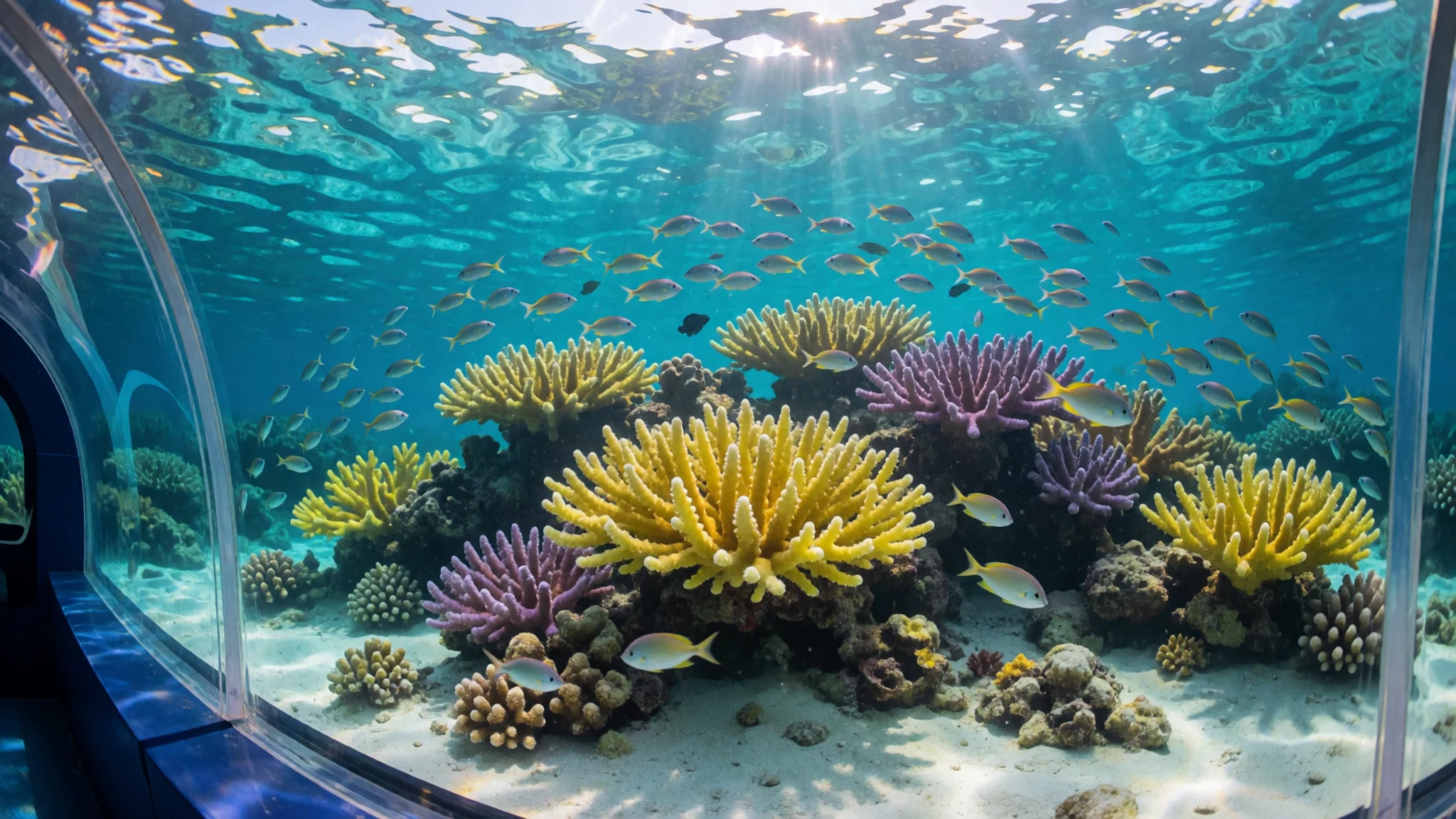
- Fish Eye Underwater Observatory — Coast south-west of the capital
This underwater observatory lets visitors watch reef fish and other marine life through windows below the waterline, without getting wet. The operators also run dolphin-watching cruises and cultural shows. It sits outside Hagåtña itself, so plan a car or taxi, and check current programmes before setting out.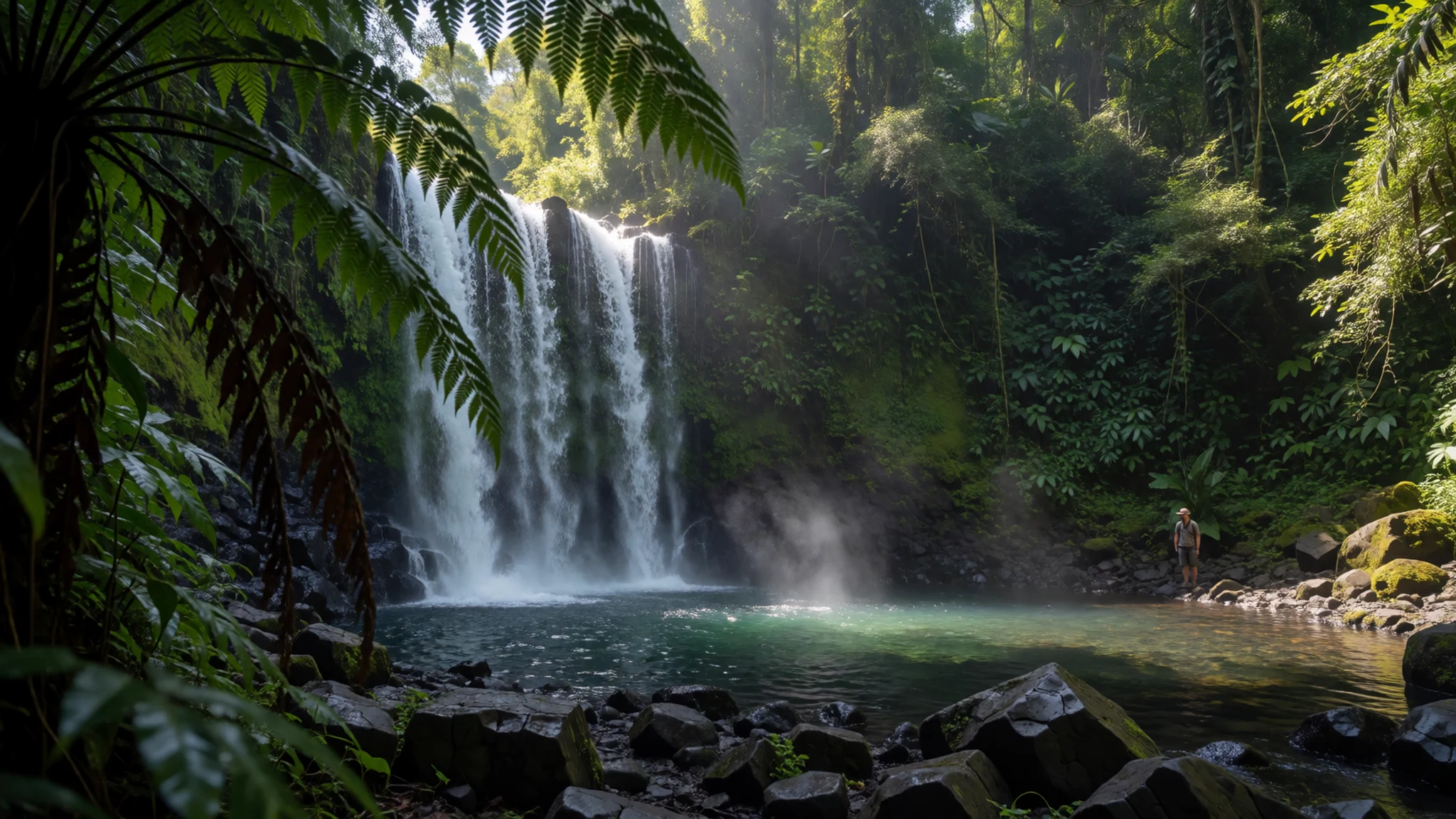
- San Carlos Falls — Inland, south-west of the capital
A trail leads to a waterfall with a swimming hole that is popular with local families. The path can be very steep and slick after rain, so wear shoes with grip and avoid it in wet weather. Mosquito repellent is worth carrying, and a drive from town is needed.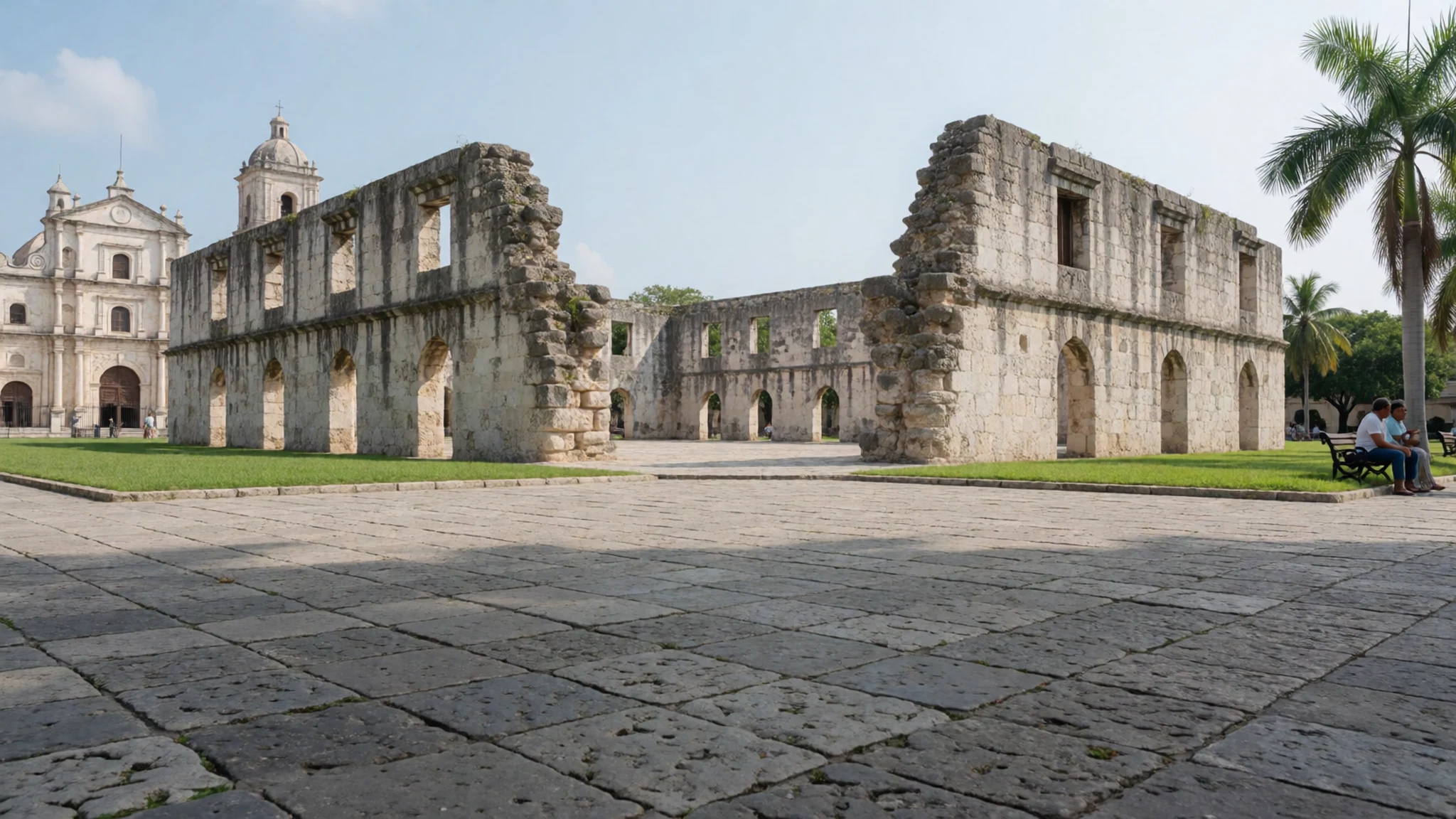
Culture
Hagåtña, as Guam's historic and administrative centre, hosts many of the island's big ceremonies. Catholicism is central to Chamorro life, and the year is shaped by feast days. On 8 December the statue of Santa Marian Kamalen, Patroness of the Mariana Islands, is drawn through the streets on a cart while thousands pray beside it. On 21 July Guam marks Liberation Day, its main patriotic holiday, and the parade runs along Marine Corps Drive in the capital. Both days bring families, folding chairs, food and flags into the centre, and streets close accordingly. Beyond the festivals, the Plaza de España and the cathedral-basilica carry the Spanish chapter of the story, while Latte Stone Park and the Chamorro Village shopping area explain more of the island's older and living culture. Latte stones, the paired pillars and capstones that once held up Chamorro houses, are a well-known symbol of the pre-Spanish past. Chamorro is spoken alongside English, and the idea of inafa'maolek, roughly making things good for one another, helps explain the weight placed on family, hospitality and sharing food at fiestas. Conversations about the Spanish and American eras can be heartfelt, and listening is wiser than debating. At the cathedral or any procession, dress modestly, keep your voice low, and ask before photographing worshippers up close.
What to wear
Hagåtña's traditional dress comes from the island's mix of Chamorro and Spanish-era influences. Women's formal wear is the mestiza dress, a long skirt with a fitted bodice and stiff, raised sleeves, usually in light fabrics. Men wear a loose collared shirt, often in a guayabera style, with trousers. These outfits appear at fiestas, weddings, church feasts and cultural events. Woven coconut and pandanus leaf work, and garlands of flowers and leaves, add a local touch. Day to day, the town dresses for heat: cotton T-shirts, shorts, flowery island shirts, flip-flops and caps. Office workers in the government quarter wear neat short-sleeved shirts or light dresses, and shoes rather than sandals for meetings. Visitors should pack light, breathable cotton or linen, a hat, sunglasses and high-factor sunscreen, and a thin waterproof for sudden showers. Cover shoulders and knees for the cathedral and church services, and keep swimwear for the beach rather than the streets. Trainers or shoes with real grip suit the waterfall trail and the fort's slopes, where wet ground is slippery. Flip-flops are fine in town but poor on trails. Because the humidity stays high all year, a spare shirt for the afternoon is a small luxury that is easy to carry.
What to eat
- Red rice with barbecue — Chamorro Village stalls and local barbecue counters
Rice coloured and flavoured with achiote seeds sits at the centre of Chamorro feasts, usually beside grilled chicken, pork or ribs. It is hearty, mildly smoky and filling, so share a plate if lunch will be late.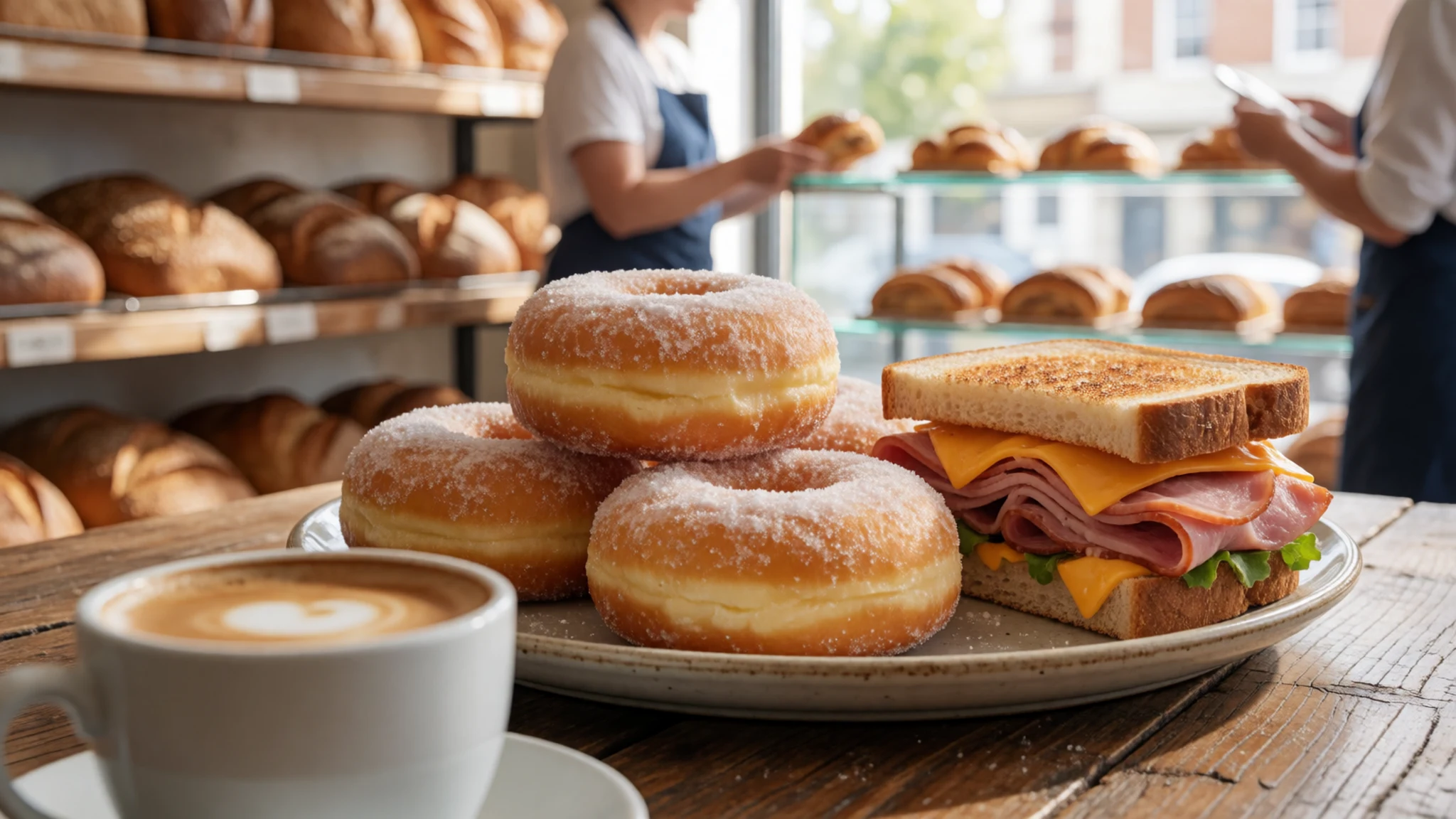
- Kelaguen — Chamorro Village and local Chamorro eateries
A cold dish of chopped chicken, fish or shrimp dressed with lemon juice, grated coconut, onion and chilli. The acidity is sharp and refreshing in the heat, and it is often eaten with tortillas or rice.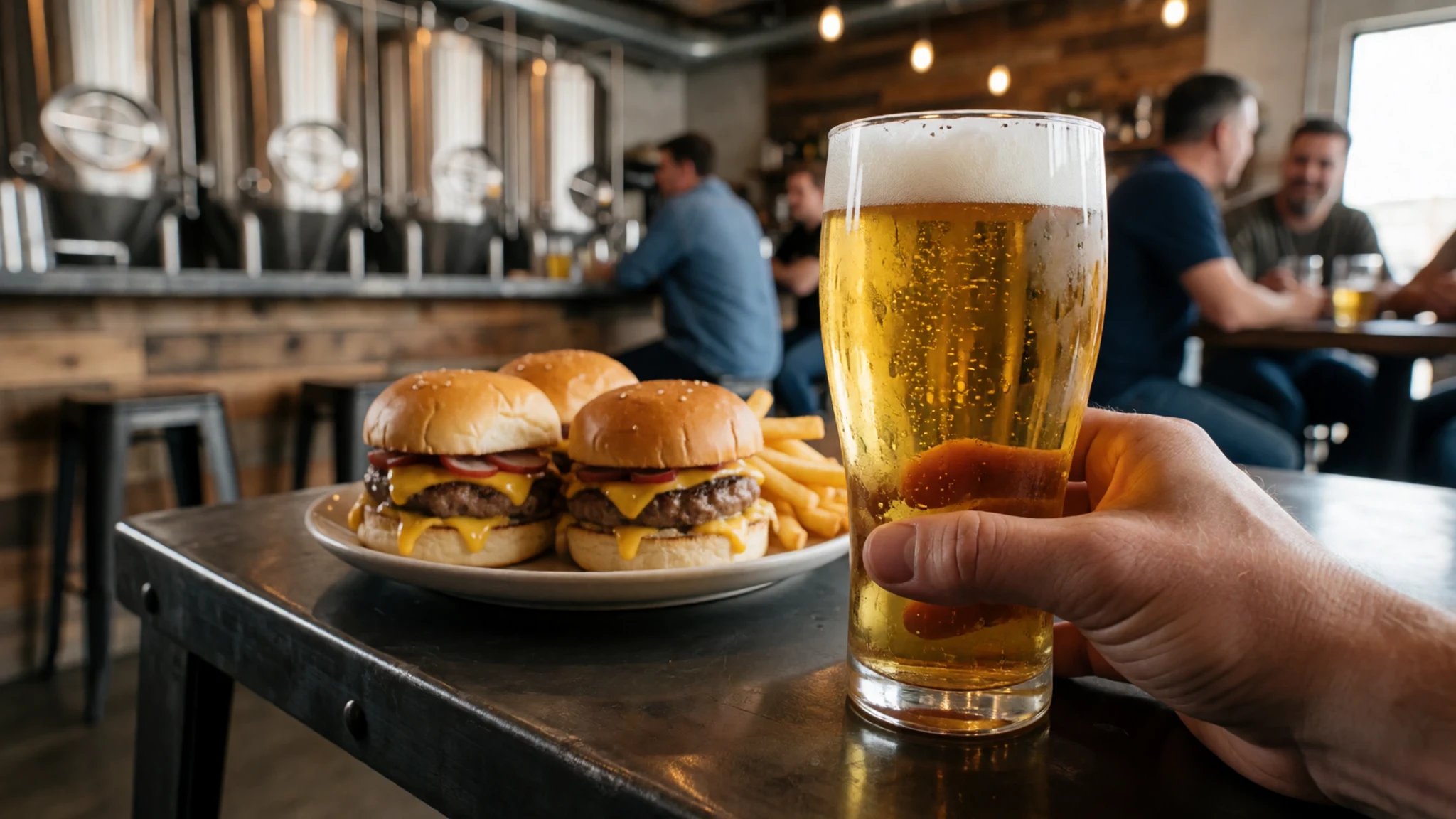
- Fina'denne' dipping sauce — On the table at most Chamorro restaurants
A salty, sour, spicy table sauce built on soy, lemon, onion and chilli. Locals spoon it over grilled meat and rice. It can be hot, so taste a small amount before pouring. - Doughnuts and baked goods — Bakeries and delis in the central blocks
For a quick breakfast, the town centre has bakeries selling doughnuts, pastries and sandwiches. MainStreet Delicatessen & Bakery is one place to look, and the sandwiches work as picnic food for the fort or the waterfall. - Local brews and coffee — Central blocks near the Guam Museum
Carabao Brewing makes beer in the centre and also serves food, which makes a cool stop after the fort climb. For coffee and a sandwich, Hava Java Café is a short walk away.
Plan it
Best time. January to May is generally the drier, slightly less sticky part of the year, which suits walking and the waterfall trail. The wetter months bring heavy showers and some typhoon risk, so check forecasts if travelling later in the year. Festival days fall on 8 December and 21 July.
How long. 1–2
Getting there. Guam's international airport is A. B. Won Pat, with non-stop United flights to Honolulu and Tokyo, and other services arriving via East Asia. The last leg to Hagåtña is a short road journey by taxi or hire car, since the capital is on the island's west coast.
Budget. mid
Tips
- Walk the town and fort early, before the heat and humidity build
- Hire a car or arrange taxis for the observatory and waterfall, which are outside the centre
- Carry water and mosquito repellent, especially for the waterfall trail
- Check the official site (http://ns.gov.gu/agana.html) and museum pages for events, opening times and any charges
- Expect large crowds and road closures on 8 December and 21 July
Etiquette
- Dress modestly and keep quiet inside the cathedral and during processions
- Ask before photographing worshippers or families at festivals
- Treat the ruins and latte stones as heritage sites and do not climb on them
Nearby
Sources
- Wikidata Q30988 (CC0)
- Wikipedia: Hagåtña, Guam (rev 1385462482) (CC BY-SA 4.0)
- Wikivoyage: Hagåtña (rev 5403528) (CC BY-SA 4.0)
- Photo: Hagatna from Fort Santa Agueda (Public domain)
- Photo: Agaña Montage (CC BY-SA 4.0)
- Photo: Main street of Agana or Hagåtña, Guam (1899-1900) (Public domain)
- Photo: Aerial view of Hagåtña, Guam in November 1943 (cropped) (Public domain)
- Photo: Caroline Islanders Village near Agana, Guam (1899-1900) (Public domain)
- Photo: Map of Hagåtña (Public domain)
- Photo: Municipalities of Guam: Hagåtña (CC BY-SA 2.0)
- Photo: Academy of Our Lady of Guam (CC BY-SA 4.0)


Wildlife
- Spinner dolphin (animal)
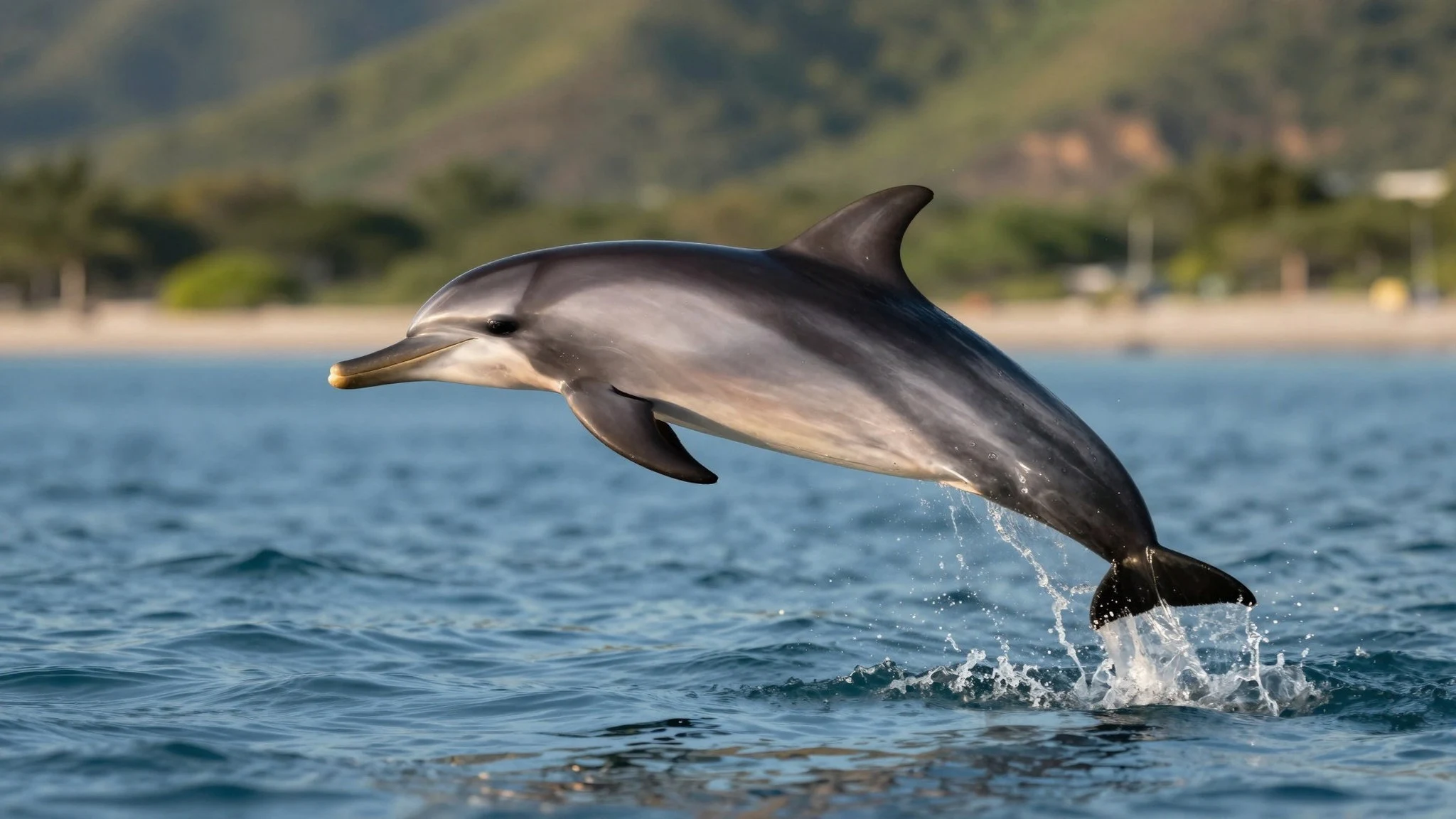
The spinner dolphin is a small, toothed whale of warm open seas that loves to leap and twirl through the air like a tiny acrobat. In Hagåtña, a local site arranges boat trips to watch dolphins, which makes a happy outing for families and anyone fond of wildlife. Join one of those trips with a crew who know the water, keep your voices low, let the dolphins choose how close to come, and never feed them.